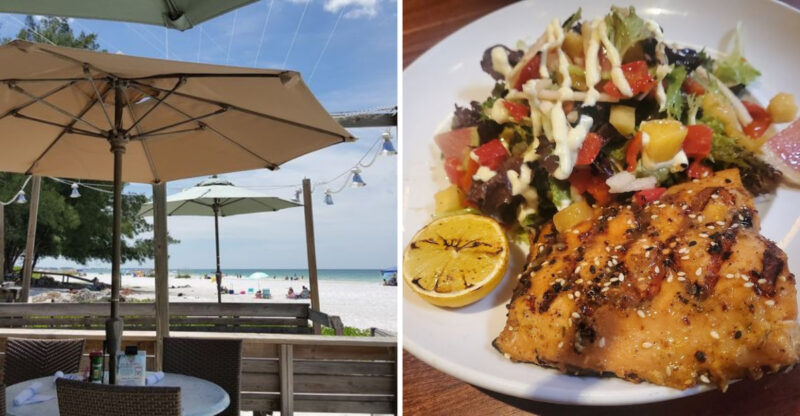
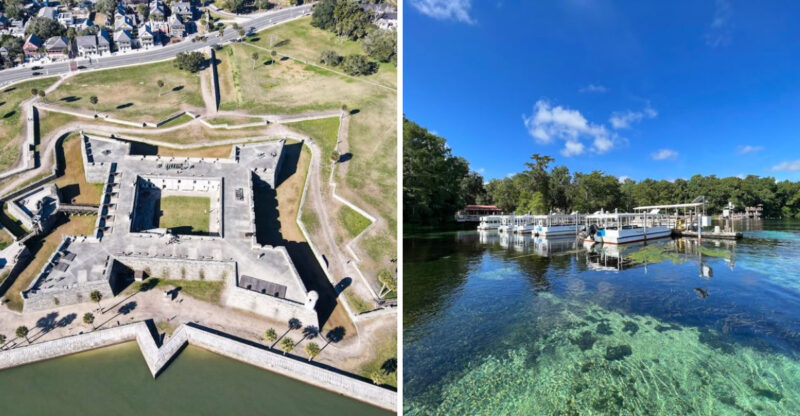
This Undiscovered Florida Gulf Town Is Too Good To Stay Hidden
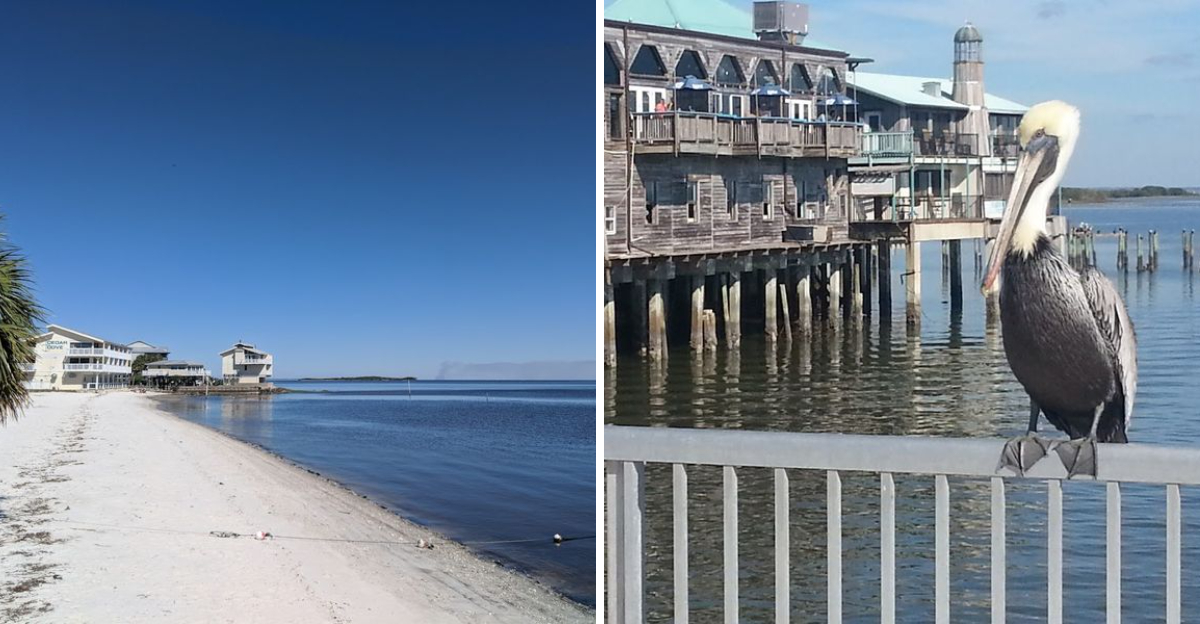
A small sign, a two-lane road, and nothing but marsh grass and open sky stretching out on either side. Most people would have turned around.
Something told me to keep driving, and what I found at the end of that road made me genuinely grateful I listened to that instinct.
This little Gulf town sits in Florida like a well-kept secret that somehow never got out. No resort hotels crowding the waterfront, no chain restaurants and no tour buses idling in a parking lot.
Just clear water, unhurried locals, and the kind of quiet that actually lets your shoulders drop.
I spent an afternoon there thinking I would leave after an hour, and ended up staying until the sun was completely gone. Then I went back the next morning.
Some places earn their reputation loudly. This one earns it simply by being exactly what everyone claims to be looking for and almost never finds.
1. Old Florida Charm
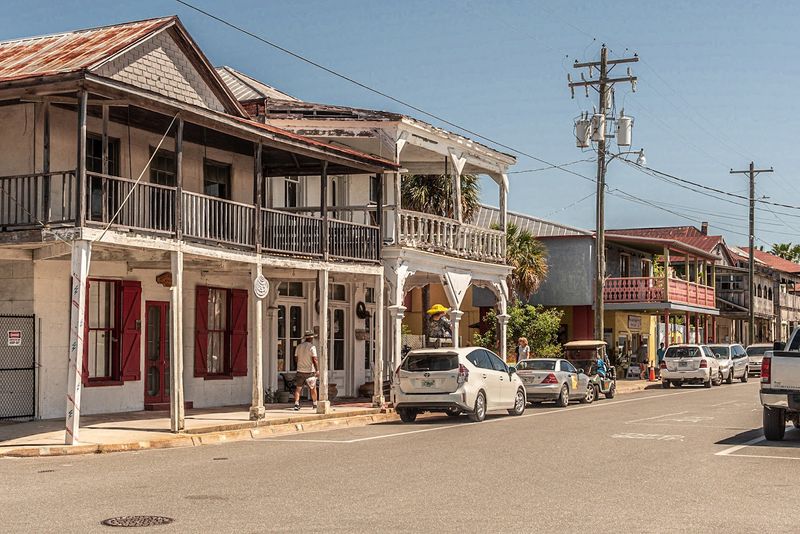
Nobody warned me that Cedar Key would feel like a Florida that no longer exists anywhere else.
The buildings are sun-bleached and leaning just slightly, in the best possible way. Wood-plank sidewalks, hand-painted signs, and zero chain restaurants in sight.
Cedar Key sits on a cluster of small islands off Florida’s Nature Coast, about 50 miles southwest of Gainesville.
It became a pencil-manufacturing hub in the 1800s before storms and shifting industries left it quiet. That quiet never really left.
Today the town wears its history comfortably. You can feel it in the pace of the locals, who wave at strangers without hesitation.
The streets stay uncrowded even on weekends, which feels almost illegal by Florida standards. If you have been searching for the Florida that existed before theme parks and outlet malls took over, this is the place for you.
2. The Sea That Feeds The Town
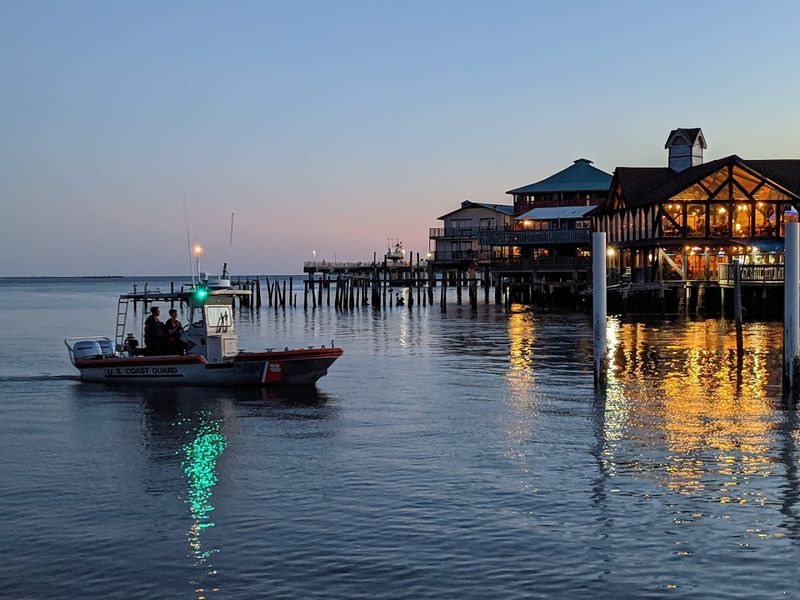
Cedar Key produces more farm-raised clams than anywhere else in Florida. That is not a trivia footnote.
That fact shapes everything about this place, from what is on the menu to who you see working the docks before sunrise.
Local clam farmers lease shallow-water plots just offshore and tend their beds by hand, often from flat-bottomed skiffs. The clams are clean, sweet, and pulled fresh daily.
You can taste the difference immediately if you order them at any of the waterfront spots in town.
I watched a farmer unload his catch one morning while drinking coffee on a dock. He did not look up.
He was too focused on sorting, counting, and stacking. There is something grounding about watching someone work that hard for something so good.
Cedar Key’s clam industry is not just an economy.
It is an identity. The town has protected its waters carefully to keep that industry alive, which also means the surrounding nature preserves stay pristine.
Everyone benefits, including you on vacation.
3. Seafood So Fresh It Still Smells Like The Gulf
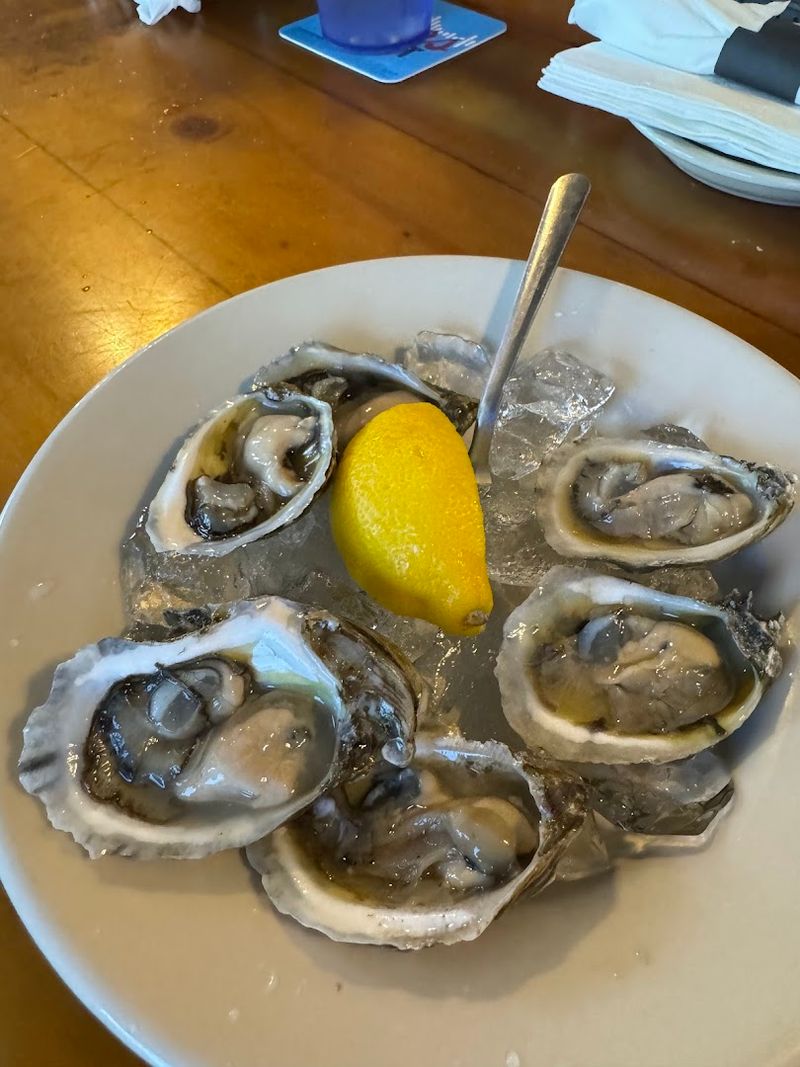
The first time I ordered clams in Cedar Key, they arrived still steaming, smelling like salt air and low tide.
That is a compliment. The freshness was almost startling compared to what passes for seafood in most tourist towns.
Several small restaurants along Second Street and the waterfront serve dishes built entirely around what came in that morning. Grouper, mullet, stone crab in season, and clams prepared a dozen different ways.
The menus are short because they depend on what is available, not what was frozen three weeks ago.
You will not find elaborate plating or celebrity chefs here. What you will find is honest cooking that lets the ingredient do the talking.
One bowl of clam chowder changed my entire benchmark for what chowder should be. Thick, briny, and made with actual clams from actual water you can see from your table.
Eating in Cedar Key is less of a dining experience and more of a direct conversation with the Gulf of Mexico. Bring an appetite and low expectations for ambiance.
The food will take care of the rest.
4. Kayaking Through The National Wildlife Refuge
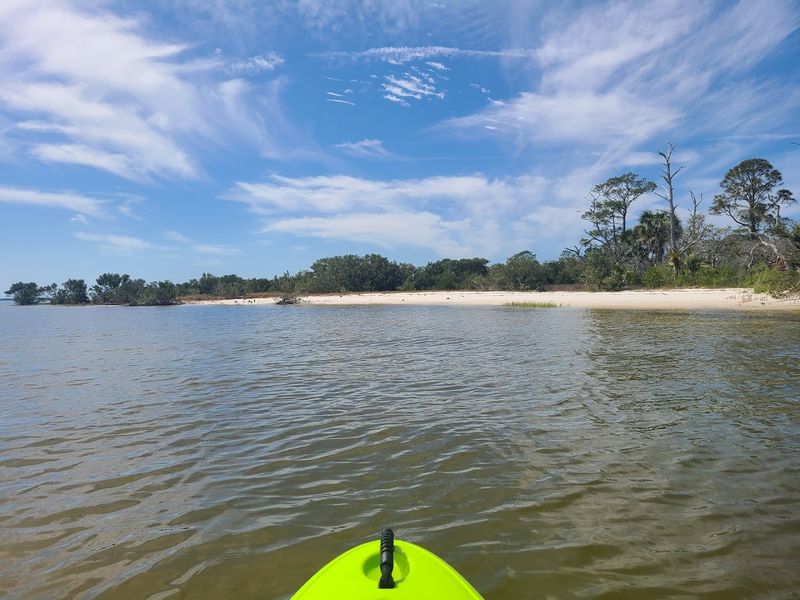
Paddling through the Cedar Keys National Wildlife Refuge in Florida feels like having a national park entirely to yourself.
The refuge covers over 700 acres of islands, marshes, and open water, and on a weekday you might not see another kayaker for hours.
The islands themselves are small and mostly uninhabited, draped in mangroves and populated by ospreys, roseate spoonbills, and the occasional bald eagle circling overhead.
The water is shallow and clear enough to watch mullet scatter beneath your hull. It is genuinely quiet out there.
Rentals are easy to find in town, and guided tours are available if you want someone who knows which channels to follow and which sandbars to avoid at low tide.
I went out solo on a calm morning and spent three hours getting pleasantly lost among the islands. The only sounds were birds and paddle strokes.
No jet skis, no crowds, no background noise from a resort pool.
Just open sky, warm water, and the kind of stillness that most people travel far and pay a lot to find. Cedar Key offers it for the cost of a kayak rental.
5. Sunsets That Make You Question Your Life Choices
I have seen sunsets. I have photographed sunsets from rooftops, beaches, and mountain overlooks.
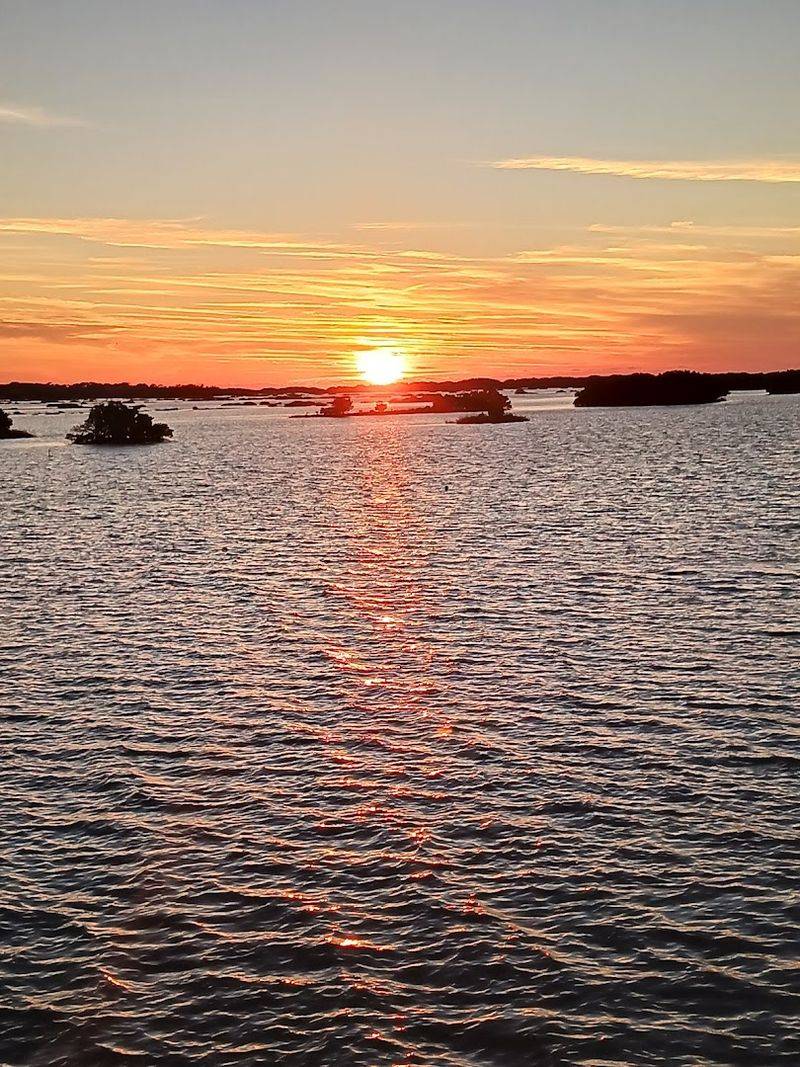
The sunset I watched from the Cedar Key city dock on my first evening there quietly lapped all of them.
The Gulf of Mexico spreads wide and flat to the west, with no high-rises blocking the view and no beach crowds jostling for position. Just a low horizon, open water, and a sky that starts orange and keeps going.
Pelicans cruise past in formation like they are showing off. Boats drift back toward the marina in silhouette.
Locals bring chairs. Visitors stand and stare.
Everyone goes quiet at roughly the same moment, which says something about the quality of the show. The dock at the end of Dock Street is the best spot, though honestly anywhere along the waterfront works.
Sunsets here last longer than they seem to elsewhere, maybe because there is nothing to distract you from watching. No hawkers selling light-up toys, no cover bands playing nearby.
Just the sky doing its job exceptionally well, and you standing there wondering why you waited so long to visit this place.
6. Artists, Galleries, And The Creative Soul Of A Small Town
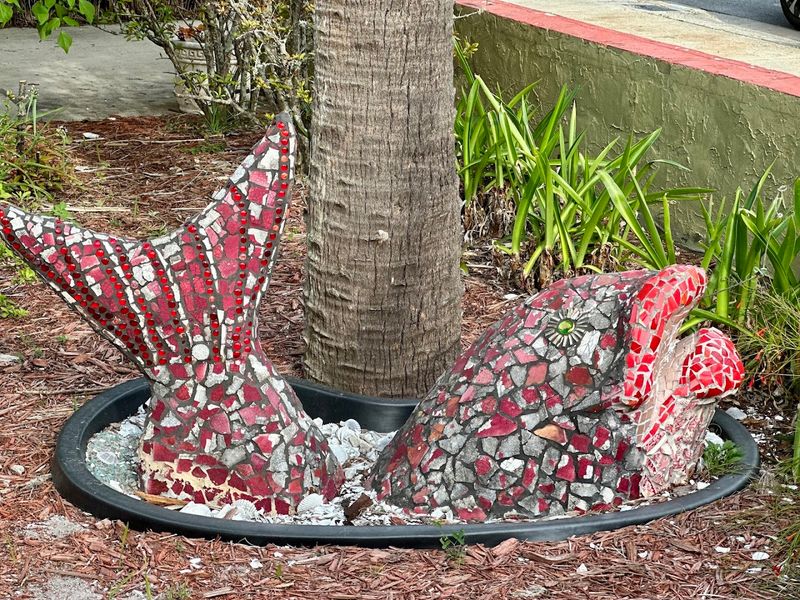
Cedar Key has attracted artists for over a century, and the evidence is visible on nearly every block.
Small galleries display paintings of marshes, clam boats, and Gulf light done in styles ranging from traditional to abstract. None of it feels like airport art.
The town hosts an annual arts festival each April that draws artists from across the Southeast.
During the rest of the year, working studios are open to the public, and you can often watch painters or potters mid-process if you wander in.
The light here has a particular quality that photographers and painters chase specifically. It is soft, warm, and bounces off the water in ways that are genuinely difficult to capture but impossible to stop trying.
Even if you are not an art buyer, browsing the galleries is one of the better ways to understand what Cedar Key means to the people who love it. Every piece is a translation of the landscape.
You start to see the town differently after looking at how artists have interpreted it for generations. It is one of those rare places where the art and the place it depicts are equally worth your time.
7. Birding At The Edge Of the Known World
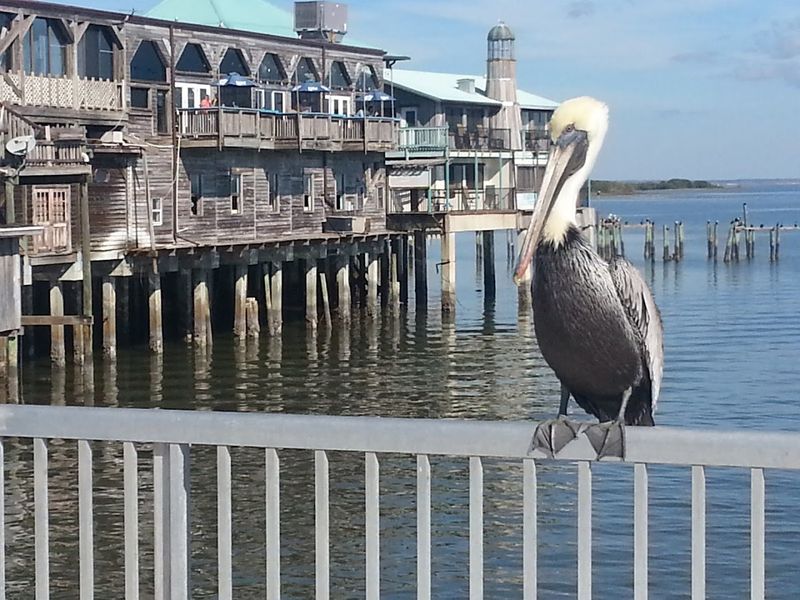
This town sits along one of the most productive birding corridors in the eastern United States.
The surrounding marshes, tidal flats, and offshore islands create habitat for over 250 recorded species, including several that are genuinely difficult to find anywhere else in Florida.
Roseate spoonbills are the crowd favorite, and for good reason. Seeing one in the wild, that improbable pink against green marsh grass, is the kind of moment that turns casual observers into actual birders.
Great blue herons, white ibis, anhingas, and wood storks are all common sightings along the walking paths near the water.
The best birding is early morning, before the heat builds and the birds go quiet. Walking the trail near the city park or paddling near the refuge islands gives you the best access.
Binoculars are worth bringing.
A field guide is worth downloading before you arrive. Cedar Key rewards the patient and the curious, which is basically the unofficial town motto.
Whether you have been birding for years or just downloaded a bird ID app the night before, the Nature Coast delivers a show that justifies the detour every single time.
8. Why You Should Go Before Everyone Else Does
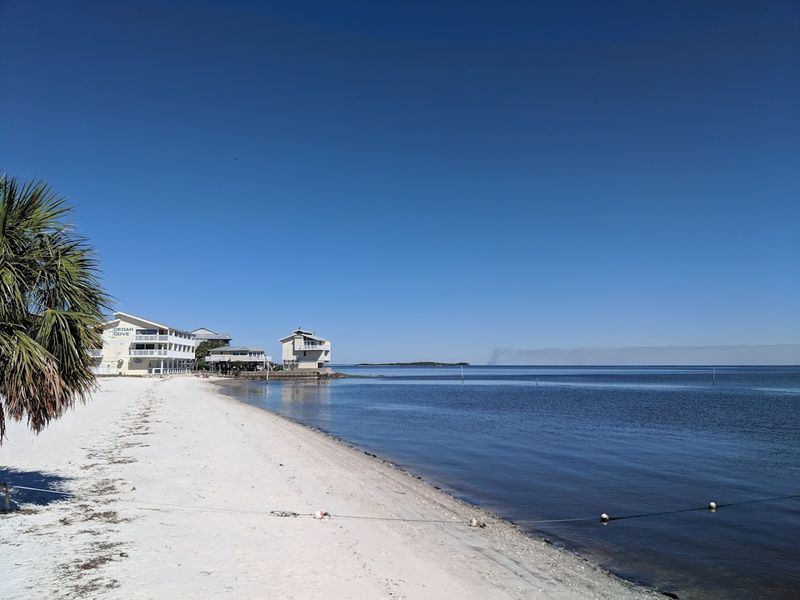
Cedar Key is not undiscovered by everyone. Locals know it.
A small, loyal community of return visitors knows it.
But it has not yet crossed into the kind of fame that changes a place permanently, and that window may not stay open forever.
The infrastructure is small by design. There are a handful of inns, a few vacation rentals, and a limited number of restaurant seats.
That is not a complaint.
That is exactly what keeps the experience feeling personal rather than processed. You make a reservation, you show up, and someone who actually cares about the food or the room takes care of you.
Development pressure exists everywhere along Florida’s coast, and Cedar Key is not immune to it. For now, the community has held the line on the kind of growth that would erase what makes it worth visiting.
Going soon means experiencing it as it is, not as it might become. Pack light, drive the long road in, and give yourself at least two nights.
One is never enough.
Cedar Key is the rare Florida town that gets better the longer you stay, and harder to leave the closer you look.