This Unique Georgia Community Was Built Around A Farm And Lives A Completely Different Way
I pulled up expecting a farm stand and maybe a barn. What I found instead was a whole town built around one, sidewalks lined with edible plants and neighbors waving from front porches like everyone actually knew everyone.
A man was pulling carrots from a strip of dirt next to the sidewalk, right in front of his own house, like that was just Tuesday. Kids rode bikes past a bakery that smelled like it hadn’t stopped baking all day.
Someone mentioned a play happening later, outdoors, no ticket required. I kept waiting to hit the version of Georgia I already knew, the one with strip malls and subdivisions, and it never showed up.
This community sits less than an hour from one of Georgia’s busiest airports, and somehow feels like a different planet. I left with more questions than I came with, in the best way.
A Town Built On Dirt Seeds And Supper
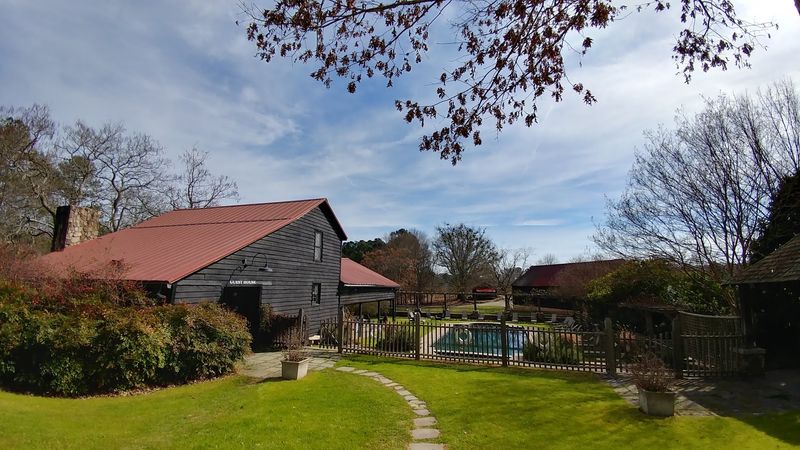
Most neighborhoods start with a road map. Here, planners started with a farm and built the houses around it.
The 25-acre organic farm sits at the heart of the village. It harvests more than 60,000 pounds of produce each year, which is a lot of squash by any measure.
Residents can join a CSA program and pick up boxes of vegetables grown a short walk from home. A seasonal Saturday market runs during the warmer months, and the crowd feels more like a reunion than a shopping trip.
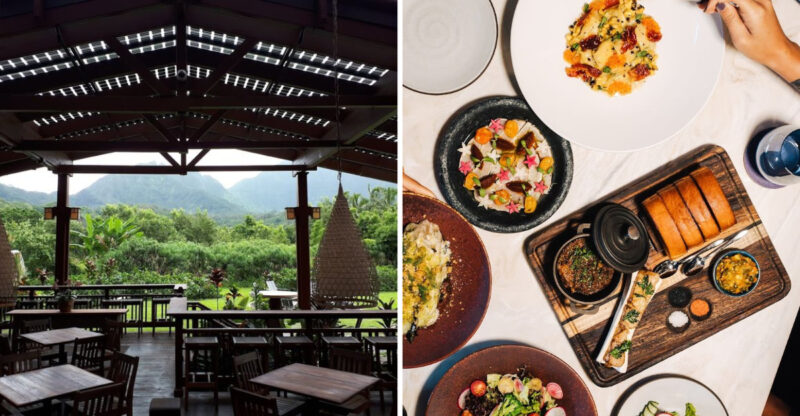
Chefs at nearby restaurants pull from those same fields. That farm-to-table idea is not marketing language here, it is simply the shortest supply chain available.
Kids grow up knowing what a carrot top looks like before it hits a plate. Adults relearn that tomatoes have seasons, which is humbling for anyone used to year-round grocery aisles.
The whole design flips the usual order of things. Instead of farmland being pushed out by houses, the houses were arranged to protect it.
You will find all of this inside a community called Serenbe, in Chattahoochee Hills, Georgia.
Four Hamlets Four Different Personalities
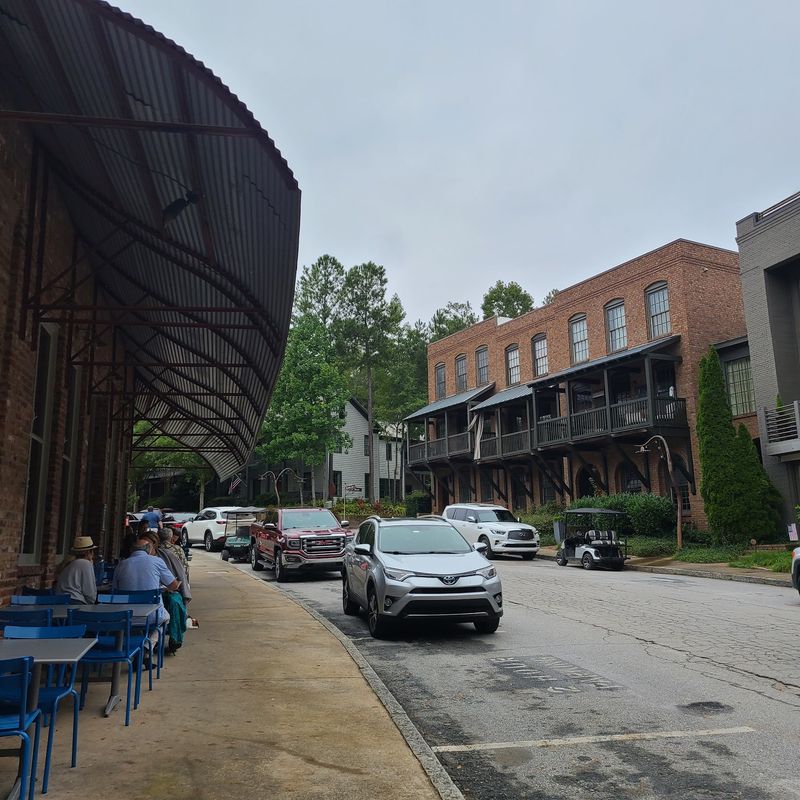
Picture four small clusters of homes and shops, each with its own personality. That is how this village is organized, and it keeps things from feeling repetitive.
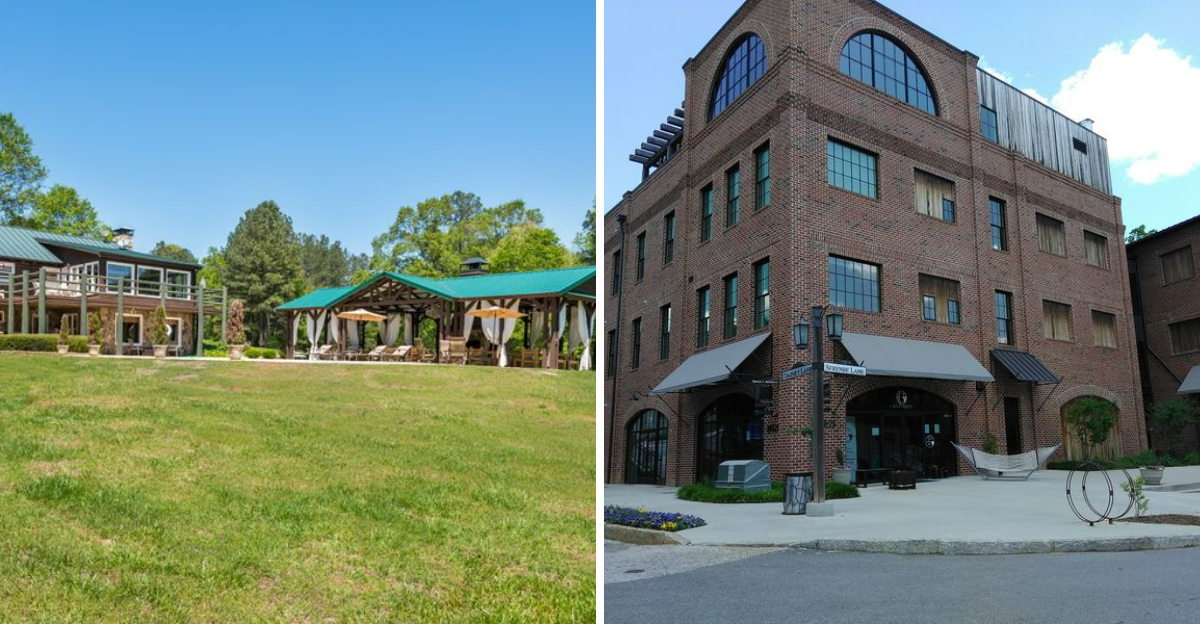
Selborne leans into arts and food, with galleries and restaurants along its main lane. It looks like an American downtown with a light Italian accent.
Grange is the agricultural hamlet, closest to the fields and the rhythms of planting. Mado focuses on health and healing, and its clean, minimalist buildings feel more like Copenhagen than Georgia.
A newer hamlet centers on play, rounding out the set. Each one has a commercial core, so daily needs are never far from the front door.
Walking between them takes minutes, not miles. That is the point, since the layout was designed to make cars optional for short trips.
The variety in architecture was intentional from the start. The developer wanted a mix of styles so the place would read as a town, not a cookie-cutter subdivision.
Spend an afternoon wandering and you will notice the shift in mood between hamlets. It is subtle, but it is real.
Front Porches Face Neighbors, Not Fences
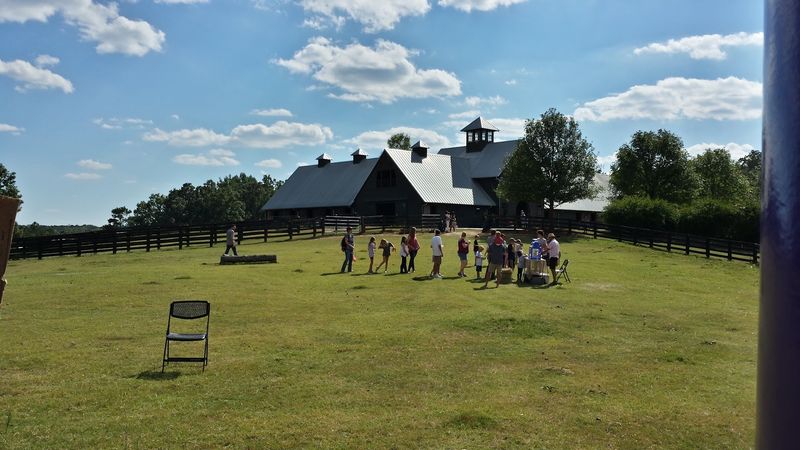
Backyards are private. Front porches are social, and that difference shapes daily life here more than any rule ever could.
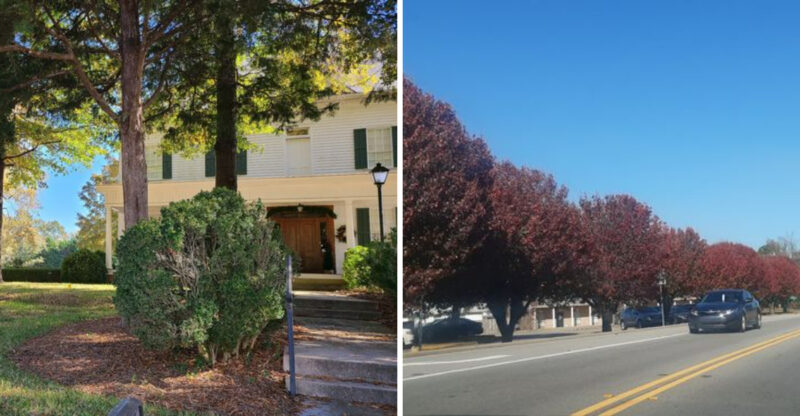
Homes include single-family houses and row houses, and nearly all of them have a front porch. Those porches face shared greenspaces and trails instead of turning inward toward fenced yards.
The result is a place where you actually see people. Someone waves while watering plants, a kid rides past, a conversation starts without anyone planning it.
Over 1,200 residents live in the community now. They span different ages and backgrounds, which was part of the plan for multigenerational living.
Grandparents, young families, and remote workers share the same sidewalks. The community was designed with multigenerational living and aging in place in mind.
Shops and services were placed close to homes on purpose. When the coffee is a five-minute stroll away, driving starts to feel silly.
The first house went up in 2004, so this is not a brand-new experiment. Two decades in, the porch culture has settled into something that feels completely normal.
Visit on a mild evening and you will understand instantly.
Twenty Miles Of Trails Replace Most Sidewalk Traffic
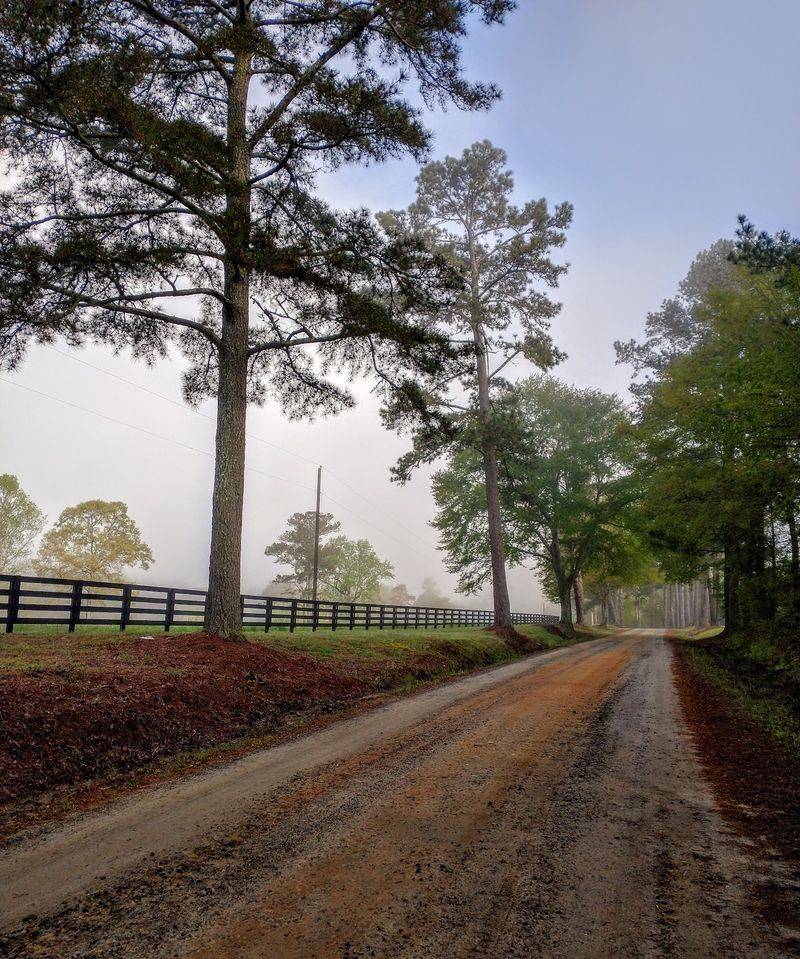
Trails here are not a weekend bonus. They are the actual routes people use to get places.
More than 20 miles of nature paths link homes, restaurants, shops, and offices. You can walk to dinner through the woods, which beats a parking lot every time.
The whole village sits within roughly 2,000 acres of preserved forest and meadow. That buffer of green is why the trails feel remote even when you are minutes from a storefront.
Wear real shoes. Some sections are soft dirt, and after rain they earn their keep.
Morning light through the pines is worth setting an alarm for. Birds are loud, traffic noise is absent, and phone reception matters less than usual.
Horseback riding is available too, and trail riding is part of the local routine. Watching riders cross a meadow makes the whole scene feel a century older than it is.
Edible landscaping lines many walkways. Blueberry bushes and fig trees grow right along the paths, so a snack is sometimes within arm’s reach.
Few places let you forage on the way home from brunch.
Seventy Percent Of The Land Stays Wild On Purpose
Cities usually protect land by accident. This one wrote protection into its founding documents.
The city was incorporated in 2007 with conservation as a stated priority. Roughly 71 percent of its land is set aside for agriculture and forest preservation.
To pull that off, planners used a zoning tool called Transferable Development Rights. In plain terms, building density gets concentrated in small areas so vast stretches stay untouched.
The surrounding region is known as Chattahoochee Hill Country. It covers about 65,000 acres along the Chattahoochee River and remains one of the last rural areas this close to a major city.
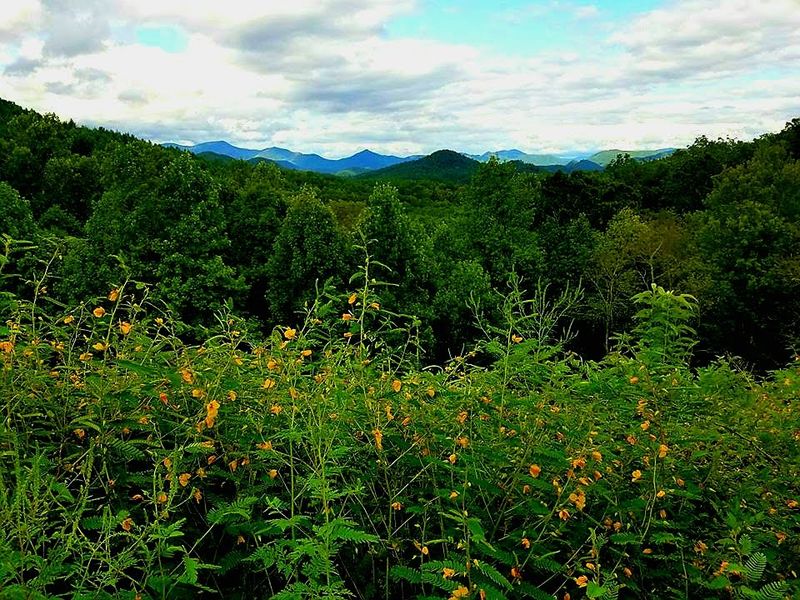
Drive the back roads and you will see why people fought for it. Hay fields, hardwood stands, and long views that do not include a single billboard.
The original push came from a simple worry. Suburban sprawl was creeping outward, and someone decided to get ahead of it.
What started as a rescue effort turned into a national model. Planners and developers now visit specifically to study how the zoning works.
Green space here is not leftover land. It is the main event.
Culture Shows Up Roughly 300 Days A Year
A town of this size should not have a packed arts calendar. Somehow this one does.
Cultural events happen on around 300 days annually. That includes music, film screenings, lectures, and festivals spread across the seasons.
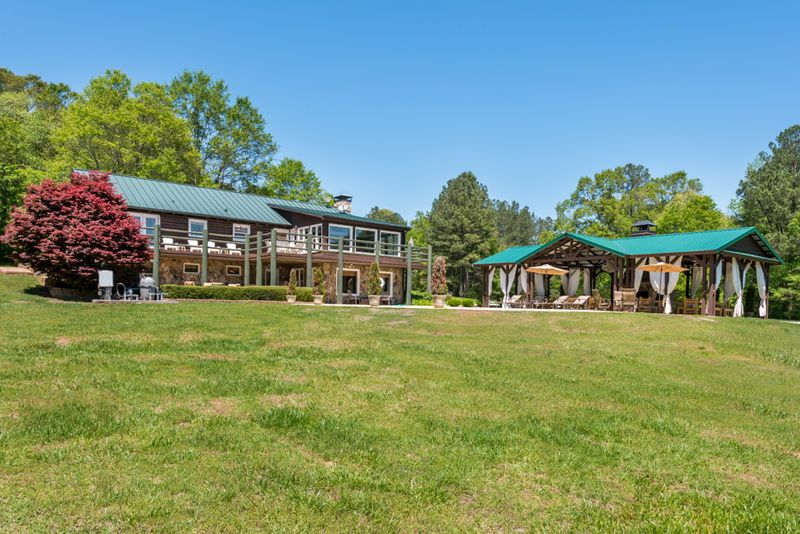
Outdoor theater is the standout. Performances staged by the local playhouse use meadows, barns, and forests as the set instead of a traditional stage.
An Artist in Residence program brings creators in for extended stays. Their work often ends up in public talks and shared dinners, which makes art feel less like a museum visit.
Culinary workshops fill out the schedule. Learning to cook with produce picked that morning is a different experience than reading a recipe online.
Boutique shops and art galleries line the walkable streets. Browsing takes an hour, or three if you are easily distracted by pottery.
Check the event calendar before you go. Popular performances sell out, and showing up hopeful is a gamble.
What surprised me most was the mix in the crowd. Kids, retirees, and city visitors all sitting on the same grass, watching the same show.
Wellness Built Into The Floor Plan
Health here is not an add-on membership. It is stitched into the layout of an entire hamlet.
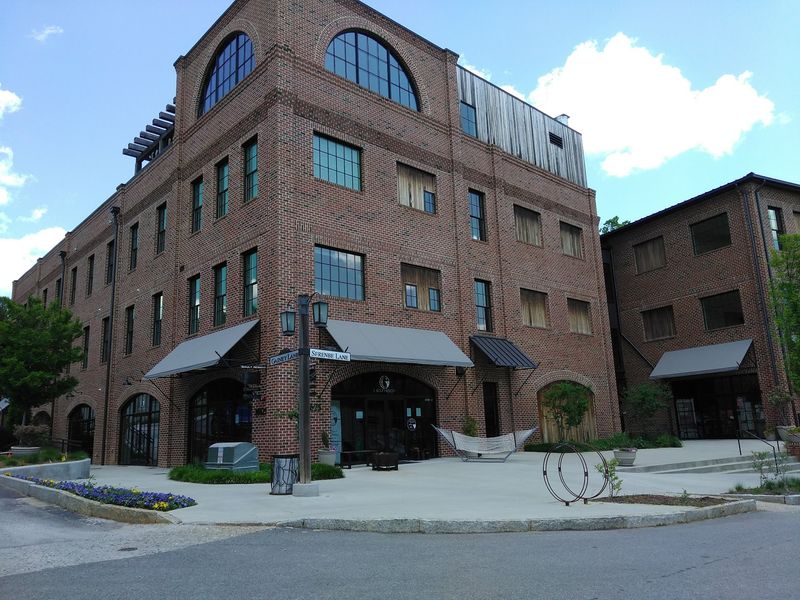
Mado, the health and healing hamlet, gathers the wellness offerings in one walkable pocket. Its clean lines and Scandinavian feel set it apart from the rest of the village.
Facilities include an upscale gym and a light-filled yoga studio. There is also a Pilates reformer studio for those who like their workouts precise.
A cold-pressed juice bar handles the aftermath. Ordering something green feels almost obligatory after a class.
A spa rounds out the options for slower days. Between massages and forest paths, the pace drops noticeably.
The design idea behind all of this is biophilic planning. Simply put, buildings and streets are arranged to keep people connected to nature and to each other.
Research has long linked daily contact with green space to better moods. Here the theory gets tested on a whole community scale.
Even the walk between studios does half the work. You arrive at class already outside, already moving, already awake.
Houses That Sip Energy Instead Of Gulping It
Sustainability talk gets tiring fast. Actual geothermal systems and net-zero homes are more convincing.
Builders here emphasize energy efficiency across the board. Energy-efficient homes and geothermal heating and cooling are part of Serenbe’s approach to sustainable building.
Some cottages were developed in partnership with Southface and the U.S. Department of Energy’s Building America program.
Those homes hit notably strong efficiency ratings for their size and style.
Awards followed. The community earned the Urban Land Institute Inaugural Sustainability Award, an Atlanta Regional Commission Development of Excellence honor, and EarthCraft’s Development of the Year.
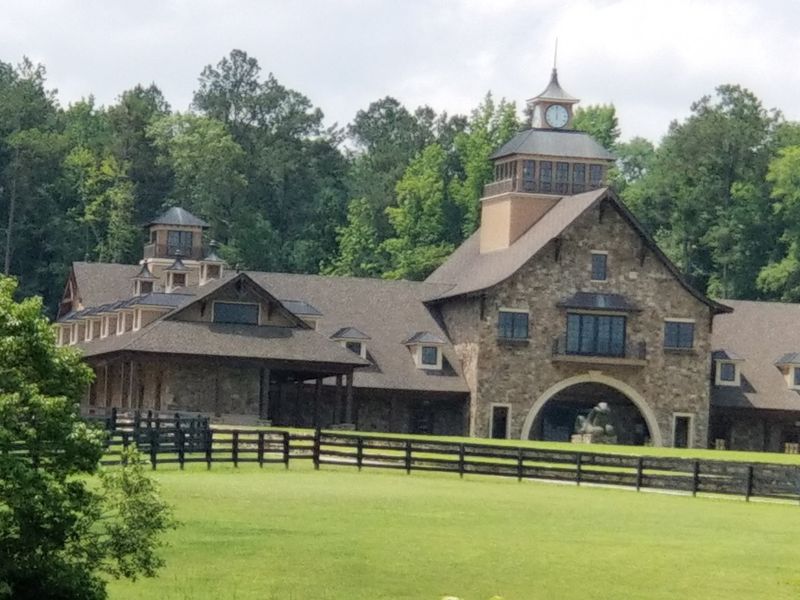
None of that changes how the streets look, which is the clever part. Efficient homes here wear traditional porches and varied rooflines rather than shouting about their technology.
Visitors can use 9055 Selborne Lane, Chattahoochee Hills, Georgia, for directions to Serenbe.
Touring the area, I kept noticing how quiet the mechanical systems were. Good insulation does that.
For anyone planning a home build, the ideas here scale down easily. Orientation, shade, and insulation cost less than people assume.
Waterfalls And Mill Ruins Just Down The Road
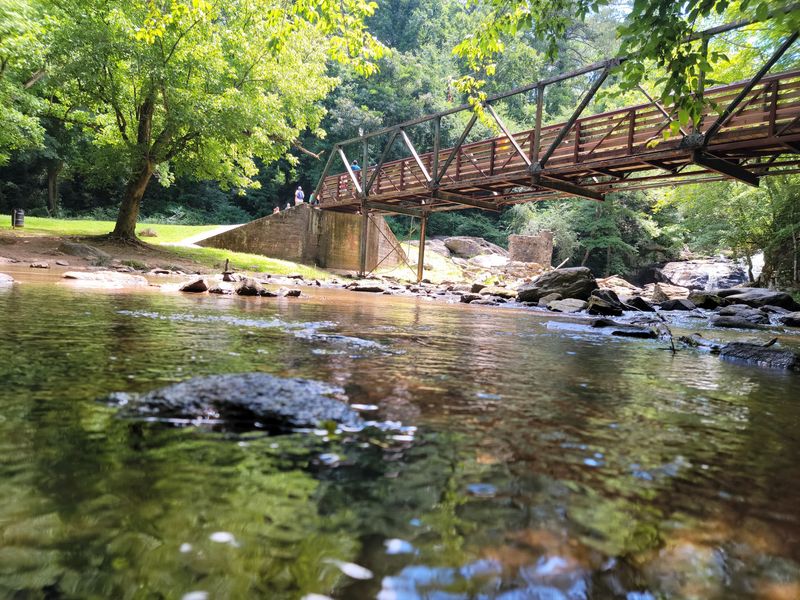
Not everything worth seeing sits inside the village. A short drive opens up a rougher, wilder side of the same countryside.
Cochran Mill Park spreads across the city with about 18 miles of multi-use trails. Hikers, mountain bikers, and horseback riders all share the network.
Waterfalls are the main draw. They are modest in height but genuinely pretty, especially after a rainy week.
Old mill ruins sit along the creeks, stone walls slowly being reclaimed by moss. Standing next to them gives you a sense of how long people have worked this land.
Bring water and bug spray in summer. Georgia humidity does not negotiate.
Trail markings can be inconsistent, so downloading a map beforehand saves guesswork. Cell service dips in the low sections near the water.
Overnight visitors have an easy option nearby. The local inn offers rooms, so a two-day trip is simple to arrange.
Pair a morning hike with an afternoon at the market and you have a full weekend. Add a farm dinner and you may start browsing real estate listings.