This Vaulted Three-Story Virginia Horse Supply Store Is Paradise For Riders And Horse Lovers
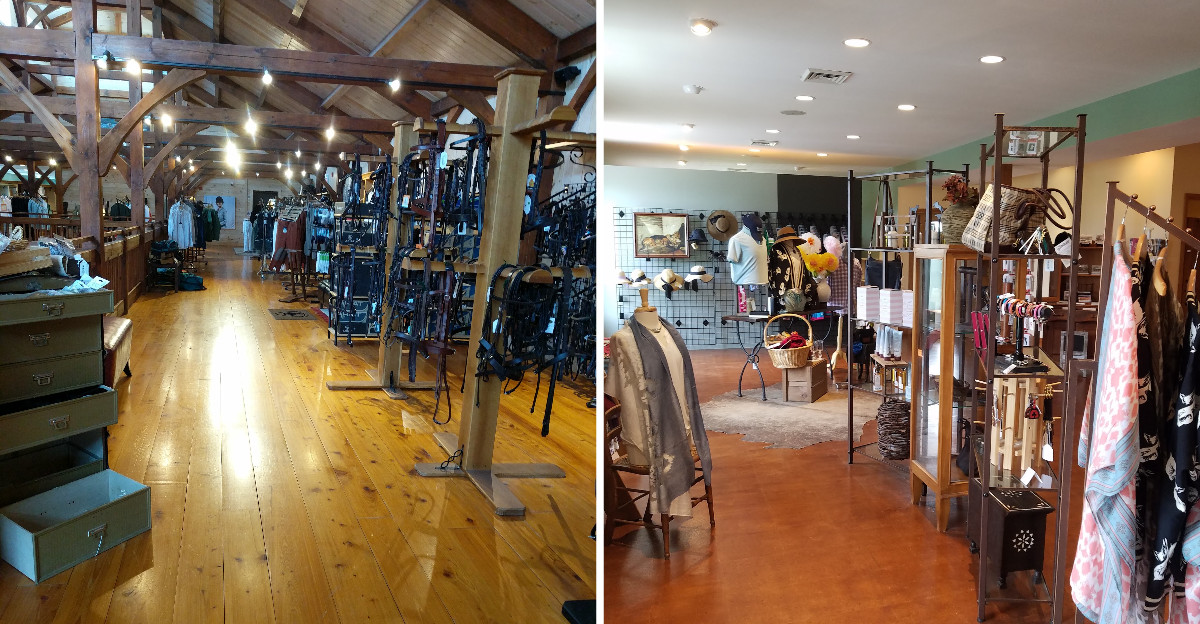
Horse lovers, fair warning: this is the kind of store where “I only need one thing” falls apart fast.
Virginia has a three-story equestrian shop packed into a soaring post-and-beam building that feels almost too grand for a supply run.
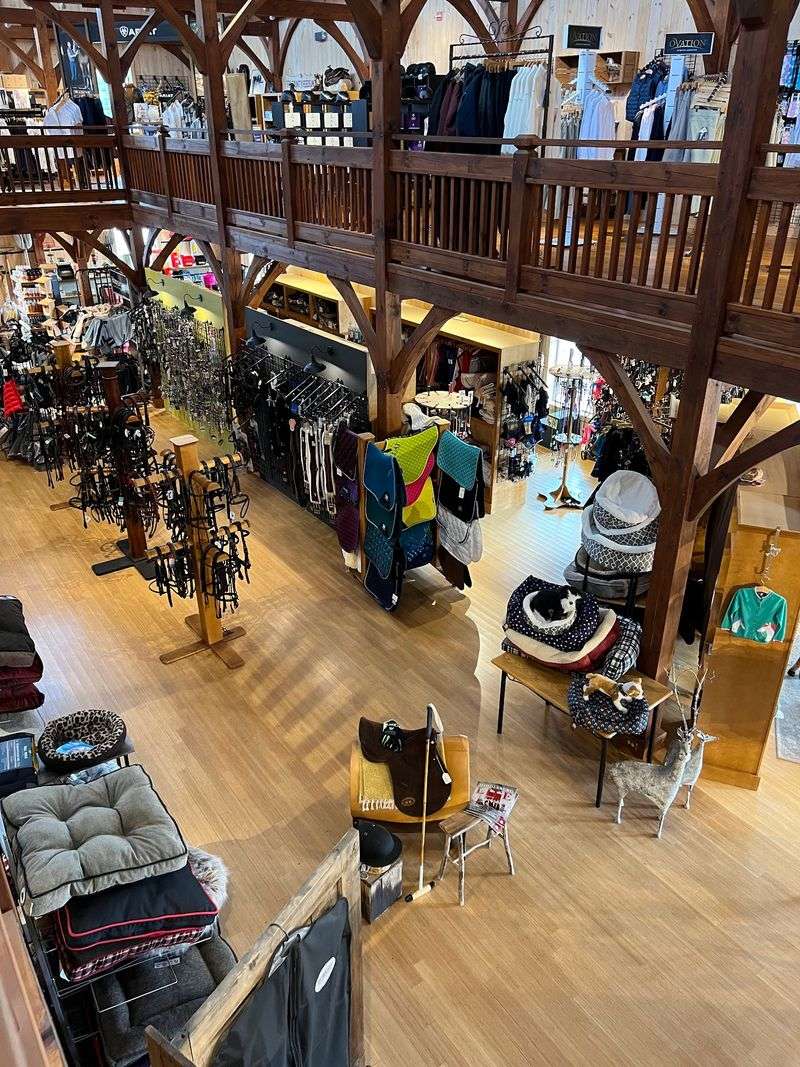
Saddles, feed, clothing, gifts, and riding gear fill the space without making it feel cramped.
The fun is wandering farther than you meant to and finding something you had no idea you needed. It is part practical stop, part horse-person paradise.
One floor becomes two, then three, and suddenly your quick errand has become the afternoon.
A Building Worth Exploring
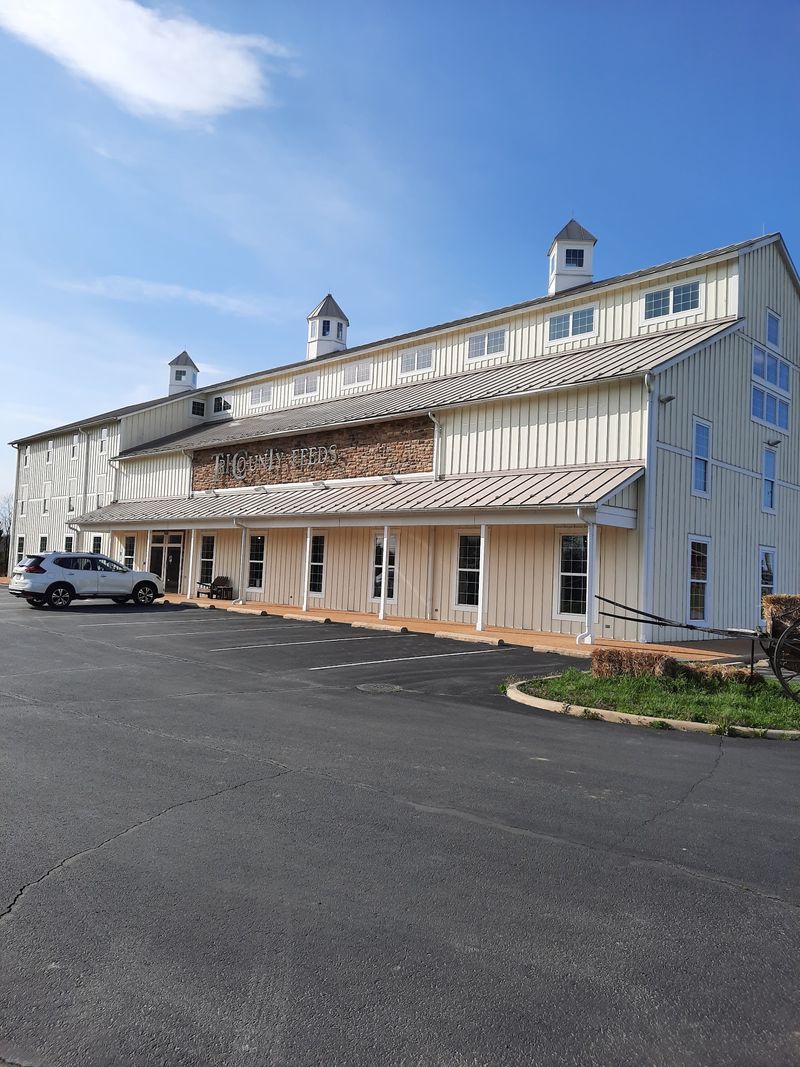
Tri-County Feeds does not look like a typical neighborhood feed shop.
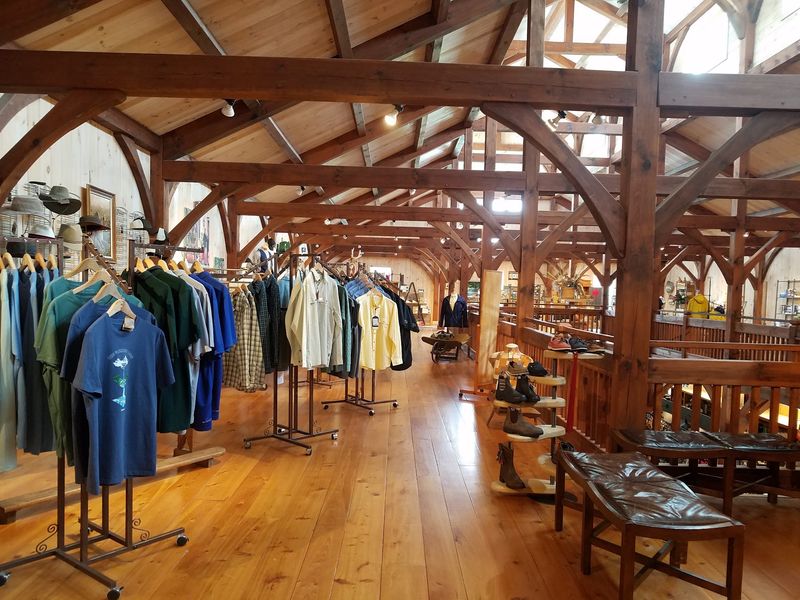
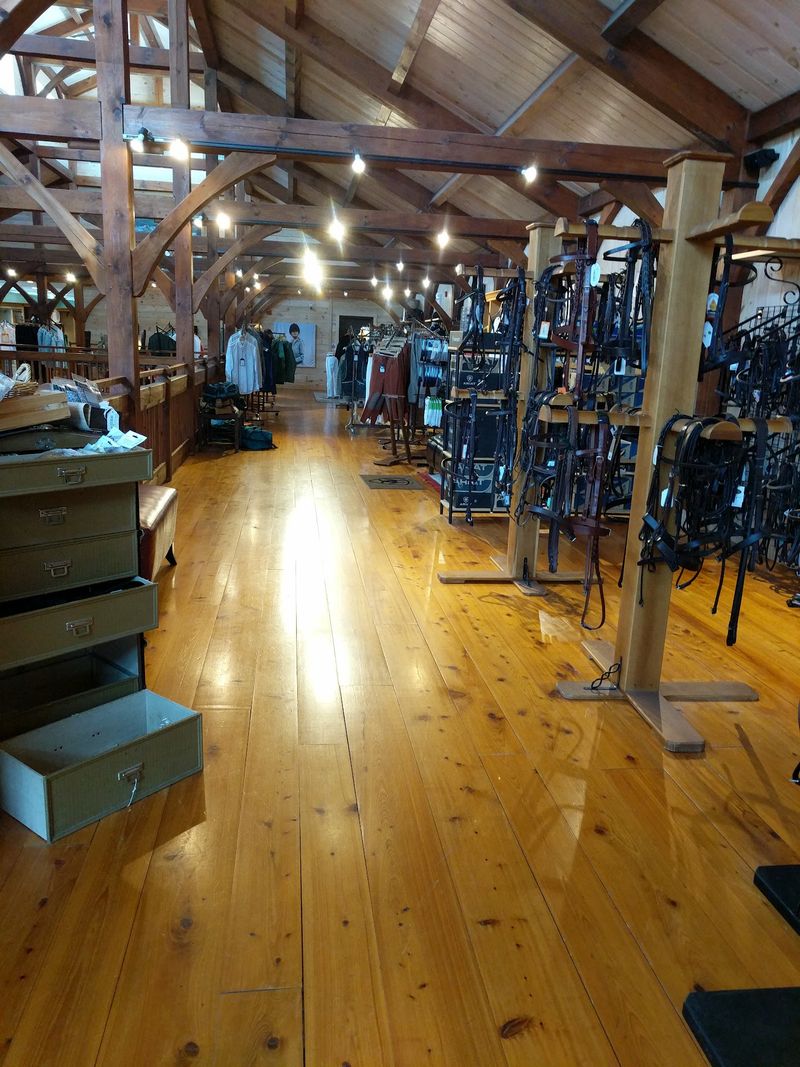
Its current retail building spans three stories and roughly 12,000 square feet, with a post-and-beam design that gives the interior more character than a standard warehouse-style store.
An attached 12,000-square-foot warehouse with 14 loading bays supports the heavier side of the business.
The layout reflects how much the company has expanded since its early years. Horse feed, tack, riding equipment, apparel, pet products, books, toys, home goods, and stable furnishings all fit under one roof.
That variety makes it possible to move from practical barn supplies to clothing or gifts without leaving the property.
A library, media, and conference room was also incorporated into the newer facility, adding another use beyond ordinary retail.
Visitors who want to see several departments should allow enough time to move through the building rather than treating it as a single-aisle feed stop.
The store sits at 7408 John Marshall Highway in Marshall, near Zulla Road and Route 55.
Roots In Horse Care
Tri-County Feeds began in 1978 on a much smaller scale.
Founder Bill Jackson started by delivering paper bedding from his pickup truck while working out of his brother’s garage.
The company soon secured a dealership with Pennfield Feed Technologies and began expanding its role in the local horse community.
In 1980, the business moved to 4238 Frost Street in Marshall. That location included only about 700 square feet of retail space, a limited warehouse, and one loading bay.
As customers asked for more products and services, the operation gradually broadened beyond bedding and feed.
The present store grew from that demand. Tri-County now describes its focus as serving the equine industry across Northern Virginia while also supplying customers in parts of West Virginia and Maryland.
Its history still shows in the product mix: feed, bedding, forage, and stable needs remain central even though fashion, gifts, pet care, and other departments have become a major part of the shopping experience.
The expansion changed the scale of the business without removing the practical farm-supply work that started it.
Feed For Daily Routines
Horse nutrition remains one of the strongest parts of the business.
Tri-County carries feed, hay, forage, bedding, supplements, and treats for horses ranging from foals to seniors, including animals with specialized nutritional needs.
The company also sells its own line of horse feed, produced through established equine-feed manufacturers.
Current offerings include alfalfa, orchard and alfalfa mixes, compressed forage, several bedding options, and multiple brands of horse treats.
The wider feed department also serves pets and livestock, which makes the store useful for farms and households caring for more than one type of animal.
Nutrition support is available as well. Tri-County currently advertises free equine nutrition consultations during the workweek, with options for questions, farm calls, and virtual visits.
That service can be useful when owners are comparing formulas or managing changing needs, although major feeding changes should still be based on the individual horse and appropriate professional guidance.
Bringing the current feed name, age, workload, and other relevant details can make those conversations more useful.
Tack That Earns Its Keep
The equestrian department extends well beyond feed.
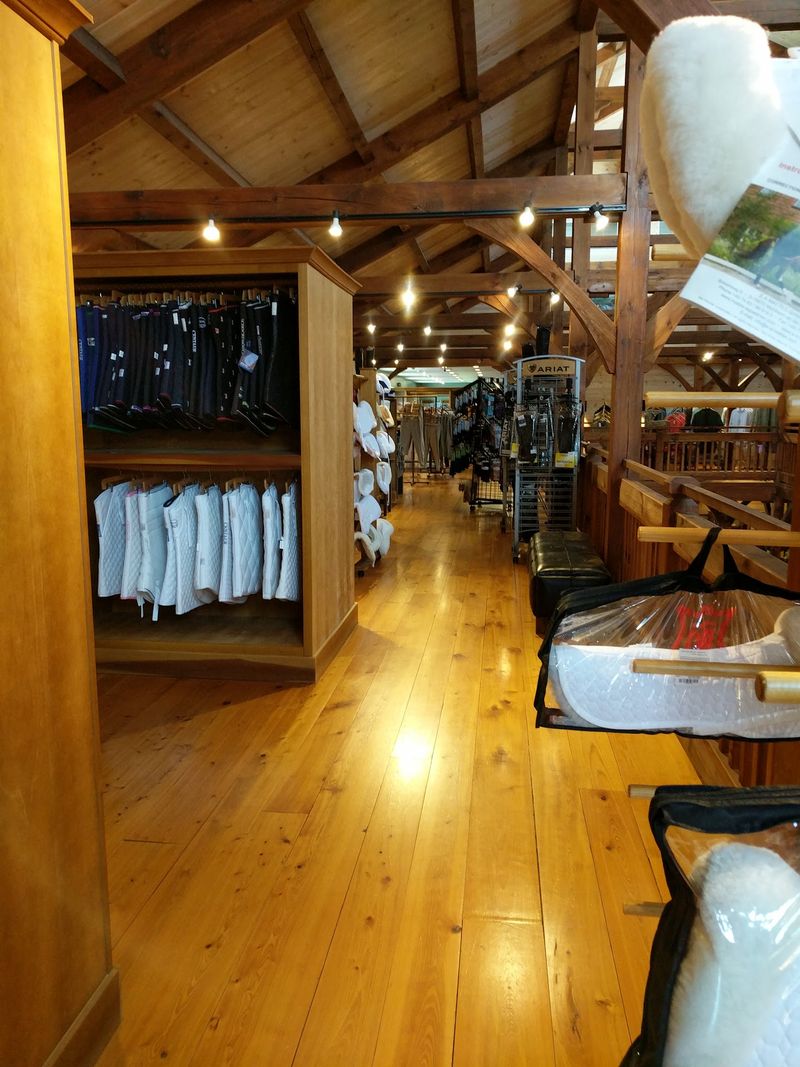
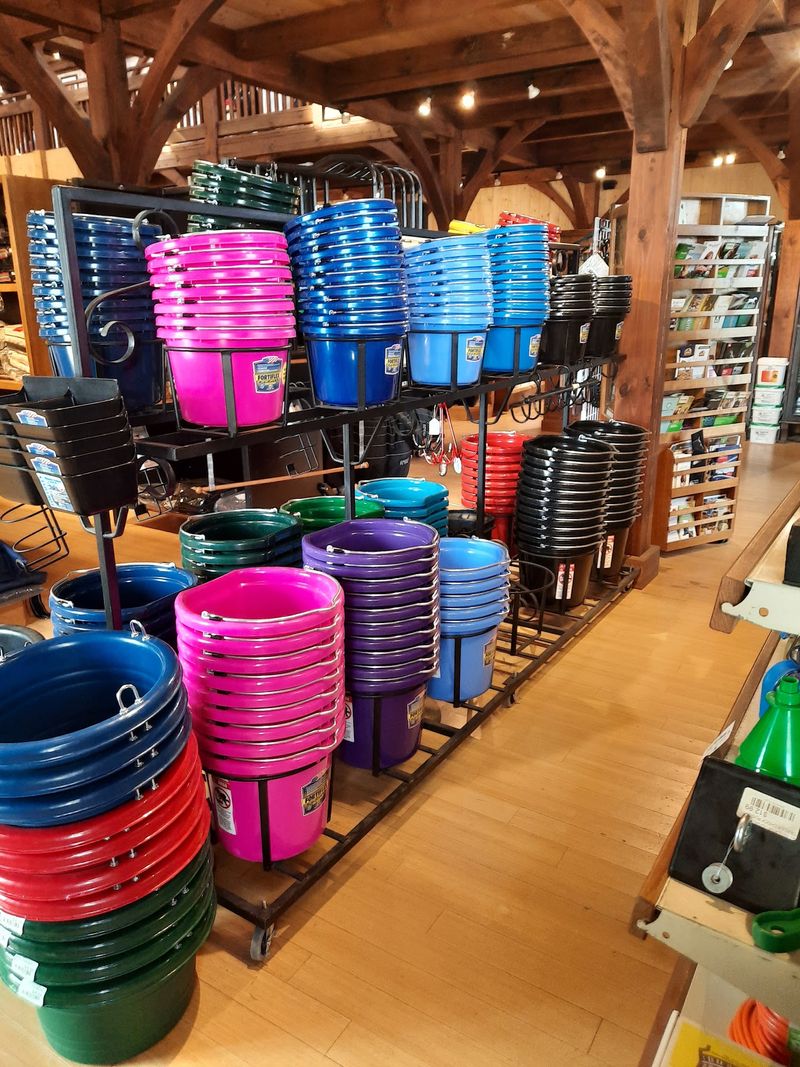
Tri-County currently lists bridles, bits, harnesses, grooming products, buckets, tubs, stock tanks, nets, trunks, bins, tools, hardware, pest-control products, fly sprays, and other stable supplies.
Shoppers can therefore cover routine care, barn organization, and riding needs during the same visit.
Riders can also shop for safety and riding equipment such as helmets, boots, breeches, chaps, and riding coats.
The store carries products for several disciplines, including dressage, jumping, hunting, polo, eventing, and recreational riding. Brands change over time, but the current lineup includes familiar equestrian names across apparel, tack, and protective gear.
The department works best as a practical stop rather than a place to guess at sizes. Bringing measurements, checking the specifications of gear already in use, and comparing fit can make replacement purchases much easier.
For helmets and other safety equipment, proper fit matters more than appearance, so shoppers should use qualified fitting help when it is available.
Clothes Beyond The Stable
Tri-County has also developed a sizable fashion side that reaches beyond technical riding apparel.
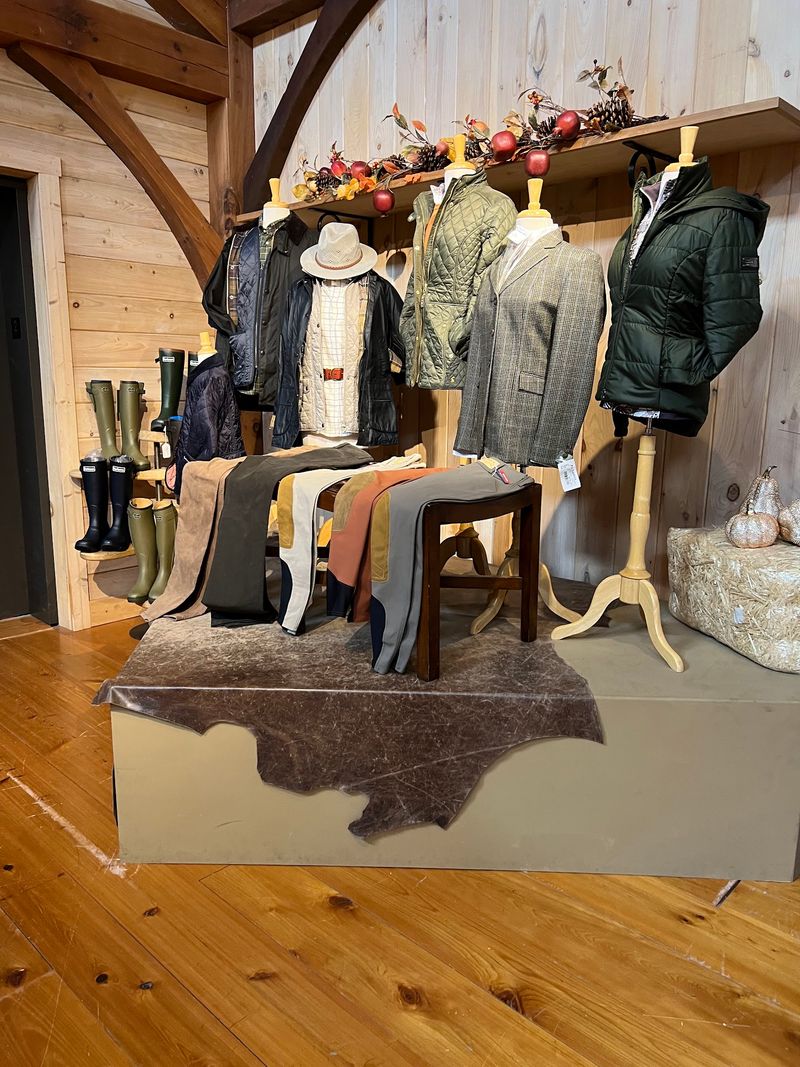
Its current assortment includes town-and-country clothing, sporting apparel, footwear, hats, outerwear, and accessories from brands associated with equestrian and country lifestyles.
That mix means the clothing floors are not limited to people preparing for a lesson or competition.
A rider may be looking for breeches or boots, while another visitor could be shopping for a jacket, casual footwear, or an everyday layer that works well outdoors.
Current featured brands include names such as Ariat, Barbour, Dubarry, Patagonia, Filson, and Fairfax & Favor. The store also highlights ready-to-wear and some custom clothing options.
The overlap between riding and everyday clothing is part of the store’s broader identity. Technical gear still has a clear place, but so do pieces designed for travel, country life, or ordinary wear.
Trying footwear with the socks normally worn and checking care labels before buying can be especially helpful with leather boots, outerwear, and performance fabrics.
That practical approach suits a store where fashion remains closely connected to outdoor use rather than standing apart from it.
Gifts With Country Character
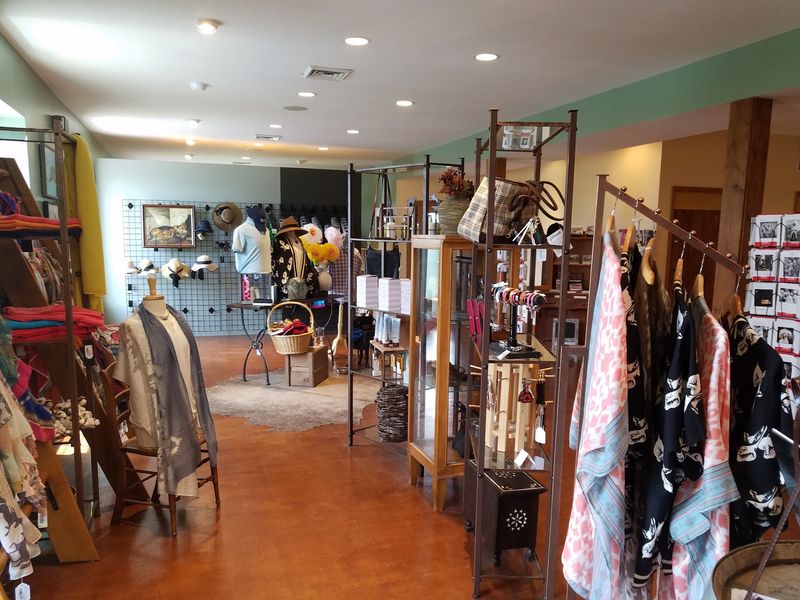
The Finds department gives the store a completely different feel from the feed and tack sections.
Tri-County says it sources gifts and home items from a range of makers, including pieces that are harder to find in conventional farm-supply stores.
Current categories include art, sculpture, glassware, home goods, antique-style furniture, picnic and tailgating pieces, toys, and other decorative items.
The selection changes, so it is better treated as a browsing department than a place to expect one specific object to remain in stock.
This section broadens the appeal for visitors who do not own horses. Someone accompanying a rider can move through home goods, accessories, books, gifts, and clothing while the practical shopping happens elsewhere.
That balance helps explain why Tri-County markets itself as more than a feed store. The business still serves working farms and horse owners, but it has also built a destination around the wider culture that surrounds equestrian life in Virginia’s hunt country.
Supplies Beyond Horse Gear
Tri-County’s inventory reaches well beyond horses.
The livestock department includes feed and related products for poultry, alpacas, llamas, goats, sheep, rabbits, swine, ducks, turkeys, and game or wild birds.
The pet department carries food, supplements, treats, grooming products, toys, beds, collars, leashes, and health items for dogs, cats, and birds.
Stable care remains part of the broader supply mix as well. Shavings, pelleted bedding, hemp bedding, straw, stall mats, tubs, bins, and other equipment can all become part of the same order.
That range makes the store useful for customers managing barns, small farms, or mixed-animal households. Hay and forage options add another layer for customers trying to combine several routine purchases in one trip.
Delivery is a significant part of the operation. Tri-County runs regular bagged-feed routes across Northern Virginia and into parts of West Virginia and Maryland, while bulk deliveries serve customers within roughly 50 miles of the Marshall store.
Minimums and delivery fees apply, so larger orders require some planning rather than an informal same-day request. Existing customers can also use the online system for delivery or curbside pickup orders.
Make The Visit Count
The current store schedule is Monday through Friday from 8 a.m. to 5 p.m., Saturday from 9 a.m. to 5 p.m., and Sunday closed.
Because product availability can change, calling ahead is sensible when a trip depends on an exact feed formula, clothing size, tack item, or gift.
Existing customers can place pickup or delivery orders online.
Curbside orders are generally prepared quickly, while delivery follows established routes and order deadlines. New delivery customers need to contact the store before using the online ordering system.
Bagged-feed delivery currently requires a minimum order, while bulk hay and bedding deliveries follow a separate threshold.
The strongest reason to allow extra time is not simply the building’s three floors, but the unusual mix inside them.
Feed and bedding still anchor the business that started in 1978, yet the same stop now includes equestrian gear, pet supplies, clothing, gifts, home goods, and stable equipment.
For riders and horse owners, that combination makes it a practical destination with far more browsing room than its original feed-store roots would suggest.
For everyone else, the fashion and gift departments make the stop broader than its name first implies.