This Vermont Sugar House Has Been Perfecting Maple Syrup For Generations And Still Draws A Crowd
My grandfather used to say that real craft leaves a mark on a place. He was right.
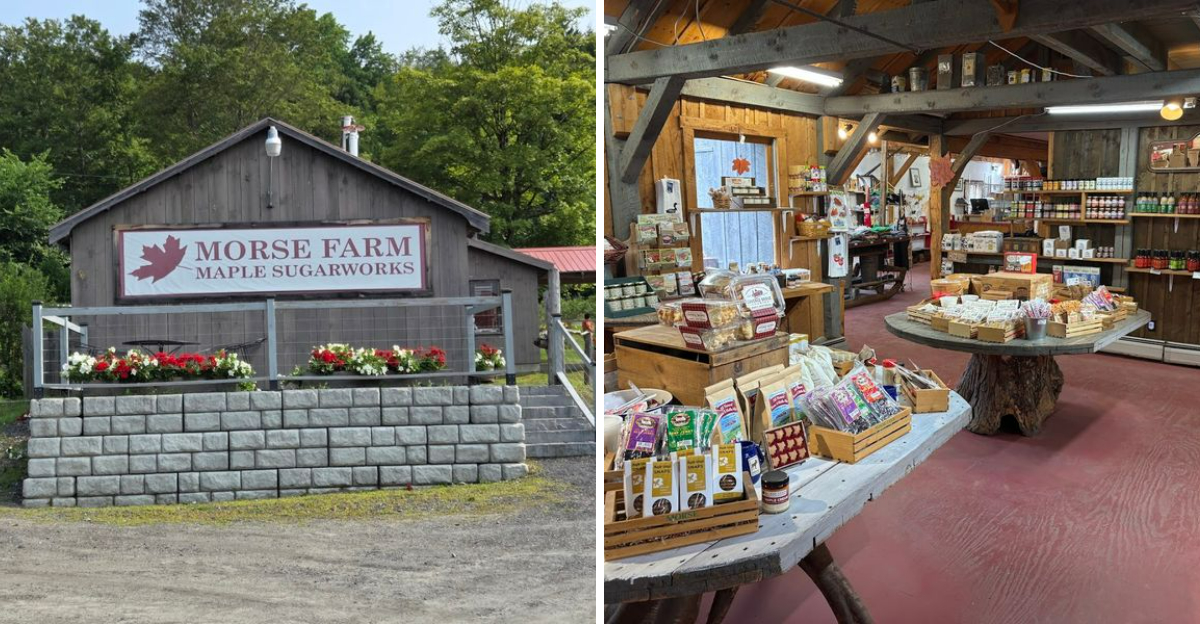
Pull up to this small sugarhouse outside Montpelier and you feel it before you even get out of the car. Vermont has a reputation for doing things the slow, stubborn, honest way, and this family earns every bit of that.
Generations of the same family have been producing maple syrup here for roughly 200 years. The syrup tastes like it.
One spoonful and you understand why this place has built such a loyal following in the Vermont countryside. Nothing on a shelf quite matches what comes out of a place like this, and once you taste the difference, you start noticing it everywhere.
Generations Of Maple Tradition
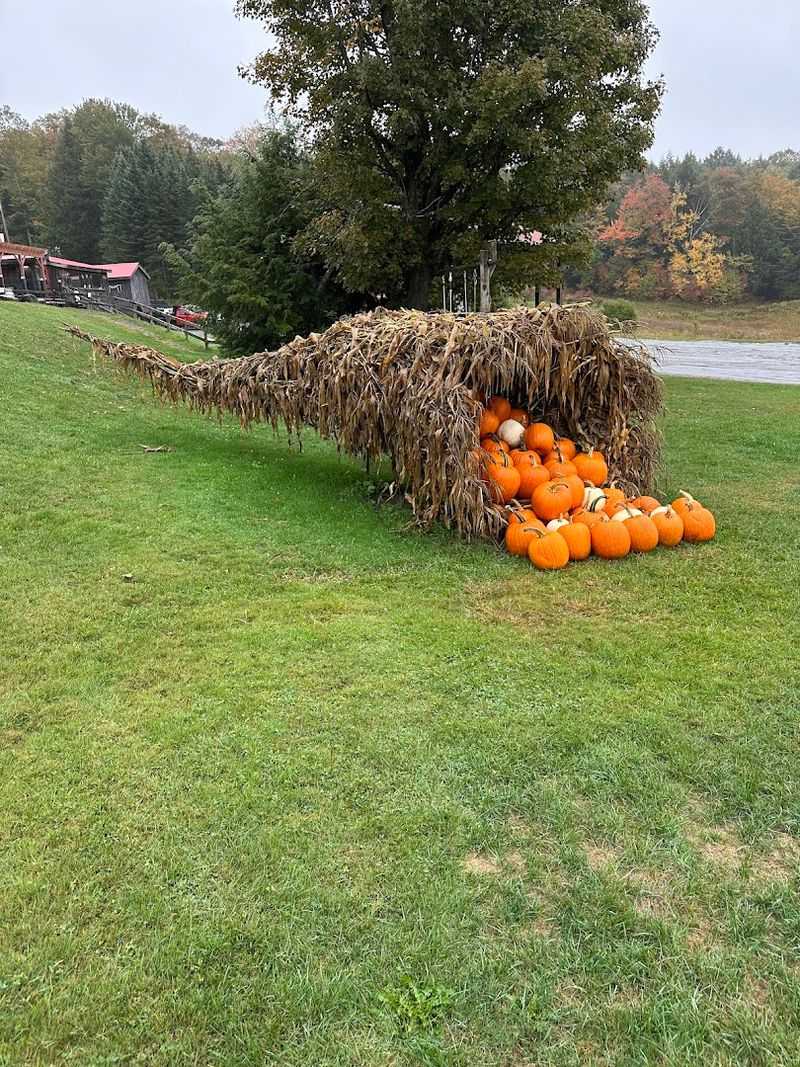
Most businesses barely survive one generation. Morse Farm Maple Sugarworks has been passed down through multiple generations, with a maple sugaring tradition that stretches back roughly 200 years.
That kind of continuity is genuinely rare, and you feel it the moment you arrive.
The farm sits on land that has been carefully managed across more than a century of sugaring seasons. Each generation passed down not just equipment but knowledge, instinct, and a deep respect for the trees themselves.
The maples here are not just resources; they are part of a long-standing working landscape.
What makes this story even more compelling is that the farm has never chased shortcuts. Traditional methods still anchor the operation, even as the world around it has changed dramatically.
Visiting here feels less like a tourist stop and more like stepping into a working chapter of American agricultural history. That quiet persistence is genuinely impressive, and you can find it at 1168 County Rd, Montpelier, Vermont.
A Maple Syrup Tasting Worth Trying
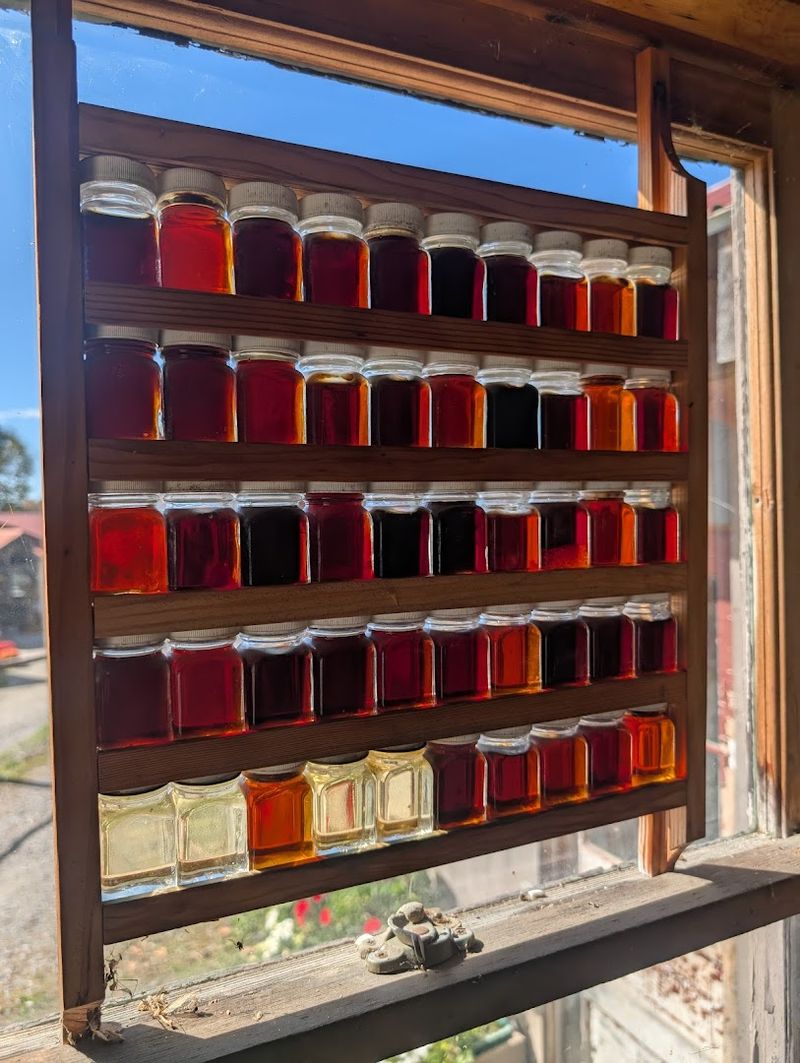
Free tastings at a place this good feel almost suspicious, like there has to be a catch. There is not.
Morse Farm offers samples of four distinct grades of maple syrup, ranging from light and delicate to rich and boldly dark, and every single one tastes noticeably different from the last.
The grade of syrup depends on when the sap is collected during the sugaring season, not on how long it is boiled. Earlier in the season produces lighter, more subtle syrup.
Later in the season, the sap yields darker, more robust flavors. Tasting them side by side makes that difference immediately obvious and genuinely surprising.
Beyond the classic grades, flavored varieties like cinnamon, vanilla, and habanero are also available to sample. The staff walks you through everything with real enthusiasm, not a scripted pitch.
I tried the vanilla maple and immediately started mentally rearranging my pantry to make room for a bottle. The tasting experience alone is worth the trip, and the prices afterward feel reasonable once you understand exactly what you are buying.
The Maple Creemee Everyone Talks About
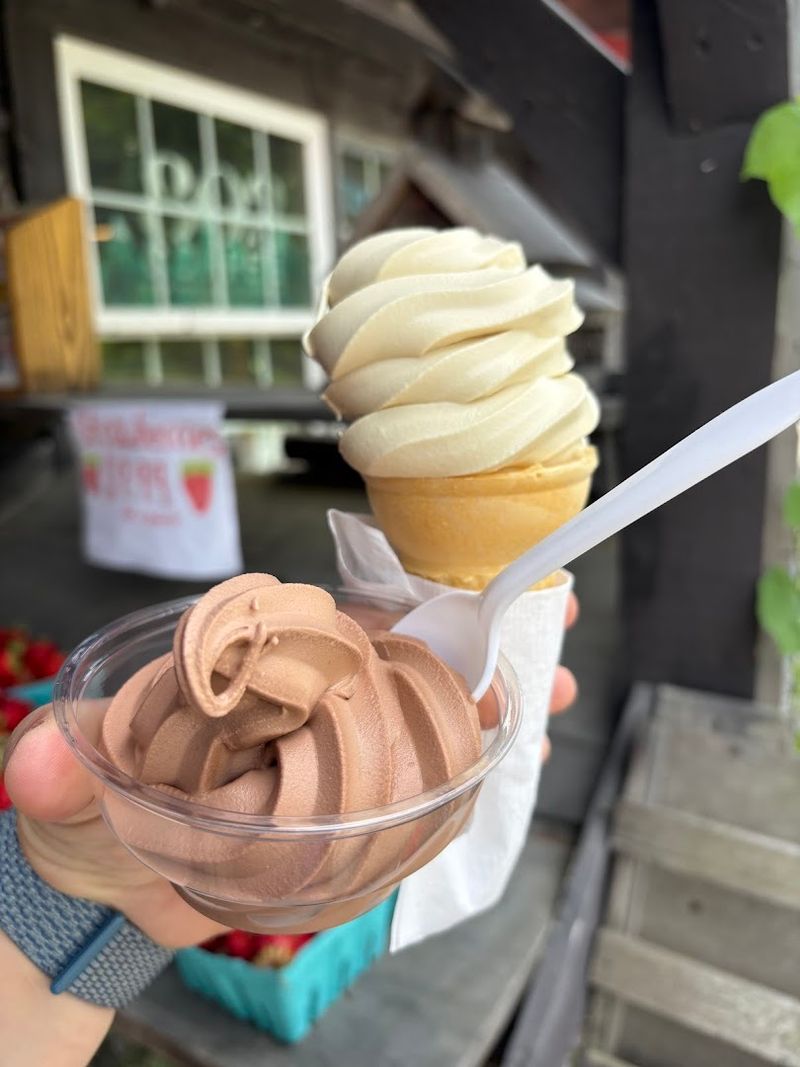
Soft serve does not usually inspire road trip planning, but the maple creemee at this farm has earned its own devoted following. People mention it in the same breath as the syrup itself, which is saying something for a place built on a century of maple production.
The creemee is made with real maple flavor and served in a classic soft-serve swirl. Many visitors recommend ordering it with maple dust on top, which adds a subtle layer of sweetness and depth that makes the whole thing even more memorable.
The full-size version is worth trying. Skeptics of soft serve and maple syrup alike often walk away pleasantly surprised.
I count myself among them. One bite in and it is easy to see why the creemee has become such a talked-about part of the experience here.
It is simple, but it absolutely lives up to expectations.
Sugar On Snow And A Classic Vermont Treat
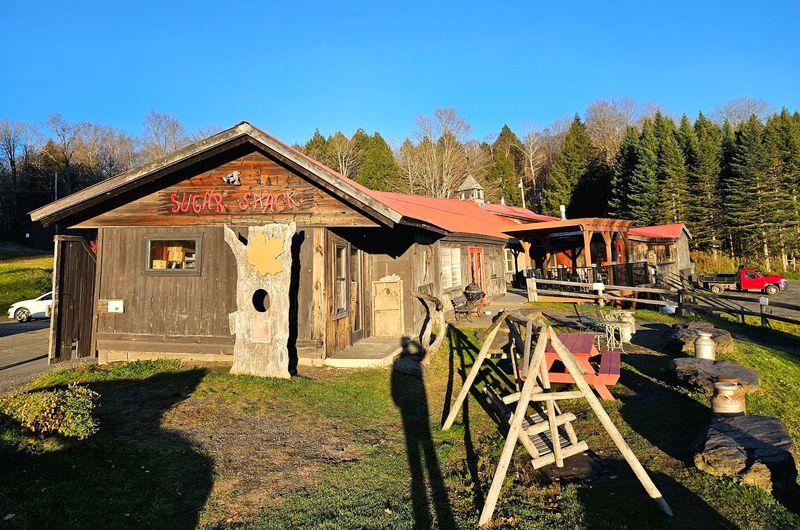
Before visiting, I had never heard of sugar and snow. Now I think about it more than I probably should.
The process is simple but the result is genuinely fun: a small pour of hot maple syrup lands on crushed ice, cools almost instantly, and turns into a chewy, stretchy maple candy you scrape up with a fork.
It is one of those old-fashioned farm treats that has been around for generations and has not needed any updating because it is already perfect. The texture sits somewhere between taffy and caramel, with a clean maple flavor that does not taste processed or artificial in the slightest.
Visitors on bus tours and solo road-trippers alike tend to stop mid-sentence when they try it for the first time. It is that kind of reaction.
The farm explains the tradition as part of their educational presentation, so you get the history and the snack at the same time. If sugar and snow is being offered during your visit, do not overthink it.
Just try it. You will almost certainly be glad you did.
A Short Video That Adds Real Context
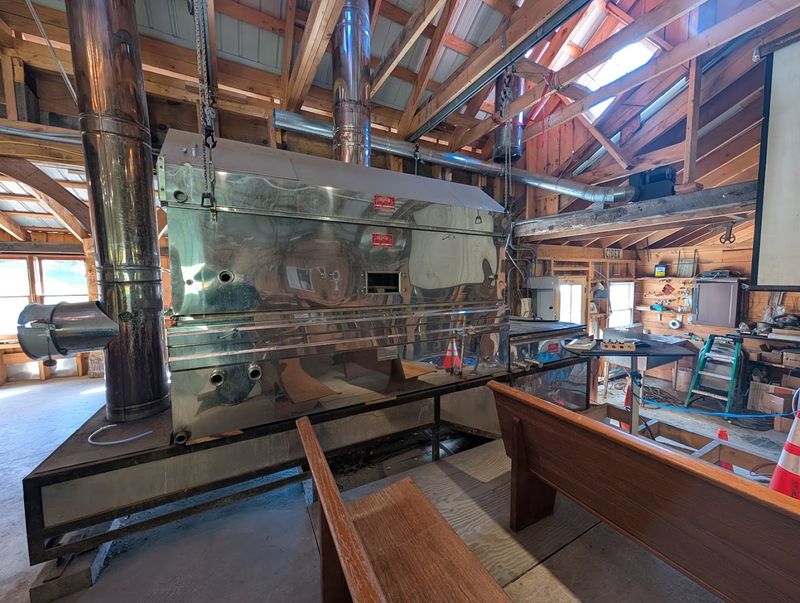
Farm videos are not exactly known for being riveting, but the one at this sugarworks is a genuine exception. The video walks through the history of the farm and the maple syrup process in a simple, easy-to-follow way.
It plays in a separate shed a short walk from the main shop.
What makes it work is the personal voice behind it. This is not a corporate explainer.
It is a family talking about land they have worked for over a century, and that sincerity comes through clearly. Visitors consistently describe it as charming and informative without being dry or overly long.
The presentation also covers how sap is collected, how the evaporation process works, and what determines the grade of the final syrup. For families with curious kids, it answers the questions they are already asking.
For adults who think they know the basics, it usually teaches something new anyway. Watching it before the tasting makes the whole experience click together in a satisfying way.
It is the kind of content that earns its place.
A Few Unexpected Farm Highlights
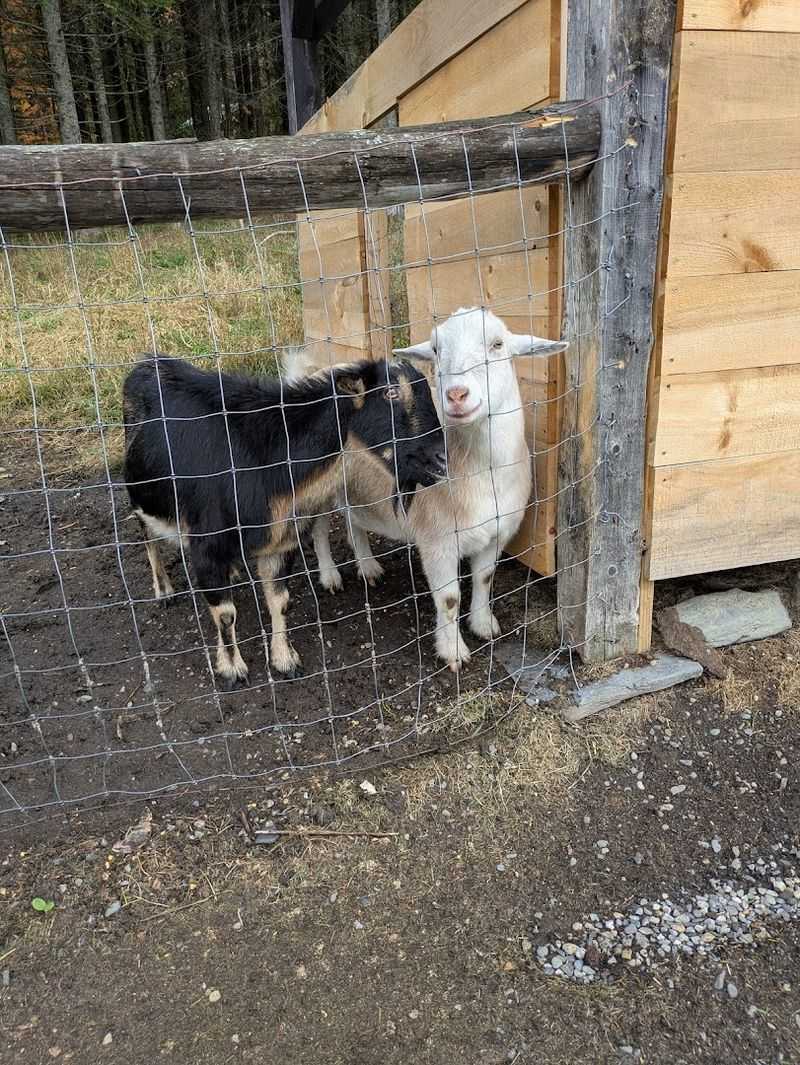
Nobody expects a goat to be a highlight of a maple syrup farm visit, and yet here we are. Rex the goat has become something of a minor celebrity at the farm, with visitors mentioning him by name in reviews and returning specifically hoping to see him again.
He is reportedly very friendly, which tracks for a goat raised around this many enthusiastic visitors.
The farm keeps animals as part of its working, lived-in character. This is not a petting zoo grafted onto a gift shop.
The animals belong to the landscape the same way the maple trees do, adding to the sense that this is a real, functioning farm rather than a curated attraction.
Families with young children especially appreciate having something to engage with beyond the syrup tasting and the shop. Kids who might not be immediately captivated by grades of maple syrup tend to find their enthusiasm quickly when a friendly goat is involved.
The grounds also include a short walking trail through the maple trees, which gives everyone a chance to stretch their legs and get a feel for the actual landscape behind the product.
A Walk Through The Maple Grove
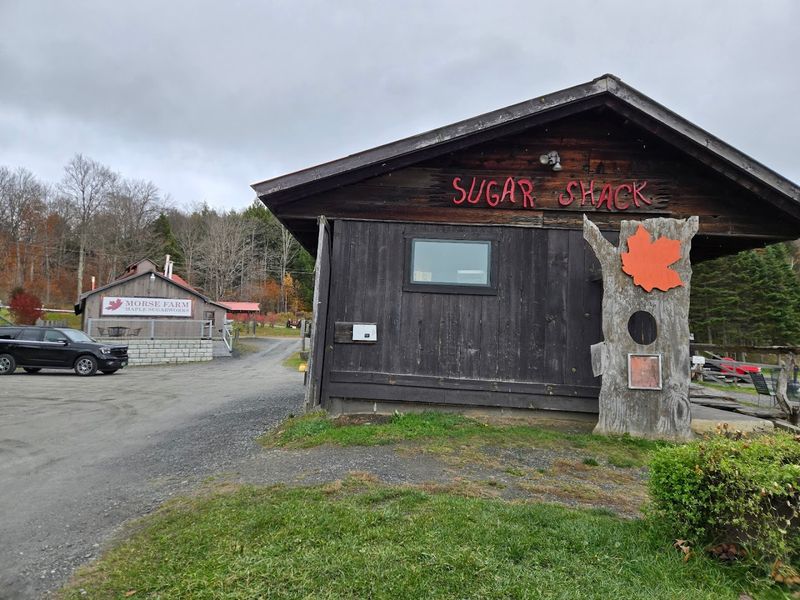
Most people arrive for the syrup and leave with a new appreciation for the land that produces it. The short walking trail at the farm winds through the actual maple grove, giving visitors a ground-level look at the trees that make everything possible.
It is not a long hike, but it reframes the whole experience.
Seeing the trees tapped, the lines running between them, and the sheer scale of a working sugar bush puts the product in context. A single maple tree produces roughly 40 to 50 liters of sap each season, and it takes about 40 liters of sap to produce just one liter of finished syrup.
Walking among the trees makes that math feel real in a way that reading about it never quite does.
The trail is family-friendly and accessible even on cooler days, though warmer weather makes the walk more comfortable and the scenery more dramatic. Autumn visits are particularly striking, when the maples shift into their full color.
The farm is located just outside Montpelier, and the surrounding countryside adds to the appeal of getting outside for even a short stretch between tastings and shopping.
A Shop That Feels True To The Farm
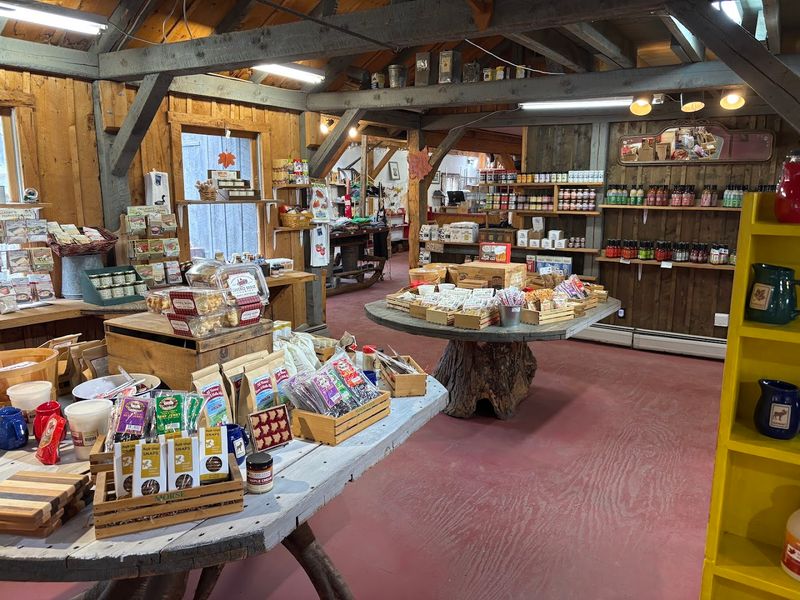
Gift shops at tourist destinations usually fall into a predictable trap: overpriced, generic, and full of things nobody actually needs. The shop at Morse Farm sidesteps that almost entirely.
Nearly everything on the shelves connects directly to the farm and its product, from bottles of syrup in every grade to maple candies, maple coffee, and a lineup of infused varieties that are genuinely fun to explore.
The staff offers to walk you through the options, which is helpful when you are standing in front of a shelf of a dozen maple syrup bottles trying to figure out which one to bring home to a picky relative. Pricing is reasonable, especially considering the quality.
The farm also ships, and the rates are described as very reasonable, which matters when you are trying to buy four bottles without also buying a checked bag.
Maple creemee merchandise is apparently a thing, and people buy it enthusiastically. The shop manages to feel authentic rather than commercial, which is not easy when tour buses are pulling into the parking lot.
It helps that the products are genuinely good and that the staff actually knows what they are talking about. That combination is rarer than it should be.
What To Know Before You Visit
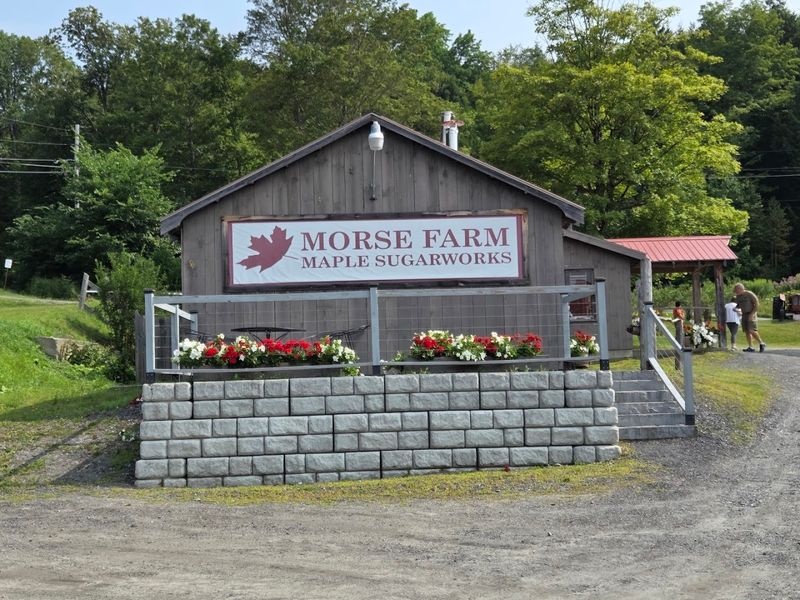
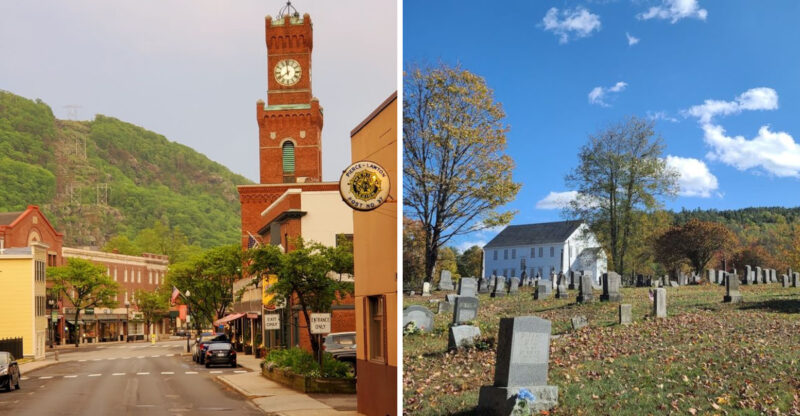
Getting there is straightforward once you know where you are going. The farm sits at 1168 County Rd in Montpelier, and the drive takes you through the heart of downtown Montpelier, which is charming enough on its own to make the approach feel worthwhile.
The route is easy to follow and the farm is well-signed once you are close.
Hours vary by season, but most of the year the farm operates from 10 AM to 5 PM, with longer hours in summer. Admission to the farm itself is free; you only spend money if you want to.
Spring sugaring season is the most active time, when the sap is actually running and the evaporators are working. Autumn brings the maple trail to life with color.
Summer and winter visits each have their own appeal, with fewer crowds and a quieter pace.