This Wild California River Is A Dream For Camping, Whitewater Rafting, And Rugged Adventure
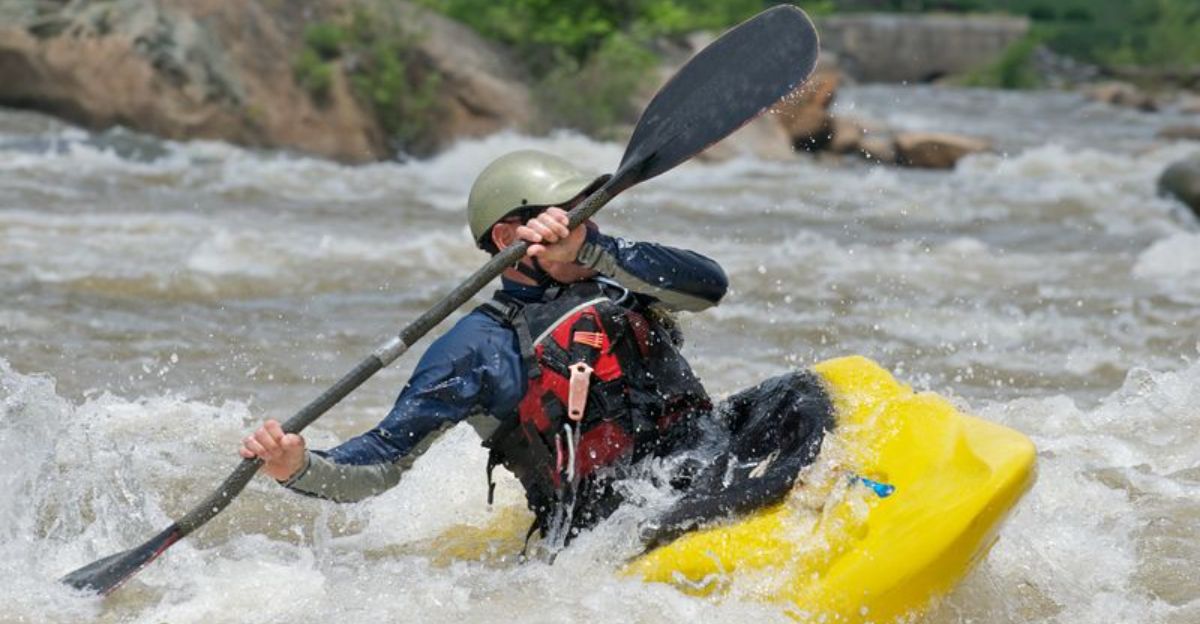
The water moves with purpose. Cold currents slice through stone canyons and forested slopes where silence still feels powerful. Adventure waits around every bend and it never feels staged or crowded.
Days here start with mist rising off the surface and end with stories told beside a fire. The landscape feels raw and untamed in a way that pulls you out of routine and into the moment.
Hidden deep in northern California, the Trinity River delivers experiences that feel earned. Long stretches of wilderness invite slow mornings and quiet reflection. Other sections explode with whitewater that demands focus and respect.
Fishing holes reward patience and skill while hiking trails lead to views that stop conversations cold. Wildlife appears often and unpredictably which adds to the sense that nature is still in charge here.
What kind of traveler does this place attract? Anyone who craves real adventure without the crowds.
The Trinity River proves that California still holds wild places where effort leads to unforgettable reward and every visit feels like discovery rather than repetition.
1. Rapids For Every Skill Level Keep Everyone On The Water
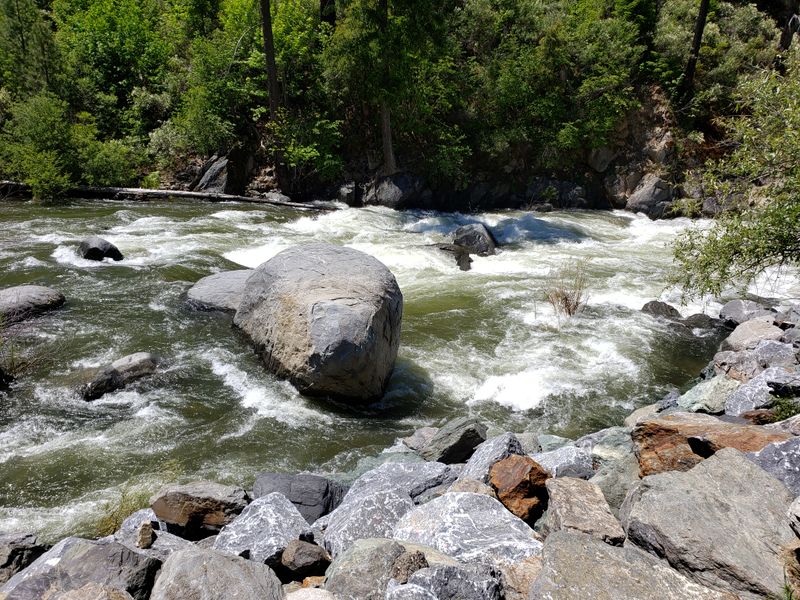
Not everyone who loves whitewater starts as an expert, and the Trinity River understands that perfectly.
Beginners can test their paddle skills on the Pigeon Point section, where Class II-III rapids offer just enough splash and excitement without overwhelming newcomers.
The water moves with energy, but the waves remain manageable, making it an ideal training ground for families or first-timers looking to build confidence.
Experienced rafters seeking adrenaline head straight to Burnt Ranch Gorge, where Class IV-V rapids demand precision, strength, and nerves of steel.
The gorge narrows dramatically, forcing water into powerful surges that toss boats and test every skill learned on calmer stretches.
These rapids have earned respect from professional guides and thrill-seekers alike, drawing adventurers from across the country.
This range of difficulty means groups with mixed abilities can still enjoy the river together, choosing sections that match their comfort levels.
Guides often recommend starting with easier runs to learn river reading and paddle techniques before tackling the more intense stretches.
The variety keeps the Trinity River accessible yet challenging, ensuring no one feels left out of the adventure.
2. National Forest Campgrounds Offer Front-Row Seats To Nature
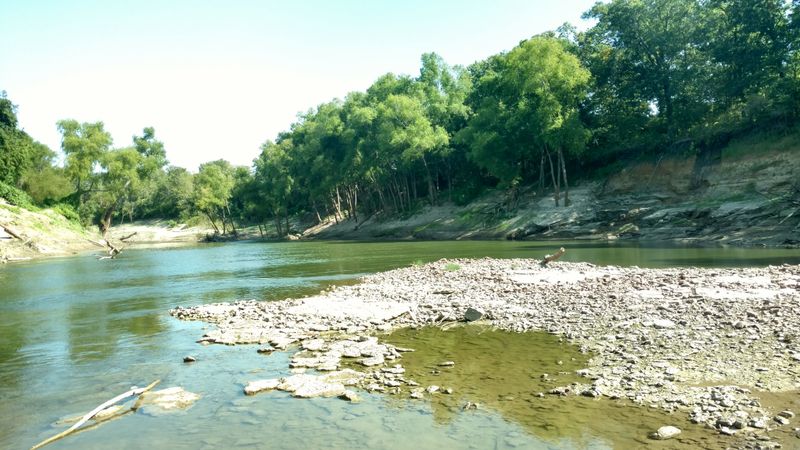
Camping along the Trinity River means waking to the sound of rushing water and birds calling through the pines.
Several National Forest Campgrounds line the riverbanks, each offering a different slice of wilderness paradise.
Pigeon Point Campground sits near calmer waters, perfect for families who want easy river access and swimming spots for kids.
Big Flat Campground sprawls across a wider area, giving campers more space and privacy among the trees.
The sites here feel remote even though they’re just off the main road, with trails leading down to fishing holes and sandy beaches.
Burnt Ranch and Hayden Flat campgrounds appeal to those seeking more rugged settings, where the forest feels denser and the river sounds louder through the night.
Each campground provides basic amenities like fire rings and picnic tables, but the real luxury comes from the surroundings.
Towering conifers filter sunlight into soft patterns across tents and RVs, while the river provides a natural soundtrack that no speaker system could replicate.
Mornings often bring deer wandering through campsites, and evenings deliver star-filled skies undimmed by city lights.
3. Indigenous Communities Have Called This River Home For Centuries
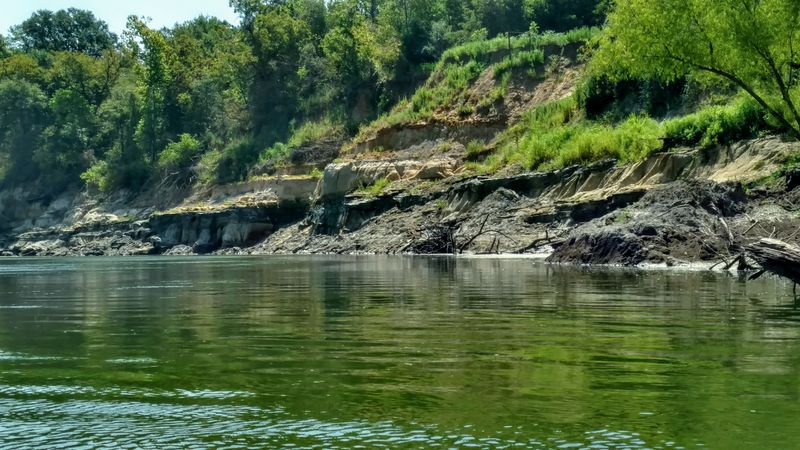
Long before gold miners arrived, the Trinity River sustained thriving Indigenous communities who understood its rhythms and resources intimately.
The Karuk, Yurok, and Hoopa Valley tribes built their cultures around this waterway, relying on salmon runs for food and the surrounding forests for shelter and medicine.
Their connection to the river runs deeper than recreation; it represents survival, spirituality, and identity passed through countless generations.
Traditional fishing practices developed over centuries allowed these communities to harvest salmon sustainably, taking only what they needed while ensuring future runs remained strong.
Ceremonies and stories tied to the river taught younger generations about respect for nature and the importance of balance.
These teachings continue today, with tribal members working to restore salmon populations and protect river health.
Visitors who learn about this cultural history gain a richer appreciation for the Trinity River beyond its adventure offerings.
Understanding that every rapid and fishing hole holds significance for Indigenous peoples adds depth to any trip.
Many tribes welcome respectful visitors who want to learn about their ongoing stewardship efforts and the challenges they face in preserving their ancestral waters.
4. Salmon And Steelhead Fishing Draws Anglers Year After Year
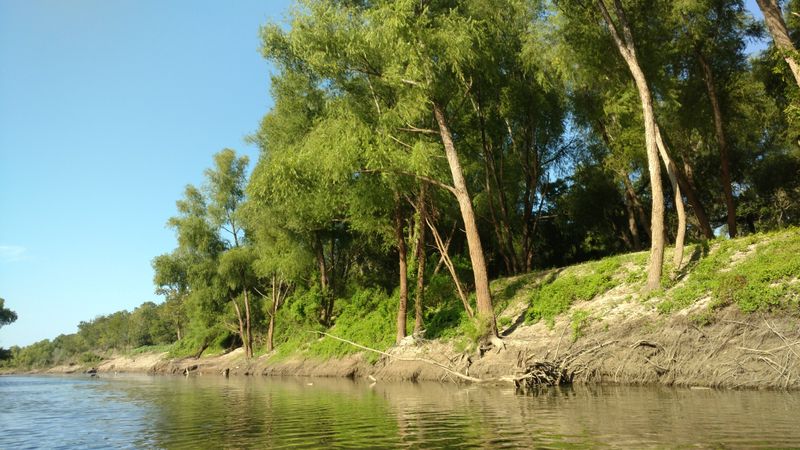
Few experiences match the thrill of hooking a powerful salmon or steelhead in the Trinity River’s clear waters.
These fish migrate upstream with determination, creating prime fishing opportunities that attract anglers from across California and beyond.
The area below Lewiston Dam has earned legendary status among fly-fishing enthusiasts, where rainbow trout also populate the cold tailwaters in impressive numbers.
Drift boat fishing offers one approach, allowing anglers to cover more water while guides handle navigation through promising runs and pools.
Wade-in spots provide a more intimate experience, with fishermen standing knee-deep in current, feeling every tug and surge as fish investigate their offerings.
Both methods produce results, though success often depends on season, water levels, and a bit of patience.
Fishing regulations protect these valuable populations, with specific seasons and catch limits designed to ensure future runs remain healthy.
Anglers need proper licenses and should check current rules before casting a line.
The combination of stunning scenery, challenging fish, and relatively uncrowded waters makes the Trinity River a favorite destination for those who measure success by the fight rather than just the catch.
5. Consistent Water Flows Mean Adventure Doesn’t Stop In Summer
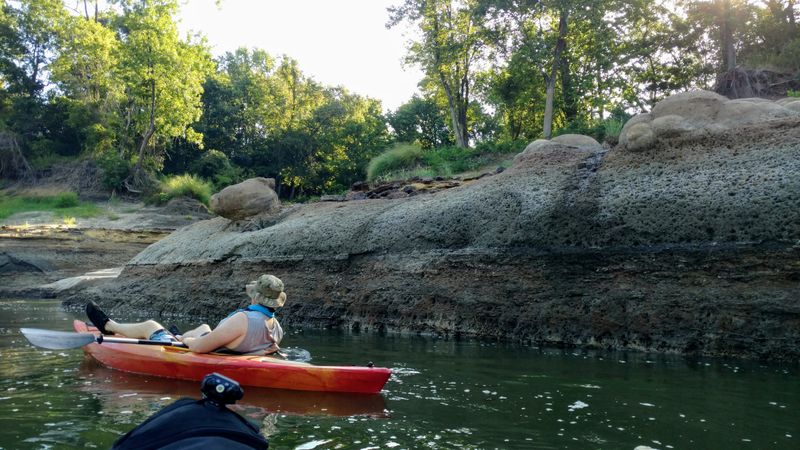
Many California rivers dwindle to trickles by late summer, forcing rafting companies to close and adventurers to look elsewhere.
The Trinity River breaks this pattern thanks to controlled releases from upstream dams that maintain reliable flows throughout the year.
This consistency transforms it into a rare four-season destination where whitewater enthusiasts can paddle even when other rivers run dry.
Spring brings the highest water levels, with snowmelt swelling the river and creating the most powerful rapids.
Summer flows remain strong enough for exciting runs while offering warmer weather that makes getting splashed more enjoyable.
Fall delivers stunning foliage along the banks, with golden leaves drifting past rafts and cooler temperatures that feel refreshing after hard paddling.
Winter rafting appeals to hardy souls who don’t mind cold water and want the river practically to themselves.
The landscape takes on a different character when mist rises from the water and rain-soaked forests glow deep green.
This year-round accessibility means trip planning becomes more flexible, with visitors able to schedule adventures around their calendars rather than hoping they catch the narrow window when rivers run.
6. Weaverville Provides A Perfect Base Camp For River Adventures
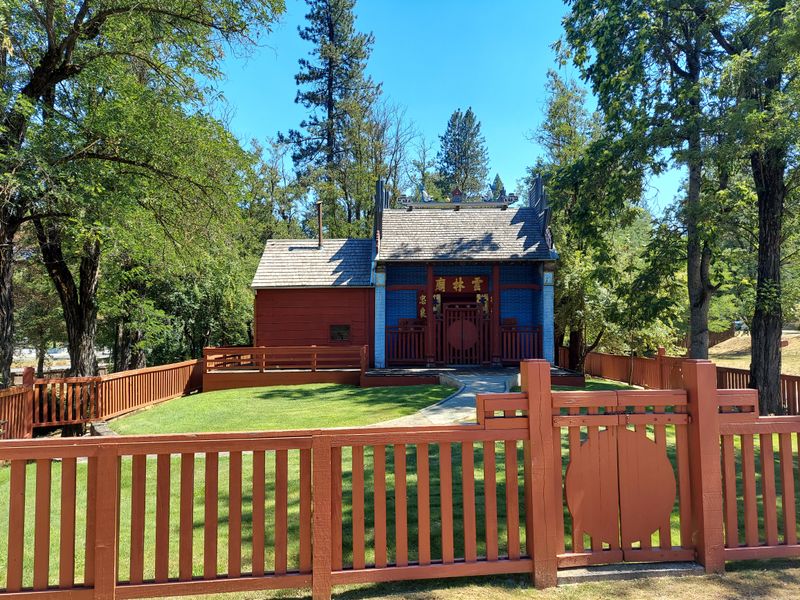
Every great outdoor adventure needs a launching point, and Weaverville fills that role beautifully for Trinity River explorers.
This small mountain town offers hotels, vacation rentals, and bed-and-breakfasts where adventurers can rest between days on the water.
Local restaurants serve hearty meals that refuel tired paddlers, while shops stock camping supplies, fishing gear, and any forgotten essentials.
The town sits roughly an hour’s drive from Redding Municipal Airport, making it accessible for visitors flying in from other states or regions.
This proximity means travelers can go from airplane to river in just a few hours, maximizing their adventure time.
Weaverville itself holds charm beyond its practical amenities, with historic buildings and a relaxed mountain atmosphere that helps visitors shift into vacation mode.
Guides and outfitters based in or near Weaverville know the Trinity River intimately, offering insider knowledge about current conditions, best fishing spots, and which rapids run highest.
Chatting with locals at cafes or supply stores often yields helpful tips that guidebooks miss.
The town becomes more than just a place to sleep; it serves as a community hub where river stories get shared and new friendships form over shared adventures.
7. Leave No Trace Principles Protect This Wilderness For Future Generations
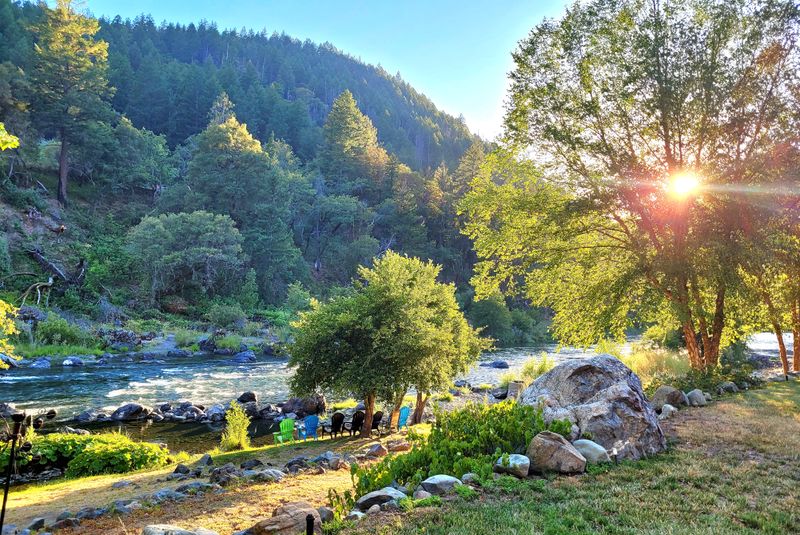
Popular outdoor destinations face constant pressure from visitor impact, and the Trinity River ecosystem remains vulnerable despite its rugged appearance.
Practicing Leave No Trace principles helps preserve the natural beauty that makes this river special.
Simple actions like packing out all trash, including biodegradable items like orange peels and apple cores, prevent accumulated waste from degrading campsites and riverbanks.
Proper human waste disposal matters especially in wilderness areas where facilities don’t exist.
Digging catholes at least 200 feet from water sources and burying waste properly prevents contamination that could sicken wildlife and future visitors.
Using established campsites rather than creating new ones minimizes vegetation damage and prevents erosion that can alter stream banks and destroy fish habitat.
Respecting wildlife means observing from a distance rather than approaching or feeding animals, no matter how cute or curious they seem.
Food storage in bear-resistant containers or hung properly prevents animals from becoming habituated to human food, which often leads to dangerous encounters and the eventual removal of problem animals.
These practices require minimal extra effort but create massive positive impacts, ensuring the Trinity River remains wild and healthy for decades to come.
8. Guided Trips Turn Nervous Beginners Into Confident River Runners
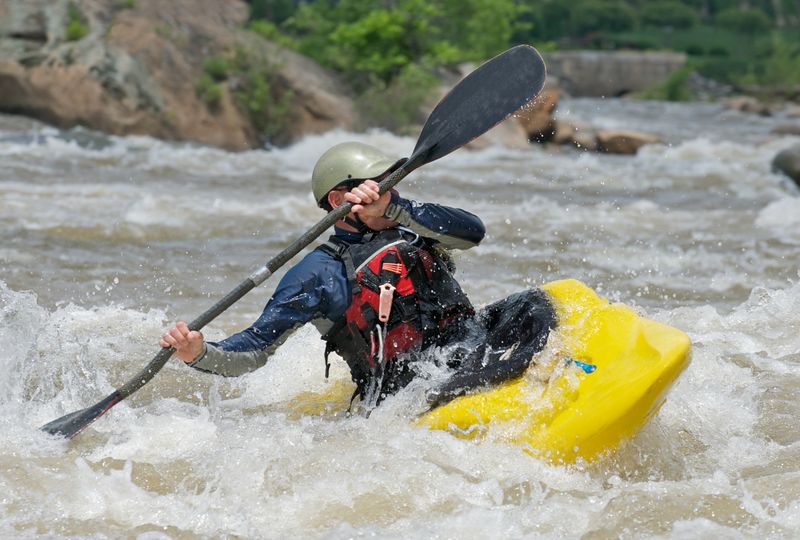
Tackling whitewater for the first time can feel intimidating, but professional guides transform anxiety into excitement through expert instruction and reassuring confidence.
Local rafting companies offer trips designed for different skill levels, providing all necessary equipment from helmets and life jackets to paddles and rafts.
Guides brief groups on safety procedures, paddling techniques, and what to expect before anyone hits the water.
During the trip, guides navigate while calling out paddle commands, positioning the raft to ride waves properly and avoid hazards invisible to untrained eyes.
They share stories about the river’s ecology, history, and geology between rapids, turning the adventure into an educational experience.
Their knowledge extends beyond just steering; they can identify birds, explain rock formations, and point out the best swimming holes for mid-trip breaks.
Multi-day guided trips take the experience deeper, with outfitters handling meal preparation, camp setup, and river logistics while guests simply enjoy the journey.
These longer adventures allow time to truly disconnect from everyday stress and develop genuine rafting skills.
Many people who start as nervous first-timers finish their trips already planning return visits, hooked on the combination of natural beauty and physical challenge that whitewater provides.
9. Gold Rush History Left Lasting Marks Across The Landscape
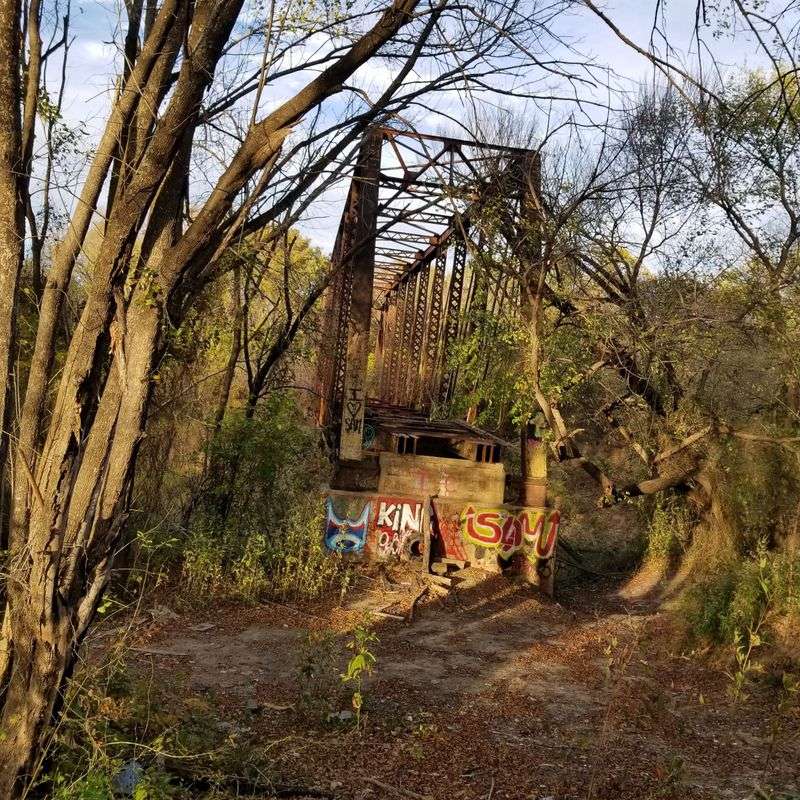
The California Gold Rush transformed the Trinity River region during the mid-1800s, bringing waves of fortune-seekers who dramatically altered the landscape and local communities.
Miners dredged river bottoms, diverted water through sluices, and scarred hillsides with hydraulic mining operations that washed away entire slopes.
Towns sprang up almost overnight, supporting the influx of prospectors with supplies, entertainment, and services.
Evidence of this era remains visible throughout the area, from abandoned mining equipment rusting along tributaries to historic cemeteries where optimistic miners found their final resting places far from home.
Some old mining roads now serve as hiking trails, offering glimpses into the harsh conditions these early settlers endured.
Understanding this history adds context to the modern landscape, explaining why certain areas look disturbed or why unexpected structures appear in remote locations.
The Gold Rush also accelerated conflicts with Indigenous communities, whose traditional lands and resources faced unprecedented disruption.
This darker aspect of the region’s history deserves acknowledgment alongside tales of adventure and fortune.
Today’s visitors walk through a landscape shaped by these historical forces, where natural recovery slowly reclaims what mining once destroyed, creating a unique blend of wilderness and human history.
10. Trinity Alps And Scott Mountains Create A Dramatic Wilderness Setting
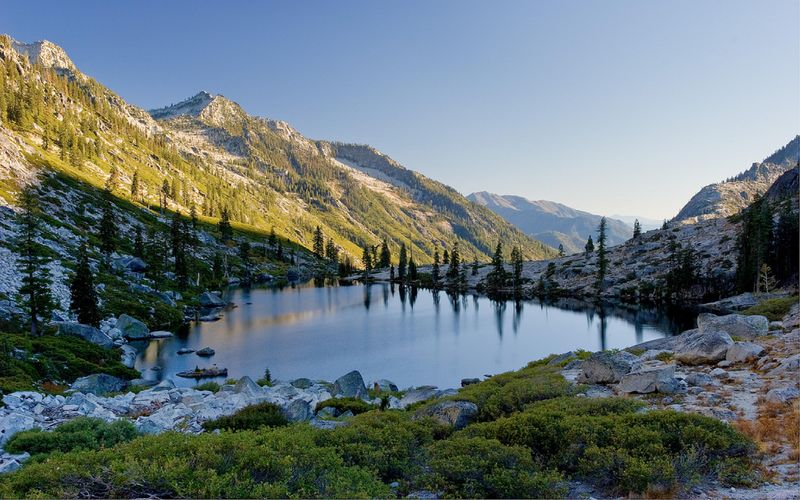
The Trinity River doesn’t just flow through any mountains; it carves through some of Northern California’s most spectacular wilderness.
The Trinity Alps rise sharply to the west, their granite peaks holding alpine lakes that shimmer like jewels when viewed from high trails.
These mountains create a dramatic backdrop for river adventures, with snow-capped summits visible even during summer months.
The Scott Mountains form the eastern boundary of the river corridor, their slopes covered in dense conifer forests that shelter elk, black bears, and countless smaller creatures.
Deep canyons cut between ridges, creating the narrow gorges that make certain river sections so thrilling for rafters.
The interplay of peaks, forests, and rushing water generates scenery that rivals any wilderness area in the American West.
Hiking opportunities abound for adventurers who want to explore beyond the river itself, with trails climbing to viewpoints that reveal the full scope of this mountain landscape.
Alpine meadows burst with wildflowers in early summer, while fall brings golden aspens that contrast beautifully against evergreen slopes.
This setting transforms every river trip into more than just a water adventure; it becomes an immersion in true wilderness where nature operates on its own terms.