This Wisconsin Alpaca Farm Makes An Adorable Family Day Trip
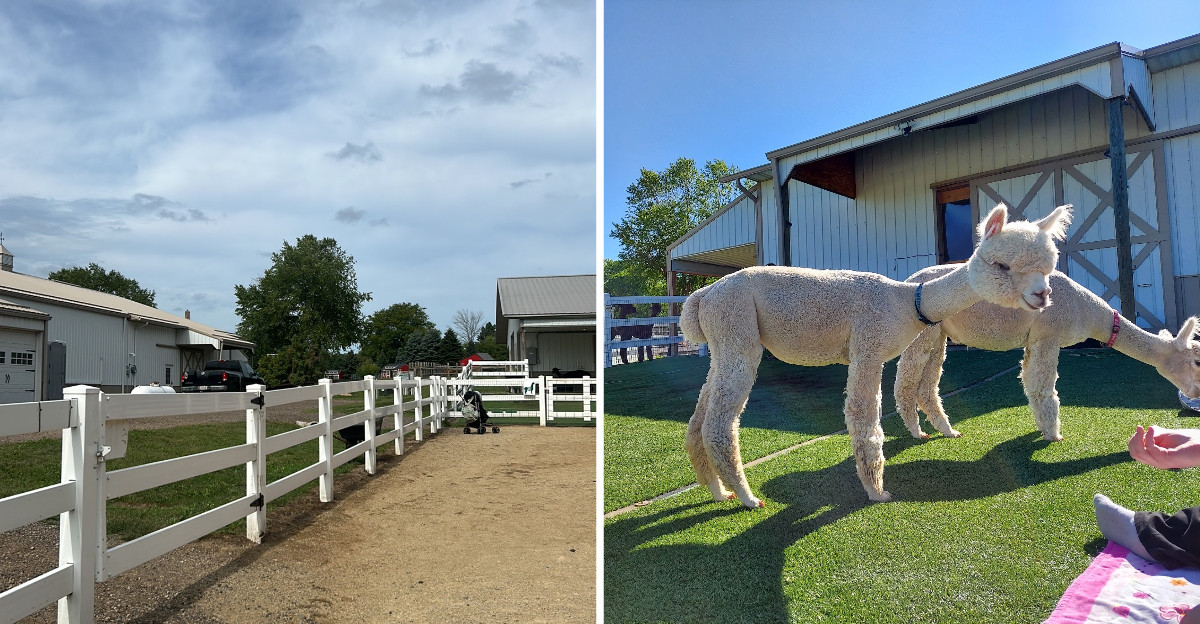
Try keeping a straight face when a fluffy alpaca starts watching your cup of feed.
This Wisconsin farm turns that encounter into an entire day of animal fun, with Highland cattle, peacocks, porcupines, kangaroos, and plenty of other residents joining the lineup.
Visitors can get close, offer snacks, and learn while the animals provide endless entertainment.
The children will love it, obviously. The adults will insist they are only taking fifty alpaca photos for the kids, obviously!
The relaxed farm setting makes the experience feel far more personal than simply watching animals from a distance. One furry face usually steals the day.
From Career Change To Alpaca Dreams
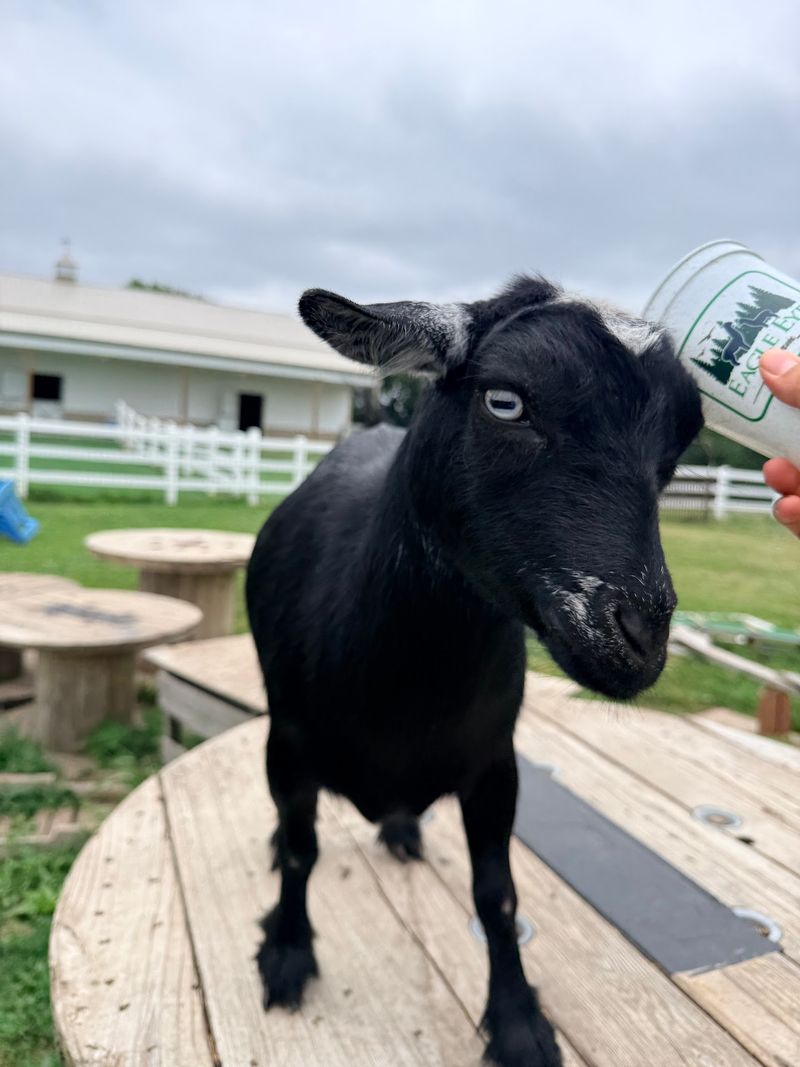
Every great farm has a backstory, and this one started with a major career change. The founders previously worked in medicine and healthcare administration in the St. Louis area.
In 2016, they moved to a rural property outside Duluth, Minnesota. A visit to an alpaca farm two years later turned a longtime interest in the animals into a new direction.
The early work involved clearing land, preparing pasture, installing fencing, and overseeing construction of a barn. The first alpacas arrived in 2018, even though the original plan called for only three.
That number did not stay small for long. Within about six months, the herd had grown to roughly 15 animals as the farm’s focus shifted more seriously toward alpacas.
By 2019, the growing herd needed a property better suited to agritourism. The operation moved to a former horse farm in River Falls, Wisconsin, in the St. Croix Valley and began expanding its visitor experiences.
Farm tours now sit at the center of that public side of the operation. The entrance is at N7802 County Road F in River Falls.
Meet 130 Animals, 14 Species
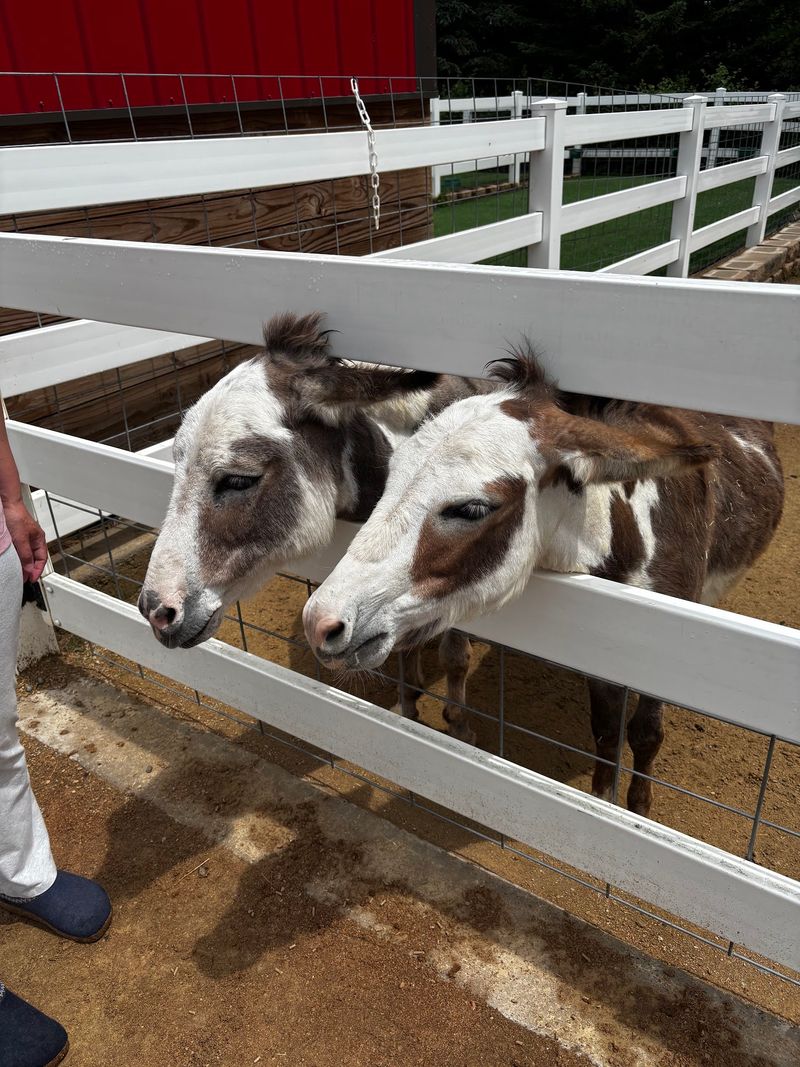
Count the noses, and you will lose track fast. Eagle Eye Farm currently cares for more than 130 animals representing 14 species.
Alpacas get top billing, but they share the property with a llama, goats, sheep, donkeys, Kunekune pigs, miniature Highland cattle, rabbits, chickens, peacocks, kangaroos, porcupines, an armadillo, and a barn dog.
The miniature Highland cattle add another shaggy face to the farm. Their long coats and compact size make them easy to spot among the larger collection of animals.
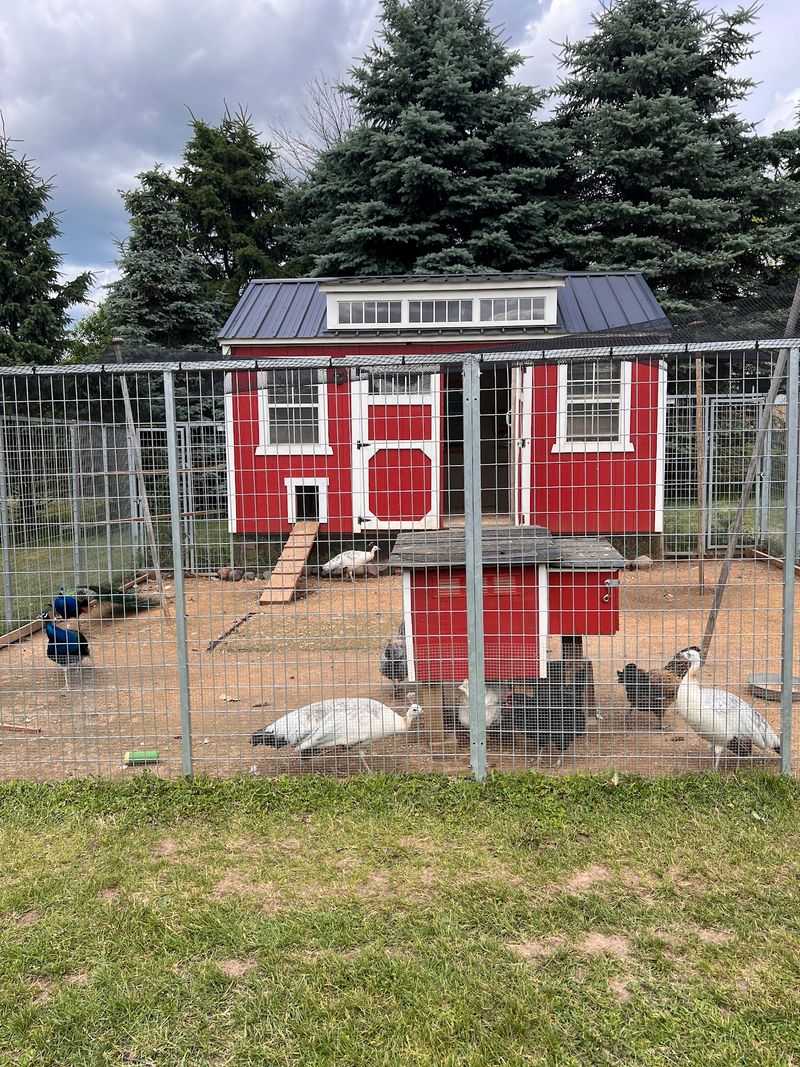
The feathered residents bring their own color to the visit. Chickens occupy part of the farm, while peacocks add flashes of bright plumage around the grounds.
Kunekune pigs have an especially memorable backstory. The breed is closely associated with New Zealand, and the Māori name “Kunekune” means “fat and round,” a fitting reference to the breed’s compact shape.
Baby alpacas can also change the look of the herd from one season to the next. Nine crias were born on the farm in 2026 between late May and mid-September.
Hand Feeding Inside The Pens
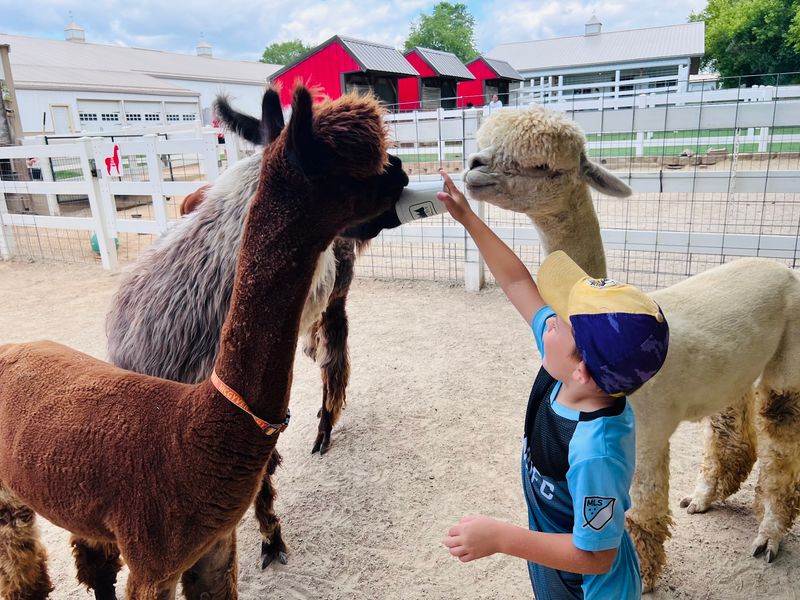
Forget looking through a fence from far away. Many of the animal areas allow guests to enter designated pens and interact at close range.
Approved animal feed is available at the farm store. Visitors can feed alpacas, llamas, sheep, donkeys, goats, and chickens, while pigs and cattle are kept off the feeding list.
Current visitor guidance instructs guests to offer feed from a flat hand. Younger visitors should stay close to an adult during feeding because this remains a working farm with live animals.
Not every enclosure works the same way. Guests should follow signs and staff directions because some areas are intended for viewing rather than open entry.
Outside food and drinks are not allowed around the farm animals. Their diets are managed carefully, so only the feed provided for them should be offered.
The hands-on format brings visitors close to the animals while keeping clear boundaries around each enclosure.
Kangaroos, Porcupines, And Yoga Fun
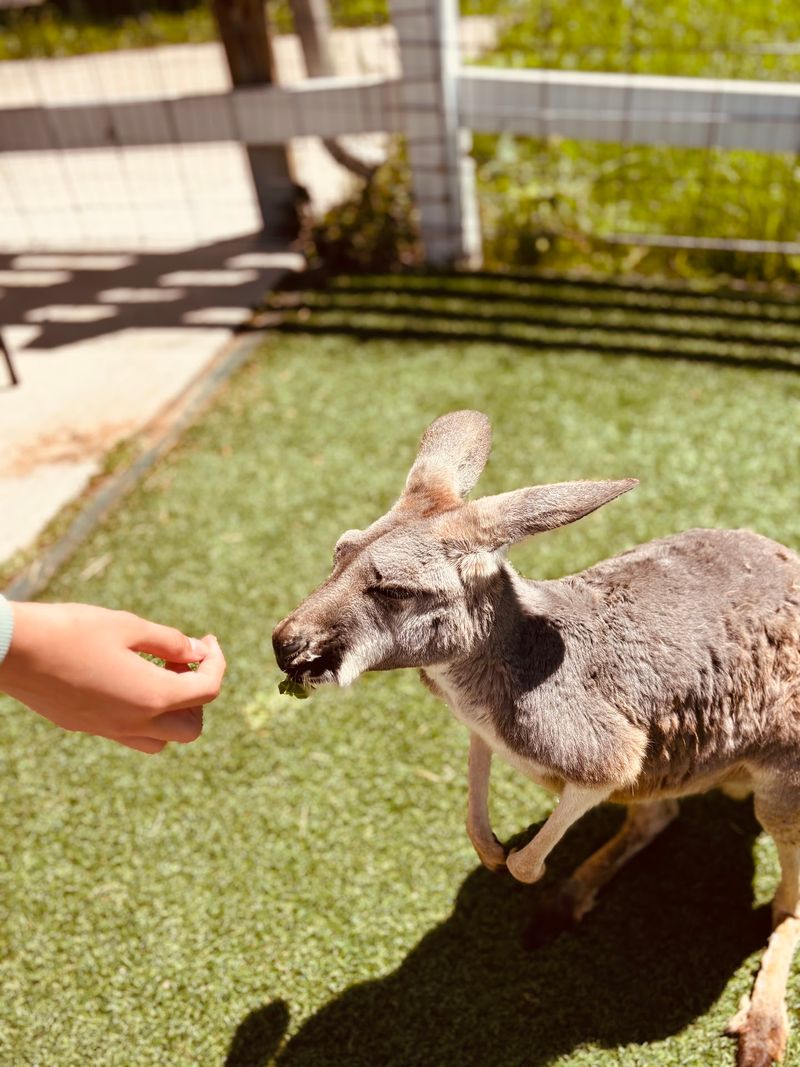
Kangaroos in the Midwest still feel unexpected, but they are part of the current lineup here.
Romping With the Roos is a short add-on experience that allows guests to spend time with the kangaroos and hand-feed them fresh greens with a farm team member present.
A separate Feeding the Roos experience focuses on bottle feeding.
The two options are different, so visitors interested in that specific interaction should choose the correct experience when planning.
The Porcupine Experience offers another close encounter. Guests spend time in the porcupine space and provide approved foods while a staff member guides the session.
Yoga remains part of the calendar as well. Current classes combine 45 minutes of yoga with additional alpaca time and include feed for the animal portion of the visit.
Walking With the Alpacas provides a slower way to interact with the herd. Participants lead an alpaca around the farm, but the activity requires a reservation and does not replace a regular farm-tour ticket.
Most specialty experiences need advance planning, so checking the current schedule before arriving is the easiest way to build the day.
Guided Tours Or Wander Freely
Some families like a map, and others prefer a guide. Eagle Eye Farm continues to offer both styles of visiting.
The self-guided option lets guests explore at their own pace and enter multiple designated alpaca pens. No reservation is required, and visitors can arrive during regular open hours.
Most general visits take about one to two hours. That flexibility works especially well for families who want extra time with certain animals or a quicker walk through others.
Guests can shape the outing around their own interests instead of following a fixed schedule.
Guided public tours add more structure and require a reservation. A staff member leads the visit and explains the care of alpacas and other farm animals, including sheep, llamas, pigs, cattle, and chickens.
Private tours are also available for smaller groups that want a more focused visit. Those tours typically last between 60 and 90 minutes and move through several animal areas.
The farm also offers school field trips, camps, birthday gatherings, and other group programs. Each format changes the pace, but the main focus stays on close animal encounters and practical farm education.
Champion Alpacas With Fancy Fleece
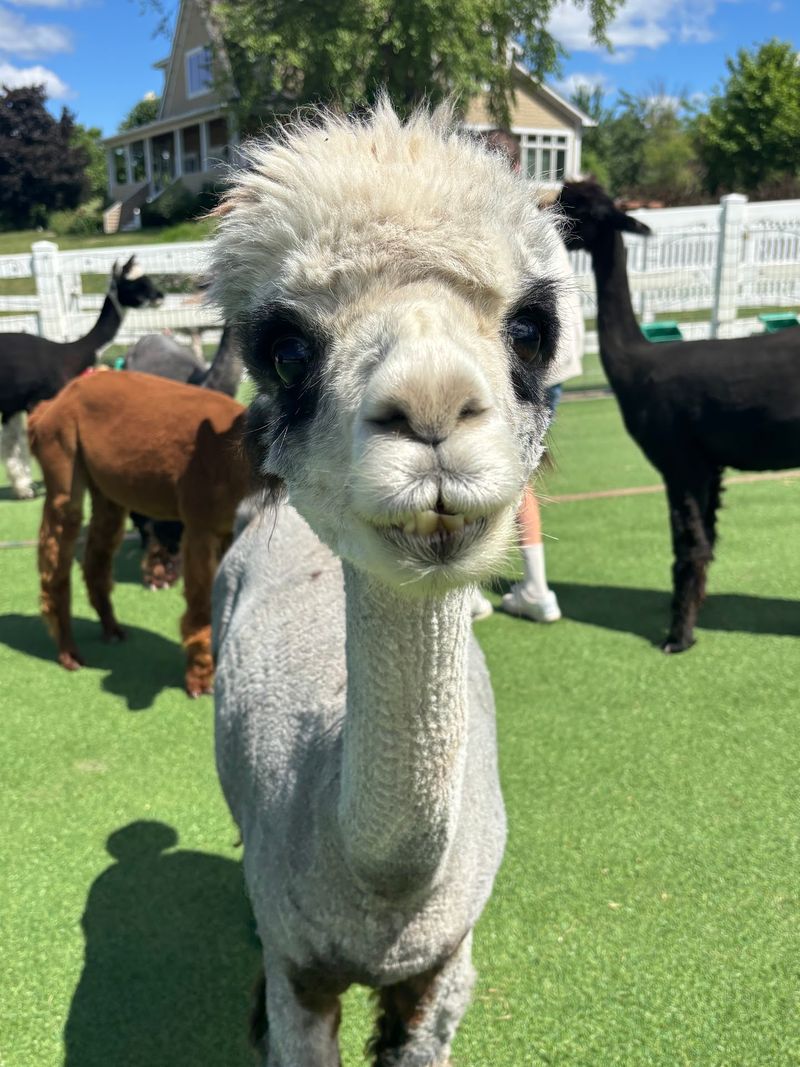
Not every farm can point to national alpaca honors. Eagle Eye Farm earned the Alpaca Owners Association’s top ranking in the small-farm division in 2022 and the medium-farm division in 2023.
Those divisions are based on the size of the breeding herd. The small-farm category covered fewer than 20 breeding females, while the medium division covered 20 to 37.
Show alpacas are evaluated on fleece and conformation, the term used for overall body structure. The herd continues to participate in competitions, and individual animals have also earned high-point recognition.
Alpacas are members of the camelid family and originate from South America. They are closely related to llamas and communicate mostly through body language, although humming is one of their familiar vocal sounds.
Their fleece is another important part of the farm’s work. Alpaca fiber contains no lanolin and is valued for warmth, light weight, and moisture management.
That combination of breeding, showing, and fiber production gives visitors a fuller picture of why the animals are raised beyond their obvious photogenic appeal.
Alpaca Socks And Farm Honey
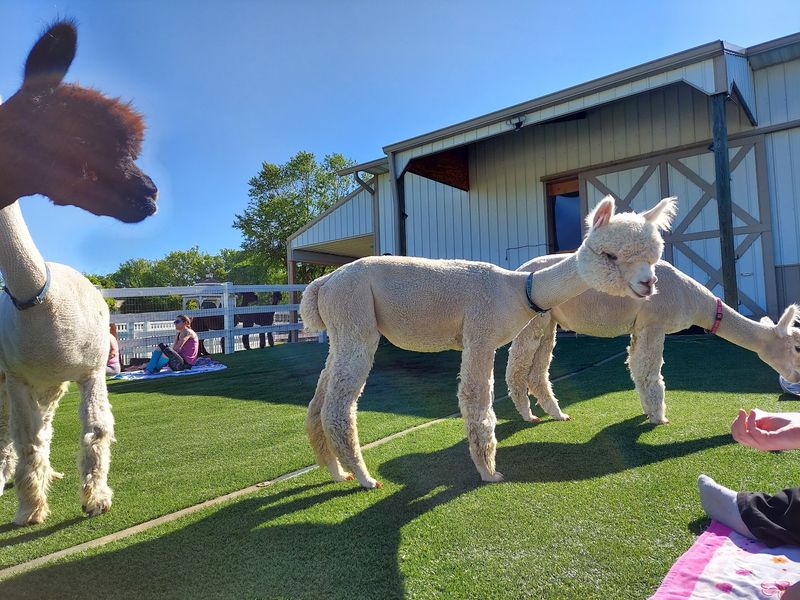
The farm store, All Things Sheared, extends the visit beyond the animal pens.
Its shelves include alpaca and sheep goods, farm-themed merchandise, honey, beeswax candles, soaps, lotions, and other practical items.
The alpacas are sheared annually. Fiber from the herd is used for products such as roving, mats, hats, socks, and gloves, connecting the store directly to one of the farm’s main agricultural activities.
Alpaca fiber has several useful characteristics. It is naturally free of lanolin, can wick moisture, and has documented insulating properties, making it useful in cold-weather clothing and household textiles.
This Wisconsin farm also operates its own apiary. Honey and beeswax candles from that operation are sold alongside the fiber goods and other locally produced items.
For visitors interested in how farm products move from animal care to finished goods, the store adds another educational layer. It also gives the annual shearing and beekeeping work a visible place in the visitor experience.
Purchases from the farm’s retail operation help support ongoing care and farm operations, so the shop functions as more than a souvenir stop.
Smart Tips for Every Season
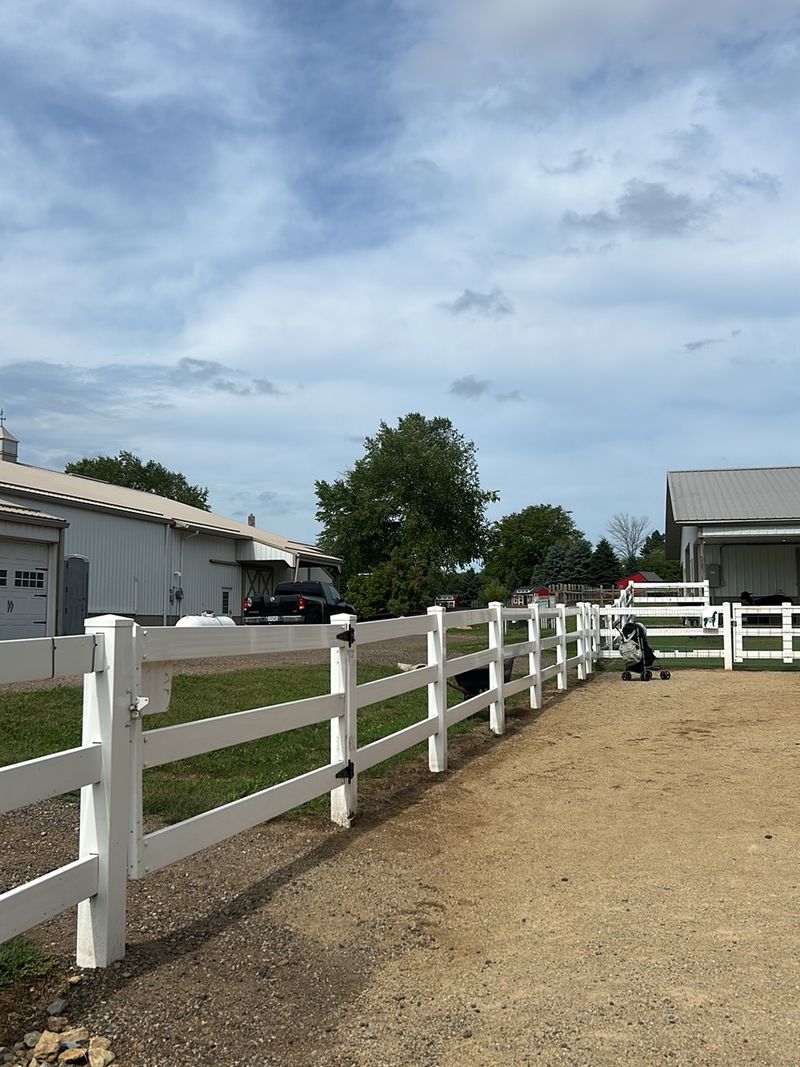
Snow, sunshine, or spring mud, the barn doors still open. The farm currently welcomes guests from 10 a.m. to 4 p.m. every day of the year.
Each season changes the visit. Thick alpaca fleece is especially noticeable during colder months, while warmer weather brings green pastures and the possibility of seeing younger animals.
Fall adds another layer of color around the property. It is also a comfortable time to explore outdoors before colder Wisconsin weather settles in.
Dressing for a working farm makes a difference. Wear footwear suited to uneven ground, grass, gravel, and animal areas, and choose layers that can handle changing conditions.
Strollers are welcome, but the property is not ADA compliant. Uneven terrain can make wheelchair access difficult in some areas, although staff can assist when possible.
Pets must stay home for the safety of the farm animals. Visitors with mobility questions can contact the farm before arriving to discuss current conditions and the easiest way to navigate the property.