12 Tired California Living Room Trends Designers Say It’s Time To Let Go
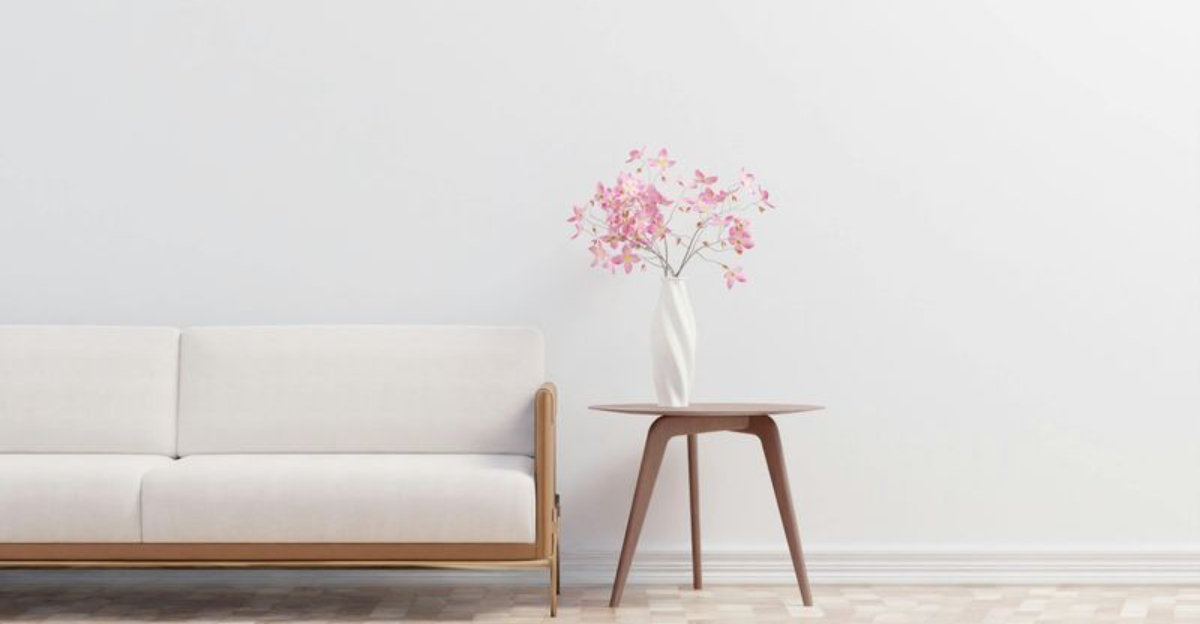
California living rooms have long been known for their breezy, laid-back style that mixes indoor-outdoor living with effortless cool.
But even the best trends can overstay their welcome, leaving spaces feeling dated rather than fresh.
Designers across the state are now encouraging homeowners to retire certain looks that once felt modern but now make rooms feel stuck in the past, clearing the way for more current, comfortable styles that better reflect how people actually live today.
1. Oversized Farmhouse Signs
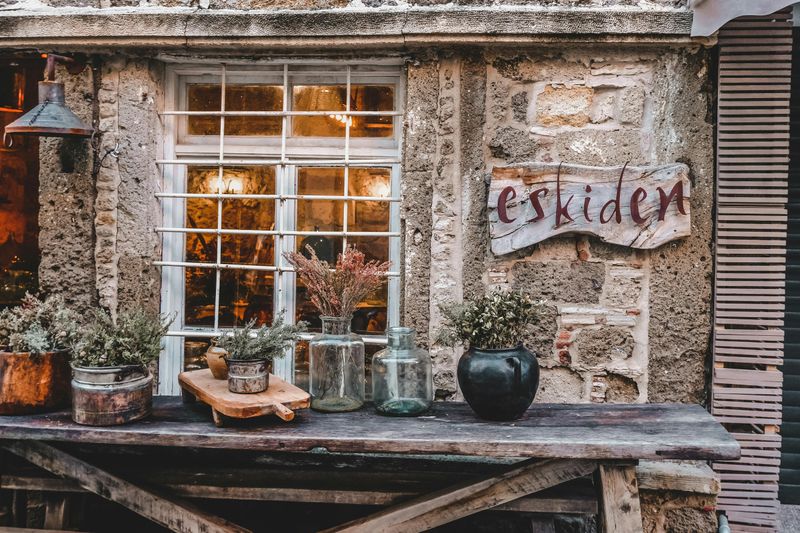
Rustic wooden signs declaring words like “Gather” or “Blessed” became a California staple, but their moment has passed according to interior experts.
These oversized pieces often dominate wall space without adding real character or reflecting the homeowner’s actual taste.
Rooms end up looking like they followed a catalog template rather than evolving naturally over time.
Swapping generic signs for personal artwork, family photos, or unique finds from local markets creates more meaningful focal points.
California has incredible art scenes in cities like Los Angeles and San Francisco, making it easy to discover original pieces that tell better stories.
Even small prints or framed textiles can replace bulky signs while offering more visual interest.
The shift moves away from mass-produced décor toward items that spark conversation and reflect individual journeys.
Living rooms benefit when walls showcase personality rather than predictable phrases.
2. Matchy-Matchy Furniture Sets
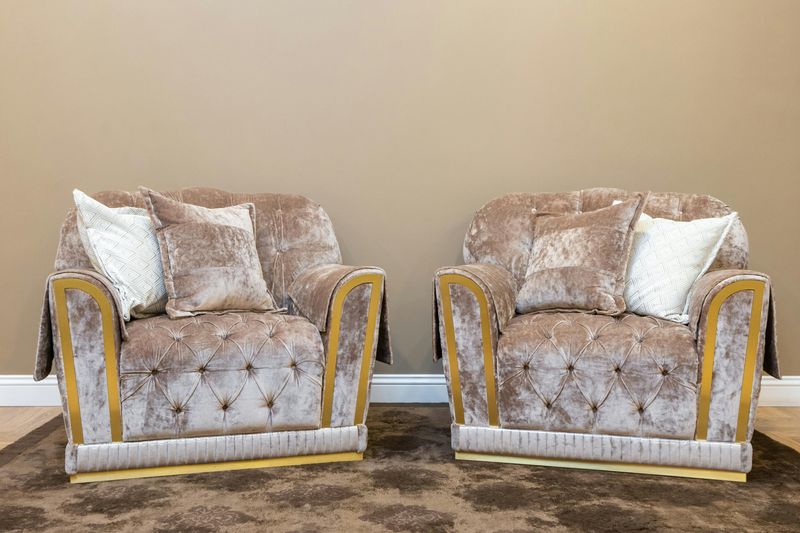
Buying a complete living room set from one showroom might seem convenient, but designers warn this approach creates spaces that lack personality and visual depth.
When every piece matches perfectly in color, style, and finish, rooms feel flat and uninspired rather than thoughtfully curated.
Mixing furniture from different eras and sources adds layers of interest that make spaces feel collected over time.
Pairing a modern sofa with vintage side tables or blending wood finishes creates a more dynamic and authentic California vibe.
Showrooms like those along La Brea Avenue in Los Angeles at 700 S La Brea Ave, Los Angeles, CA 90036, offer diverse pieces that encourage mixing rather than matching.
The eclectic approach feels more personal and less like a staged model home.
Rooms gain character when furniture tells different stories while still working together through color or scale.
3. Overdone Shiplap Walls
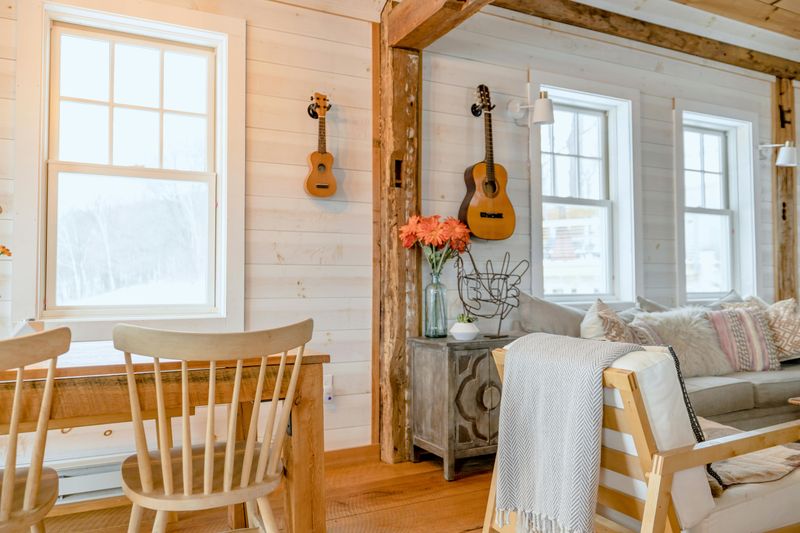
Horizontal wood planks covering every surface brought farmhouse charm to California homes, but the look now feels overplayed and visually exhausting.
Shiplap works best as an accent rather than a full-room treatment, especially when it competes with architectural details that deserve attention.
Covering entire living rooms in this texture can make spaces feel busy and dated rather than cozy.
Designers suggest limiting shiplap to one feature wall or removing it entirely in favor of smooth plaster or textured wallpaper.
California’s diverse architecture, from Spanish Revival to mid-century modern, often benefits from cleaner wall treatments that let other elements shine.
Paint colors with subtle warmth or interesting finishes provide texture without the heavy-handed rustic feel.
Rooms breathe better when walls serve as calm backdrops rather than demanding all the attention.
The trend toward restraint helps living spaces feel current without losing character.
4. Industrial Pipe Shelving
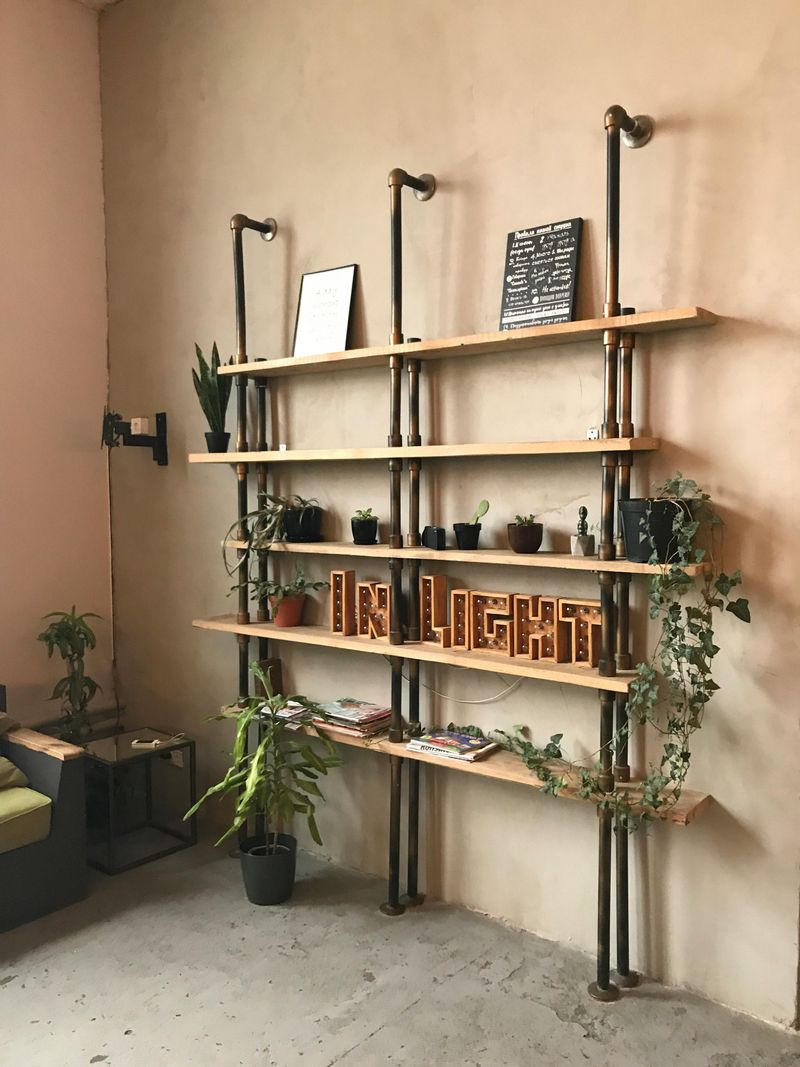
Metal pipes and reclaimed wood planks once brought urban edge to California living rooms, but this industrial look now feels more warehouse than welcoming.
The harsh lines and cold metal finishes can make residential spaces feel unfinished rather than intentionally styled.
While the DIY appeal made sense years ago, current design leans toward softer, more refined storage solutions.
Floating shelves in natural wood or built-in cabinetry offer cleaner lines without the visual clutter of exposed hardware.
Stores like Heath Ceramics at 7525 Beverly Blvd, Los Angeles, CA 90036, showcase beautiful shelving options that blend form and function without industrial harshness.
Trading pipes for integrated storage makes rooms feel more polished and cohesive.
The goal is creating display areas that enhance rather than distract from the overall aesthetic.
Living rooms gain sophistication when storage solutions feel intentional rather than improvised.
5. Mason Jar Everything
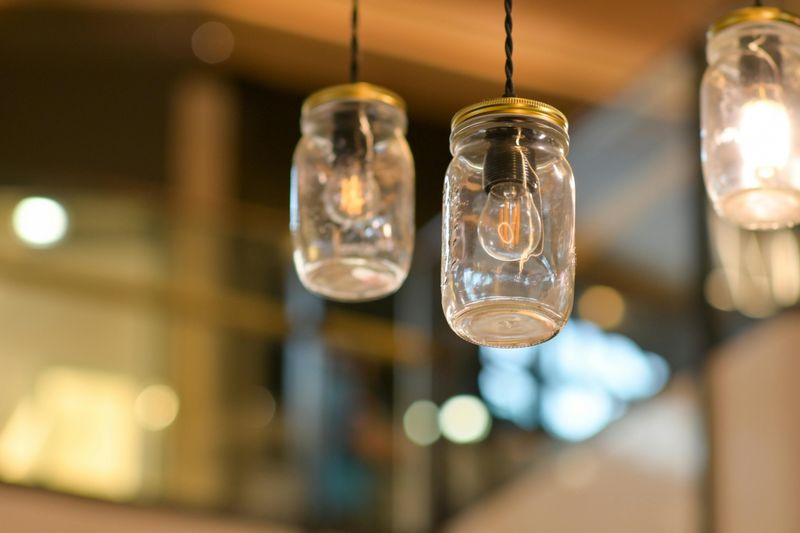
Glass jars originally designed for canning took over California décor as vases, candle holders, and storage containers, but their overuse has exhausted the trend.
What started as a charming nod to simplicity became a cliché that made living rooms feel more country craft fair than coastal cool.
Designers now encourage homeowners to invest in actual vases, planters, and containers that elevate rather than casualize a space.
Ceramic pieces, blown glass, or vintage finds bring more sophistication and visual interest than repurposed jars.
California’s rich pottery tradition offers countless beautiful alternatives that support local artisans while looking more intentional.
Swapping mason jars for purpose-made décor instantly upgrades a room’s polish.
Even simple ceramic pots from garden centers feel more refined than the ubiquitous jar.
Living rooms deserve containers that look like they were chosen with care rather than pulled from the pantry.
6. Chevron Pattern Overload
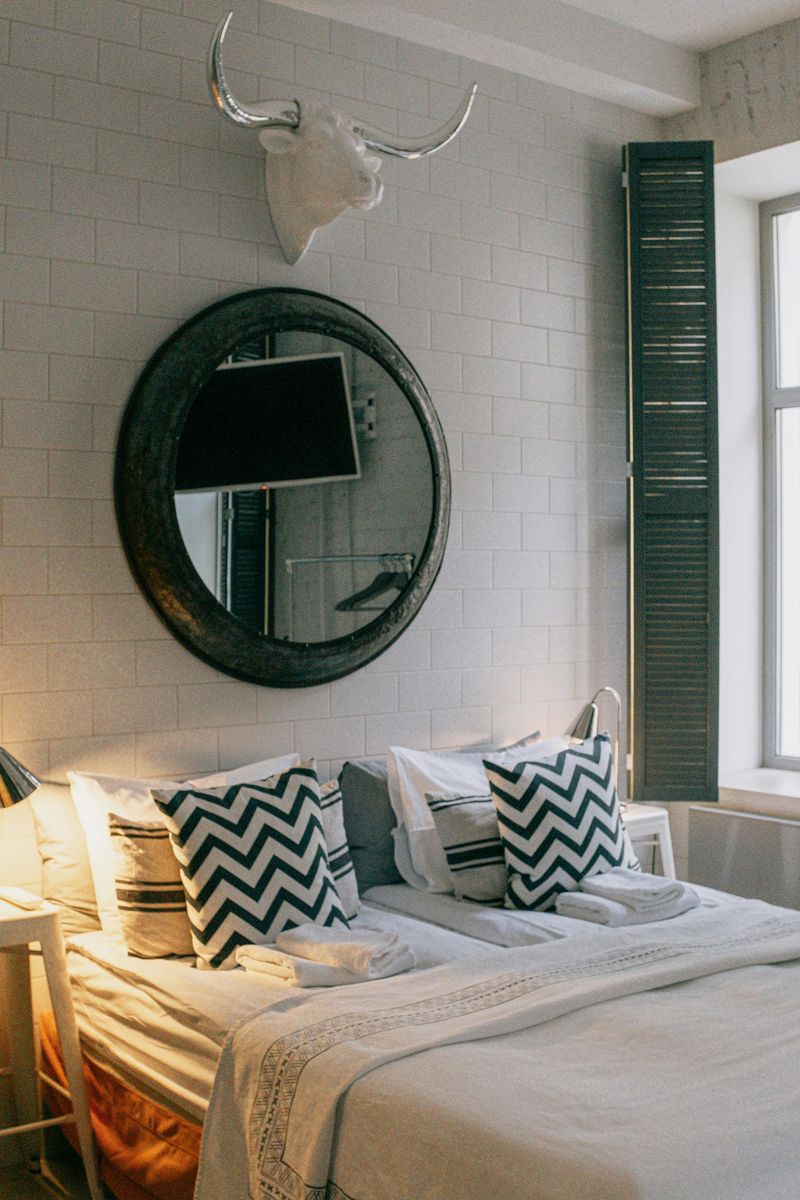
Zigzag stripes in bold colors dominated California living rooms for years, appearing on rugs, pillows, curtains, and even wallpaper simultaneously.
The pattern’s energy can overwhelm spaces quickly, making rooms feel chaotic rather than dynamic.
Designers note that chevron works best in small doses, if at all, since its angular nature demands constant visual attention.
Replacing busy chevron with subtle geometric patterns or organic shapes creates calmer, more sophisticated spaces.
Textiles with irregular stripes, watercolor effects, or abstract designs offer pattern without the aggressive punch.
California’s natural beauty inspires softer, more flowing patterns that complement rather than compete with surroundings.
Rooms feel more restful when patterns enhance rather than dominate.
Trading sharp zigzags for gentler motifs helps living spaces feel current and composed.
The shift toward understated pattern reflects a broader move toward tranquility in home design.
7. Live Laugh Love Mentality
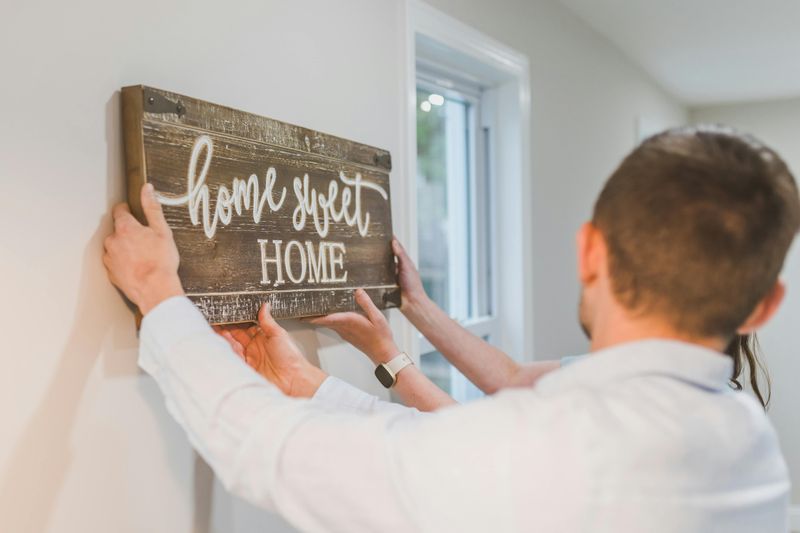
Generic motivational phrases plastered across walls became shorthand for cozy home décor, but designers say this trend has run its course.
These mass-produced sentiments rarely reflect the homeowner’s actual values or experiences, making spaces feel impersonal.
Living rooms should showcase things that matter specifically to the people living there, not universal platitudes anyone could claim.
Replacing generic word art with personal mementos, travel souvenirs, or meaningful photography creates deeper connections to a space.
California’s diverse landscapes and experiences offer endless inspiration for more authentic wall décor.
Framing a map from a memorable road trip or displaying artwork from a favorite local beach town tells better stories.
Rooms gain soul when walls reflect real moments rather than borrowed sentiments.
The move away from generic inspiration toward personal narrative makes living spaces feel genuinely lived-in.
Homes become more interesting when décor choices reveal something unique about their inhabitants.
8. Distressed Everything Furniture
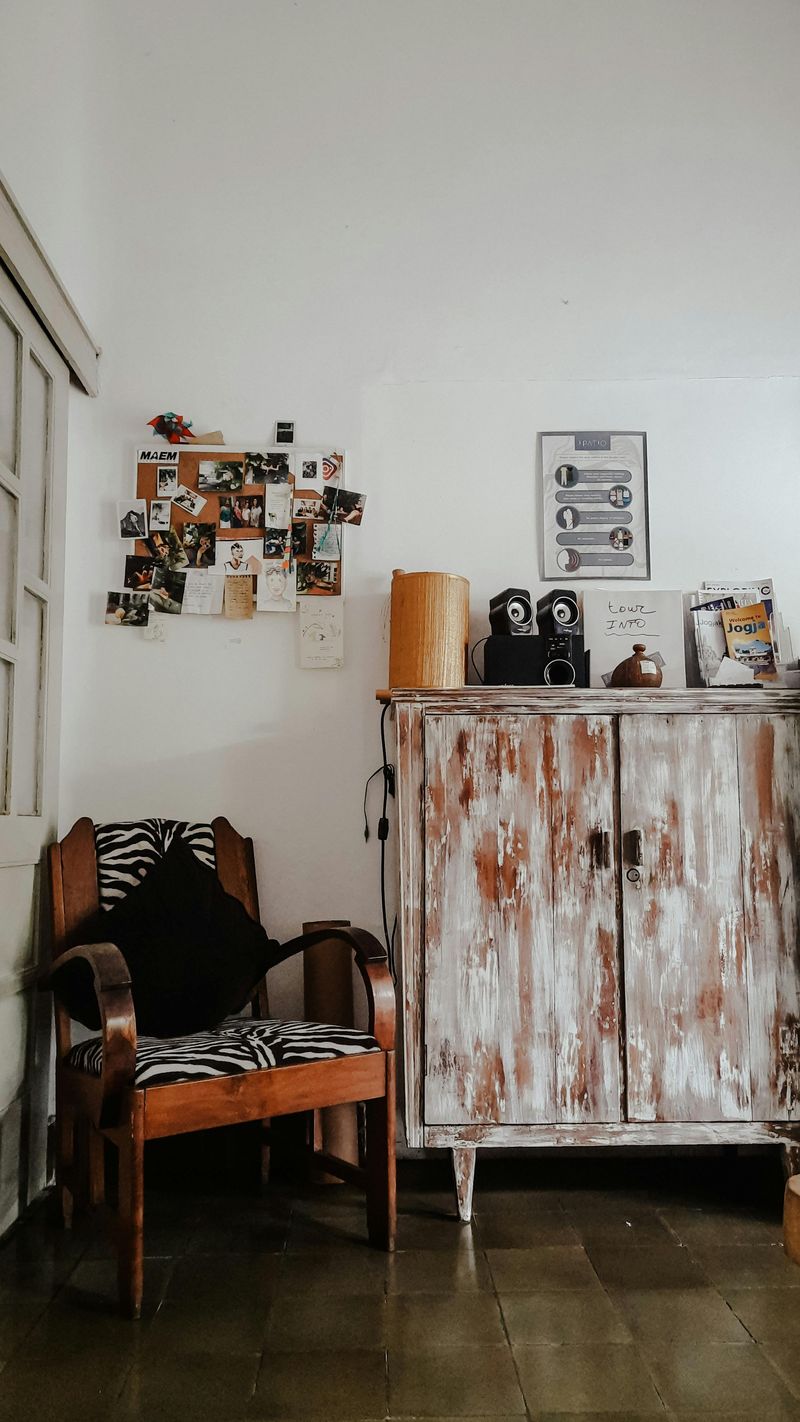
Artificially aged furniture with chipped paint and sanded edges aimed for vintage charm but often just looks worn out rather than timelessly elegant.
The distressed finish trend swept through California homes, turning new pieces into faux antiques that lack authenticity.
Designers now prefer furniture with clean lines and honest finishes that will age naturally over time.
Real vintage pieces or well-made new furniture in solid finishes offer more longevity and sophistication.
Stores like HD Buttercup at 3225 Helms Ave, Culver City, CA 90232, carry quality furniture that doesn’t rely on artificial aging for character.
Furniture that looks deliberately beaten up can make entire rooms feel tired rather than collected.
Trading distressed pieces for cleaner designs instantly modernizes a space.
Living rooms benefit from furniture that looks cared for rather than prematurely aged.
The trend toward honest materials and finishes reflects a broader appreciation for quality over gimmicks.
9. Burlap Everywhere
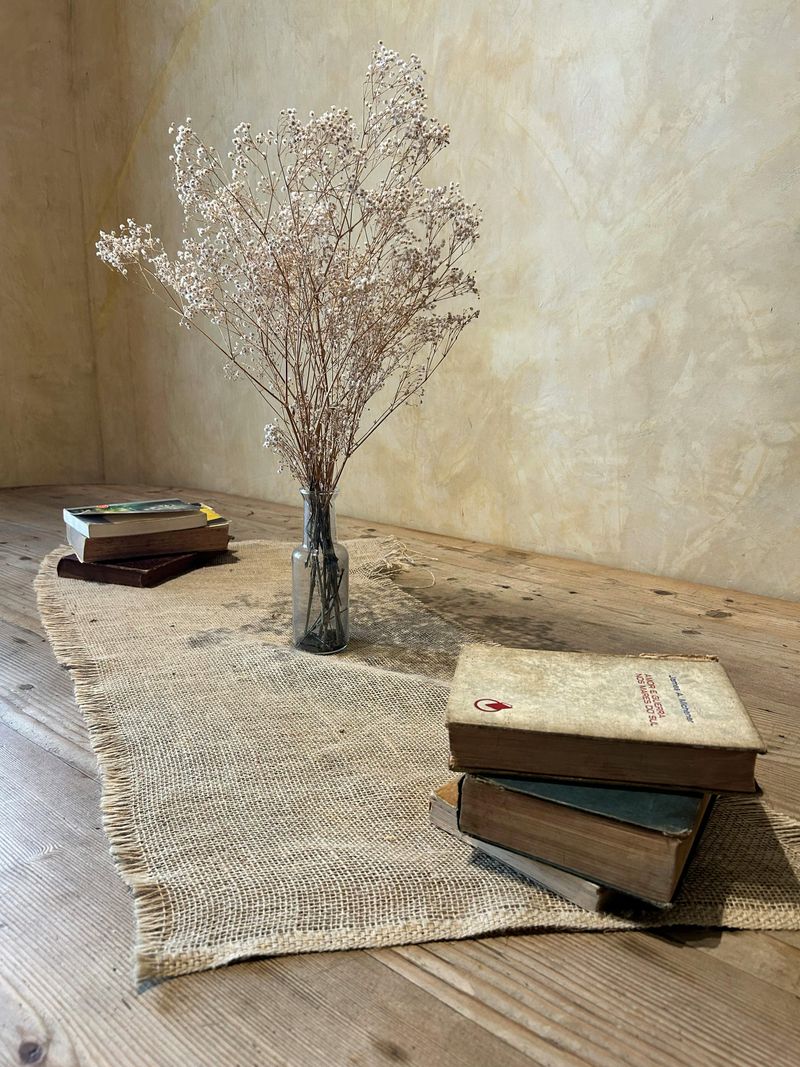
Rough-textured fabric typically used for sacks became a California décor staple on pillows, table runners, and even curtains, but its scratchy presence has overstayed its welcome.
Burlap’s rustic appeal works in specific contexts like farmhouse kitchens, but it feels out of place in living rooms meant for comfort.
The material’s coarse texture and neutral-to-drab color can make spaces feel unfinished rather than intentionally casual.
Designers recommend swapping burlap for linen, cotton, or wool textiles that offer texture without the agricultural vibe.
California’s coastal climate pairs beautifully with natural fibers that feel softer and more refined.
Layering quality textiles in varied textures creates depth without relying on one overused material.
Rooms feel more inviting when fabrics are chosen for comfort as much as appearance.
Trading burlap for more sophisticated natural fibers elevates a space instantly.
Living rooms deserve textiles that people actually want to touch and curl up with.
10. All-White Everything
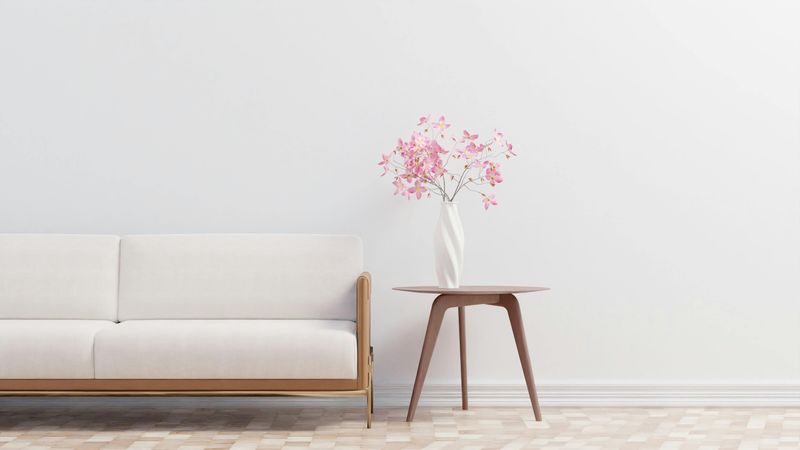
Walls, sofas, rugs, and even artwork drenched in white once symbolized California’s minimalist dream, but designers now say this trend has lost its warmth.
Spaces drowning in white can feel cold and clinical rather than calming, especially when natural light shifts throughout the day and exposes how lifeless a room becomes.
Layering in warm neutrals like cream, taupe, or soft gray brings depth without abandoning simplicity.
Textured throws, woven baskets, and wood tones help break up the monotony while keeping things light and airy.
Homeowners who love brightness can still enjoy pale palettes by mixing in subtle color through pillows, plants, or artwork that adds personality.
The goal now is creating spaces that feel lived-in and inviting rather than showroom-perfect.
Trading sterile white for warmer tones makes a living room feel like a place people actually want to gather.
11. Barn Door Room Dividers
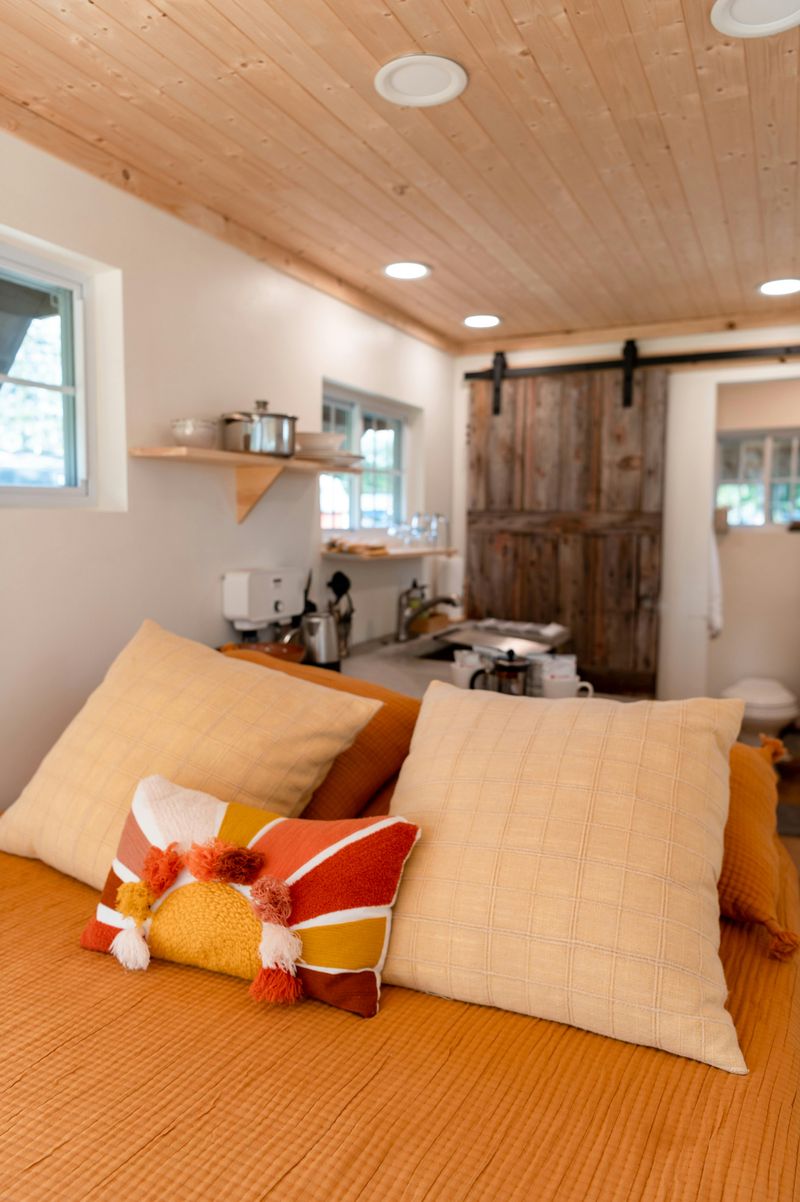
Sliding barn doors on exposed metal tracks became a trendy way to separate spaces, but their practicality and aesthetic appeal have both been questioned by designers.
These doors rarely provide adequate sound insulation or privacy, making them more decorative than functional in most living situations.
The rustic hardware and oversized proportions can overwhelm rooms, especially in homes without actual barn or farmhouse architecture.
California’s diverse home styles, from Spanish Colonial to contemporary, often clash with this distinctly rural element.
Removing barn doors in favor of traditional doors, curtains, or open floor plans creates cleaner, more cohesive spaces.
Rooms flow better when transitions between areas feel intentional rather than trendy.
The exposed track hardware collects dust and draws attention in ways that distract from overall design.
Living spaces benefit when functional elements blend seamlessly rather than announcing themselves.
The shift away from barn doors reflects a return to architectural appropriateness.
12. Excessive Throw Pillow Piles
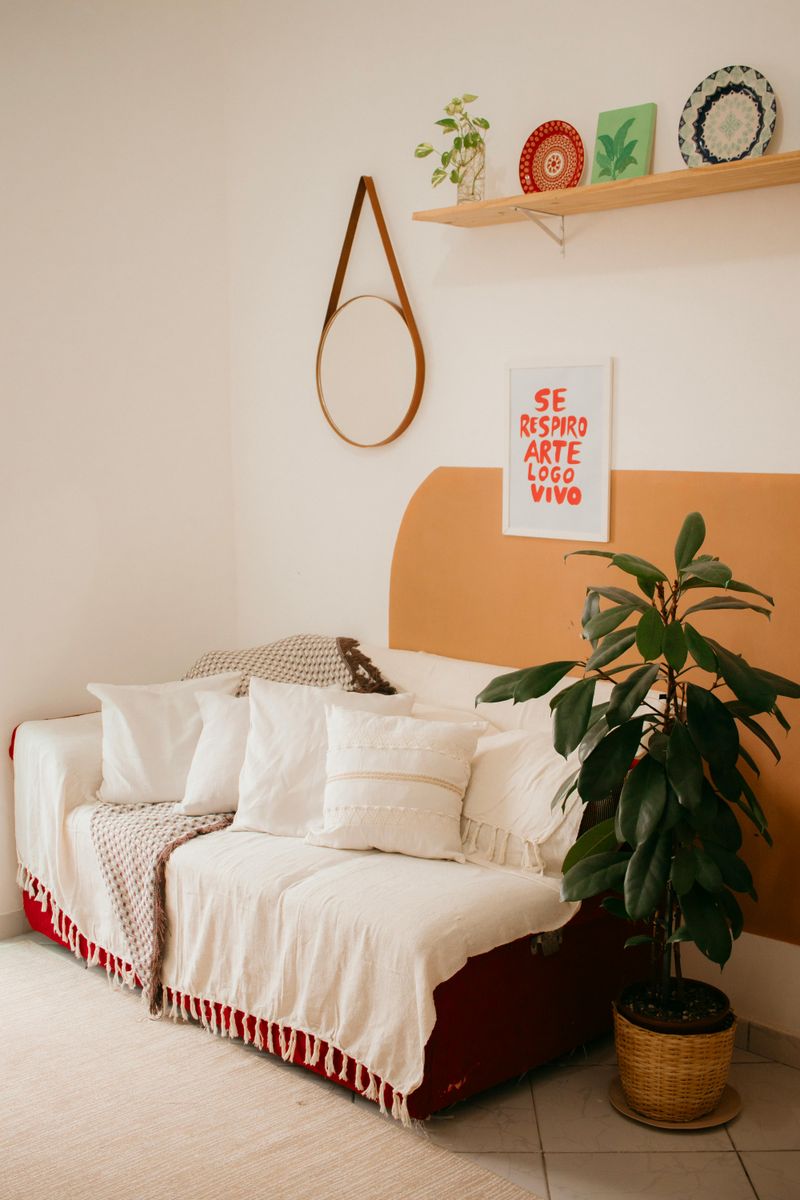
Sofas buried under mountains of decorative pillows became a California hallmark, but the impractical excess now frustrates both designers and homeowners.
Having to remove a dozen pillows just to sit down defeats the purpose of comfortable living room seating.
The trend toward pillow proliferation often stems from trying to add color and pattern, but it creates clutter rather than coziness.
Designers suggest limiting pillows to four or six well-chosen pieces that provide actual back support and visual interest without overwhelming.
Quality over quantity applies here, with a few beautiful pillows in complementary fabrics making more impact than a chaotic pile.
California’s casual lifestyle values comfort and ease, which excessive pillows directly contradict.
Rooms feel more inviting when seating is actually accessible and functional.
Trading pillow piles for a curated selection makes living rooms look intentional rather than overdone.
The move toward restraint helps spaces feel more livable and less staged.