14 Unbelievably Scenic Day Trips In California That Cost Less Than $65
Budget travel in California doesn’t have to be limiting. It can be like unlocking a different version of the state.
Gas in the tank. Snacks packed. No pricey tickets or reservations standing in the way. Just open roads leading to cliffs, deserts, forests, and coastlines that deliver million-dollar views for next to nothing.
One day you’re standing above crashing Pacific waves. The next, you’re wandering through twisted Joshua trees or hiking canyon trails lined with wildflowers.
The scenery shifts fast, but the price rarely does.
California makes it surprisingly easy to trade expensive attractions for raw natural beauty. Scenic overlooks replace theme parks.
State beaches stand in for luxury resorts. Small entrance fees open the door to landscapes that feel far bigger than the cost to access them.
These are the kinds of day trips that reward curiosity more than spending power. Perfect for families, solo explorers, or anyone craving fresh air without draining their wallet.
If the goal is maximum views on a minimal budget, these California destinations prove adventure doesn’t have to come with a high price tag.
1. Antelope Valley California Poppy Reserve
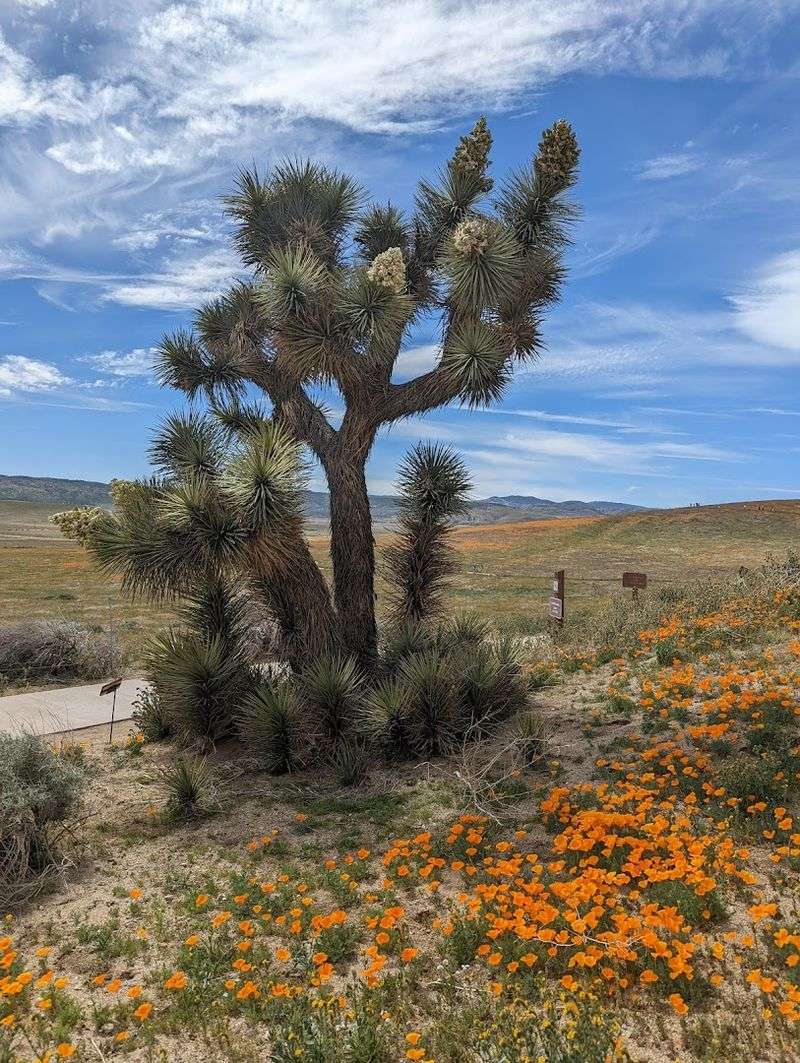
Springtime brings a transformation to the high desert landscape that feels almost magical. Bright orange blooms carpet the hillsides at Antelope Valley California Poppy Reserve, creating waves of color that shift with the breeze.
The reserve sits at 15101 Lancaster Road in Lancaster and charges a modest vehicle entry fee that covers everyone in the car.
Trails wind through the poppy fields, ranging from easy loops to slightly longer hikes that climb gentle slopes for wider views. The blooms typically peak between mid-March and early May, though exact timing depends on winter rainfall and spring temperatures.
Arriving early in the morning offers the best light for photos and helps avoid midday heat.
The visitor center provides information about the desert ecosystem and the life cycle of the state flower. Restrooms and picnic areas near the parking lot make this an easy stop for families.
Weekends during peak bloom can get crowded, so weekday visits tend to feel more peaceful.
The reserve closes during summer months when the flowers have finished their cycle. Checking the bloom status before visiting saves a potentially disappointing trip during off-season.
2. Point Reyes National Seashore
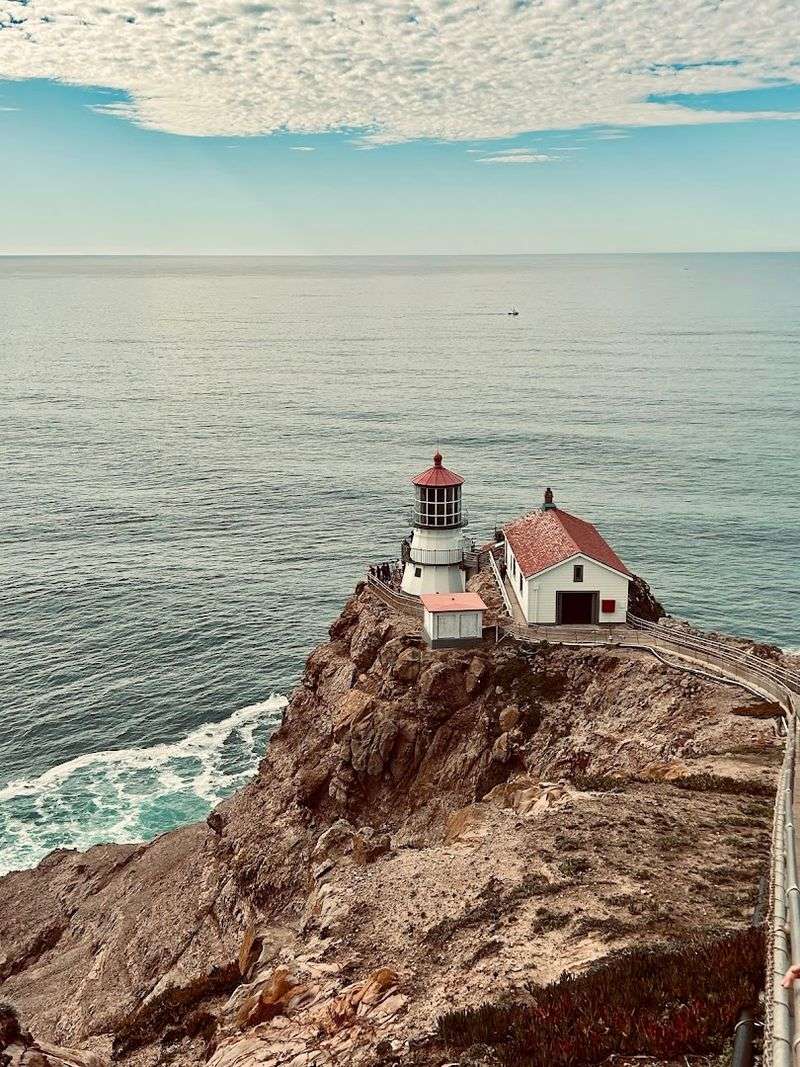
Rugged coastline meets protected wilderness just an hour north of San Francisco. Point Reyes National Seashore stretches across 71,000 acres of beaches, forests, and grasslands that jut into the Pacific Ocean.
The seashore charges no entrance fee, making it one of the most accessible coastal destinations in Northern California.
Multiple trails lead to different experiences, from the steep descent to the historic lighthouse to the easier walk along Limantour Beach. The lighthouse trail involves 308 steps down and back up, but the views of migrating whales and pounding surf make the effort worthwhile.
Elephant seals gather at Chimney Rock and Drakes Beach during winter months, creating a wildlife spectacle that requires no hiking at all.
Fog rolls in frequently, especially during summer, bringing cool temperatures even on warm days. Layered clothing helps visitors stay comfortable as conditions shift.
The small town of Point Reyes Station offers affordable lunch options and local markets.
Parking fills quickly on weekends, particularly at popular trailheads like the lighthouse and Chimney Rock. Arriving before 10 a.m. usually secures a spot without frustration.
3. Big Sur Coastline
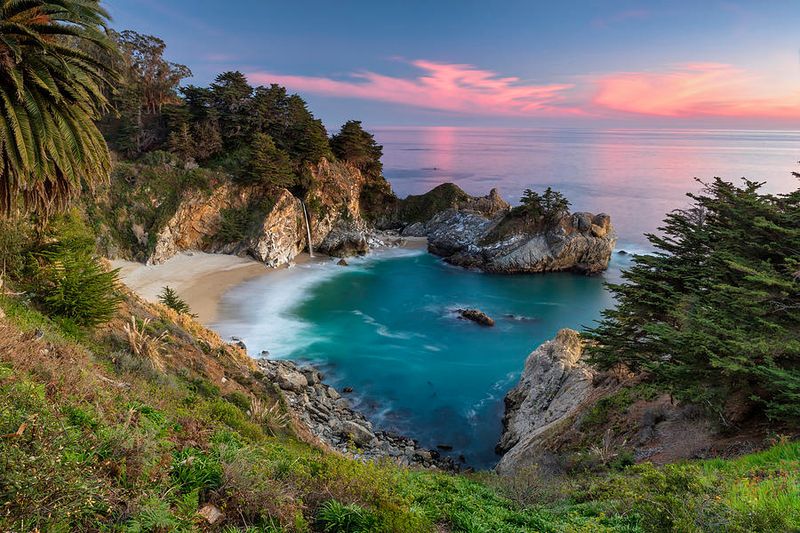
Highway 1 curves along some of the most photographed coastline in the world. Big Sur stretches roughly 90 miles between Carmel and San Simeon, offering pullouts and vista points that require nothing more than parking and walking a few steps.
McWay Falls drops onto a beach below, visible from a short trail at Julia Pfeiffer Burns State Park that charges a modest day-use fee.
State parks dot the coastline, each offering different experiences from redwood groves to coastal bluffs. Pfeiffer Beach features purple sand and dramatic rock formations, though the access road can be tricky to spot.
Garrapata State Park provides free parking and trails that climb hillsides covered in wildflowers during spring.
The drive itself counts as the main attraction, with each curve revealing new perspectives of cliffs, ocean, and sky. Bringing a picnic allows for leisurely stops without restaurant expenses.
Gas stations are sparse and expensive, so filling up before entering the area makes sense.
Landslides occasionally close sections of Highway 1, and construction can cause delays. Checking road conditions before starting the drive prevents wasted time and detours.
4. Joshua Tree National Park
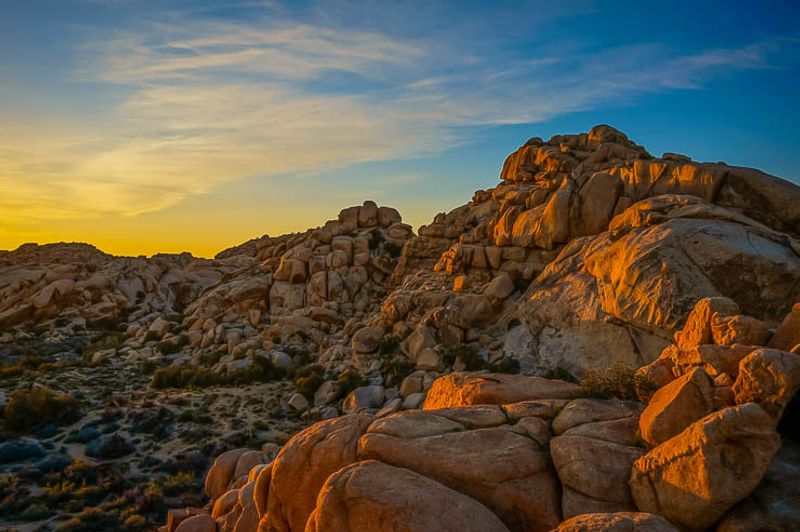
Desert landscapes take on otherworldly qualities where two ecosystems meet. Joshua Tree National Park spans the transition between the Mojave and Colorado deserts, creating habitat for the park’s namesake trees along with massive boulder formations and wide valleys.
The entrance fee covers seven consecutive days, making it possible to return multiple times during a week-long visit.
Short trails lead to different features, from the boulder scrambling at Skull Rock to the historic Keys Ranch. The Cholla Cactus Garden offers a concentrated look at the fuzzy-looking but dangerously spiny plants.
Sunset and sunrise bring the best light and temperatures, with midday heat becoming intense from late spring through early fall.
Rock climbers gather year-round to tackle the park’s famous granite formations. Even non-climbers enjoy watching the athletic displays from designated viewing areas.
The park’s dark skies make it exceptional for stargazing, with the Milky Way visible on clear nights far from city lights.
Bringing plenty of water matters more here than almost anywhere else. Services inside the park are minimal, and the nearest towns sit miles from the entrances.
5. Anza-Borrego Desert State Park
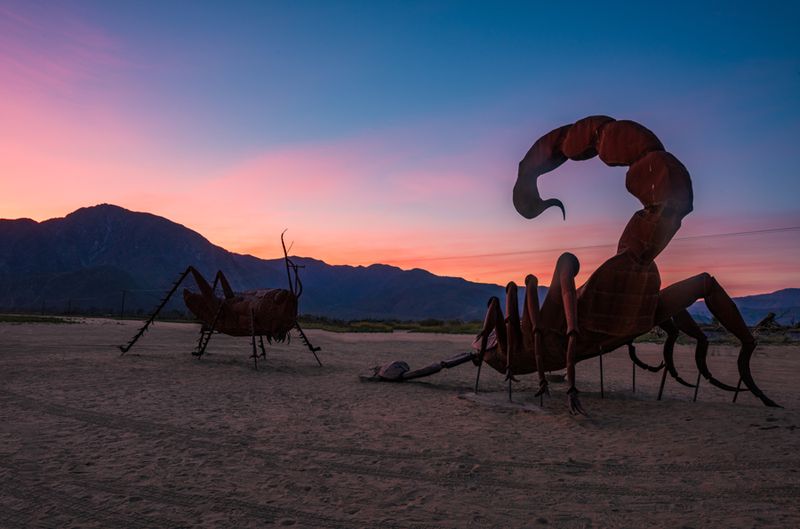
California’s largest state park sprawls across 600,000 acres of desert terrain. Anza-Borrego Desert State Park charges no entrance fee for day use, opening up vast landscapes of badlands, palm oases, and seasonal wildflower displays.
The park sits about two hours east of San Diego, making it reachable for a long day trip or easy overnight camping adventure.
Wildflower blooms transform the desert during wet years, typically peaking in March. The visitor center in Borrego Springs provides current bloom reports and trail recommendations.
Font’s Point offers panoramic views of the badlands, though the last few miles require driving on a sandy road that some vehicles handle better than others.
Summer temperatures regularly exceed 110 degrees, making the park more comfortable from October through April. Bighorn sheep occasionally appear near water sources, and the park’s dark skies rival Joshua Tree for stargazing quality.
Multiple campgrounds offer affordable overnight options for those wanting to extend the visit.
Cell phone coverage disappears in most of the park. Downloading maps and planning routes before arriving prevents navigation confusion in the backcountry.
6. Muir Woods National Monument
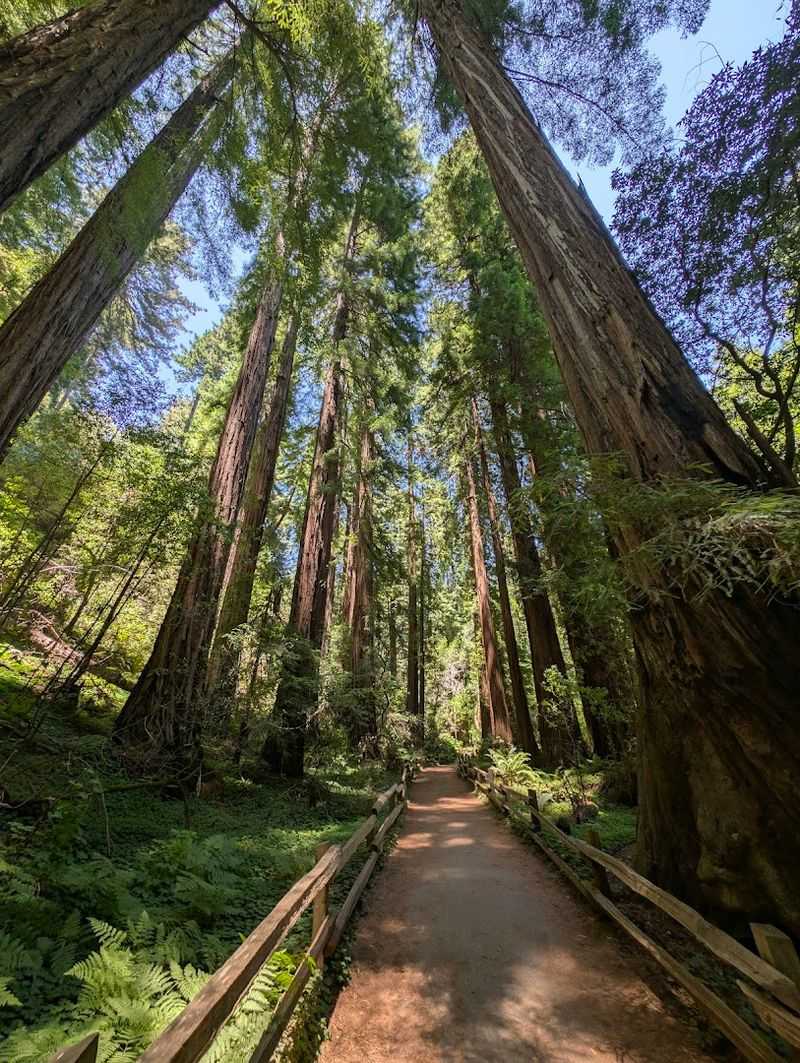
Ancient redwoods tower overhead in a protected canyon just north of San Francisco. Muir Woods National Monument preserves one of the last old-growth coastal redwood forests in the Bay Area, with trees reaching heights of over 250 feet.
The entrance fee remains modest, though parking reservations are required and must be purchased in advance online.
Paved trails loop through the cathedral-like forest, making the experience accessible for most visitors. The main trail stays relatively flat and smooth, while side trails climb hillsides for different perspectives.
The forest stays cool and often foggy, creating an atmosphere that feels removed from the nearby urban areas despite being only 12 miles from the Golden Gate Bridge.
Weekend crowds can make the narrow trails feel congested, especially during summer months. Early morning visits offer more solitude and better chances of seeing wildlife like deer and varied thrushes.
The on-site cafe sells snacks and hot drinks, though prices reflect the captive audience.
The parking reservation system means showing up without advance planning results in being turned away. Shuttle service from nearby towns provides an alternative to driving.
7. Mount Tamalpais State Park
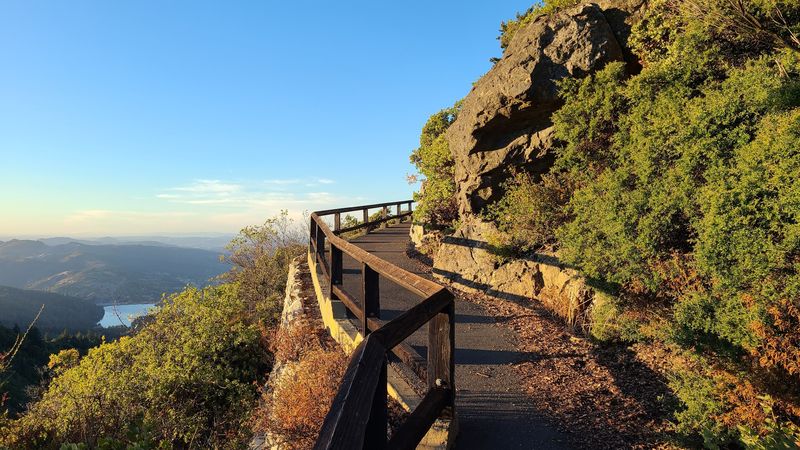
Sweeping views stretch from San Francisco to the Pacific Ocean from the summit of Mount Tam. Mount Tamalpais State Park sits just north of the Golden Gate, offering hiking trails, scenic drives, and picnic areas across 6,300 acres.
The day-use fee covers parking at trailheads and access to all park facilities. The summit road winds to within a short walk of the peak, making the stunning 360-degree views accessible without serious hiking.
Multiple trails descend from the summit through redwood groves and coastal scrub, ranging from easy strolls to challenging climbs.
The Dipsea Trail drops steeply toward Stinson Beach, creating a one-way hiking option for those who arrange shuttle transportation.
Fog often blankets the lower elevations while the summit basks in sunshine, creating a phenomenon locals call being above the clouds. The mountain amphitheater hosts performances during summer months, adding cultural activities to the outdoor recreation.
Sunrise and sunset both offer spectacular light, though the winding access road requires careful driving in darkness.
Parking lots fill quickly on weekends, particularly at popular trailheads like Pantoll Station. Arriving early or choosing weekday visits increases parking availability.
8. Pinnacles National Park
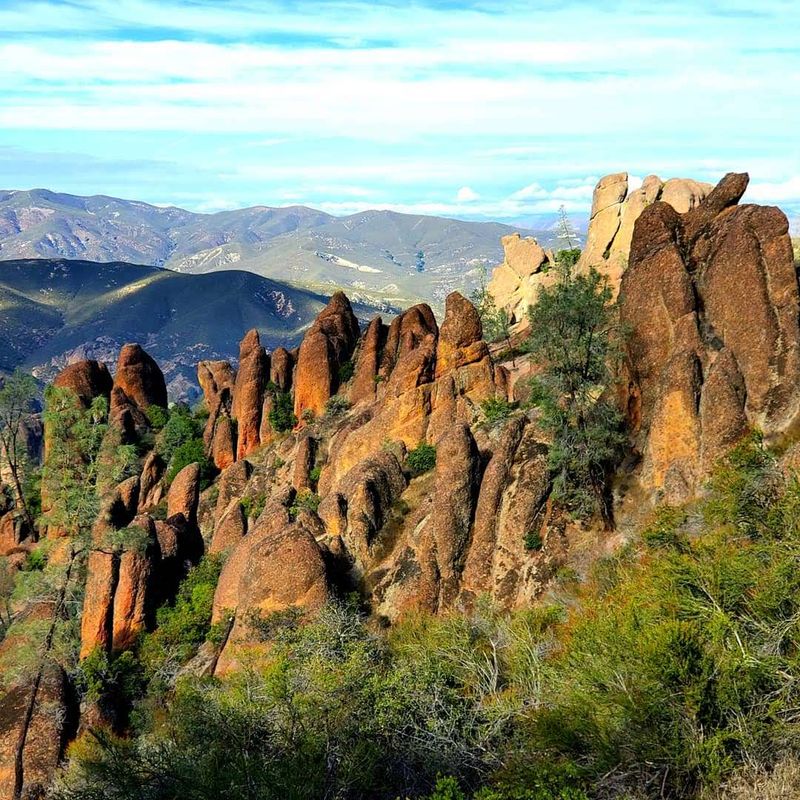
Volcanic rock formations create a landscape unlike anywhere else in California. Pinnacles National Park protects the eroded remnants of an ancient volcano, with towering spires, boulder caves, and sheer cliffs.
The entrance fee covers seven days and provides access to both the east and west sides of the park, though no road connects the two entrances through the park itself.
Talus caves formed by fallen boulders offer cool exploration during warmer months, though flashlights are essential and some passages require crawling. The High Peaks Trail climbs through the most dramatic rock formations, with some sections using handrails and carved steps.
California condors soar overhead, part of a successful reintroduction program that has brought these massive birds back from near extinction.
Spring brings wildflowers and comfortable temperatures, while summer heat can make hiking challenging by midday. The park sits inland from the coast, meaning fog rarely provides relief from sunshine.
Bringing extra water matters here, as the exposed trails and rocky terrain increase dehydration risk. The nearest towns are small and services limited, so planning ahead for food and gas makes sense.
9. Santa Cruz Beach Boardwalk
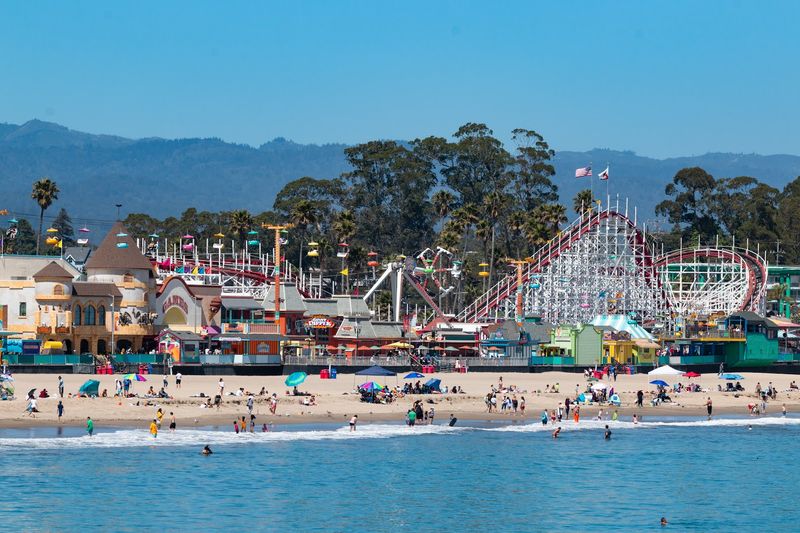
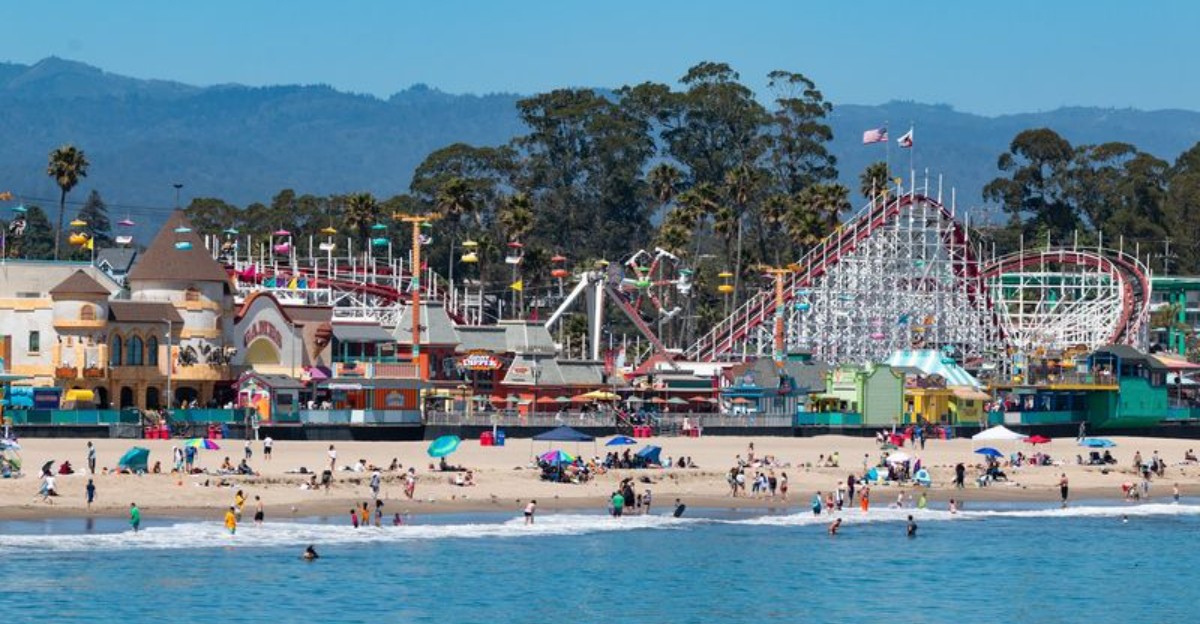
Classic seaside amusement park charm survives along the central coast. Santa Cruz Beach Boardwalk has operated since 1907, making it California’s oldest surviving amusement park.
The boardwalk itself costs nothing to visit, with individual ride tickets or all-day wristbands available for those wanting to experience the attractions.
The Giant Dipper wooden roller coaster rattles along tracks built in 1924, offering vintage thrills that modern coasters can’t replicate. The beach stretches alongside the boardwalk, providing free entertainment for those content with sand and waves.
The wharf extends into Monterey Bay, lined with seafood restaurants and shops selling saltwater taffy and tourist souvenirs.
Summer brings the biggest crowds and warmest weather, though the ocean remains cold year-round. Free concerts happen on Friday evenings during summer, drawing locals and visitors to the beach.
Parking near the boardwalk costs money, but street parking a few blocks away stays free with some walking required.
The boardwalk closes during winter weekdays, operating only on weekends until spring. Checking the schedule prevents arriving to find the gates locked.
10. Solvang Village
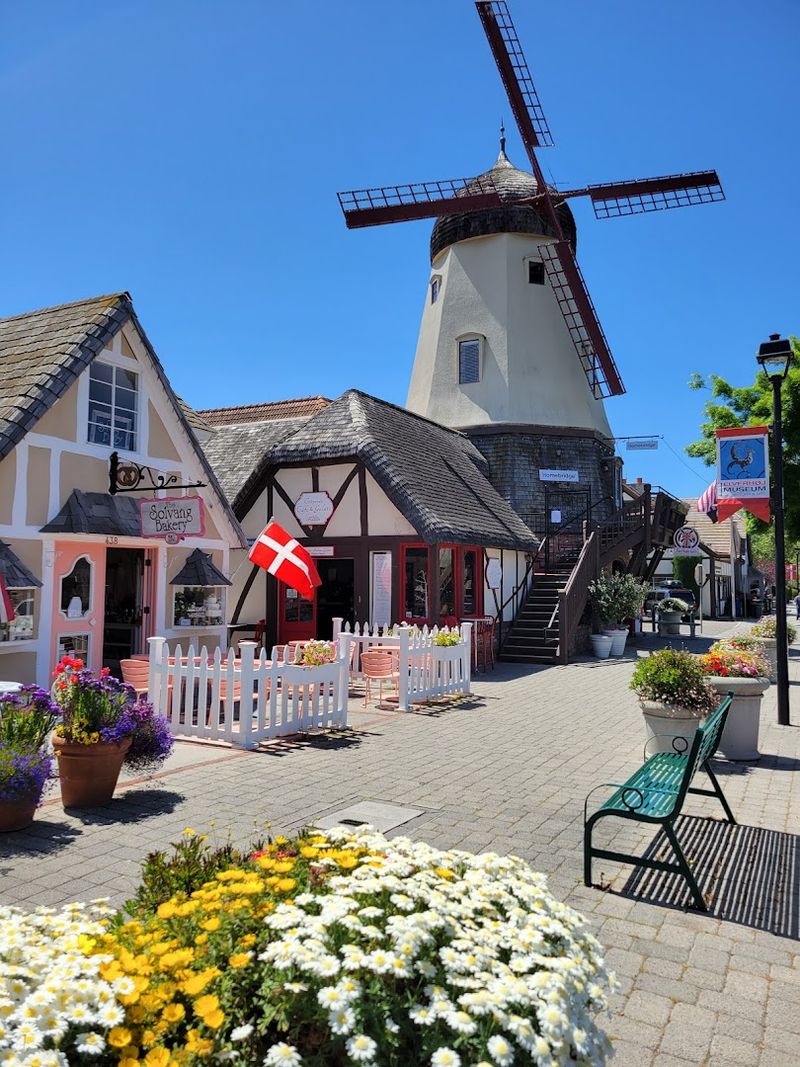
Danish architecture and culture create an unexpected European atmosphere in the Santa Ynez Valley. Solvang was founded by Danish immigrants in 1911, and the town has embraced its heritage with half-timbered buildings, windmills, and bakeries selling aebleskiver.
Walking the compact downtown costs nothing and provides plenty of photo opportunities among the distinctive buildings.
Multiple bakeries compete for customers with traditional Danish pastries and cookies displayed in shop windows. The scent of butter and sugar drifts onto the sidewalks, making it hard to resist stopping for a treat.
Small museums document the town’s history and Danish culture, charging minimal admission fees. Hans Christian Andersen Park offers playground equipment and open space for families.
The surrounding valley has become known for wineries, though tasting rooms charge fees that can add up quickly. The town itself provides the main free attraction, with architecture and atmosphere that transport visitors thousands of miles from California.
Summer weekends bring tour buses and crowds, while weekday visits offer a more relaxed experience.
Parking in the main downtown area fills quickly, but free lots sit just a few blocks away with easy walking access.
11. Lake Arrowhead
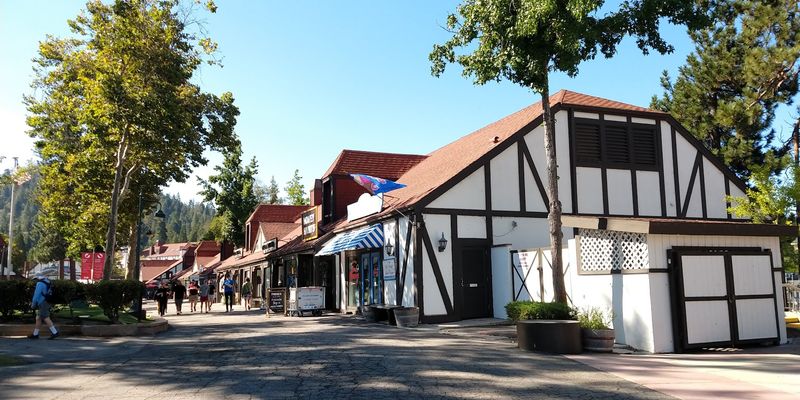
Alpine atmosphere exists just 90 minutes from Los Angeles in the San Bernardino Mountains. Lake Arrowhead sits at 5,100 feet elevation, surrounded by pine forests and mountain air that stays cooler than the valleys below.
The lake itself is private, but the village area and surrounding national forest provide public access to the mountain environment.
The Lake Arrowhead Village features shops and restaurants clustered around a small marina, with ducks paddling in the shallow water. Free summer concerts happen in the village during warm months, and the area stays decorated with lights during winter holidays.
Multiple hiking trails branch into the surrounding forest, including paths to Heaps Peak Arboretum where labeled trees teach visitors about mountain flora.
Snow falls during winter, transforming the area into a different destination where tire chains become necessary equipment. The village maintains its appeal year-round, though summer and fall offer the most comfortable weather for exploring.
Nearby Lake Gregory provides public swimming and fishing for those wanting water access. Weekend traffic from Los Angeles can extend the drive time significantly, making early departures or weekday visits more efficient.
12. Mammoth Lakes Basin
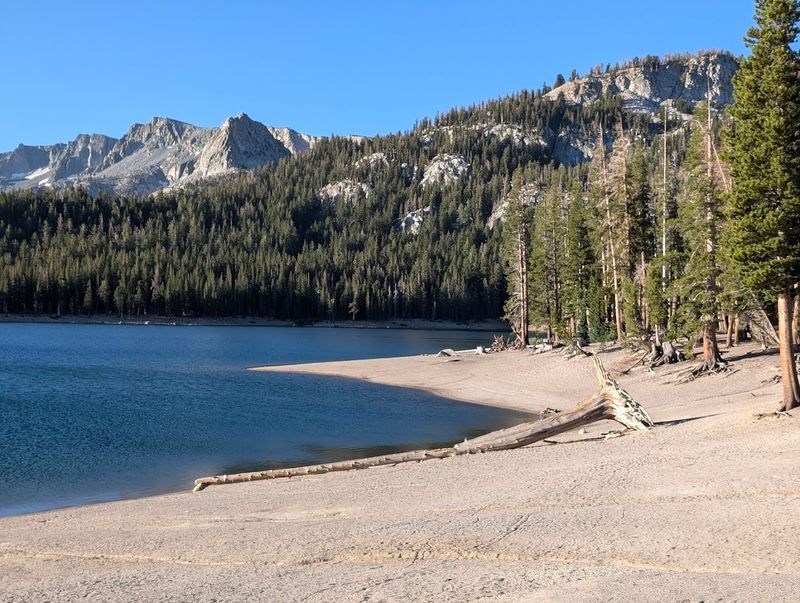
High Sierra scenery surrounds a cluster of alpine lakes accessible by car and short trails. Mammoth Lakes Basin sits at the base of Mammoth Mountain, with multiple lakes offering fishing, hiking, and stunning mountain views.
The area remains free to access outside of specific recreation areas that charge day-use fees.
Lake Mary, the largest in the basin, has a paved path circling its shore that stays relatively flat and easy. Other lakes require short hikes but reward visitors with fewer crowds and more dramatic settings.
The Mammoth Lakes Trail System connects many destinations, creating options for longer hikes through forests and past streams.
Summer brings wildflowers to the high elevation meadows, while fall turns the aspen groves golden. Winter transforms the area into a ski destination, though summer and fall provide the most affordable access.
The thin air at 8,000 feet elevation can cause shortness of breath for visitors coming from sea level, so taking breaks and staying hydrated helps with acclimatization.
The town of Mammoth Lakes provides services and supplies, though prices reflect the resort community economics. Bringing food from lower elevations saves money.
13. Sequoia National Park
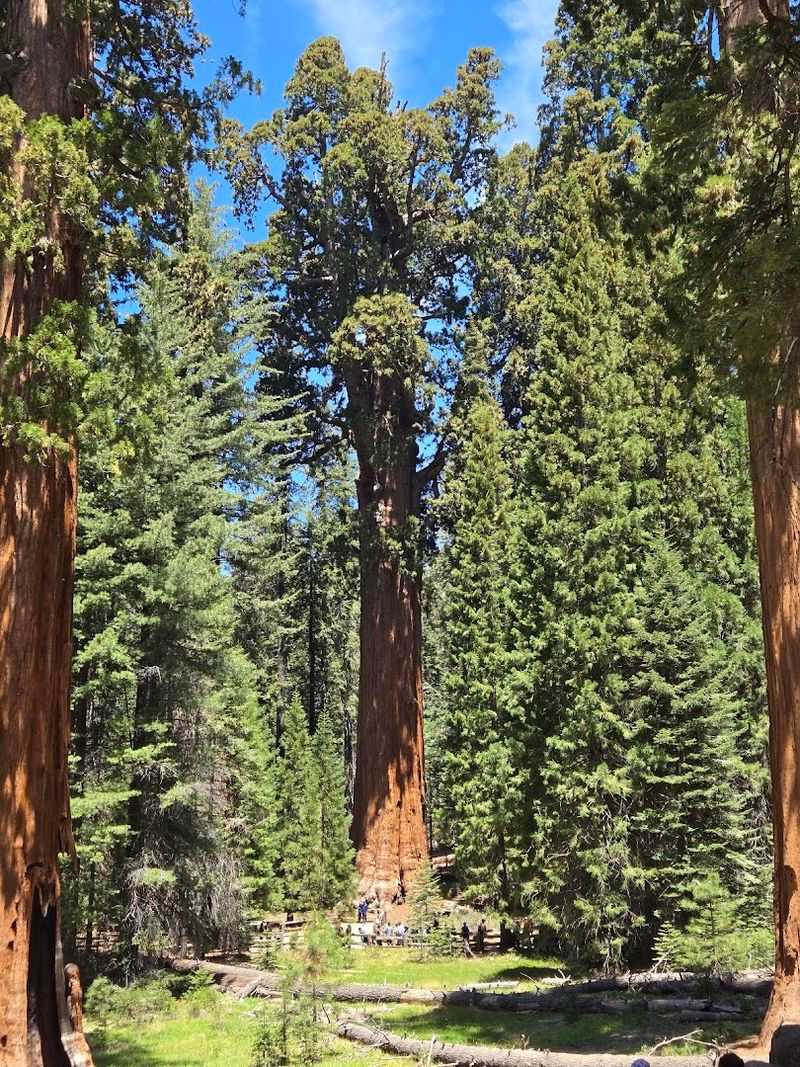
The largest trees on Earth grow in groves scattered across the Sierra Nevada. Sequoia National Park protects giant sequoias that have stood for thousands of years, with the General Sherman Tree holding the title of largest living thing by volume.
The entrance fee covers seven consecutive days and includes access to neighboring Kings Canyon National Park.
The General Sherman Tree sits along a paved trail that descends from the parking area, making the world’s largest tree accessible to most visitors.
The Congress Trail loops through the Giant Forest, passing multiple massive sequoias with minimal elevation gain. Moro Rock offers panoramic views for those willing to climb 400 stone steps to its granite summit.
Summer brings the most visitors and the most comfortable weather, though spring offers wildflowers and fall provides autumn colors. Winter snow closes some roads but creates opportunities for snowshoeing among the giant trees.
The park sits at high elevation, meaning temperatures stay cooler than the Central Valley below.
The winding mountain road into the park requires careful driving, with steep grades and tight turns that take time to navigate safely.
14. Sonoma Plaza
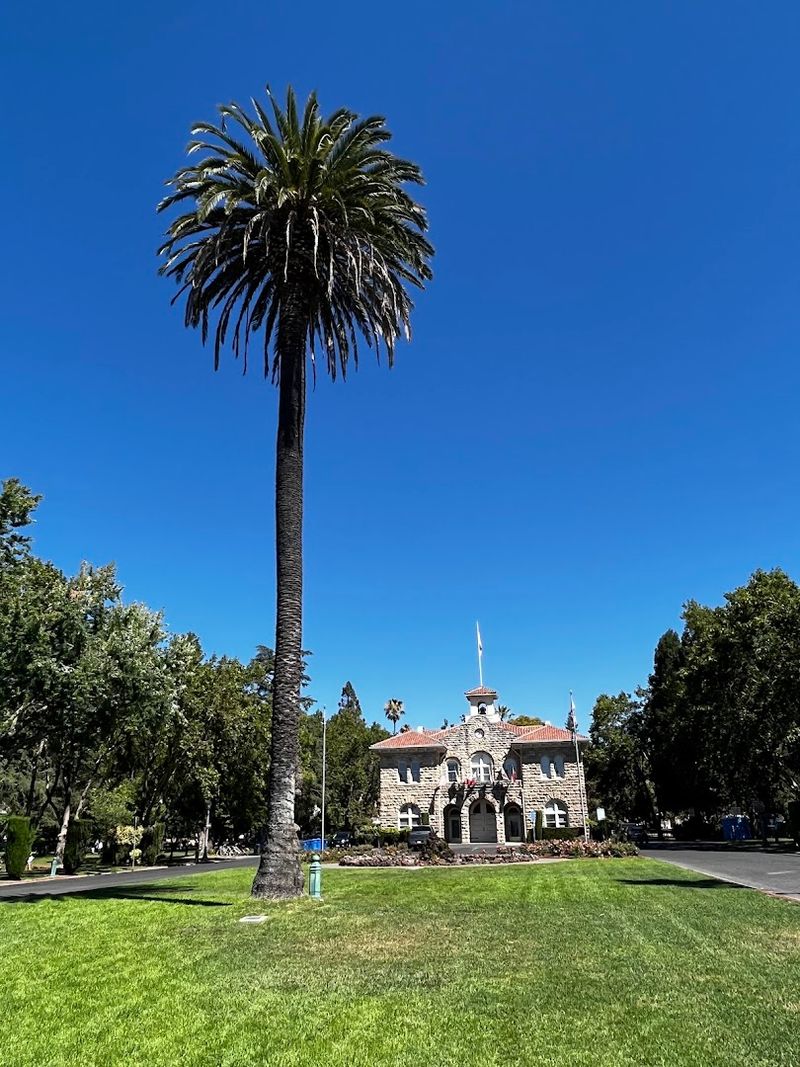
Wine country charm centers around a historic plaza that has served as Sonoma’s heart since 1835. Sonoma Plaza features a tree-shaded park surrounded by shops, restaurants, and tasting rooms housed in historic buildings.
Walking the plaza and exploring the town costs nothing, making it an affordable way to experience California wine country atmosphere.
The Sonoma Mission sits on the plaza’s north side, charging a small fee for tours of the historic buildings and museum. Multiple tasting rooms offer wine samples for fees that vary widely, though simply browsing the shops and enjoying the plaza’s ambiance requires no spending.
The weekly farmers market brings local produce and prepared foods to the plaza during summer months.
The surrounding Sonoma Valley contains hundreds of wineries, but the town itself provides the main free attraction. Parking around the plaza can be challenging during peak hours, though side streets usually have spaces within a few blocks.
The plaza hosts free concerts and events throughout the year, adding entertainment to the historic setting.
Summer brings warm temperatures that make afternoon wine tasting less appealing than morning or evening visits when the air feels more comfortable.