9 Underground Railroad Landmarks Along Michigan’s Freedom Trail
Michigan holds secrets that most history books barely whisper about.
Scattered across the state are hidden churches, quiet cemeteries, and weathered homes that once sheltered people risking everything for freedom.
The Underground Railroad ran through the state like a lifeline, connecting desperate souls to safety.
These landmarks tell that story in ways that will stop you in your tracks and leave you thinking long after you have walked away.
Standing where this history unfolded turns distant textbook facts into something deeply, personally real.
The sites honor ordinary people whose quiet bravery helped reshape an entire nation’s conscience.
1. Gateway To Freedom International Memorial, Detroit
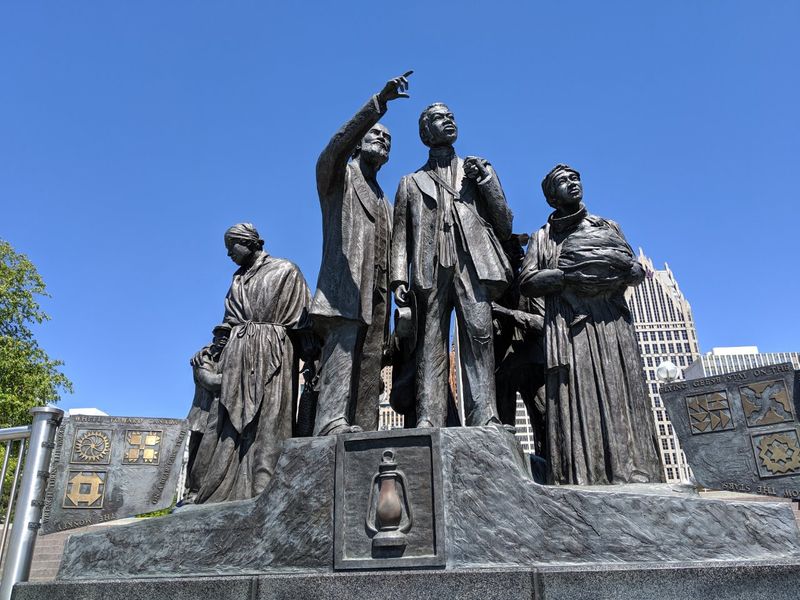
My jaw literally dropped when I first stood at the edge of Hart Plaza and saw these bronze figures reaching toward the water.
The Gateway to Freedom International Memorial in Detroit is one of the most quietly powerful sculptures in the entire country. It faces Canada across the Detroit River, which is exactly the point.
The memorial honors the thousands of freedom seekers who crossed that narrow stretch of water to reach safety. Detroit was one of the most critical crossing points on the entire network.
The city sat right on the border, making it a natural final stop before freedom became real.
The sculpture captures a group of people mid-journey, eyes fixed on the far shore. You can almost feel the tension and hope radiating from the bronze.
The river still flows right there beside it, unchanged and indifferent to the history it witnessed.
Standing here connects you to something enormous and deeply human. The memorial is part of a paired monument project, with a companion piece called Tower of Freedom located in Windsor, Ontario, Canada.
Together they bookend one of history’s most dramatic crossings.
Hart Plaza is open year-round and sits right along the riverfront in downtown Detroit. The address is Hart Plaza, Detroit.
Few landmarks in the state carry this much emotional weight in such a compact, open space.
2. Second Baptist Church, Detroit
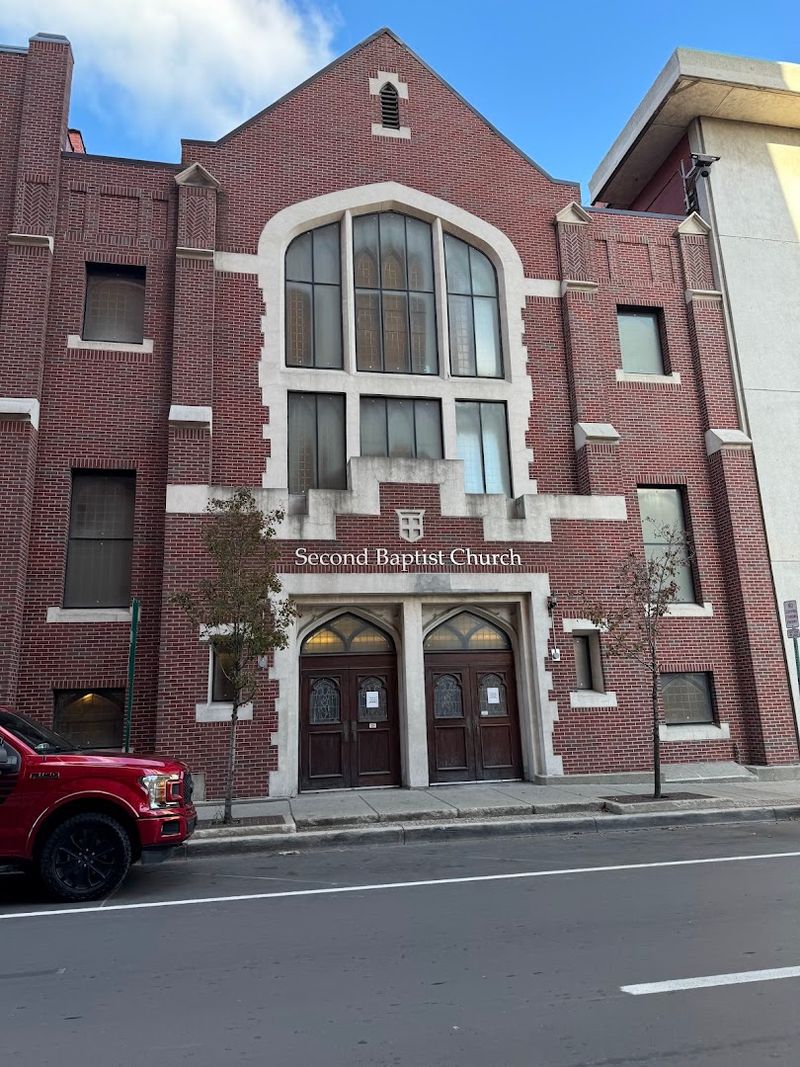
The oldest African American congregation in Michigan has been standing since 1836, and most people drive right past it without a second glance.
Second Baptist Church in Detroit is one of the most historically significant buildings in the entire Midwest. Its walls have absorbed more than a century and a half of struggle and hope.
Founded by 13 formerly enslaved people, the church became an immediate sanctuary for freedom seekers passing through Detroit.
It served as a major station on the Underground Railroad, sheltering people in its basement before they made the dangerous crossing into Canada. The congregation was fearless and deliberate in its mission.
The church also hosted Frederick Douglass and other major figures of the abolitionist movement. It was a hub of organizing, prayer, and practical action all at once.
Today the building still stands and still serves its community. Touring it gives you an immediate sense of how ordinary-looking spaces held extraordinary courage.
The worn wood and brick feel like they are still keeping secrets. The church is at 441 Monroe St, Detroit. Guided tours are available and deeply worth your time.
Walking through the basement where freedom seekers once hid is an experience that lingers with you for days.
3. Elmwood Cemetery, Detroit
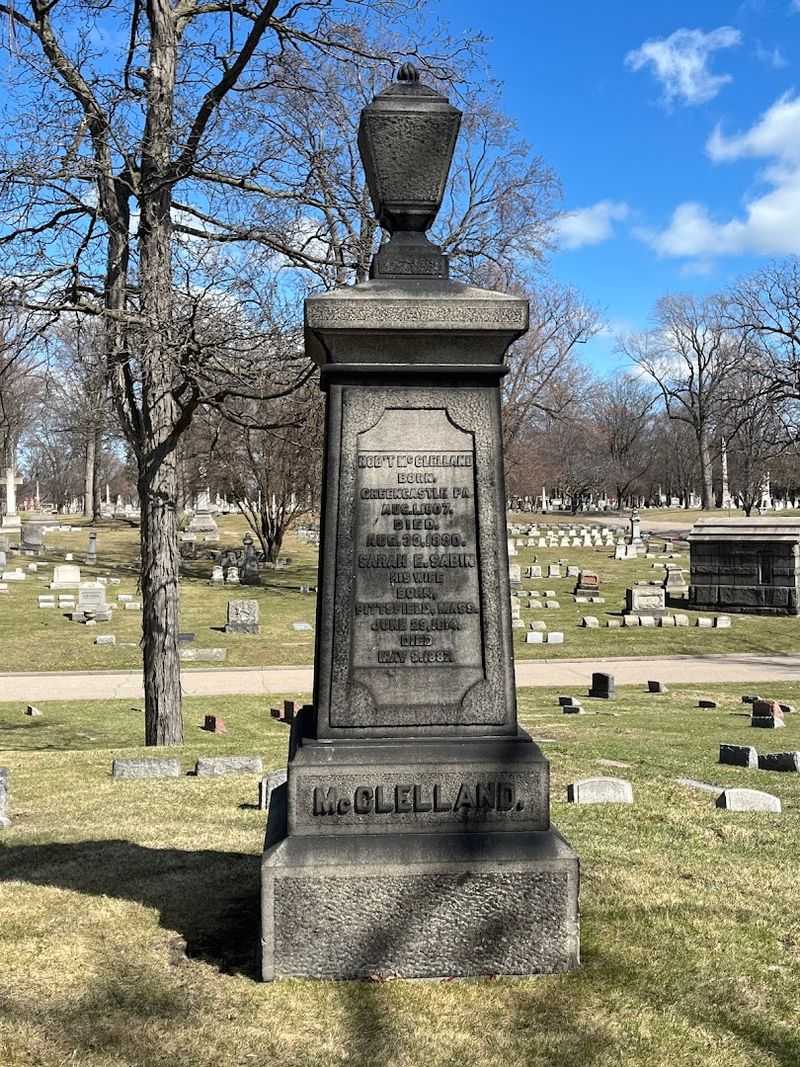
Let’s be real for a second: cemeteries rarely make it onto travel bucket lists, but Elmwood Cemetery in Detroit earns its place on this one without question.
Established in 1846, it is the oldest non-sectarian cemetery in Detroit and the resting place of some of the most important figures in the state’s abolitionist history. The grounds are hauntingly beautiful and historically dense.
Buried here are men and women who dedicated their lives to helping freedom seekers navigate the Underground Railroad.
The cemetery holds the graves of prominent abolitionists, Civil War officers, and formerly enslaved individuals who built new lives in Detroit. Each headstone is a chapter in a story that shaped the nation.
The landscape itself is stunning, with rolling hills, ancient trees, and winding paths that make the history feel alive rather than distant. It spans over 86 acres and contains more than 50,000 graves.
That scale alone tells you how central this place was to Detroit’s identity.
Guided historical tours are offered regularly and focus specifically on the Underground Railroad connections throughout the grounds.
Rangers and volunteers bring the stories to life with remarkable detail. You leave knowing names, not just dates.
Elmwood Cemetery is located at 1200 Elmwood St, Detroit. If you come for history or quiet reflection, the cemetery rewards both impulses generously and without rush.
4. Underground Railroad Sculpture, Battle Creek
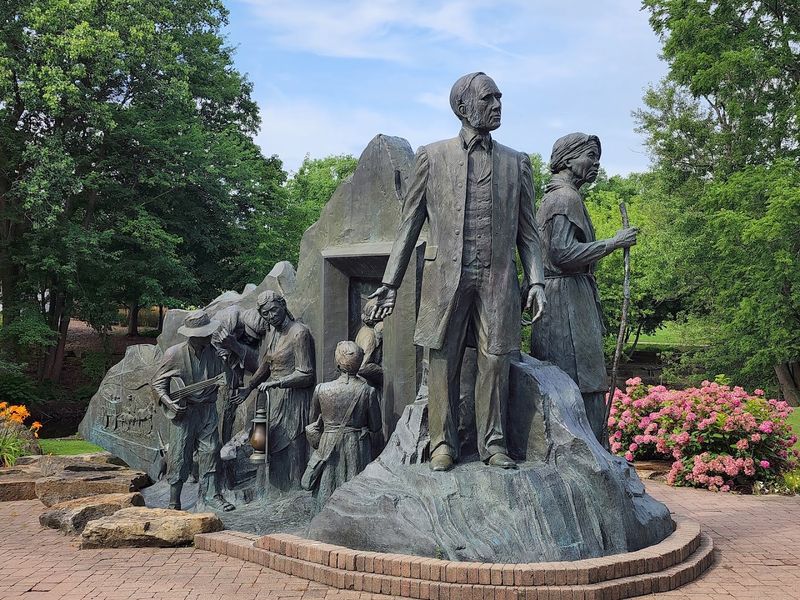
Battle Creek is famous for cereal, but its deeper legacy involves something far more nourishing than breakfast food.
The Underground Railroad Sculpture along N Monroe St in Battle Creek is a striking public artwork that anchors the city’s powerful connection to the freedom movement. It stops pedestrians cold, and that is entirely the intention.
Battle Creek was a significant hub of abolitionist activity in the mid-1800s. The city was home to Sojourner Truth, one of the most iconic voices for freedom and equality in American history, though she is not named in this sculpture directly.
The artwork honors the collective courage of all who passed through or aided the network here.
The bronze figures are rendered with remarkable emotional specificity. Each face tells a different story of exhaustion, determination, and fragile hope.
The sculptor captured the humanity of the journey rather than just its drama.
Surrounding the sculpture, the downtown area of Battle Creek offers context through historical markers and nearby museums.
The local history is woven into the fabric of the city in ways that reward curious wanderers. You do not need a formal tour to feel the weight of what happened here.
The sculpture is located at 2-10 N Monroe St, Battle Creek. It is freely accessible at all hours and makes a natural starting point for exploring the broader history of this often-underestimated city.
5. Oakridge Cemetery, Marshall
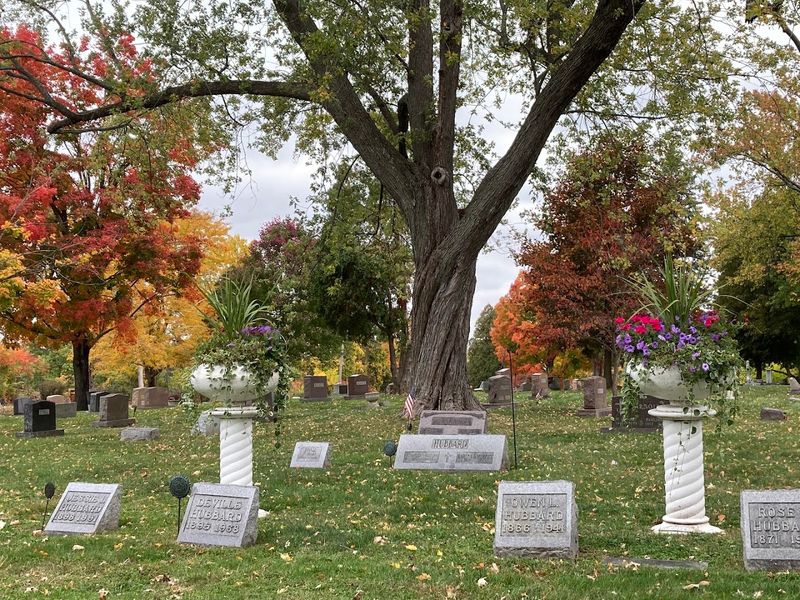
I had to do a double-take when I learned about what happened in Marshall in 1847, because it sounds almost too dramatic to be true.
Oakridge Cemetery in Marshall is the final resting place of Adam Crosswhite and his family, whose story triggered a national legal crisis that helped accelerate the Civil War. That is not an overstatement by any measure.
The Crosswhite Affair began when Adam Crosswhite, an escaped freedom seeker, was surrounded by slave catchers in his Marshall home.
The entire town of Marshall rallied to protect him and his family, physically blocking the captors and allowing the Crosswhites to escape to Canada.
The slave owner then sued the citizens of Marshall, and the case became a flashpoint in the national debate over the Fugitive Slave Act.
The gravesite at Oakridge Cemetery is a quiet but powerful marker of that extraordinary story. Marshall itself is a beautifully preserved 19th-century town, and the cemetery fits naturally into its historic landscape.
The contrast between the peaceful setting and the turbulent history creates a strange, moving tension.
Visiting the grave alongside the town’s other historical sites creates a fuller picture of how ordinary communities made extraordinary choices. Marshall’s role in the Underground Railroad is one of the state’s most underappreciated stories.
Oakridge Cemetery is at 614 Homer Rd, Marshall. The Crosswhite gravesite is clearly marked and accessible to all who come seeking it.
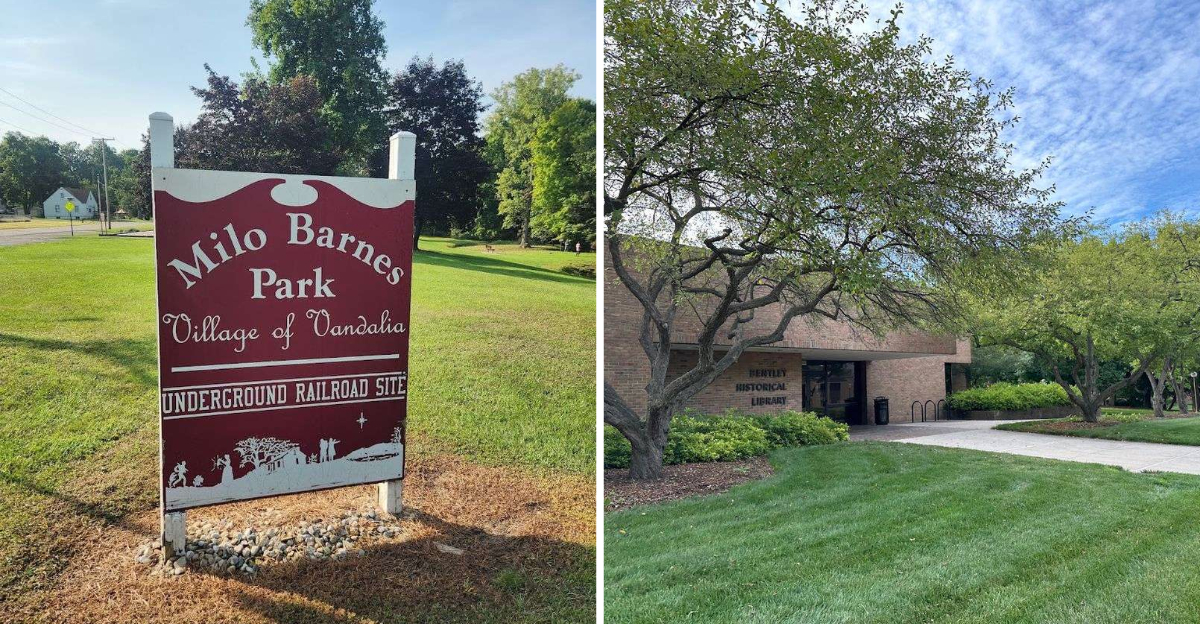
6. Milo Barnes Park, Vandalia
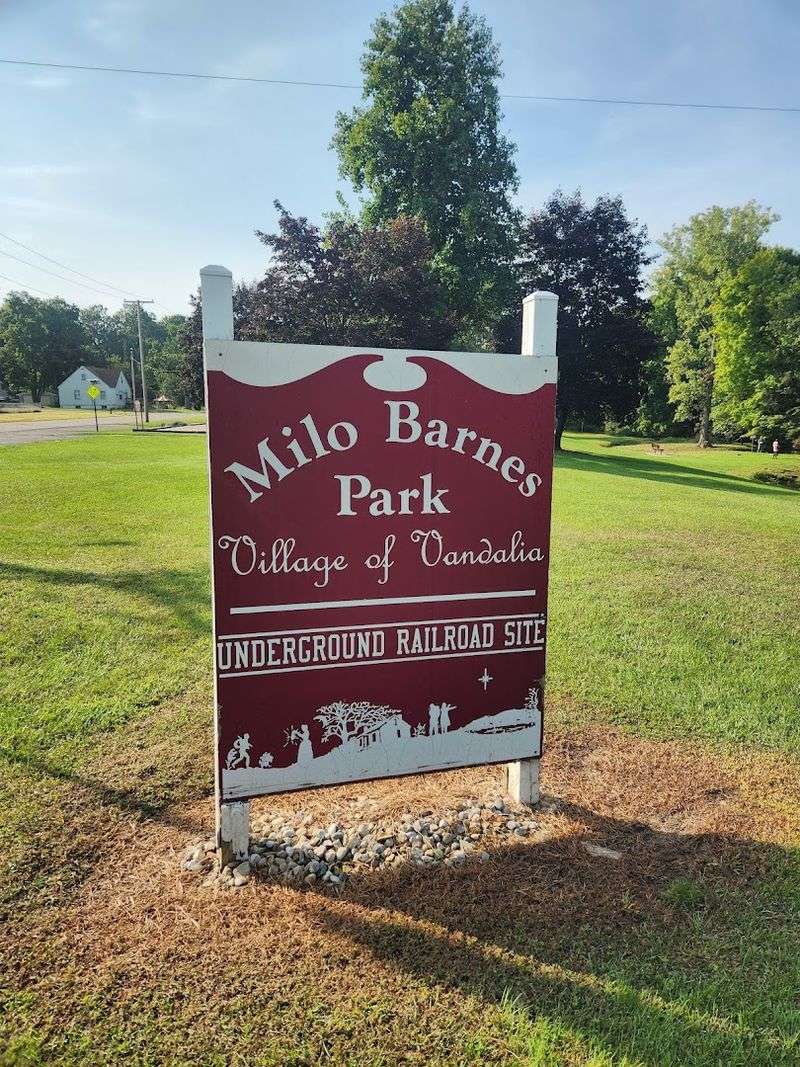
Call me crazy, but there is something deeply satisfying about finding a significant piece of American history tucked into a small, quiet park in a town most people have never heard of.
Milo Barnes Park in Vandalia holds a historical marker that tells the story of Cass County’s remarkable role in the Underground Railroad network. This corner was no ordinary waypoint.
Cass County had one of the largest populations of free Black settlers in antebellum Michigan. That community created a natural and fiercely protective network for freedom seekers passing through.
The area’s Quaker and free Black residents worked together with unusual coordination and courage.
The historical marker at Milo Barnes Park commemorates this legacy directly. It connects the landscape to the human stories that unfolded here across decades of resistance and solidarity.
Reading the marker beside the quiet water creates a moment of genuine reflection that is hard to manufacture anywhere else.
Vandalia sits in a rural stretch of this state that feels far removed from major highways and tourist corridors. That remoteness is part of what made it so effective as a refuge during the Underground Railroad era.
Isolated geography was a genuine strategic advantage. The park is along Water St, Vandalia near the address 60680-60698 Water St. The surrounding natural landscape adds to the sense of stepping back into a quieter, more consequential time in American history.
7. Stephen Bogue House, Cassopolis
I was so shocked when I discovered what central Cassopolis was to the Underground Railroad story in the Great Lakes region.
The Stephen Bogue House and its accompanying historical marker along M-60 in Cassopolis mark the site of one of the most active safe houses in Cass County.
Bogue was a Quaker farmer who turned his home into a refuge with remarkable consistency and personal risk.
Quakers in Cass County were unusually committed to direct action against slavery. They did not just speak out; they hid people, fed them, and moved them north toward Canada with practiced efficiency.
Bogue was a central figure in that network, and his property became a known and trusted stop.
The historical marker stands along M-60, the old road that freedom seekers would have traveled through this region. Reading it beside the rural landscape gives you a visceral sense of the geography involved.
These were real roads, real distances, and real dangers.
Cassopolis itself is a small town with a big historical footprint. The surrounding Cass County region has more Underground Railroad connections per square mile than almost anywhere else.
That density of history makes it worth a dedicated day of exploration.
The Stephen Bogue House and marker are located along M-60, Cassopolis. The site is accessible by car and pairs naturally with other nearby Cass County historical landmarks for a full day of meaningful travel.
8. Dr. Nathan Thomas House, Schoolcraft
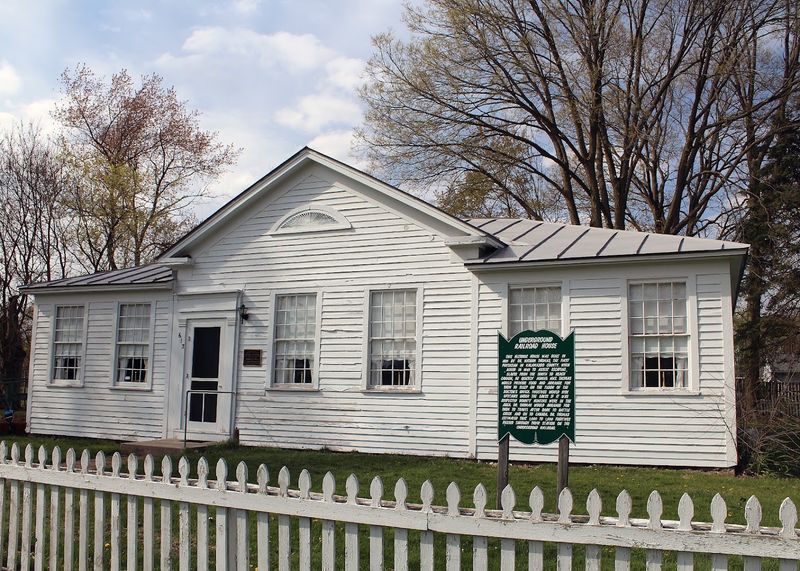
Sounds too good to be true, but a country doctor in a small village once helped more than 1,000 freedom seekers find their way to safety.
Dr. Nathan Thomas and his wife Pamela operated one of the most productive Underground Railroad stations in the entire state from their home in Schoolcraft. Their story is one of sustained, systematic courage that spanned decades.
Dr. Thomas was a physician by training but an abolitionist by deep personal conviction.
He used his medical practice as cover and his home as a sanctuary, moving people northward with careful planning and genuine compassion. His wife Pamela was equally committed and equally essential to the operation.
The house at 613 E Cass St in Schoolcraft still stands and has been preserved as a historic landmark. Its modest exterior gives no hint of the enormous role it played in American history.
That quiet understatement feels entirely appropriate given how secretive the work had to be.
Schoolcraft is a small village in Kalamazoo County, and the Thomas House fits naturally into its unhurried, small-town character. The surrounding area rewards slow exploration and quiet curiosity.
History here does not announce itself loudly; it waits for you to notice.
The Dr. Nathan Thomas House is at 613 E Cass St, Schoolcraft. Visiting this site alongside the nearby Cass County landmarks creates a compelling picture of how coordinated and widespread the state’s freedom network truly was.
9. Bentley Historical Library, Ann Arbor
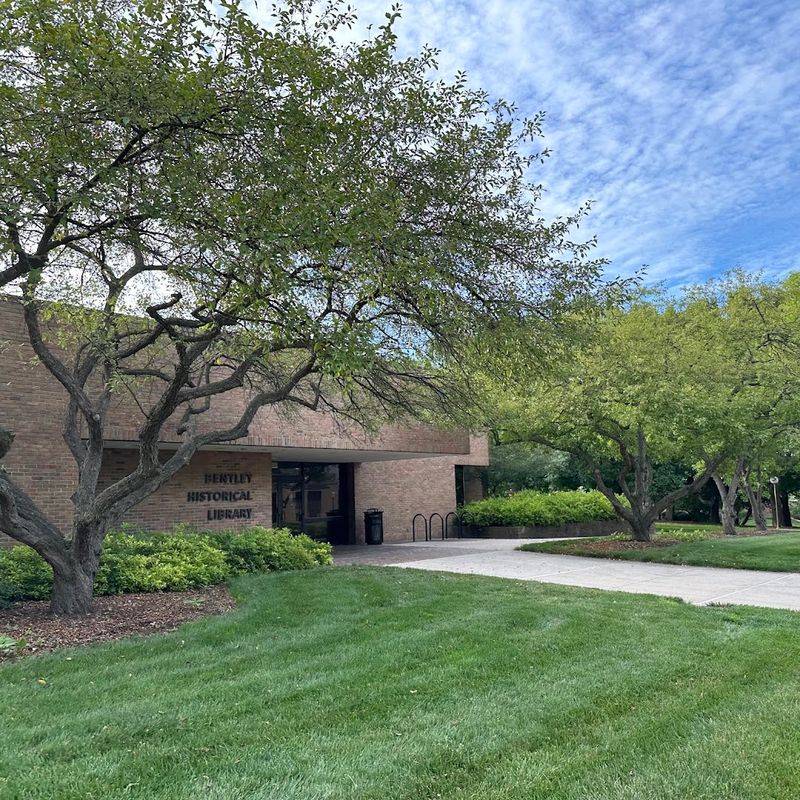
Let’s look at it from this angle: most Underground Railroad landmarks are physical places where history happened.
The Bentley Historical Library in Ann Arbor is where history is preserved, studied, and kept alive for future generations.
At the University of Michigan, this archive holds some of the most important primary source documents related to the state’s role in the freedom movement. Researchers come from across the country to access its collections.
The library holds letters, diaries, maps, and organizational records from abolitionist groups that operated throughout Michigan in the 19th century.
These documents give historians and curious travelers alike a granular look at how the Underground Railroad actually functioned. The details in these papers are astonishing in their specificity and humanity.
For travelers with a serious interest in the history, the Bentley offers reading room access to its collections by appointment.
The staff are knowledgeable and genuinely enthusiastic about helping people connect with the material. It is a different kind of historical encounter than standing at a monument, but no less powerful.
Ann Arbor itself is a dynamic university city with a strong culture of intellectual curiosity and historical awareness.
The campus setting makes the library feel both accessible and appropriately serious. The combination of academic rigor and open public access is rare and valuable.
The Bentley Historical Library is at 1150 Beal Ave, Ann Arbor. A stop here pairs beautifully with the Gateway to Freedom Memorial in Detroit for a full arc of research and reflection.