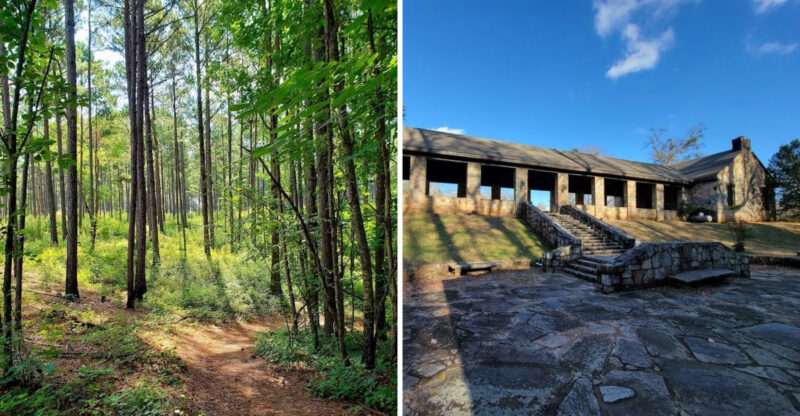
These 14 Underrated Georgia Attractions Even Locals Miss
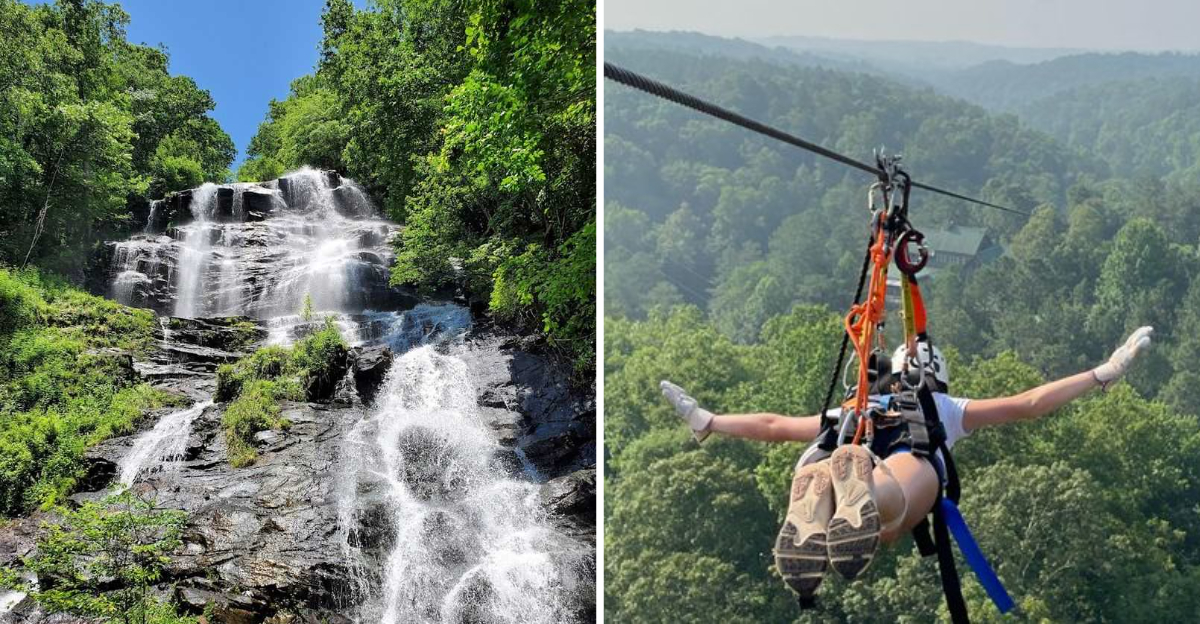
Look a little beyond the usual stops, and Georgia starts to feel like a completely different place. Away from Savannah’s squares and Atlanta’s skyline, the state reveals a quieter side filled with hidden history, wild landscapes, and places that rarely make the typical travel list.
Ancient Native American mounds sit quietly in open fields, canyon trails cut through unexpected terrain, and remote islands offer stretches of shoreline that feel untouched. These are the kinds of places you do not always hear about, yet they leave some of the strongest impressions. The variety adds to the sense of discovery, where each stop feels like finding something new rather than following a well-worn path.
Even longtime residents are often surprised by what is tucked just a short drive away. For anyone willing to explore a little further, these underrated Georgia attractions offer experiences that feel unique, memorable, and genuinely worth the trip.
1. Etowah Indian Mounds
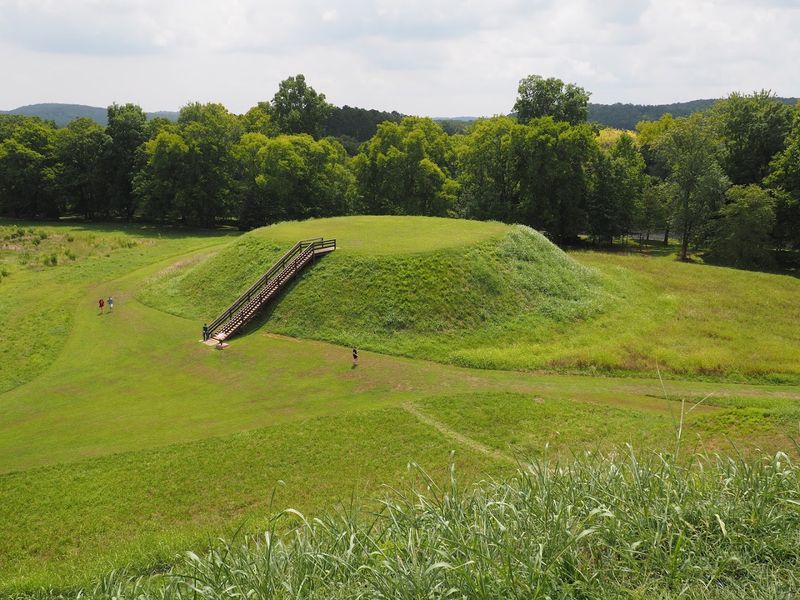
Long before Georgia had cities or highways, the Etowah people built something extraordinary right here in the foothills. Located at 813 Indian Mounds Rd SW, Cartersville, GA 30120, this archaeological site features six massive earthen mounds constructed during the Mississippian period, roughly between 1000 and 1550 AD. The largest mound stands about 63 feet tall, and visitors can climb it for a sweeping view of the surrounding floodplain.
The on-site museum houses copper ornaments, carved stone figures, and ceremonial objects that offer a real glimpse into a complex society that thrived here for centuries. Weekdays tend to be quieter, making it easier to walk the grounds at a relaxed pace. Wear comfortable shoes since the paths are uneven in places.
Admission is affordable, and the experience is genuinely humbling. This is one of those places that makes you stop and think about how much history is quietly buried beneath Georgia soil.
2. Cloudland Canyon State Park
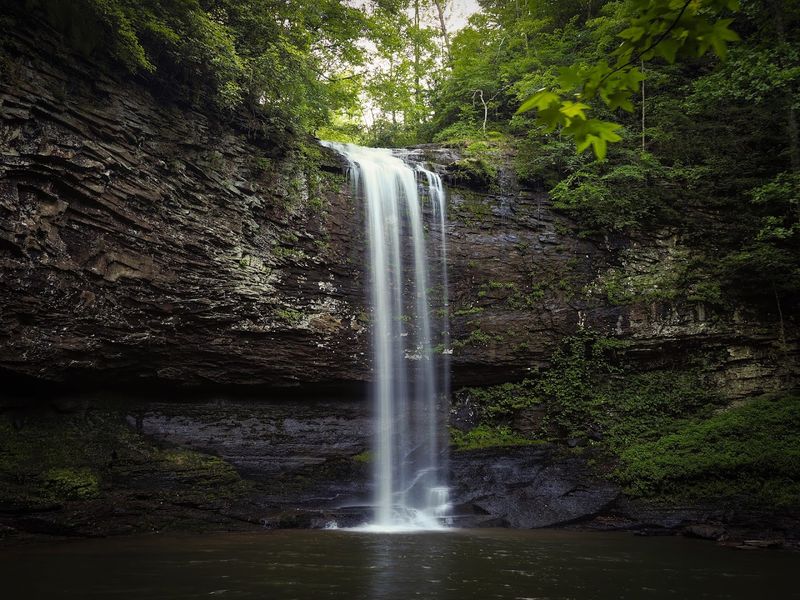
Standing at the rim of Cloudland Canyon and looking down into that deep gorge is the kind of moment that genuinely takes your breath away. Found at 122 Cloudland Canyon Park Rd, Rising Fawn, GA 30738, this park sits in the far northwest corner of Georgia near the Alabama border and gets far less traffic than its stunning scenery deserves. The canyon drops nearly 1,000 feet and exposes layers of sandstone and shale that tell millions of years of geological story.
Two waterfalls, Cherokee Falls and Hemlock Falls, reward hikers who tackle the staircase descent into the gorge. The trail down is steep, so take water and pace yourself on the way back up. Fall foliage season transforms the canyon walls into brilliant shades of orange and red.
Camping and cabin rentals are available, making it easy to extend a visit into a full weekend escape without driving far from Atlanta.
3. Doll Head Trail
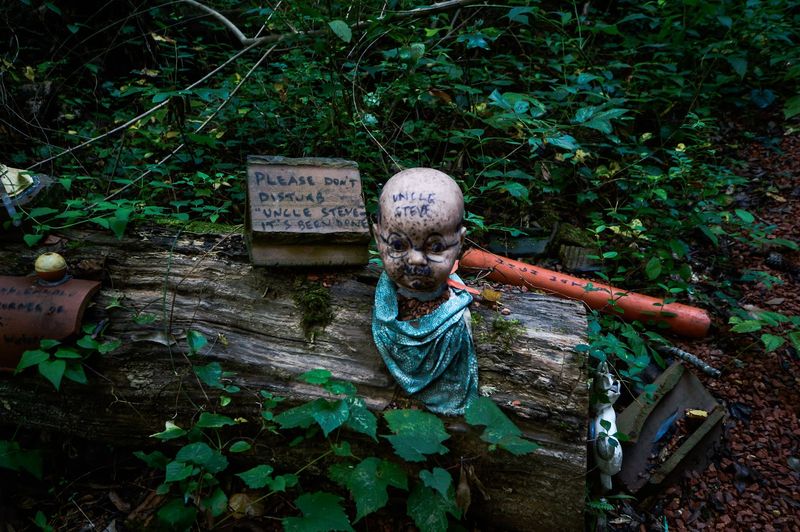
Not every trail in Georgia leads to a waterfall or a mountain view. Tucked inside Constitution Lakes Park at 1305 Bouldercrest Rd SE, Atlanta, GA 30316, the Doll Head Trail is one of the most unusual walking paths in the entire state. Artist Joel Slaton began collecting discarded doll parts from an old factory site and attaching them to trees along the trail, creating an art installation that is equal parts eerie and fascinating.
The trail itself is short and easy, winding through a forested wetland area with a small lake nearby. It is free to visit and open year-round, though the atmosphere feels especially atmospheric on overcast days when the light filters through the trees in a moody way. Locals walk past this park all the time without knowing what is inside.
Kids tend to find it hilarious while adults find it oddly thought-provoking. Either way, it is unlike anything else in the city.
4. Providence Canyon State Park
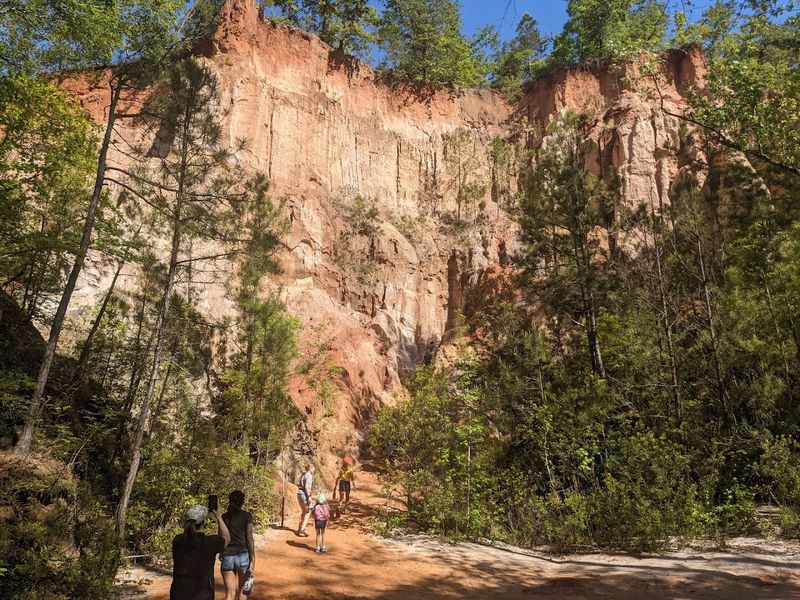
Georgia has its own version of the Grand Canyon, and most people outside the region have never heard of it. Situated at 8930 Canyon Rd, Lumpkin, GA 31815, Providence Canyon State Park is nicknamed Georgia’s Little Grand Canyon for its dramatic gullies carved by erosion over the past two centuries. The canyon walls display stunning bands of pink, red, orange, and white, making it one of the most photogenic spots in the entire state.
Ironically, this geological wonder was created by poor farming practices in the 1800s rather than millions of years of natural forces, which makes it a surprisingly recent formation. Hiking trails wind along the rim and down into the canyon floor, where visitors can walk among the colorful walls up close. Spring wildflowers add extra color to the already vivid landscape.
The park is about three hours from Atlanta, so an early start makes the most of the day trip.
5. Cumberland Island National Seashore
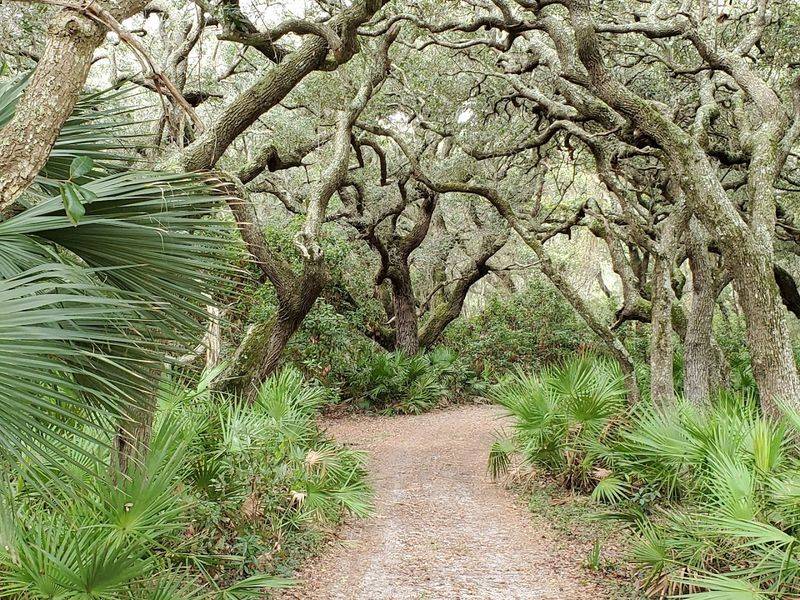
There is something almost magical about a place that can only be reached by ferry. Cumberland Island National Seashore, accessible via ferry departing from 113 St. Marys St, St. Marys, GA 31558, is Georgia’s largest and southernmost barrier island, and it feels like stepping into a completely different world. Wild horses roam freely across the island’s beaches and marshes, completely unbothered by visitors passing through.
The ruins of Dungeness Mansion, a Carnegie estate from the 1880s, sit draped in Spanish moss and vines, offering a hauntingly beautiful backdrop for exploration. The island has no cars, no commercial development, and no crowds by typical beach standards. Ferries run on a limited schedule, so booking ahead is essential, especially on weekends.
Bring everything needed for the day since there are no shops on the island. The combination of wild nature and crumbling history makes Cumberland Island genuinely unforgettable.
6. Tallulah Gorge State Park
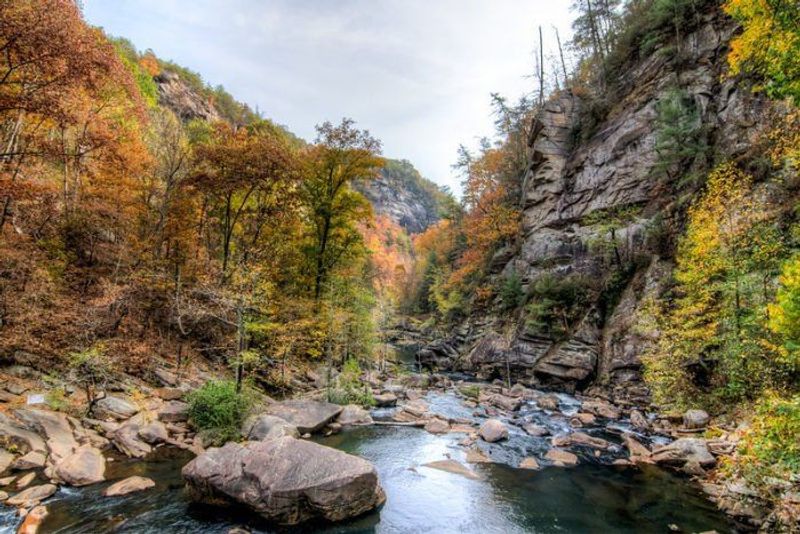
Few gorges in the eastern United States can match the sheer drama of Tallulah Gorge. Located at 338 Jane Hurt Yarn Rd, Tallulah Falls, GA 30573, this park features a nearly 1,000-foot-deep chasm carved by the Tallulah River, and the views from the rim are genuinely jaw-dropping. A suspension bridge stretches across part of the gorge, swaying gently underfoot while the river roars far below.
Access to the gorge floor requires a free permit, which is limited to 100 people per day, so arriving early on weekends is smart. The floor hike involves climbing over boulders and navigating uneven terrain, making it best suited for those comfortable with a physical challenge. Rim trails are more accessible and still offer spectacular scenery.
Tallulah Falls town nearby has a handful of small shops and cafes worth browsing after the hike. This is one of those spots that rewards visitors who put in just a little extra effort.
7. Okefenokee Swamp
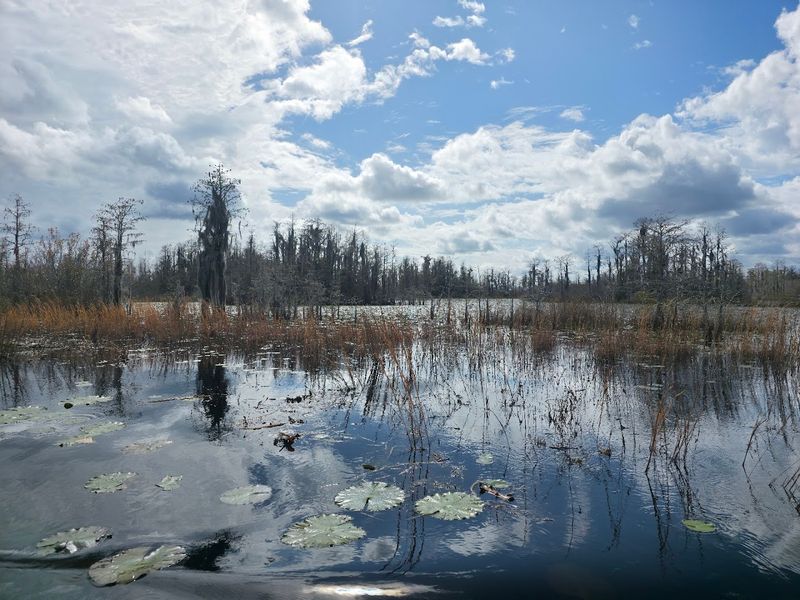
The Okefenokee Swamp is one of the oldest and largest intact freshwater ecosystems in North America, yet it rarely makes the average Georgia travel itinerary. The main visitor entrance is at the Okefenokee National Wildlife Refuge, 4700 Okefenokee Swamp Park Rd, Waycross, GA 31503, though the swamp spans into Florida as well. Alligators, sandhill cranes, black bears, and carnivorous plants all share this vast, watery wilderness.
Guided boat tours are the easiest way to experience the swamp without needing paddling experience, and they offer a surprisingly close look at wildlife in a natural setting. Canoe and kayak rentals are also available for those who want to paddle through the cypress corridors at their own pace. Visiting in cooler months, from October through March, tends to be more comfortable and brings out more active wildlife.
The swamp has a quiet, primeval atmosphere that feels unlike anywhere else in the state.
8. Amicalola Falls State Park
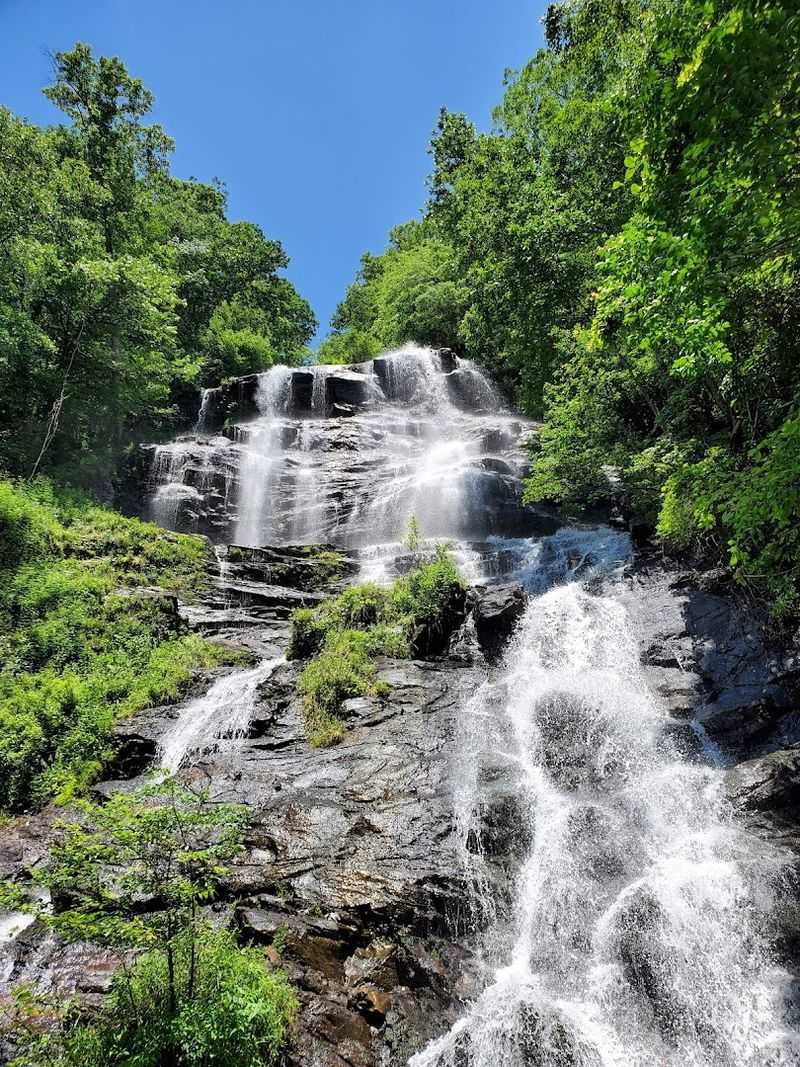
At 729 feet, Amicalola Falls is the tallest cascading waterfall east of the Mississippi River, and yet it remains surprisingly low-key compared to waterfalls in other parts of the country. The park entrance is at 418 Amicalola Falls State Park Rd, Dawsonville, GA 30534, sitting in the north Georgia mountains about 90 minutes from Atlanta. The falls themselves are dramatic, cascading in multiple tiers down a rocky mountainside through thick forest.
Amicalola Falls also serves as the approach trail to the southern terminus of the Appalachian Trail, so the park draws serious hikers alongside casual visitors. A lodge and cabins sit on the property for overnight stays, and the mountaintop views from the lodge area are worth the visit even without hiking. The best time to visit is during fall foliage or after heavy rainfall when the falls are at full force.
Weekday mornings tend to be noticeably quieter than weekend afternoons.
9. Jarrell Plantation State Historic Site
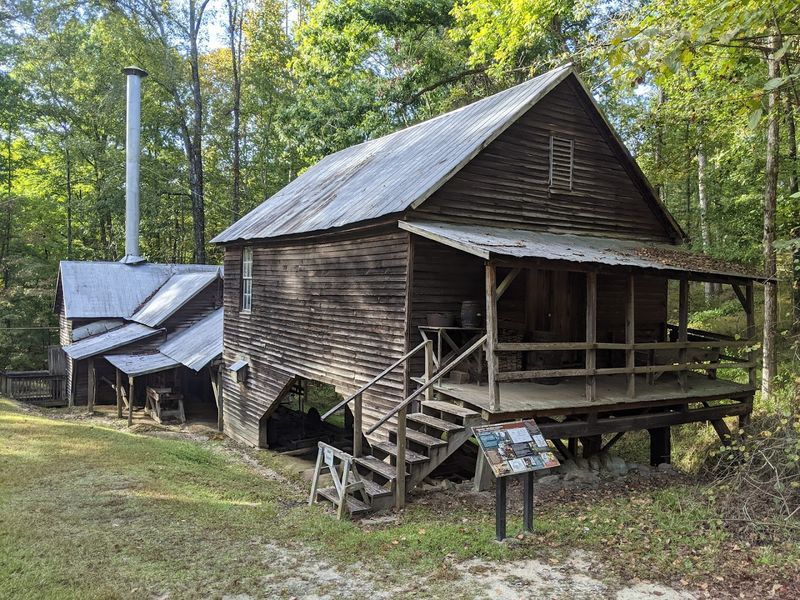
History museums often feel sterile and distant, but Jarrell Plantation offers something different. Tucked at 711 Jarrell Plantation Rd, Juliette, GA 31046, this living history site preserves a working plantation from the 1840s through the early 20th century, with more than 20 original structures still standing on the property. Walking the grounds feels like stepping directly into Georgia’s agricultural past in a way that no exhibit hall can quite replicate.
The site includes a cotton gin, a sawmill, a grist mill, and various outbuildings that once formed a largely self-sufficient farming operation. Interpreters are on hand during open hours to explain how each structure was used and what daily life looked like across different eras. The plantation also tells a more complete story by acknowledging the enslaved people who built and maintained it.
Admission is budget-friendly, and the setting along a quiet country road makes the whole experience feel genuinely off the beaten path.
10. Radium Springs Gardens
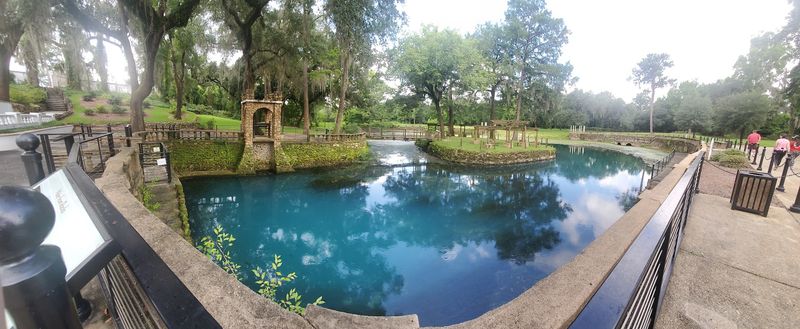
Once considered one of the Seven Natural Wonders of Georgia, Radium Springs has a complicated and fascinating story. Located near 2301 Radium Springs Rd, Albany, GA 31705, this natural spring once pumped millions of gallons of crystal-clear, blue-green water daily from a cave system beneath the Flint River. A popular resort and casino operated here from the 1920s onward, drawing visitors from across the Southeast.
Repeated flooding, particularly from devastating floods in 1994 and 2004, destroyed the resort and filled the spring with silt, effectively ending its glory days. What remains today is a hauntingly beautiful ruin, with crumbling walls, overgrown gardens, and the faint outline of what once was. Visitors can walk the area and photograph the remnants, and restoration efforts have made slow but meaningful progress over the years.
The site is a quiet reminder that Georgia’s natural history includes stories of loss and resilience alongside its triumphs.
11. Georgia’s Stone Mountain Village
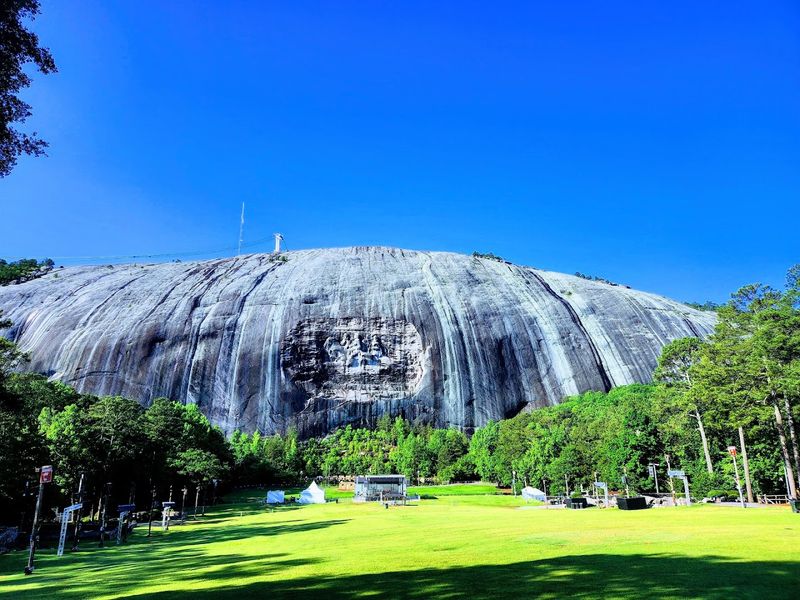
Most visitors to Stone Mountain head straight for the park and never notice the small historic village sitting right at its doorstep. Stone Mountain Village is centered around Main Street, Stone Mountain, GA 30083, and it offers a genuinely charming collection of antique shops, independent boutiques, local restaurants, and art galleries all tucked into well-preserved 19th-century storefronts. The walkable streetscape has a relaxed, small-town feel that is completely different from the theme-park energy of the main attraction nearby.
Weekend visits bring out local vendors and occasional street events that give the village extra life. Several of the antique dealers specialize in Southern folk art and vintage Georgia memorabilia, making it a rewarding stop for collectors. Grabbing lunch at one of the locally owned spots along Main Street is a nice way to slow the day down between activities.
The village is often overlooked precisely because it sits in the shadow of something bigger, which honestly makes it feel like a better-kept secret.
12. Banning Mills Adventure Course
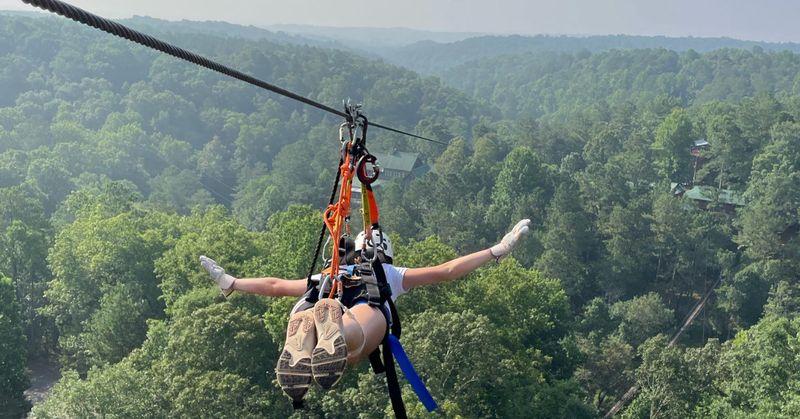
For anyone who has ever wanted to fly through a forest canopy, Banning Mills delivers that experience in a legitimately thrilling way. Situated at 205 Horseshoe Dam Rd, Whitesburg, GA 30185, this adventure resort holds a Guinness World Record for the longest zip line series in the world, with a network of lines stretching across a dramatic river gorge. The setting alone, above Snake Creek Gorge, is spectacular enough to justify the visit before even clipping in.
Multiple course levels are available, from beginner-friendly options to advanced routes that challenge even experienced zip liners. The resort also offers treetop canopy tours, rappelling, and overnight lodging for those who want to make a full weekend of it. Reservations are strongly recommended since time slots fill up quickly on weekends and during summer.
The staff tends to be enthusiastic and safety-focused, which helps first-timers feel at ease before heading out on the lines.
13. Cohutta Wilderness
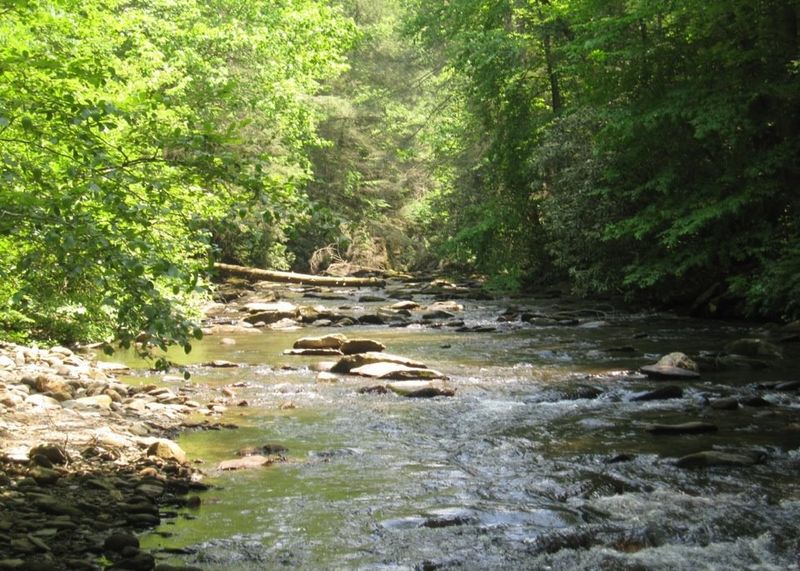
The Cohutta Wilderness is one of the largest federally designated wilderness areas east of the Mississippi, yet it draws only a fraction of the visitors that other Georgia parks receive. Accessed via trailheads near Chatsworth, GA 30705, this 37,000-acre expanse of the Chattahoochee National Forest offers some of the most genuinely remote hiking in the southeastern United States. Trails here follow creek corridors through dense hardwood and hemlock forest, crossing streams dozens of times on some routes.
Because it is a true wilderness area, there are no maintained facilities, paved paths, or visitor centers inside the boundary. That is precisely the appeal for those seeking solitude and an unfiltered outdoor experience. Black bears, wild trout, and rare plants share the landscape with anyone willing to make the trek in.
Waterproof boots are practically mandatory given the number of creek crossings. Visiting on weekdays dramatically reduces the already modest chance of encountering other hikers on the trail.
14. Savannah’s Bonaventure Cemetery
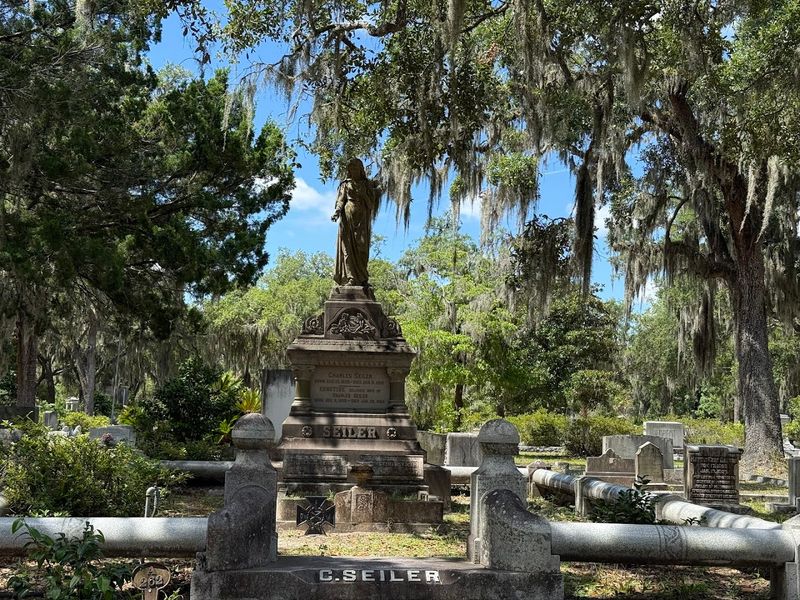
Cemeteries are not usually on travel lists, but Bonaventure is genuinely one of the most beautiful places in all of Georgia. Located at 330 Bonaventure Rd, Savannah, GA 31404, this historic cemetery sits along the Wilmington River and dates back to the late 1700s. Ancient live oaks draped in Spanish moss form a cathedral-like canopy over elaborate Victorian monuments, mausoleums, and family plots that tell the story of Savannah’s most prominent families.
The cemetery became widely known after being featured in the book Midnight in the Garden of Good and Evil, but it deserves a visit entirely on its own merits. Guided walking tours are available and add rich historical context to the carvings and epitaphs scattered throughout the grounds. Early morning visits, when light filters softly through the moss-covered branches, tend to be the most atmospheric.
The cemetery is free to enter and open daily, making it one of Savannah’s most accessible and underappreciated landmarks.