This Unique Savannah, Georgia Museum Has Perfectly Preserved Brick Gates From A Canal Built Almost 200 Years Ago
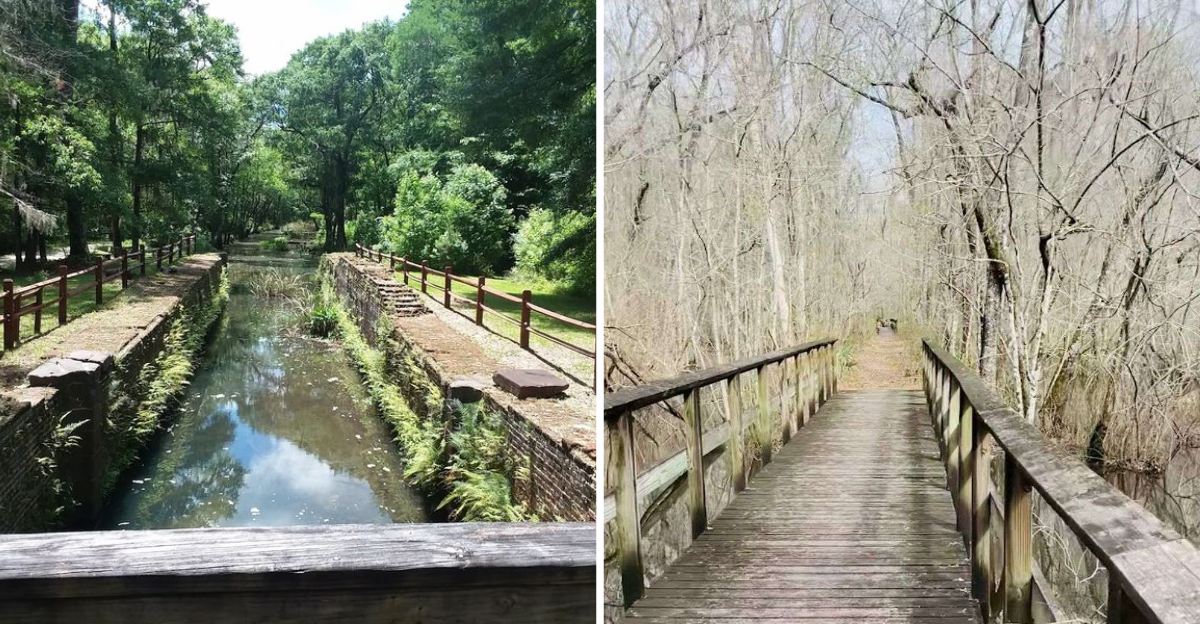
Just outside the historic streets of Savannah, a quiet site preserves one of Georgia’s most fascinating pieces of engineering history. The Savannah-Ogeechee Canal Museum and Nature Center protects the remains of a canal system that first opened in 1830 to connect inland trade with the port of Savannah. Visitors who arrive expecting a simple museum often discover something far more immersive.
Walking trails wind through forests and wetlands while historic structures reveal how the canal once operated nearly two centuries ago. The original brick lock gates still stand as a reminder of the ingenuity that helped shape the region’s economy. Today, the site blends history and nature in a setting that feels both educational and peaceful.
Whether exploring the past or enjoying a quiet afternoon outdoors, the Savannah-Ogeechee Canal offers a rewarding destination just minutes from the city.
1. Nearly 200-Year-Old Brick Lock Gates
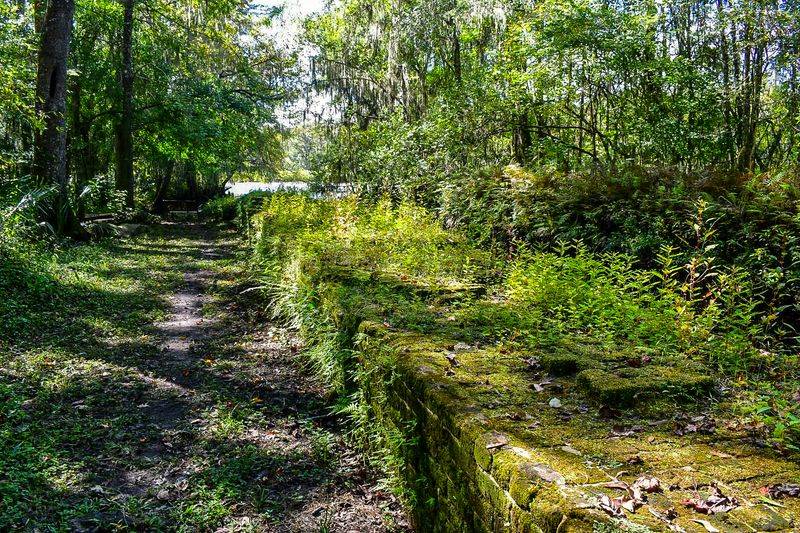
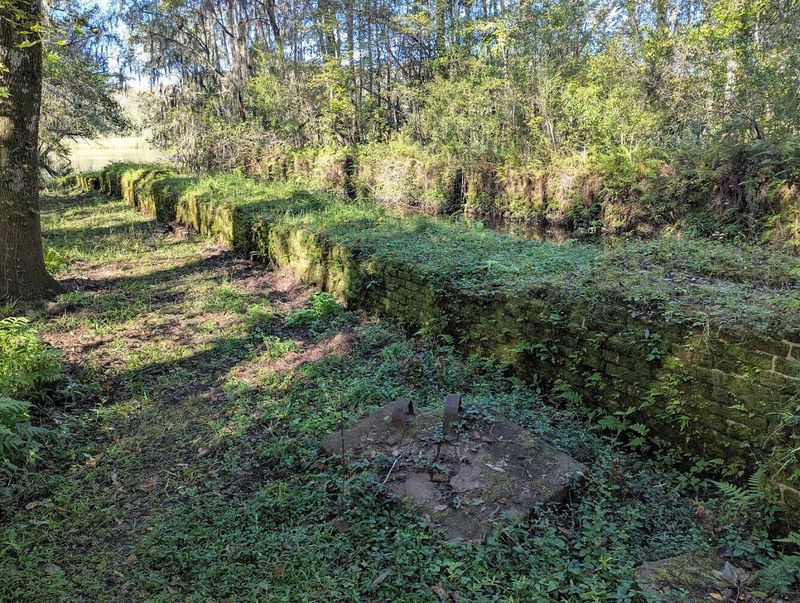
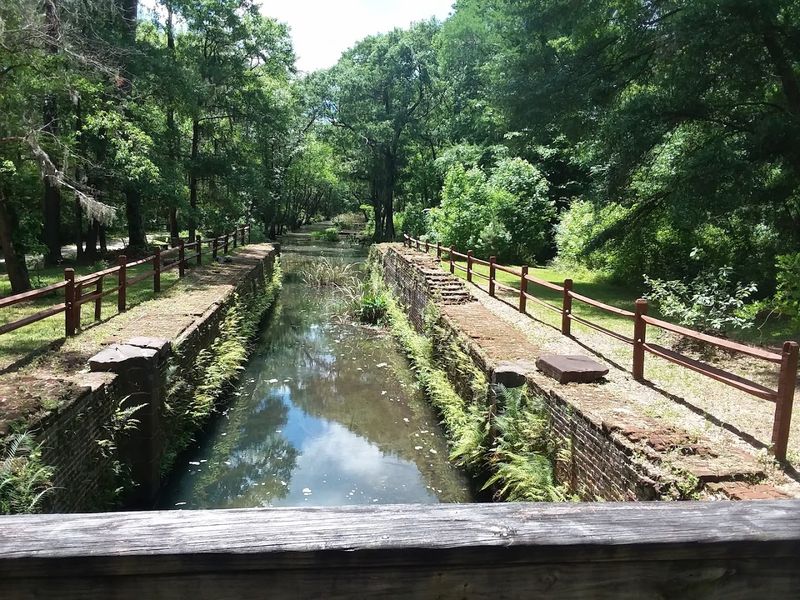
Few things stop visitors in their tracks quite like seeing engineering from 1830 still standing in nearly perfect condition. Lock 5 along the Savannah-Ogeechee Canal, located at 681 Fort Argyle Road, Savannah, GA 31419, is one of the most impressive preserved examples of 19th-century canal construction anywhere in the American South. The handcrafted brick gates were designed to raise and lower water levels so boats could travel between elevations.
What makes these gates extraordinary is the craftsmanship involved. Workers used locally sourced materials and hand-laid bricks to build structures that have outlasted the canal’s commercial era by more than a century. The mortar joints, the arch shapes, and the overall structural integrity remain remarkably intact.
Standing beside them, visitors get a tangible sense of how ambitious and labor-intensive this project truly was. Plaques and interpretive signs nearby help explain the engineering logic, making the experience educational for visitors of all ages.
2. A Canal Completed in 1830 That Shaped Georgia’s Economy
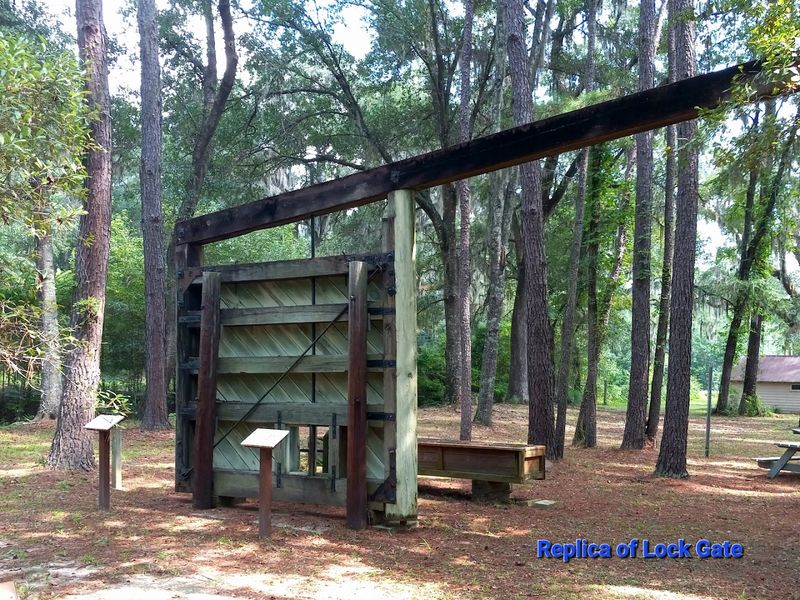
Before railroads dominated the landscape, canals were the highways of commerce. The Savannah-Ogeechee Canal was completed in 1830 and quickly became a critical route for transporting cotton, rice, naval stores, and other goods between the Ogeechee River and the port city of Savannah.
The museum tells this economic story with clarity and depth. Georgia’s coastal economy depended heavily on efficient transportation, and this 16.5-mile canal delivered exactly that for several decades before the railroad era overtook it.
Exhibits inside the museum explain how toll revenues were collected, which goods moved most frequently, and how the canal changed land values in surrounding areas. Merchants, farmers, and laborers all had roles in making this waterway function as a genuine economic engine.
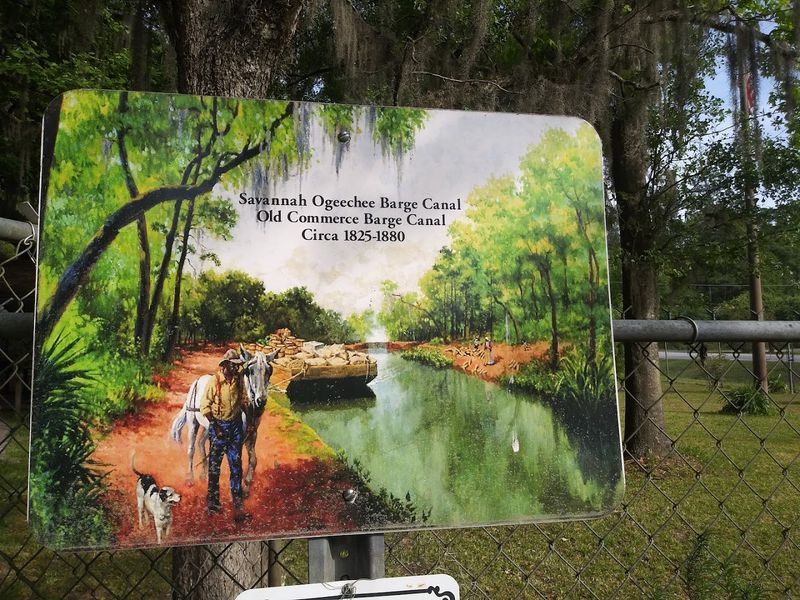
Understanding this history adds a completely different dimension to walking the towpath trail, where you can almost picture mule-drawn barges moving slowly through the water.
3. 184 Acres of Diverse Natural Ecosystems
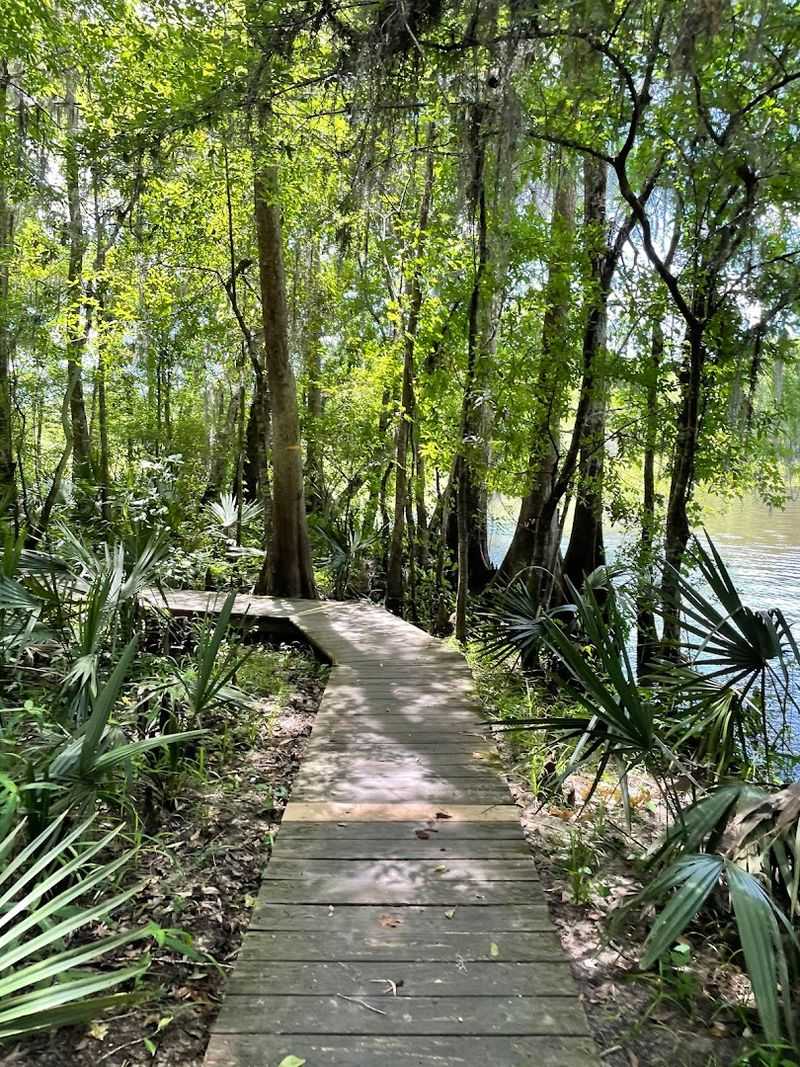
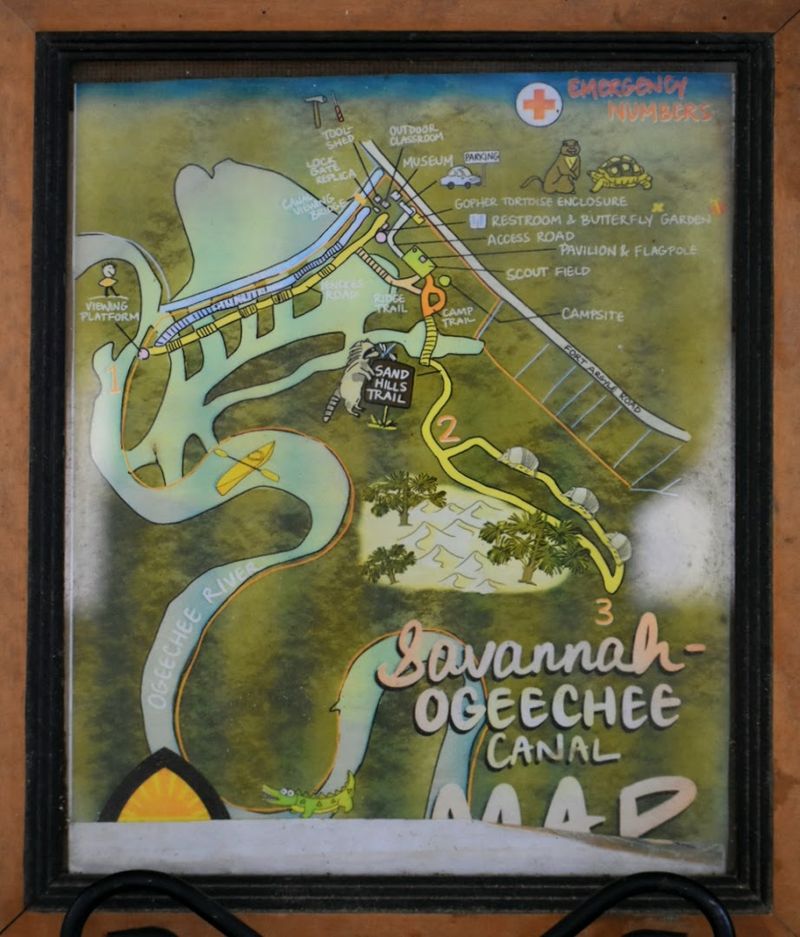
Spread across 184 protected acres, the nature center surrounding the canal is a patchwork of wildly different habitats existing side by side. River swamps, pine flatwoods, and sandhill ecosystems each support their own distinct communities of plants and animals, making this one of the most ecologically layered sites in coastal Georgia.
The property gives visitors an unusual chance to move between these habitats within a single afternoon visit. Walking just a few hundred yards can shift the landscape dramatically, from shaded canopy to open sandy terrain.
Pine flatwoods, in particular, are a habitat type that many people have never consciously explored. They support wiregrass, longleaf pine, and a surprising number of ground-level wildflowers that bloom in seasonal cycles.
The sandhill areas attract their own specialized wildlife, including the protected gopher tortoise. Naturalists and casual hikers both find the ecological variety here genuinely rewarding rather than repetitive.
4. Birdwatching Along Georgia’s Colonial Coast Birding Trail
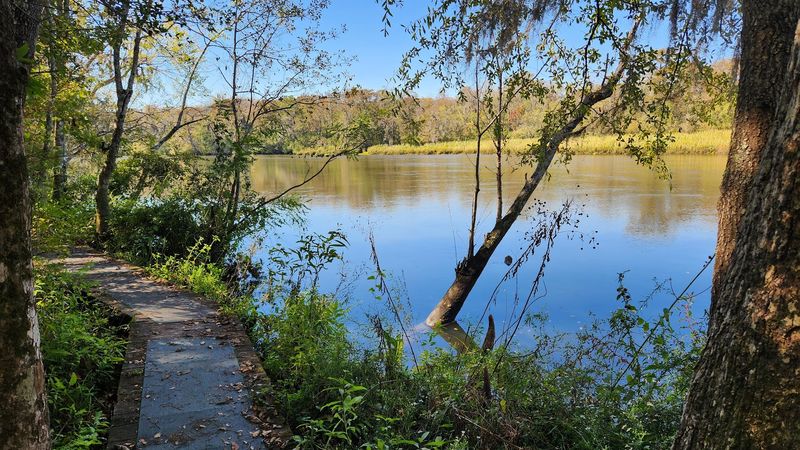
Birders from across the country make special trips to this site, and it is easy to understand why once you see the species list. The Savannah-Ogeechee Canal Museum and Nature Center is an official stop on Georgia’s Colonial Coast Birding Trail, with documented sightings of 146 bird species across its varied habitats.
The mix of wetland, forest, and open areas creates ideal conditions for both resident and migratory birds. The prothonotary warbler, with its brilliant golden-yellow plumage, is among the most celebrated species spotted here during warmer months.
Mississippi kites, red-shouldered hawks, and wood storks have all been recorded on the property. Early morning visits tend to offer the most active birdwatching windows, particularly during spring and fall migration seasons.
Bringing binoculars and a field guide dramatically improves the experience. Even casual visitors who are not dedicated birders tend to spot something memorable along the boardwalk sections near the water.
5. More Than Two Miles of Scenic Hiking Trails
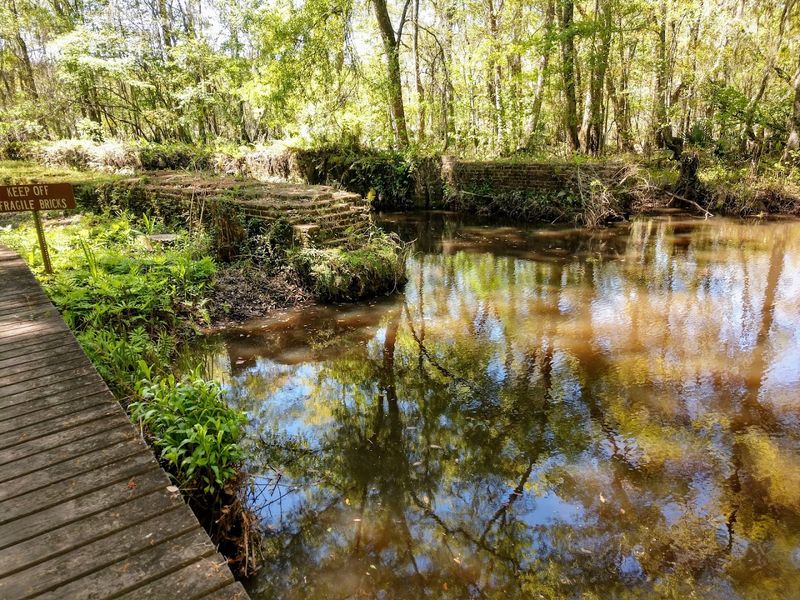
The trail network here covers over two miles and manages to pack an impressive range of scenery into a relatively compact space. Visitors can walk along the original canal towpath, cross elevated boardwalks over wetland areas, and move through shaded forest corridors, all within the same outing.
Starting from the museum building the trails are clearly marked and generally well-maintained throughout the year. Flat terrain makes most of the route accessible to a wide range of fitness levels, including older visitors and families with young children.
The towpath section is particularly atmospheric, running directly alongside the canal where water still sits in the original channel. Moss-draped trees lean over the path in several spots, creating a canopy that feels genuinely ancient.
Weekday mornings tend to be quieter than weekend afternoons. Wearing comfortable closed-toe shoes and bringing water is the most practical preparation for a full trail loop.
6. Museum Exhibits That Bring Canal History to Life
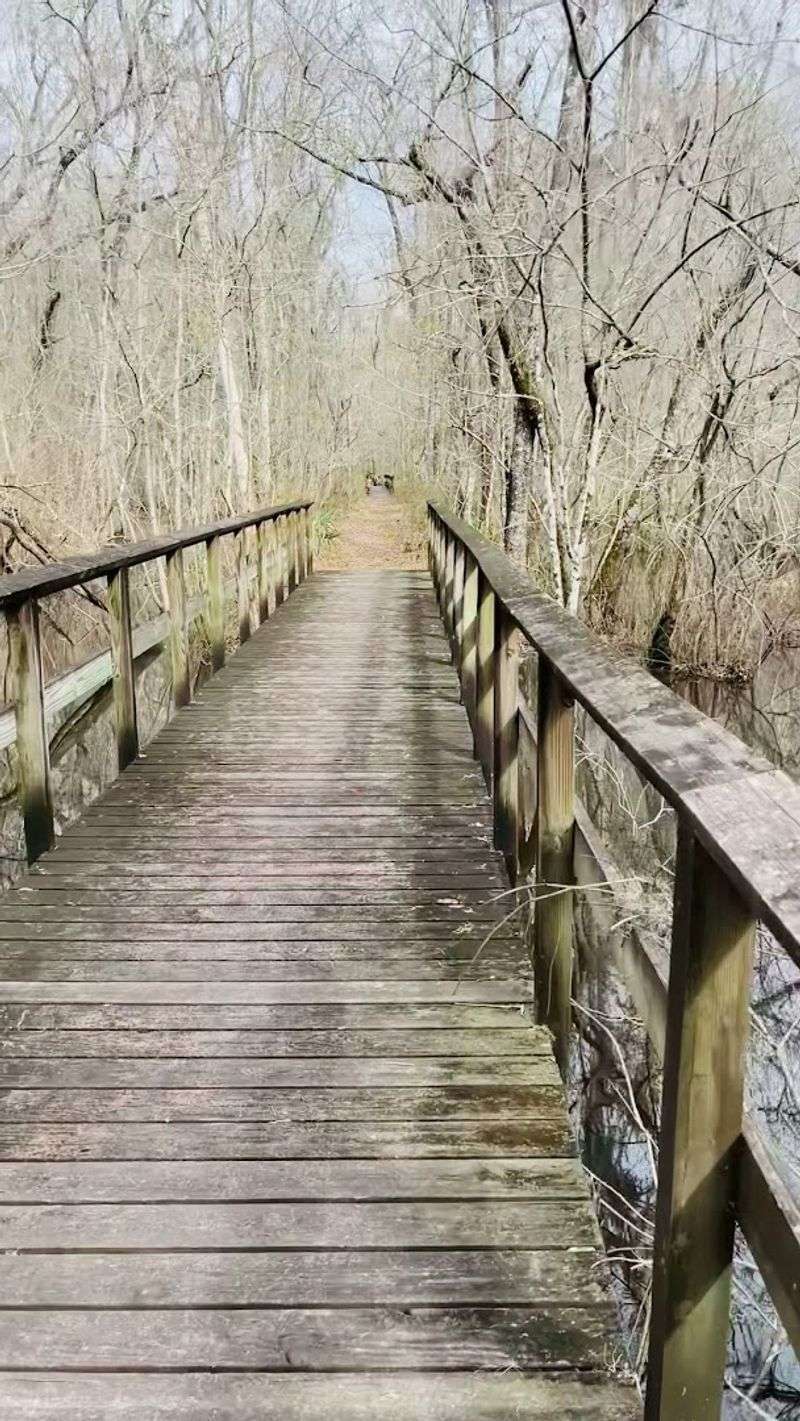
Walking into the museum building feels like stepping into a well-organized conversation about the past. Artifacts, scale models, maps, and interpretive panels work together to explain not just what the canal was, but why it mattered to the people who built and used it.
The museum does a particularly good job of connecting the physical remains outside with the broader social and economic context inside. Visitors learn about the laborers who constructed the canal, many of whom were enslaved people, as well as the merchants and planners who financed the project.
Scale models of the lock system help younger visitors visualize how water management worked before modern machinery existed. The displays are arranged chronologically, making it easy to follow the canal’s story from construction through commercial peak to eventual decline.
Spending thirty to forty-five minutes inside before heading out on the trails gives the outdoor experience a much richer layer of meaning.
7. Wildlife Encounters With Gopher Tortoises and Alligators
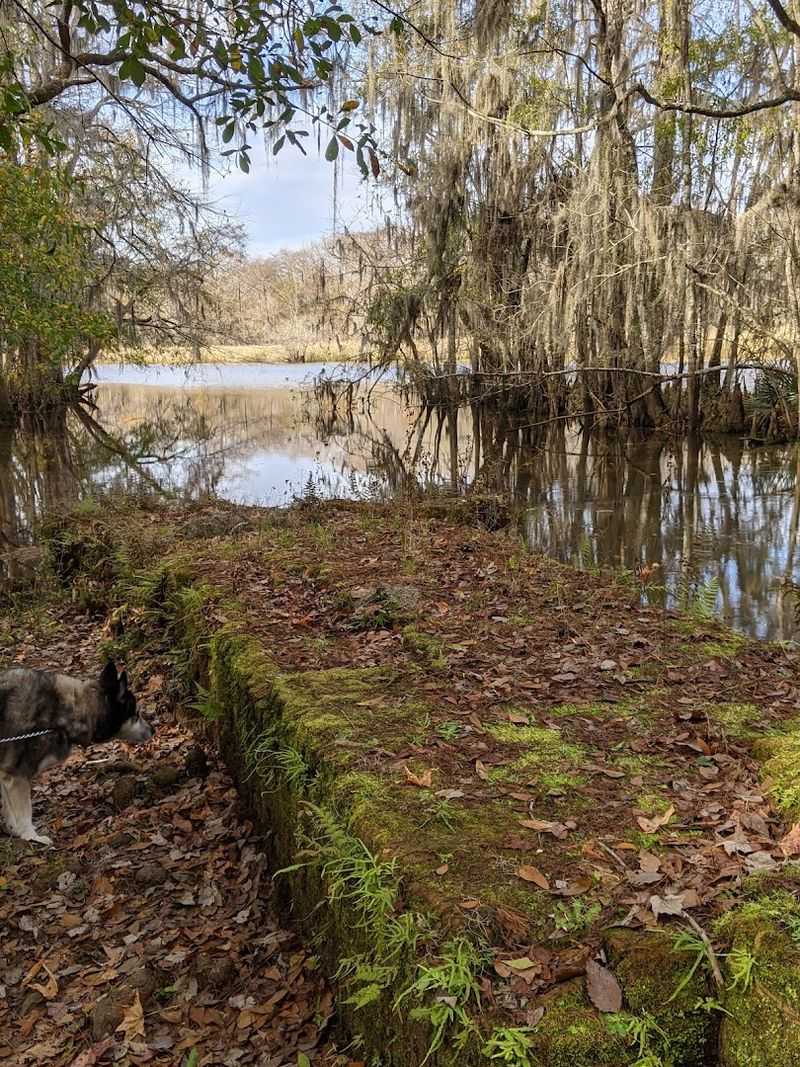
Spotting a gopher tortoise ambling across a sandy trail is one of those quietly thrilling moments that tends to stick with visitors long after they leave. The Savannah-Ogeechee Canal Nature Center provides habitat for these protected animals, along with a variety of reptiles and the occasional alligator near wetter areas of the property.
Wildlife sightings are never guaranteed, but the 184-acre property is large enough and wild enough to support genuine encounters rather than curated displays. Alligators, when present, are typically spotted near the canal channel or in marshy low-lying areas.
The gopher tortoise is a keystone species, meaning its burrows provide shelter for dozens of other animals including frogs, snakes, and insects. Seeing one in its natural habitat is a meaningful ecological experience, not just a photo opportunity.
Keeping a respectful distance from all wildlife and staying on marked trails ensures both visitor safety and animal welfare during any visit.
8. Guided History and Nature Tours
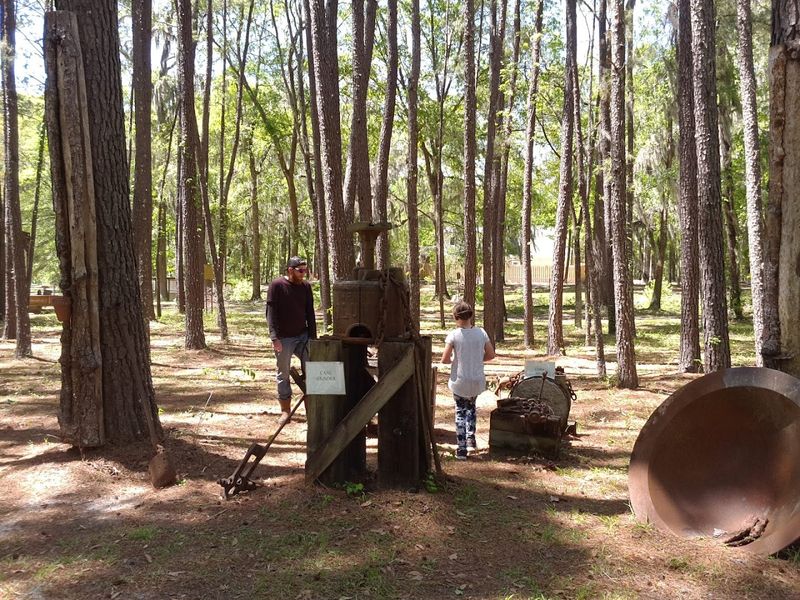
Sometimes the best way to absorb a place is through someone who genuinely loves it. The museum offers guided tours led by staff and volunteers who bring deep knowledge of both the canal’s history and the surrounding natural environment, turning a standard walk into something much more layered.
Tours depart from the main building and can cover historical highlights like the lock structures, the towpath, and the story of the canal’s construction and commercial life. Nature-focused tours shift attention toward the ecosystems, bird species, and wildlife that now call the property home.
Groups with children tend to find the guided format especially engaging, since staff members are skilled at adjusting explanations to different age levels. Questions are welcomed throughout, which gives the tours a relaxed, conversational rhythm rather than a formal lecture feel.
Checking the museum’s schedule in advance is recommended, as tour availability can vary by season and staffing. Reservations may be required for larger groups.
9. Community Events and Educational Programs
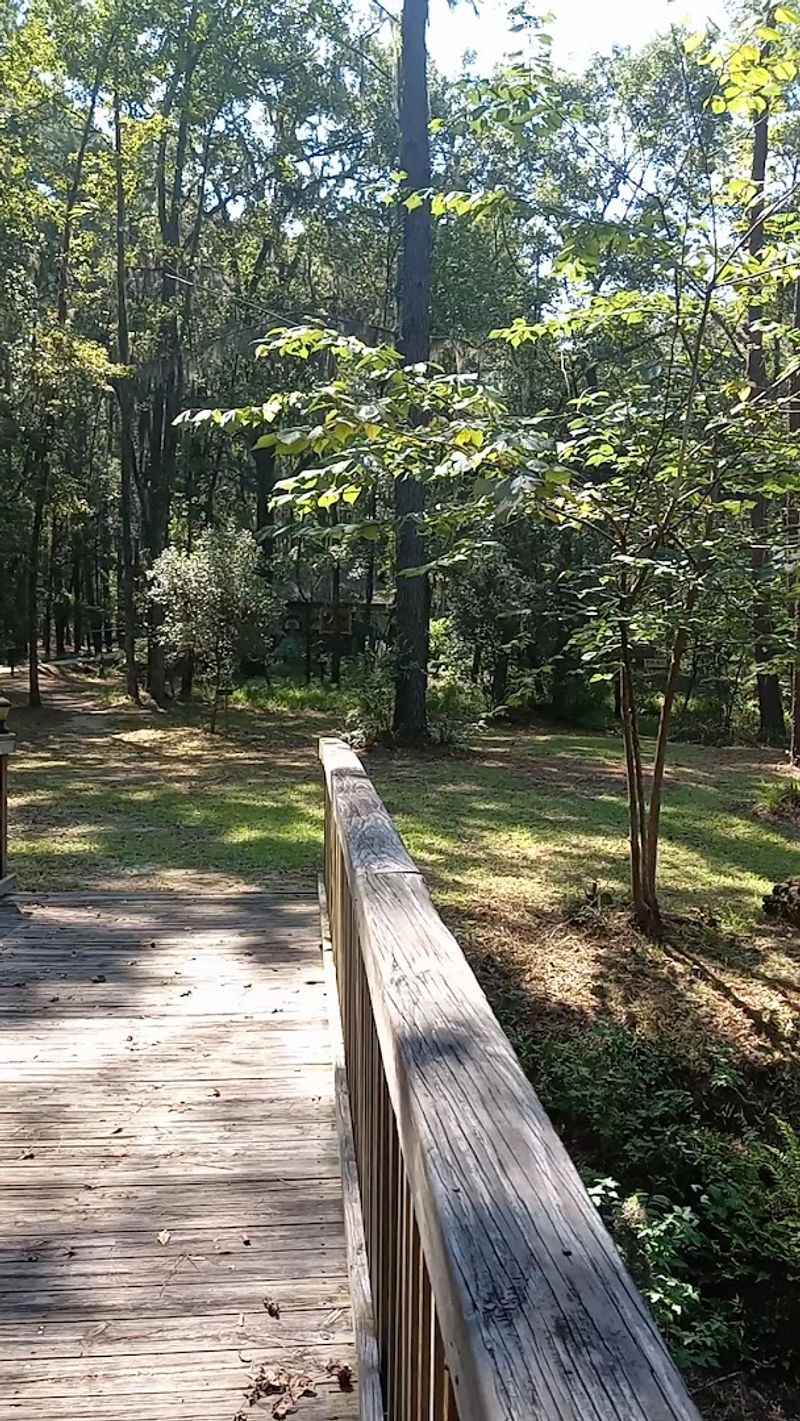
Beyond the trails and museum, the site functions as an active community hub with a calendar of events that changes throughout the year. Educational programs, seasonal celebrations, and conservation workshops bring local residents and visitors together around shared interests in history and the natural world.
Events hosted have included guided birding walks, canal history lectures, family-friendly nature days, and volunteer cleanup initiatives. School groups regularly visit for curriculum-aligned programming that connects classroom learning to hands-on outdoor experiences.
The community focus here reflects a genuine commitment to keeping this site relevant and accessible to people of all backgrounds, not just history buffs or dedicated naturalists. Programming tends to be affordable and sometimes free, making it a practical choice for families looking for enriching activities without significant expense.
Following the museum’s official website or social media channels is the most reliable way to stay current on upcoming events and registration requirements throughout each season.
10. Outstanding Photography Opportunities
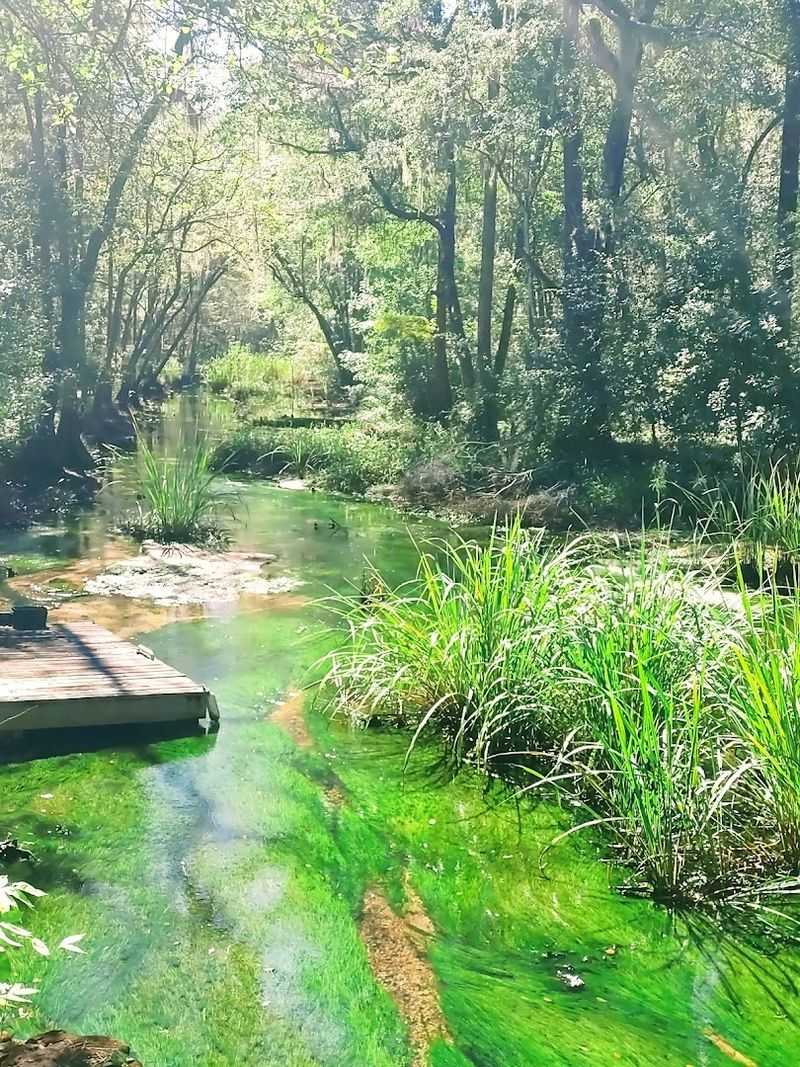
Golden light filtering through longleaf pines, moss-draped oaks leaning over dark canal water, and centuries-old brick gates reflected in a still surface — the Savannah-Ogeechee Canal Nature Center offers the kind of compositions that photographers actively seek out and rarely find so concentrated in one place.
The property rewards visitors who arrive early in the morning, when mist sometimes rises off the canal and soft light creates dramatic depth in forest shots. Wildlife photography is also possible here, with patient visitors capturing gopher tortoises, wading birds, and songbirds in natural settings.
The brick lock structures are among the most photogenic subjects on the property, offering texture, symmetry, and historical weight in a single frame. No special photography permits are required for personal or non-commercial shooting during regular visiting hours.
A wide-angle lens for landscapes and a longer zoom for wildlife tend to cover most shooting scenarios effectively across the different trail sections.
11. Picnic Areas Surrounded by Nature
After a long walk along the towpath or a morning of birdwatching, settling into a shaded picnic spot with a packed lunch feels like the perfect reward. The nature center provides designated picnic areas where visitors can eat and relax without leaving the peaceful atmosphere of the property.
The picnic facilities are well-suited for family outings, small group gatherings, and solo visitors who simply want to slow down and absorb the surroundings for a while. The natural setting makes even a simple sandwich feel like more of an event.
Bringing your own food and beverages is the practical approach, as there are no on-site food vendors. Packing a cooler with snacks, drinks, and a proper meal allows for a longer, more relaxed visit without needing to leave the property mid-day.
Weekday visits tend to mean quieter picnic areas, while weekend afternoons can see more families taking advantage of the same spots, especially during pleasant weather months.
12. Camping Facilities for Overnight Stays
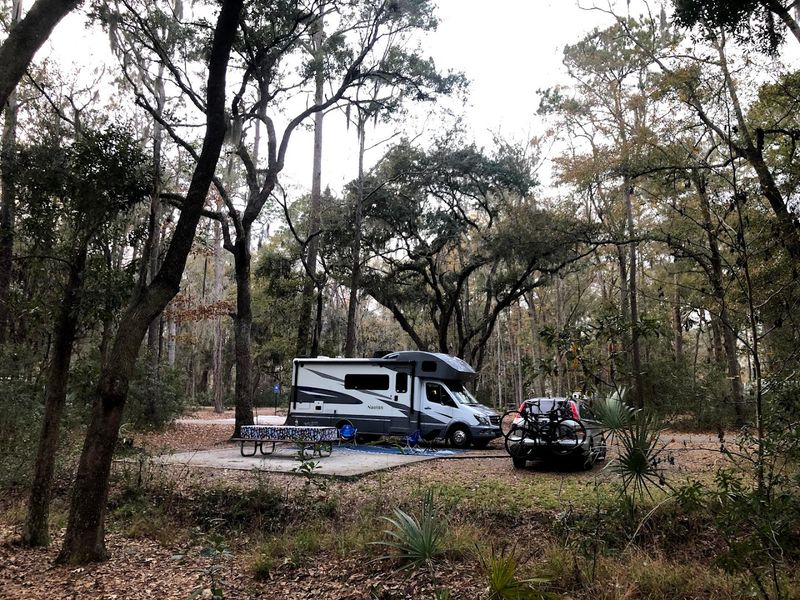
Not every nature center offers the option to spend the night, which makes this one stand out in a meaningful way. The Savannah-Ogeechee Canal Nature Center provides camping facilities that allow visitors to experience the property after day-trippers have gone home and the trails settle into nighttime quiet.
Camping includes access to shelters and restroom facilities, making it a manageable option even for those who are not hardcore wilderness campers. Waking up to birdsong inside a 184-acre nature preserve is a genuinely different experience from a standard hotel stay in downtown Savannah.
Overnight guests have the rare opportunity to hear nocturnal wildlife, observe evening light along the canal, and start hiking before the morning crowds arrive. Reservations and any applicable fees should be confirmed directly with the museum staff before planning an overnight trip.
Camping here works particularly well as part of a longer Savannah-area trip, adding an outdoor dimension that contrasts nicely with the city’s historic architecture and restaurant culture.
13. Volunteer Opportunities in Conservation
Some places are worth more than a single visit, and for those who feel that pull, volunteering here turns passive appreciation into active contribution. The Savannah-Ogeechee Canal Museum and Nature Center actively welcomes volunteers who want to support trail maintenance, educational programming, and conservation efforts on the property.
Volunteer activities have included invasive species removal, trail clearing, museum support, and assisting with community events. Participants often find that working alongside knowledgeable staff deepens their understanding of the site in ways that a standard visit simply cannot replicate.
For students, the volunteer program can provide meaningful hours toward service requirements while building genuine skills in environmental stewardship. Retirees and long-term Savannah residents also make up a significant portion of the regular volunteer community.
Reaching out to the museum directly through their official website is the best starting point for anyone interested in getting involved. Schedules and project types vary throughout the year depending on seasonal needs.
14. Accessibility for Visitors of All Abilities
Outdoor historic sites can sometimes feel like they cater only to the most able-bodied visitors, but the Savannah-Ogeechee Canal Museum and Nature Center takes a more inclusive approach. The facilities and trail design accommodate visitors with varying mobility levels, making the experience available to a broader range of people.
The museum building itself is accessible, and portions of the trail network are designed with flat, manageable terrain that works for visitors using mobility aids or those who simply prefer gentler walking conditions. Families with strollers also benefit from the more accessible trail sections.
Calling ahead to ask about current trail conditions and specific accessibility features is always a smart move before visiting with someone who has particular mobility needs. Conditions can vary slightly depending on recent weather or ongoing maintenance work.
The inclusive design reflects a broader philosophy at the site: that history and nature should be available to everyone, not just those who can navigate rugged backcountry terrain.
15. Easy Access Just Minutes From Downtown Savannah
One of the most practical things about this site is how effortlessly it fits into a broader Savannah itinerary. Positioned just a short drive from the city’s famous squares and waterfront, the canal museum offers a natural counterpoint to Savannah’s urban historic experience without requiring a full day of travel.
The museum is roughly a 15-minute drive from downtown, making it a realistic half-day addition to any trip that already includes visits to Forsyth Park, River Street, or the city’s celebrated historic district. Parking on-site is available and generally uncrowded compared to downtown options.
Visiting in the morning and returning to downtown Savannah for lunch or an afternoon tour is a natural rhythm that many visitors find satisfying. The contrast between the city’s architectural grandeur and the canal’s quiet, overgrown beauty makes each experience feel more vivid by comparison.
Weekdays typically offer a more relaxed pace at the museum, while weekends see a mix of locals and tourists exploring the trails together.