Up Near The Pine Ridge A Rebuilt 1837 Trading Post Sits Beside This Nebraska Fur Trade Museum
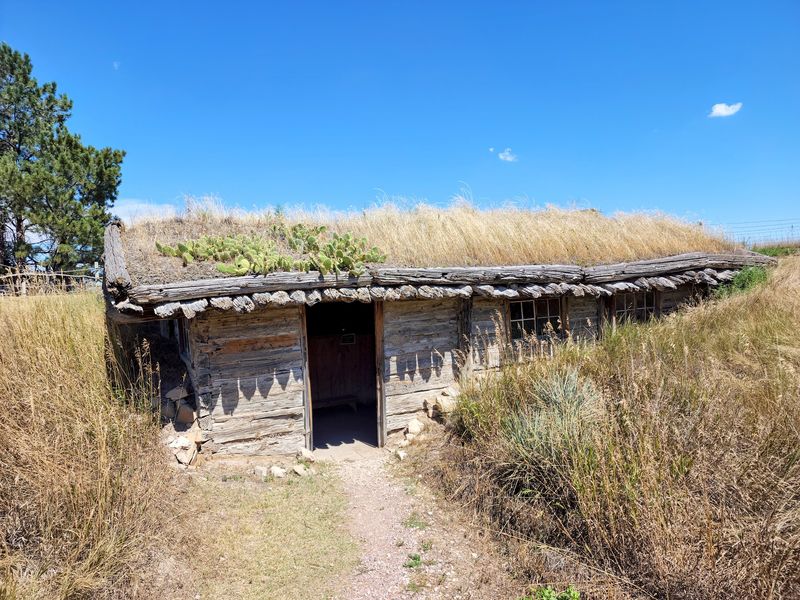
The hearthstones in this little log trading post were laid down in 1837, and you can still see them today. The building around them was rebuilt in 1956, right on the original foundation stones and postholes.
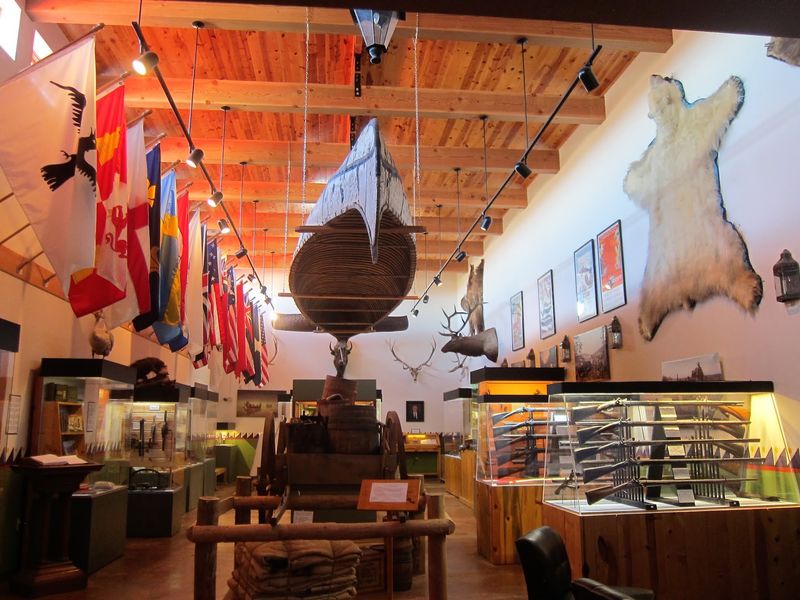
Next door sits a museum holding more than 6,000 original artifacts. One of them is a point blanket dated to 1775.
Others are guns linked to Kit Carson and Tecumseh.
I like how this corner of northwest Nebraska skips the replicas and shows the real thing. I believe that makes every case feel a little more personal.
Old beads, kettles, and knives suddenly look like someone’s everyday tools.
There’s even a garden growing corn, squash, and beans from very old Plains seed stock. So how did one quiet stretch of highway end up holding all of it?
A Frontier Store Standing Right Where It Started
Few museums can point at the ground and say the story happened right here. The Museum of the Fur Trade can do exactly that.
It sits on the archaeological site of the Bordeaux Trading Post in northwest Nebraska. James Bordeaux set up that post in the fall of 1837 for the American Fur Company.
The museum itself opened in 1955, long after the last fur bale left. The trading post was rebuilt the very next year, in 1956.
Builders didn’t guess at the layout. They placed the reconstruction on the original foundation stones and postholes from the 1800s.
That detail matters more than it first sounds. You aren’t viewing a movie set dropped onto a random lawn.
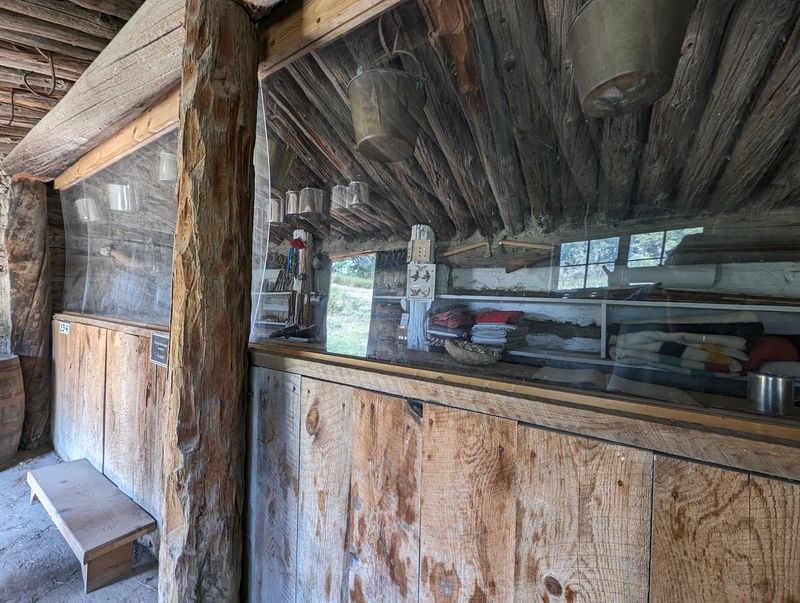
The reconstructed post now serves as a frontier store environment on the museum grounds. Shelves and trade goods help show how business once worked out here.
The rebuilt post also earned a place on the National Register of Historic Places. That’s quite a resume for a modest log building.
Pair it with the galleries indoors, and you get the full story in one stop. Outside, the place where it happened.
Inside, the objects that made it happen.
Stones From 1837 You Can Still Stand Beside
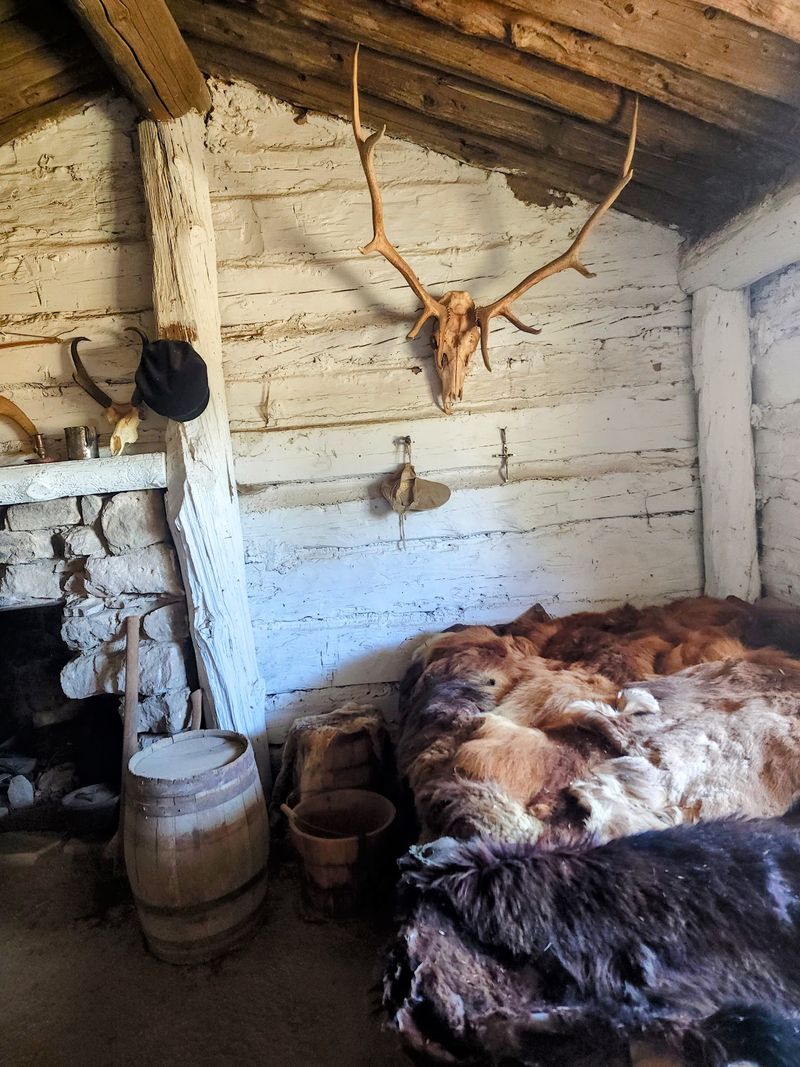
Here’s a fun challenge for anyone who loves old things. Find a building in Nebraska with a fireplace hearth laid down in 1837.
The Bordeaux Trading Post makes that search pretty short. Its original hearthstones from the fireplace remain part of the rebuilt structure.
The threshold stones date to 1837 too. Those are the stones that traders, trappers, and Native customers crossed on their way inside.
That’s well over 185 years of history sitting at floor level. No glass case, no velvet rope, just stone that stayed put.
The post kept operating for decades after its founding. It finally closed its doors in 1876.
Think about everything that changed across those years. Steamboats, wagon trails, and new settlements reshaped the region while this spot kept trading.
For history fans, that’s the kind of detail that gives you goosebumps. For kids, it’s simply cool to stand where people stood long ago.
I can’t imagine a better way to make the past feel real. Books describe the fur trade, but stones like these prove it happened right on this ridge.
Six Thousand Originals And Not A Single Copy
Plenty of museums mix real pieces with replicas. This one takes a stricter approach.
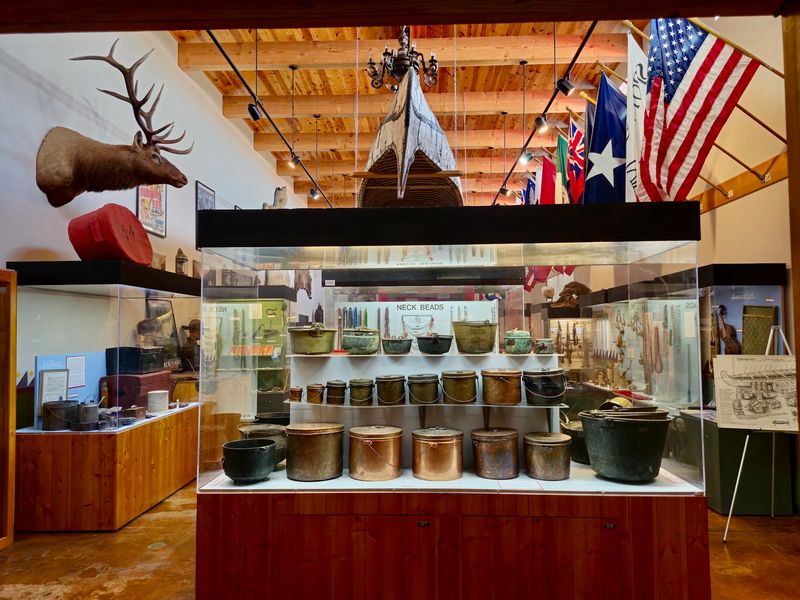
The Museum of the Fur Trade holds more than 6,000 authentic artifacts. Every item on display is an original from its era.
The collection covers roughly five hundred years of North American history. It stretches well beyond the plains, too.
Exhibits reach from early Indigenous trade networks through colonial times. Stories travel from Florida trading routes to Alaska and the Hudson’s Bay Company.
The everyday items might surprise you most. Textiles, costumes, beads, paints, kettles, knives, and silver all show up in the displays.
Each object hints at a real exchange between real people. A brass kettle or a strand of beads suddenly carries a lot of weight.
The galleries are labeled clearly, which helps the stories land. Younger readers can follow along without getting lost in jargon.
Budget real time for this part of your visit. Two hours can slip by quickly, and the collection rewards slow browsing far more than a quick lap.
A Blanket Older Than The Constitution
Quick history question. What’s older, the U.S.
Constitution or a certain wool blanket in Chadron?
The blanket wins. The museum displays the oldest known point blanket, dating back to 1775.
Point blankets were major trade goods during the fur era. Their small woven lines, called points, helped mark the blanket’s size.
Seeing one this old is rare. Wool doesn’t usually survive centuries of use, travel, and weather.
That blanket isn’t the only headliner, either. The collection also includes firearms that belonged to Kit Carson and Tecumseh.
Those names show up in textbooks across the country. Here, their stories connect to actual objects you can stand in front of.
The museum also keeps crop seeds obtained from American Indians more than 125 years ago. That’s a different kind of treasure, alive in a way most artifacts aren’t.
Put it together, and the place feels like a national-level collection. It just happens to sit along a Nebraska highway instead of a big city boulevard.
Good luck walking past that blanket without stopping. It’s a lot of history woven into one piece of wool.
The World’s Biggest Lineup Of Northwest Guns
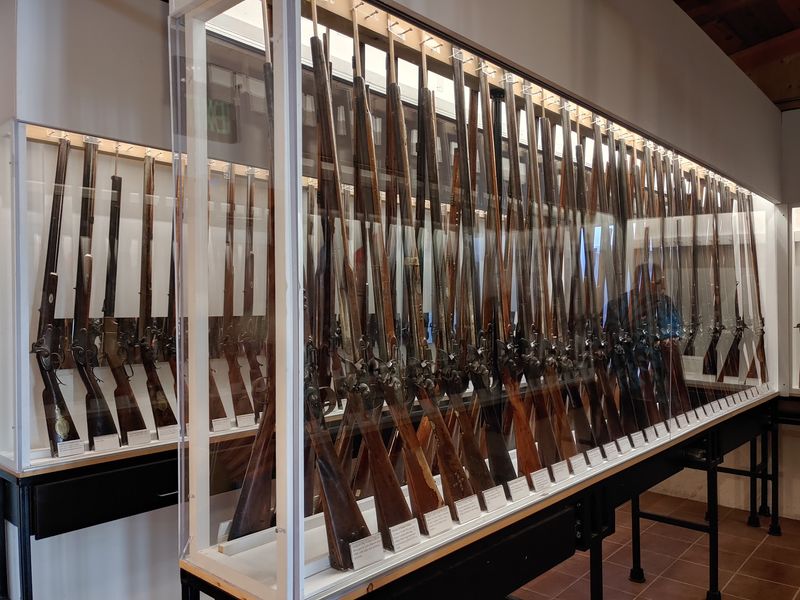
Gun collectors, take note. The largest and most complete collection of Northwest guns in the world is in western Nebraska.
Northwest guns were made for the Indian trade between 1670 and 1900. They were light, dependable flintlocks built for life on the move.
Over those centuries, these guns traveled huge distances. They changed hands across forests, rivers, and prairies all over the continent.
The museum’s lineup lets you trace that long history piece by piece. Small changes in design reveal different makers and different eras.
You don’t need to be a hunter to enjoy this section. The craftsmanship alone holds attention, from carved stocks to metal fittings.
The broader firearm collection goes far beyond Northwest guns too. Period pieces fill case after case throughout the galleries.
It’s easily one of the most talked-about parts of the museum. Folks who grew up around firearms in Nebraska may recognize familiar shapes from family stories.
Give yourself a few extra minutes here. Rushing through centuries of trade guns would be like skimming the best chapter of a good book.
Corn, Squash, And Beans With Deep Roots
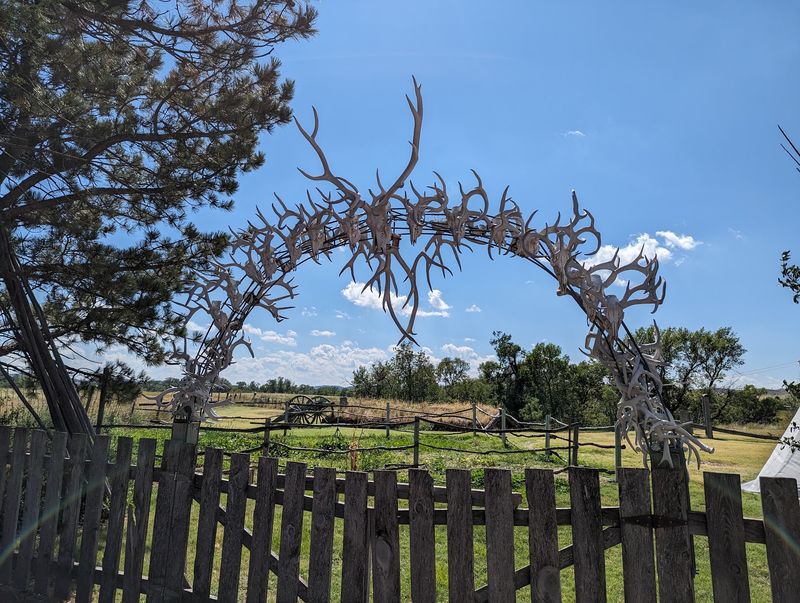
Out behind the galleries, history keeps growing every summer. The museum tends an Indian Heirloom Garden on the grounds.
The garden features corn, squash, and beans used by Northern Plains Indians. Those three crops fed communities across the region for generations.
The seed stock is the real story here. It was originally obtained more than 125 years ago and has been kept going since.
So the plants aren’t modern lookalikes. They’re living links to farming traditions that predate the trading post next door.
Some heritage seeds have been sold in the museum store, including Assiniboin flint corn. Seed availability can change, so it’s smart to ask on your visit.
Gardeners will find this part especially fun. Picture growing a little Plains history in your own backyard patch.
The outdoor setting also gives everyone a break from glass cases. Kids can stretch their legs while grown-ups read the signs.
That changes the whole feel of the visit. You leave with a sense that the story of this place isn’t finished at all.
Movies, Audio, And Plenty Of Room To Wander
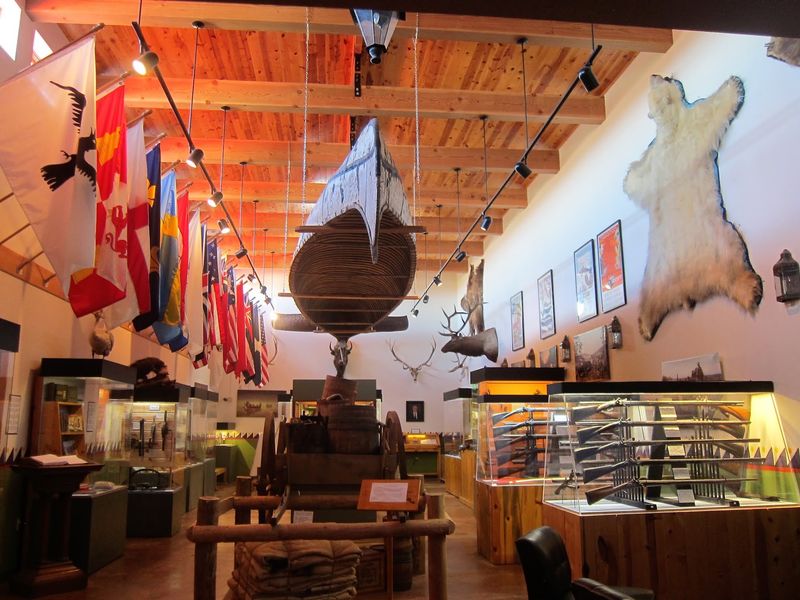
Not sure where to start? A short video presentation helps set the scene before you hit the galleries.
It introduces the sprawling history of the fur trade in plain terms. That context makes every case afterward easier to understand.
An audio tour is also available for deeper detail. You can move at your own pace and linger where something grabs you.
Photography is allowed, which is a nice bonus. History buffs can snap labels and details to study later at home.
The building itself stays comfortable inside, even on warm Pine Ridge days. Restrooms and parking on site make the stop easy for road trippers.
Families tend to find a good rhythm here. Kids can watch the presentation while parents read up on what comes next.
Don’t skip the outdoor area after the indoor exhibits. The rebuilt post and garden give the visit a satisfying second act.
Plan for a couple of hours at minimum. Rushing would mean missing the small objects that make this museum so rewarding.
Who Will Love This Stop Most
History lovers are the obvious fans. Still, this museum casts a wider net than you might expect.
Firearm enthusiasts get centuries of trade guns to study. Textile fans get blankets, beadwork, and clothing worth a slow look.
Gardeners have the heirloom crops outside. Families get an afternoon that mixes reading, watching, and walking around.
Retirees will appreciate a manageable size and clear labels. Nothing feels overwhelming, yet there’s always another case to explore.
Road trippers heading to the Black Hills make a great match too. It’s an easy break that turns a long drive into a memorable one.
Even folks who don’t call themselves history people may get pulled in. Many of these objects simply aren’t on view in bigger city museums.
The gift shop deserves a mention for shoppers. Books, jewelry, handmade pieces, and period-style items fill the shelves.
There’s also a used book corner supporting a good cause. Bring a little spending money, because leaving empty-handed takes real willpower.
Three Miles East Of Chadron On Highway 20
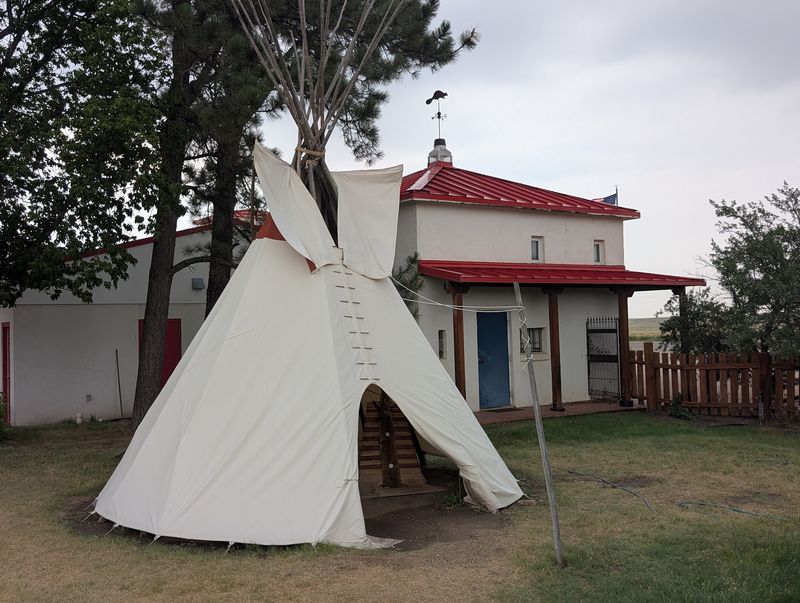
Finding the museum is refreshingly simple. Point the car toward the Pine Ridge region of northwest Nebraska.
The Museum of the Fur Trade sits at 6321 US-20, Chadron, NE 69337. That’s about three miles east of Chadron, right along the highway.
Plenty of semi drivers and travelers pass it every year. Pulling in is the smart move, since the payoff sits only steps from the lot.
The location also works nicely for bigger trips. It’s on a route toward Yellowstone and roughly 60 miles south of the Black Hills.
Make it part of a full Pine Ridge day if you can. Chadron State Park offers pine-covered hills close by.
The Mari Sandoz High Plains Heritage Center is another nearby stop. It focuses on the famous Nebraska author and the High Plains region.
Stack those together, and the day fills up fast. A museum, a park, and a heritage center make a solid local loop.
Out here, the drive itself is half the fun. Rolling ridges and open grassland set the mood before you even arrive.
Timing Your Trip Around The Seasons
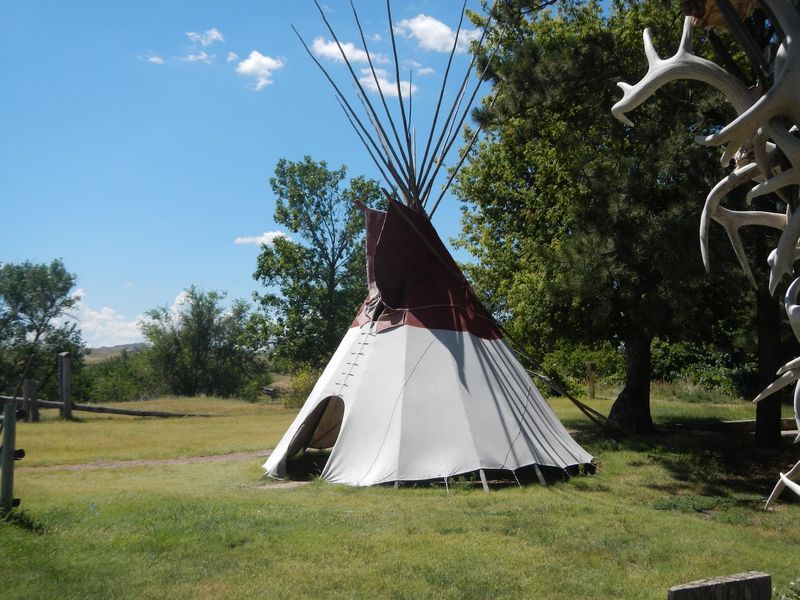
Summer and fall travelers have it easiest. The museum’s main season runs from May 1 through October 31.
During that stretch, it welcomes visitors daily. Morning starts and late-afternoon closings leave plenty of room for a relaxed visit.
Winter works a bit differently. From November 1 through April 30, visits are by appointment only, with weekends closed.
Hours can shift, so check ahead before heading out. A quick call saves disappointment after a long drive.
Admission has long been modest, which keeps this an affordable outing. AAA and military discounts have been offered as well.
Fall may be the sweet spot for a Pine Ridge trip. The weather often cools, and the surrounding hills make a lovely drive.
Summer brings the heirloom garden into full growth. That’s a good reason to aim for the warmer months if plants interest you.
Either way, arrive with time to spare. Squeezing this museum into a rushed half hour would shortchange both you and five centuries of history.
Small Details That Stick With You
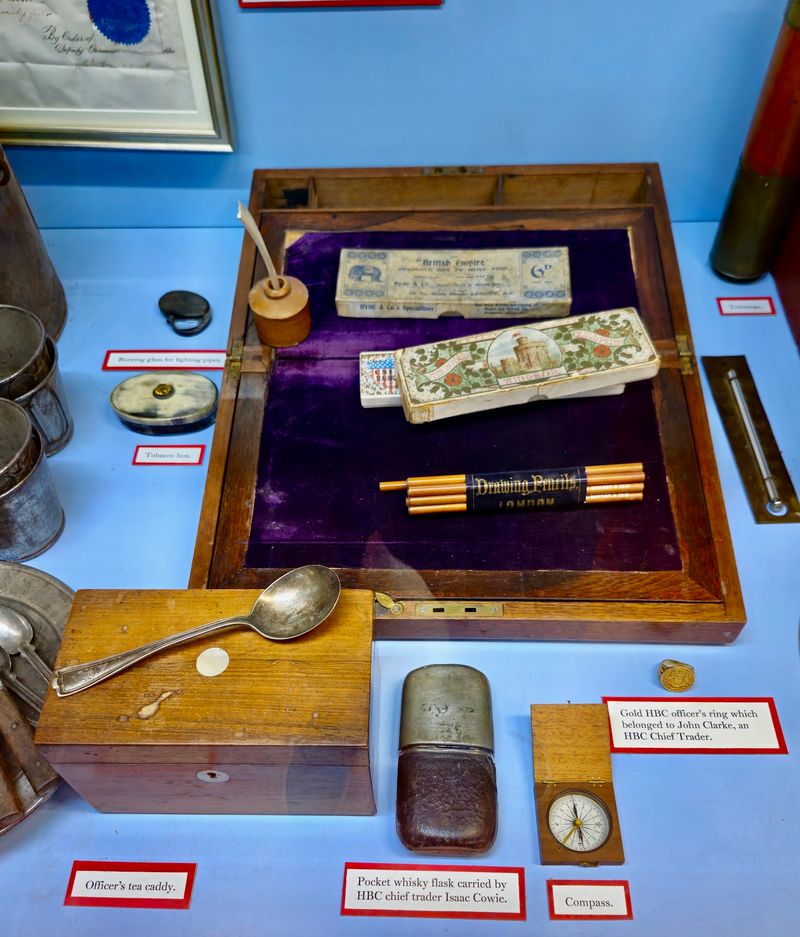
Big headliners grab attention first. Yet the smallest objects often leave the strongest impression.
Tiny glass trade beads once crossed oceans and continents. Here, they rest in cases beside paint containers and silver ornaments.
Knives and kettles show up in many forms too. Each one reflects what traders offered and what customers truly wanted.
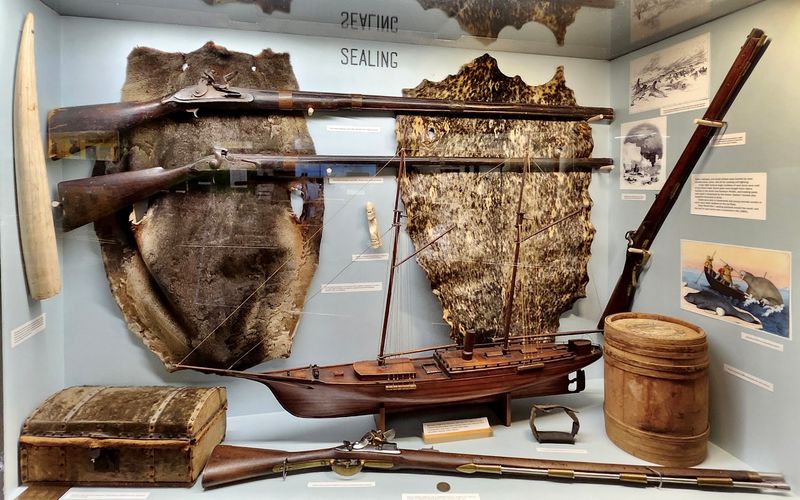
The museum also touches on lesser-known parts of the fur trade story. Exhibits reach from whaling to Hudson’s Bay Company history.
That wide scope surprises many first-timers. They come expecting a local exhibit and find a continent-sized story.
Native American clothing and beadwork bring the human side forward. These pieces show skill, style, and trade woven together.
Coins add another layer kids often enjoy spotting. Currency and barter sit side by side, showing how deals actually happened.
Take a moment with these quieter cases. They explain the fur trade better than any summary could, one carefully chosen object at a time.
Why The Detour Pays Off
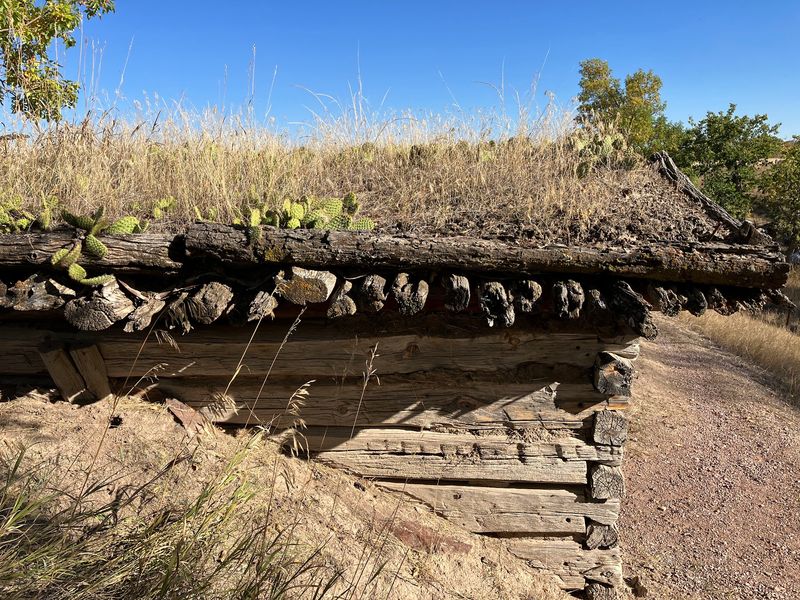
So, is the Museum of the Fur Trade worth pulling off Highway 20? I believe the answer is a happy yes.
Few places pair a world-class collection with original 1837 stones. Even fewer sit along a quiet Nebraska highway.
You get the world’s top Northwest gun collection and a 1775 point blanket. You also get a garden growing seeds kept for over a century.
Add a rebuilt trading post on its original footprint, and the visit feels complete. Indoors and outdoors tell one connected story.
It’s ideal for a summer road trip or a fall Pine Ridge drive. It also makes a great reason to finally stop at that place you’ve passed for years.
The modest admission keeps it friendly for families and retirees. The gift shop may test your budget more than the entry fee.
Leave room in your schedule, and bring curiosity along. The stones have waited since 1837, so they can handle a slow, thoughtful visit from you.