Viral Decor Trends Wisconsin Homeowners Quickly Regret
Wisconsin homeowners know a thing or two about making their spaces cozy and functional, especially when winter hits hard.
But sometimes, those trendy Pinterest boards and Instagram feeds lead us down paths we wish we could reverse.
From impractical design choices to styles that lose their charm faster than snow melts in March, certain decor trends have left many Badger State residents scratching their heads and reaching for their wallets to undo the damage.
All-White Living Rooms
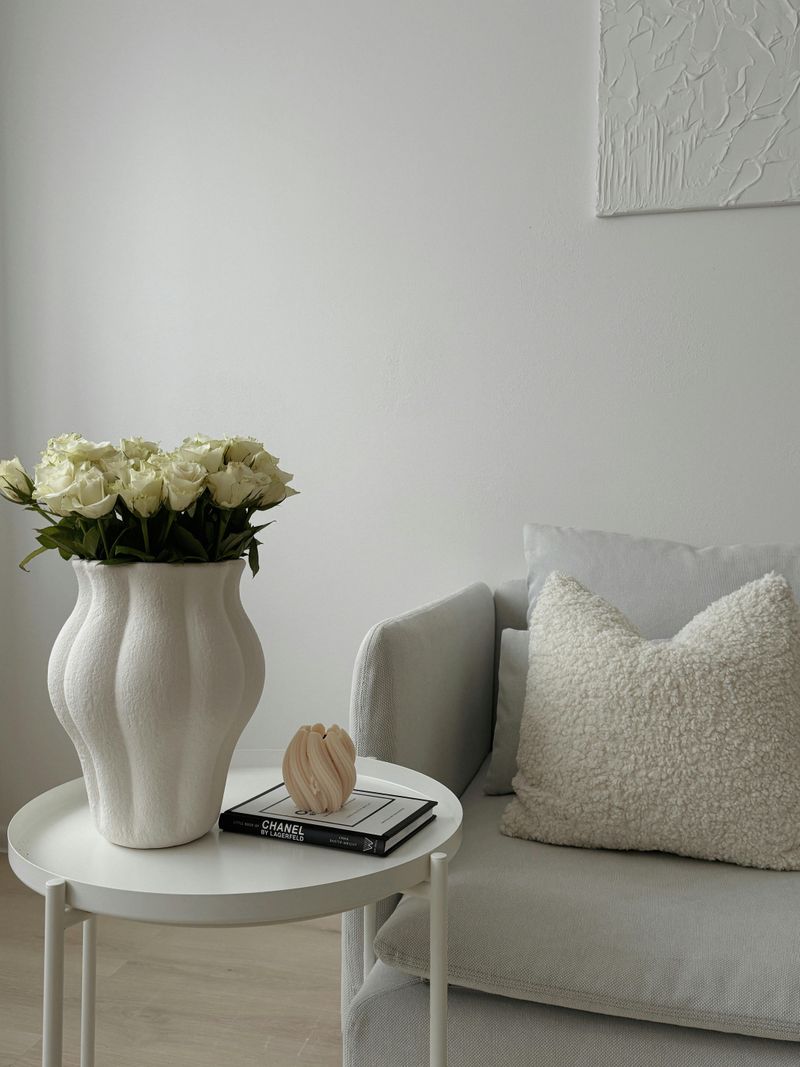
Picture a room so bright it could double as an operating theater.
That’s what happens when homeowners go overboard with the all-white trend.
Wisconsin winters are already gray and dreary enough without adding a colorless living space to the mix.
Families with kids quickly discover that white couches and cheese curds don’t mix well.
Every spill becomes a crisis, and every muddy footprint from March thaw turns into a cleaning emergency.
The space that once looked sophisticated on social media now feels cold and uninviting.
Maintenance becomes a full-time job rather than a weekend chore.
Interior designers near Madison often recommend adding warm wood tones and colorful accents instead.
A balanced palette creates warmth without the constant stress of keeping everything pristine.
Most homeowners end up adding color back within months.
Open Shelving Kitchens
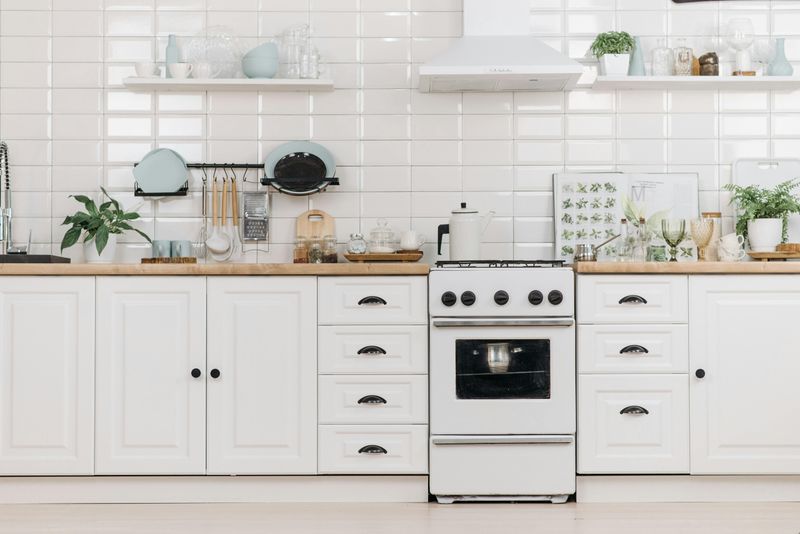
Removing upper cabinets seemed like a brilliant idea until reality set in.
Homeowners across Green Bay discovered that open shelves collect dust faster than Lake Michigan collects sailboats in summer.
Every plate, mug, and bowl becomes a decorative element that needs constant styling.
Cooking anything remotely greasy means wiping down exposed dishes afterward.
The trend promised an airy, European vibe but delivered stress and extra cleaning.
Storage space disappears overnight, forcing awkward pantry reorganization.
Those Instagram-perfect displays require daily maintenance to avoid looking messy.
Professional organizers recommend closed cabinets for everyday items and open shelves only for true display pieces.
Most people reinstall upper cabinets within two years.
Functionality beats aesthetics when you’re actually living in the space daily.
White Bouclé Furniture
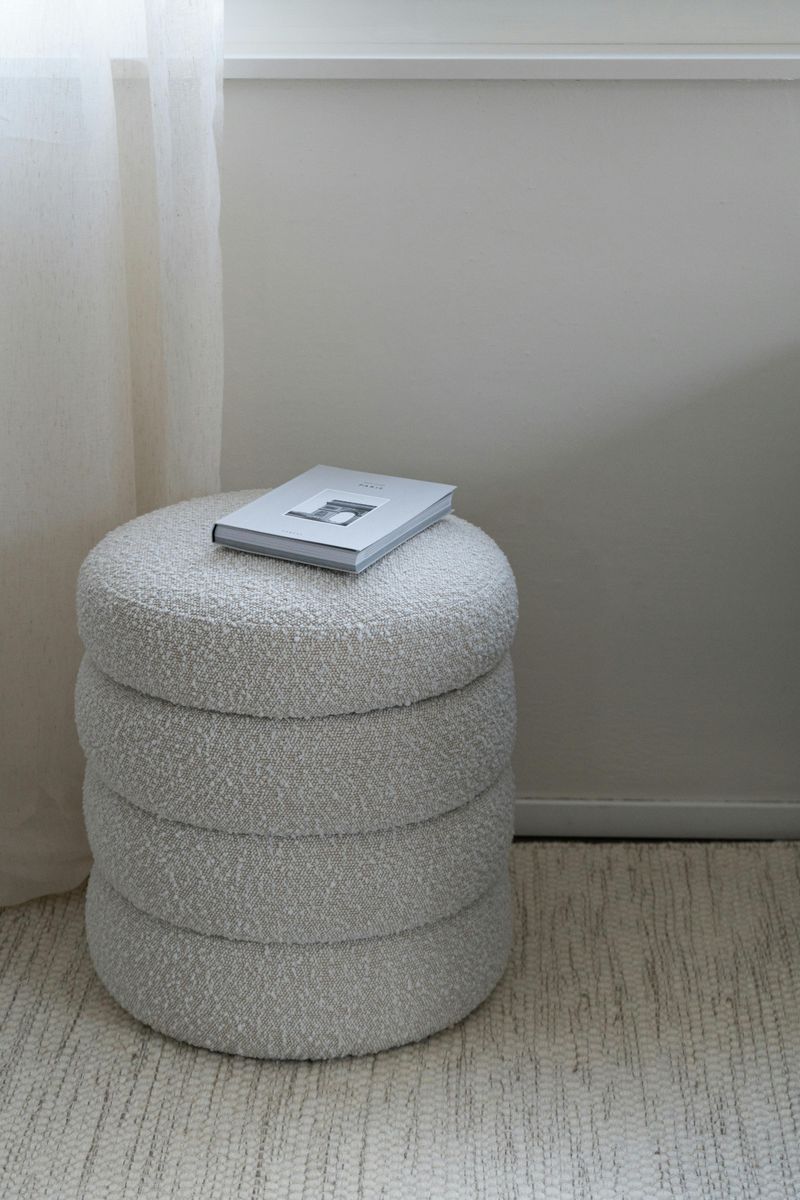
Soft, textured, and impossibly trendy, bouclé seemed perfect until the first spill.
Families in Milwaukee learned quickly that white fabric and Wisconsin living don’t harmonize.
The nubby texture that looks so luxurious also traps dirt like a magnet.
Pet hair weaves itself into the loops, creating a permanent fuzzy layer.
Coffee spills become archaeological digs as you try extracting liquid from deep within the fabric.
Cleaning requires professional help more often than anyone budgeted for initially.
The cozy texture that attracted buyers becomes their biggest maintenance headache.
Darker colors or performance fabrics make far more practical choices for active households.
Design experts suggest testing fabric durability before committing to statement pieces.
Many homeowners replace their bouclé within eighteen months of purchase.
Barn Doors On Bathrooms
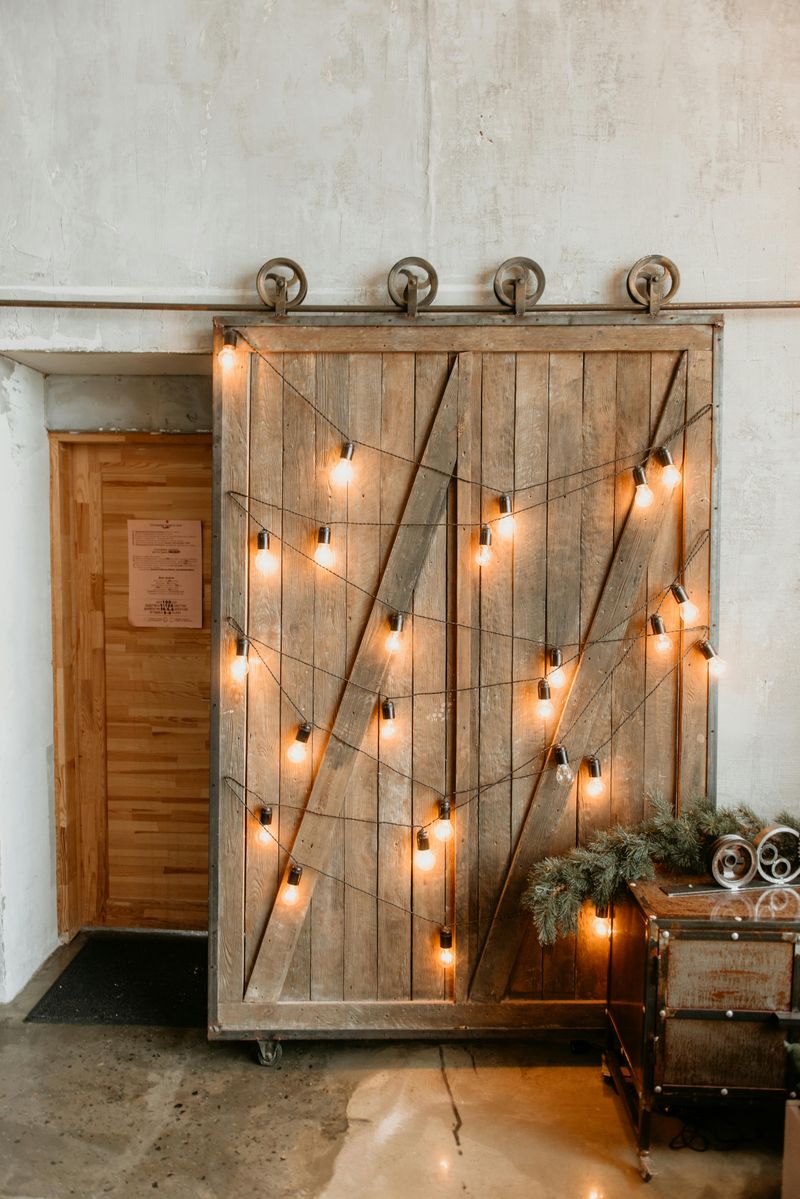
Farmhouse chic looked charming until someone needed actual privacy.
Homeowners near Eau Claire realized barn doors leave gaps that broadcast every bathroom sound.
The sliding mechanism seemed clever but offered zero sound insulation compared to traditional doors.
Guests feel uncomfortable, and family members schedule bathroom visits like airport departures.
Installation often damages walls when homeowners eventually switch back to regular doors.
The hardware collects dust and requires adjustment as the door settles.
What worked beautifully for closets fails miserably for bathrooms needing privacy.
Contractors recommend pocket doors or solid doors for spaces requiring discretion.
The rustic aesthetic doesn’t compensate for awkward conversations about bathroom acoustics.
Most people reinstall traditional doors after hosting their first dinner party.
Concrete Floors Throughout
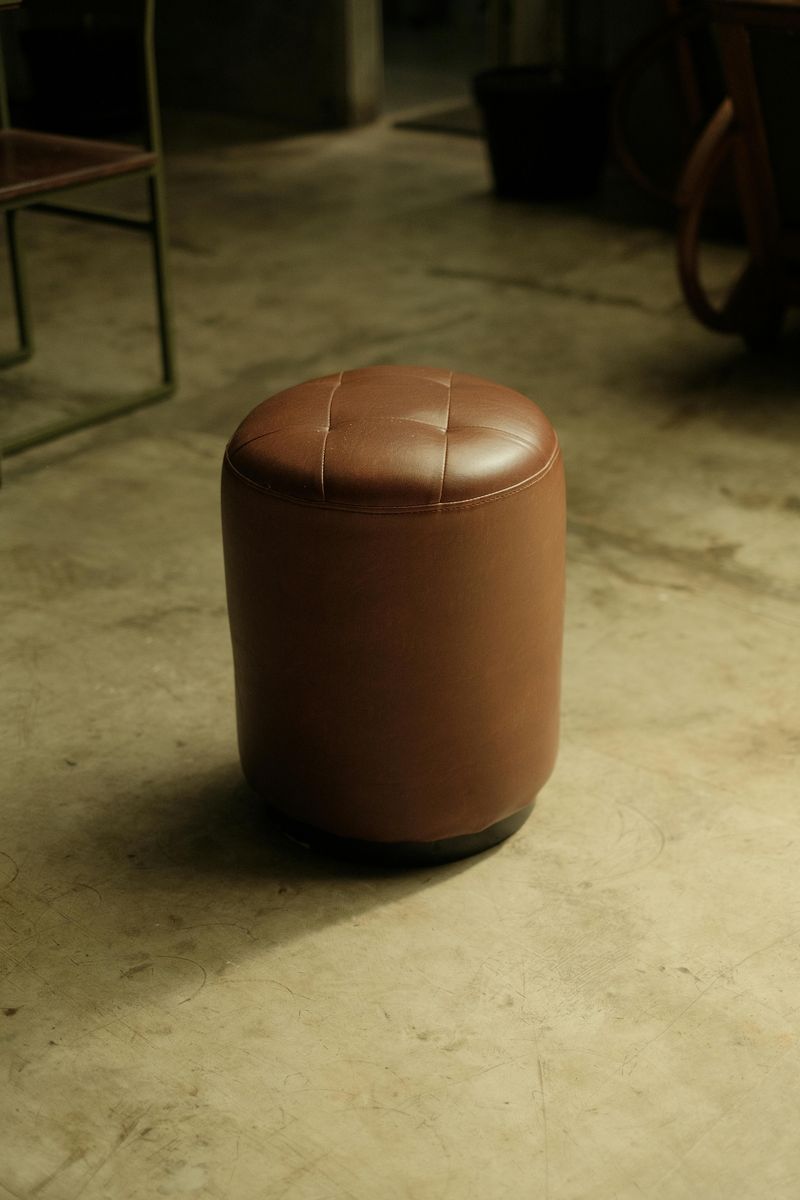
Industrial vibes seemed edgy until the first Wisconsin winter arrived.
Homeowners in Kenosha discovered concrete floors turn into ice rinks without radiant heating.
Standing while cooking dinner becomes painful as the hard surface strains knees and backs.
Dropped dishes shatter spectacularly, creating dangerous cleanup situations.
The cold radiates upward, making heating bills skyrocket despite insulation efforts.
Sound echoes endlessly, turning normal conversations into shouting matches.
Area rugs help slightly but slip around on the smooth surface.
Installing proper flooring over concrete costs more than choosing better materials initially.
Builders recommend concrete only for basements or spaces with dedicated heating systems.
Comfort matters more than aesthetics when you’re living somewhere year-round.
Minimalist Kitchens With No Upper Cabinets
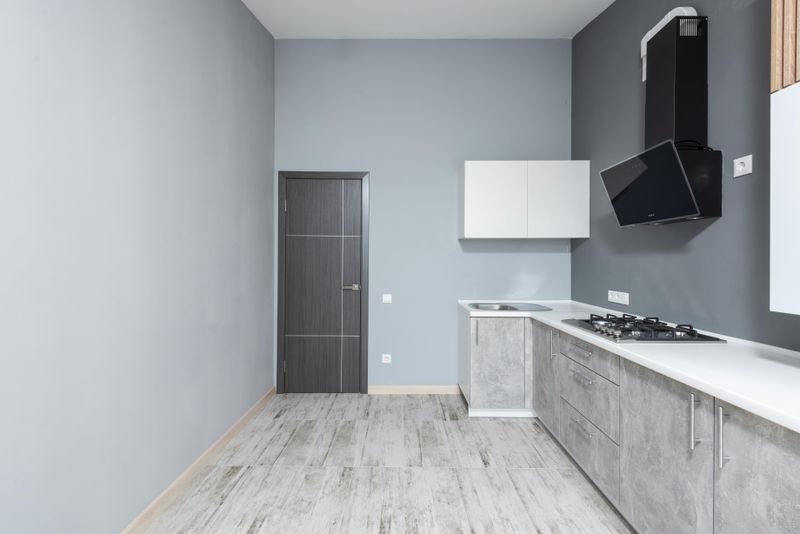
Clean lines looked stunning in magazine spreads but failed in real life.
Families around Appleton quickly ran out of places to store everyday essentials.
Cereal boxes, spice jars, and mixing bowls suddenly had nowhere to hide.
The minimalist aesthetic required owning almost nothing, which doesn’t work for actual cooking.
Lower cabinets filled instantly, forcing awkward pantry additions or garage storage.
Meal prep became frustrating as tools lived too far from their workstations.
The open, airy feeling came at the cost of functionality and convenience.
Kitchen designers emphasize storage needs before aesthetic preferences during planning.
Most homeowners add cabinets back or install creative shelving solutions eventually.
Practicality wins when you’re cooking three meals daily for a family.
Black Matte Fixtures Everywhere
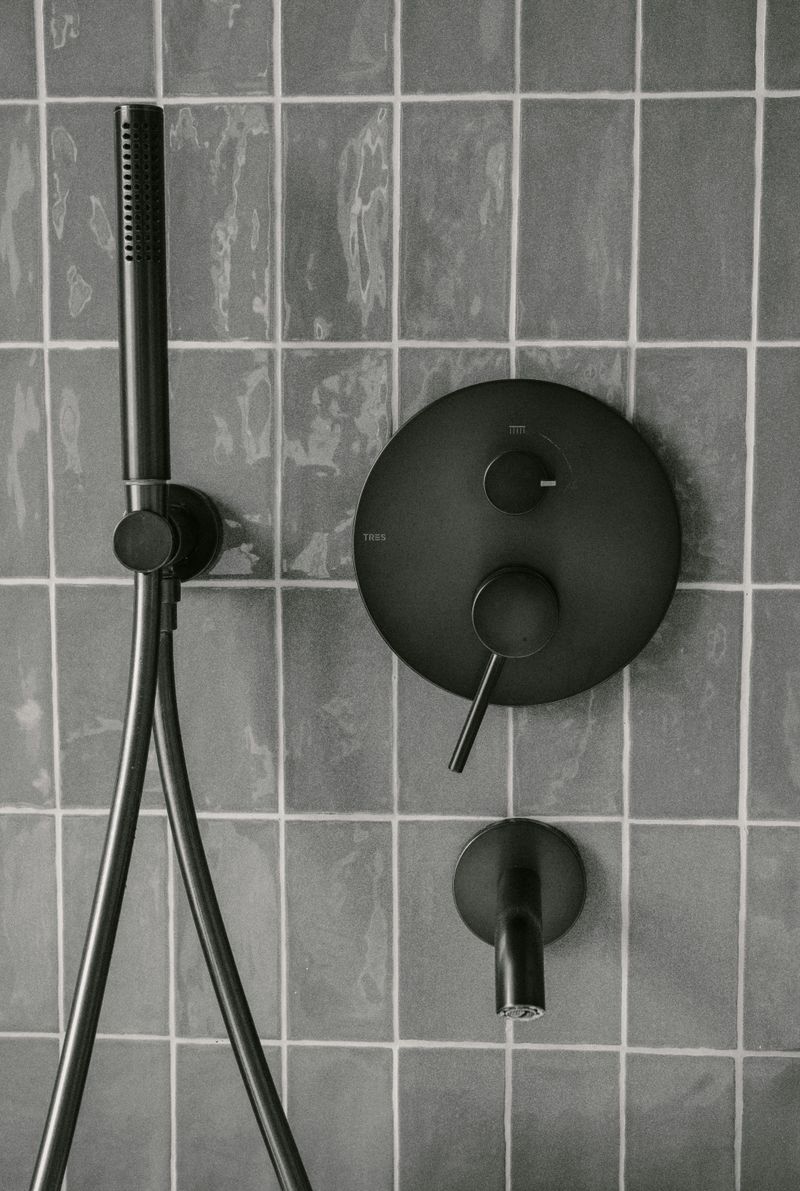
Moody and modern, black fixtures promised sophistication.
Homeowners in Racine learned that matte black shows every water spot and fingerprint imaginable.
Hard water common throughout Wisconsin leaves white mineral deposits that stand out dramatically.
Cleaning becomes a daily ritual rather than a weekly task.
The finish scratches more easily than traditional chrome or brushed nickel.
Bathrooms and kitchens start looking dingy despite constant maintenance efforts.
Special cleaners become necessary, adding expense to the initial investment.
Designers suggest using black fixtures sparingly as accent pieces instead of everywhere.
Chrome and brushed finishes hide imperfections far better for busy households.
Most people replace fixtures or deeply regret their choice within two years.
Low-Pile Or Flat-Weave Rugs
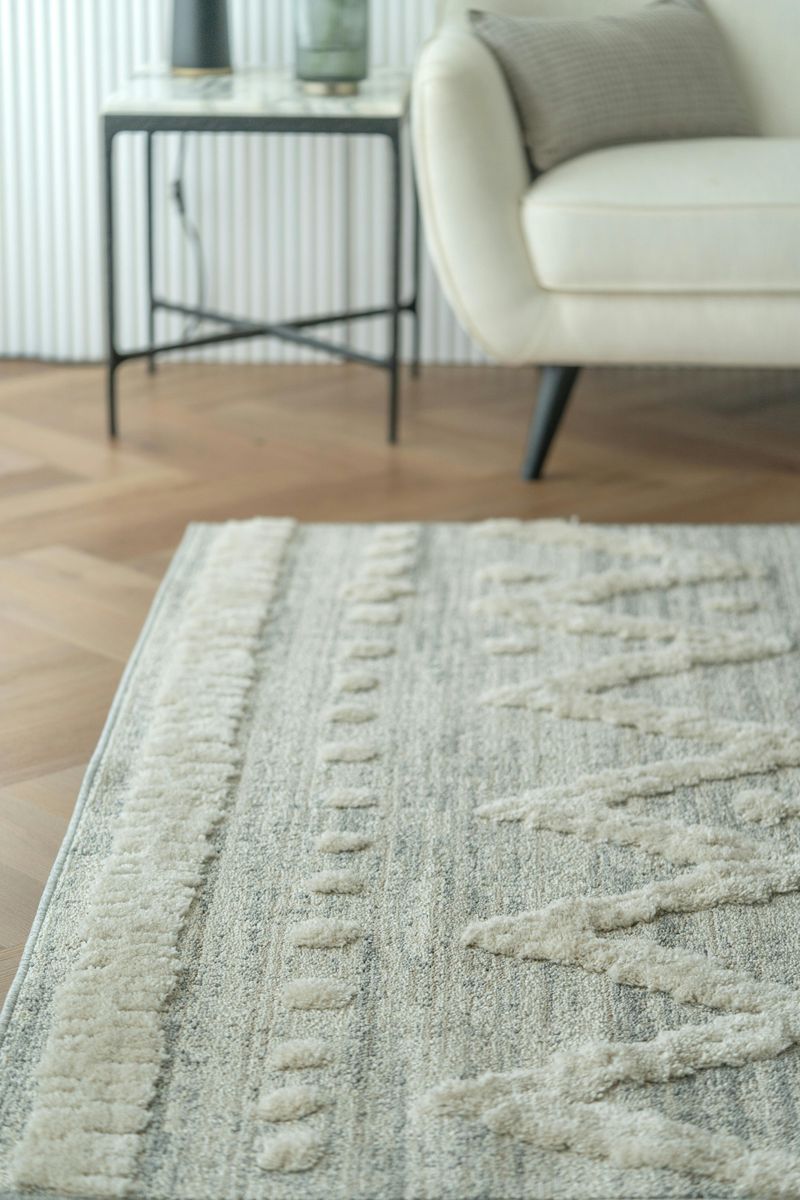
Trendy patterns caught eyes, but thin rugs offered zero comfort.
Families near La Crosse discovered these rugs provide no cushioning for kids playing on floors.
Cold air seeps through the thin weave during Wisconsin’s brutal winters.
The lack of padding makes sitting on the floor uncomfortable and uninviting.
Furniture legs create permanent indentations that never bounce back.
Sound absorption disappears, making rooms echo like empty gymnasiums.
These rugs work better as layering pieces than standalone floor coverage.
Interior designers recommend thicker pile rugs for main living areas needing warmth.
Comfort matters significantly when creating spaces where families actually gather.
Most homeowners add plush rugs or replace flat-weaves within one winter season.
Oversized Sectionals In Small Rooms
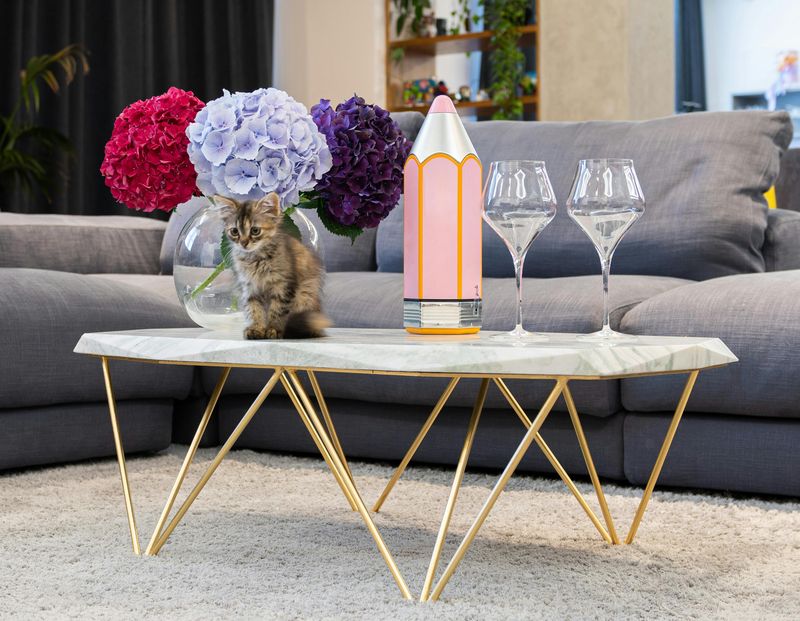
Bigger seemed better until the delivery truck arrived.
Homeowners in Oshkosh watched movers struggle to fit massive sectionals through doorways.
Once inside, the furniture swallowed entire rooms, leaving no circulation space.
Walking paths disappeared, creating obstacle courses around coffee tables.
The cozy gathering spot became claustrophobic and awkward for entertaining.
Rearranging furniture became impossible without professional moving help.
Rooms felt smaller and more cramped despite intentions to maximize seating.
Design professionals emphasize measuring rooms carefully and leaving breathing space.
Appropriate scale creates better flow than cramming maximum seating into tight spaces.
Many people sell oversized pieces at losses and buy properly proportioned furniture.
Trendy Pendant Lights With Exposed Bulbs

Edison bulbs dangling everywhere seemed charmingly vintage initially.
Families around Sheboygan realized exposed bulbs create harsh glare without proper shades.
Dining rooms became interrogation spaces rather than cozy gathering spots.
The bulbs themselves became focal points, often clashing with actual decor.
Dust collects on visible bulbs and cords, requiring constant cleaning.
Replacement bulbs cost significantly more than standard lighting options.
The industrial look felt cold and unfinished rather than intentionally stylish.
Lighting designers recommend shaded fixtures that diffuse light for comfortable ambiance.
Proper illumination shouldn’t hurt eyes or create unflattering shadows on faces.
Most homeowners switch to softer lighting solutions within months of installation.
Floating Shelves Over Stoves
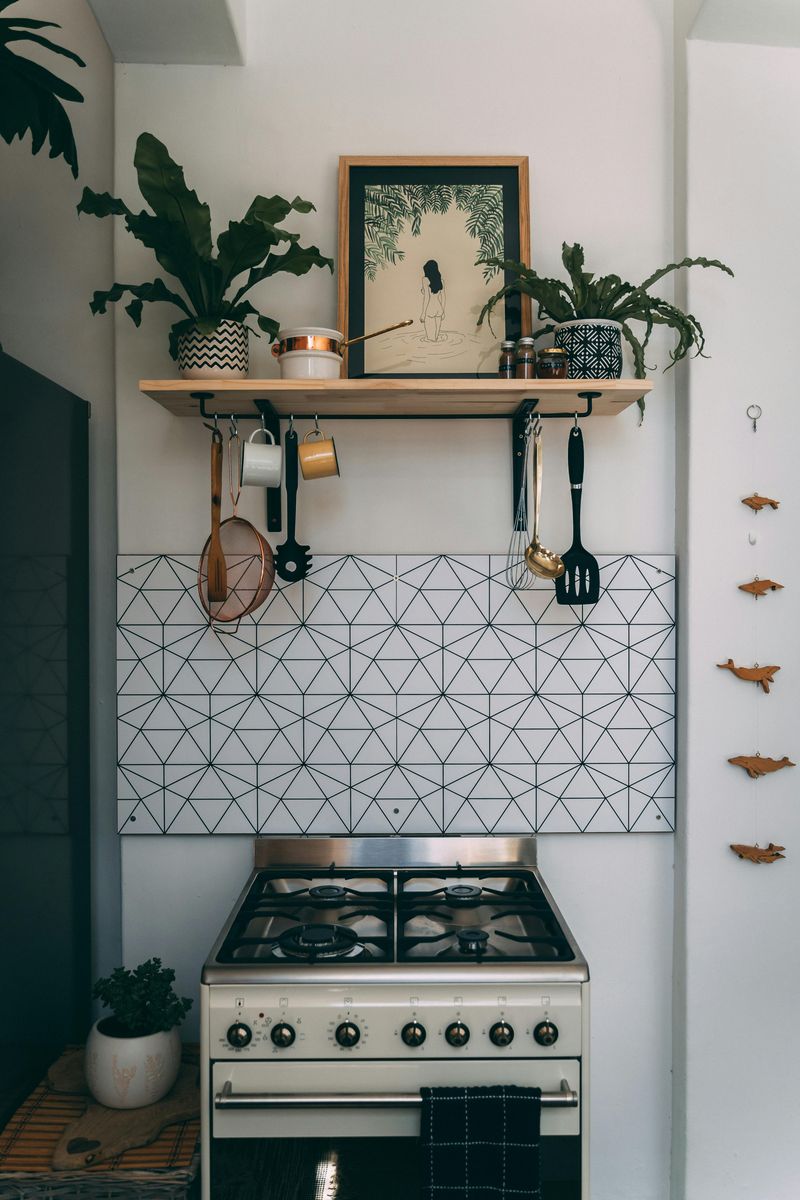
Displaying spices and oils near the stove seemed convenient.
Cooks in Janesville discovered grease coats everything within splatter range incredibly quickly.
Heat damages items stored too close to burners, warping containers and fading labels.
Cleaning becomes nearly impossible as grease bakes onto shelf undersides.
Fire hazards increase when flammable items sit near open flames or heating elements.
The aesthetic appeal disappears under layers of cooking residue within weeks.
Professional organizers suggest closed cabinets or shelving farther from heat sources.
Safety and cleanliness should outweigh convenience when planning kitchen storage.
Most people remove these shelves after their first major cleaning attempt fails.
Practical placement beats trendy positioning every single time in working kitchens.
Statement Wallpaper On Every Wall
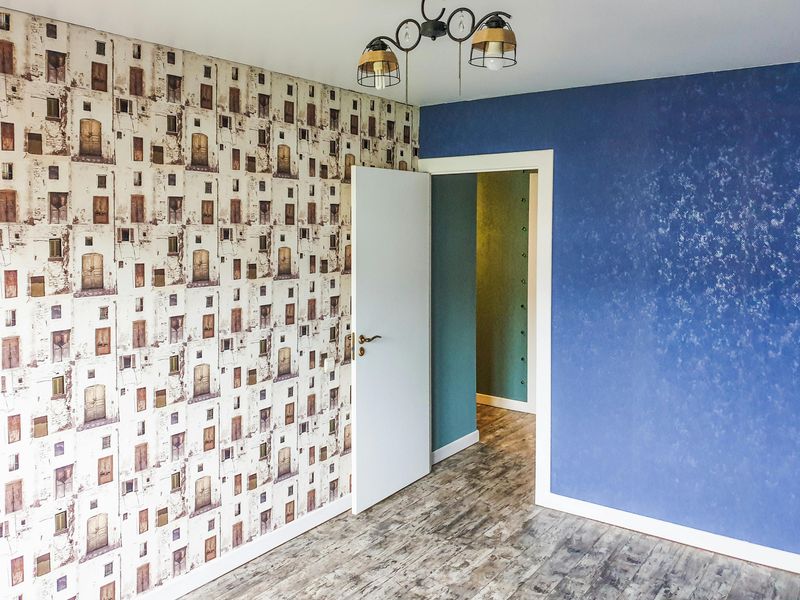
Bold patterns promised personality but delivered overwhelming chaos.
Homeowners near Wausau found that busy wallpaper on all walls creates visual exhaustion.
Rooms feel smaller and more cluttered despite minimal furniture.
The pattern that seemed perfect in samples becomes suffocating in full room application.
Decorating around strong patterns limits furniture and artwork choices severely.
Guests comment on the walls constantly, not always positively.
Removal proves expensive and time-consuming when tastes inevitably change.
Interior designers recommend accent walls rather than full-room coverage for bold patterns.
Balance creates interest without overwhelming the senses or limiting design flexibility.
Most people paint over or remove excessive wallpaper within two years.
Glass Coffee Tables
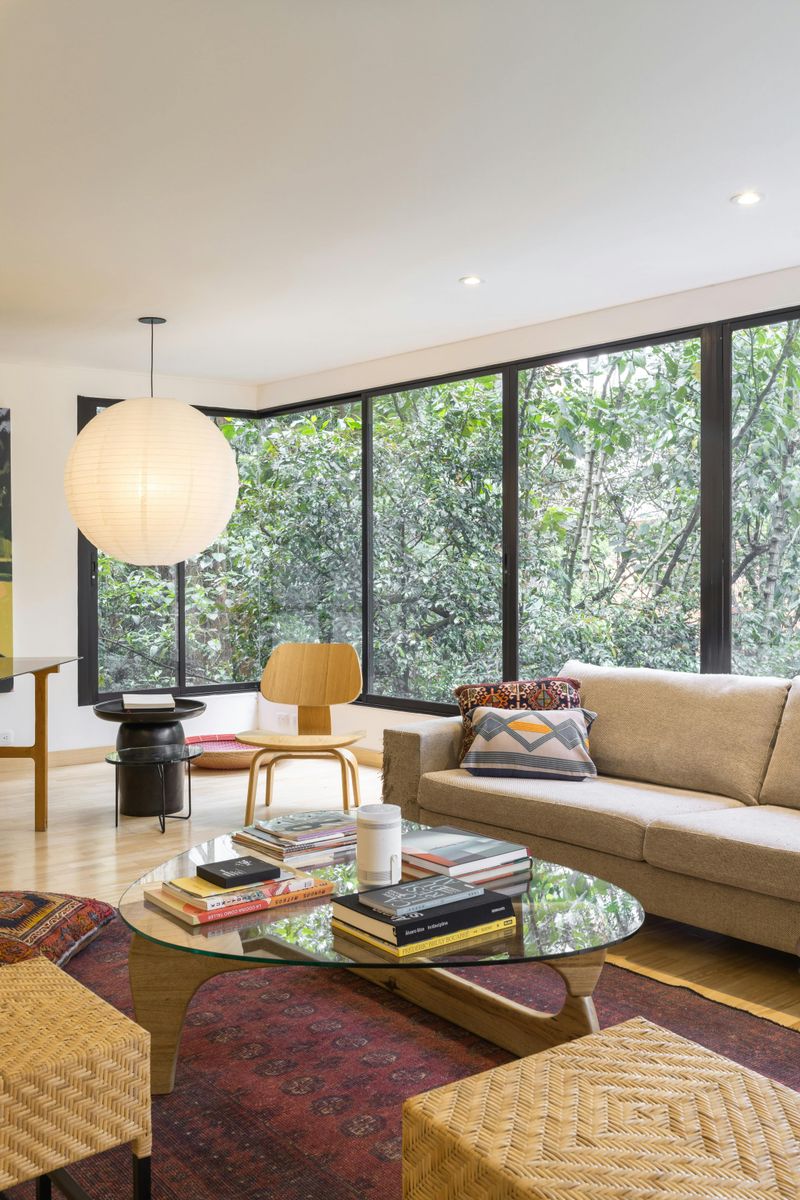
Sleek and modern, glass tables seemed like sophisticated choices.
Families in Stevens Point learned glass shows every fingerprint, smudge, and dust particle.
Cleaning becomes a never-ending battle, especially with children or pets around.
The tables feel fragile and create constant anxiety about breakage.
Sharp corners pose safety hazards, particularly for toddlers learning to walk.
Items placed on top appear to float awkwardly, creating visual confusion.
Wood or stone tables hide imperfections and feel more substantial and permanent.
Furniture experts suggest solid materials for high-traffic family living spaces.
Durability and practicality matter more than achieving a specific aesthetic look.
Many homeowners replace glass tables after one too many cleaning sessions.
Ultra-Light Wood Floors
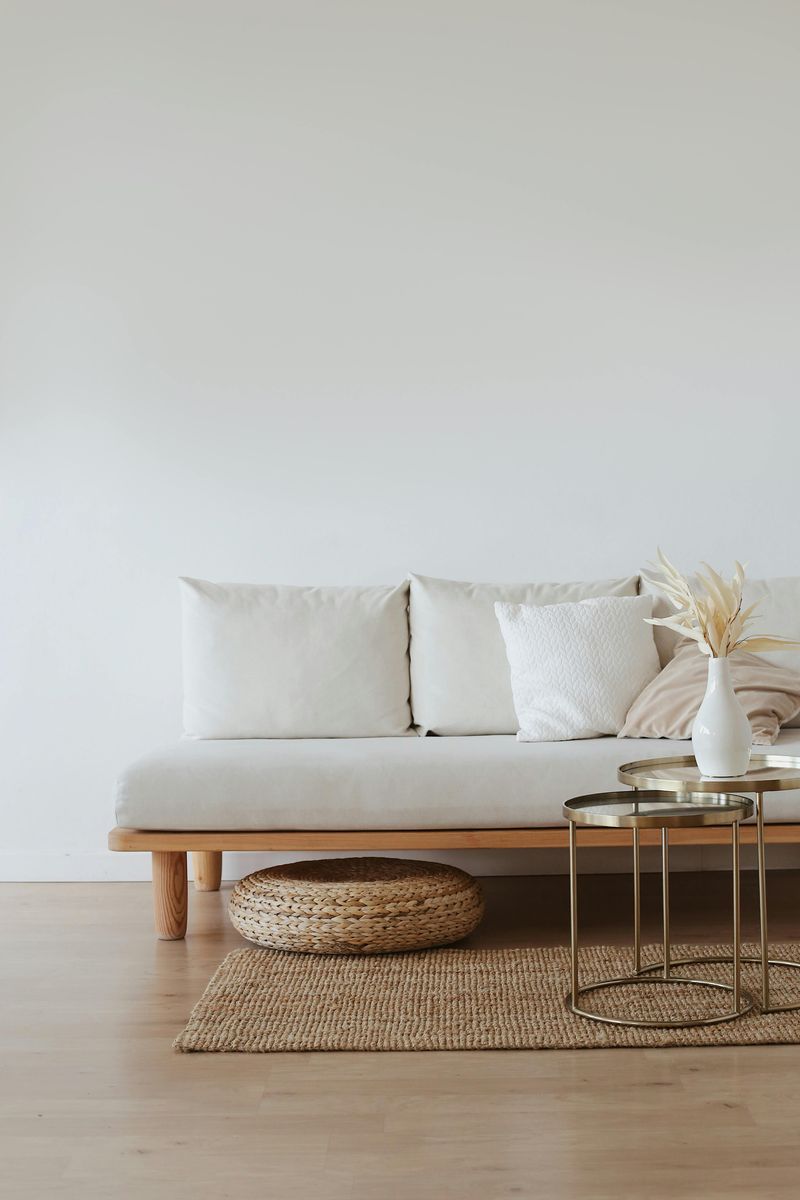
Scandinavian-inspired pale floors looked fresh and bright in photos.
Homeowners around Fond du Lac discovered light floors show every speck of dirt imaginable.
Pet hair stands out dramatically against blonde wood, requiring constant sweeping.
Scratches and wear patterns appear almost immediately with normal traffic.
The floors look perpetually dirty despite frequent cleaning efforts.
Wisconsin’s muddy spring seasons create impossible maintenance situations.
Medium to darker wood tones hide imperfections far better for active households.
Flooring specialists recommend considering lifestyle before choosing floor colors.
Beautiful materials should also be practical for everyday living situations.
Most people wish they’d chosen more forgiving flooring options from the start.
Armless Dining Chairs

Minimalist seating looked streamlined but felt uncomfortable.
Families near Beloit realized armless chairs offer no support for long meals.
Guests shift awkwardly, unable to relax during dinner conversations.
The sleek profile that saves space sacrifices comfort entirely.
Elderly family members struggle sitting and standing without armrests for leverage.
Holiday dinners become endurance tests rather than enjoyable gatherings.
Chairs with arms provide necessary support for comfortable extended seating.
Furniture designers emphasize ergonomics alongside aesthetics when selecting dining seating.
Comfort directly impacts how long people want to linger at tables.
Many homeowners replace armless chairs after hosting their first Thanksgiving dinner.
Open-Concept Everything
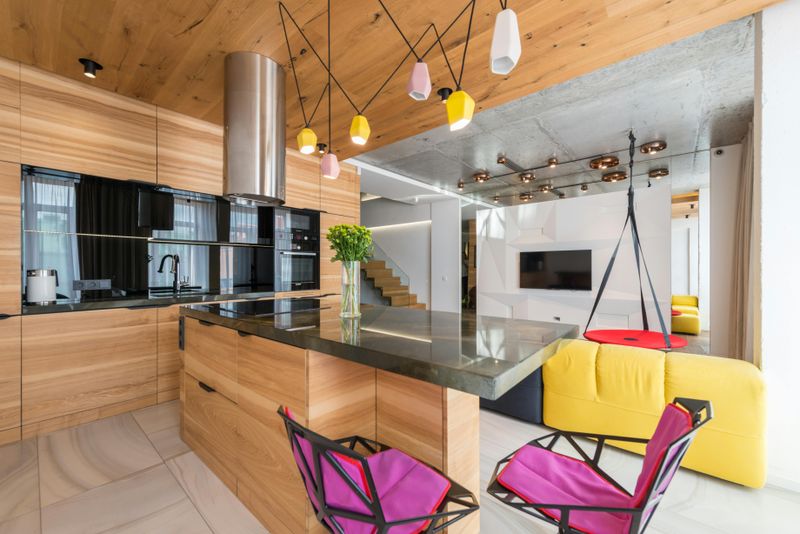
Knocking down walls created flow but eliminated necessary boundaries.
Homeowners across Superior discovered open layouts mean zero privacy or noise control.
Television sounds compete with kitchen cleanup and homework conversations simultaneously.
Cooking smells permeate every corner, from bedrooms to living areas.
Temperature control becomes challenging as heat and cooling spread unevenly.
Kids doing homework can’t concentrate with kitchen activity happening nearby.
The spacious feeling comes at the cost of functional, dedicated spaces.
Architects recommend strategic partial walls or room dividers for better zoning.
Some separation enhances livability far more than completely open floor plans.
Many families add walls back or create divisions after living open-concept.