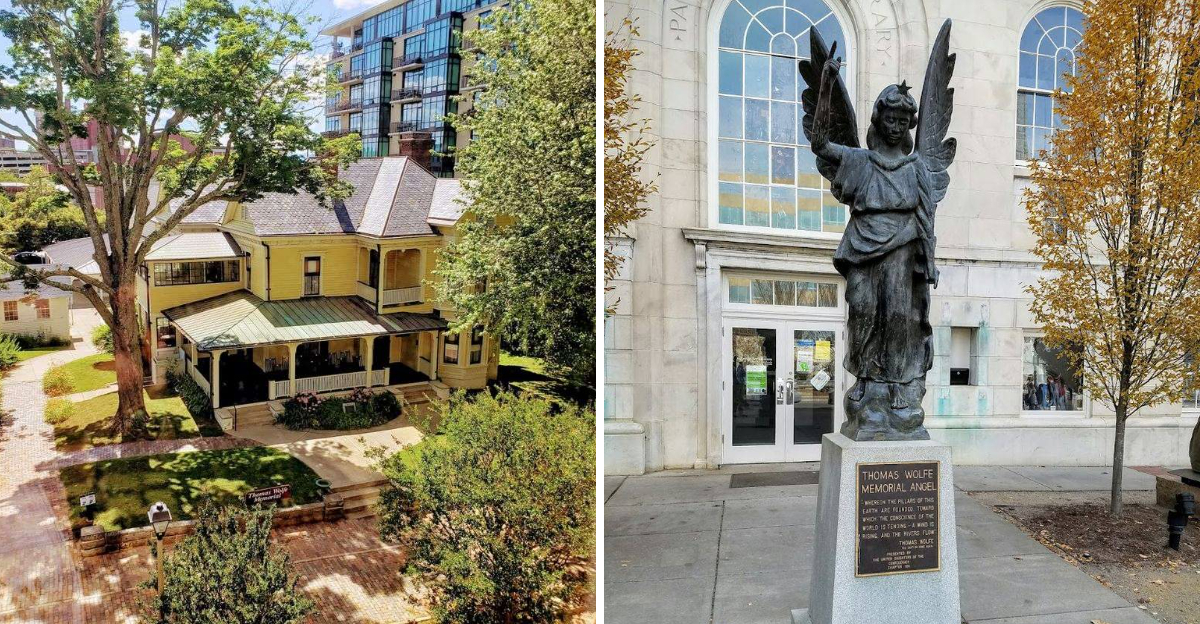
Visit This North Carolina Historic Site Where A Famous Writer’s Asheville Story Comes To Life
Nobody expects an old house to be the stop that steals the afternoon, but that is exactly the twist here.
On paper, it sounds like a quiet historic site.
In person, it feels more like walking into a place that has been saving stories for over a century and waiting for curious people to catch up.
This North Carolina attraction works because it is not trying to be loud.
Rooms feel lived-in, hallways feel nosy, and every preserved detail makes visitors wonder what conversations once bounced off those walls.
That unexpected pull is the whole point.
A simple house becomes a surprisingly interesting detour when you realize how much ordinary life once happened under one roof.
Anyone who skips it because it sounds too literary might miss one of the state’s most quietly fascinating stops.
This House In Asheville Still Tells The Story Of A Famous Writer’s Youth
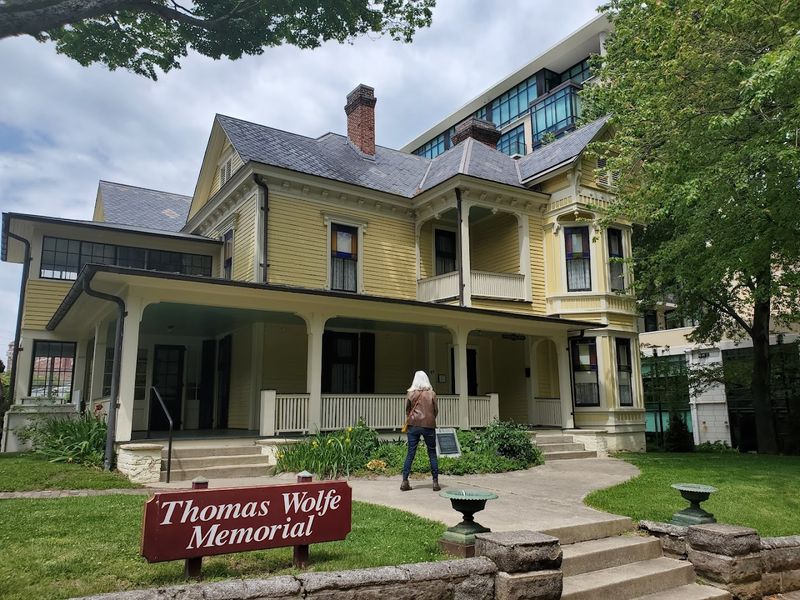
Creaking floors, narrow rooms, and old boardinghouse details give Thomas Wolfe Memorial its strongest pull. Instead of feeling like a distant tribute to a famous author, the house gives visitors a physical sense of the crowded world that shaped his imagination.
Wolfe spent part of his childhood here while his mother, Julia Wolfe, operated the Old Kentucky Home, a business that filled the building with boarders, family members, routines, noise, and tension. That lived-in atmosphere matters because Wolfe’s writing drew heavily from personal experience.
The house was not a grand mansion built only for admiration. It was a working home and boardinghouse, which makes the rooms feel more human than polished.
Visitors can see how closely domestic life and business life overlapped, with family spaces sharing energy with rented rooms and guest routines. For readers, the house helps explain why Wolfe’s fiction feels so full of memory, longing, conflict, and place.
For non-readers, it still works as a vivid historic house where early 20th-century Asheville feels unusually close. The site is at 52 N. Market St., Asheville, NC 28801.
Old Kentucky Home Gives The Story Its Real-Life Setting
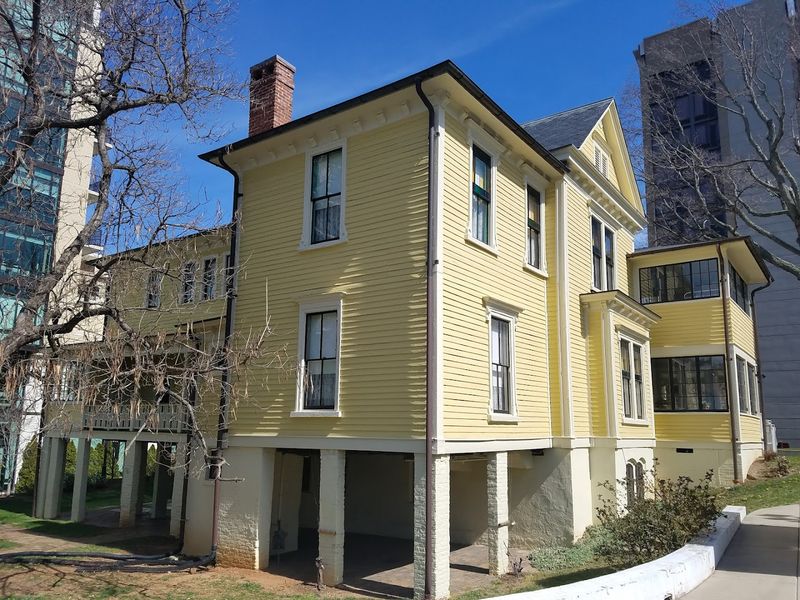
Boardinghouse life gives this site its most interesting texture. Old Kentucky Home was owned and operated by Julia Wolfe, Thomas Wolfe’s mother, whose practical business sense helped turn a once-smaller house into a much larger 29-room operation.
That expansion tells visitors a lot before a guide even begins explaining the family story. Rooms were used with purpose, space mattered, and income shaped daily life inside the house.
Wolfe later transformed the boardinghouse into Dixieland in Look Homeward, Angel, making this real building inseparable from his most famous fictional world.
Walking through the house, visitors can see how a child growing up among guests, siblings, work, privacy struggles, and constant movement shaped a future writer focused on memory and home. That experience later becomes clearer through the way those themes appear in his writing.
The site does not need to exaggerate that connection because the real setting already carries enough drama. A boardinghouse naturally gathers strangers, routines, overheard stories, family pressure, and emotional friction under one roof.
That is exactly the kind of material a writer notices. Old Kentucky Home makes the literary connection feel grounded instead of abstract, turning Asheville history into something visitors can walk through room by room.
Thomas Wolfe Turned The Boardinghouse Into Literary Legend
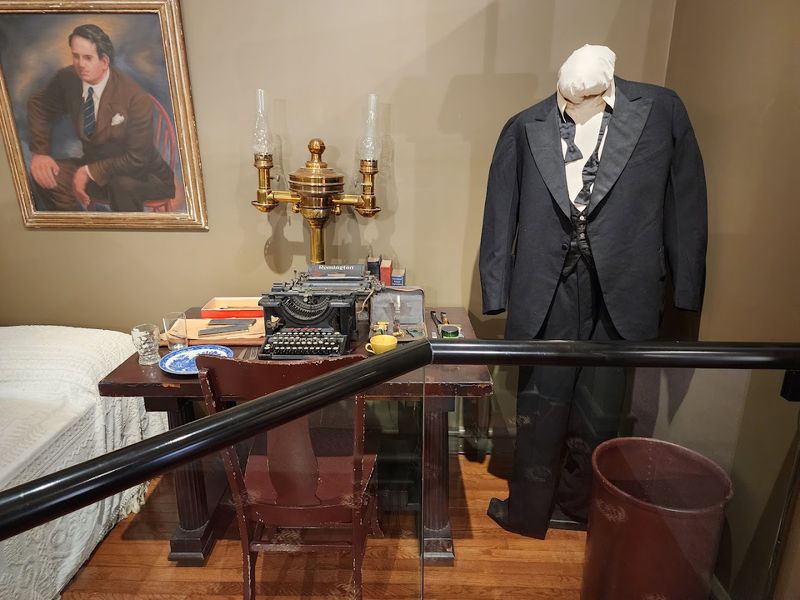
Asheville did not merely sit in the background of Thomas Wolfe’s work. It helped feed it.
Wolfe’s first novel, Look Homeward, Angel, used his hometown experiences so openly that the connection between real Asheville and fictional Altamont became one of the book’s defining features.
The Old Kentucky Home boardinghouse became Dixieland in the novel, while family members, community figures, and local atmosphere all found altered reflections in the story.
That closeness made the book powerful, but it also made it uncomfortable for people who recognized themselves or their town in the pages. Visiting the memorial helps explain why Wolfe’s fiction carried such force.
He did not write from a safe distance. He wrote from memory, family conflict, longing, observation, and the pressure of growing up in a house full of people.
His style could feel sweeping and emotional, but the source material was often specific and deeply personal. Standing in the boardinghouse gives that literary reputation a real setting.
The rooms make it easier to understand how ordinary childhood spaces became part of a major American novel. Wolfe turned family life and Asheville streets into legend, and this house remains the clearest doorway into that transformation.
Look Homeward, Angel Makes The Visit Feel Like A Book Come Alive
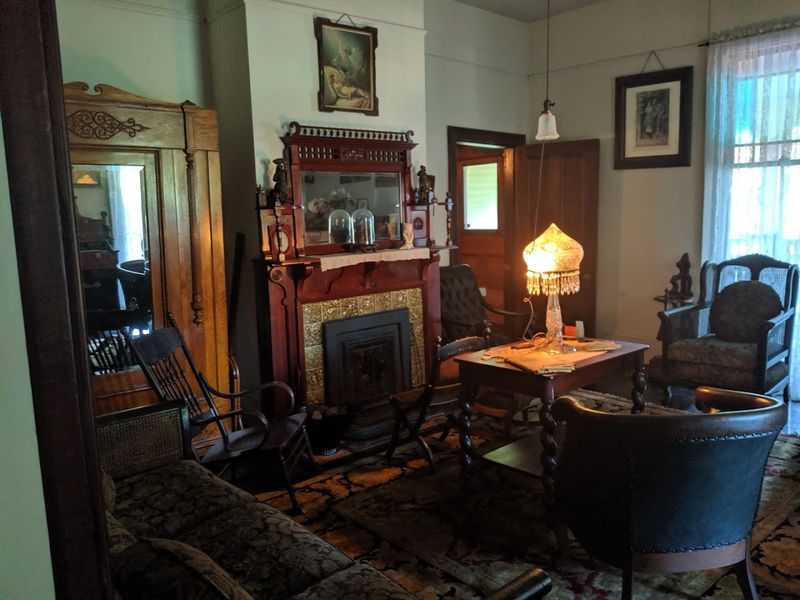
Reading Look Homeward, Angel before visiting changes the house tour completely, but the site still works even for people who have never opened the novel.
Published in 1929, Wolfe’s first novel introduced Eugene Gant, a character closely connected to Wolfe himself, and placed him in Altamont, a fictional version of Asheville.
The boardinghouse in the novel, Dixieland, drew directly from Old Kentucky Home, which gives the memorial a rare book-to-place connection. Visitors can stand in rooms tied to the atmosphere, family structure, and boardinghouse life that fed the novel’s emotional world.
That does not mean every corner lines up like a movie set, and it should not. The power comes from recognizing how reality became fiction, not from treating the house as a literal stage.
Guides and exhibits help make those connections clearer, especially for guests who arrive with only a loose understanding of Wolfe’s work. A good literary site does more than celebrate a name.
It shows how place shapes voice. Thomas Wolfe Memorial does that especially well because the house still feels full of the kind of details that a writer would store away forever.
Guided Tours Bring The Historic Rooms Into Focus
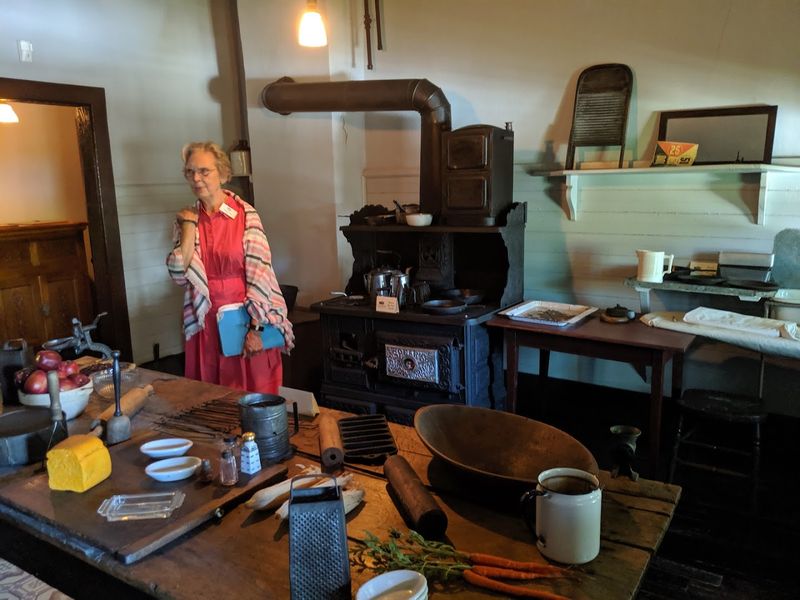
Guided tours turn the boardinghouse from an interesting old building into a fuller story about family, tourism, Asheville, and American literature. Current visitor information says house tours are offered at half past each hour, with the last tour leaving at 4:30 p.m.
Admission is listed at $5 plus tax for adults, $4 plus tax for military and seniors 65 and older, $1 plus tax for youth ages 3 to 17, and free for children 2 and under.
That makes the tour an accessible downtown Asheville activity, especially for visitors who want meaningful history without spending an entire day at one site.
Guides can point out details that are easy to miss alone, including how rooms were used, how Julia Wolfe managed the boardinghouse, and how Thomas Wolfe’s experiences shaped his writing.
The house’s scale can be deceptive from outside, so moving through it with context helps visitors understand how it grew from a seven-room home into a 29-room boardinghouse.
Questions are part of the fun because Wolfe’s life, family, and fiction all invite discussion. The tour gives the rooms voice, and that voice is what makes the visit linger.
The Visitor Center Adds Context Before The House Tour
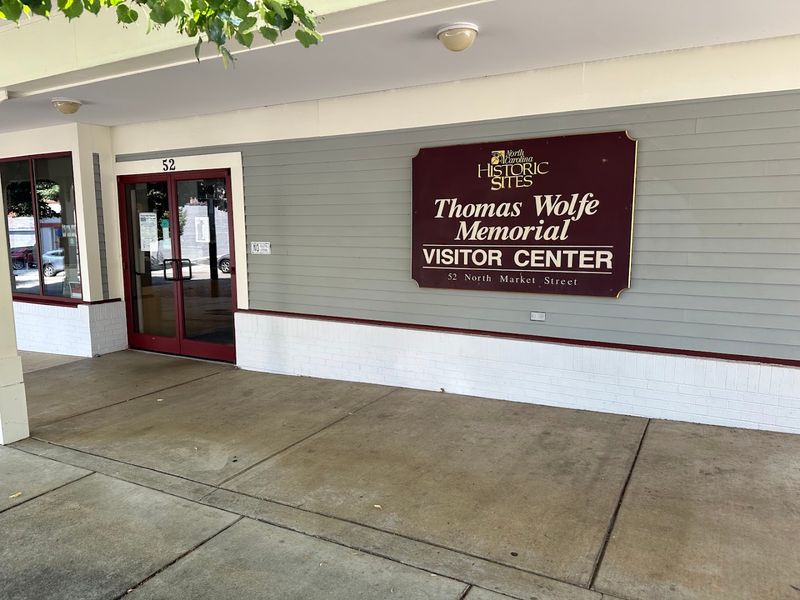
Museum exhibits help visitors understand Thomas Wolfe before they step into the boardinghouse itself.
The Blue Ridge National Heritage Area notes that the visitor experience includes exhibits about Wolfe and his family, along with an audio-visual presentation. Official visitor information also directs guests to guided house tours that begin from the visitor center area.
That context matters because the house can feel dense with names, rooms, family tensions, and literary references. A little background makes everything easier to follow.
Exhibits introduce Wolfe’s Asheville childhood, his family, his rise as a major 20th-century writer, and the way Old Kentucky Home became part of his creative identity.
Photos, biographical information, and interpretive materials help visitors understand that the memorial is not simply about one famous book.
It is about the making of a writer and the complicated place that stayed with him. For guests who have not read Wolfe, the visitor center lowers the barrier.
For fans, it adds texture before the tour begins. A quick stop there can make the house feel less like a collection of old rooms and more like the center of a larger literary and family story.
Downtown Asheville Makes The Site Easy To Add To A Day Trip
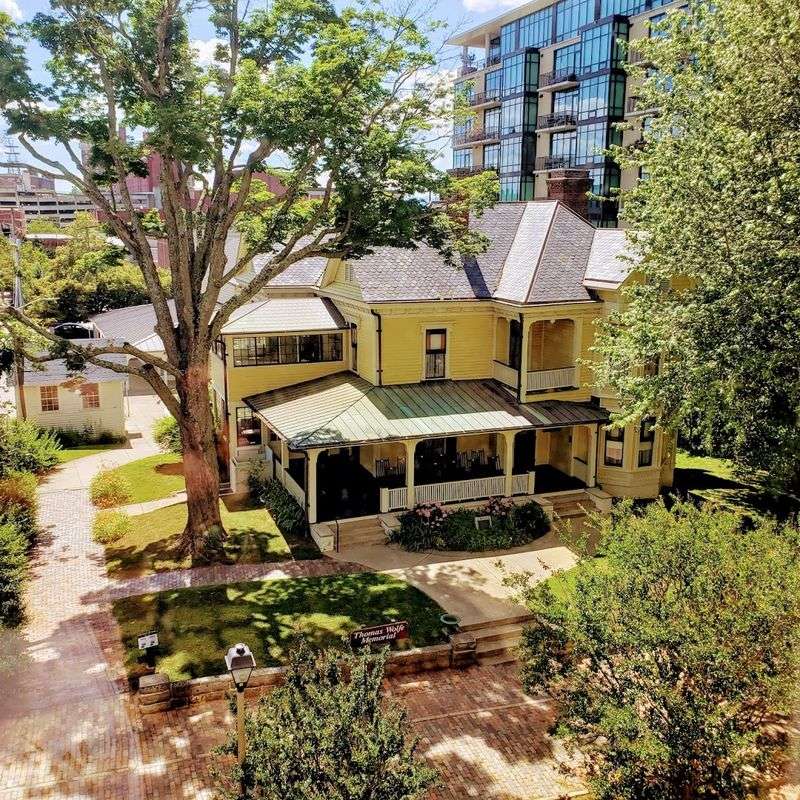
One of the most practical reasons to visit the Thomas Wolfe Memorial is its placement right in the middle of downtown Asheville.
The site at 52 N. Market Street sits within easy walking distance of restaurants, coffee shops, galleries, and other attractions that make the city such a popular destination.
Planning a full day around this neighborhood is genuinely easy and rewarding.
After the house tour, visitors can wander through the nearby arts district, grab lunch at one of the locally owned cafes, or explore the many independent bookshops that seem perfectly suited to a literary afternoon.
Asheville has a creative, welcoming energy that complements the thoughtful mood the memorial tends to inspire.
The site is open Tuesday through Saturday from 9 AM to 5 PM, and reaching it by foot from most central hotels takes only a few minutes. Calling ahead at 828-253-8304 or checking the official website at wolfememorial.com helps confirm current tour availability.
North Carolina travelers consistently describe this combination of history, culture, and walkable charm as one of the highlights of any Asheville itinerary.
Family Stories Give The Memorial Its Human Pull
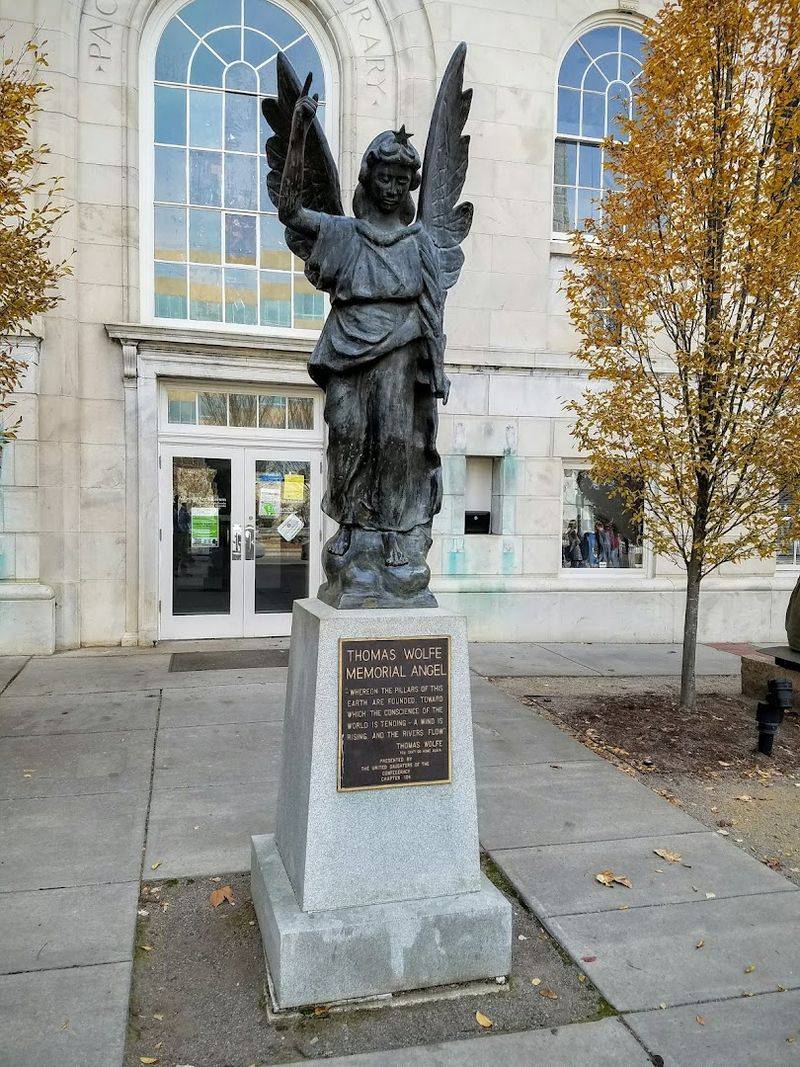
Personal tension makes this memorial more affecting than a simple author tribute. Thomas Wolfe’s fame matters, but the house becomes memorable because visitors are also meeting a family, a business, and a complicated home life.
Julia Wolfe’s role as the boardinghouse owner gives the story a particularly strong human center. She was not just the mother of a writer.
She was an entrepreneur managing guests, income, space, and household demands in a growing Asheville tourist economy. That practicality shaped the building and the family rhythm inside it.
Wolfe’s later use of family material in fiction adds another emotional layer, because literary honesty can preserve people and wound them at the same time. Visitors do not need to know every biographical detail to feel that tension in the house.
Small rooms, shared spaces, and the constant presence of boarders make the setting easy to imagine. The memorial’s strength comes from showing that literature does not float above ordinary life.
It often grows directly out of kitchens, hallways, arguments, ambitions, money worries, and childhood memories. At Thomas Wolfe Memorial, the famous writer’s story still feels connected to real people under one crowded roof.