Visitors Are Touring A Gothic Revival Landmark At The Cathedral Of The Rockies In Boise
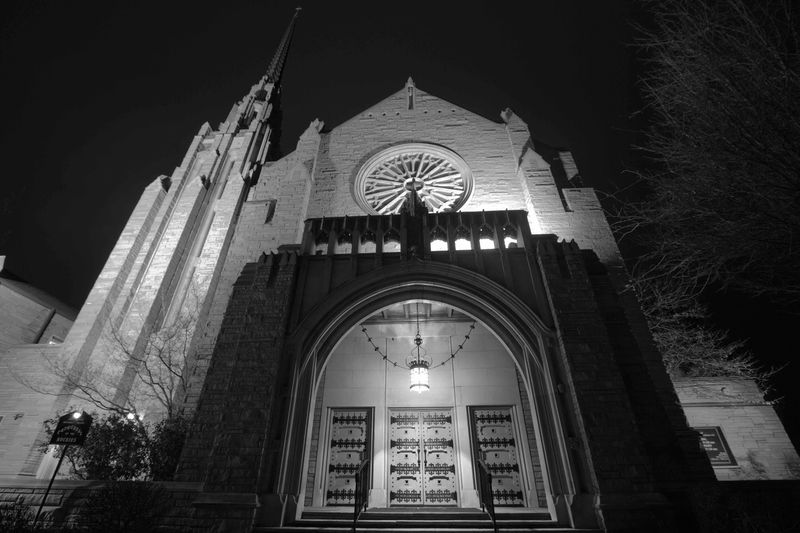
An 80-foot center aisle runs through one sanctuary here, and up to 850 people can fit inside. That’s not a landmark in some far-off city.
It’s in Idaho, with pointed arches, glowing stained glass, and a big pipe organ.
The Gothic look suggests something centuries old. It isn’t.
The current building opened in 1960, built to borrow old European drama for a modern congregation.
I like how a place this grand still keeps a small chapel open for quiet moments. I also love that one window tells a recent story about who a community chooses to honor.
So how did a congregation founded in the 1800s end up with a cathedral like this? The answer involves a few moves across downtown.
A Downtown Cathedral That Looks Older Than It Is
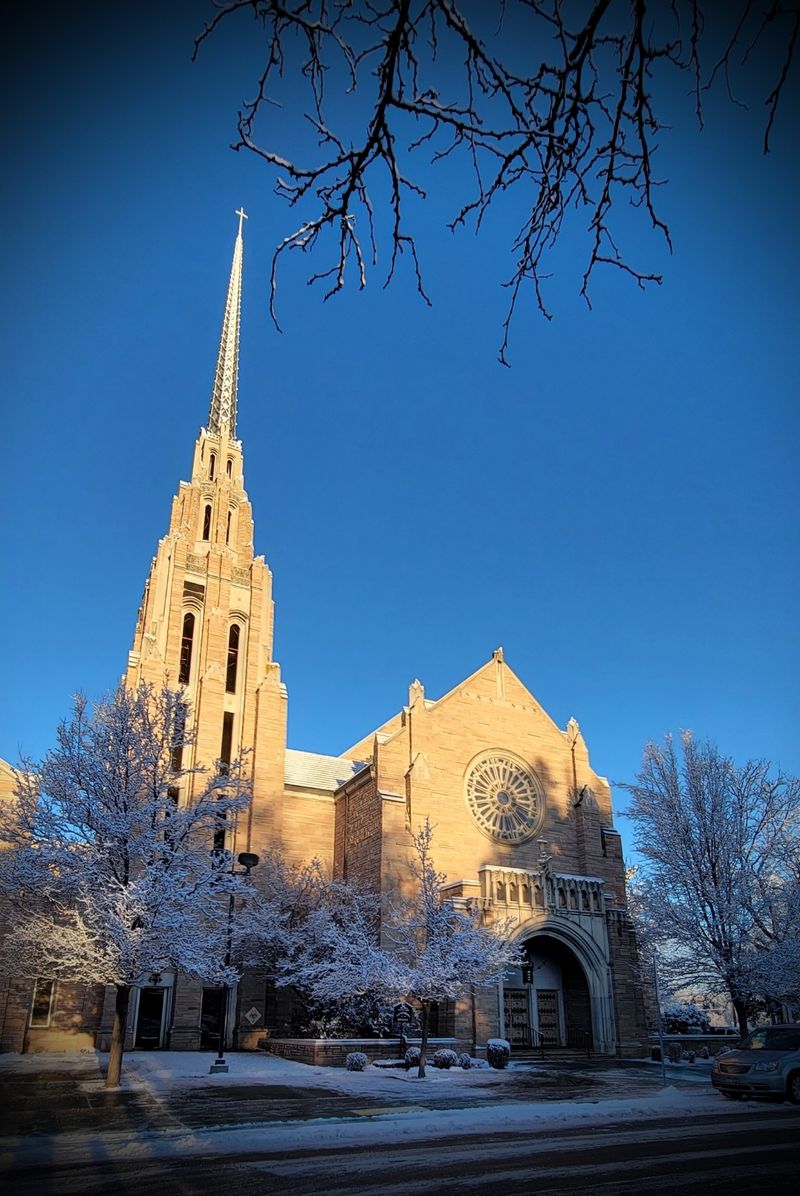
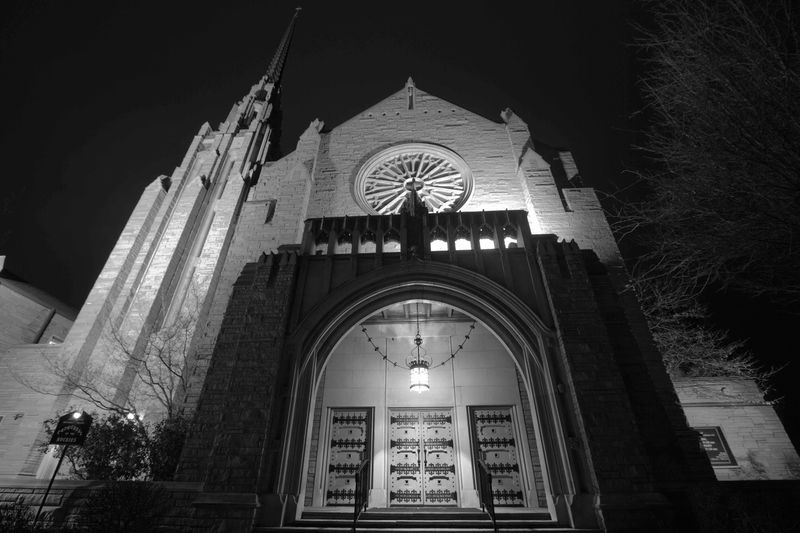
Pointed arches and a soaring tower make most people guess this church is ancient. Cathedral of the Rockies, also known as Boise First United Methodist Church, actually opened its main sanctuary in 1960.
That surprise is half the fun. The building sits in downtown Boise, a short stroll from the heart of Idaho’s capital city.
Here’s what you need to know first. It’s an active United Methodist church, not a museum, so worship comes first.
Still, the building’s architecture draws plenty of curious folks who simply want a look.
The congregation runs two campuses in Boise. The downtown campus is the famous one, with the Gothic Revival sanctuary everyone photographs.
A second location, the Amity Campus, serves the southwest side of town.
Think of the downtown building as Boise’s answer to the grand cathedrals of Europe. It just showed up a few centuries later, with better parking odds.
The church’s motto is “All Means All,” and that phrase shows up across its messaging. It sets the tone for anyone stopping by, whether you’re a lifelong member or a first-timer who just likes old-looking stonework.
Either way, the building makes a strong first impression. And the backstory makes it even better.
Roots Stretching Back To 1872
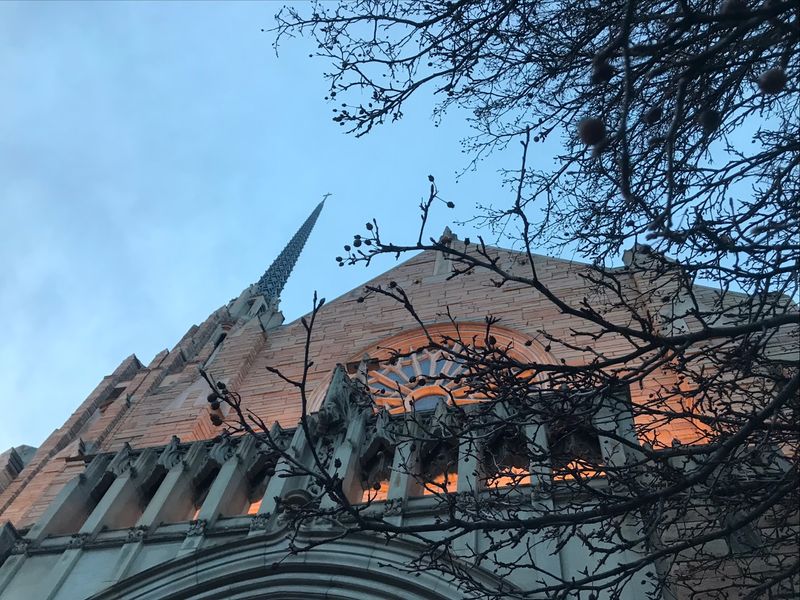
Boise was barely a decade old when a Methodist congregation formed here in 1872. Idaho wasn’t even a state yet, so these folks were early arrivals by any measure.
The group didn’t stay in one spot. In 1902, the congregation moved into a new building at 10th and State streets.
That 1902 church served for decades, but it isn’t the one you’ll visit today. The current sanctuary arrived much later, as the congregation kept growing and needed more room.
I find that kind of history fun to trace. One church family moved, built, and rebuilt as Boise turned from a frontier town into a state capital.
Plenty of Idaho towns have seen their old churches torn down or repurposed. This congregation chose to keep going and build bigger instead.
So when you look at the 1960 cathedral, you’re seeing the latest chapter, not the first. The people behind it carry a story nearly as old as Boise itself.
That longevity counts for something. Few downtown groups can claim more than 150 years of continuous history.
It also explains why the building feels rooted rather than flashy. There’s a long line of members standing behind every arch.
The 1960 Design Behind All Those Arches
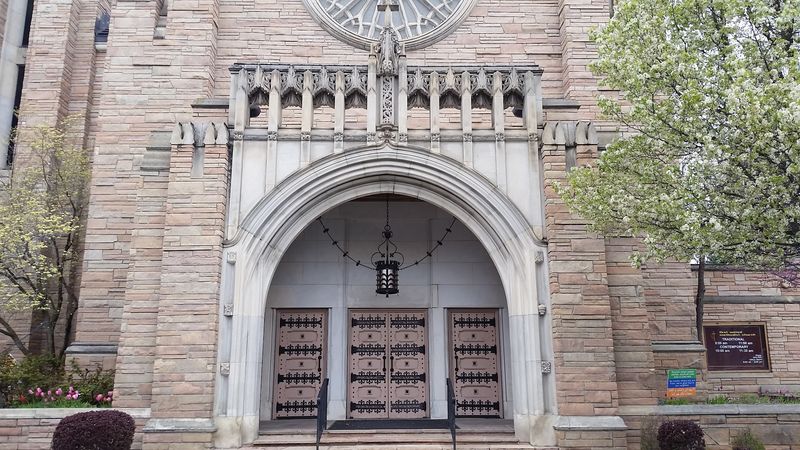
Two architects, Harold E. Wagoner and Jedd Jones, shaped the sanctuary that opened in 1960.
Their plan pulled classic Gothic church elements into a modern cathedral design.
That blend is the building’s whole personality. It looks traditional at a glance, yet it came together in the same era as rock and roll.
Gothic Revival style leans on vertical lines. Pointed arches, tall windows, and a strong tower draw your eyes upward on purpose.
Mid-century builders often chose sleek, flat designs for new churches. Going full Gothic in 1960 was a bold, almost old-fashioned choice.
Honestly, I’m glad they did. Boise’s skyline has plenty of glass and steel, and this building gives downtown a different texture.
The Idaho Architecture Project and Preservation Idaho both track the building, which shows how much it matters locally. It’s become part of the city’s architectural identity.
Walk around the exterior if you get the chance. The tower and arched windows look different from each side of the block.
Bring a camera with a decent zoom. The upper details reward anyone who takes a few minutes to look up.
Eighty Feet Of Aisle And Room For 850
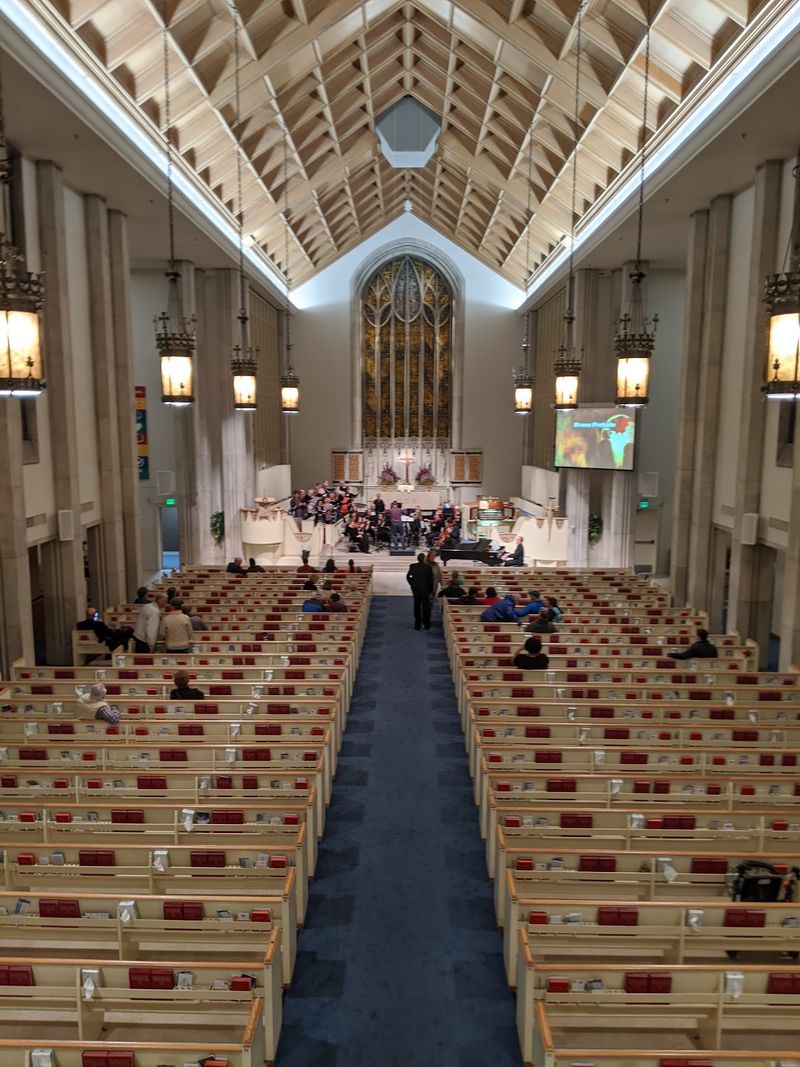
Eighty feet. That’s the length of the center aisle in the main sanctuary, and it makes quite an entrance for any wedding party.
The Cathedral Sanctuary holds up to 850 people. For a downtown church in Idaho, that’s a serious amount of seating.
Size alone doesn’t make a room memorable, though. The long aisle, tall ceiling, and pointed arches work together to create a sense of distance and calm.
Brides and grooms get a walk worth remembering here. You’d have time to wave at your great-aunt and still not be halfway down.
The space also hosts concerts and community events. Big choral performances need a room that can hold a crowd, and this one handles it.
Wedding venue sites list the Cathedral of the Rockies as a ceremony option for that reason. The scale suits big days.
Even empty, the sanctuary feels purposeful. Every line in the room seems to point you toward the front.
If you visit on a weekday, ask the office whether you can peek in. Seeing it quiet gives you a whole new appreciation for its proportions.
Stained Glass That Tells A Story In Every Panel
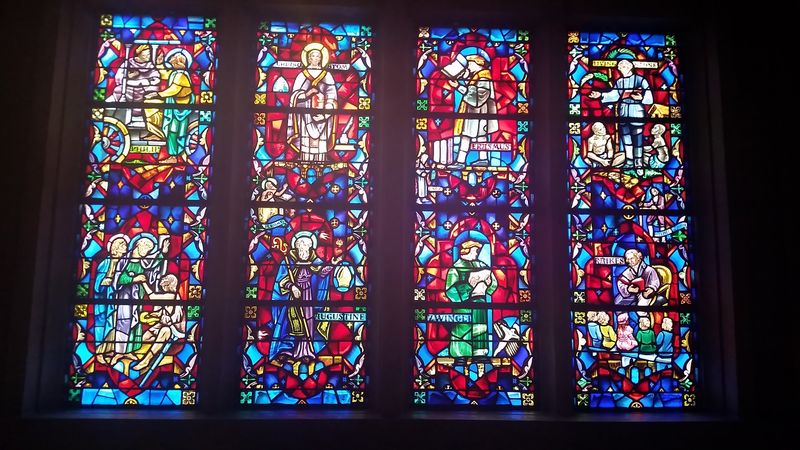
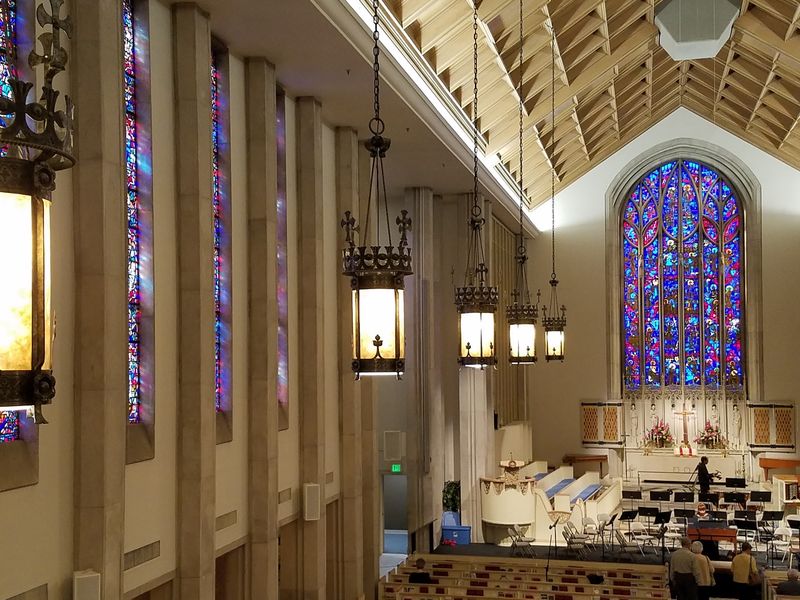
Color is the first thing many people notice inside. Stained-glass windows line the sanctuary, depicting Bible stories and historical figures.
Each panel works like a page from a giant illustrated book. You could spend a long while just reading the walls.
Sunlight changes the experience throughout the day. Bright afternoons push colored light across the room in shifting patches.
Kids especially tend to love spotting familiar stories in glass. It turns a quiet visit into a friendly scavenger hunt.
The windows aren’t only about ancient scenes, either. Historical figures appear too, connecting older faith traditions with more recent people.
That mix gives the glass a living quality. It reflects how a congregation sees its own story, not just a textbook version.
Photographers, take note. Shooting toward the windows with the room lights low captures the colors best.
Remember that services take priority, so snap photos respectfully. A weekday visit during office hours tends to work better for slow looking.
Honestly, the windows alone justify a stop downtown. They’re the kind of detail you keep noticing on a second and third visit.
One Window With A Newer Chapter
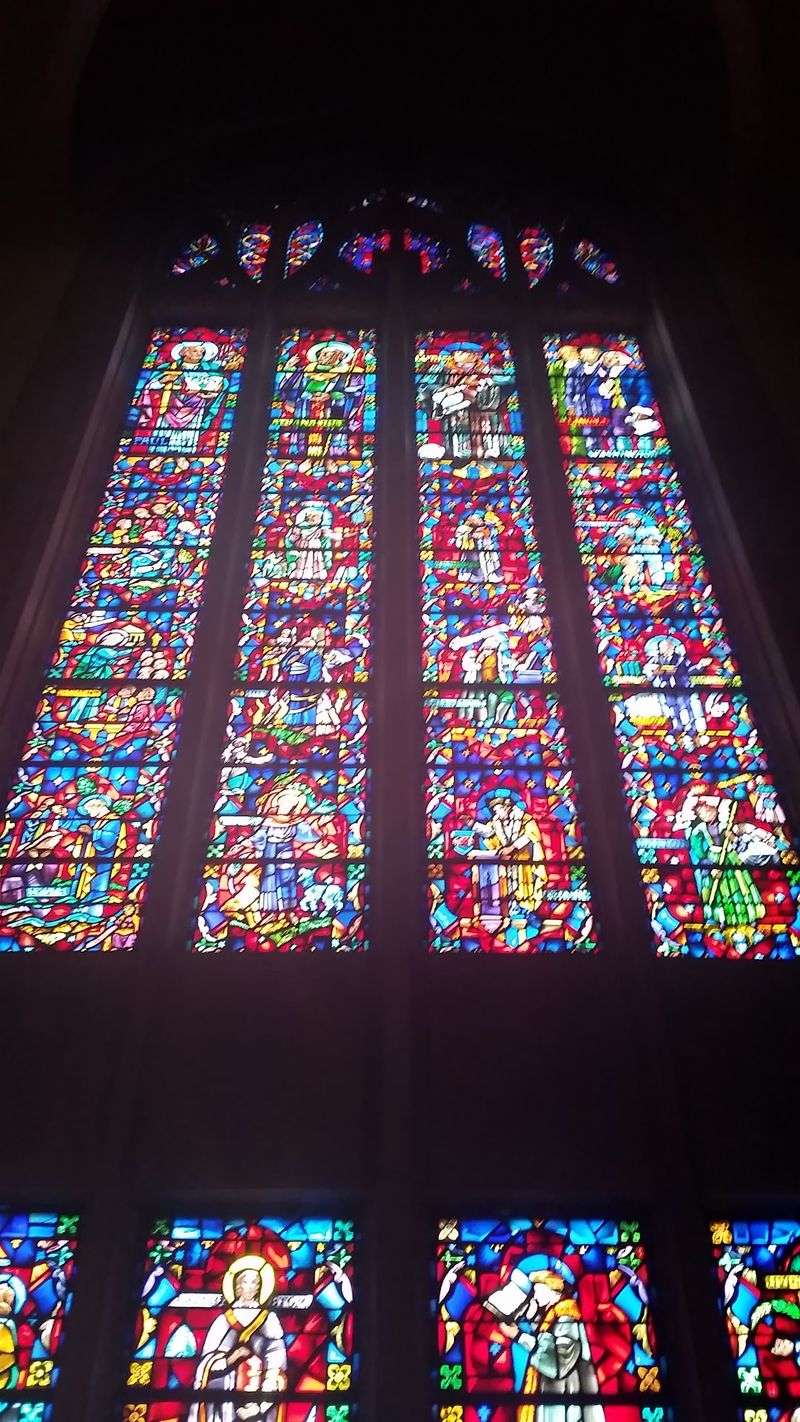
In 2020, the church removed a stained-glass panel featuring Confederate general Robert E. Lee.
A year later, a new image filled that spot.
The replacement honors Bishop Leontine T. Kelly.
She was the first African-American woman elected bishop in the United Methodist Church.
Local news covered the change, and it became a notable Boise story. It’s rare to see a decades-old window updated so intentionally.
I believe this detail says a lot about the congregation. Stained glass is meant to last generations, so changing it is a real statement.
The swap fits the church’s “All Means All” message. It shows a community choosing whom to celebrate in a very visible way.
Whatever your views, it makes for a fascinating piece of Idaho history. You can see it right in the glass, not just in an archive.
Look for this panel during your visit. It’s a reminder that old-style buildings can still tell new stories.
It also gives the windows a timeline you can trace. Some panels reach back thousands of years, while this one points to 2021.
The Pipe Organ Steals The Soundtrack
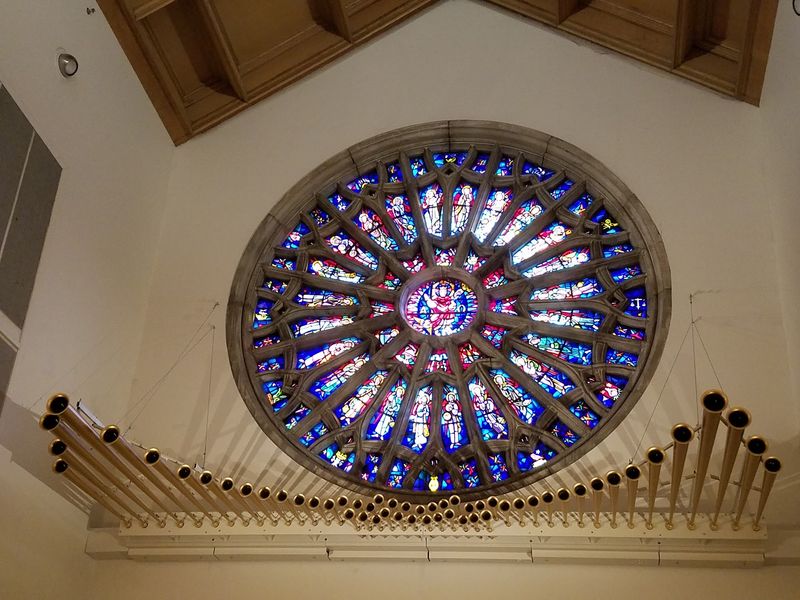
Some churches get by with a piano. Cathedral of the Rockies has a large pipe organ, and it’s a big part of the building’s character.
Rows of pipes give the sanctuary a sound you feel as much as hear. In a room this tall, music has space to bloom.
Music runs deep in this congregation. The 2002 addition even included more music rooms, a sign of how seriously they take it.
Community vocal concerts and choral events happen here too. A Gothic room plus a strong organ makes a natural concert hall.
Classic Sunday services lean into traditional music. If you love hymns played on real pipes, that’s your moment.
Not a churchgoer? Concerts offer an easy way in.
You get the architecture and the acoustics without any pressure.
Watch the church’s event calendar for performances. Schedules shift, so check before driving downtown.
Fair warning, though. Once you hear a full organ in a room like this, your car stereo may never sound quite the same.
A Quiet Little Chapel Named Cana
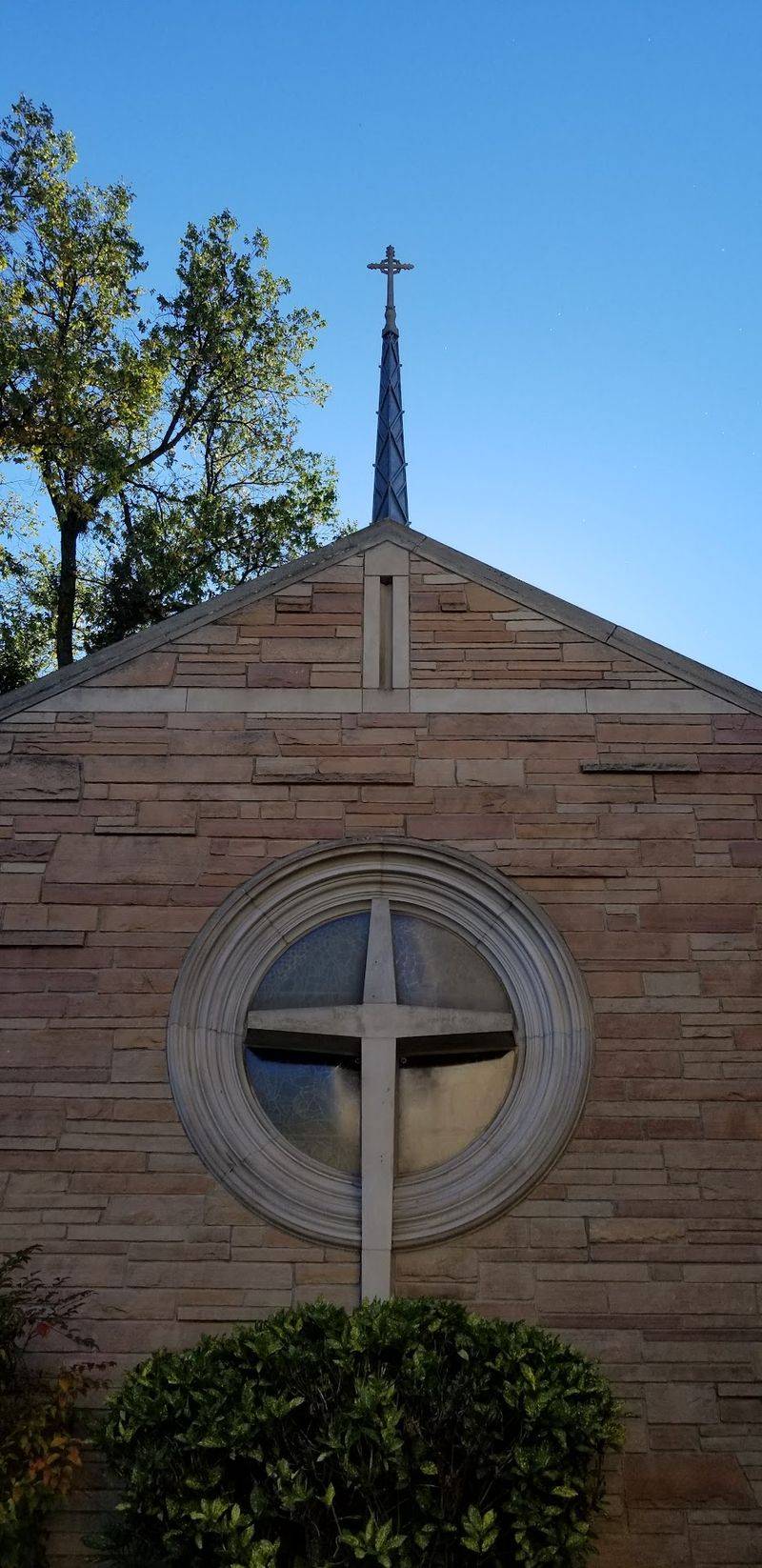
Not everything here is grand. The Cana Chapel offers a smaller, more intimate space beside the main sanctuary.
It hosts smaller gatherings, and it stays open for meditation. That’s a rare gift in a busy downtown.
Originally, Cana Chapel stood apart from the main church. The 2002 addition connected the two, tying the campus together.
I can’t imagine a better counterpoint to an 850-seat sanctuary. One room says celebration, while the other says sit down and breathe.
Small weddings and memorial gatherings often suit a space like this. Not every big day needs a huge room.
The chapel’s open-for-meditation policy makes it welcoming to drop-ins. You don’t need a reason beyond wanting a quiet moment.
Downtown Boise can feel loud, especially with construction nearby. A few minutes here works like a reset button.
Be considerate if others are already inside. Silence is the whole point, so phones on mute and voices low.
It’s easy to overlook this little room. Don’t, because it shows a gentler side of the whole place.
Candlelight On Tuesdays, Classic On Sundays
Tuesday nights get a different mood downtown. The church holds contemplative candlelight services that trade big volume for quiet reflection.
Sundays bring classic services in the main sanctuary. Traditional worship and Gothic arches make a natural pairing.
Over at the Amity Campus, Sundays include both traditional and contemporary services. Families can choose the style that fits them best.
That variety matters. Not everyone connects with an organ, and not everyone wants a band.
Candlelight services sound especially appealing in a building like this. Flickering light against stone and stained glass is hard to beat.
Times can change seasonally, so check with the church before planning a visit. Their schedule lists current service details.
Visitors are welcome at services, though worship isn’t a tour. Treat it as joining a community, not snapping a backdrop.
If you’re curious but unsure, a Tuesday evening may feel lower-key. It’s a gentle way to experience the space as it was meant to be used.
Either day gives you a real sense of the place. Architecture always feels different when people fill it.
Why “All Means All” Shapes The Whole Vibe
Three words show up everywhere at this church. “All Means All” serves as its guiding motto.
The phrase signals an open-door approach. The congregation puts it front and center in its identity.
Community service backs up the message. The church has provided sack lunches and connected people with outreach resources in Boise.
That service focus matters in a growing Idaho city. Downtown has changed fast, and needs have grown with it.
The church also stays involved in local conversations. It’s hosted gatherings with other congregations on community topics.
Its outspoken stances don’t land the same with everyone. Some people love the approach, while others prefer a different style of church.
That’s fair, and knowing it ahead of time helps. You’ll understand the banners and messaging before you arrive.
For architecture fans, the building stays beautiful regardless. For seekers, the motto sets clear expectations.
Either way, it’s a place with a defined personality. Few churches state their purpose so plainly, right on the welcome mat.
Planning Your Stop On 11th Street
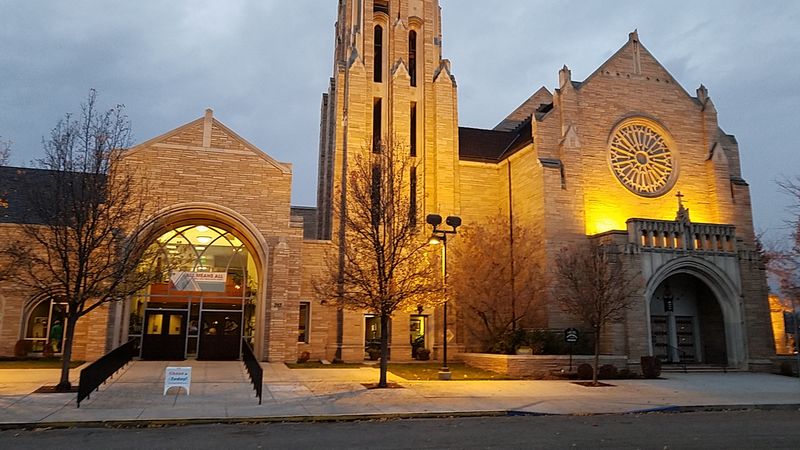
Here’s the practical part. The downtown campus sits at 717 N 11th St #4, Boise, ID 83702.
It’s an easy walk from much of downtown Boise. Capitol buildings, restaurants, and shops are all nearby.
Office hours run on weekdays, with shorter hours toward the end of the week. Saturdays are typically closed, and Sunday mornings center on services.
Exact times can shift, so check before driving in. Holidays and special events can change things too.
Construction has been active around the area at times. Plan a little extra time for parking downtown.
Want a peek inside? Calling ahead or stopping by the office during weekday hours is your best bet for asking about a look around.
Remember, this is a working church first. Weddings, memorials, and services may affect access on any given day.
Pair your visit with a downtown Boise stroll. The Idaho State Capitol and the Boise River Greenbelt make easy add-ons for a day out.
A little planning goes a long way. Then you can relax and enjoy the arches.
Worth A Slow Look Next Time You’re Downtown
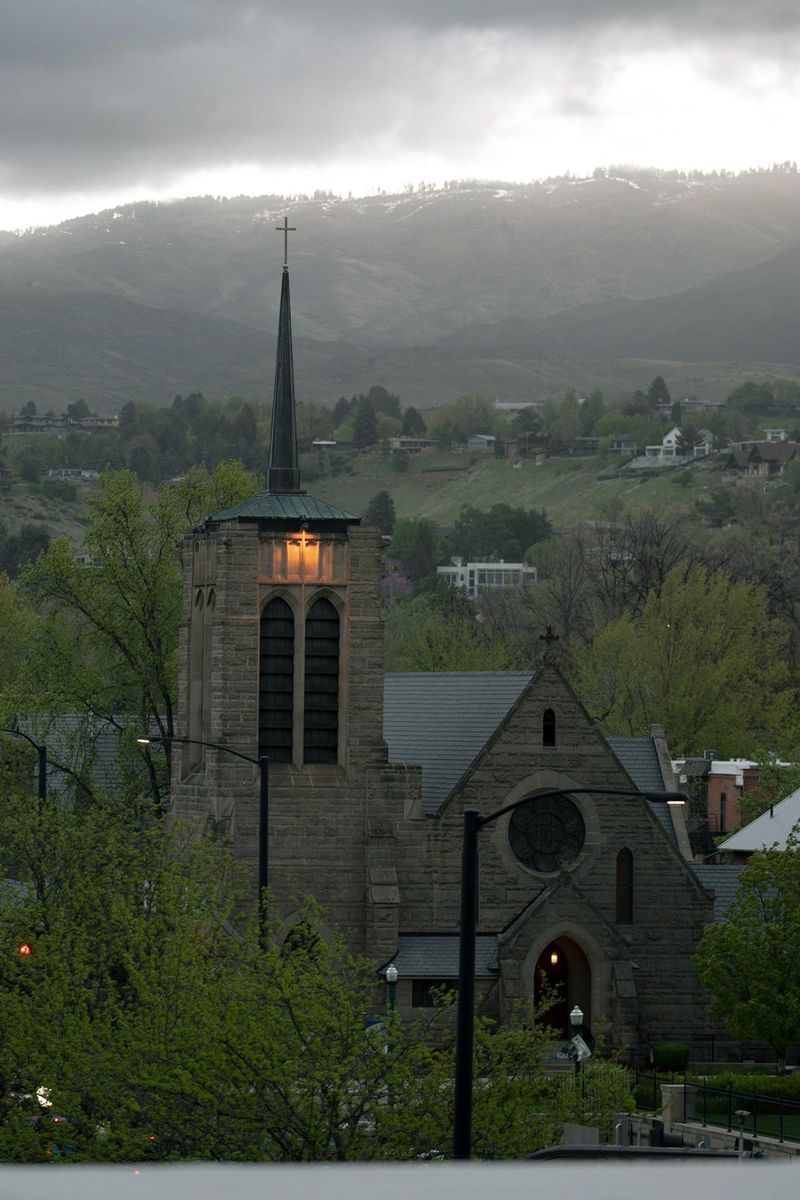
Old-world arches, a 1960 build date, and a congregation dating to 1872. Cathedral of the Rockies packs a lot of story into one Boise block.
It’s easy to drive past and assume it’s centuries old. Stopping gives you the real, more interesting story.
The stained glass alone earns a visit. Add the 2021 window honoring Bishop Leontine T.
Kelly, and you’ve got history happening in real time.
Music lovers get a big pipe organ and concert-worthy acoustics. Quiet seekers get Cana Chapel, open for meditation.
I think this place suits curious Idahoans best. It’s for people who like knowing the backstory behind familiar buildings.
Families can turn the windows into a story hunt. Photographers can chase the tower at golden hour.
Just remember it’s an active church with its own clear voice. Respect services, check hours, and you’ll be in good shape.
Boise keeps changing around it. Still, this Gothic Revival landmark holds its corner on 11th Street with real confidence.
Next time you’re downtown, look up. Those arches have been waiting since 1960.