Visitors Can Look Through A Massive 25-Inch Telescope At This Connecticut Observatory
Looking at the night sky is one thing. Seeing it through a telescope powerful enough to reveal details your eyes could never pick out on their own?
That’s a completely different experience.
And apparently, you don’t need to be a professional astronomer to enjoy it.
A Connecticut observatory gives curious visitors the chance to explore the night sky through an impressive 25-inch telescope.
Now I have to see this for myself. There’s something wonderful about the idea of looking up at a familiar patch of darkness and suddenly realizing just how much you’ve been missing.
The telescope itself sounds pretty impressive, but the real excitement comes from what it might reveal.
Of course, the sky doesn’t always cooperate. Clouds have a terrible habit of appearing when you’re hoping for a clear view.
Still, the possibility of seeing something extraordinary makes the whole experience fascinating. It’s a reminder that there’s an enormous world overhead that most of us rarely get to examine closely.
1. Climb A Ladder To Peek Through A Telescope Taller Than Your Living Room
Ever needed a ladder to look at the stars? At this observatory, that’s part of the experience.
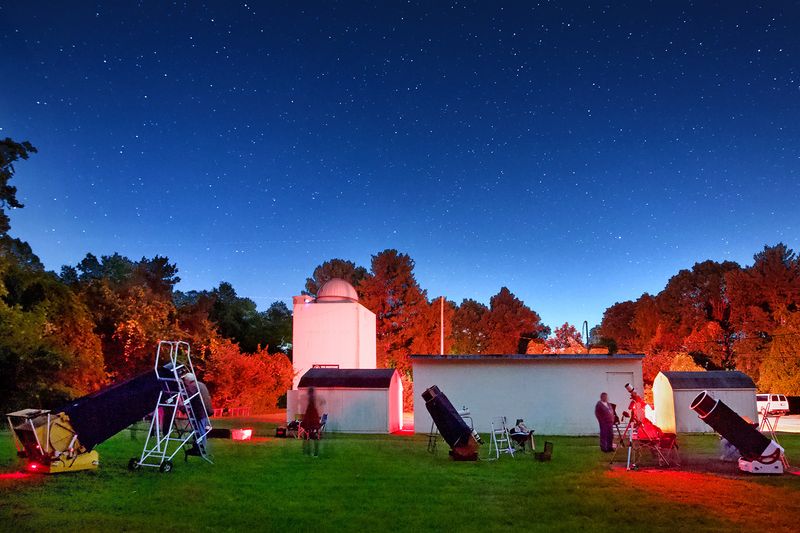
The Westport Observatory has an enormous 25-inch Obsession Newtonian reflector telescope, and it’s quite a sight even before you look through it.
Purchased by the Westport Astronomical Society more than two decades ago, this impressive 25-inch telescope is among the largest available for public viewing in the state.
Its giant mirror collects far more light than a typical backyard telescope. That makes it possible to see faint objects like distant galaxies and glowing nebulae that smaller instruments struggle to reveal.
But getting a look through it takes a little cooperation from the weather.
Volunteers bring the telescope outside during public observing nights when conditions allow. Strong winds or snow on the ground can keep it from being used, so visitors shouldn’t expect it every time.
When it’s available, volunteers point the telescope toward interesting objects in the night sky. Visitors climb the ladder to reach the eyepiece and take their turn looking.
Seeing a galaxy millions of light-years away from a quiet suburban lawn is pretty remarkable.
And if there’s a line? Waiting a little longer under the stars is hardly the worst way to spend an evening.
2. The Hill Once Guarded The Sky For A Very Different Reason
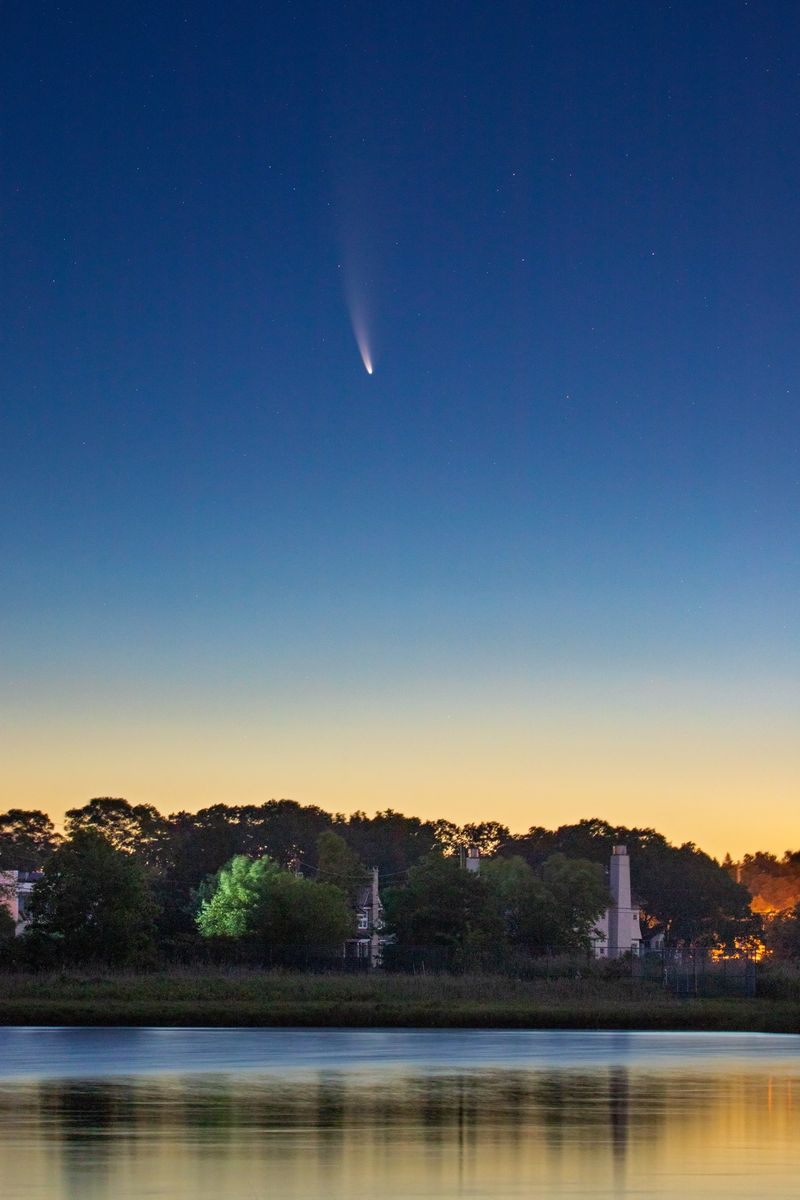
Back in 1956, the Army needed high ground. It picked this spot because it sits about 232 feet above sea level, among the highest points in Westport.
The site became BR-73, a Nike missile Integrated Fire Control station. Its job was tracking the skies during the Cold War, using radar on tall towers.
Times changed, and so did the property. The Army handed it to the town in 1963, and it later passed to the school system.
Then came the fun part. In 1967, local resident Gerald Rolnick donated a 12.5-inch telescope for the south tower.
Workers added interior wooden stairs and an observatory dome on top.
For years, people called it the Rolnick Observatory. Today it goes by the Westport Observatory, but that generous gift started everything.
I like how the same tower that once watched for threats now invites kids to spot craters on the Moon. It’s a pretty great glow-up for a piece of military history.
Next time you climb those stairs, take a second to think about the radar crews who stood there first. Their view was a lot less relaxing.
3. Wednesday Nights Are The Best Night Of The Week Here
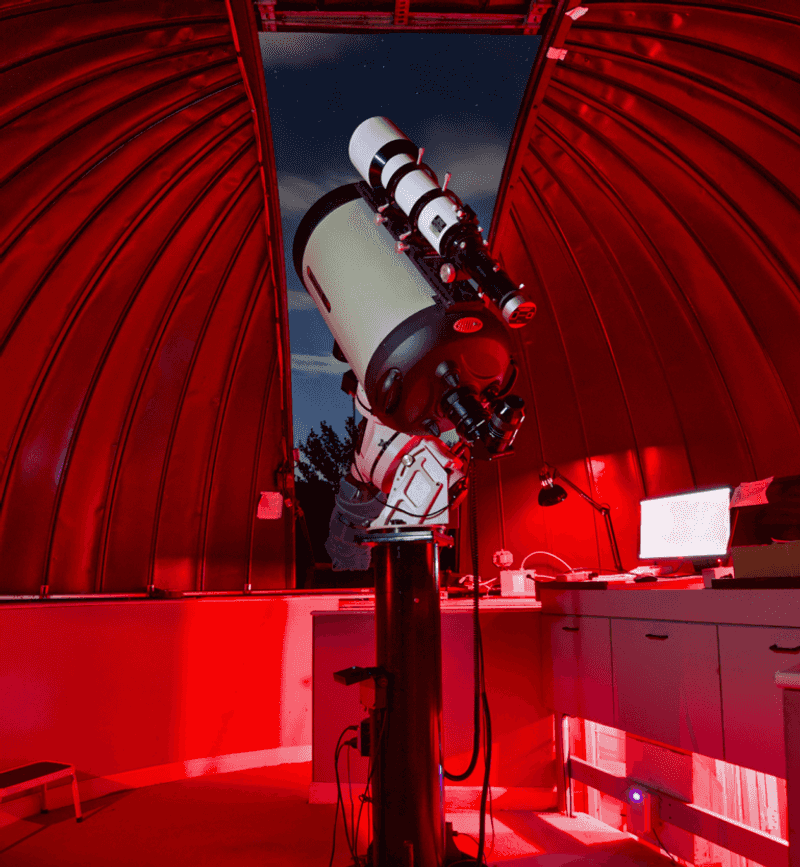
Clear skies plus Wednesday equals a free trip to space. That’s the simple math behind public viewing at this hilltop spot.
Sessions usually run from 8 to 10 PM. In June and July, the sun sets later, so things start around 9 PM instead.
Weather calls the shots, though. Clouds can cancel a night fast, so the society posts a banner on its site starting around Wednesday lunchtime saying whether it’s open.
Checking that update before you drive could save you some disappointment. Nobody wants to stare at a gray sky while holding a thermos of hot cocoa.
These nights have been happening since the spring of 1976. That’s 50 years of bringing the wonders of the night sky to curious visitors.
Admission is free, with a small suggested donation that helps keep the nonprofit running. Tossing a few dollars in feels like a fair trade for Saturn.
Families, couples, and solo space fans all fit right in. No experience is needed, and beginners are just as welcome as experienced stargazers.
Just show up curious. The universe and the volunteers handle the rest.
4. Head Up The Tower For A Look Through The Dome
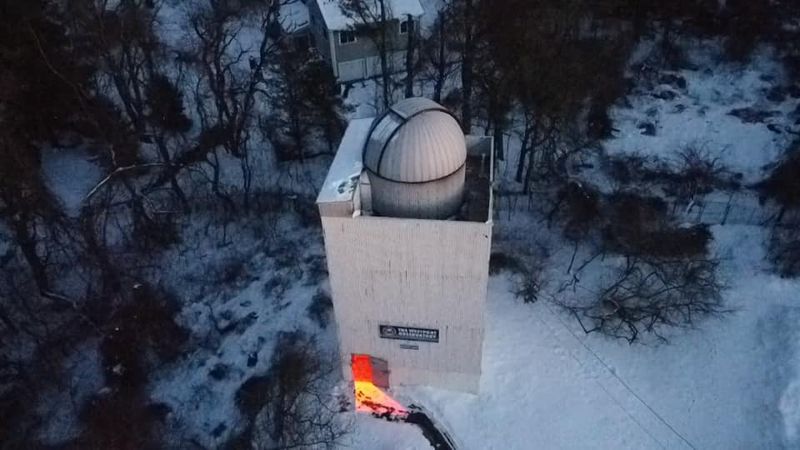
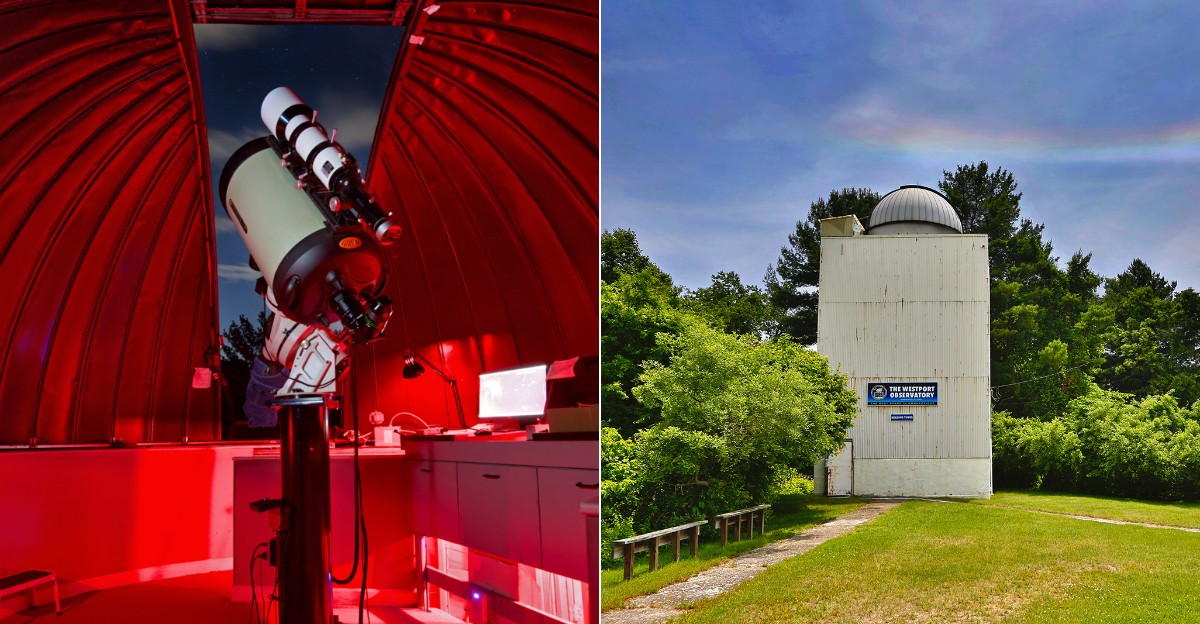
Forty feet up, inside a dome, a second big player waits. The south tower at the Westport Observatory holds a 14-inch Celestron EdgeHD telescope.
This catadioptric scope uses both mirrors and lenses. That combo makes it great for crisp views of planets and other bright targets.
It replaced older instruments in the main dome, including the original telescope that launched this place. Upgrades like this keep the views sharp for every new crowd.
Getting there means climbing the tower’s stairs. It’s a small adventure before the big one, and the dome itself feels a bit like a secret clubhouse for stargazers.
Once inside, a volunteer points the scope and shares what you’re seeing. Questions are welcome, even the ones you think sound silly.
Out on the lawn, smaller 8- to 10-inch Dobsonian telescopes often join the party too. More scopes mean more targets and shorter waits.
Plan to bounce between stations if you can. The tower gives you one perspective, and the field gives you another.
By the end of the night, you may have toured half the solar system without moving more than a few hundred feet.
5. Saturn’s Rings Look Way Cooler In Person
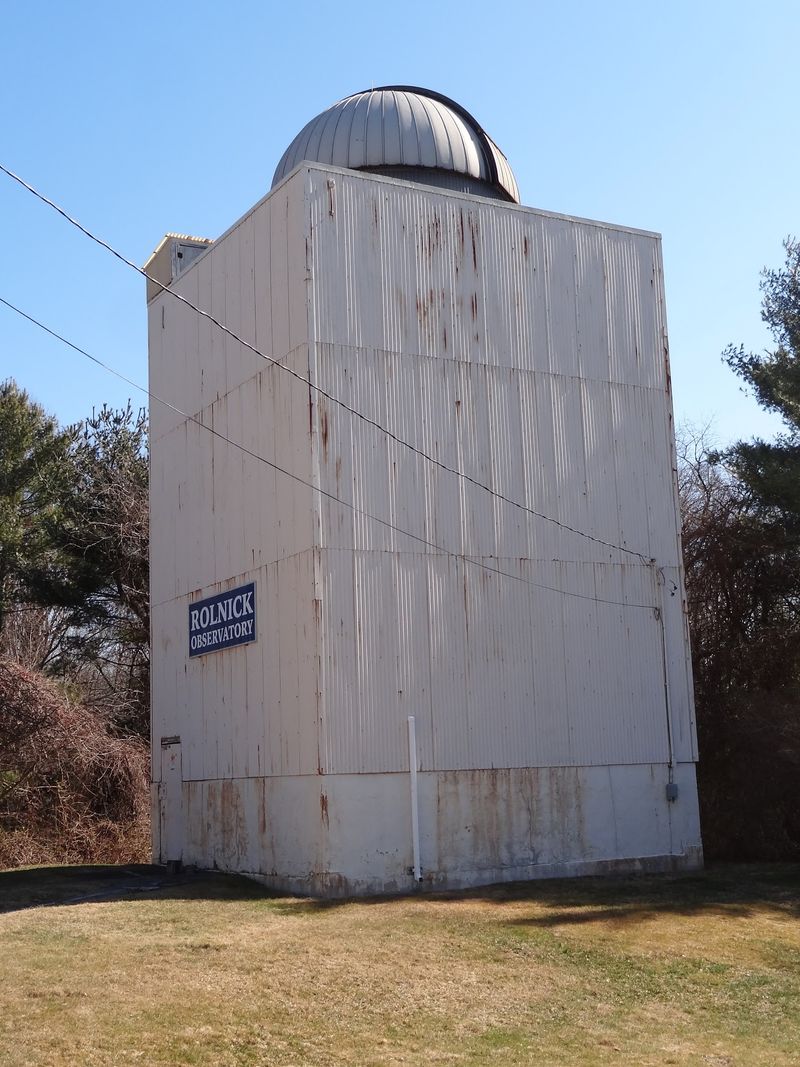
Photos online are nice. Seeing Saturn’s rings with your own eye feels like discovering a secret.
Public nights here let you look at all kinds of sky treats. Saturn’s rings, Jupiter’s moons, lunar craters, and faraway galaxies are all on the possible menu.
What you see depends on the season and what’s up that night. Planets move around the sky over months, so every visit can bring something new.
The Moon is a crowd-pleaser too. Craters and mountains pop out in surprising detail, especially along the line between light and shadow.
Galaxies and nebulas look softer and fainter than in glossy space photos. Still, knowing that light traveled for ages to reach your eye makes it pretty mind-blowing.
Kids especially love spotting Jupiter’s moons lined up like tiny beads. Some nights you might count four of them.
Ask the volunteers what they’re aiming at and why. Their stories turn a fuzzy dot into something you’ll remember for years.
Fair warning, you may leave wanting your own telescope. That’s a risk worth taking.
6. Over 150 Volunteers Keep The Lights Off And The Telescopes On
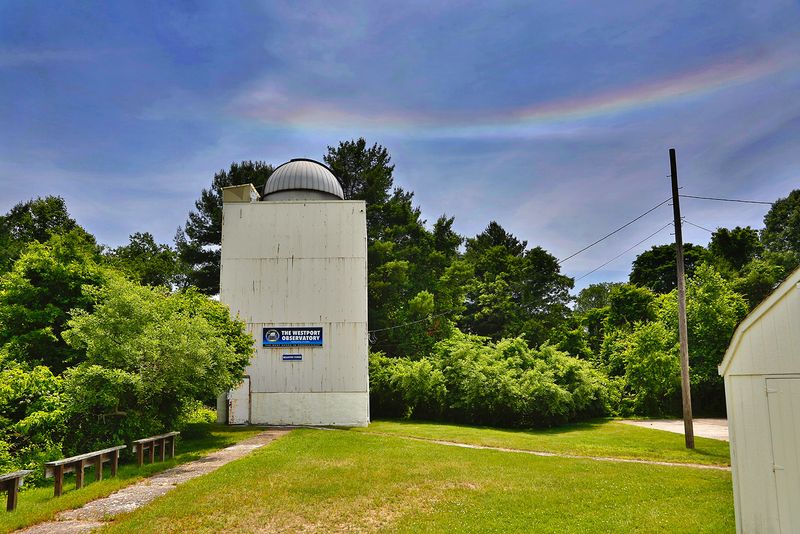
No paid staff. No ticket booth.
The Westport Astronomical Society runs everything with more than 150 volunteer members.
The group formed in 1975 and took over the property as caretakers that same year. Ever since, members have shared their time, gear, and love of the night sky.
On public nights, volunteers operate the equipment, find the targets, and explain what you’re looking at. That’s a big help when the sky holds billions of possible things to see.
They also answer questions about everything from black holes to why stars twinkle. Think of them as tour guides for the universe.
Curious folks can become members too. Membership opens the door to classes on using the telescopes and other society activities.
I believe places like this only survive because people care enough to show up week after week. That kind of dedication deserves a thank-you.
A donation helps, and so does following simple rules. Keep phone screens dim near the scopes, since bright light ruins everyone’s night vision.
Treat the volunteers kindly, and you’ll likely get an extra fun fact or two.
7. Brainy Talks Bring Big-Name Scientists To Town
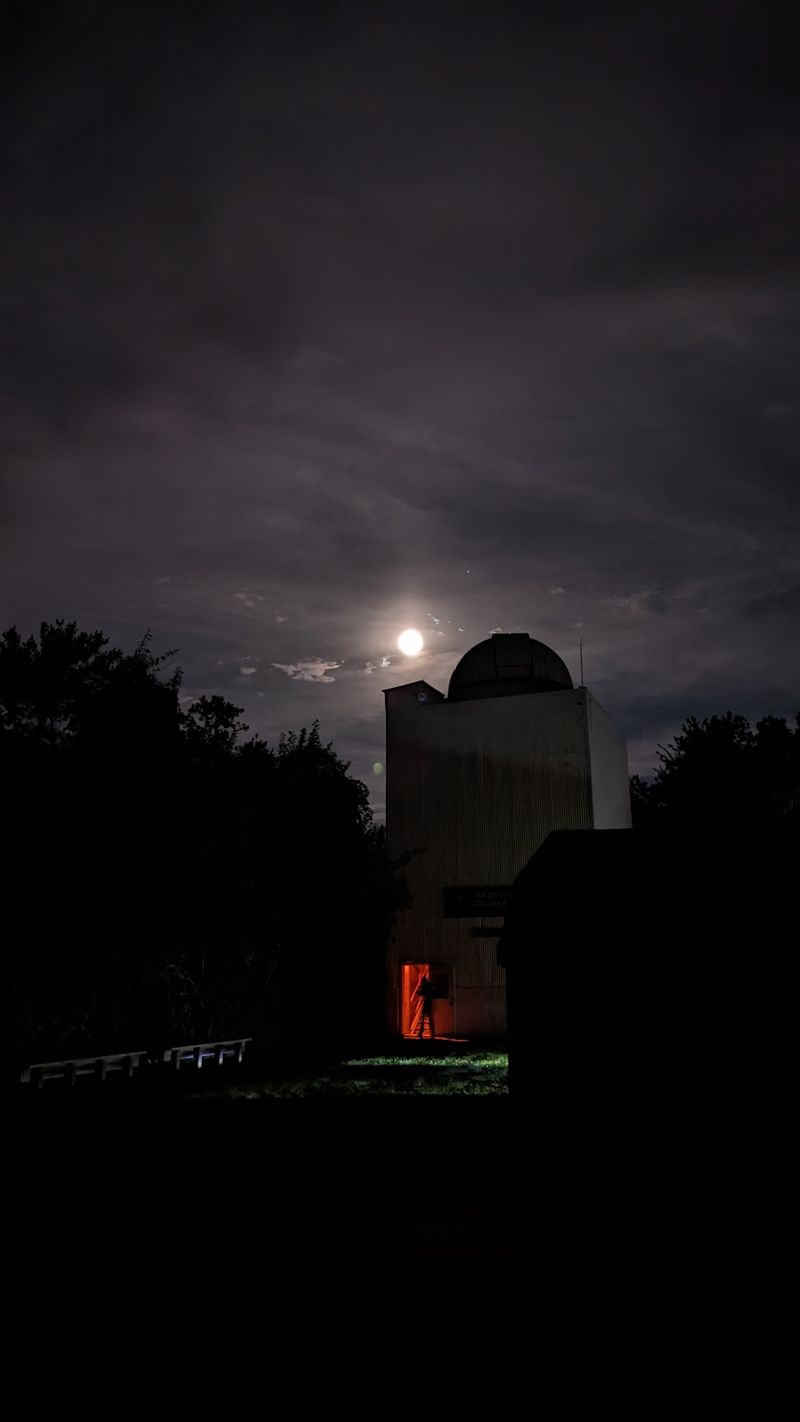
Once a month, the learning moves indoors. The society hosts a free public speaker series, both in person and online.
Experts cover astronomy, astrophysics, space exploration, and citizen science. Speakers have come from schools like Yale, NYU, Columbia, and MIT.
That’s some serious brainpower for a small observatory on a residential lane. You don’t need a science degree to enjoy it, either.
In-person talks happen at the Fred Bump Education Center on campus. It’s the go-to spot for lectures and special programs.
Can’t make the drive? The online option lets you listen from your couch, snacks and pajamas fully allowed.
These talks pair nicely with Wednesday viewing nights. Hear about a distant galaxy one evening, then try to spot something similar through the big scope later.
Students working on science projects might find them extra helpful. So might any grown-up who still wonders what’s really out there.
Check the society’s schedule for upcoming topics. One lecture could easily send you down a happy rabbit hole about planets around other stars.
8. A Few Smart Moves Make Your Visit Way Smoother
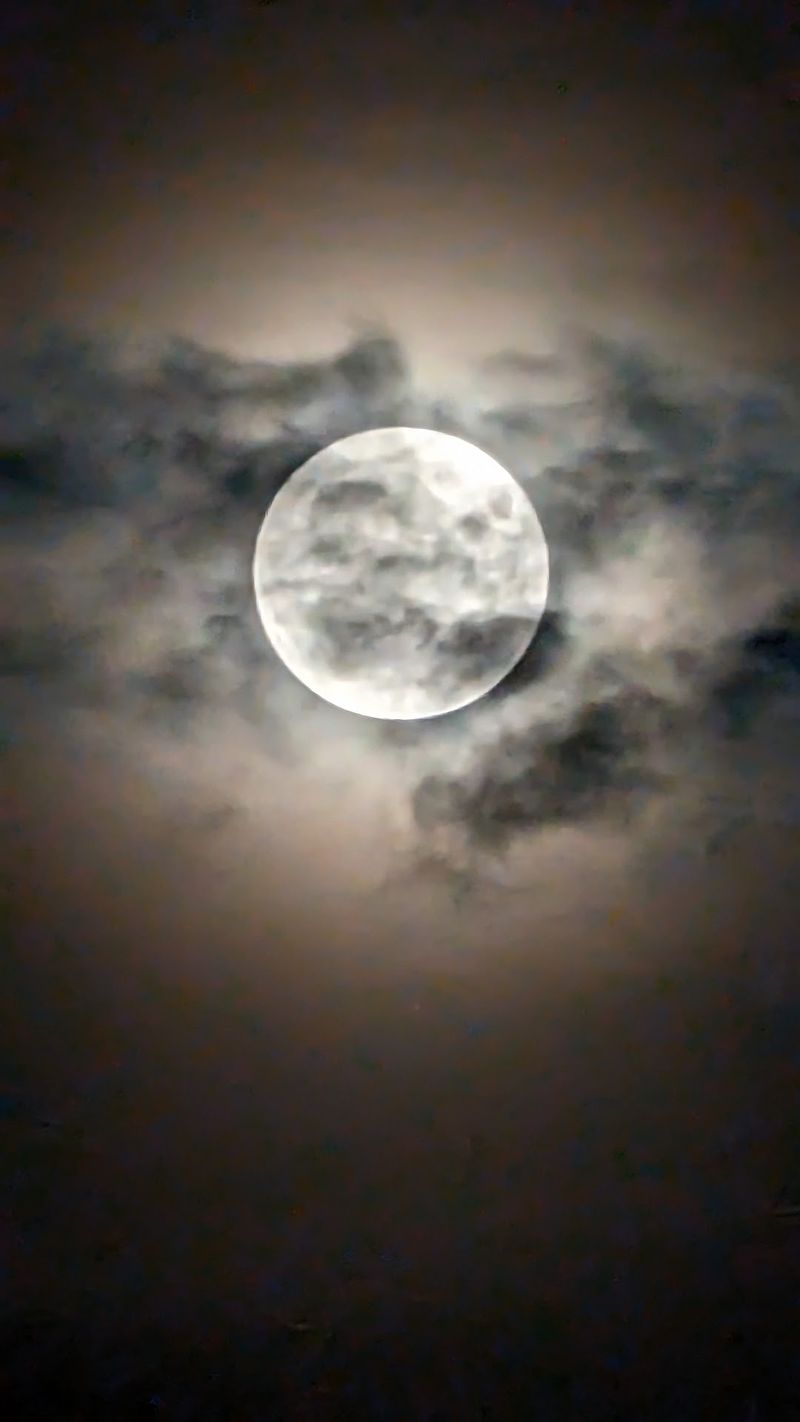
Stargazing takes a little preparation. Especially when your destination is at the top of a hill and the lights need to stay low.
That’s part of the experience at the Westport Observatory, where visitors gather for public observing nights and get a closer look at the night sky.
Before heading out, check the observatory’s Wednesday afternoon status update. Cloudy skies can mean a canceled session, even when everything else is ready.
Dress warmer than you think you’ll need to. Summer evenings can feel surprisingly cool when you’re standing outside for a while.
Comfortable shoes are also helpful for navigating the grassy grounds and observatory stairs.
One important rule is to keep bright screens away from the telescopes. Your eyes need time to adjust to darkness, and a sudden flash of white light can interrupt everyone’s view.
A small flashlight with a red filter is useful for getting around without disturbing other visitors.
The observatory is at 182 Bayberry Lane, Westport, CT 06880, near the end of a hilltop road. Parking is limited, but an overflow area at the Aspetuck Health District is available downhill.
Special events may also offer a golf cart shuttle.
Families are welcome, making this an unusual weeknight outing.
After all, how often do you get to see Jupiter before heading home for bed?