Wagon Ruts From The 1840s Still Cut Through The Grass At This Nebraska Pony Express Stop
A covered wagon hitched to a team of oxen waits outside a visitor center in southeast Nebraska, and it never goes anywhere. That’s fitting, because the real wagons left their marks long ago in a hillside nearby.
Those deep grooves, called swales, were carved by pioneer wheels on the Oregon and California Trail. The same ground later hosted Pony Express riders and Overland stagecoaches.
I can’t imagine how many tired travelers rolled through that one small creek crossing.
Today you can follow mowed prairie paths right out to those ruts. Rebuilt cabins, a relay station, and a toll bridge fill in the rest of the story.
I like how the whole place feels calm enough to let your imagination do the heavy lifting. So how close can you really get to 1858?
The answer might surprise you.
A Creek Crossing That Became A Pioneer Pit Stop
Long before anyone said road trip, Rock Creek Station State Historical Park was a place where weary travelers could restock. The site sits in southeast Nebraska, northeast of the small town of Endicott and close to Fairbury.
It began around 1858 as a supply stop along the Oregon-California Trail. Emigrants heading west could pick up goods here before pushing on across the plains.
Rock Creek itself was the reason for the stop. Crossing water with a loaded wagon was no small task, so a dependable crossing drew steady traffic.
The station did not stay a simple trading post for long. It later served as a relay station for the Pony Express and then a stop for the Overland stage.
That layered past is what makes Rock Creek Station State Historical Park so rewarding today. Three chapters of frontier travel share one small patch of Jefferson County ground.
Nebraskans who grew up hearing about the trails can finally put a place to the stories. Out-of-state trail followers often treat it as a key stop on longer Oregon Trail drives, too.
Either way, the history here feels close enough to touch.
Grooves In The Hillside You Can Still Stand Beside
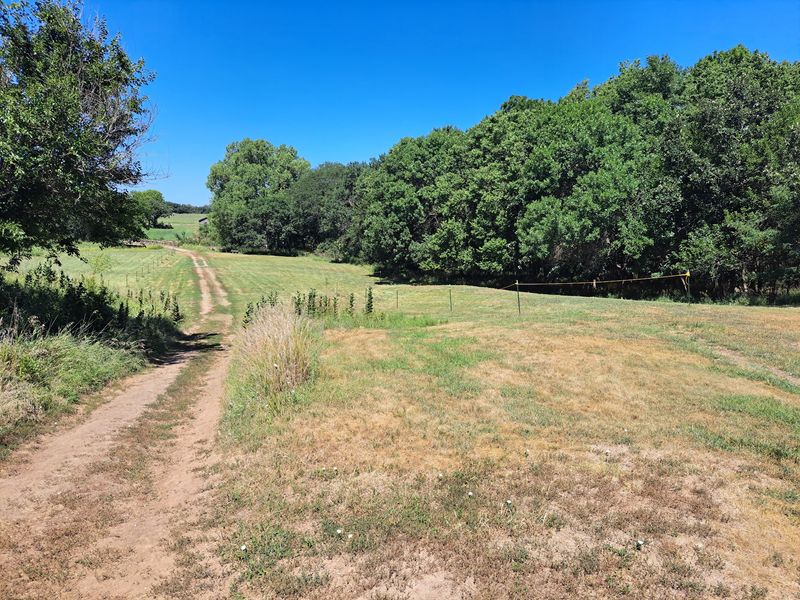
Grass grows over them now, but the wagon ruts here refuse to fade. Thousands of iron-rimmed wheels pressed the same narrow path until the earth simply gave way.
Those depressions are known as swales. At Rock Creek Station, you can walk out to a nearby hillside and see them stretching across the land.
That’s the moment most trail fans come for. Standing beside a groove made by real pioneer wagons turns a textbook chapter into something your feet can confirm.
The ruts belong to the Oregon and California Trail, one of the great overland routes west. Families, freight, and livestock all funneled toward this crossing at Rock Creek.
Seeing ruts ranks among the most talked-about experiences at the park. It’s easy to understand why, since few places in Nebraska let you get this close to the trail itself.
Bring patience and a good imagination. The ruts look gentle in the grass, yet each one represents an enormous amount of effort, mud, and hope rolling slowly westward toward Oregon and California.
Where Pony Express Riders Swapped Horses In A Hurry
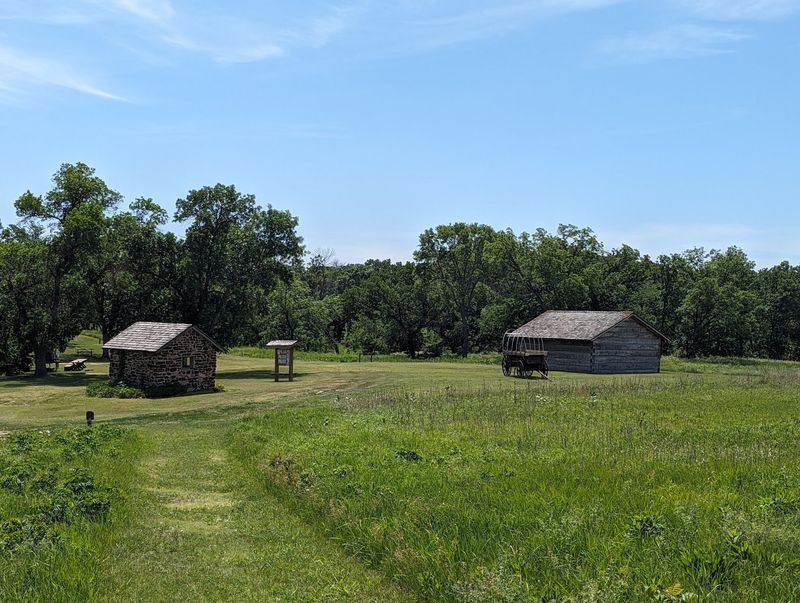
Speed was everything for the Pony Express, and Rock Creek played its part. Riders raced in, traded tired horses for fresh ones, and galloped off with the mail.
The station served as a relay stop on the famous route in the early 1860s. Today a reconstructed relay station helps you picture how quickly those exchanges happened.
Nearby, a rebuilt post office adds another layer to the story. Mail mattered enormously on the frontier, and this site sat right in the middle of that flow.
After the Pony Express era, Overland stagecoaches rolled through as well. Passengers would have stopped here briefly before bumping along to the next station.
Rock Creek Station State Historical Park is also tied to James Butler Hickok. The young man later known as Wild Bill worked here around 1861, and the site is linked to the start of his legend.
That connection adds a little Old West spark to a quiet prairie setting. Still, the real star remains the relay system that helped stitch the country together, one fast horse at a time.
Furnished Cabins And A Toll Bridge Straight Out Of 1860
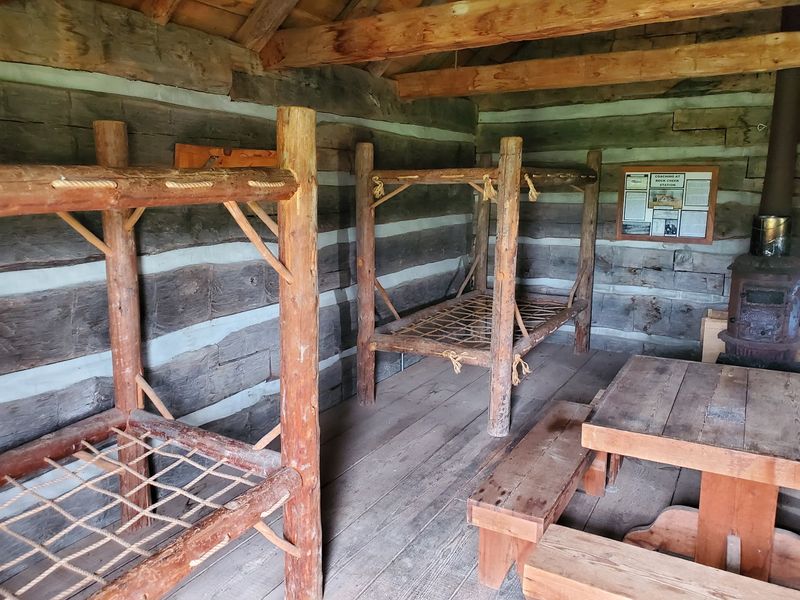
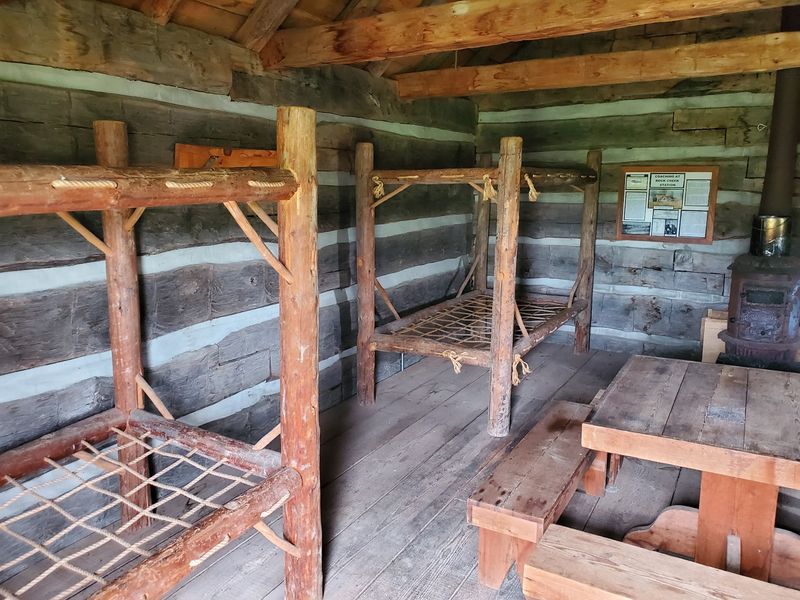
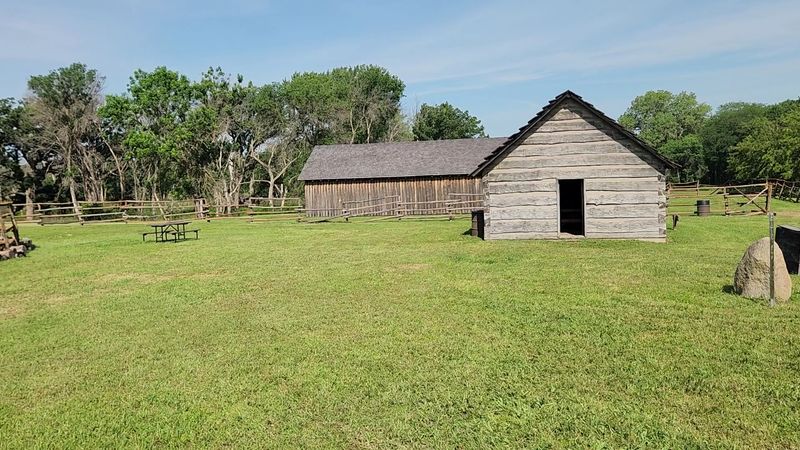
Old log cabins have a funny way of making modern kitchens look enormous. The reconstructed cabins at Rock Creek Station are furnished to show how people actually lived back then.
Peek inside and you’ll find period-style furniture arranged as a frontier household might have used it. It’s a simple setup, which is exactly the point.
The site’s reconstructed buildings include the relay station, the post office, and several cabins. Together they recreate the feel of a working stop on the trail.
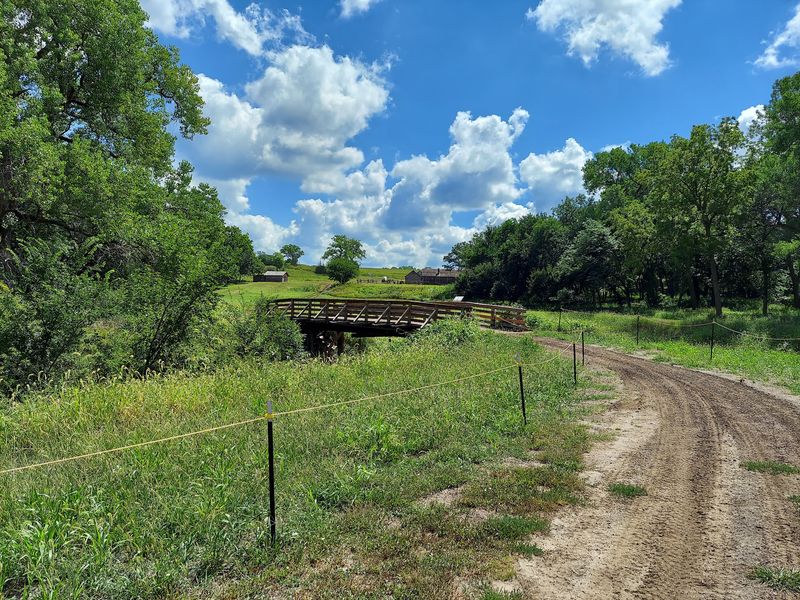
Then there’s the toll bridge. Travelers once paid to cross Rock Creek here, which beat the alternative of wrestling a wagon down a muddy bank.
A recreated covered wagon with oxen stands in front of the visitor center, too. It makes a fine photo backdrop, and kids tend to love posing beside the life-size team.
None of it feels like a stage set. The buildings sit right where the real station operated, so every doorway frames the same creek and prairie the original residents would have seen each morning.
Prairie Trails That Practically Beg For A Long Walk
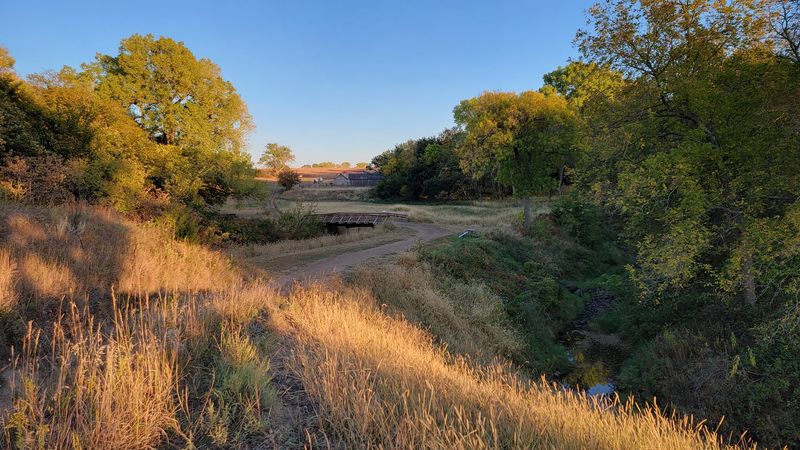
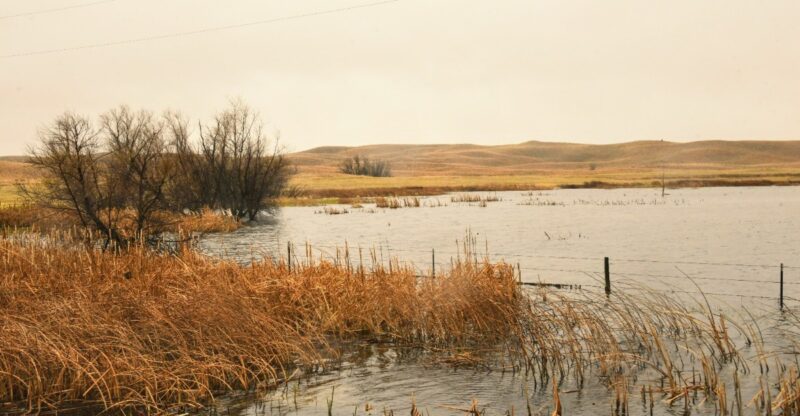
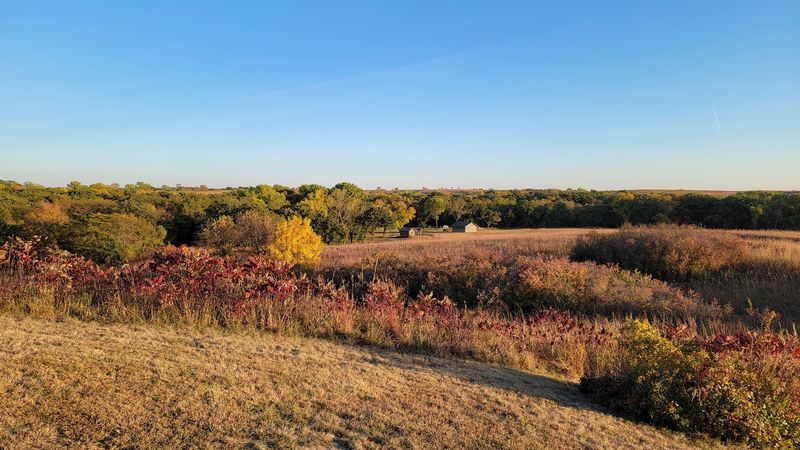
Trails get more attention here than almost anything else, and the prairie earns it. Paths wind through tall native grasses, often mowed into neat walking lanes.
Short loops connect the historic buildings with the ruts and interpretive displays. Those signs explain the prairie ecosystem, so you learn about the land while crossing it.
Hikers wanting more distance can stitch several trails together for a multi-mile outing. Most routes stay on grass, which makes for a softer, quieter walk than gravel.
Near the creek, expect small stones underfoot. The prairie trail offers a smoother option if you’d rather avoid that rocky stretch.
In warmer months, wildflowers brighten the grasslands in southeast Nebraska. It’s a lovely reminder that the pioneers crossed beautiful country, even if they were too busy to admire it.
Pack sunscreen and plenty of water, since shade is limited out in the open. Long pants and a tick check afterward are smart moves, too.
A little preparation keeps the focus on the views rather than the bug spray.
Campfire Nights Beside A Frontier Crossing
Sleeping a short stroll from Pony Express history sounds pretty good, right? The campground at Rock Creek Station makes that possible.
Sites come with electric hookups, and potable water and a dump station are available. Clean showers and restrooms add comfort that pioneers could only dream about.
Covered picnic areas are a welcome bonus on hot afternoons. They also give families a spot to gather when a prairie shower rolls through.
Horse campers have options here as well. Riding a horse near an old relay station feels like a fitting tribute to those hard-working Pony Express mounts.
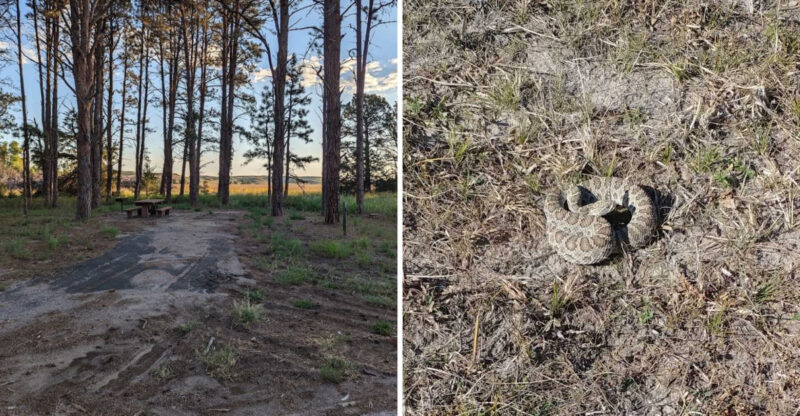
The setting is calm and comfortably off the beaten path. Off-season camping, even in early spring, can feel especially peaceful when the grounds are quiet.
For many Nebraska families, it’s a getaway that doesn’t require a long drive. You can hike to the ruts at sunrise, explore the cabins midday, and still be back at your site before supper.
That’s a full weekend packed into one small park.
Artifacts, Friendly Staff, And A Perfect Rainy-Day Backup
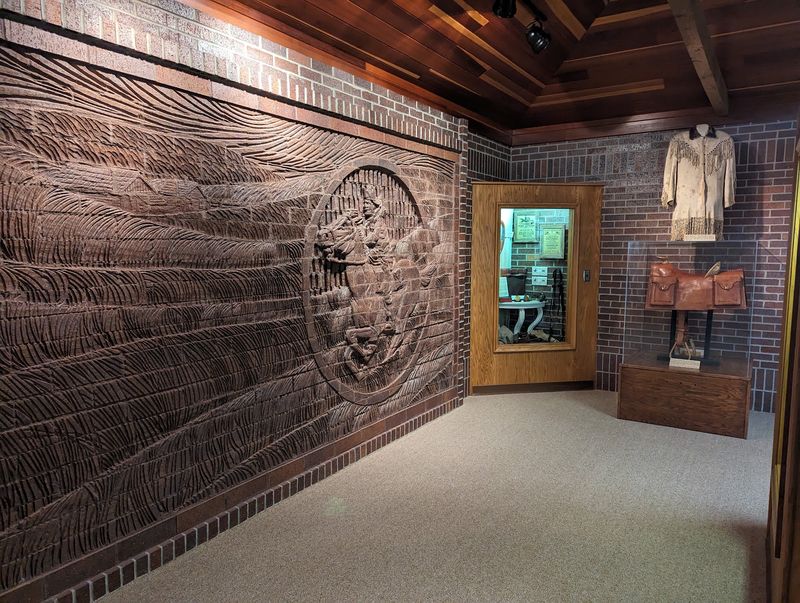
Every good trail story needs a home base, and the visitor center plays that role. Inside, you’ll find a collection of artifacts tied to the site’s busy past.
Exhibits help connect the dots between the trail, the Pony Express, and the stagecoach years. It’s a smart first stop before heading out to the ruts.
Staff here have a reputation for being knowledgeable and genuinely helpful. They can point you toward trails and even share details about the flowering plants along the way.
That kind of guidance makes a short visit feel much richer. Questions about Wild Bill, the toll bridge, or the swales rarely go unanswered.
The visitor center also makes a handy retreat if the Nebraska weather turns moody. Wind and sun can be intense out on the prairie, so a break indoors helps.
Families with younger kids will appreciate the hands-on feel of the displays. Pair them with the covered wagon out front, and even reluctant history fans may suddenly have plenty of questions on the drive home.
Plan A Weekend Trip And Let The Ruts Do The Talking
Timing matters at this park, so check your calendar first. Rock Creek Station keeps its main hours on weekends, generally Friday through Sunday, and stays closed early in the week.
The address is 57426 710th Rd, Fairbury, NE 68352. It sits northeast of Endicott, and a map app will guide you there without much fuss.
Because it’s a Nebraska state park, every vehicle needs a park entry permit. A daily pass works fine, and annual permit holders are already set.
Plan for some walking, especially if you want to see the ruts up close. Sturdy shoes, water, and sun protection will make the outing far more comfortable.
So is Rock Creek Station State Historical Park worth the drive? For anyone who loves Nebraska history you can actually stand on, the answer leans strongly toward yes.
Few places pack trail ruts, a Pony Express relay station, and wide-open prairie into one easy outing. The wagons left long ago.
Their tracks, happily, decided to stay.