Walk Through A Working 1830s Iron Furnace Village That Pennsylvania Kept Standing In The Woods
A 30-foot wooden water wheel still turns inside an old stone cast house in the Pennsylvania woods.
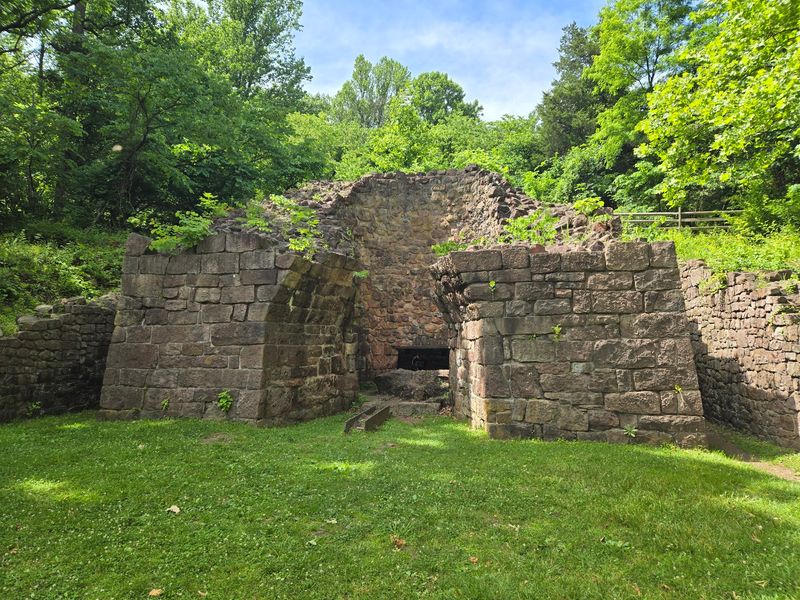
Beside it stands a 50-foot stone blast furnace that once made cannons for George Washington.
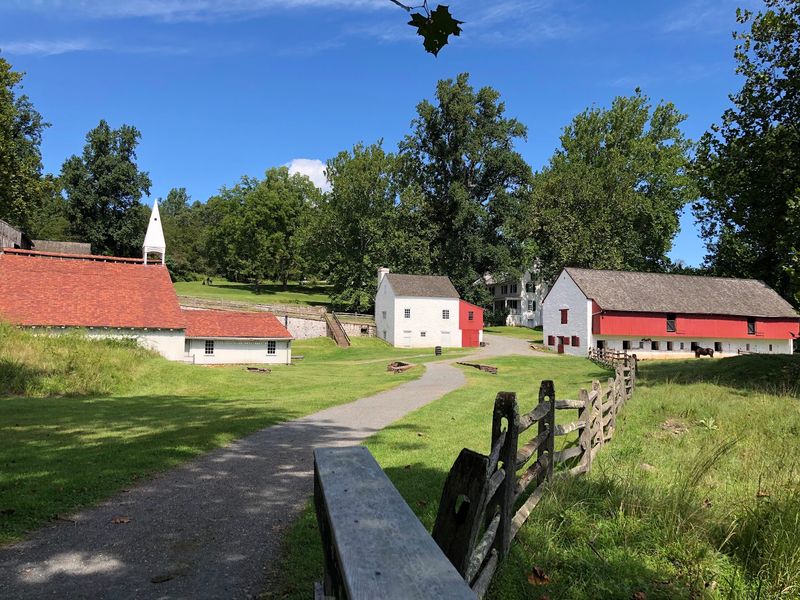
The village around it never got bulldozed. More than 50 old structures still stand, from a company store to an ironmaster’s mansion to the small houses where workers lived.
I like how none of it feels behind glass.
On certain days, rangers build smoldering charcoal piles and help kids cast tiny stove plates by hand. The orchard opens for apple picking in the fall.
And the price of admission? Nothing at all.
I can’t imagine a cheaper way to spend an afternoon inside the 1830s.
So how did a whole iron town survive this long, hiding in the trees?
An Entire Iron Town Survives In The Woods Of Berks County
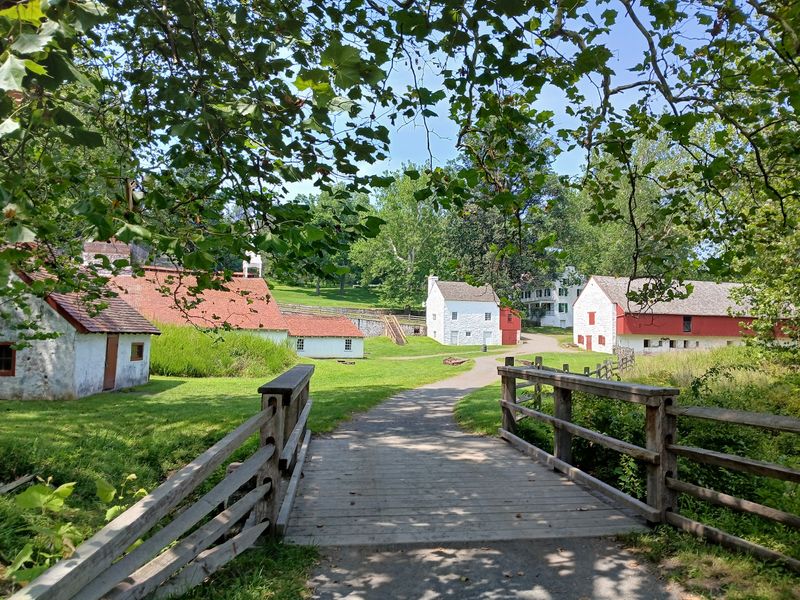
Hopewell Furnace National Historic Site sits in southeastern Berks County, near the small community of Elverson. It protects a complete 19th-century iron-making village, not just a single building.
The park covers 848 acres today. That sounds big until you learn it was once part of an 8,000-acre iron plantation.
An iron plantation was basically a self-contained world. Workers mined ore, cut wood, made charcoal, ran the furnace, farmed, and shopped at the company store.
Hopewell kept a remarkable amount of that world intact. More than 50 structures here are listed on the National Register of Historic Places.
You’ll find the furnace group, the ironmaster’s mansion, a blacksmith shop, a barn, a springhouse, and tenant houses. Walking between them shows how a whole community fit around one roaring furnace.
The setting helps the story land. Thick forest wraps the village because French Creek State Park and State Game Lands border the site on several sides.
Together they form the heart of the Hopewell Big Woods, a large effort to keep open land protected in southeast Pennsylvania.
Cannons For Washington Started The Story
Ironmaster Mark Bird founded Hopewell Furnace in 1771. Within a few years, the young furnace had a very important customer.
During the American Revolution, Hopewell produced cannons and shot for General Washington and the Continental Navy. That’s a serious resume for a furnace in the Pennsylvania backcountry.
The operation kept going long after the war ended. It ran all the way until 1883, more than a century of iron-making in one spot.
Its best years came between 1820 and 1840. Production peaked during that stretch, which is why so much of the village reflects that era today.
Hopewell’s story also includes hard truths. The furnace relied on both enslaved and free labor during its working years, and the park shares that history openly.
Change eventually caught up with the old charcoal furnace. Newer methods, including anthracite coal furnaces, made it outdated, and the fires went out in 1883.
Then something lucky happened. The federal government bought the property in 1935 and named it a National Historic Site in 1938.
A Water Wheel That Still Turns Inside The Cast House
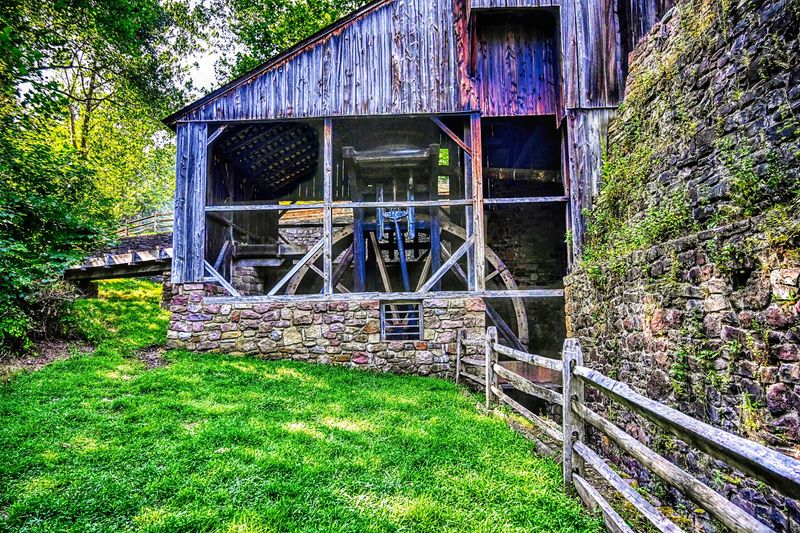
Thirty feet of wooden water wheel is hard to ignore. At Hopewell, a reproduction wheel sits beside the furnace, and on some days it’s actually turning.
Why did a furnace need a giant wheel? Water power drove the bellows that blasted air into the fire, which kept temperatures high enough to melt iron ore.
Without that steady push of air, the whole operation would stall. The wheel was the village’s heartbeat in a very literal way.
The furnace itself towers too. The stone blast furnace stands about 50 feet tall, and together they make up the core of the furnace group.
Inside the cast house, the space opens into a large room with the wheel at the back. The light runs on the dim side, so your camera may need a moment to adjust.
Out back, the path continues toward the charcoal house and an anthracite furnace site. The anthracite area is large and fun to wander around, almost like a stone maze.
Smoldering Charcoal Piles And Other Summer Demonstrations
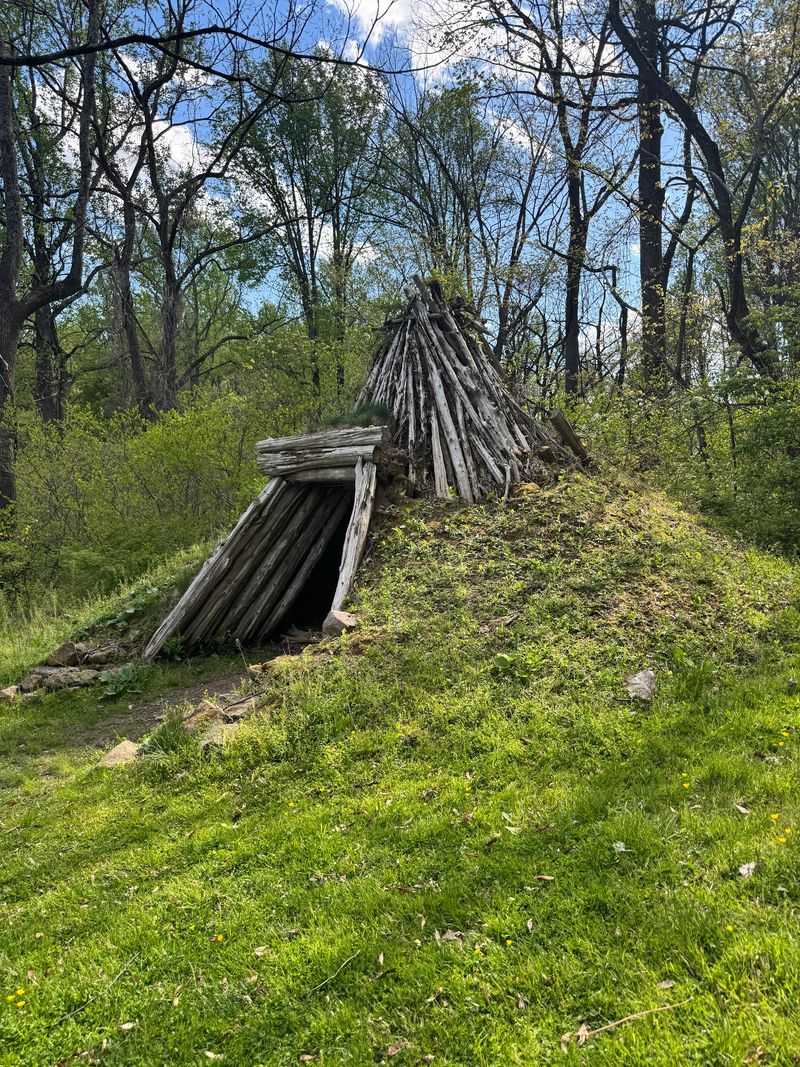
Charcoal fed every pound of iron Hopewell ever made. Colliers stacked wood into huge mounds, covered them, and let them burn slowly into fuel.
The park still shows how that worked. During summer living history programs, staff may demonstrate charcoal making near the charcoal pit and collier hut.
A properly built pile doesn’t burn fast. It can smolder for roughly two weeks, which tells you how patient those colliers had to be.
Charcoal isn’t the only hands-on topic. Summer programs can also cover historic cooking, iron ore mining, stove plate casting, and blacksmithing.
Each one fills in a piece of the daily routine. Suddenly the empty buildings make sense as workplaces with real jobs and real sweat.
Schedules change, so planning ahead pays off. A board outside the visitor center lists the day’s programs when the park opens.
Your Own Little Stove Plate To Carry Home
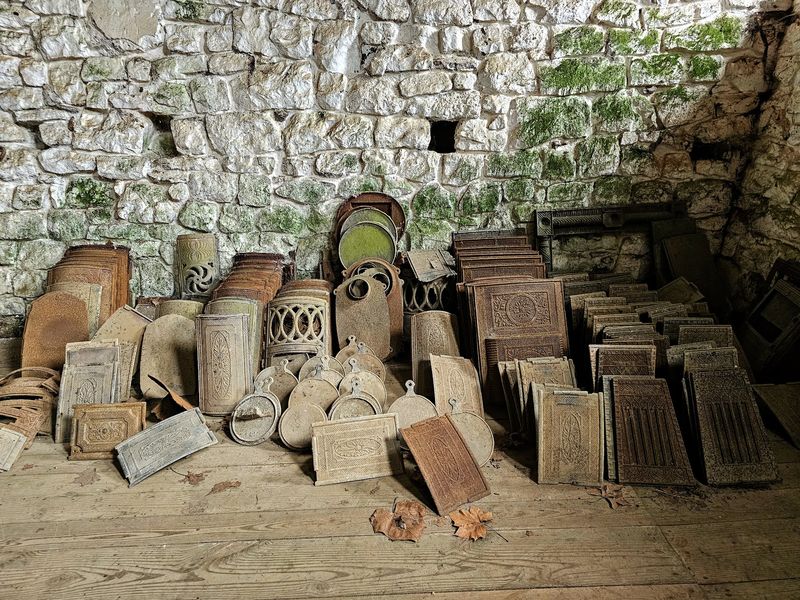
Cooking stoves paid Hopewell’s bills better than anything else. They were the furnace’s most profitable product, made here from 1825 to 1844.
Those stoves were assembled from cast iron plates, often decorated with designs. Each plate began as a pattern pressed into a sand mold.
Here’s the fun part. On certain program days, visitors can try the molding process themselves and cast a miniature stove plate.
Don’t worry about molten metal flying around. The modern version uses plaster instead of iron, so it’s safe for kids and grown-ups alike.
Rangers walk you through the same steps used for full-size plates. You learn why the sand had to be packed just right and how the design ended up raised on the finished piece.
It’s a souvenir with a story attached. Few gift shop trinkets can say they were made using an 1830s method in the same village.
Where The Ironmaster Lived Large
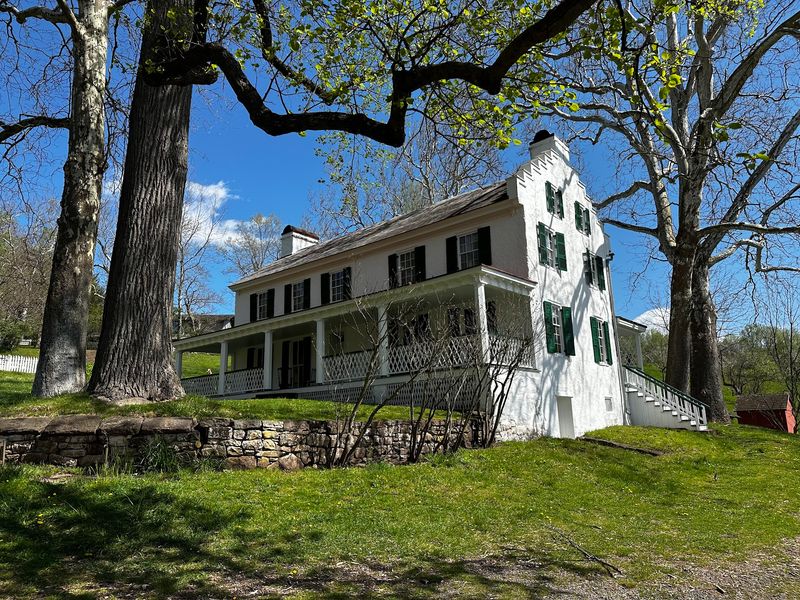
Every iron village had a boss, and his house showed it. The ironmaster’s mansion stands as the grandest home in Hopewell’s village.
The first floor is open for self-guided exploring. Rooms sit behind railings, so you look in rather than touch.
Inside, the furnishings tell a story of comfort. You can spot a piano, dining spaces, rocking chairs, and children’s toys arranged as if the family just stepped out.
Signs near the stairs fill in details about who lived there. They also help you picture how this household ran the business of the furnace.
Now compare that to the worker houses nearby. Those smaller homes sheltered the families who did the hot, heavy labor.
Seeing both in one short walk is eye-opening. The gap between the mansion and the tenant houses says a lot about life on an iron plantation.
Hopewell also has a lesser-known detail worth catching. Its history includes schooling for workers’ children, which adds another layer to the community story.
Company Store Shelves Frozen Around 1830
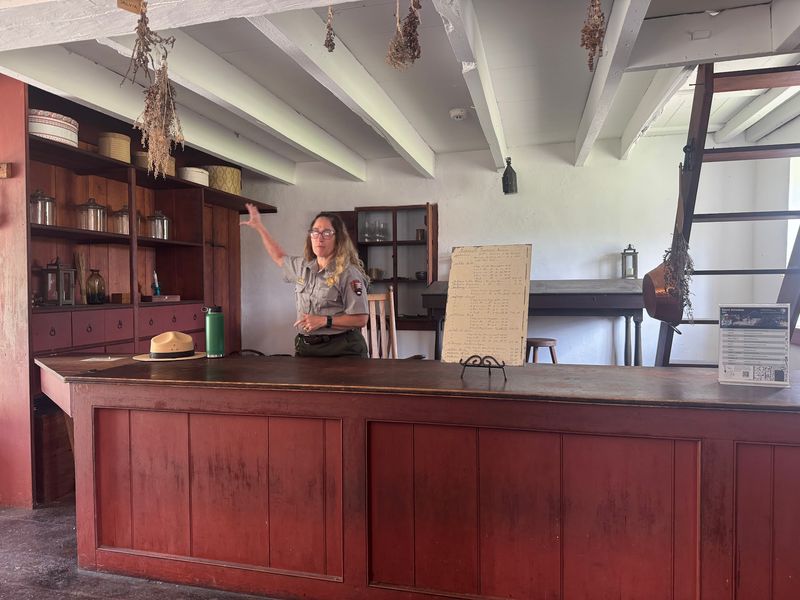
Payday at Hopewell often meant a trip to the company store. Workers bought goods there, and purchases were tracked against their wages.
The store and office building still stands in the village. It’s furnished to look the way it did between 1820 and 1840, the furnace’s busiest years.
Shelves hold a mock-up of what families might have purchased. It gives you a feel for everyday needs in a place miles from any town.
A few exhibits inside add context. They explain how the store fit into the larger system that kept the iron plantation running.
Nearby buildings round out the picture. The blacksmith shop handled repairs, the springhouse kept food cool, and the barn housed animals and supplies.
Each building is a small puzzle piece. Put them together, and you see a community that had to handle nearly everything for itself.
Some buildings include audio buttons for self-guided learning. Not all of them may be working on a given day, so the printed signs are your reliable backup.
Sheep, Horses, And A Badge For Every Age
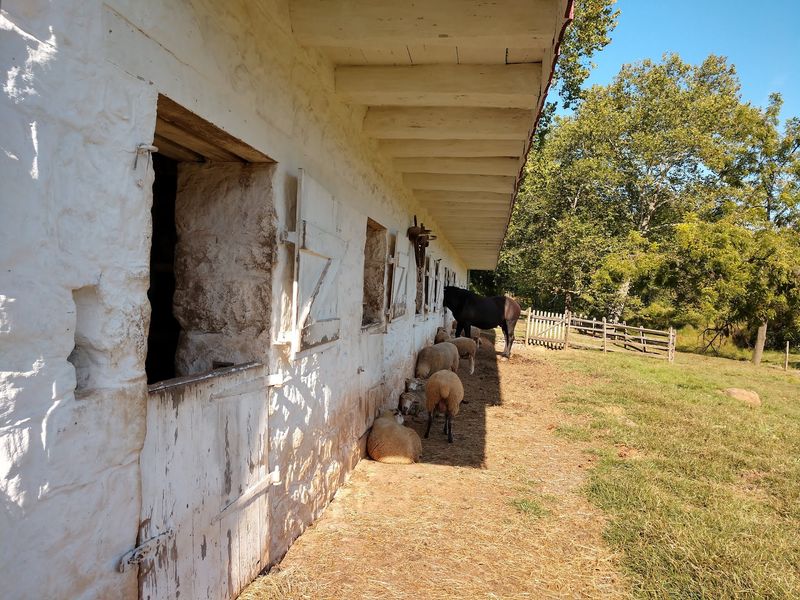
Not every resident here is made of stone. Hopewell keeps a flock of sheep and resident horses, the kind of animals that would have lived on the farm back then.
Kids tend to love that part. Animals make the village feel lived-in rather than frozen.
The Junior Ranger Program adds a mission to the visit. Grab a booklet at the visitor center, complete the activities, and return it for a badge.
Adults can do it too, and nobody will judge you. Honestly, the questions are a sneaky way to notice details you’d otherwise walk past.
Dogs get their own perk. Pets on a leash are welcome outdoors, and the park offers a Bark Ranger program for four-legged visitors.
Service animals are allowed inside buildings. Other pets stay outside, so plan your indoor stops with that in mind.
National park fans should bring their passport books. Cancellation stamps sit at the back side of the visitor center’s information desk.
Trails That Run Straight Into French Creek State Park
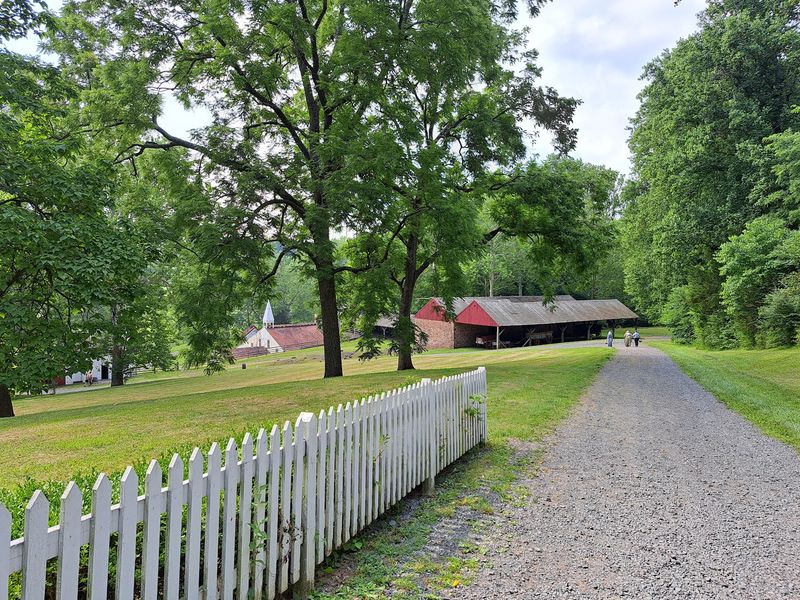
Once the village tour wraps up, the woods are waiting. Hopewell offers numerous hiking and biking trails that connect with neighboring French Creek State Park.
That link makes it easy to stretch a short visit into a full outdoor day. You can wander from iron history into deep forest without moving the car.
The surrounding land is rich with wildlife and native plants. Birders especially may find plenty to watch along the edges and trails.
A small pollinator garden sits outside the visitor center. Master Gardeners plant and care for it, so it’s worth a quick look on your way in.
Trails stay open even on days when the buildings and visitor center are closed. That’s handy if your schedule only allows a Monday or Tuesday stop.
Conditions can shift, though. Storms sometimes bring down trees and close certain paths, so check trail status before a big hike.
Some village paths include uneven slate steps, given the age of the place. Comfortable shoes make the whole outing easier, whether you’re strolling or covering miles.
The address is 2 Mark Bird Lane, Elverson, PA 19520. The parking lot sits right next to the visitor center, though it doesn’t offer much shade on hot days.
Buildings and the visitor center typically open Wednesday through Sunday. They close Mondays, Tuesdays, and several federal holidays, so check ahead before making the drive.