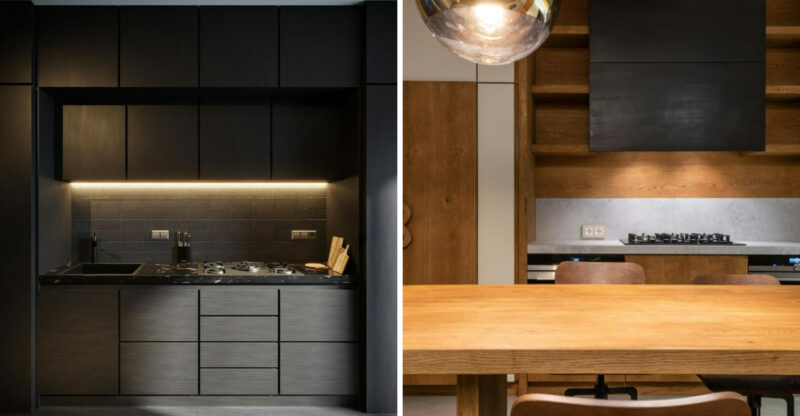
14 Washington Coastal Winter Décor Trends Inspired by Blue-Grey Pacific Mornings
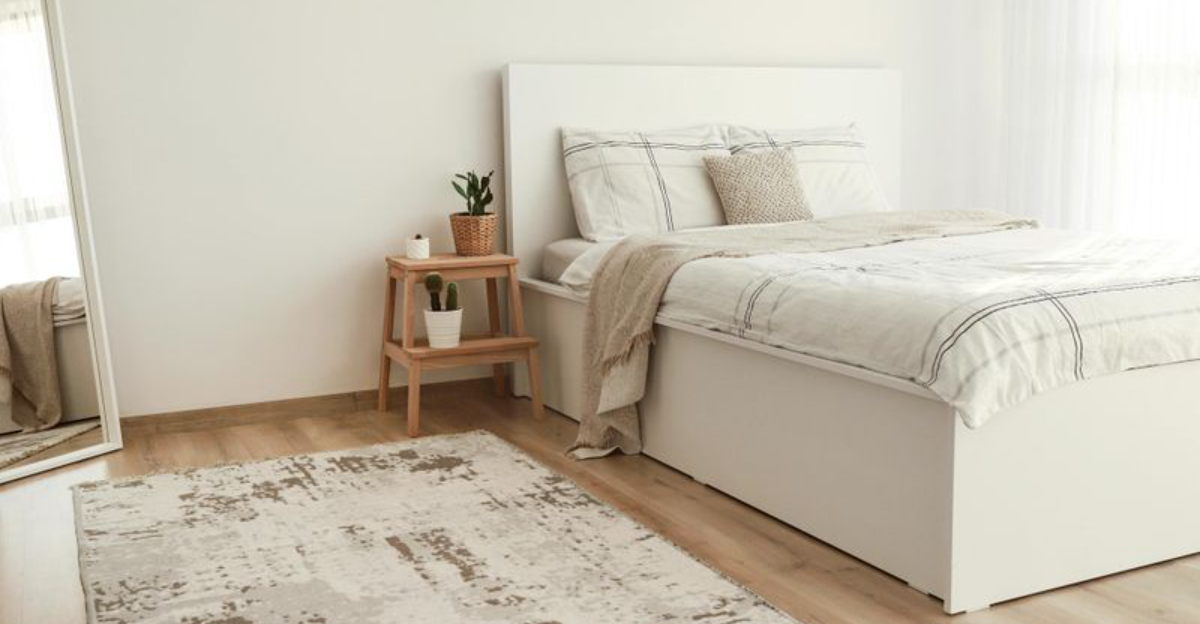
Washington’s coastline transforms into a magical palette of blue-grey tones each winter morning, where the Pacific Ocean meets misty skies in a breathtaking display of natural beauty.
These serene colors inspire a unique approach to home décor that captures the peaceful essence of coastal living while embracing the cozy comfort needed during chilly months.
Bringing these tranquil hues and textures indoors creates spaces that feel both calming and connected to the stunning landscape outside your windows.
1. Misty Gray Walls
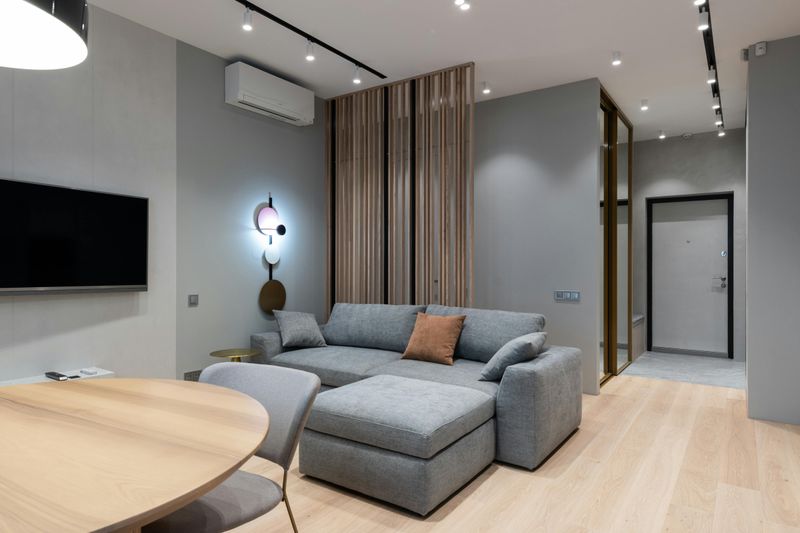
Soft gray walls mirror the atmospheric quality of Washington’s overcast winter skies, creating a sophisticated backdrop that feels both modern and timeless.
Colors like Sherwin-Williams’ Lattice bring a gentle warmth without feeling too cool or stark, perfect for rooms that need a calming presence.
These subtle shades work beautifully with natural wood tones and white trim, allowing furniture and artwork to stand out while maintaining a cohesive flow throughout the home.
The muted palette also reflects natural light in interesting ways, making spaces feel larger even on the gloomiest days.
Pairing misty grays with warm textiles like wool throws and linen curtains balances the cool tones, ensuring rooms feel inviting rather than cold during winter months.
2. Deep Navy Accents
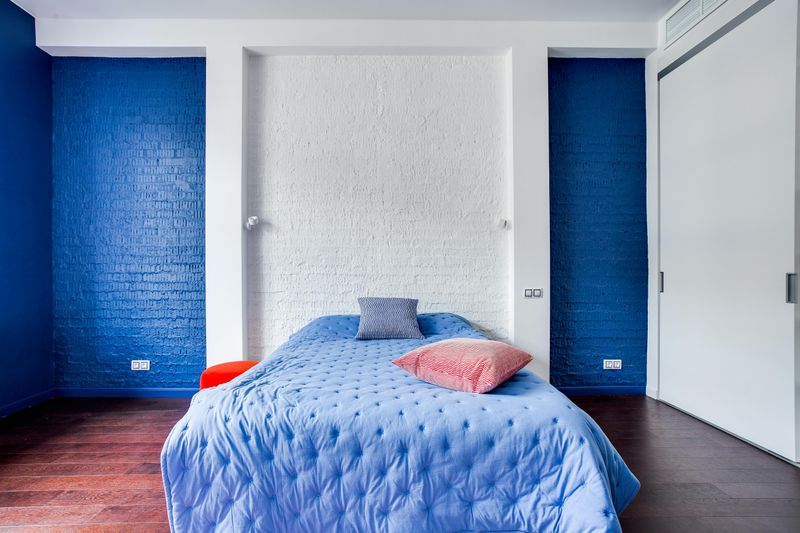
Rich navy tones bring the depth of Pacific waters directly into living spaces, offering a bold yet sophisticated alternative to lighter coastal blues.
Sherwin-Williams’ Naval creates dramatic focal points when used on accent walls, kitchen islands, or built-in cabinetry.
This color pairs exceptionally well with brass hardware, creating a luxurious contrast that elevates everyday spaces into something special.
Navy also grounds lighter color schemes, preventing rooms from feeling too washed out or lacking visual interest.
Consider using deep blue on interior doors or window frames to add unexpected pops of color that guide the eye through your home.
The richness of navy reads as both classic and contemporary, adapting well to various design styles from farmhouse to modern minimalist.
3. Weathered Cedar Elements
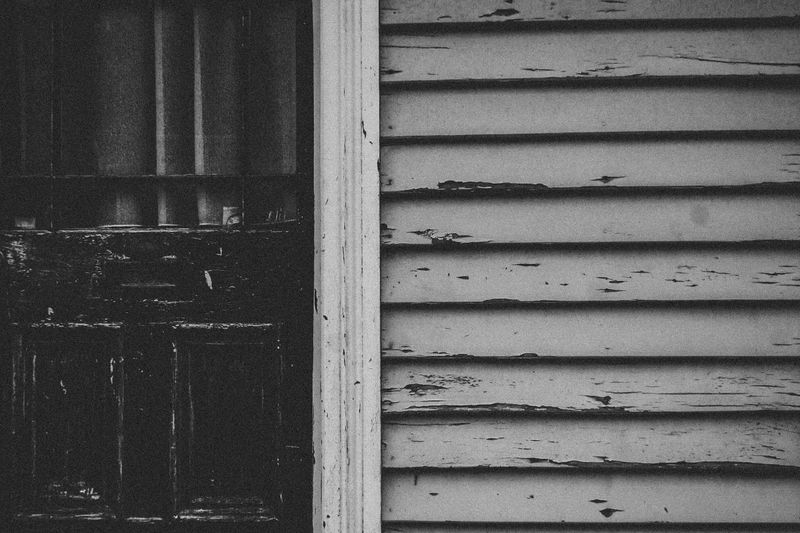
Incorporating weathered cedar brings authentic Pacific Northwest character into homes through natural wood grain and silvery-gray patinas.
Cabot Semi-Transparent stain in Driftwood Gray enhances cedar’s inherent beauty while protecting it from moisture, making it ideal for bathrooms or mudrooms.
Cedar beams across ceilings or as accent walls introduce organic texture that contrasts beautifully with smooth painted surfaces.
The wood’s natural aromatic quality also adds a subtle sensory dimension that synthetic materials simply cannot replicate.
Reclaimed cedar pieces tell stories of the region’s logging heritage while supporting sustainable design practices.
Whether used for shelving, paneling, or furniture accents, weathered cedar connects indoor spaces to Washington’s coastal forests in meaningful ways.
4. Forest Green Accents
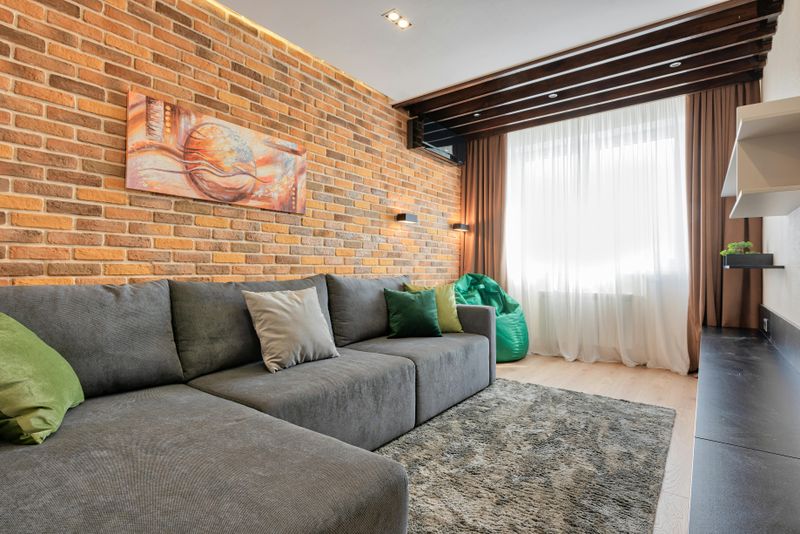
Deep forest greens like Benjamin Moore’s Salamander echo the evergreen trees that define Washington’s landscape, bringing vitality to winter interiors.
This color works wonderfully as an accent through velvet pillows, heavy curtains, or upholstered dining chairs.
Unlike brighter greens, forest tones feel grounded and mature, complementing rather than competing with blue-grey color schemes.
The shade shifts beautifully throughout the day as natural light changes, appearing almost black in dim corners and vibrant near windows.
Layering different textures in forest green prevents the color from feeling flat or one-dimensional.
Mixing smooth silk, nubby linen, and soft velvet creates visual interest while maintaining a cohesive color story that celebrates Washington’s natural environment year-round.
5. Sea-Glass Blues
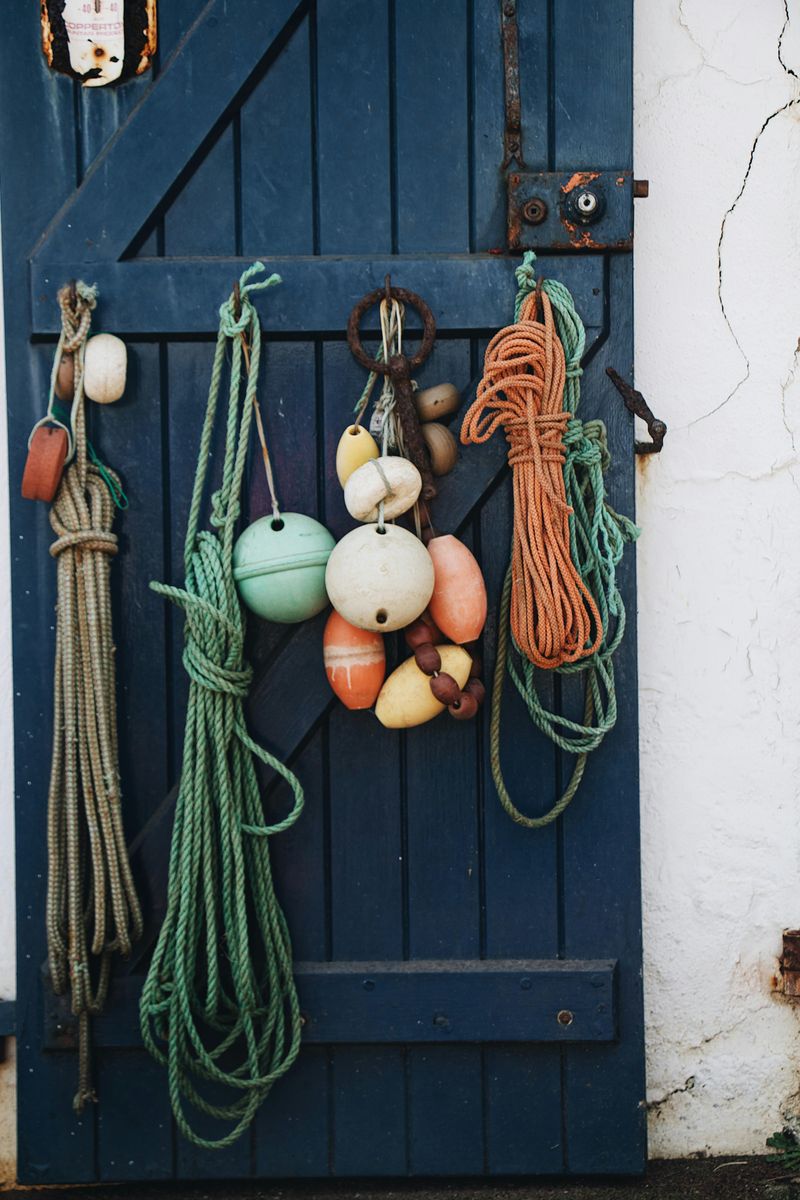
Cool coastal blues like Sherwin-Williams’ Naval and Behr’s Seaside Villa capture the translucent quality of tumbled sea glass found along Washington beaches.
These colors maintain their clarity even in bright sunlight, making them perfect for south-facing rooms that receive intense afternoon light.
Sea-glass shades work particularly well in bathrooms and kitchens where water is a natural element, creating visual connections between function and design.
The colors feel fresh without being childish, sophisticated without being stuffy.
Combining sea-glass blues with white subway tile and chrome fixtures creates classic combinations that never go out of style.
Adding touches of sandy beige or driftwood gray prevents the palette from feeling too monochromatic while maintaining the coastal theme.
6. Biophilic Design Elements
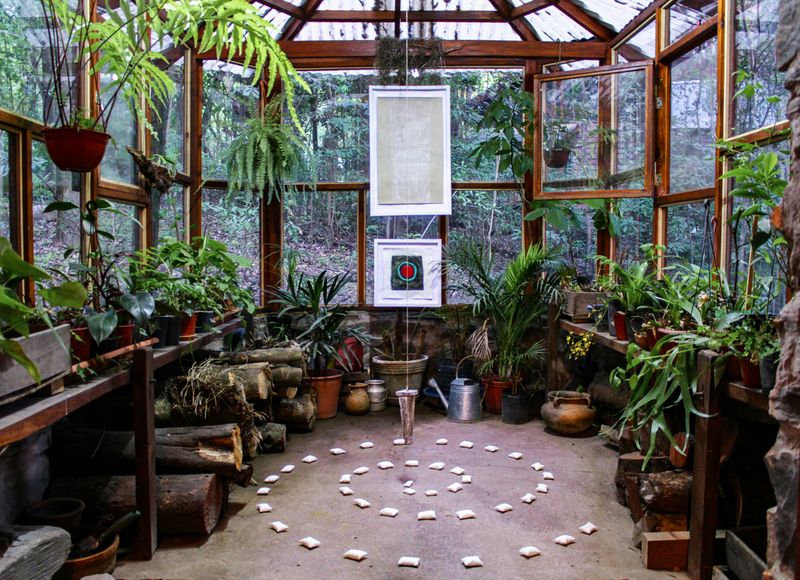
Biophilic design intentionally connects indoor spaces with the natural world through materials like wood, stone, and living plants.
This approach feels especially relevant in Washington, where dramatic landscapes inspire a deep appreciation for nature’s beauty.
Incorporating raw-edge wood tables, river rock accents, or slate tile creates tactile experiences that engage multiple senses beyond just sight.
Large windows that frame views of trees or water become living artwork that changes with seasons and weather.
Adding potted ferns, succulents, or small trees brings literal life into rooms while improving air quality and creating focal points.
The presence of natural elements has been shown to reduce stress and improve mood, making homes feel like true sanctuaries during dark winter months.
7. Warm Neutrals And Earthy Tones
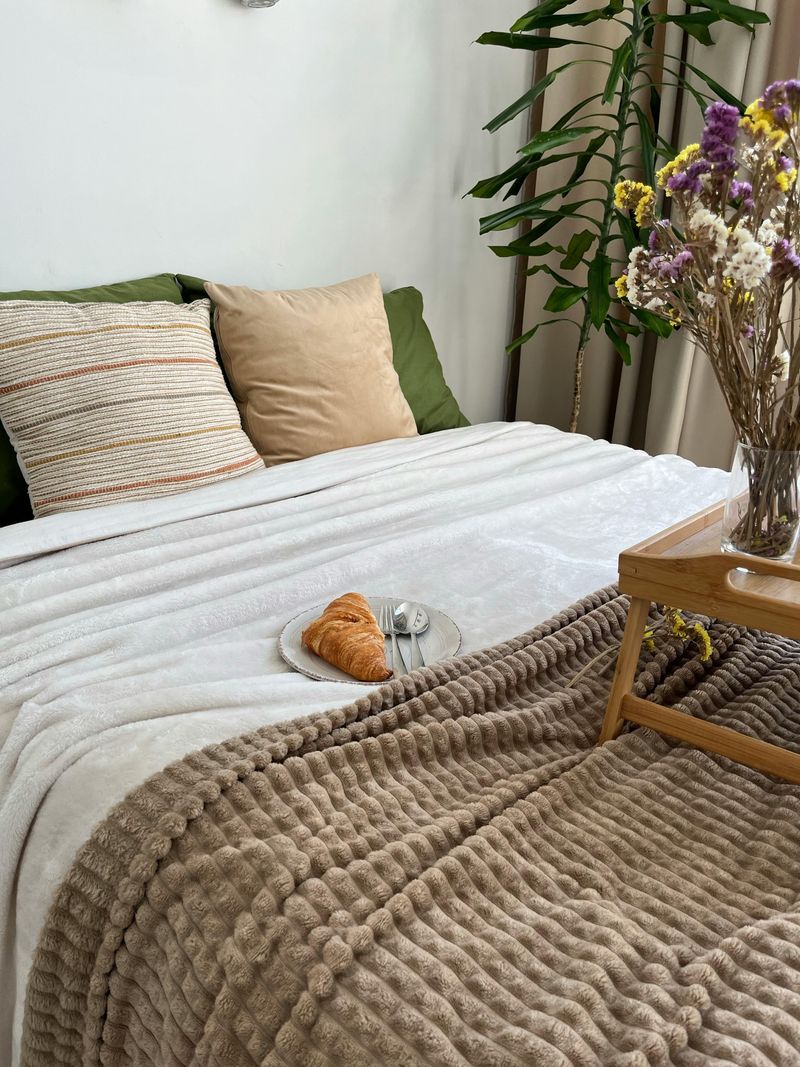
Warm beiges and taupes provide comforting backdrops that counterbalance Washington’s frequently overcast skies, creating cozy environments that invite relaxation.
These colors work as excellent foundations that allow bolder accent colors to shine without overwhelming spaces.
Clay and terracotta tones add rustic charm through pottery, throw pillows, or accent walls, introducing warmth that feels both earthy and refined.
These shades pair beautifully with blue-grey tones, creating balanced color schemes that feel complete.
Layering various neutral tones prevents spaces from feeling boring or flat.
Combining cream walls with taupe furniture and beige rugs creates subtle depth that sophisticated eyes appreciate.
Adding texture through woven baskets, chunky knit blankets, or linen curtains enhances the warm, welcoming atmosphere.
8. Textured And Natural Finishes
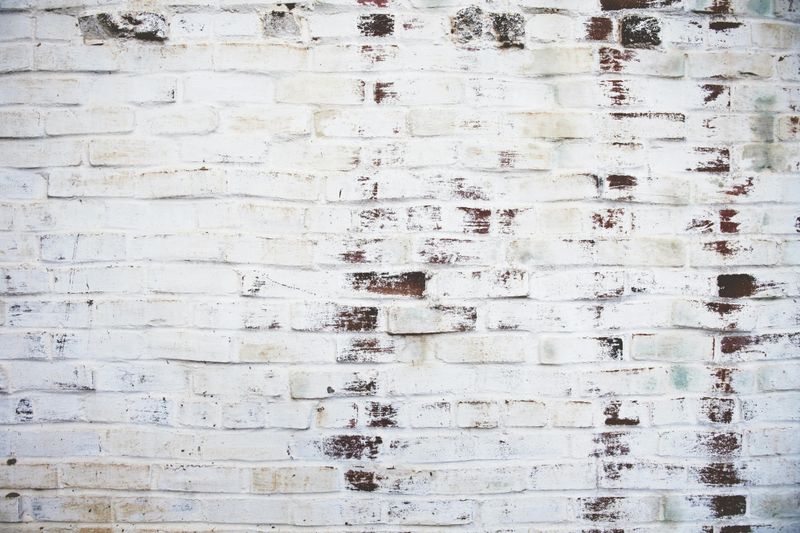
Wood-inspired finishes and plaster techniques like limewash create depth that flat paint cannot achieve, adding character to walls and ceilings.
These finishes catch light in interesting ways, creating subtle shadows and highlights that change throughout the day.
Limewash particularly suits coastal environments because it allows walls to breathe, preventing moisture problems common in humid climates.
The slightly mottled appearance adds old-world charm that works equally well in modern homes and traditional cottages.
Wood-grain wallpapers or planked accent walls introduce pattern without overwhelming spaces, creating visual interest that feels organic rather than busy.
These textured surfaces invite touch, making rooms feel more engaging and lived-in.
Natural finishes also age beautifully, developing patinas that add rather than detract from their appeal.
9. Coastal Scandifornia Aesthetic
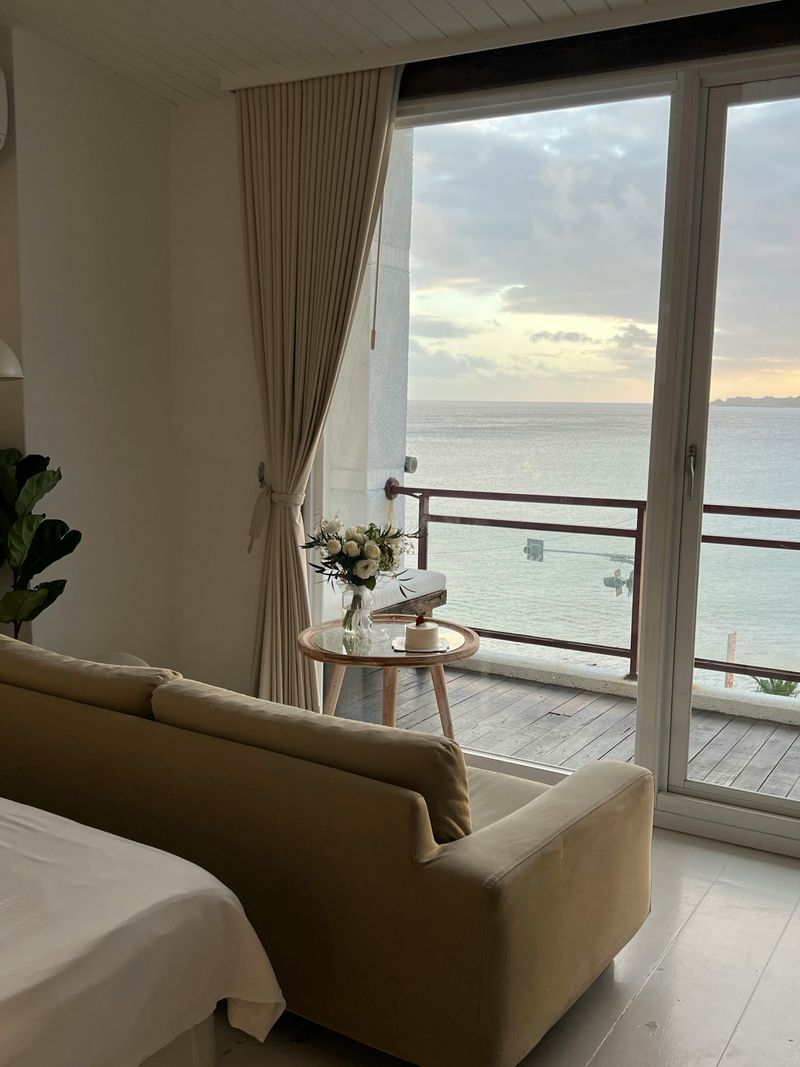
Coastal Scandifornia blends Scandinavian minimalism with California’s relaxed beach vibe, creating spaces that feel both uncluttered and inviting.
Wave-inspired patterns in textiles or artwork reference the ocean without resorting to obvious nautical clichés.
Breezy linen curtains filter light softly while maintaining privacy, their natural wrinkles adding casual elegance that suits coastal living.
Rustic wooden furniture with clean lines bridges the gap between farmhouse warmth and modern simplicity.
Sea glass accents in vases or as decorative bowls introduce subtle color without overwhelming neutral palettes.
This aesthetic prioritizes function and beauty equally, ensuring every piece serves a purpose while contributing to the overall design.
The result feels effortlessly stylish, as if the room naturally evolved rather than being overly designed.
10. Nautical Tablescapes
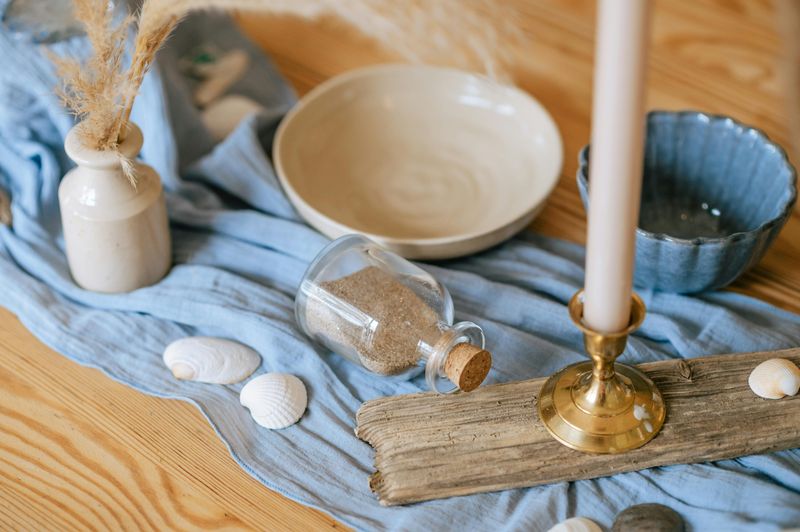
Elevated nautical tablescapes move beyond predictable anchors and stripes, instead using sophisticated sandy neutrals mixed with varying shades of blue.
Luxe brass candlesticks or napkin rings add metallic warmth that prevents settings from feeling too casual.
Layering different textures like linen napkins, ceramic plates, and woven placemats creates visual interest while maintaining a cohesive coastal theme.
Simple white dishes become canvases that allow natural elements like driftwood or shells to shine as centerpiece components.
Consider incorporating elements like blue-rimmed glassware or plates with subtle wave patterns for understated coastal references.
Fresh greenery from Washington’s forests, such as cedar or fir branches, adds organic beauty that connects indoor dining to the outdoor landscape.
These thoughtful details make everyday meals feel special during long winter evenings.
11. Pattern Play With Plaid And Checks
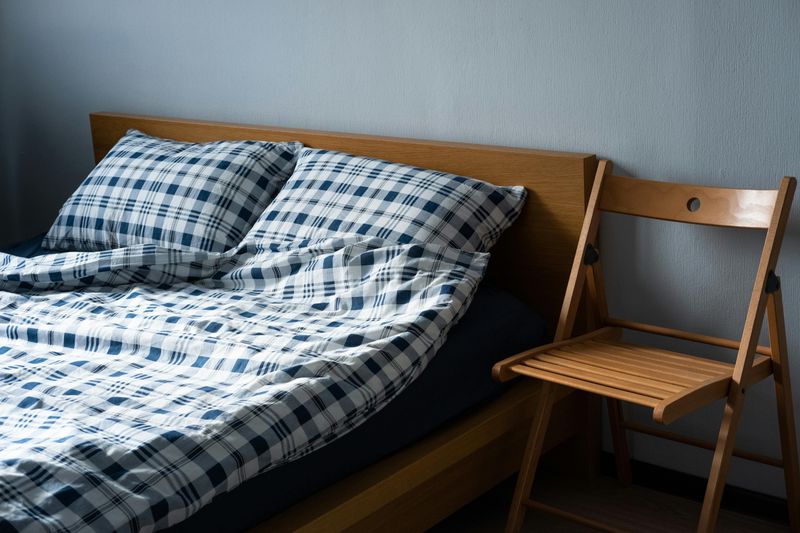
Plaid and checkered patterns inject cozy cabin vibes into coastal homes, creating unexpected combinations that feel fresh and inviting.
Buffalo check in blue-grey and cream works particularly well, referencing both coastal and mountain aesthetics common throughout Washington.
Mixing pattern scales prevents spaces from feeling too matchy or predictable – pairing large-scale plaid pillows with smaller checked throws creates visual rhythm.
These classic patterns also bridge seasonal transitions easily, working equally well with summer’s lighter fabrics and winter’s heavier textiles.
Consider incorporating plaid through unexpected items like lampshades, chair cushions, or even picture frame mats.
The geometric nature of these patterns provides structure that balances more organic coastal elements like driftwood or flowing curtains, creating rooms that feel thoughtfully composed.
12. Nuanced Neutrals
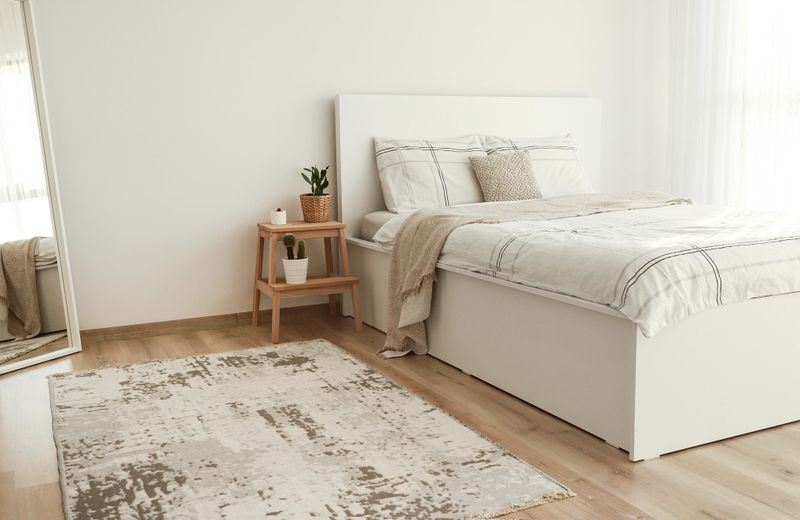
Building color schemes around cream, beige, and white creates sophisticated foundations that feel timeless rather than trendy.
Layering these subtle variations prevents spaces from appearing washed out, instead creating depth through tonal differences.
Subtle metallics like brushed brass or aged silver add just enough shine to catch light without feeling flashy or overdone.
These accents work beautifully on light fixtures, cabinet hardware, or picture frames, providing visual punctuation throughout rooms.
Natural accents like jute rugs, rattan baskets, or wooden bowls introduce warmth and texture that prevents neutral schemes from feeling cold or sterile.
This approach creates calm, cohesive spaces where the eye can rest, particularly valuable during winter when outdoor environments can feel chaotic with storms and grey skies.
13. Vintage-Inspired Accents
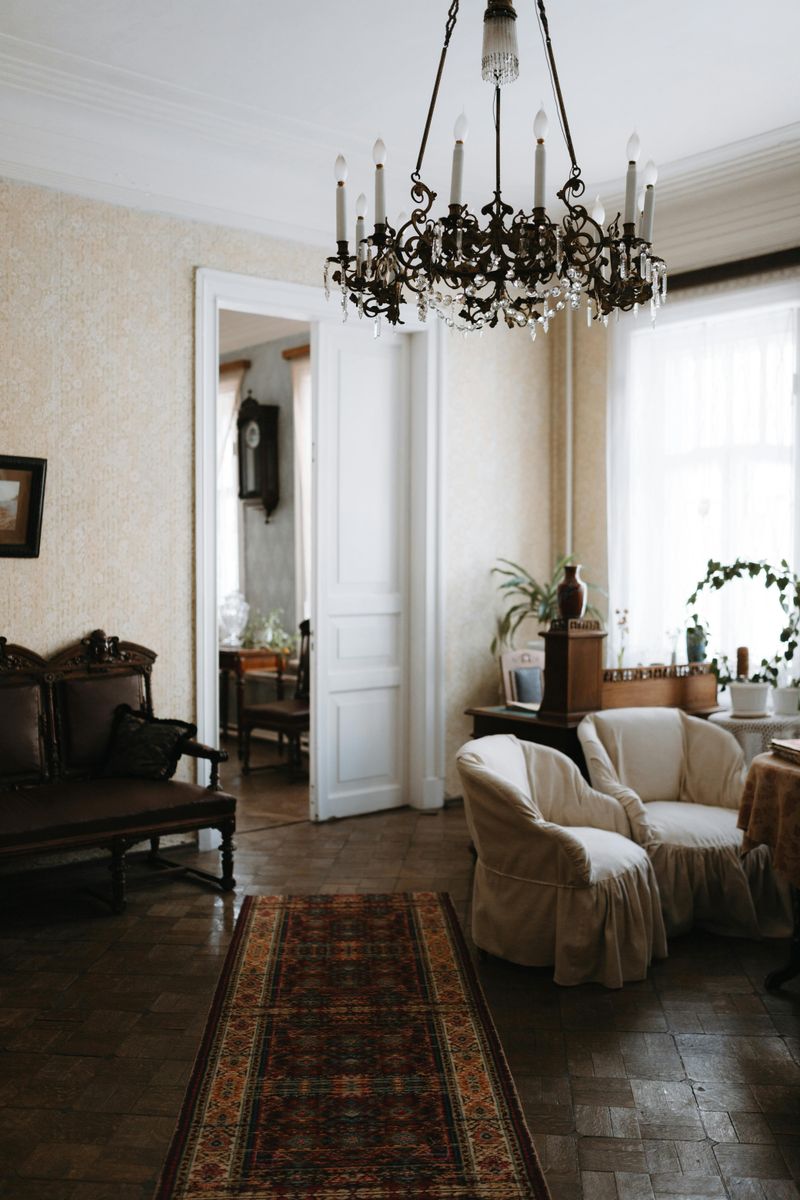
Integrating vintage elements adds character and storytelling opportunities that new furnishings alone cannot provide.
Antique wooden dressers or retro armchairs gain new life when paired with contemporary coastal colors and clean-lined modern pieces.
Retro patterns from mid-century designs or Victorian florals create visual interest when used sparingly in pillows or small upholstered pieces.
These nostalgic touches prevent spaces from feeling too sterile or showroom-perfect, instead suggesting homes that have evolved over time.
Shopping local antique stores or estate sales uncovers unique pieces with history while supporting sustainable consumption practices.
Mixing old and new creates layered, collected looks that feel authentic rather than decorated.
Vintage brass fixtures, old maps, or weathered frames particularly complement Washington’s coastal aesthetic.
14. Sustainable And Durable Finishes
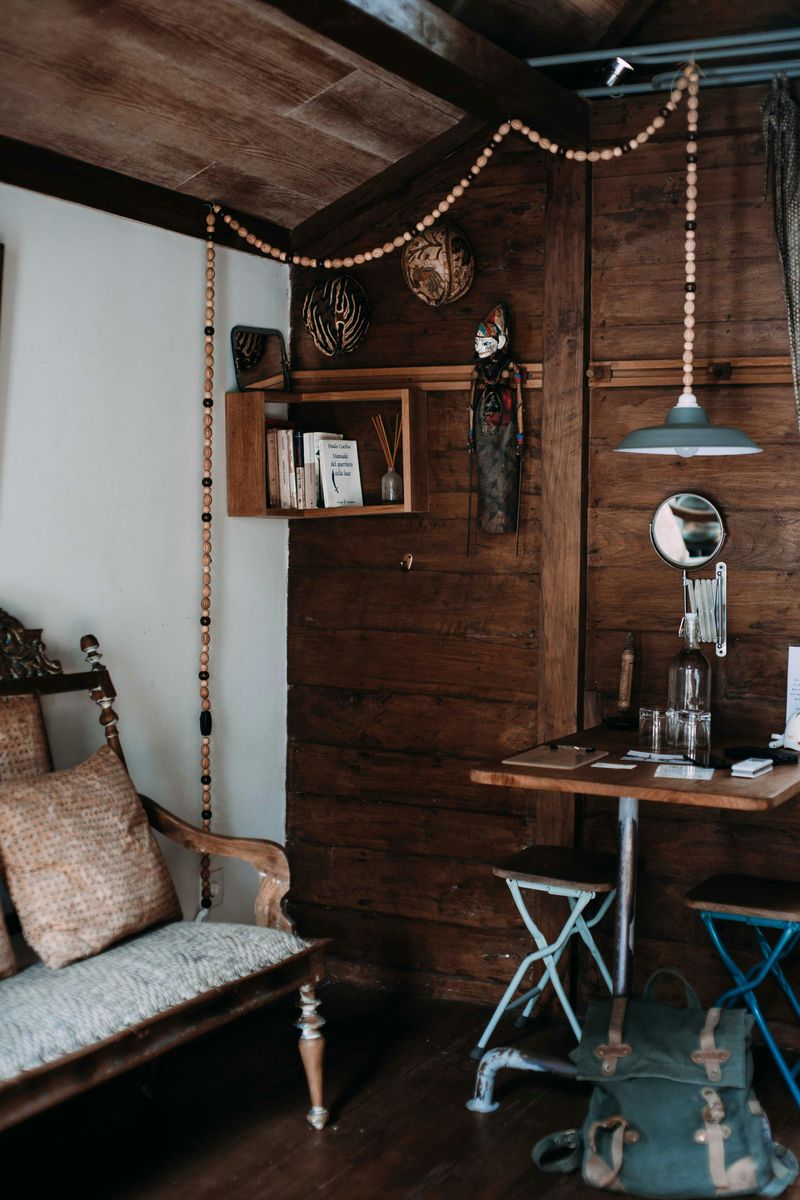
Prioritizing eco-friendly paints with low or zero VOCs protects both family health and environmental quality, aligning with Washington’s strong conservation values.
These sustainable options now rival traditional paints in durability and color selection, making green choices easier than ever.
Natural wood stains enhance grain patterns while avoiding harsh chemicals, particularly important in coastal climates where moisture and salt air can accelerate deterioration.
Durable finishes reduce the need for frequent repainting, ultimately saving money and resources over time.
Choosing sustainable materials demonstrates respect for the stunning natural environment that inspires coastal décor in the first place.
Many Washington-based companies now offer locally-sourced, environmentally responsible products that support regional economies while minimizing transportation impacts.
These thoughtful choices create homes that honor rather than exploit the beautiful landscapes surrounding them.