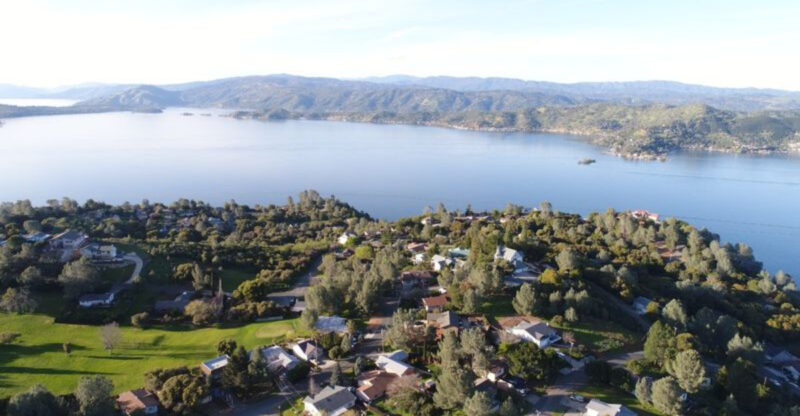
Where To Enjoy The Last Days Of Summer At A Quiet California Beach
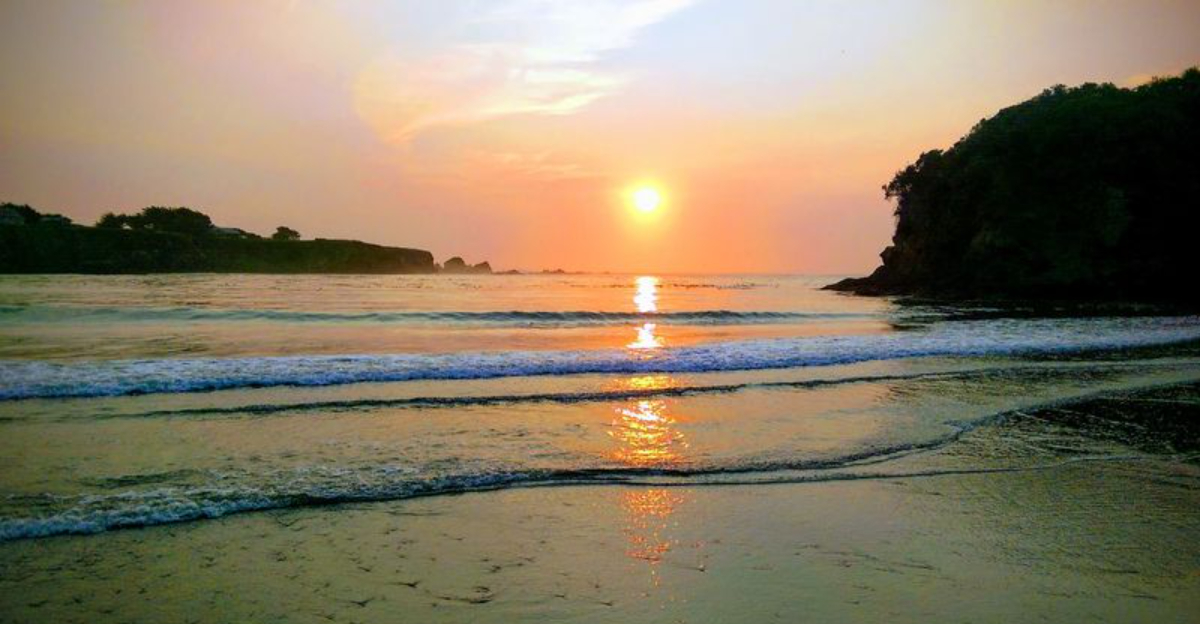
By late summer, the best beach day may be the one nobody else seems to have planned.
No packed boardwalk. No battle for towel space. Just cool sand and enough quiet to hear the waves without a soundtrack of traffic and crowds.
This stretch of California coast offers exactly the kind of slower ending to the season.
Bring a sweatshirt even if the inland forecast looks warm. Walk first, swim only if conditions are suitable, and give the fog a chance to clear on its own schedule.
The scenery does not need bright sunshine to work. What makes a place like this memorable is how little it asks from you.
There is room to sit, wander, watch the water, and let August slip away without trying to squeeze in one more complicated outing.
Sometimes summer deserves a soft landing.
Walk The Undeveloped Shoreline With Almost Nothing In The Way
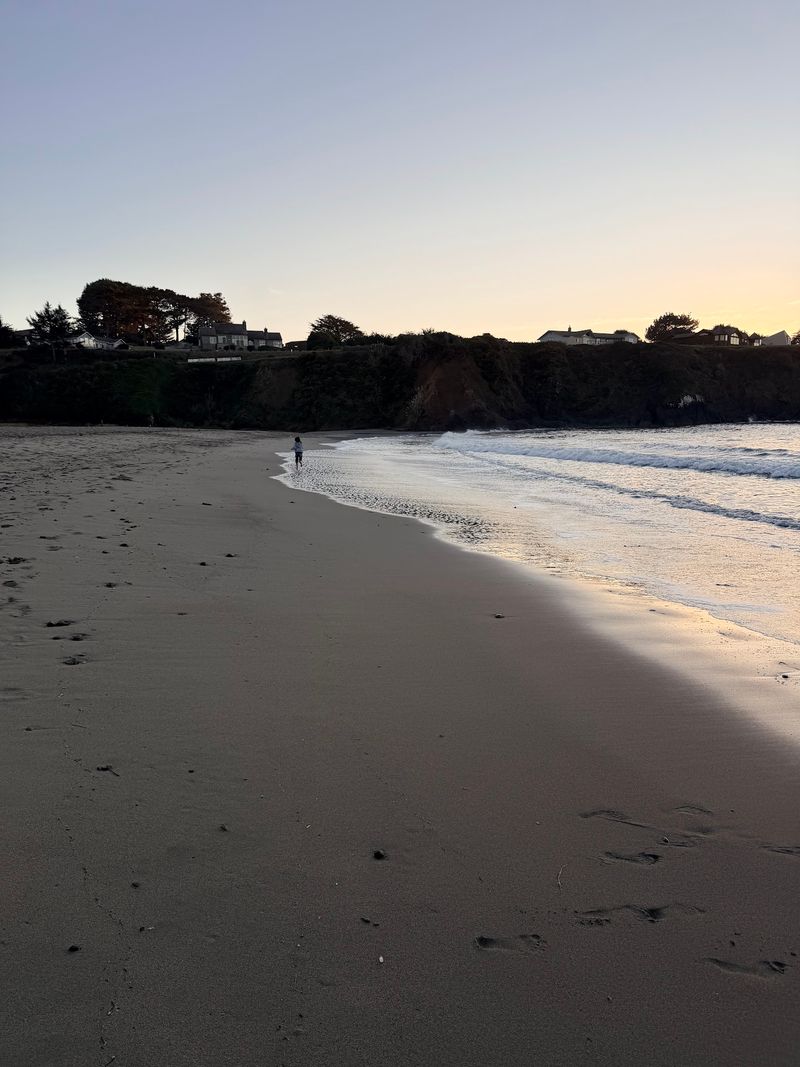
Open shoreline has a way of making a short walk feel longer in the best possible sense.
California State Parks describes Caspar Headlands State Beach as having miles of undeveloped beach beside the headlands, which gives the area a plain and uncluttered feel.
There are no boardwalk-style distractions competing with the sound of surf.
Walking here works best with shoes that can handle damp sand and small rocks. The pace should follow the tide rather than a strict clock, since lower water often leaves more firm sand near the edge.
Staying aware of rising water is wise because narrow places along any beach can become less comfortable as the tide returns.
The undeveloped setting also asks visitors to pack thoughtfully. Food wrappers, broken shells collected in piles, and loose plastic can quickly damage the quiet character that makes the beach special.
A slow walk along this shoreline feels most rewarding when the only marks left behind are footprints that the next wave can smooth away.
Search The Tide Pools When The Ocean Pulls Back
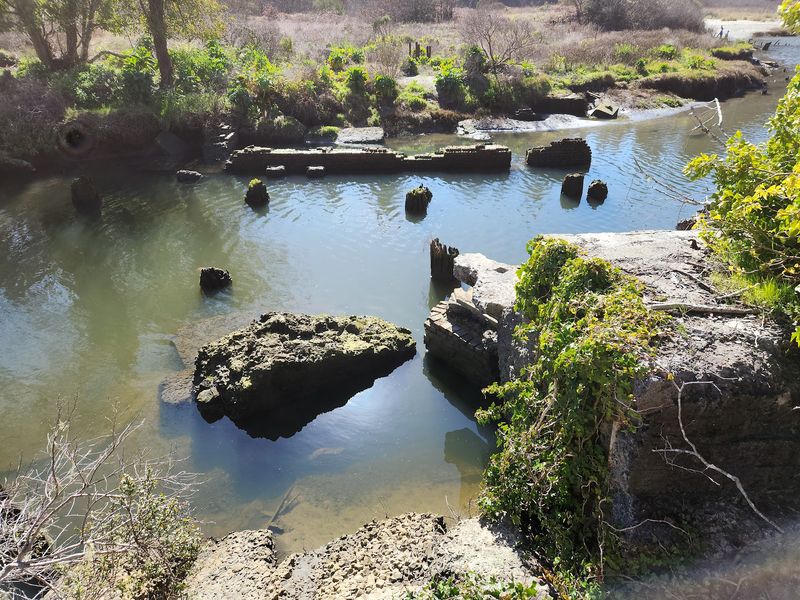
Low tide turns the rocky edges near the beach into a tiny world worth slowing down for.
Visit Mendocino highlights tide pools as one of the features around Caspar Headlands, and that makes the cove especially interesting when the ocean pulls back.
Small pools can hold anemones, barnacles, limpets, crabs, and other shore life.
Good tide pooling starts before arriving. Checking a reliable tide chart helps visitors choose a safer window, and going as the tide is falling gives more time before water returns.
Closed-toe shoes with strong tread are better than flip-flops because rocks can be wet, uneven, and sharp.
Gentle looking is the right approach. Marine animals should stay where they are, and rocks should be replaced carefully if moved at all.
Hands can harm soft creatures or disturb their shelter, so watching without touching is usually the best rule.
A tide pool visit here can feel playful and curious, but the ocean remains powerful. Leaving the rocks before the tide rises too far keeps the experience calm instead of rushed.
Look For Whales From The Beach And Headlands
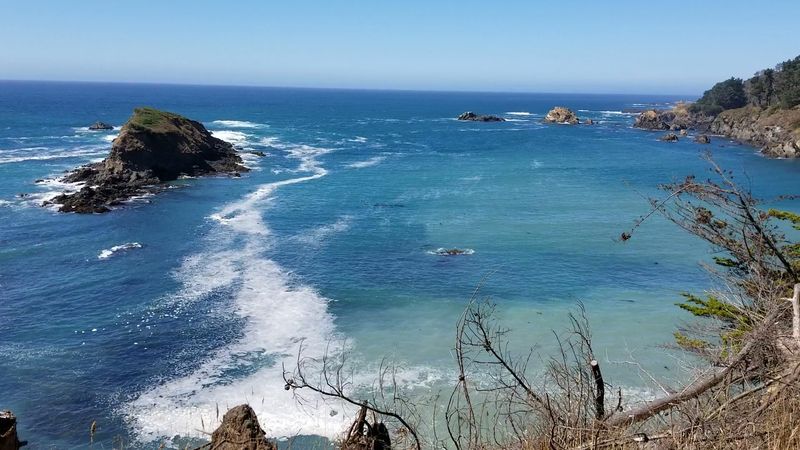
A still moment on the bluff can suddenly become exciting when a dark back or misty spout appears offshore.
Caspar Headlands is known as a spot for watching migrating gray whales, especially during their seasonal movement along the coast.
The beach and headlands both offer open views toward the Pacific, which helps visitors scan the water.
Whale watching requires patience and realistic expectations. Migration seasons are strongest in winter and spring, so late summer is not the main gray whale viewing period.
Even so, looking out from the headlands can still be enjoyable because the same wide view includes seabirds, shifting light, and steady surf.
Binoculars make the search easier and more comfortable. A warm layer also matters because standing still near the ocean can feel colder than walking on the sand.
Watching for repeated spouts, smooth backs, or small splashes is better than staring at one fixed point.
The reward is not guaranteed, but the habit of slowing down and reading the water fits the quiet mood of the beach.
Walk Out Toward The Headlands For Bigger Pacific Views
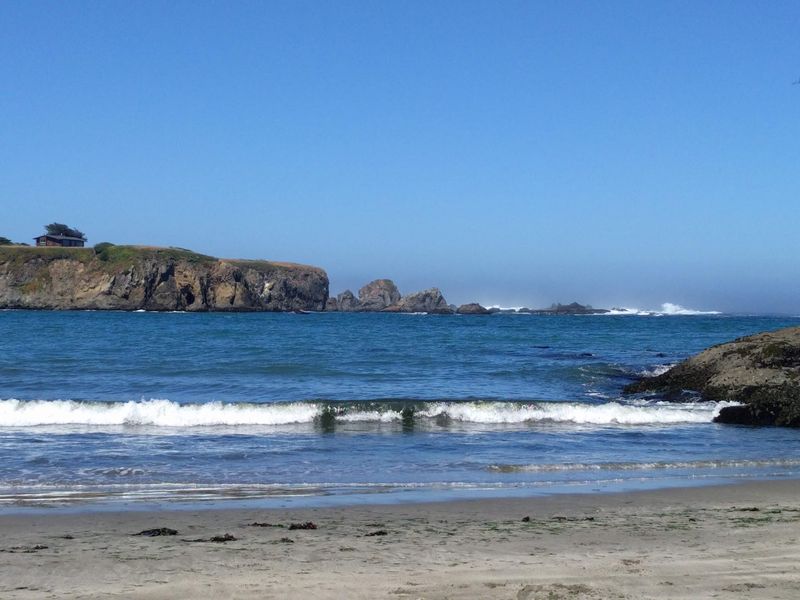
The beach feels intimate from the sand, but the view opens wide near the headlands.
The adjoining Caspar Headlands State Natural Reserve protects a rugged strip of coastline, and the higher ground gives visitors a broader look at the Pacific.
Short walks near the bluff can add a fresh angle to the same beach visit.
Staying on established paths helps protect fragile coastal plants and keeps footing safer. Bluff edges can be unstable along any rugged shoreline, so distance from the drop-off matters even when the view is tempting.
Wind can also feel stronger above the beach than inside the cove.
The headlands are especially useful for visitors who enjoy a little movement between sitting on the sand and returning to the car.
A short walk can reveal offshore rocks, wave patterns, and the curve of the cove from above. The route does not need to be long to feel satisfying.
Moving slowly also gives time to notice changes in sound, since surf can seem louder where waves hit rock. Bigger views here make the beach feel connected to the wider Mendocino coast.
Watch The Waves Break Against Sculpted Coastal Rocks
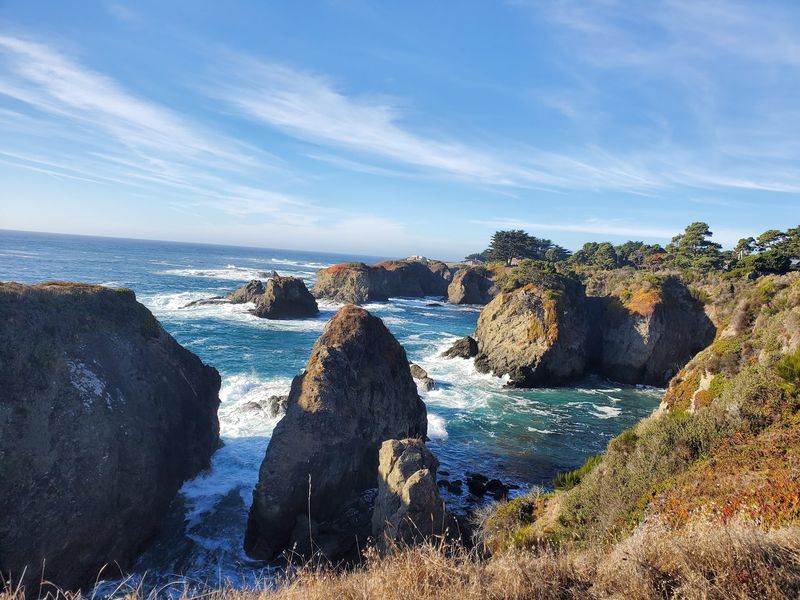
Wave watching sounds simple until the rocks begin to show how much force the ocean carries. Caspar Headlands State Natural Reserve is recognized for sculpted rocks and surf, and that combination gives the coastline a raw and active feel.
The rock shapes are part of what makes the area more than just a sandy stop.
Watching from a safe distance is the key. The most dramatic spots are not always the safest ones, and wet rock can hide slick patches.
A higher viewpoint often gives a better look at how waves wrap, strike, split, and drain back into the sea.
The scene changes every few seconds. One wave may slide in quietly, while the next may burst into white spray against a dark edge.
Visitors should avoid climbing down toward rocks during high surf or when conditions feel uncertain. The Pacific can be unpredictable even on pleasant days.
Staying patient from a secure place lets the texture of the coast stand out, from carved stone faces to foamy channels. The sound alone can make the stop memorable without needing to get close.
Try Your Luck Fishing From The Beach
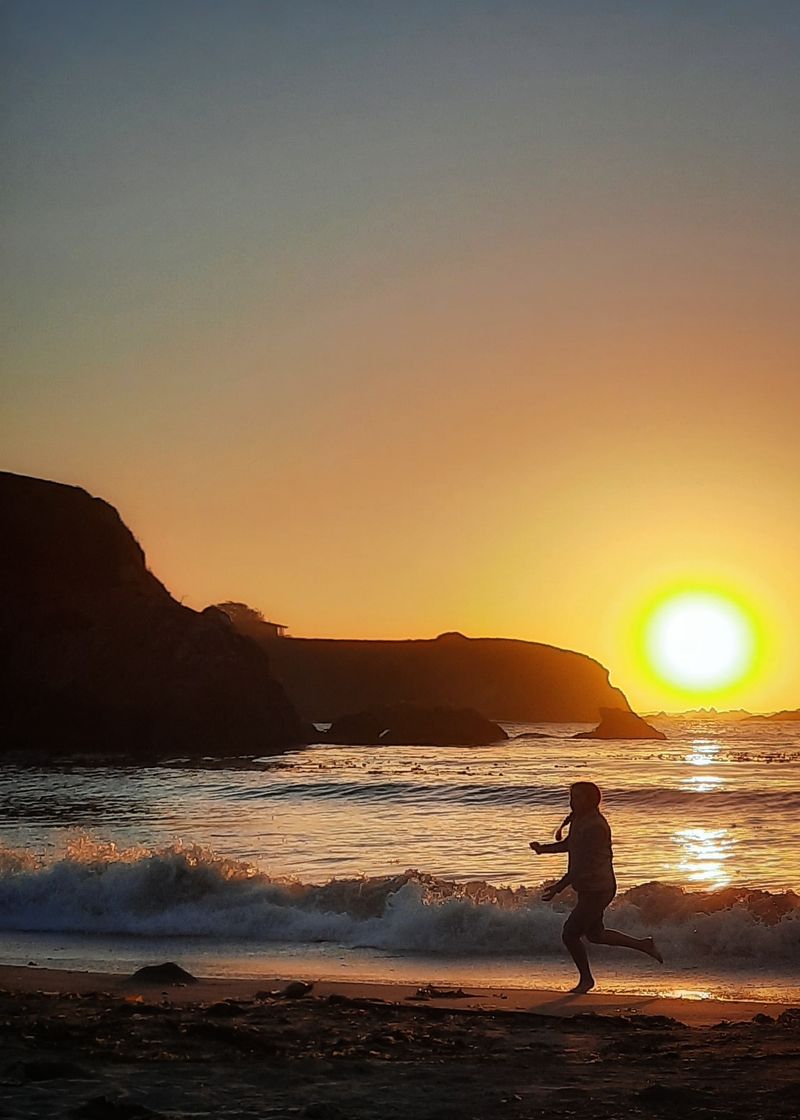
A fishing rod changes the rhythm of a beach day from wandering to waiting.
California State Parks lists fishing as a popular activity at Caspar Headlands State Beach, which makes the sandy cove appealing for visitors who enjoy quiet surf fishing.
The setting is simple, open, and close to the sound of the waves. Planning matters before any line goes into the water.
A valid California fishing license is required for anglers who need one under state rules, and current regulations should be checked before targeting any species.
Rules can change by season, area, and fish type, so official state fishing guidance is the safest source.
Comfort makes the waiting easier. A sand spike, warm layer, small tackle kit, and water can help keep the setup manageable.
Casting near other beach visitors should be avoided, especially when the cove is busy or families are close to the waterline.
Fishing here is not only about catching something. The slower pace can fit the beach well, with gulls overhead, foam around the line, and enough quiet space to notice each shift in tide.
Stay Long Enough To Watch The Light Change Across The Pacific
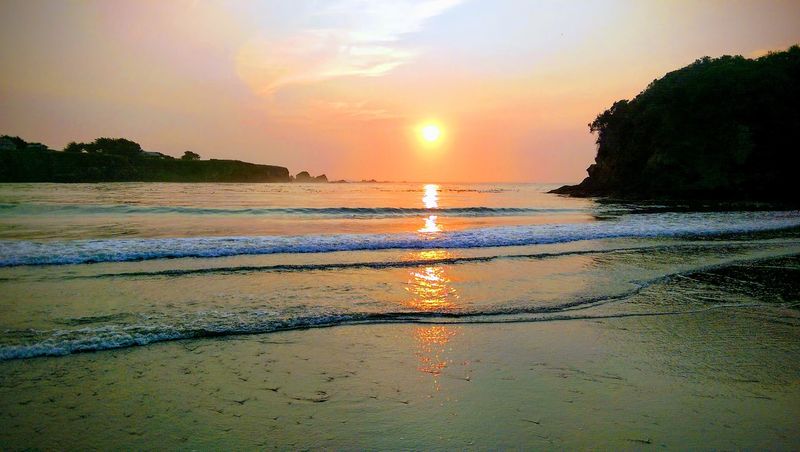
Late day can make the same beach feel like a second place without moving very far.
The panoramic ocean view at Caspar Headlands State Beach gives visitors room to watch light shift across water, rocks, and sand. A final hour near the coast can be one of the calmest parts of a summer outing.
Layers become more important as the sun drops. Coastal air can cool quickly, and a warm jacket helps turn a short stop into a comfortable pause.
A flashlight or charged phone light is useful if walking back near dusk, especially where surfaces are uneven.
Sunset conditions are never guaranteed, since fog or clouds may cover the horizon.
Even then, the changing gray tones can be peaceful, and the sound of the water often feels clearer as daytime activity fades.
Visitors should check park hours before lingering late because access times can vary by season or management needs. Sitting still for a while is enough here.
The Pacific view does most of the work, with each passing minute changing the shine on the water and the shadows along the cove.
Pair The Beach With The Nearby Caspar Headlands Natural Reserve
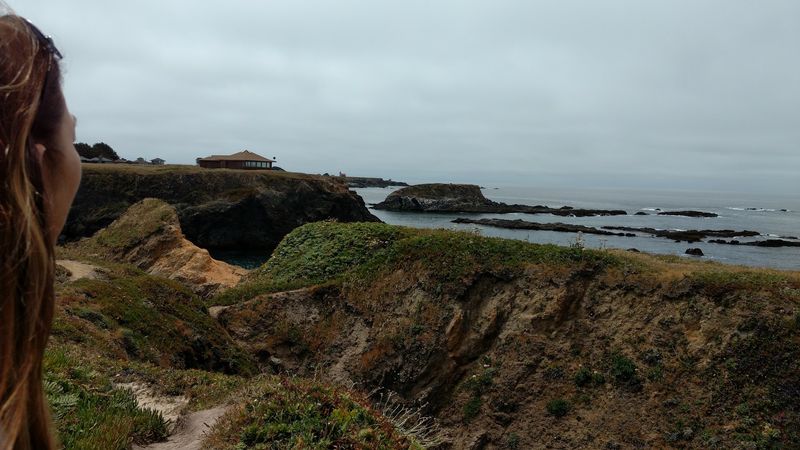
A beach visit feels fuller when the nearby reserve becomes part of the plan.
Caspar Headlands State Natural Reserve adjoins the beach area and adds rugged coastline, surf, wildflowers, and unusual rock formations.
Together, the sand and reserve offer a more complete look at this part of the Mendocino coast.
Checking current access details before visiting is smart because reserve rules and entry needs can change.
Some information from park sources has noted that access to the natural reserve may require a free permit from the Mendocino State Parks office at Russian Gulch State Park.
The pairing works best when the day is not rushed. Time on the sand can come first, followed by a slow walk near the headlands when shoes are dry and energy is still steady.
The reserve adds height, rock texture, plant life, and wave views that the cove alone cannot fully show. Staying on trails and respecting posted rules protects the area’s natural features.
For a last-days-of-summer outing, the beach and reserve together create a balanced visit with rest, movement, and wide coastal scenery.