Where To Find Nebraska’s Legendary Cheese Frenchee And The Story Behind It
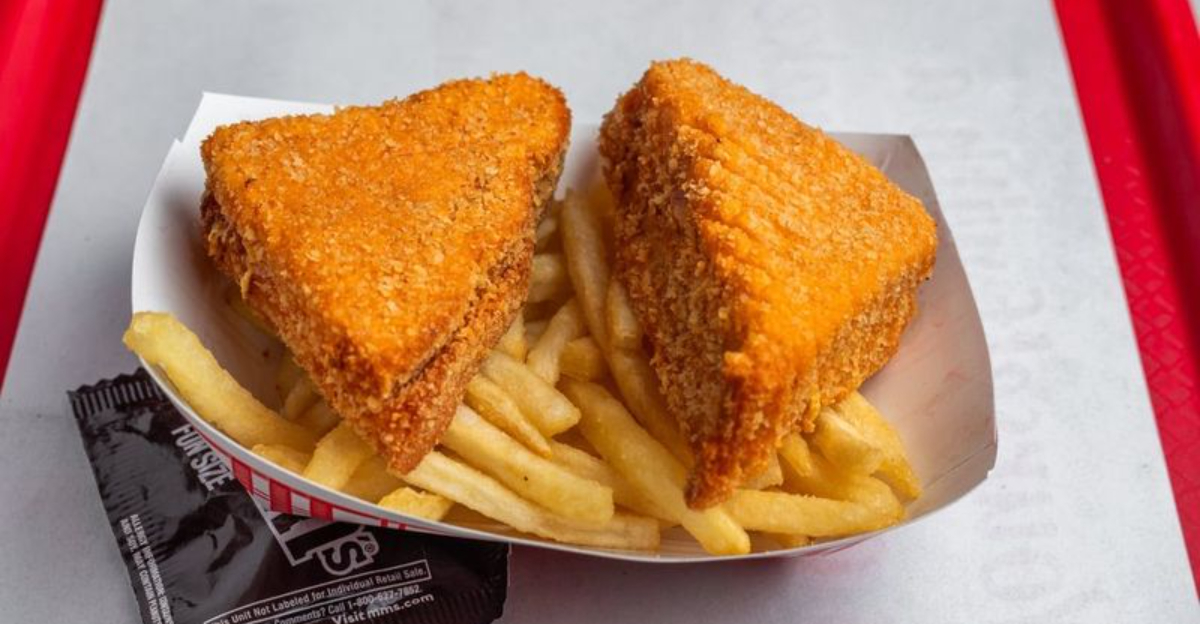
A Cheese Frenchee sounds like a dare Nebraska decided to keep.
Start with a grilled cheese. Add a little salad dressing. Dip the whole thing in batter. Coat it in crumbs. Fry it until the outside turns golden and the inside gives up completely.
The result is crunchy, melty, strange, nostalgic, and far more lovable than a sandwich this chaotic has any right to be.
Only in Nebraska can fried cheese feel like a local legend wearing a crispy little jacket.
The story goes back to King’s Food Host, the Lincoln-born chain that helped turn this deep-fried sandwich into a regional obsession.
The original restaurants are gone, but the Frenchee never fully left.
It survived through local memory, school-lunch nostalgia, and a few Nebraska chains still willing to treat it like serious cultural business.
Today, finding one feels like joining a very specific club. Outsiders may need an explanation. Locals usually just need ranch and a minute alone with the first bite.
How The Cheese Frenchee Became A Nebraska Favorite
Back in the mid-1950s, a restaurant concept out of Lincoln, Nebraska changed the way Midwesterners thought about fast food.
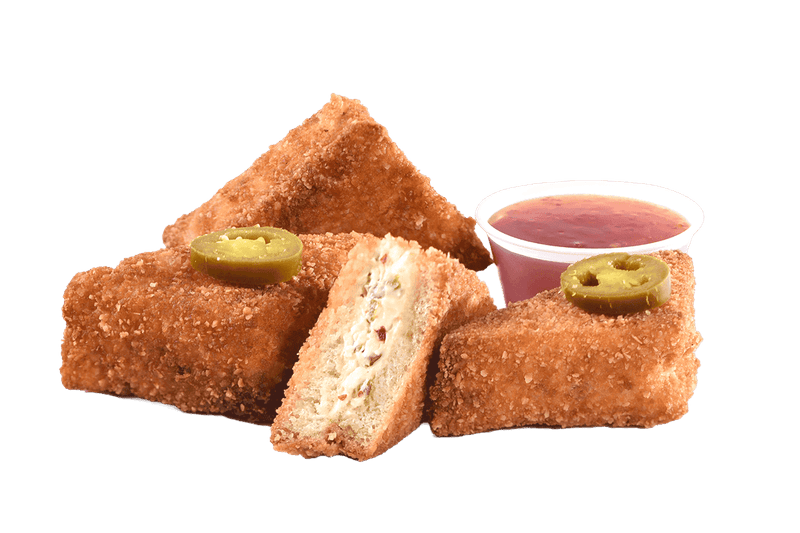
A chain called King’s Food Host is credited with introducing the Cheese Frenchee, a deep-fried cheese sandwich that quickly found a loyal audience across the region.
The idea was simple but clever: take a humble cheese sandwich and transform it into something indulgent and crunchy.
The chain grew rapidly throughout the Midwest, eventually reaching around 160 locations across 17 to 20 states and even into Manitoba, Canada.
Many of these restaurants were strategically placed near university campuses, where hungry students became some of the most enthusiastic fans.
The name “Frenchee” is believed to have drawn inspiration from the French Croque Monsieur, a similar fried cheese preparation rooted in European culinary tradition.
Financial troubles caused by overexpansion led King’s Food Host to declare bankruptcy in 1974, closing its doors across the country.
However, the Cheese Frenchee refused to disappear entirely.
Its recipes were preserved and passed on to other local restaurant operators who understood exactly what this sandwich meant to the communities that had grown up eating it.
The King’s Food Host Story Behind The Original Sandwich
King’s Food Host was not just another burger joint when it opened its first location in Lincoln.
The chain brought a spirit of culinary invention to the fast-food world, experimenting with items that went beyond the standard burger-and-fries formula.
Larry Price, a key figure in the development of the restaurant’s menu, is widely credited with crafting the original Cheese Frenchee recipe that would define the chain’s identity for decades.
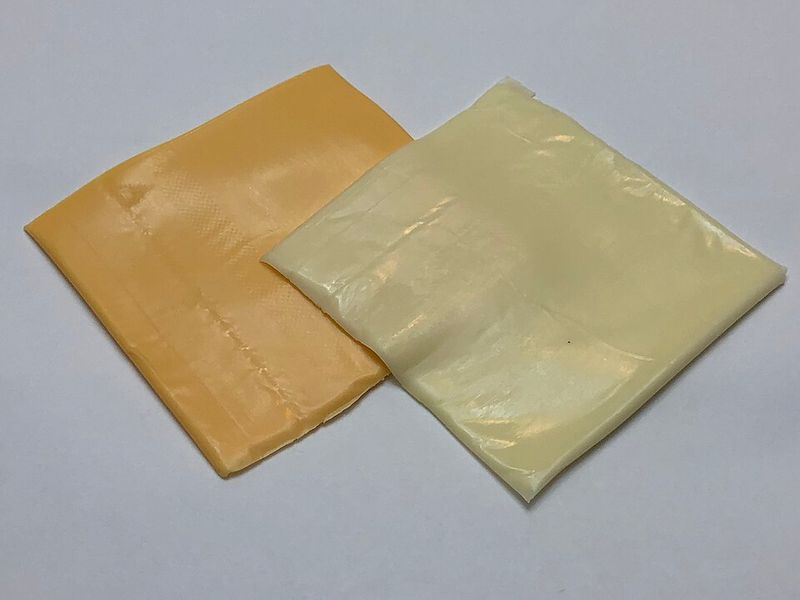
The original preparation called for specific ingredients that gave the sandwich its signature character: Kraft American Ribbon Cheese and No. 5 Sunshine Cracker Meal for the coating.
These particular choices were not accidental.
They produced a flavor and texture combination that could not be easily replicated with substitute ingredients, which is part of why homemade versions often taste slightly different from the restaurant original.
Some King’s Food Host locations added an extra layer of novelty by installing tableside telephones so customers could place orders directly to the kitchen from their seats.
Beyond the Cheese Frenchee, the chain also experimented with tuna, hot dog, and pizza “Frenchee” variations.
None of those alternatives captured the same enduring popularity as the original cheese version, which remained the undisputed centerpiece of the menu until the chain’s closure.
What Makes A Cheese Frenchee Different From Grilled Cheese
At first glance, a Cheese Frenchee and a grilled cheese sandwich might seem like close relatives, but the preparation process sets them worlds apart.
A standard grilled cheese is cooked directly in a pan with butter or oil, producing a crispy surface through direct heat contact.
The Cheese Frenchee takes a much more involved path to the plate, and that journey changes everything about the final result.
White sandwich bread or Texas Toast serves as the base, with mayonnaise spread on the inside of each slice for added richness.
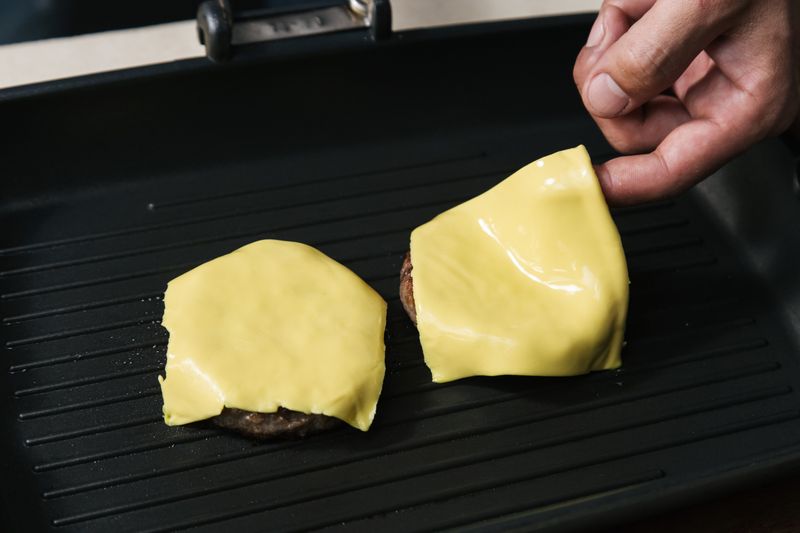
American cheese is layered between the slices, the crusts are removed, and the sandwich is sliced diagonally into triangles.
Each triangle is then dipped into a batter made from eggs, milk, flour, and salt before being thoroughly coated in crushed cornflakes or cracker crumbs.
The final step is deep-frying in hot oil until the exterior turns a deep, even golden brown.
The result is a sandwich with a genuinely crunchy shell that shatters slightly with each bite, while the interior cheese becomes fully melted and creamy.
That contrast between the crackling crust and the soft, gooey filling is what makes the Cheese Frenchee a completely different sensory experience from anything a pan-fried cheese sandwich can offer.
Don & Millie’s Keeps The Classic Version On The Menu
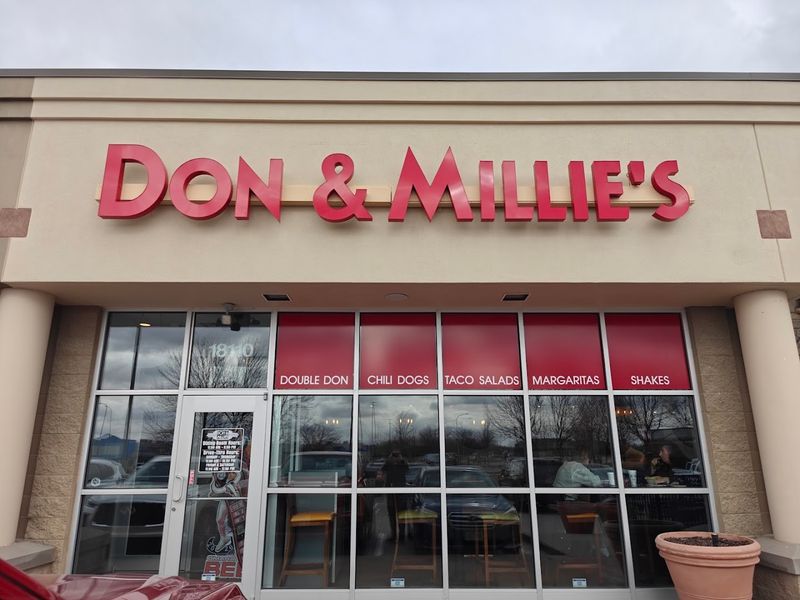
Among the restaurants that have kept the Cheese Frenchee alive and accessible, Don and Millie’s holds a particularly important place.
Founded in Omaha in 1989, the chain built its identity around classic comfort food and specifically positioned the Cheese Frenchee as a signature menu item.
The ownership reportedly acquired the original recipe catalog from the defunct King’s Food Host, which gave the restaurant a direct and authentic connection to the sandwich’s origins.
The restaurant at 8405 Q Street, Omaha, NE 68127, operates seven days a week and offers the Cheese Frenchee described on the menu as “Batter Coated and Cheese Filled.”
The sandwich can be ordered as a standalone item or as part of a combo meal with fries and a drink.
It also appears on the kids’ menu, making it an option for younger diners who may be encountering the sandwich for the first time.
Inside, the atmosphere tends to be casual and bright, with seating suited to families and individuals looking for a straightforward, satisfying meal.
The service rhythm is generally quick, keeping wait times manageable during busy lunch and dinner periods.
For anyone in Omaha hoping to experience a reliable version of the original Frenchee, this location remains one of the most consistently available options in the state.
Amigos/Kings Classic Carries On The King’s Tradition
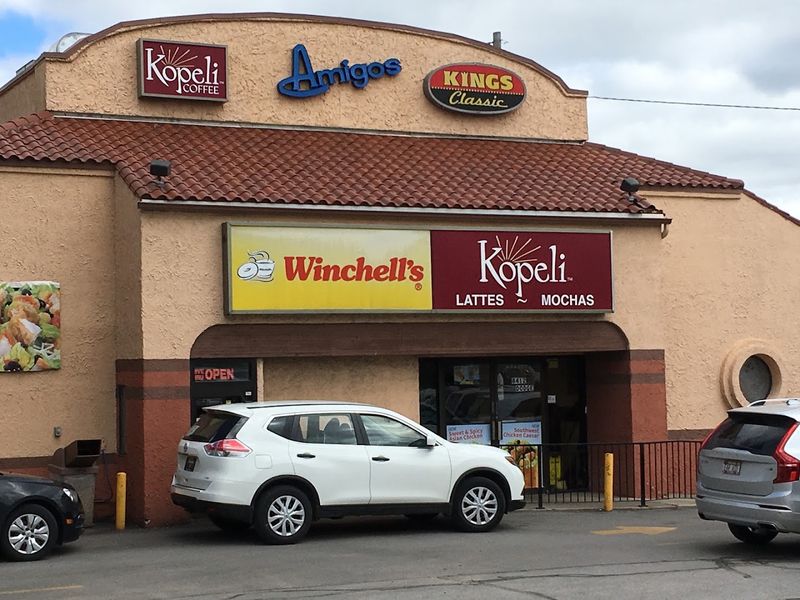
There is something genuinely satisfying about a restaurant that openly embraces its connection to culinary history, and Amigos/King’s Classic does exactly that.
Founded in Lincoln in 1980, Amigos built its reputation primarily around Mexican-inspired fast food before forming a co-branding partnership with King’s Classic in 2003.
That partnership brought several King’s Food Host menu items back to life, with the Cheese Frenchee leading the revival.
The version served at Amigos/King’s Classic uses cracker crumbs rather than cornflakes for the exterior coating, and salad dressing is sometimes used in place of mayonnaise inside the sandwich.
These small variations produce a slightly different texture and flavor compared to other versions, though the core experience of a crispy, golden, cheese-filled triangle remains consistent.
A standard order typically includes three triangular sections accompanied by two sliced pickles, which offer a tangy counterpoint to the richness of the fried cheese.
The location at 1515 Pine Lake Rd, Lincoln, NE 68512 opens early in the morning, making it one of the few places where a Cheese Frenchee could theoretically be enjoyed as a breakfast or early lunch option.
The casual, functional interior is designed for efficient dining, with bright lighting and practical seating arrangements that suit both quick solo visits and casual group meals throughout the day.
Where To Find Cheese Frenchees Around Nebraska
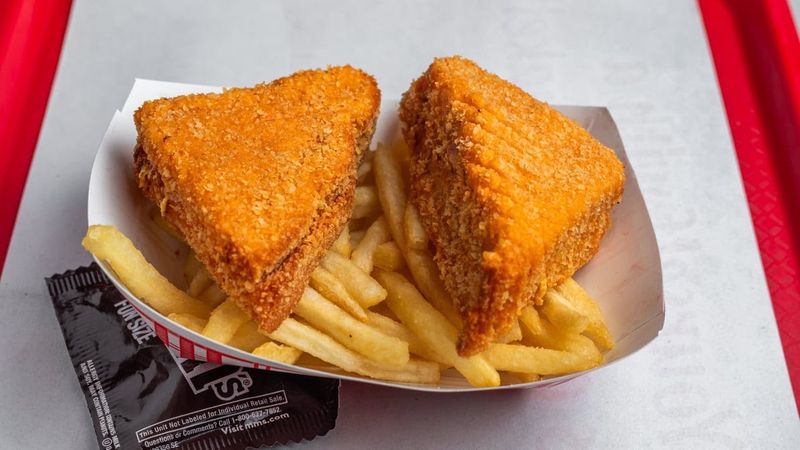
Tracking down a genuine Cheese Frenchee in Nebraska today requires knowing where to look, because availability is concentrated within a specific group of regional restaurant chains rather than spread across independent diners or cafes.
Don and Millie’s and Amigos/King’s Classic represent the most reliable and widely available sources for the sandwich across the state.
Both chains maintain multiple locations, primarily in eastern Nebraska, where the Frenchee tradition has always been strongest.
The eastern part of the state, particularly in and around Omaha and Lincoln, offers the greatest concentration of locations serving this sandwich.
These two cities have historically been the heartland of Cheese Frenchee culture, and the restaurants operating there have maintained that identity with consistency over many decades.
Venturing further west into the state makes finding an authentic version considerably more difficult.
For travelers passing through Nebraska or residents planning a dedicated food outing, checking the current location listings for both Don and Millie’s and Amigos/King’s Classic before visiting is a practical step.
Hours and locations can vary, and confirming availability ahead of time helps avoid disappointment.
How Nebraskans Recreate The Cheese Frenchee At Home
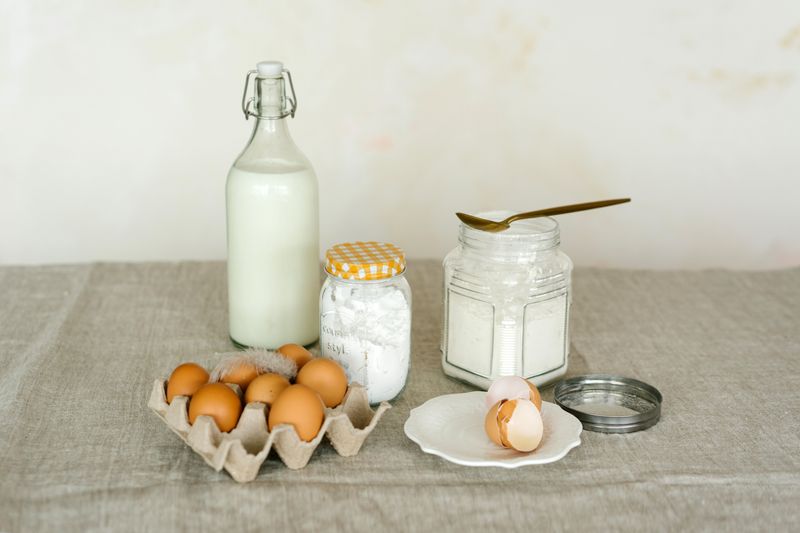
For those who live far from a Don and Millie’s or an Amigos/King’s Classic, recreating the Cheese Frenchee at home has become a popular and rewarding kitchen project.
The ingredient list is short and accessible, with white sandwich bread, American cheese, mayonnaise, eggs, milk, flour, and crushed cornflakes forming the backbone of the recipe.
Each component plays a specific role in achieving the final texture, so substitutions should be made thoughtfully.
Assembling the sandwich starts with spreading a thin layer of mayonnaise on the inside of each bread slice before adding two or three slices of American cheese.
The crusts are trimmed away cleanly, and the sandwich is cut on the diagonal to create two triangles.
A batter of whisked eggs, milk, flour, and a pinch of salt is prepared in one shallow dish, while crushed cornflakes are spread in another for coating.
Each triangle gets fully submerged in the batter and then pressed firmly into the cornflake crumbs until every surface is covered.
Frying in vegetable oil heated to around 350 to 375 degrees Fahrenheit for a few minutes per side produces the golden crust that defines the sandwich.
Serving them immediately while the cheese is still fully melted delivers the closest possible approximation of the restaurant experience at home.
Why The Cheese Frenchee Still Matters To Nebraskans
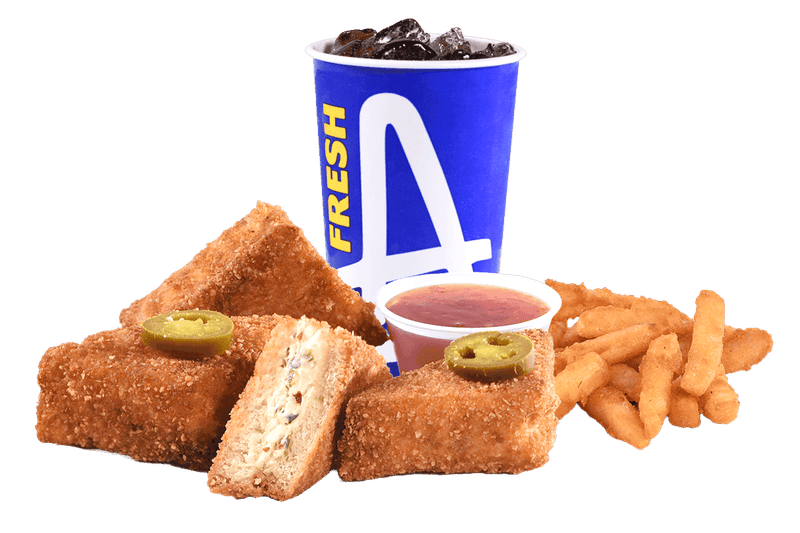
Food traditions do not always survive because they are elegant, widely known, or easy to explain to outsiders.
Sometimes they endure because one bite brings back a specific lunch counter, childhood outing, college afternoon, or family ritual.
The Cheese Frenchee carries that kind of emotional weight for many Nebraskans.
People who remember eating one decades ago often describe it with surprising precision, recalling the crisp coating, the triangular shape, the paper-lined basket, or the anticipation of waiting for it to cool enough to bite.
Those memories have helped the sandwich remain culturally relevant even as Nebraska’s dining scene has expanded far beyond its mid-century roots.
It regularly appears in nostalgic conversations, local recipe collections, social media discussions, and stories about foods that feel inseparable from the state.
Younger diners also play an important role in keeping the tradition moving forward.
Many encounter the Frenchee through parents or grandparents, turning an old favorite into a shared experience rather than a forgotten menu relic. Its appeal comes partly from that continuity.
The sandwich connects generations without requiring a formal ceremony or special occasion.
Ordering one can feel ordinary in the moment, yet it also supports a piece of Nebraska food history that might otherwise fade.