Why Do Thousands Of Snow Geese Stop At This Idaho Reservoir Each Spring And Fall
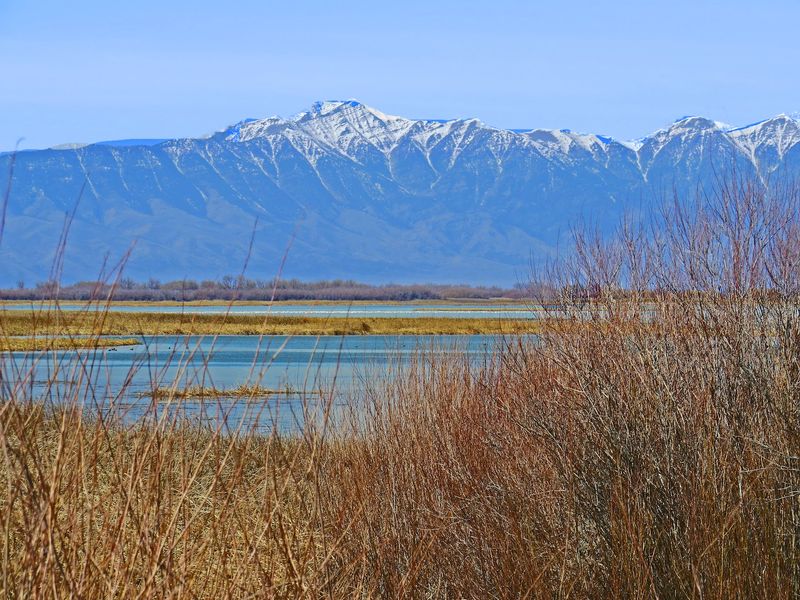
Out on the open flats of eastern Idaho, one big marshy lake fills with waterfowl every migration season. The road signs out there are thin, yet the birds find it every single time.
Moose wander near the edges. Warblers move through the cottonwoods, and largemouth bass cruise beneath the boat ramps.
I like how this place refuses to dress itself up for anyone. You get gravel roads, a few launch spots, simple campsites, and a sky crowded with stars after dark.
Honestly, that plain setup is part of the appeal for me.
I can’t imagine a better excuse for a spring or fall drive across Idaho. The real question is why the flocks keep picking this soggy corner of the map.
The answer comes down to water, food, and a whole lot of open, quiet space.
A Big Marshy Lake Waiting On The Eastern Idaho Flats
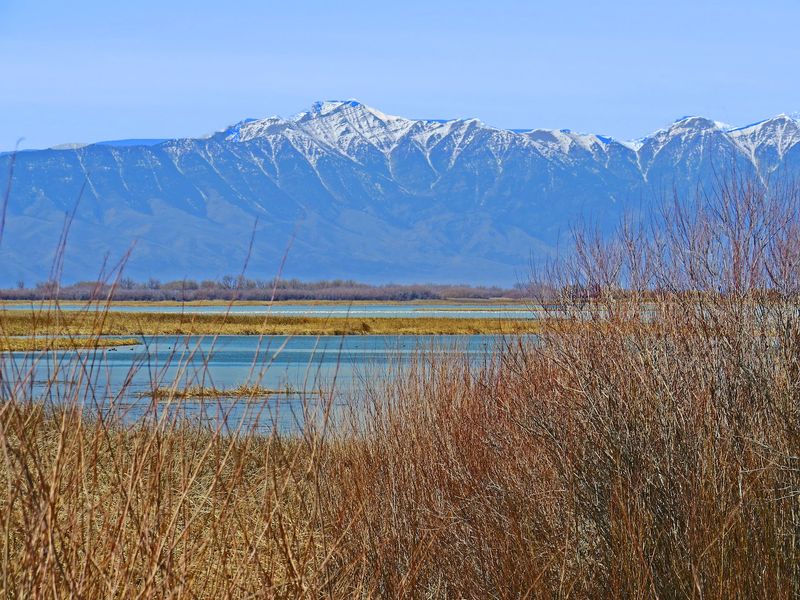
Mud Lake Wildlife Management Area – Idaho Fish and Game sits near the small community of Terreton in eastern Idaho. It’s a wildlife management area, so habitat comes first and human comfort comes a polite second.
The centerpiece is a huge lake that feels more like a marsh in some stretches. Shallow edges, open water, and nearby cover give birds and animals plenty of room to spread out.
Idaho Fish and Game manages the property. That matters, because the whole place exists to support wildlife rather than to sell souvenirs or snacks.
Don’t expect a fancy entrance gate. Gravel roads lead in, signs are limited, and much of the shoreline stays wild and quiet.
The name gets some teasing, and fair enough. The lake isn’t actually made of mud, though low-water years can expose soft, sandy ground along the edges.
Access is open around the clock, every day of the week. That makes sunrise and sunset visits easy to plan, as long as you can find the turnoff.
Treat it like a giant open-air stage for migration. Birds arrive in waves, and anyone patient enough to sit still gets a front-row view.
Why Migrating Flocks Keep Choosing This Water
Long-distance fliers need three things on a stopover: water, food, and somewhere safe to rest. Mud Lake checks all three boxes in a part of Idaho where open water is precious.
The lake spreads wide, and its marshy stretches offer shallow places to feed and loaf. For a tired goose on a long trip north or south, that’s basically a highway rest area with a buffet.
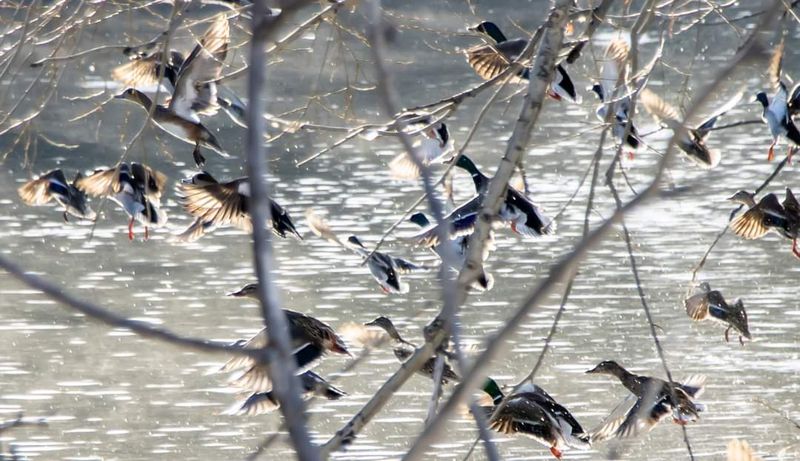
Migration is when this place really earns its reputation. Waterfowl pile in during spring and fall, and the variety of species can be impressive.
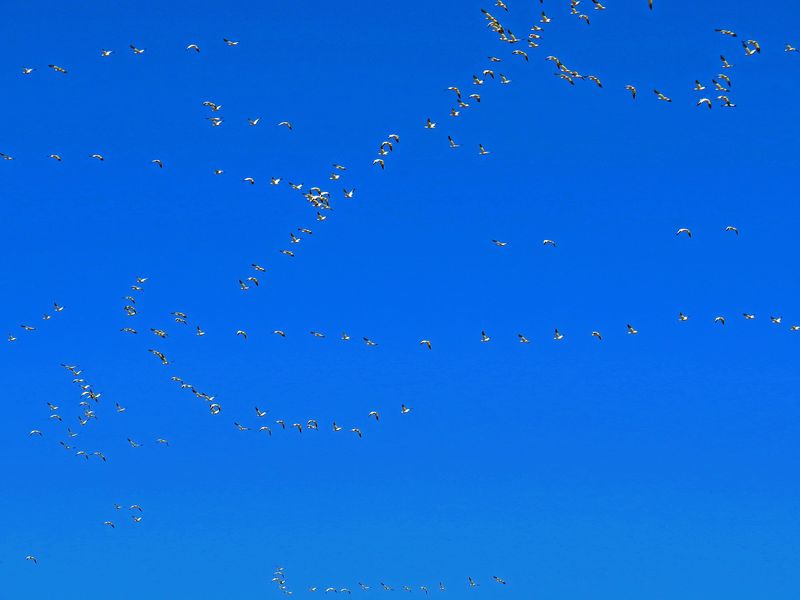
Snow geese are the showstoppers when they come through. Their white bodies and black wingtips make a flock look like a moving snowstorm against the sky.
Quiet helps too. Much of the area stays undeveloped, so birds aren’t dodging docks, condos, or busy beaches at every turn.
Nobody can promise exact arrival dates, of course. Weather, water, and the birds themselves set the schedule, so checking with Idaho Fish and Game before driving is smart.
When the timing lines up, though, the sound alone is worth the trip. Thousands of calling geese can make a quiet lake feel like a stadium.
Water Levels Quietly Run The Whole Show
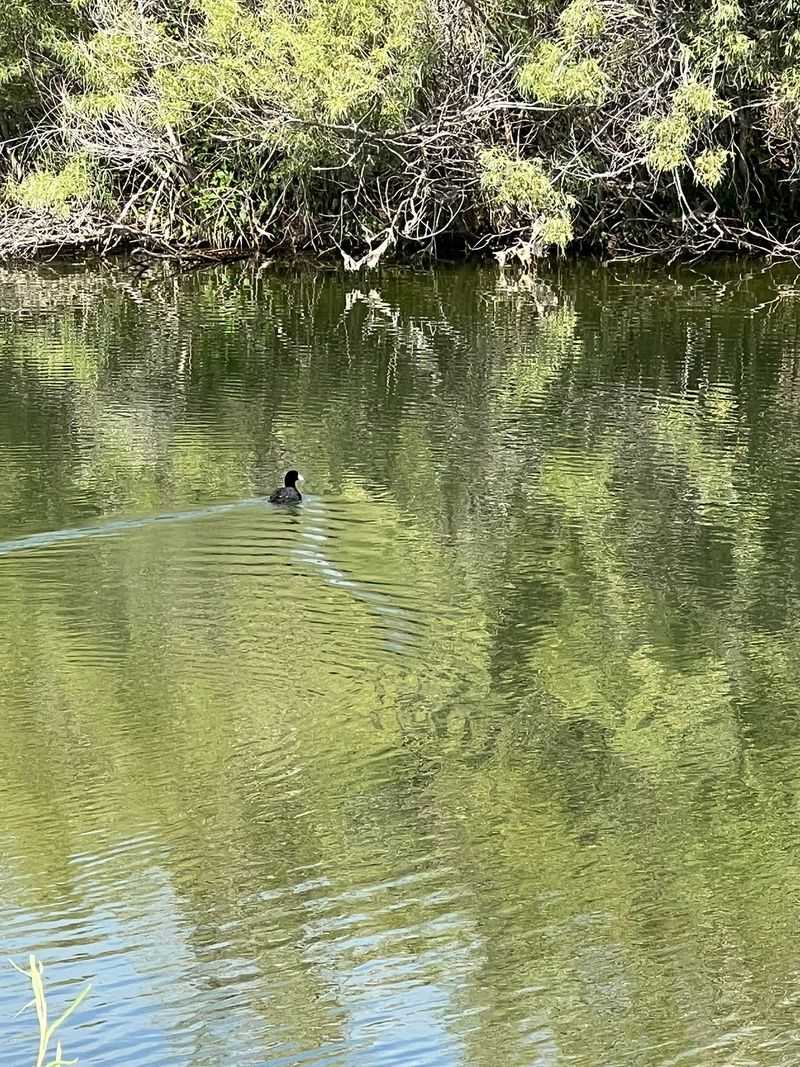
Here’s a twist many first-timers miss. The birding at Mud Lake rises and falls with the water level, sometimes quite literally.
In full-water years, the lake draws plenty of birds and many different species. In drier years, there simply isn’t as much habitat, and the viewing can be thinner than usual.
Low water also changes the shoreline. Exposed sand and soft ground can look solid from a distance, then turn out to be surprisingly deep and sticky.
Wading out across that soft ground is a real hazard. Stay on firm footing and wait for fuller water before trying to reach the edge on foot.
That variability is part of what makes each visit different. One season might bring a crowded lake full of calls, while another feels calmer and more spread out.
Planning helps a lot here. A quick check on current conditions with Idaho Fish and Game can save a long drive across eastern Idaho.
Patience pays off either way. Even in a lighter year, the open sky and marsh edges can still turn up something worth pointing a pair of binoculars at.
Moose, Muskrats, And Other Surprise Guests
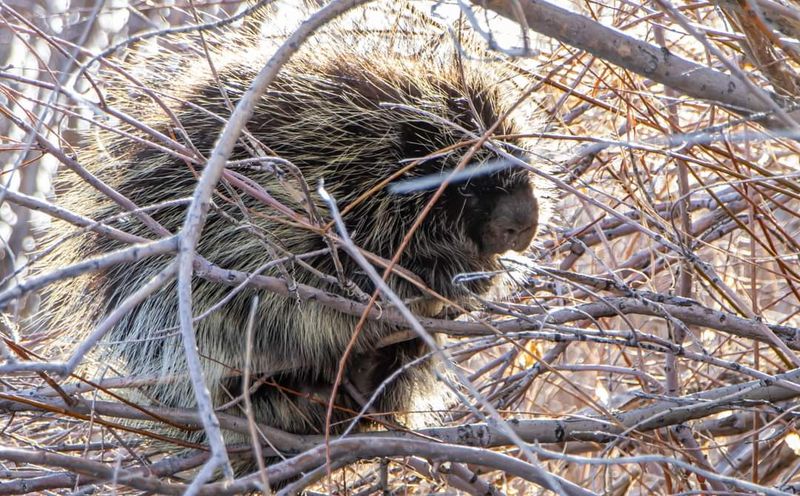
Birds may headline the show, but the supporting cast is huge. Moose, deer, and elk all turn up around Mud Lake Wildlife Management Area.
Smaller critters keep things interesting too. Muskrats, porcupines, and wild rabbits share the landscape, along with harmless water snakes near the wet spots.
Early October can be especially busy on the wildlife front. Upland game birds, waterfowl, and big mammals all seem to be on the move at once.
Quiet is your best tool out here. Move slowly, keep voices low, and animals are far more likely to stay in view.
Spotting a moose on the drive out is a pretty great bonus. It turns a simple birding trip into the kind of story that gets retold at dinner.
Bring binoculars, a camera with some zoom, and plenty of patience. Give every animal plenty of space, especially moose, which deserve real respect.
The mix of marsh, open water, and cottonwoods explains the variety. Different habitats packed close together mean different animals living side by side in this corner of Idaho.
Largemouth Bass Lurking Below The Flocks
Anglers, this part is for you. Mud Lake holds largemouth bass, and some of them grow to a very respectable size.
Fishing can be hit or miss, like most lakes. Some days the bass cooperate nicely, and other days they act like they’ve never heard of a lure.
A boat makes a big difference here. Shore access is limited in many spots, so casting from the water opens up far more of the lake.
Summer evenings are a lovely time to be out with a rod. The light softens, the birds get chatty, and the water often goes calm.
Kids can get in on the fun too. Catching a decent bass at a young age is the kind of thing that hooks someone on fishing for life.
Always check current Idaho Fish and Game fishing rules before heading out. Licenses, limits, and seasons can change, and the agency keeps those details up to date.
Pack bug spray along with the tackle box. Mosquitoes love this lake almost as much as the bass do, especially when the air goes still.
Paddling Through Marshy Channels And Open Water
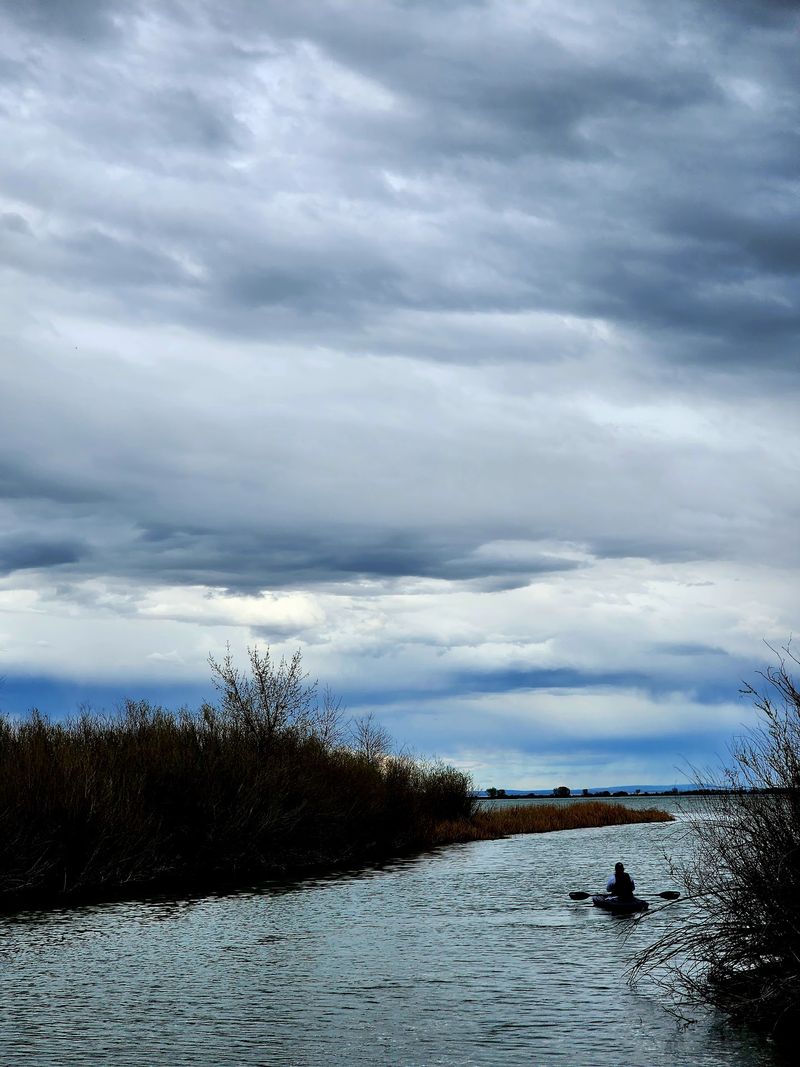
Bring a boat. That single piece of advice comes up again and again about this place, and it’s hard to argue with.
Mud Lake is far larger than many people expect. Parts of it feel like a sprawling marsh, which makes kayaks and canoes a great fit for poking around.
There are several launch facilities around the lake. Restrooms sit at the boat launch, which is a welcome bonus out in such open country.
Gliding quietly along the reeds is one of the best ways to see birds. A paddle is much quieter than footsteps on gravel, and wildlife tends to notice.
Hiking trails, on the other hand, are basically missing. Some shoreline walking is possible, but don’t expect marked paths or a tidy loop.
Keep conditions in mind before launching. Wind can pick up on open water, and low-water years shrink the channels you can explore.
Pack out everything you bring, too. Trash pickup at ramps isn’t something to count on, so leaving the area cleaner helps keep it wild for the birds and everyone else.
Campsites, Starry Skies, And Night Choruses
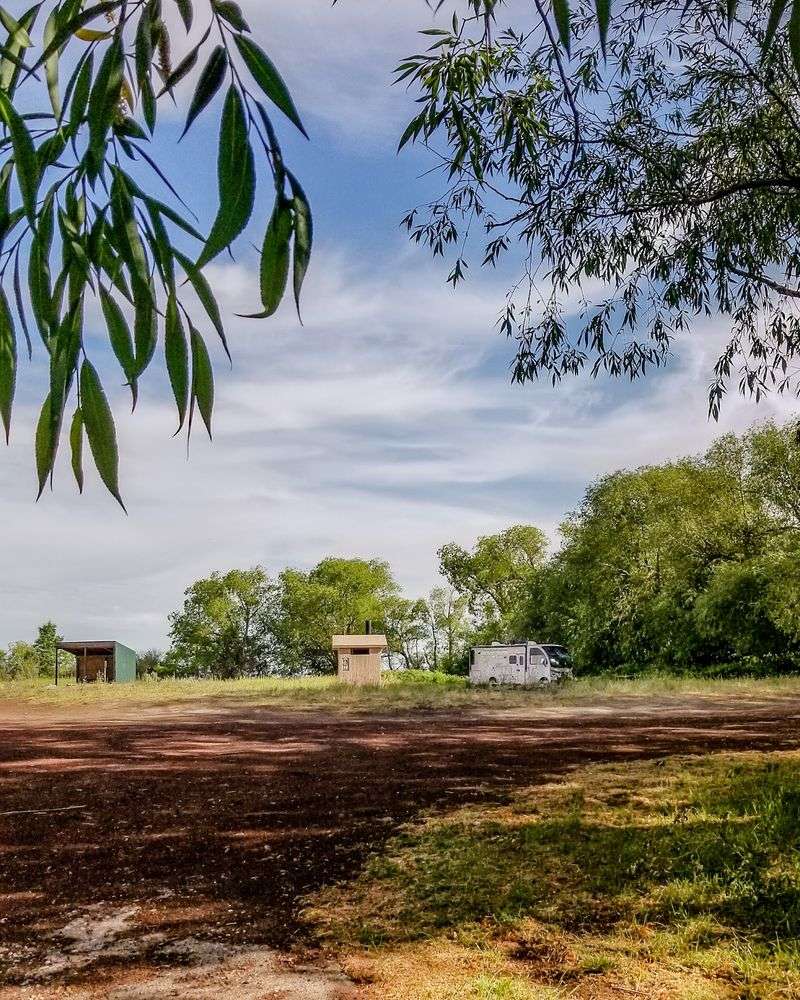
Overnight stays are possible at Mud Lake, and that changes the whole experience. Camping lets you catch both the evening fly-in and the dawn activity.
The north access is the better pick for camping. It’s cleaner and more open, while the south campground leaves more to be desired.
After dark, the sky really opens up. Far from big city lights, this stretch of eastern Idaho makes a fine spot for stargazing.
The soundtrack might be the best part. Different birds call out across the water at night, creating a chorus you won’t hear in town.
A calm dinner by the lake is easy to love here. Bring a camp stove, a simple meal, and a warm layer for the cooler hours.
Ham radio fans have discovered the place too. It works well for Parks on the Air and similar activations, thanks to all that open space.
Allergy sufferers should plan ahead. Plenty of cottonwood trees grow around the area, and their fluff can drift through camp during the right season.
Gravel Roads, Thin Signs, And Smart Packing
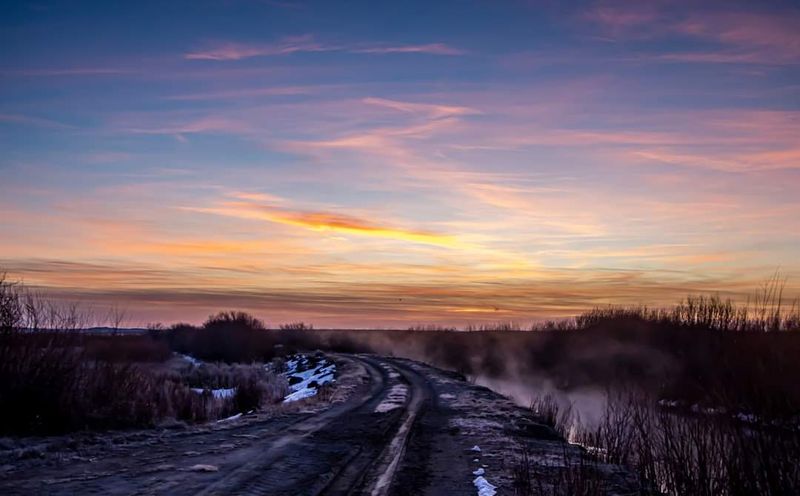
Plug in Mud Lake Wildlife Management Area, Terreton, ID 83450, and then trust your sense of direction. Signage is limited, so a downloaded map is a very good idea.
Expect plenty of gravel and dirt roads. Some stretches aren’t regularly maintained, and a low-clearance car may have a bumpy time.
The area is open 24 hours a day, every day. That flexibility makes early birding and late sunsets easy to fit into a Saturday trip.
Facilities are basic, so pack like you’re heading somewhere remote. Water, snacks, layers, and a trash bag belong in the car.
Bug spray deserves its own line on the list. Mosquitoes can be intense, especially on warm, still evenings near the water.
Dogs are good company for a quick stretch here. Keep them close so wildlife stays undisturbed and nobody ends up chasing a muskrat.
Conditions change with weather and water. Checking with Idaho Fish and Game before driving out is the easiest way to avoid surprises on the road.
Worth The Dust For Patient Bird Lovers
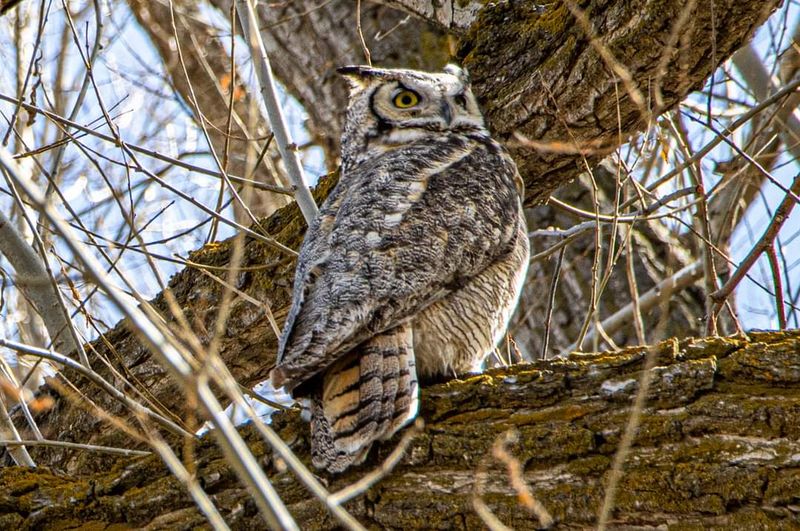
So, who should make the drive? Patient birders, bass anglers with a boat, and campers who don’t need fancy amenities will feel right at home.
Anyone hoping for paved trails and a gift shop might feel a little lost. Mud Lake Wildlife Management Area – Idaho Fish and Game keeps things raw and simple on purpose.
That simplicity is exactly why the birds love it. Wide water, marshy edges, and quiet surroundings make a perfect pit stop on a long migration.
Spring and fall are the seasons to circle on the calendar. Waterfowl numbers climb, warblers pass through, and the air fills with honks and whistles.
Timing matters, and so does the water level. A wet year usually means better viewing, so a quick check before leaving is time well spent.
For families, it’s a low-key outing with big payoffs. A moose sighting or a flock lifting off the lake can stick with a kid for years.
Idaho has plenty of famous outdoor spots. This marshy stopover in the eastern part of the state quietly deserves a place on that list too.