Why Winter Is Peak Season For Ramen, Pho, And Hot Pot In California
Winter in California may not bring blizzards, but it does spark a noticeable shift in what ends up on the table.
As temperatures cool and evenings stretch longer, steaming bowls of broth suddenly feel less like a luxury and more like a necessity.
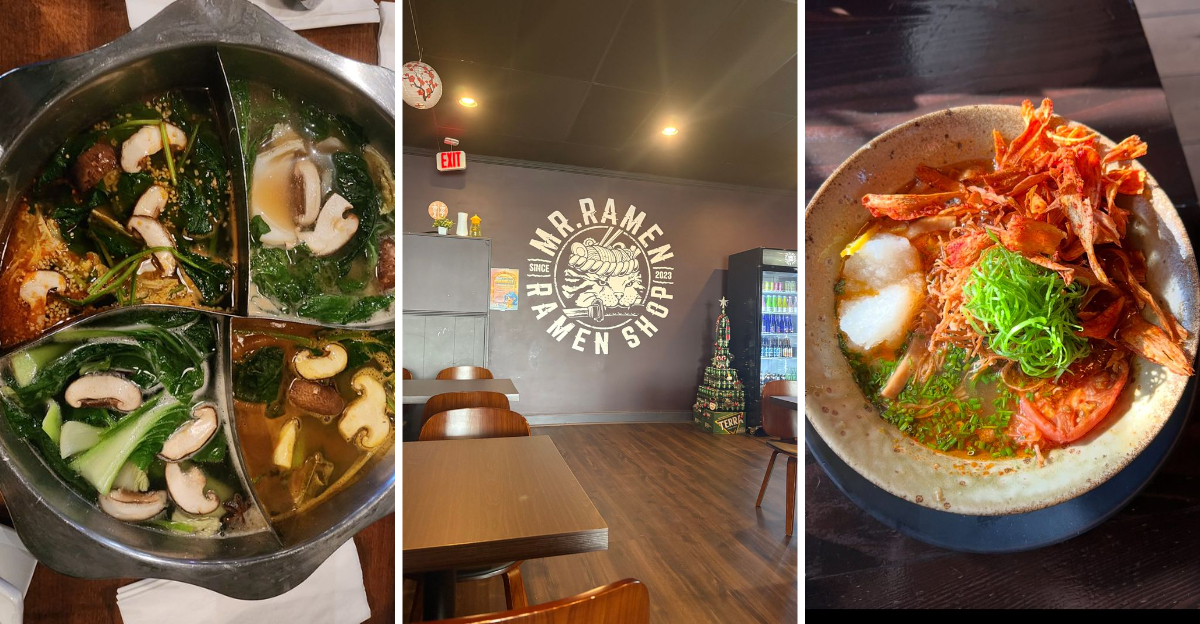
Ramen shops fill up, pho houses buzz with conversation, and hot pot restaurants become gathering places where warmth comes from both the food and the company.
These dishes offer more than heat – they deliver comfort, depth of flavor, and a sense of ritual that perfectly suits the season.
There’s a reason everyone seems to crave soup at the same time.
California’s diverse cultural landscape has made brothy, communal meals a natural winter favorite across the state.
From late-night noodle runs to lingering hot pot dinners shared with friends, these foods encourage people to slow down and savor the moment.
Each bowl tells a story of tradition, migration, and adaptation to California’s unique version of winter.
This isn’t just about staying warm – it’s about connection.
When the air turns crisp, these dishes bring people together around shared tables and shared steam.
Get ready to explore why ramen, pho, and hot pot reign supreme during California winters.
Warning: reading may lead to immediate soup cravings.
Cold Weather Calls For Warmth
California winters may not bring heavy snow to most areas, but temperatures still drop enough to make people seek warming foods.
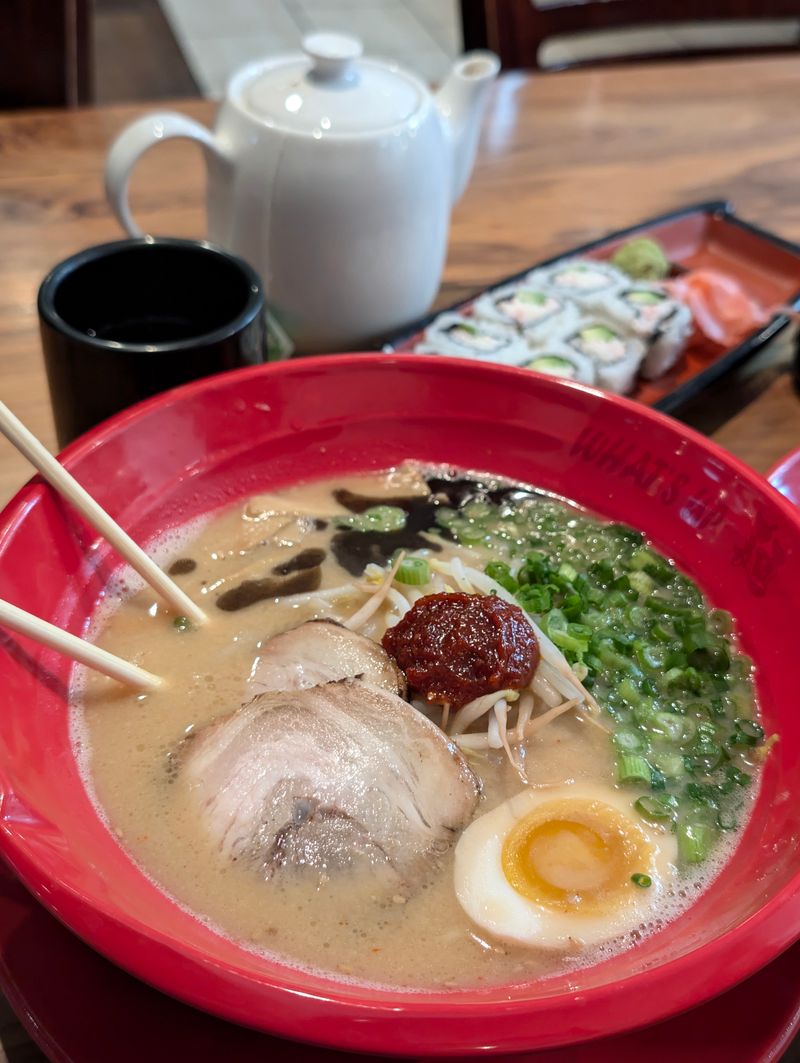
A steaming bowl of ramen or pho offers instant comfort when chilly winds blow through cities like San Francisco or when mountain communities experience genuine cold.
The hot broth warms from the inside out, creating a cozy feeling that matches perfectly with cooler evenings.
Restaurants notice this shift immediately when temperatures dip.
Orders for hot soup-based dishes climb steadily as autumn transitions into winter.
Hot pot restaurants especially see packed dining rooms during December through February.
This natural craving for warmth drives people to seek these specific dishes rather than cold salads or sandwiches.
The body instinctively wants temperature-appropriate foods, making winter the ideal season for broth-based meals that deliver both nutrition and comfort in every spoonful.
Seasonal Menu Adaptations Shine
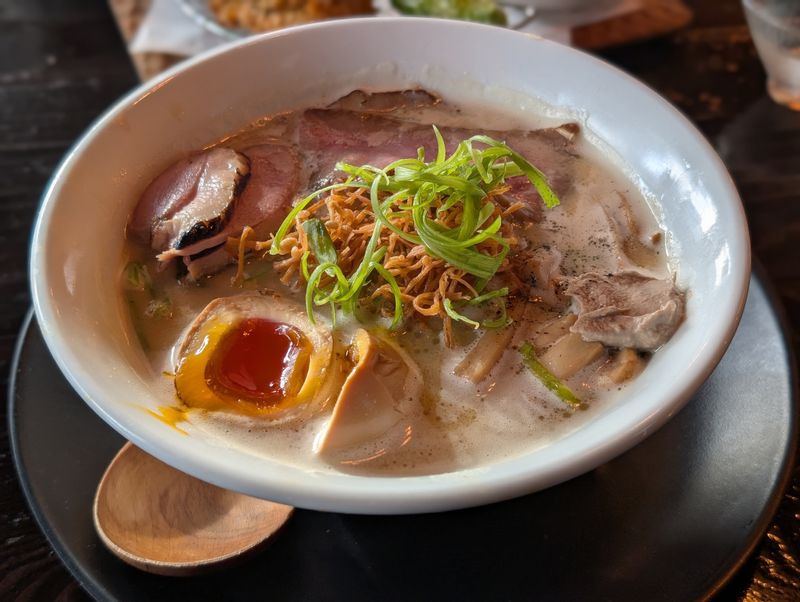
Ramen shops get creative when winter arrives, introducing richer broths and seasonal ingredients that match the weather.
Chefs craft special winter editions featuring heartier miso bases, extra collagen-rich tonkotsu, or warming spice blends.
These adaptations showcase ingredients at their peak freshness during colder months, from root vegetables to winter greens.
Pho restaurants similarly adjust their offerings, adding more robust beef bone broths and highlighting warming spices like star anise and cinnamon.
Hot pot venues expand their broth selections to include spicier Sichuan options or deeper-flavored bone broths.
Menu changes reflect both customer preferences and ingredient availability.
This seasonal approach keeps regular customers engaged while attracting new diners curious about limited-time offerings.
Restaurants benefit from highlighting what makes winter eating special, creating anticipation for dishes that only appear during specific months and encouraging repeat visits throughout the season.
Nutritional Benefits Support Health
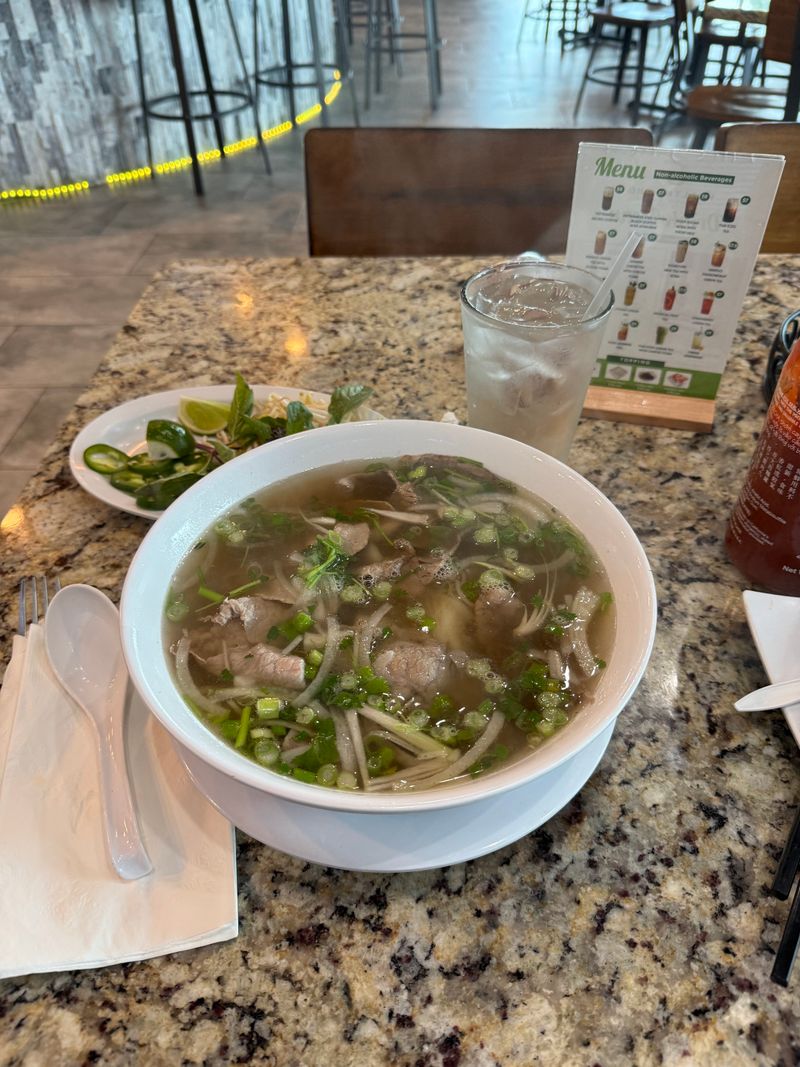
These dishes pack impressive nutritional value that supports immune systems during cold and flu season.
Pho typically includes lean proteins, fresh herbs like cilantro and basil, and vegetables that provide vitamins and minerals.
The hot broth itself may help clear sinuses and provides hydration, which people often neglect during winter.
Ramen can be customized with nutritious additions like soft-boiled eggs, seaweed, mushrooms, and leafy greens.
The variety of ingredients means diners get balanced meals combining protein, vegetables, and carbohydrates.
Hot pot offers even more control, allowing people to choose exactly which vegetables and proteins go into their bowl.
Boiling ingredients in broth preserves nutrients better than some other cooking methods.
The cooking liquid becomes infused with vitamins and minerals from the ingredients, meaning nothing goes to waste.
This nutritional profile makes these dishes smart choices for health-conscious Californians navigating winter months.
Mountain Towns Embrace Hearty Meals
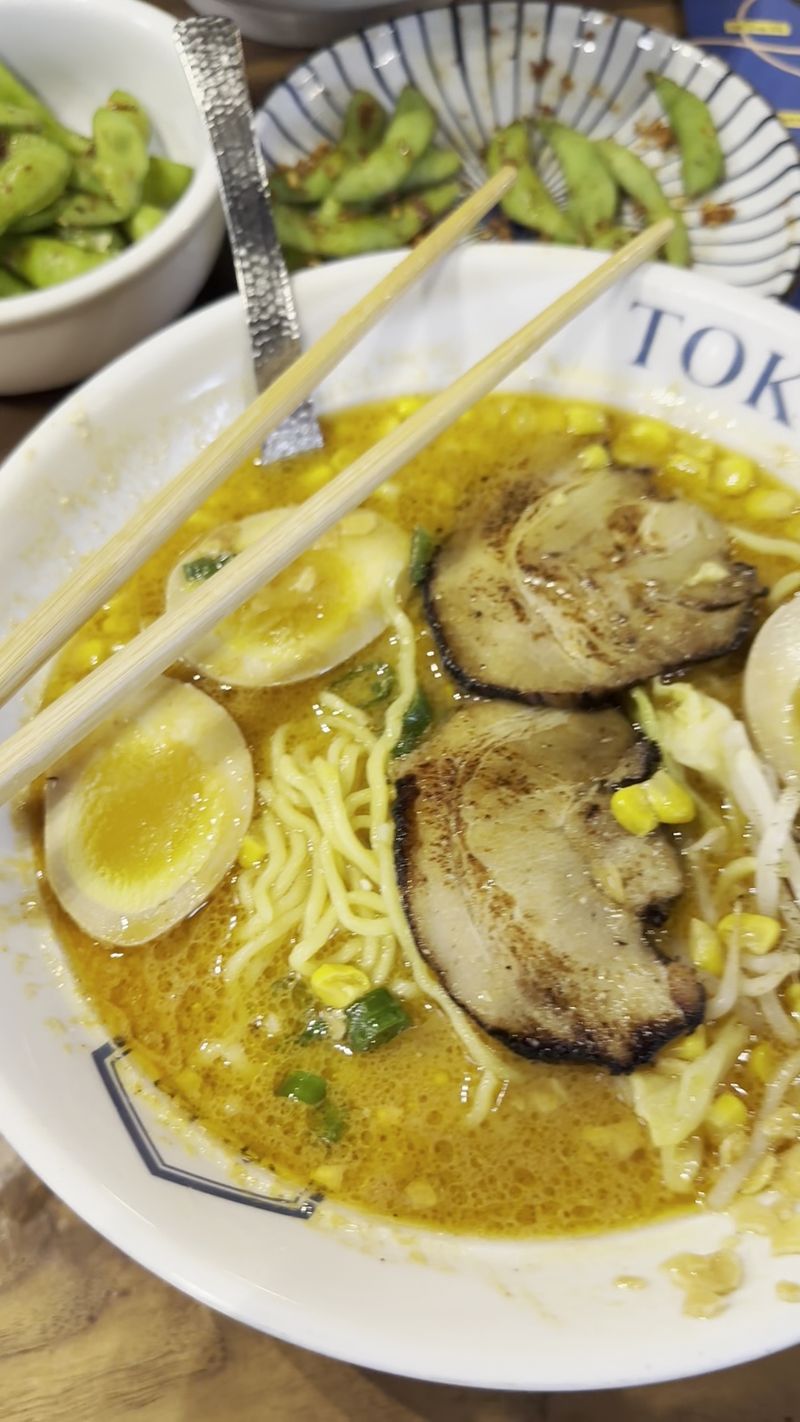
California’s mountain communities like Lake Tahoe, Mammoth Lakes, and Big Bear experience genuine winter conditions with snow and freezing temperatures.
After skiing, snowboarding, or simply enduring cold mountain air, locals and visitors crave substantial warming meals.
Ramen shops in these areas become essential gathering spots for people recovering from outdoor activities.
Restaurants in mountain regions often see their busiest seasons during winter when tourism peaks.
A bowl of hot pho or ramen tastes especially satisfying after hours spent in the snow.
The contrast between cold outdoor temperatures and steaming hot broth creates an experience that summer simply cannot replicate.
These communities have embraced Asian soup restaurants as winter staples alongside traditional ski lodge fare.
The combination of authentic flavors and practical warmth makes these establishments popular with both residents and tourists seeking comfort food that delivers genuine satisfaction after active winter days.
Coastal Cities Seek Warmth Too
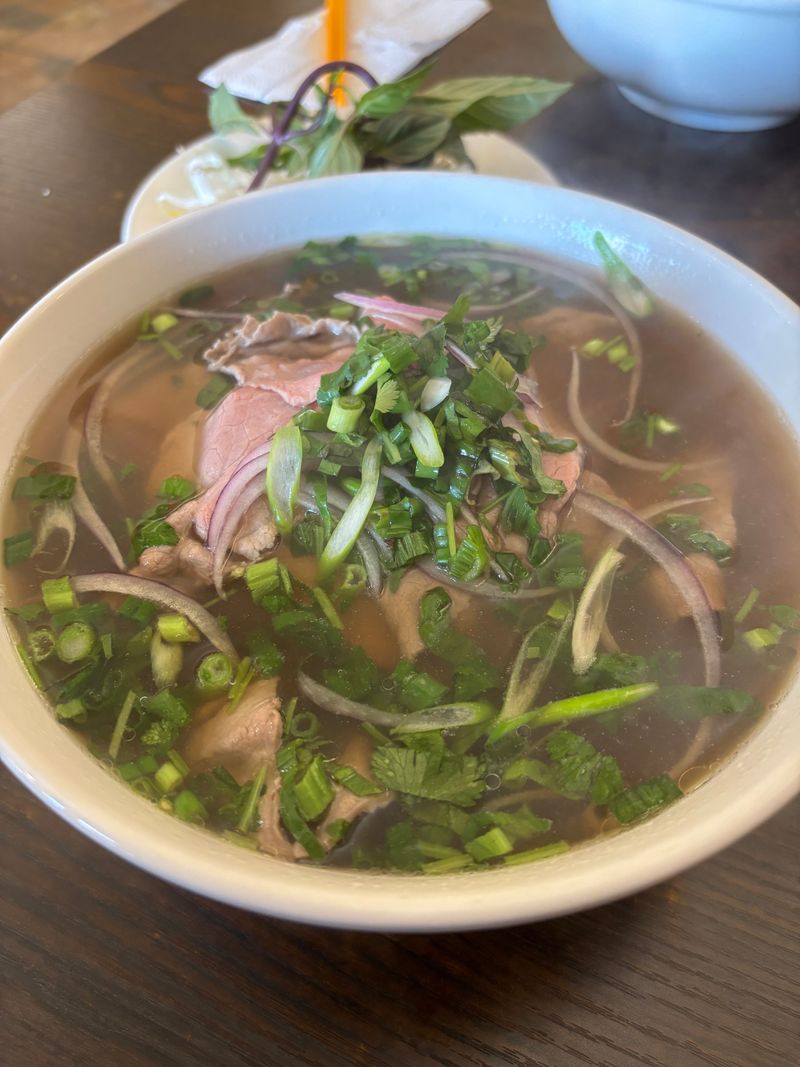
San Francisco, known for its foggy, chilly weather even in summer, becomes particularly cold during winter months.
The damp ocean air creates a bone-chilling cold that makes hot soup dishes extremely appealing.
Neighborhoods like the Richmond District and Sunset District, home to numerous Asian restaurants, see steady traffic to ramen and pho establishments year-round, with winter bringing peak business.
Other coastal cities like Santa Cruz, Monterey, and San Diego also experience cooler winter temperatures that drive soup cravings.
Even Southern California beaches, typically associated with sunshine, have winter days when ocean breezes make warm meals desirable.
Coastal residents understand that proximity to water means cooler temperatures regardless of latitude.
The combination of marine layer fog and winter temperatures creates perfect conditions for hot pot restaurants along California’s coast.
Diners appreciate warming up with spicy broths while potentially enjoying ocean views, creating a unique California winter dining experience.
Social Media Amplifies Winter Appeal
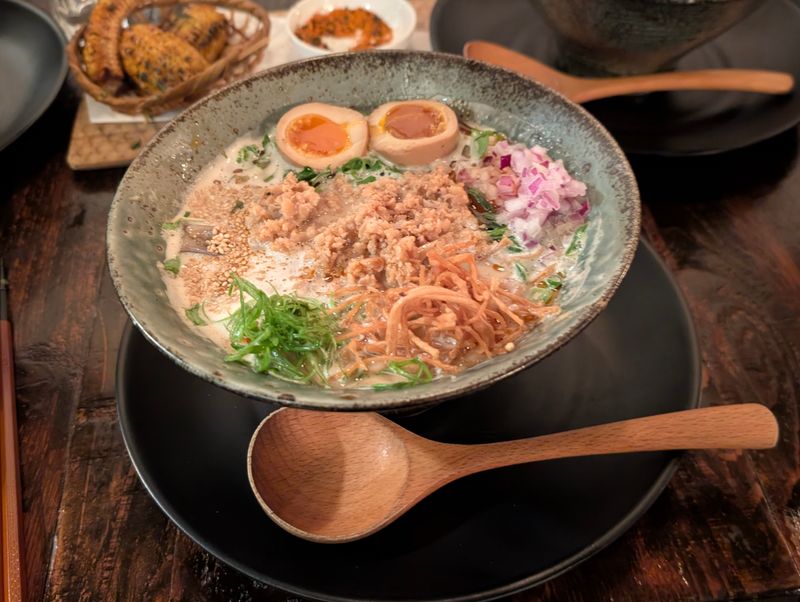
Instagram and TikTok have transformed how people discover and share food experiences, with steaming bowls of ramen and dramatic hot pot setups creating highly shareable content.
Winter provides the perfect backdrop for these posts because visible steam and cozy restaurant atmospheres photograph beautifully.
The visual appeal of these dishes increases dramatically in cold weather.
Food bloggers and influencers consistently feature ramen, pho, and hot pot during winter months, creating trends that drive restaurant traffic.
Videos showing cheese pulls from hot pot or perfectly swirled ramen eggs go viral regularly.
This social media attention introduces these dishes to people who might not have otherwise tried them.
Restaurants benefit from this organic marketing as customers become brand ambassadors by posting their meals.
The photogenic nature of these dishes, combined with winter’s cozy aesthetic, creates content that performs well on social platforms and drives real-world visits to establishments throughout California.
Customization Appeals To Californians
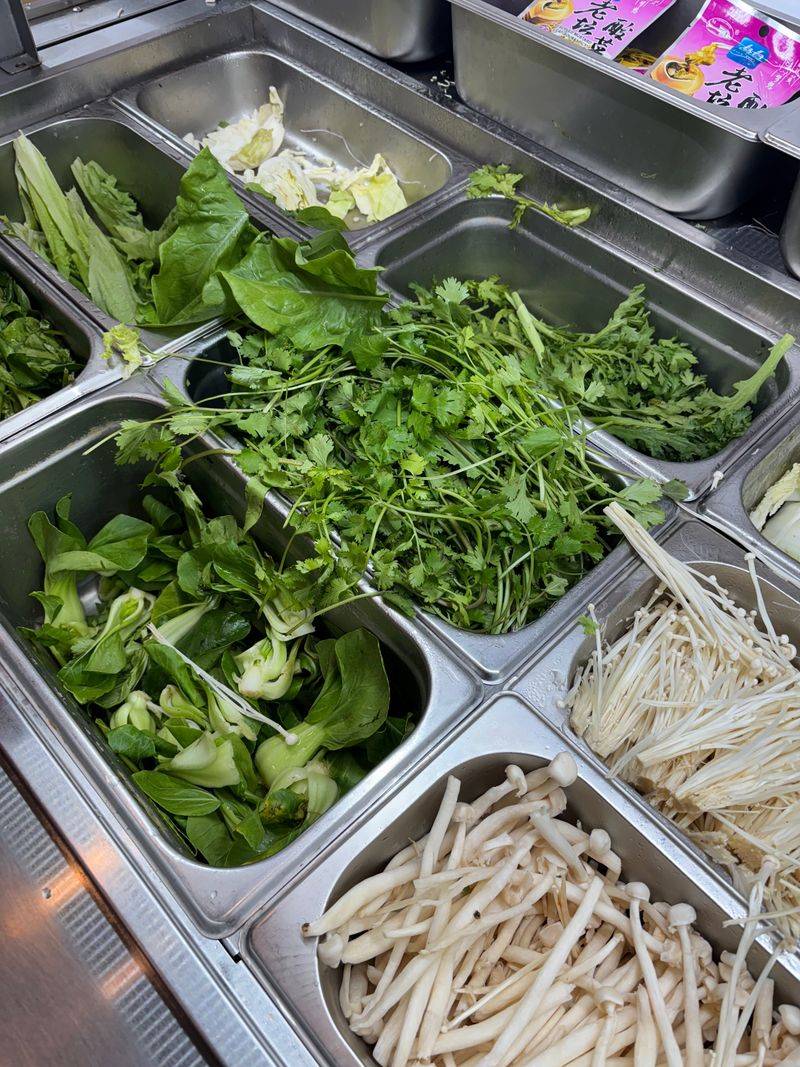
California diners value personalization and control over their meals, making hot pot particularly appealing.
The build-your-own nature of hot pot allows people to accommodate dietary preferences, allergies, and specific tastes.
Vegetarians can create plant-based versions while meat lovers load up on proteins, all from the same restaurant visit.
Ramen shops increasingly offer customization options including broth richness levels, noodle firmness, spice levels, and topping choices.
This flexibility matches California’s health-conscious culture where people want meals tailored to their needs.
Pho restaurants similarly allow diners to add herbs and condiments according to personal preference.
The interactive element of these meals resonates with California’s food culture that values experience alongside taste.
Winter amplifies this appeal because the customization process happens around warming broths, making the experience both practical and enjoyable.
Diners appreciate controlling their meal while benefiting from the communal warmth these dishes provide.
Late-Night Dining Options Expand
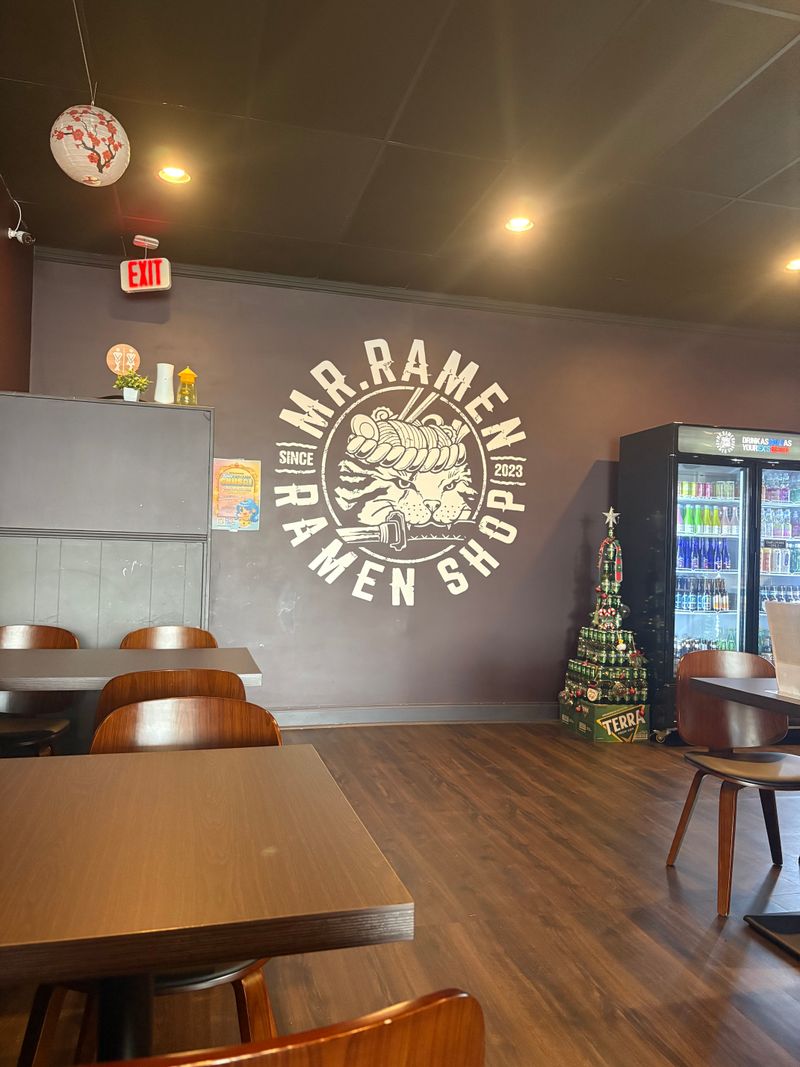
Many ramen shops stay open late, serving night owls, shift workers, and people seeking comfort food after evening activities.
Winter nights feel longer and colder, making late-night ramen runs especially appealing.
The combination of warm food and welcoming atmosphere provides refuge from dark, chilly streets.
College towns throughout California see increased late-night ramen traffic during winter months when students need warming meals while studying.
Areas near universities like Berkeley, UCLA, and Stanford have ramen shops that become student havens during finals season, which coincides with winter.
The affordable, filling nature of these meals fits student budgets and schedules.
Pho restaurants often open early and stay open late, accommodating various schedules.
This accessibility makes them reliable options when other restaurants close.
Winter increases demand for these flexible dining hours as people seek warm meals regardless of the time, making these establishments valuable community resources beyond typical dining hours.
Economic Value Attracts Diners
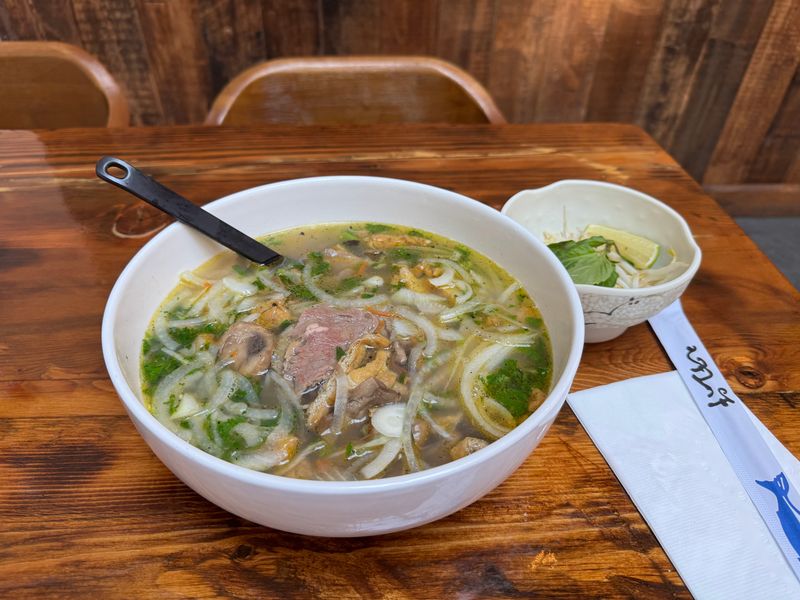
Compared to many restaurant options, ramen, pho, and hot pot offer substantial portions at reasonable prices.
A single bowl provides a complete meal with protein, vegetables, and carbohydrates, making these dishes economically smart choices.
Winter budgets often get stretched by holiday expenses, making affordable dining options more attractive.
Hot pot restaurants frequently offer all-you-can-eat options that provide exceptional value for groups.
Families and friend groups can enjoy extended meals without excessive costs, making these establishments popular for gatherings during winter months.
The social experience combined with economic value creates appeal across income levels.
The filling nature of these meals means people stay satisfied longer, reducing the temptation for additional food purchases throughout the day.
This practical aspect matters in California’s expensive urban areas where dining costs add up quickly.
Winter increases appreciation for restaurants delivering both quality and value in warming, substantial meals.
Spice Levels Provide Internal Heat
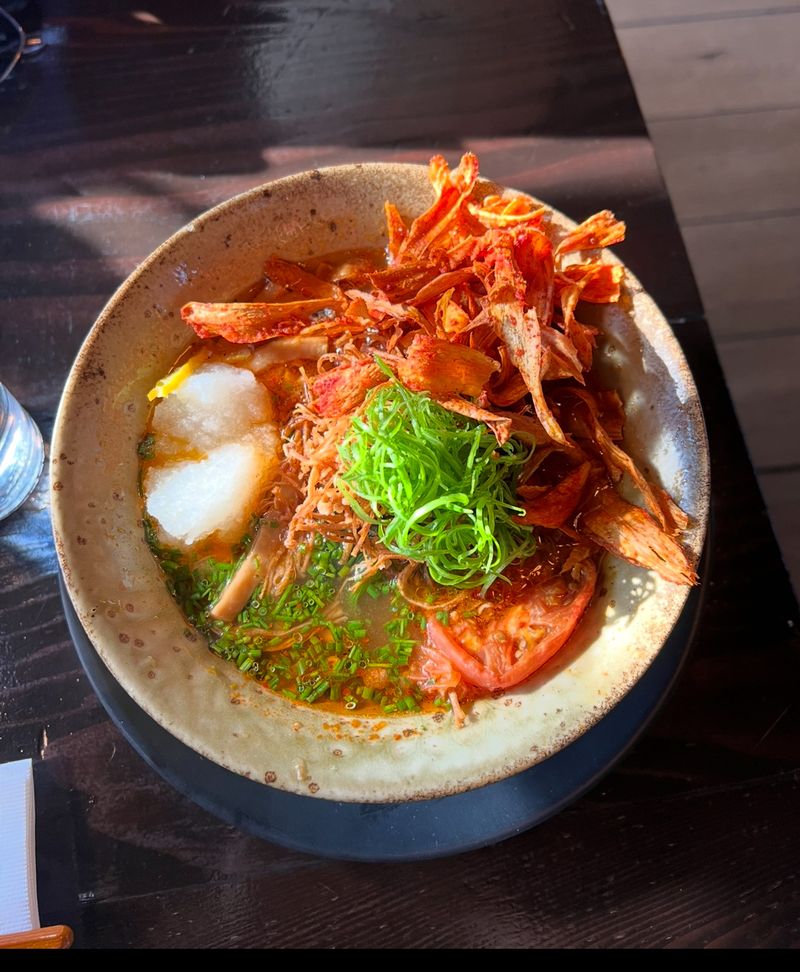
Many winter diners specifically request spicier versions of ramen, pho, and hot pot to generate internal warmth.
Capsaicin in chili peppers creates a heating sensation that complements the hot broth temperature.
Restaurants notice increased orders for spicy options like Sichuan hot pot or spicy miso ramen during colder months.
The combination of physical heat and spice creates a powerful warming effect that cold-weather diners seek.
Adding chili oil, fresh jalapeños, or spicy paste allows people to control their heat level while enjoying the base dish.
This flexibility means even those with moderate spice tolerance can benefit from gentle warming effects.
California’s diverse population includes many people from cultures where spicy foods are traditional winter staples.
Vietnamese, Korean, Chinese, Japanese, and Thai communities maintain traditions of using spice for warmth, influencing broader California food culture.
Restaurants serving these communities have perfected spicy winter offerings that now appeal to wider audiences seeking that extra warmth boost.
Restaurant Atmosphere Creates Coziness
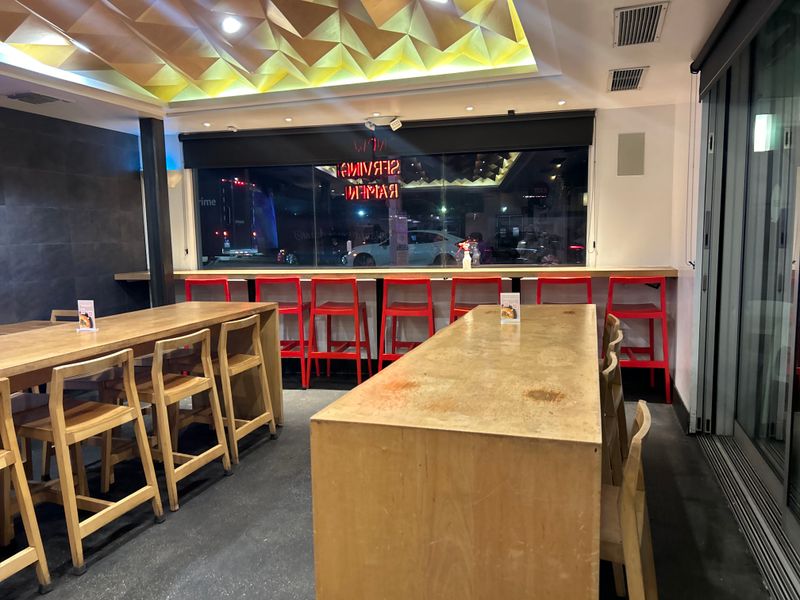
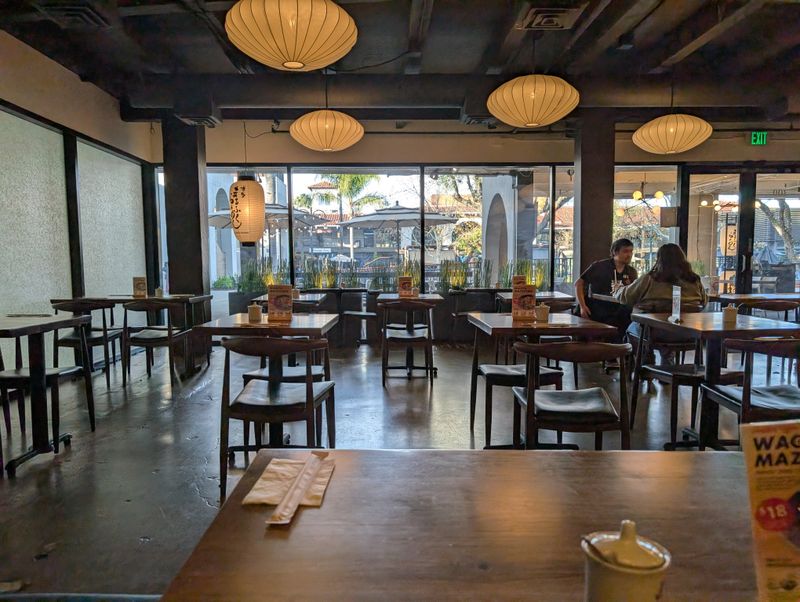
Ramen shops, pho restaurants, and hot pot establishments often feature intimate, warm atmospheres that feel especially inviting during winter.
Wooden tables, soft lighting, and the sound of simmering broth create sensory experiences beyond just taste.
The steam rising from multiple tables adds visual warmth that enhances the cozy feeling.
Many of these restaurants maintain compact spaces where body heat and cooking warmth naturally raise temperatures, creating comfortable environments when outside air feels frigid.
The close quarters that might feel crowded in summer become assets in winter, fostering a sense of shared warmth and community among diners.
Background sounds of boiling water, chopsticks clicking, and quiet conversation create soundscapes associated with comfort and satisfaction.
These atmospheric elements combine with the food itself to deliver complete winter dining experiences.
Restaurants understand this appeal and often enhance their ambiance during winter months to maximize the cozy factor that keeps customers returning.
Food Trends Align With Winter Timing
Data shows pho orders increase by 42 percent from summer to winter, reflecting measurable consumer behavior shifts.
This dramatic rise demonstrates that winter preference for these dishes represents genuine trends rather than perception.
Restaurants track these patterns and prepare accordingly with increased inventory and staffing during peak winter months.
Food delivery services report their highest volumes for ramen and hot pot during December through February.
The convenience of having steaming soup delivered directly to homes appeals especially when weather discourages going out.
This trend has made these dishes accessible to people who might not visit restaurants but still crave warming meals.
Industry analysis confirms these foods dominate winter menus across California, with new restaurants timing their openings to coincide with peak season.
The predictable nature of winter demand makes these establishments reliable investments.
Understanding these trends helps explain why California’s landscape now includes countless ramen, pho, and hot pot options that thrive specifically during colder months.
Cultural Traditions Come Alive
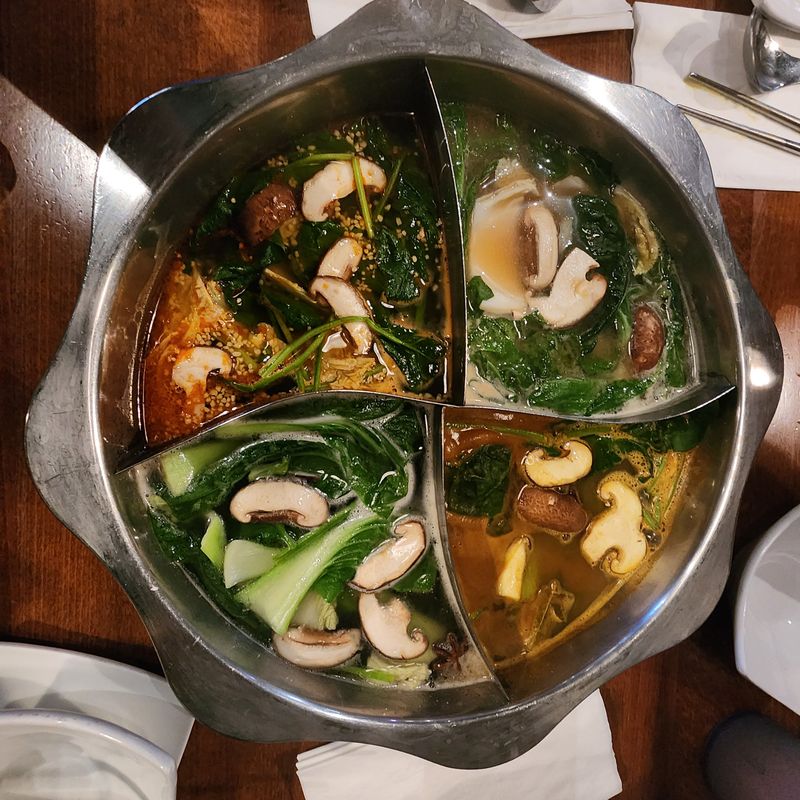
Hot pot carries deep cultural significance as a communal dining experience that strengthens bonds between friends and family.
Winter amplifies this tradition because gathering around a bubbling pot feels especially meaningful when cold weather encourages people to stay close together.
The shared cooking experience creates conversation and connection that individual plates cannot match.
Many Asian American families in California maintain winter hot pot traditions passed down through generations.
The ritual of selecting ingredients, cooking together, and sharing from one pot represents unity and warmth beyond just temperature.
These gatherings often mark special occasions or simple weekend family time.
Restaurants serving hot pot notice increased group reservations during winter months as people seek this communal experience.
The tradition thrives in California’s diverse communities, where cultural practices blend with modern dining habits, making hot pot a beloved winter activity that combines heritage with contemporary social life.