Wild Quail Are Returning To This Georgia Plantation After Years Of Habitat Restoration
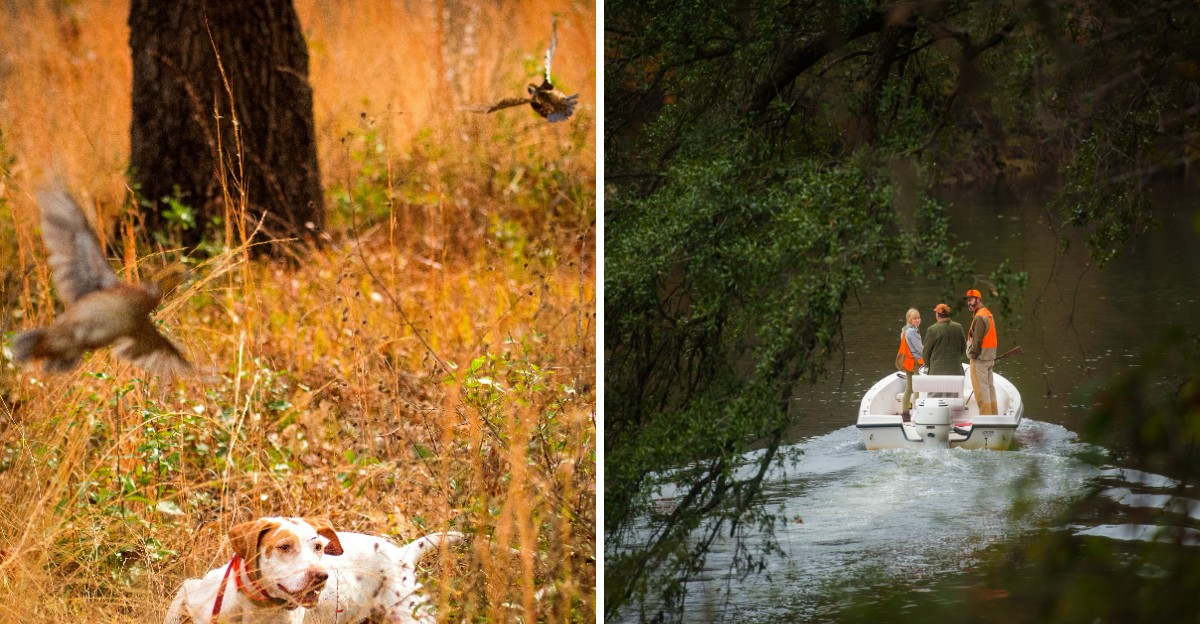
Hunters here have flushed coveys of 30 to 40 wild bobwhite quail at once. That’s not a typo, and those birds aren’t pen-raised.
The secret isn’t luck. It’s fire, wiregrass, longleaf pines, and decades of patient work on an old turpentine property along a rocky Georgia river.
I love a comeback story, and this one has feathers. The quail numbers in this corner of the state reportedly beat their 1950s peak.
I believe that makes it one of the most hopeful wildlife stories in the South.
Add award-winning bird dogs, a river ferry, and meals that keep coming all day. Honestly, how do you not want to see how a forest gets rebuilt for a bird the size of your fist?
The Comeback Bird Has Found A Very Good Home
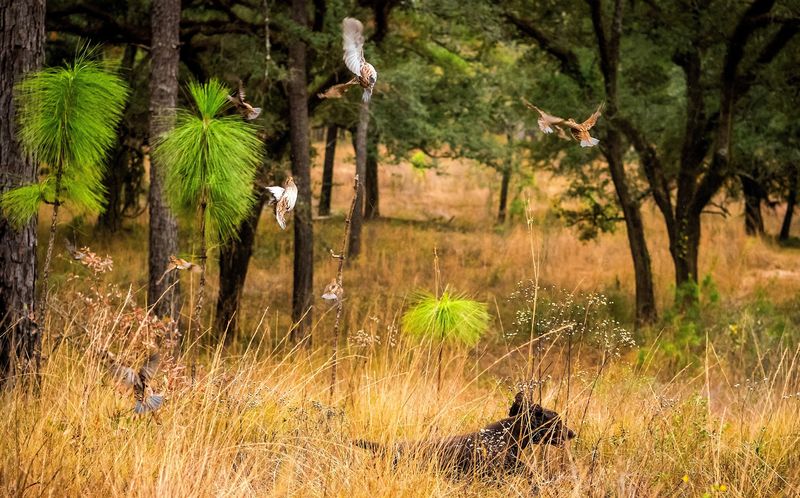
Thirty or forty birds bursting from the grass at once is a sound you don’t forget. At Rio Piedra Plantation in Camilla, those big wild coveys are the whole point.
The lodge focuses only on bobwhite quail. No ducks, no deer packages, no distractions.
Just one small, speedy bird that has struggled across much of the country.
Here’s why that matters. Bobwhite numbers have dropped in many parts of the South as old fields and open forests disappeared.
Finding thriving wild coveys today feels a little like finding a working phone booth.
Rio Piedra describes its hunting as a throwback to the Reconstruction era, when wild birds seemed to be everywhere. The quail populations here reportedly top the levels seen during the 1950s.
That’s a big claim, and it comes from years of steady habitat work.
Hunts happen over pointing dogs with skilled guides leading the way. You ride out, the dogs lock up, and the tension builds fast.
Then the grass explodes.
I like that the experience centers on wild birds instead of released ones. It makes every point feel earned.
It also turns a hunting trip into a front-row seat for a real conservation success.
You’ll find the plantation at 5749 S Turkey Rd, Camilla, GA 31730. It sits along the Flint River, about 25 miles south of Albany.
Getting there is easier than you might expect for such a wild-feeling spot.
Fire Is Actually The Hero Of This Story
Setting the woods on fire on purpose sounds wild, right? It’s one of the smartest tools the plantation uses.
Every year, prescribed burning covers 30 to 50 percent of the property. These controlled fires clear out thick brush and wake up the ground cover quail need.
Without fire, the forest floor gets crowded and messy fast.
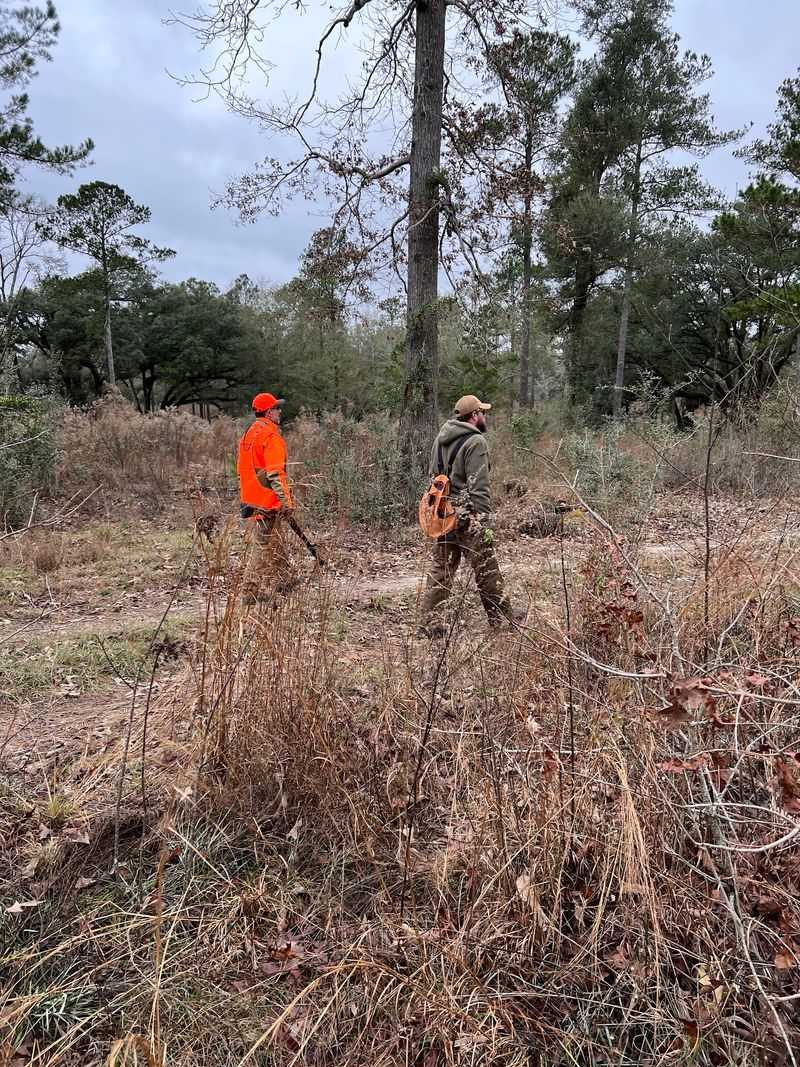
The goal is open woods with grasses and plants close to the ground. Quail like to walk, hide, and feed in that low layer.
Too much tangle, and they struggle to move or spot trouble.
Burning in patches also helps. Some areas are freshly burned, while others grow back thicker.
That mix gives birds places to eat and places to hide in the same neighborhood.
I think this is the part most people never picture. A healthy quail woods doesn’t look untouched.
It looks carefully managed, almost like a well-kept garden on a giant scale.
Fire has shaped southern pine forests for a very long time. Rio Piedra simply leans into that natural rhythm.
The result is fresh growth each spring and a landscape where bobwhites can actually thrive again in Georgia.
Longleaf Pines And Wiregrass Are Making A Quiet Return
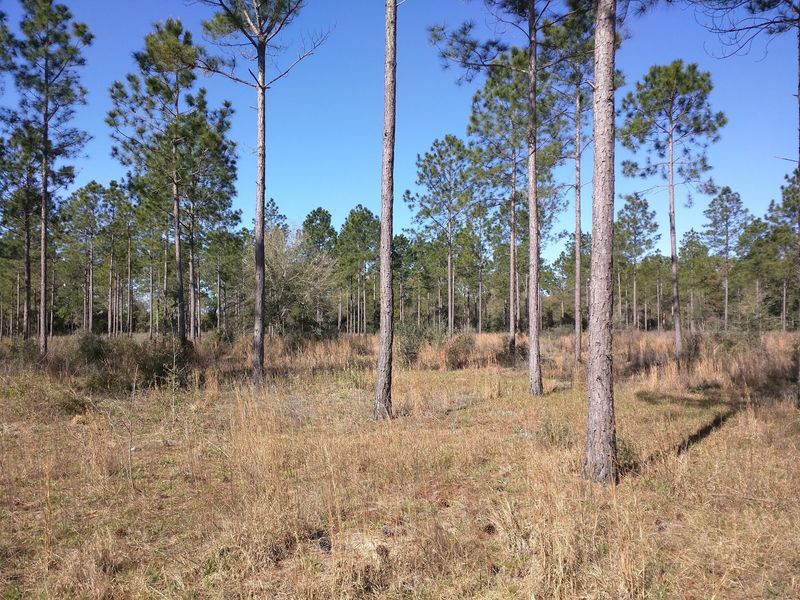
Longleaf pine forests once stretched across huge parts of the South. Today, they’re much rarer, which makes the restoration work at Rio Piedra Plantation extra meaningful.
The plantation has spent decades bringing back longleaf pines along with wiregrass and broomsedge. Those names may sound plain, but they do serious work.
Together, they create the food and cover quail depend on.
Wiregrass grows in clumps that leave little paths between them. Quail can scurry through while staying hidden from hawks overhead.
Broomsedge adds tall, golden cover that practically glows in winter light.
The pines stay spaced out, so sunlight reaches the ground. That sunlight keeps the low plants healthy.
A thick, shady forest would choke them out.
Fun fact time. The property started out as an old turpentine plantation, a business built on harvesting pine sap.
Now those same kinds of pines are part of a habitat comeback.
I find that full-circle story pretty great. Land once used mainly for pine products now supports a wild bird population that people travel across the country to see.
Restoration doesn’t happen in one season, though. It takes years of patience and steady care.
A Whole Neighborhood Of Plantations Is Pulling In The Same Direction
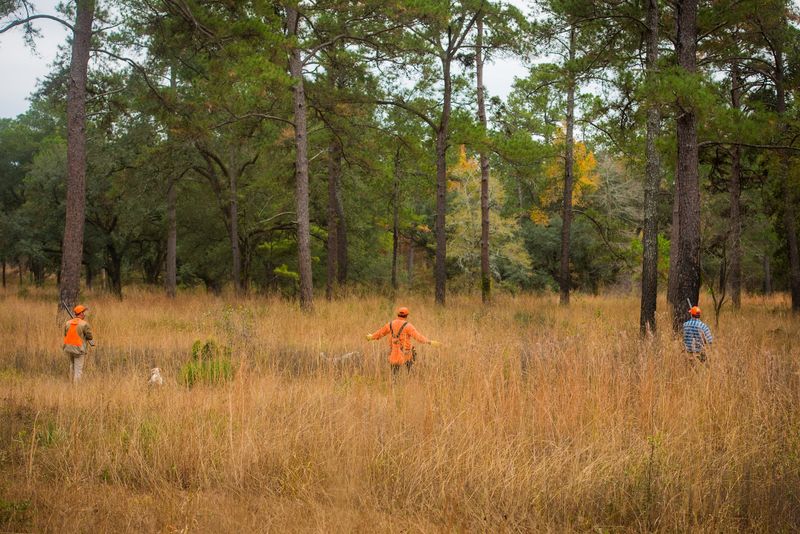
No plantation is an island, especially for a bird that wanders. Rio Piedra sits inside the South Georgia Plantation Belt, a region of about 400,000 acres focused on quail habitat.
That belt stretches from Albany, Georgia, down to Tallahassee, Florida. Many private plantations across it manage their land with similar goals.
More good habitat means more room for quail to spread out and survive.
The plantation also runs a quail-feeding program along certain trails. The approach is based on research from Tall Timbers, a well-known research station in the region.
Science and tradition get to work side by side here.
I love how this shows conservation working on a big scale. One property can only do so much alone.
Hundreds of thousands of connected acres can change the future of a species.
So when hunters flush huge coveys here, they’re seeing more than one farm’s effort. They’re seeing what a whole region can accomplish together.
The Dogs Steal The Show Every Single Time
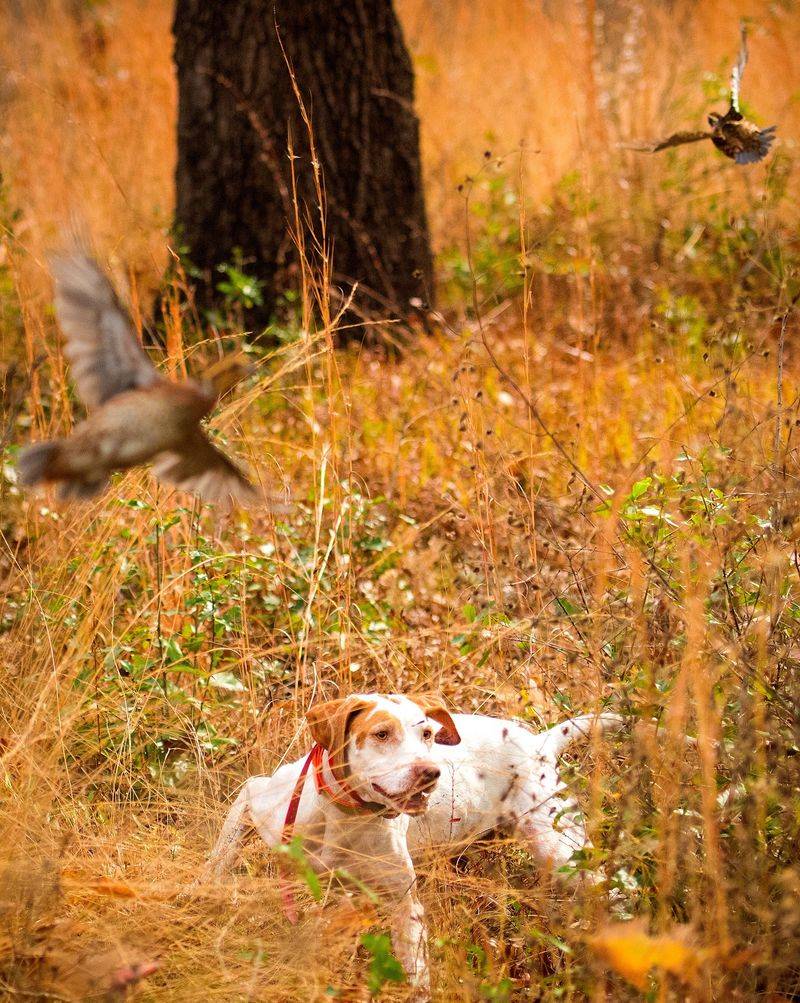
Ask almost any bird hunter, and they’ll tell you the dogs are the real stars. At Rio Piedra, that tradition runs strong.
Hunts are done over pointing dogs, including English pointers and setters. Flushing cockers also join the crew when it’s time to push birds into the air.
Each breed has its own job and style.
Pointers and setters search the cover, then freeze when they smell quail. That frozen stance is called a point, and it’s thrilling to see.
The whole group goes quiet, waiting for the flush.
Skilled guides work alongside the dogs and manage the hunt. They help newer hunters understand safety and timing.
Experienced shooters get a smooth, well-paced day in the field.
Bringing your own dog? The plantation provides kennel facilities for guests who travel with their four-legged partners.
That’s a thoughtful touch for anyone who can’t imagine leaving their hunting buddy behind.
I believe watching good dogs work is half the joy of quail hunting. All that habitat restoration creates the birds.
The dogs turn those birds into a moment you’ll be talking about at dinner for days.
Yes, You Might Cross A River To Get To The Birds
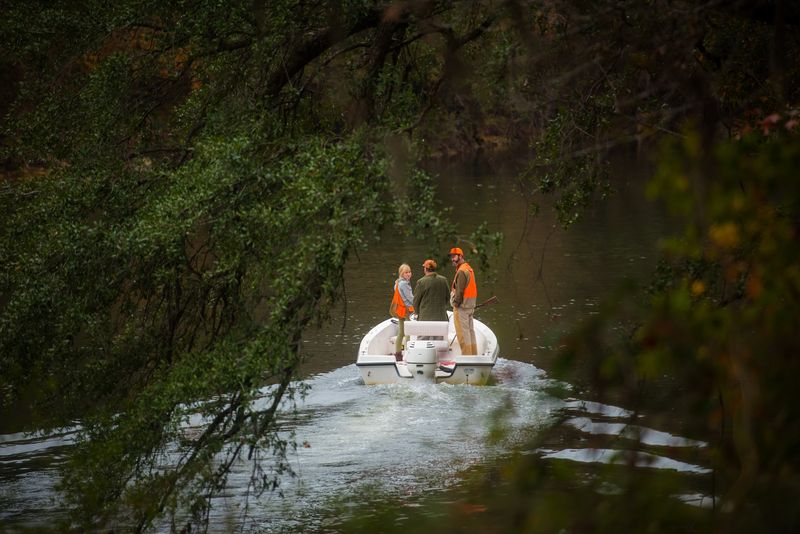
Not many hunting trips include a ferry ride. Rio Piedra Plantation has a dock and ferry on the Flint River to carry hunters across its land.
The river is a big part of the place’s identity. Even the name comes from it.
Spanish explorer Hernando de Soto called the Flint the Rio Piedra, meaning River of Rocks.
Think about that for a second. You could be eating lunch where explorers crossed nearly 500 years ago.
That’s a pretty good upgrade from a granola bar in the truck.
The river setting also adds variety to the landscape. Pine woods, open grasslands, and rocky water all come together on one property.
It makes the place feel bigger and more adventurous.
I like that the Flint gives this Georgia plantation a story beyond hunting. It connects the land to centuries of history.
Plus, crossing water on the way to find quail just feels like the start of a good tale.
Nobody Leaves This Lodge Hungry
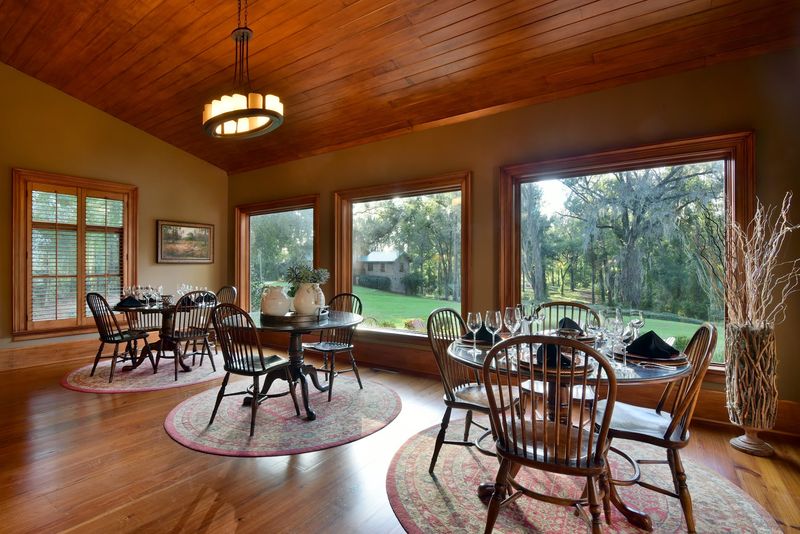
Breakfast, lunch, dinner, and evening hors d’oeuvres all come with your stay. That’s four chances a day to refuel after chasing birds through the pines.
The kitchen at Rio Piedra Plantation is known for a five-star style of dining. It mixes regional haute cuisine with good, honest comfort food.
Fancy and familiar sit on the same table.
That blend makes a lot of sense here. After a long morning in the field, you probably want something hearty.
Still, a little polish never hurt anybody.
The menu is also changing. After 23 years with a fixed offering, the plantation is working to evolve what it serves.
A newer chef has joined the effort to bring fresh ideas.
I find that exciting. A place with this much tradition could easily coast on the classics.
Choosing to shake things up shows they still care about getting better.
Evening hors d’oeuvres are a nice bridge between the hunt and dinner. It’s the perfect time to swap stories about that one bird that got away.
Every group seems to have at least one of those stories, and it grows each year.
From Retirement Project To Award Magnet
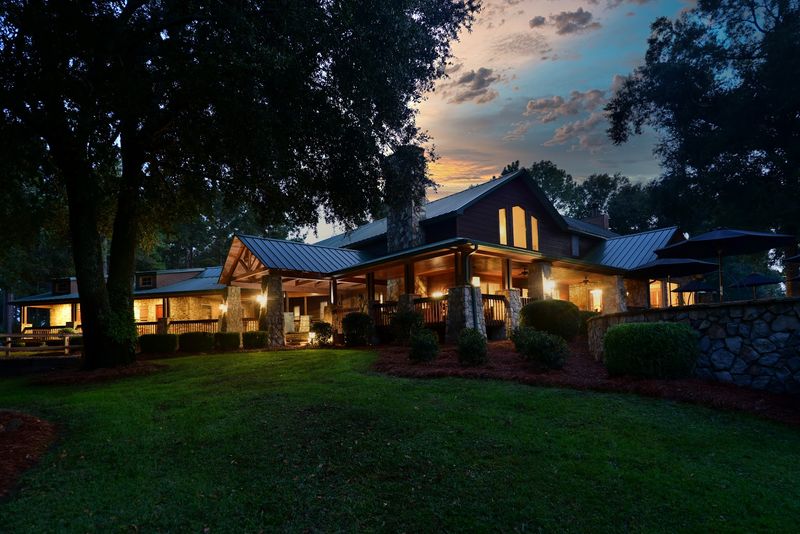
Bill and Annie Atchison bought the property in 2000 as a retirement venture. Retirement, it turns out, came with a lot of work.
The main building started as a plain two-story structure. Renovations transformed it over time with new luxury rooms and a wraparound porch.
Two 2-bedroom cabins were added too.
Today, the lodge has 22 bedrooms and 37 beds. Every room has its own private bath.
Guests can choose the main lodge or a cabin, depending on how their group likes to spread out.
The family story keeps going. Their son Sam Atchison and his wife Beth joined the operation in 2018.
That kind of handoff helps keep a place’s character steady.
Now for the bragging rights. Rio Piedra is the only three-time winner of the Orvis Wingshooting Lodge of the Year award.
It also earned Sporting Classics Hunting Lodge of the Year in 2009.
It’s an Orvis-Endorsed Wingshooting Lodge, and it’s open to the public with no membership needed. I can’t think of a better retirement plan gone delightfully off script.
A few decades later, the trophy shelf proves it.
Mark Your Calendar Before The Season Slips Away
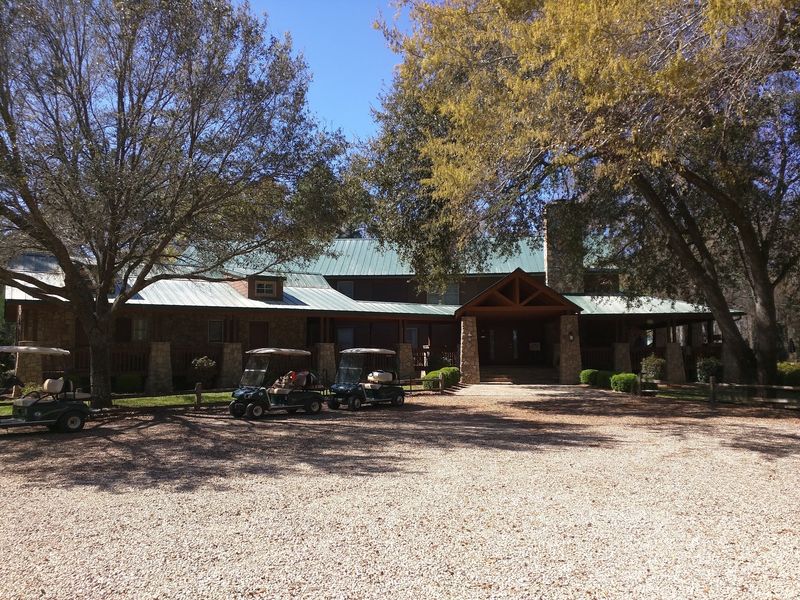
Timing is everything with this trip. Rio Piedra welcomes guests from mid-October through mid-March, then closes from April to early October.
Flying commercial? Southwest Georgia Regional Airport in Albany is about 30 minutes away by car.
Private flyers can use Camilla’s Mitchell County Airport, roughly 15 minutes out and able to handle large private jets.
Driving works too. Tallahassee, Florida, is about 1 hour and 20 minutes away.
Atlanta is about 3 hours and 15 minutes, which is a solid road trip with snacks.
Airport shuttle service can be arranged. Forgot something?
A pro shop is on site, and clay shooting is available for warming up your aim.
I’d suggest planning early, since the season is short and the birds don’t wait. Georgia winters are mild, but mornings in an open jeep can still feel chilly.
Pack a warm hat and get ready for the flush.