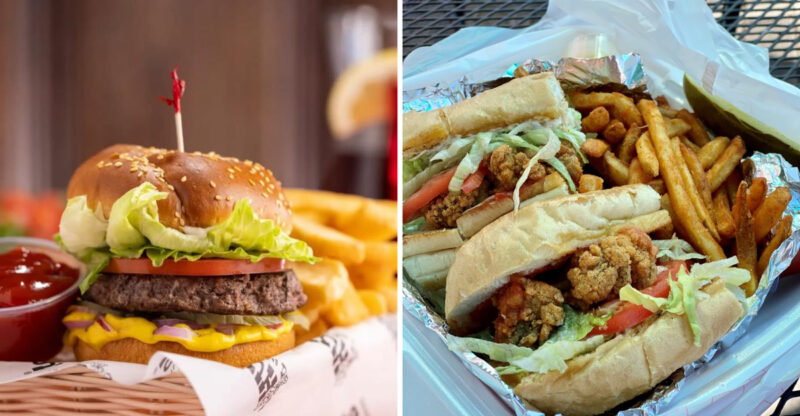
Wisconsin’s Quirky Food Expressions That Outsiders Just Don’t Get
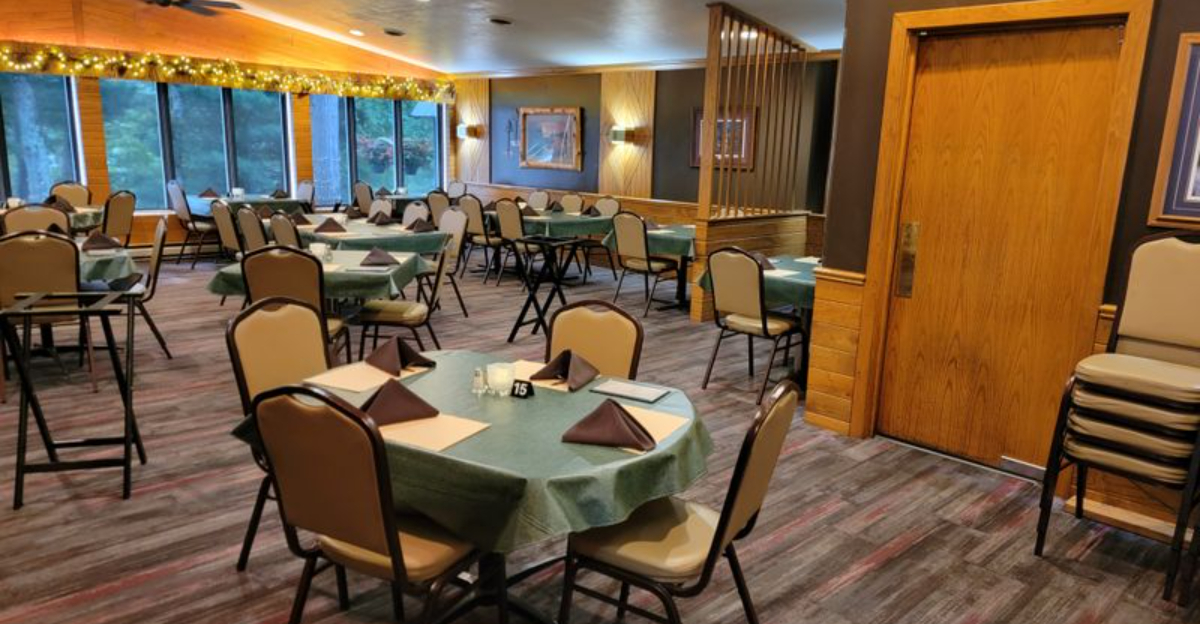
Wisconsin has a food language all its own, filled with expressions and dishes that can leave visitors scratching their heads in confusion.
From squeaky snacks to butter-laden burgers, the state’s culinary traditions reflect a rich blend of European heritage and Midwestern charm.
Understanding these quirky food terms isn’t just about knowing what to order at a local diner, it’s about experiencing the heart and soul of Wisconsin culture through its most beloved flavors.
Cheese Curds That Squeak
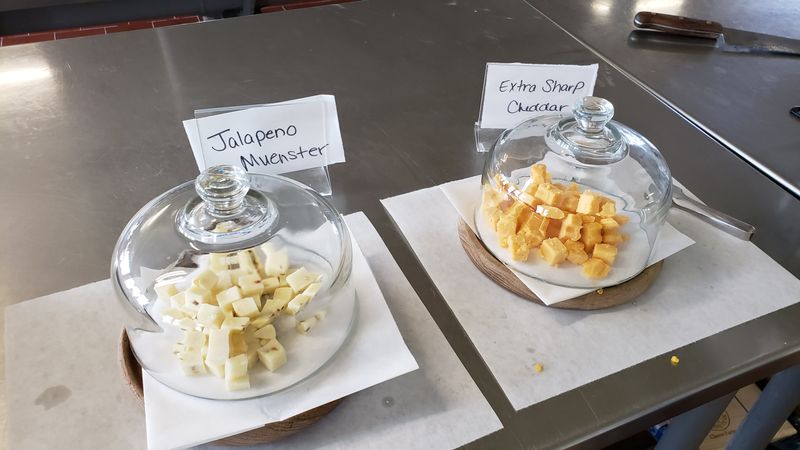
Nothing quite compares to biting into a fresh cheese curd and hearing that distinctive squeak between your teeth.
The sound tells you everything you need to know about quality and freshness in Wisconsin’s dairy world.
Locals know that cheese curds lose their squeak within hours of production, making them a time-sensitive delicacy.
Clock Shadow Creamery at 138 W Bruce St in Milwaukee serves some of the freshest squeaky curds you’ll find anywhere in the state.
Visitors often look confused when Wisconsinites describe the texture as rubbery yet tender, mild yet flavorful.
The protein strands in fresh curds haven’t broken down yet, which creates that signature spring and sound.
Some people travel miles just to get their hands on day-old curds before the squeak disappears forever.
Breaded and fried versions are popular too, but purists insist the squeak matters most when they’re eaten plain and cold.
Butter Burgers
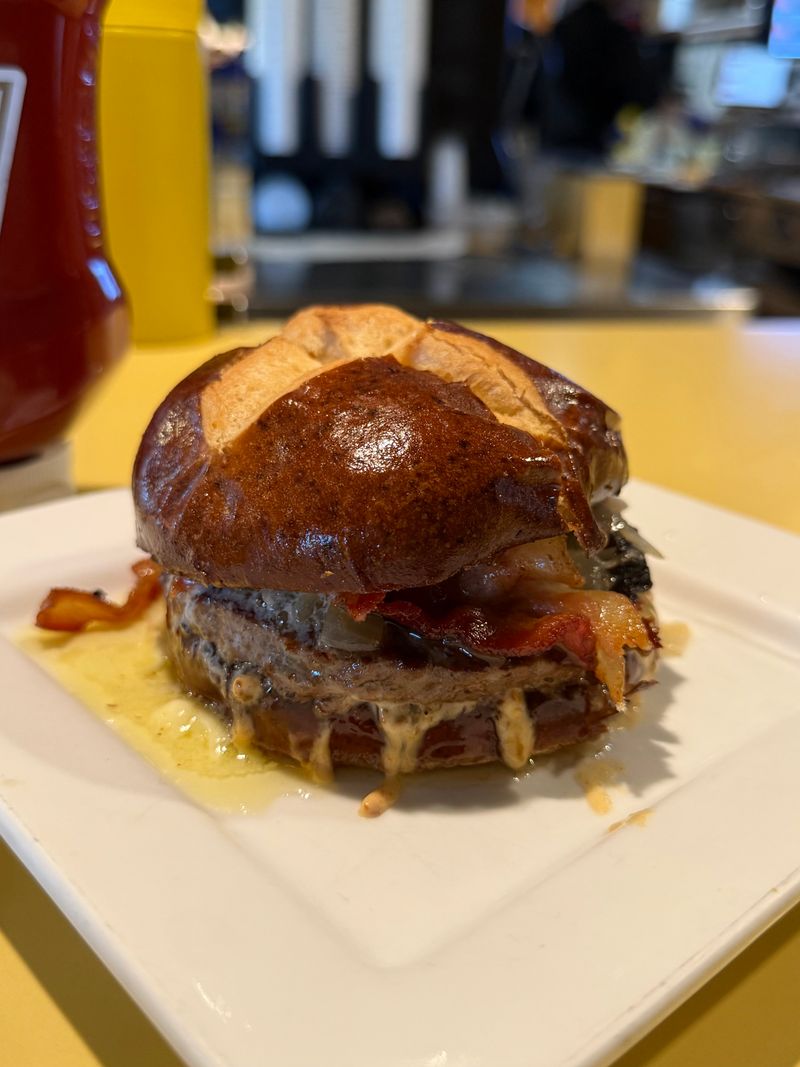
Butter makes everything better, and Wisconsin took that saying seriously when creating the butter burger phenomenon.
Culver’s restaurants across the state have turned this indulgent creation into an art form that locals defend fiercely.
The technique involves placing a generous pat of real butter directly onto the hot beef patty as it finishes cooking.
Some establishments also butter-toast the buns until they’re golden and crispy, adding another layer of richness.
Outsiders often gasp at the calorie count, but Wisconsinites know that flavor always comes first in their beloved tradition.
Solly’s Grille at 4629 N Port Washington Rd in Milwaukee has been perfecting butter burgers since 1936 with old-school techniques.
The butter melts into every crevice of the meat, creating a velvety texture that regular burgers simply cannot match.
Critics call it excessive, but one bite usually converts even the most skeptical visitors into butter burger believers forever.
Booyah
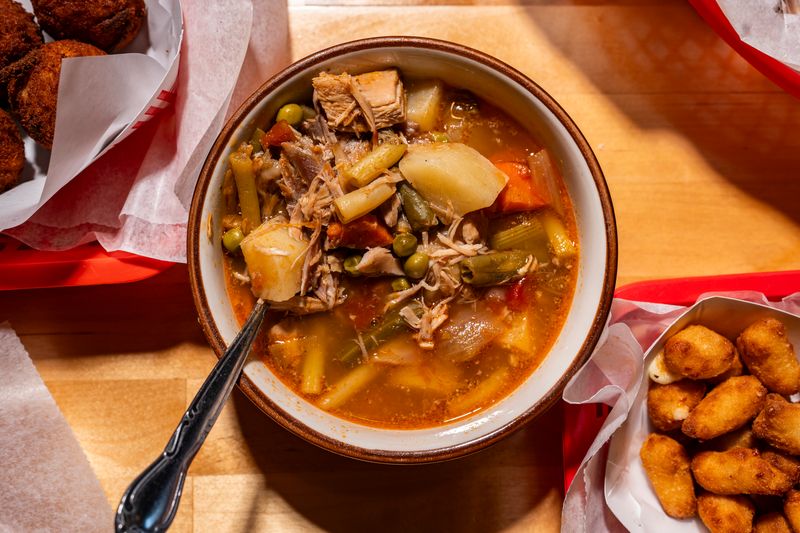
Community gatherings in Wisconsin often revolve around massive kettles of booyah bubbling over open flames for hours on end.
This Belgian-inspired stew combines chicken, beef, pork, and vegetables into a hearty mixture that feeds hundreds of hungry people.
The name itself confuses outsiders who expect something more exotic than a simple meat and vegetable stew.
Preparation starts early in the morning, with volunteers stirring the enormous pots and adding ingredients throughout the day.
St. John the Baptist Catholic Church in Howard often hosts booyah fundraisers at 2597 Glendale Ave that draw crowds from miles around.
Each family claims their recipe is the authentic version, leading to friendly debates about proper ingredient ratios and cooking times.
The magic happens when all those flavors meld together after six to eight hours of slow simmering and patient stirring.
Eating booyah isn’t just about the food, it’s about tradition, community, and the warmth of sharing something made with collective effort.
Cannibal Sandwiches
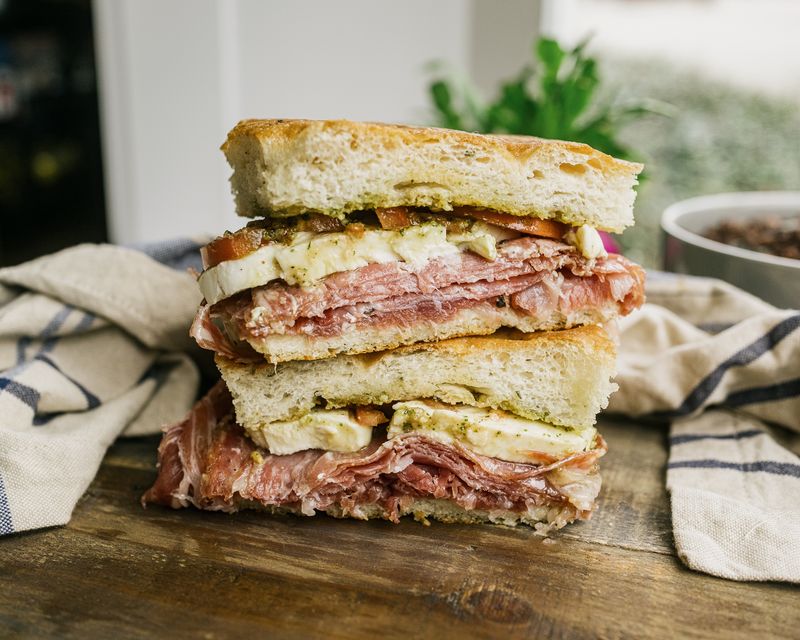
Raw ground beef on rye bread sounds shocking to most Americans, but Wisconsin families have served it for generations during holidays.
The sandwich goes by several names including tiger meat, though cannibal sandwich remains the most common and conversation-starting term.
Fresh beef gets seasoned simply with salt and pepper, then topped with raw onion slices for a pungent, bold flavor combination.
Health officials regularly warn against this tradition, yet it persists in homes across Milwaukee and surrounding counties every Christmas season.
Bunzel’s Meat Market at 2114 W Oklahoma Ave in Milwaukee is known for grinding fresh beef specifically for cannibal sandwich enthusiasts.
The key to safety lies in using extremely fresh, high-quality beef from trusted sources and consuming it immediately after preparation.
Outsiders recoil at the name and concept, but locals insist the taste is surprisingly mild and utterly nostalgic to them.
This controversial delicacy represents Wisconsin’s stubborn commitment to tradition, even when the rest of the world questions their culinary choices completely.
Friday Fish Fry
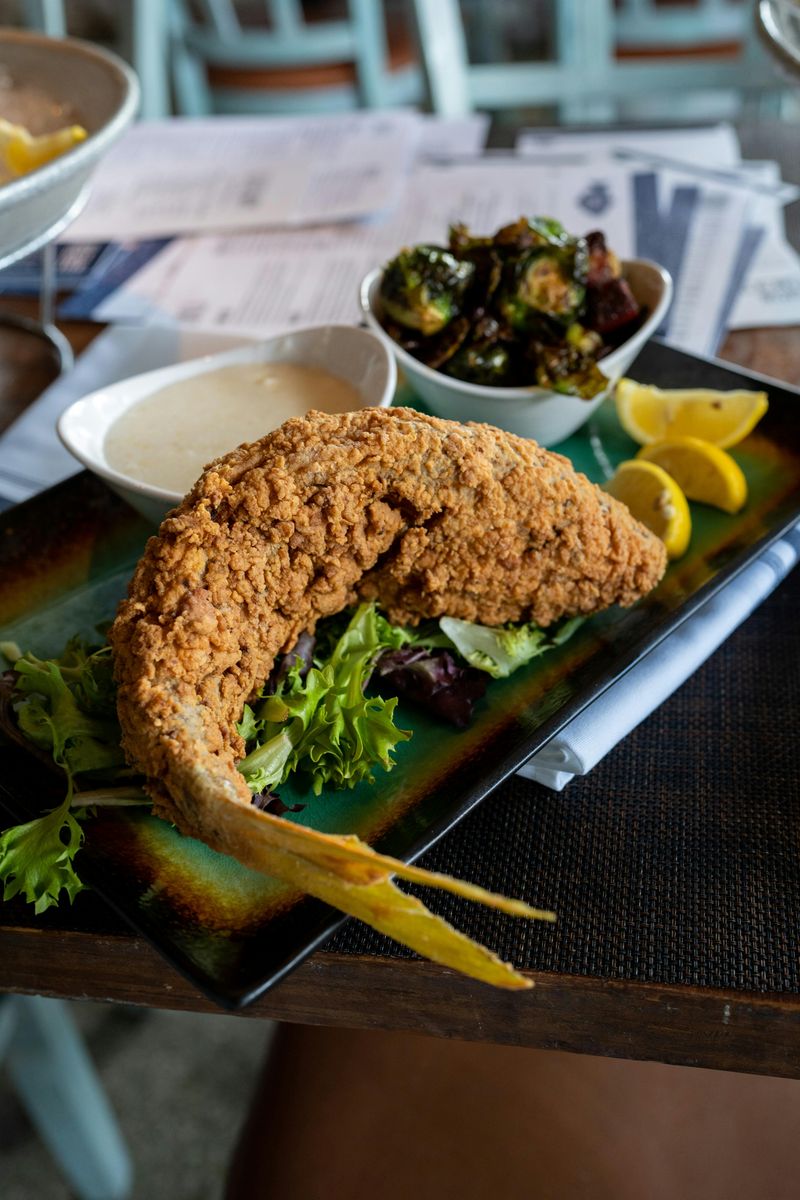
Every Friday in Wisconsin transforms into a statewide celebration of fried fish that transcends religious origins and becomes pure cultural identity.
The tradition started with Catholic fish-on-Friday rules but evolved into something far bigger than any single denomination or belief system.
Perch, cod, and walleye get battered or breaded, then fried to golden perfection and served with classic Wisconsin accompaniments.
Coleslaw, rye bread, tartar sauce, and potato pancakes complete the meal in a combination that locals consider absolutely non-negotiable.
Lakefront Brewery at 1872 N Commerce St in Milwaukee serves an outstanding fish fry alongside their famous beer selection every single Friday.
Lines form early at popular spots because everyone wants their weekly fix of crispy fish and all the traditional fixings.
The communal atmosphere matters as much as the food itself, with families and friends gathering to share stories over shared platters.
Outsiders might see it as just fried fish, but Wisconsinites know it’s really about tradition, community, and honoring a ritual that binds them together.
Kringle
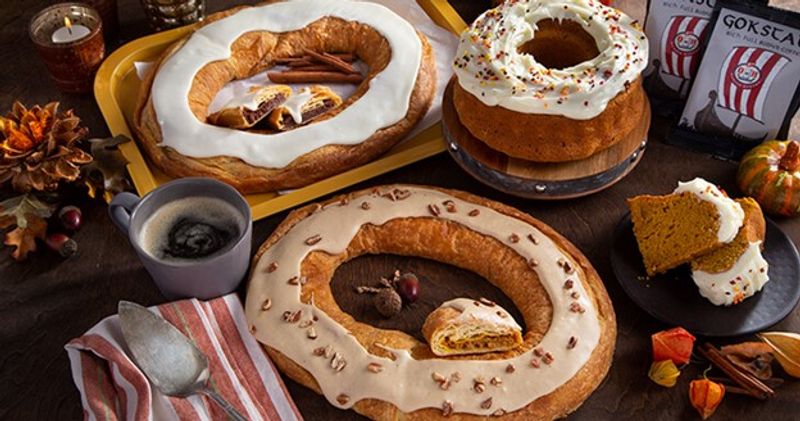
Flaky layers of buttery pastry spiral into an oval shape that has become Wisconsin’s official state pastry and source of immense pride.
Kringle originated in Denmark but found its true American home in Racine, where Danish immigrants perfected the recipe generations ago.
The pastry requires folding butter into dough repeatedly, creating dozens of delicate layers that shatter beautifully with each bite.
Traditional fillings include almond paste, cherry, apple, and pecan, though modern bakers experiment with creative seasonal flavors regularly.
O&H Danish Bakery at 1841 Douglas Ave in Racine has been crafting authentic kringles since 1949 using old-world techniques.
Outsiders often mispronounce the name, calling it “kring-ul” instead of the correct “kring-gul” that makes locals cringe every time.
The oval shape distinguishes it from circular pastries and makes slicing easier for sharing at family gatherings and workplace celebrations.
Shipping kringles across the country has become big business, spreading Wisconsin’s sweetest tradition to people who may never visit the state.
Brandy Old Fashioned
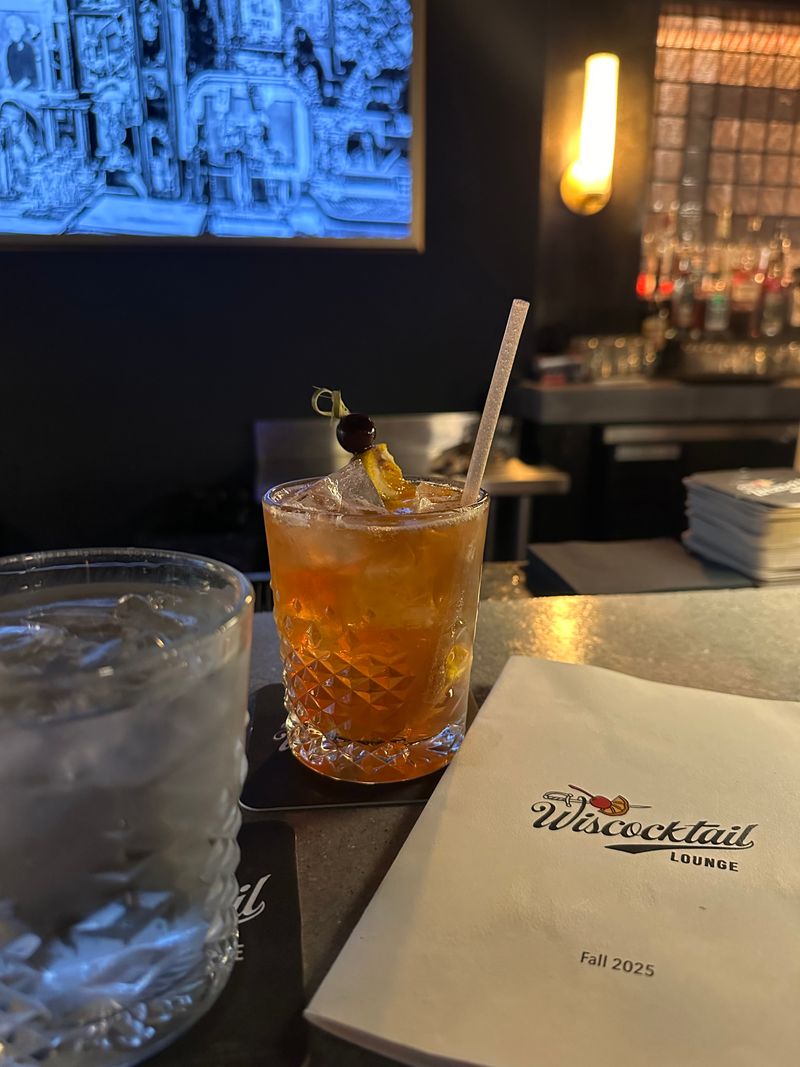
Wisconsin residents consume more brandy per capita than anywhere else in America, thanks to their unique twist on the classic cocktail.
The state version replaces whiskey with brandy and adds a choice of sweet, sour, or press to customize the drink perfectly.
Muddled cherries, orange slices, bitters, and sugar form the base before brandy and soda transform it into something distinctly Wisconsin.
This preference dates back to the 1893 World’s Fair when a brandy distiller convinced Wisconsin bartenders to switch their base spirit.
Bryant’s Cocktail Lounge at 1579 S 9th St in Milwaukee serves expertly crafted brandy old fashioneds in a cozy, dimly-lit atmosphere.
Outsiders ordering an old fashioned in Wisconsin often receive confused looks until they specify whether they want it sweet or sour.
The debate between sweet and sour versions can get heated, with families divided over which style represents the true Wisconsin way.
Some restaurants even list it simply as “old fashioned” on menus, assuming everyone already knows brandy is the default spirit here always.
Bratwurst and Beer
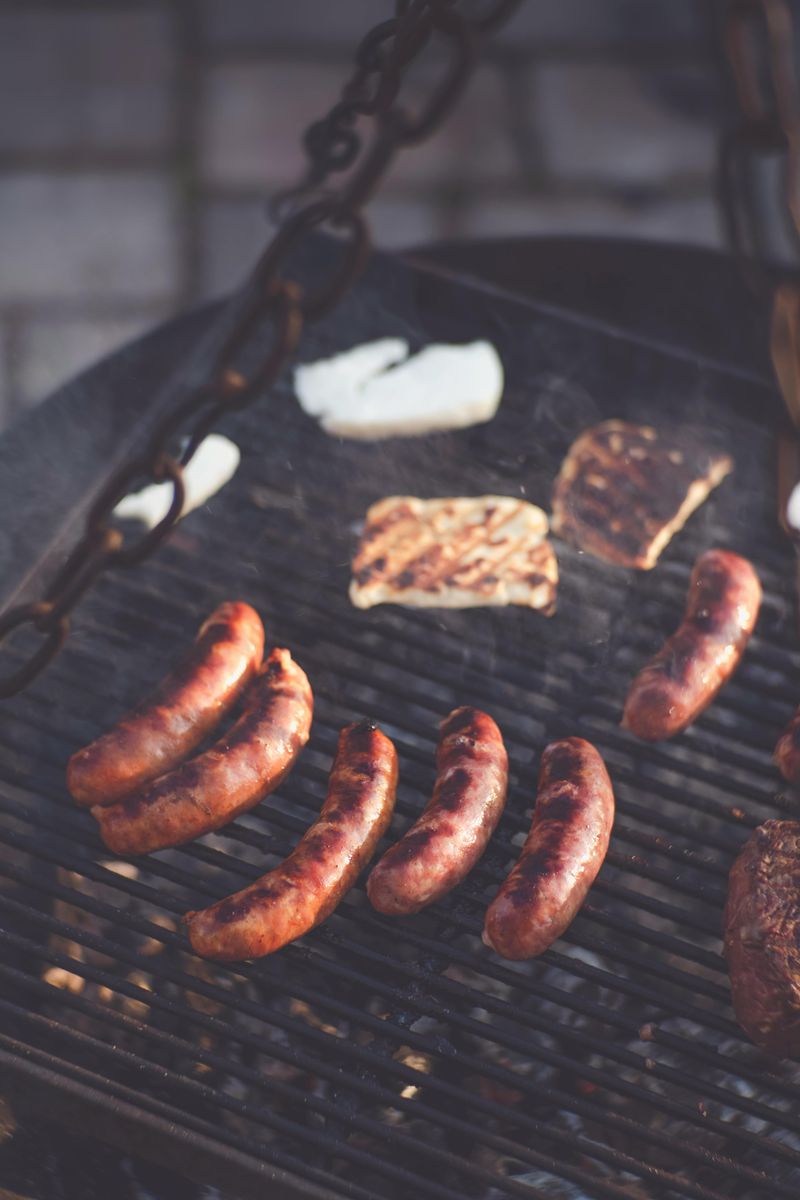
Summer weekends in Wisconsin mean the unmistakable aroma of bratwurst sizzling on grills while cold beverages flow freely at gatherings.
The German heritage runs deep here, making brats more than just sausages, they’re practically a religion with devoted followers statewide.
Proper preparation involves simmering brats in a mixture before grilling, though purists debate whether this step is necessary or sacrilegious.
Sheboygan claims the title of Bratwurst Capital of the World, and residents take that designation extremely seriously at every cookout.
The Bratwurst and Beer Garden at Usinger’s Famous Sausage, 1030 N Old World 3rd St in Milwaukee, celebrates this perfect pairing year-round.
Toppings remain simple, mustard, onions, maybe sauerkraut, because the quality of the sausage should always shine through without unnecessary additions.
Tailgating at Packers games elevates brat consumption to an art form, with parking lots transforming into temporary outdoor kitchens.
The phrase “brats and beer” rolls off Wisconsin tongues so naturally that separating the two concepts seems impossible and frankly wrong.
Supper Club Culture
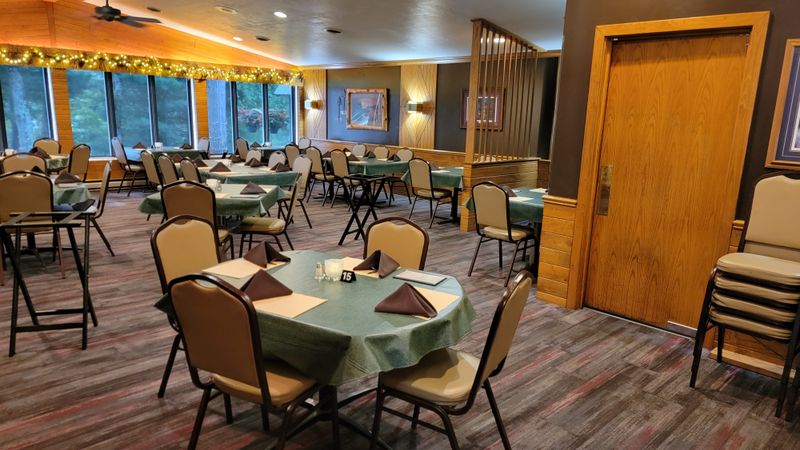
Supper clubs represent a dining experience frozen in time, where relish trays arrive first and prime rib remains the undisputed star.
These establishments aren’t just restaurants, they’re social institutions where generations of families celebrate milestones and create lasting memories together.
The meal follows a predictable pattern: cocktails at the bar, relish tray with crackers and spreads, salad, and finally the main course.
Timing moves slowly and deliberately because rushing through dinner contradicts everything supper clubs represent about savoring the entire experience.
Ishnala Supper Club at 5211 Ishnala Rd in Wisconsin Dells overlooks Mirror Lake and serves classic Wisconsin fare in a rustic setting.
Outsiders expect modern cuisine and quick service, but supper clubs deliver old-school hospitality and comfort food that never changes or apologizes.
The relish tray alone confuses visitors who wonder why raw vegetables and pickles arrive before ordering anything from the menu.
Understanding supper club culture means accepting that some traditions deserve preservation exactly as they are, without updates or trendy modifications whatsoever.
Frozen Custard
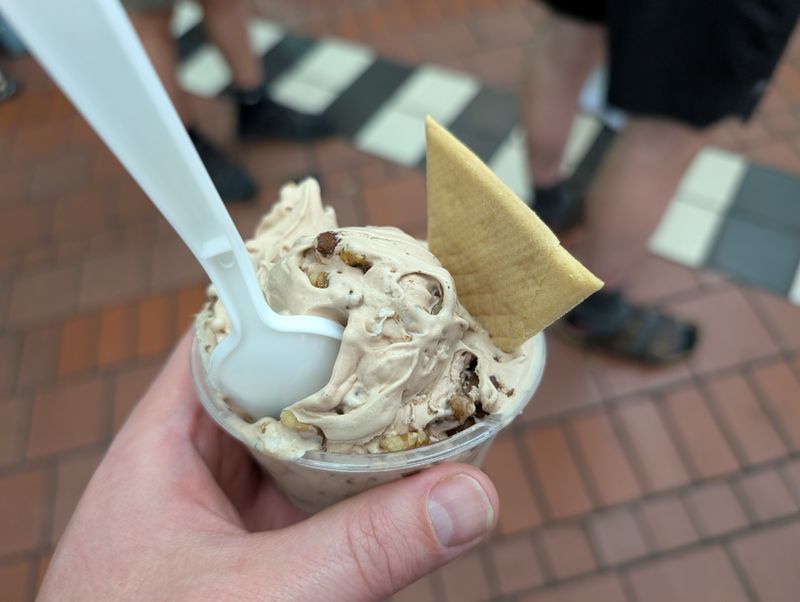
Frozen custard differs from regular ice cream by containing egg yolks and being served at a warmer temperature for superior creaminess.
Wisconsin takes this treat seriously, with dedicated custard stands operating year-round despite brutal winters that would discourage lesser dairy enthusiasts.
The texture feels denser and richer than ice cream, coating your mouth with a silky smoothness that regular frozen desserts cannot achieve.
Flavor of the day specials create loyal followings, with customers planning their week around which flavor appears on which specific day.
Leon’s Frozen Custard at 3131 S 27th St in Milwaukee has been serving their signature custard since 1942 in a classic drive-in setting.
Outsiders often use “frozen custard” and “ice cream” interchangeably, which makes Wisconsin residents immediately defensive about the important technical differences.
The debate over which establishment serves the best custard can spark passionate arguments that last hours without reaching any consensus.
Eating frozen custard on a cold January evening might seem crazy elsewhere, but in Wisconsin it’s just another Tuesday tradition worth celebrating.