You Can Grab A Leash And Take A Llama Hiking At This North Carolina Farm
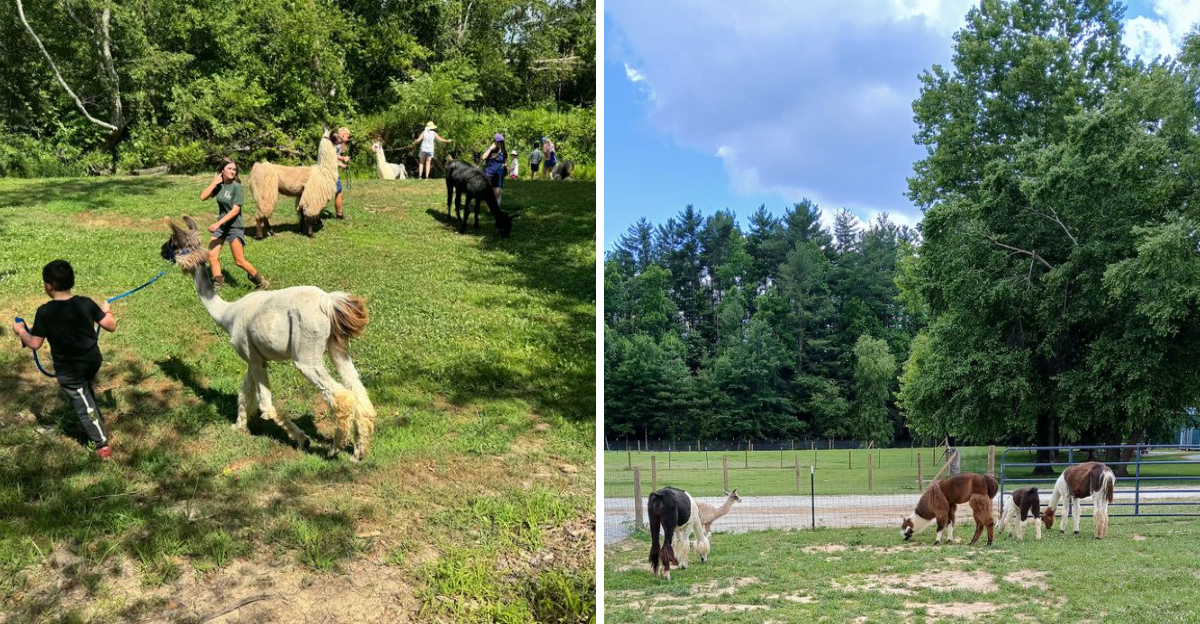
Going for a hike with a llama sounds like the setup to a joke.
Here, it is the actual plan.
At a working farm in North Carolina, visitors can walk the trail with a llama beside them. The idea is unusual enough to make the outing feel different before the first few steps are even finished.
Then the llama starts showing some personality.
Maybe it slows down. Maybe it stares at you like you are the one behaving strangely.
Either way, the walk becomes much more entertaining than an ordinary hike.
The pace stays easy, and the experience feels relaxed rather than rushed.
You are still getting outside.
You just happen to have a very fluffy trail partner making the whole thing harder to forget.
Grab A Leash And Meet The Llama You’ll Be Hiking With
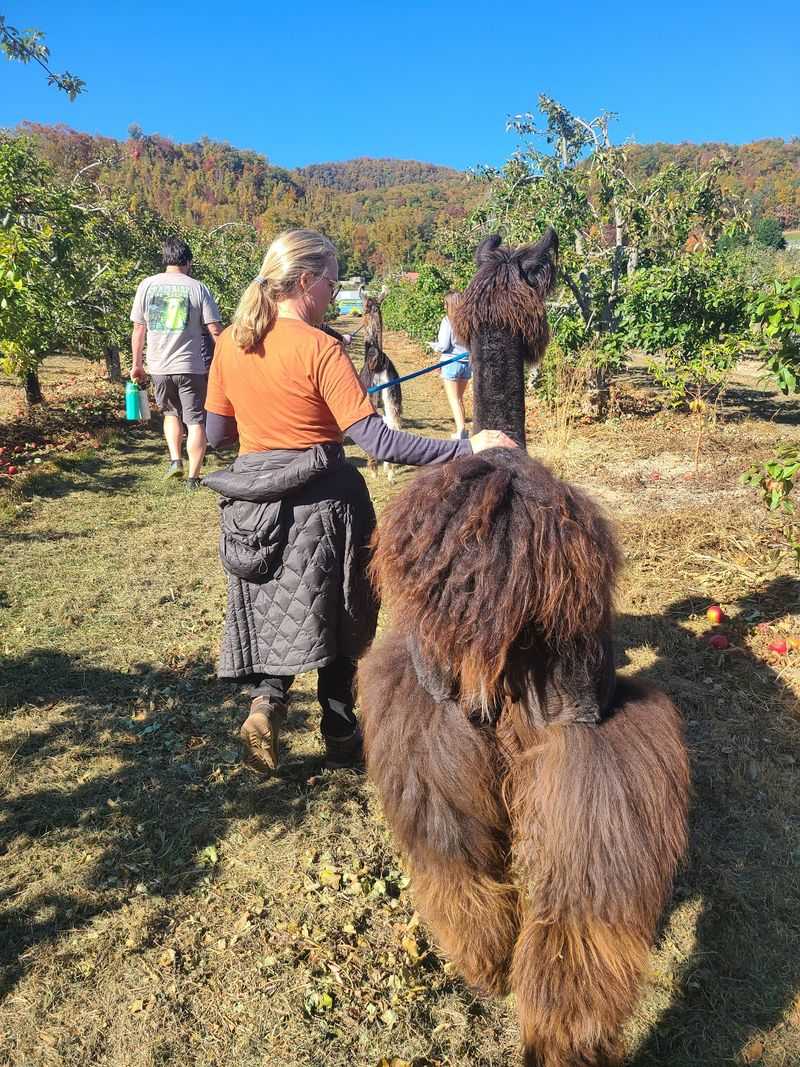
First comes the introduction, and that is where the experience starts feeling much more personal than an ordinary farm tour. Trek participants are paired with a trail-certified llama to accompany them through the orchard.
Current admission for someone walking a personal llama is $70, while guests who simply want to hike with the group can choose a $20 hike-along ticket. Children of all ages may join the trek, but handlers need to be at least 12 years old before taking responsibility for their own llama.
That distinction makes the experience easier to plan for families with younger children. Instead of watching animals through fencing, you spend the walk close enough to notice different personalities and reactions along the trail.
Ellaberry’s herd contains about 45 llamas and alpacas, and several animals are specifically trained for hiking, farm tours, public appearances, and performance events. Individual personalities range considerably too.
Some are known around the farm for being energetic or food-motivated, while others have calmer dispositions. Treats are provided during farm experiences, so visitors are asked not to bring their own feed.
Get acquainted, listen to the guide, and resist deciding which llama is your favorite during the first five minutes. There is plenty of trail ahead for that argument to settle itself.
You will find the farm at 4198 Old Clear Creek Road in Hendersonville.
Learn How To Walk Beside A Llama Before You Hit The Trail
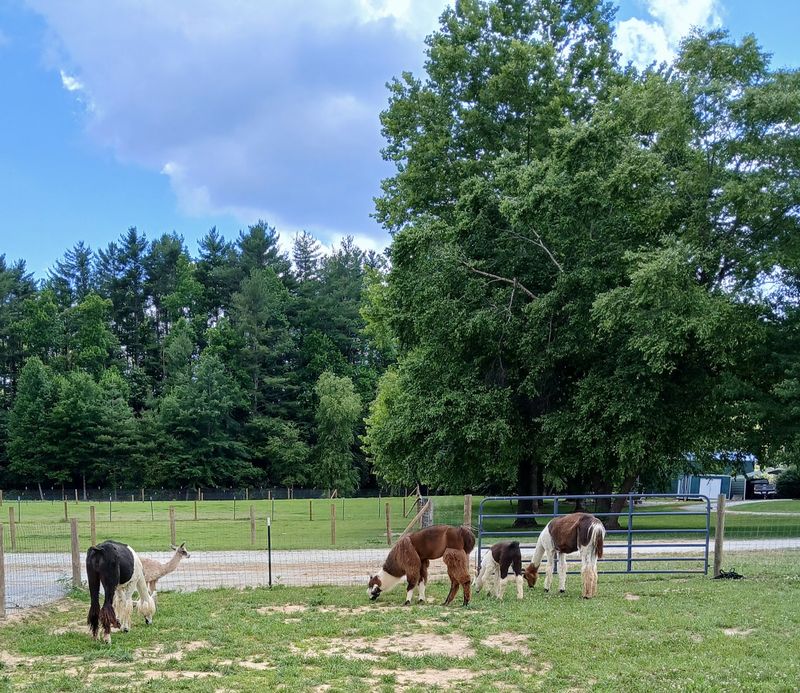
Holding the lead rope feels much less mysterious once somebody explains what your new hiking companion expects from you. Guided treks include staff support, giving participants time to become comfortable walking beside the animals before concentrating on the scenery.
Proper footwear matters more than specialized llama-handling experience. Ellaberry recommends hiking or walking shoes, and its current FAQ specifically asks trekkers to wear closed-toe footwear because the route crosses varied terrain.
Bringing your own water is important too, particularly during warmer months. The trek is not simply a flat lap around a barn.
Current ticket information describes roughly 1.4 miles of hiking with about 200 feet of elevation change, making it a moderate outing rather than a paved stroll. Strollers are not permitted on this route.
Visitors who want more hands-on animal practice can book the separate farm tour, where guests guide llamas and alpacas through an agility obstacle course. That experience is designed for all ages and abilities and lasts around an hour and a half.
The trek focuses more heavily on walking and scenery. Either way, staff remain part of the experience rather than handing over a leash and pointing toward the orchard.
Pay attention during the introduction, keep a comfortable pace, and you should quickly discover that walking beside a llama feels far more natural than the idea initially sounds.
Take In Mountain Scenery With A Very Unusual Hiking Partner
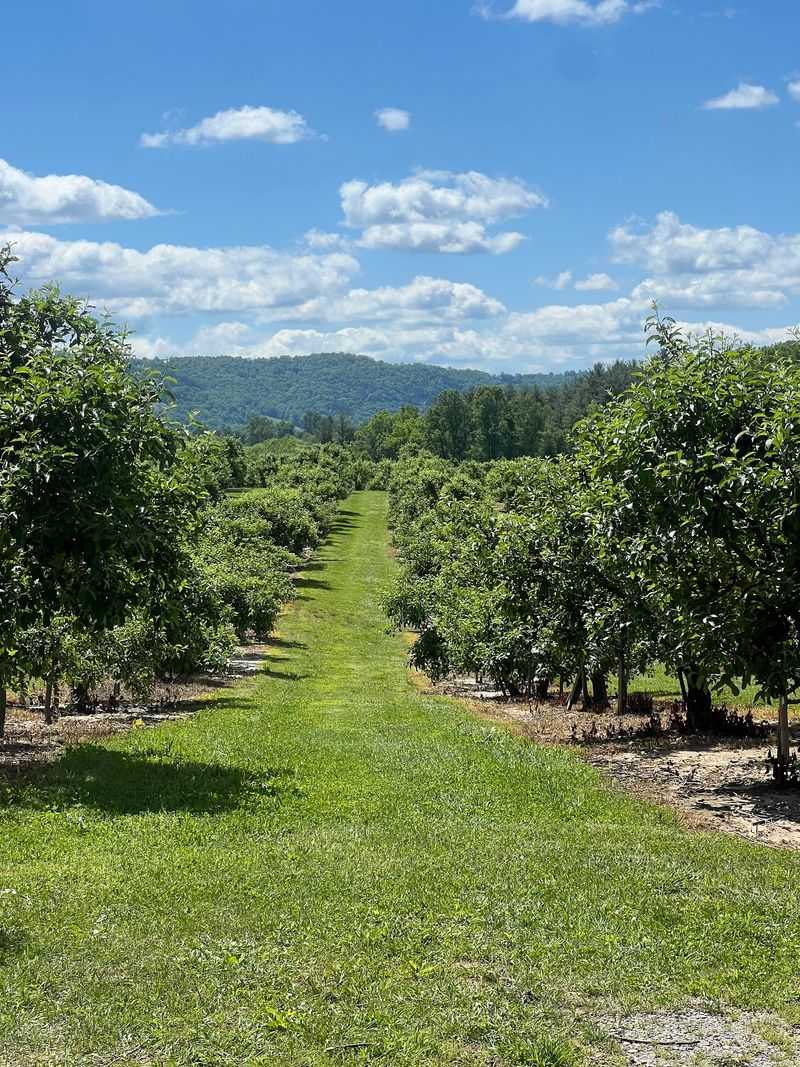
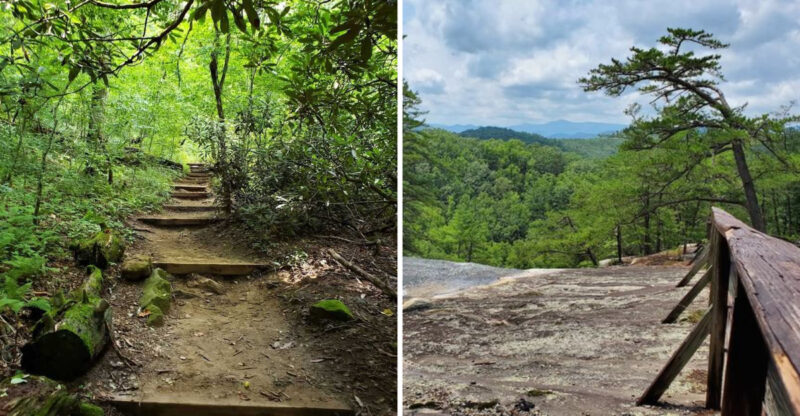
Apple trees replace crowded trailheads once the trek gets moving. Ellaberry’s route travels through the family orchard, covering about 1.4 miles during a roughly one-hour guided experience.
Mountain views appear throughout the property, giving photo stops a backdrop considerably better than the average farm fence.
The Justice and Beck family traces its local apple-farming history through seven generations, while the current trek materials describe the orchard itself as a sixth-generation operation.
Rather than getting tangled in the numbering, the important part is the longevity. Agriculture has shaped this Hendersonville property for generations before llamas became part of the story.
The family received its first llamas in 2017 and began welcoming the public in 2021. Today those animals give visitors an entirely new way to explore the landscape.
A personal llama accompanies each qualifying trekker, while larger groups can share animals when necessary. Standard groups are limited to 12 hikers with individual llamas because only a certain number of animals are trail certified.
The route moves at a relaxed pace, with opportunities to stop for photographs and appreciate the surroundings. You may arrive thinking mainly about getting a llama selfie.
Once the orchard opens toward the mountains, keeping the camera pointed only at your hiking partner becomes considerably harder.
Slow Down And Let The Llamas Set The Pace
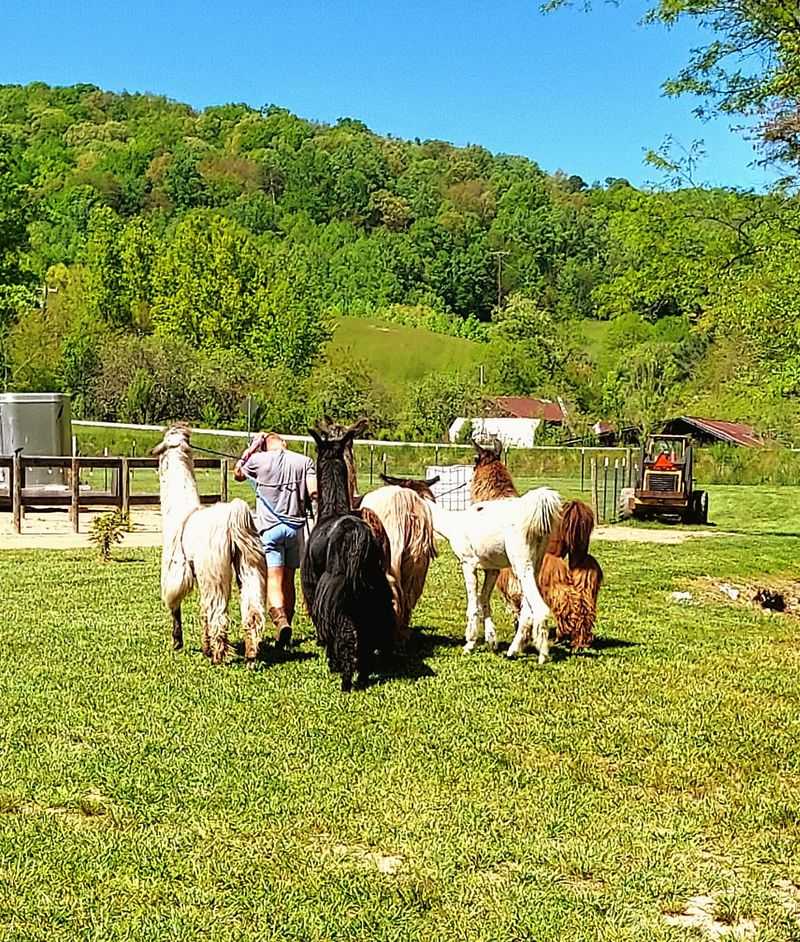
Nobody is handing out medals for finishing this trek first. Its current format is deliberately paced across roughly an hour, giving hikers time for photographs, animal interaction, and mountain scenery rather than treating the orchard like a fitness course.
The moderate terrain still requires sensible shoes and enough mobility for changes in elevation. Beyond that, there is little reason to hurry.
Walking beside a llama naturally gives the outing its own rhythm. You are sharing the route with an animal rather than powering through a marked trail alone.
Guides stay with the group, and current trek information emphasizes interaction along the way. That gives you plenty of chances to ask about llama behavior, farm life, or whatever your companion happens to be doing at that moment.
Hot summer days require a little extra preparation. Ellaberry specifically asks hikers to bring hydration, while closed-toe walking or hiking shoes are recommended throughout the season.
Weather matters too. The farm may cancel outdoor experiences when conditions make the visit unsuitable, with staff contacting booked guests when changes become necessary.
Those practical details help preserve what makes the walk enjoyable. Show up prepared and the focus can stay where it belongs.
Follow the orchard path, watch the mountains change between openings in the trees, and see how long it takes before walking beside a llama starts feeling strangely normal.
See How Different A Farm Visit Feels Once The Walk Begins
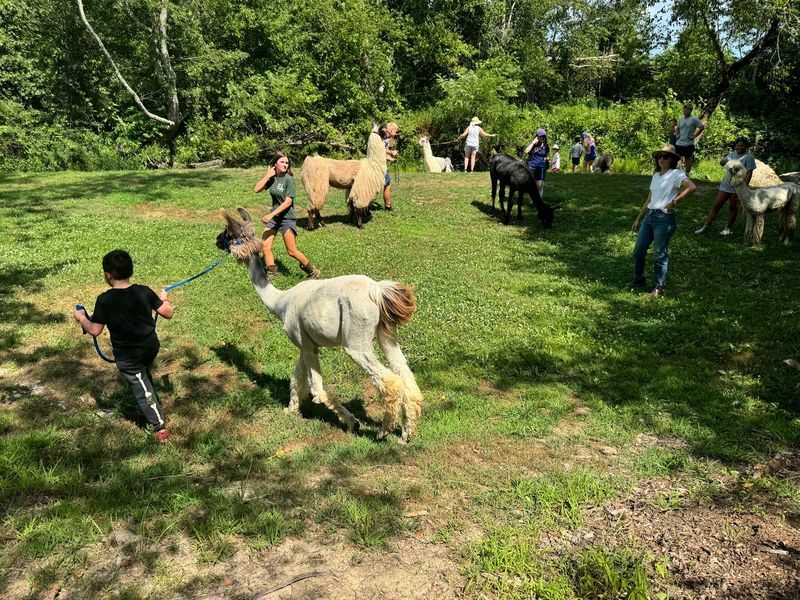
Looking at a llama is easy. Spending a mile navigating an orchard together gives you much more time to discover how individual the animals can be.
Ellaberry built its visitor experiences around that closer interaction after the family’s llama herd began growing from its first animals in 2017. The farm now keeps about 45 llamas and alpacas and expects new crias during the spring season.
Treks take the animal interaction beyond a traditional meet-and-greet by pairing hiking with the landscape that has supported the family’s apple-growing history for generations. The separate farm tours offer another angle.
Those visits introduce guests to a dozen or more llamas and alpacas, include feeding and petting, and let participants guide animals through an agility course. Tours are suitable for all ages and abilities, while the orchard trek demands a little more comfort with uneven ground.
That makes choosing the right experience important before booking. Visitors looking primarily for animal interaction may prefer the tour.
People comfortable covering roughly 1.4 miles can get that interaction while exploring the orchard on foot. Neither requires arriving as an experienced handler.
Guides provide the structure while the animals supply most of the personality. Somewhere between the first introduction and the final stretch of trail, the visit stops feeling like a chance to see llamas and becomes an afternoon spent actually doing something alongside them.
Keep Your Camera Ready For The Funniest Trail Moments
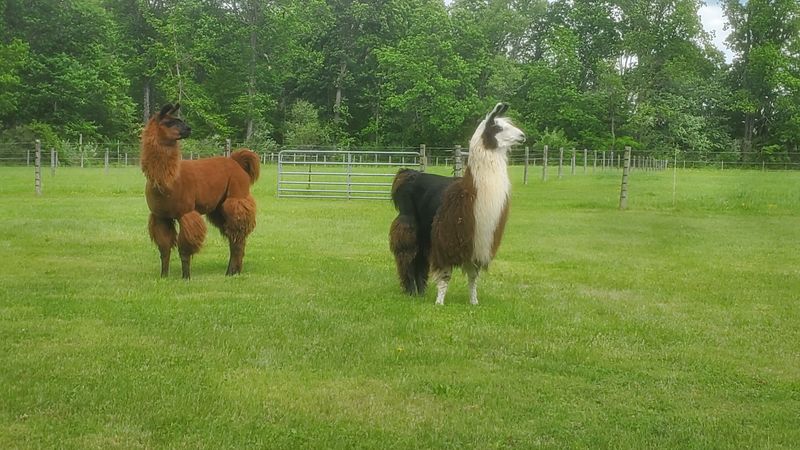
Photo opportunities tend to create themselves when your hiking partner has a habit of staring directly into the lens. Ellaberry specifically builds stops for pictures into its orchard trek, giving visitors time to photograph the animals without trying to juggle a phone during every step.
Mountain scenery adds another layer once the route reaches open views around the apple farm. Individual llamas bring their own quirks as well.
Blue is a decorated performance animal used on hikes, tours, and events. Image also works on farm treks and has earned performance honors.
Jellybean serves as one of the trekking guides, while Stetson is known around the farm for splashing when he gets into the creek. Squatch enjoys water and attention, and several other herd members are particularly motivated by treats.
Those personalities make candid pictures considerably more interesting than forcing every llama into the same pose. The farm’s current trek materials encourage visitors to capture photographs throughout the walk, so keeping your phone accessible is sensible.
Just avoid spending the entire hour looking through a screen. The route already gives you a llama, orchard scenery, and mountain vistas without needing much staging.
Take the obvious photo when your companion does something ridiculous. Then put the camera away for a while.
The expression on a llama’s face will probably still be just as funny when you look up again.
Spend Time With The Herd Before Or After Your Hike
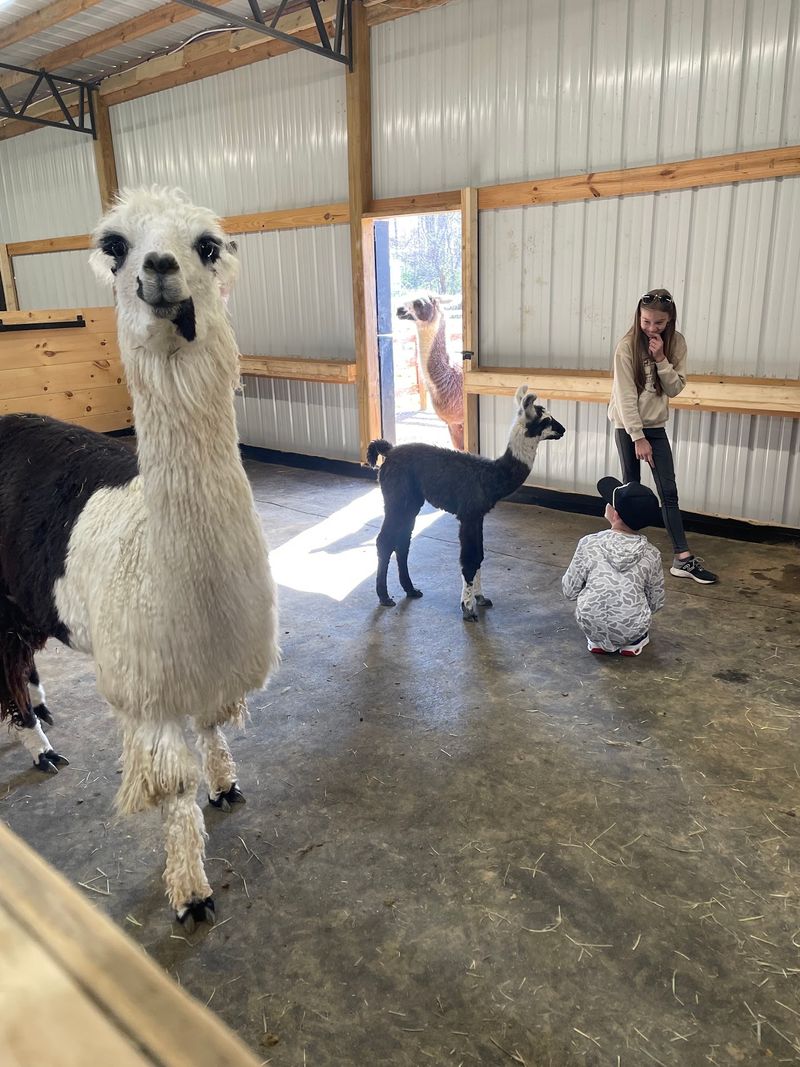
Forty-five llamas and alpacas make it clear that one hiking companion represents only a small part of life on this farm. Anyone wanting a deeper introduction can book Ellaberry’s farm tour, its most popular current experience.
Those tours generally last about an hour and a half and introduce visitors to a dozen or more animals. Guests can feed and pet the herd, hear about llama and alpaca care, take photographs, and guide animals through the agility course.
Adults currently pay $22, children 12 and younger pay $18, and children two and younger enter free. The farm tour is designed for all ages, including toddlers who can receive help from an adult or staff member when walking one of the gentler animals.
A small gift shop provides another reason to linger once the animal time ends. Current offerings include Ellaberry merchandise, items from Peru, and locally sourced goods.
Snacks vary seasonally, but the farm lists apple cider slushies, mini fried donuts, chips, drinks, and other options among what may be available. Treats for the llamas are already provided as part of tours and treks.
Leave outside food for the animals at home. One other important rule applies before planning the visit: personal dogs are not allowed on the property.
The policy helps keep Ellaberry’s herd, visitors, and outside pets comfortable during scheduled experiences.
Leave With A North Carolina Day Trip Story Most People Haven’t Tried
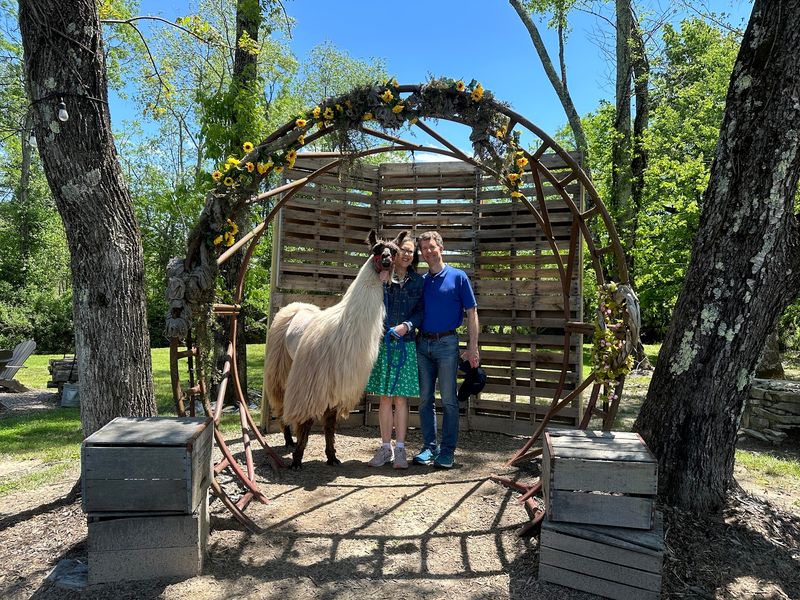
Try explaining the afternoon later without leading with the llama. Hendersonville already gives travelers orchards, mountain scenery, hiking, and farm experiences, but clipping onto a lead rope makes this particular outing considerably harder to confuse with anything else.
Ellaberry is about 15 minutes from downtown Hendersonville, making the farm easy to combine with a longer day in the area. Asheville is roughly 45 minutes away according to the farm’s current visitor information.
Reservations are essential because Ellaberry is not open for unscheduled walk-ins. The farm operates experiences throughout the year, although trek availability, weather, and individual dates can change.
Current booking information lists orchard trek dates extending through October 19, 2026. General trek admission is $70 for a participant with a personal llama, while the hike-along option is $20.
Anyone leading a llama must be at least 12. Younger children can still join the group, giving families a way to share the experience without putting every child in charge of an animal.
Bring water, closed-toe shoes, and enough phone storage for more pictures than you expected to take. After an hour through the apple orchard, you may leave with mountain photos and a better understanding of llamas.
You will definitely leave this North Carolina day trip with a story that starts with, “So they handed me a leash.”