You Can Learn To Fly With A Motor On Your Back At This Connecticut Flight School
Running toward the sky with a motor on your back already sounds like the beginning of a very questionable decision. Then the training starts, and suddenly the whole idea feels surprisingly real.
You learn how the wing responds while staying safely grounded at first. That makes the eventual leap into the air feel even bigger.
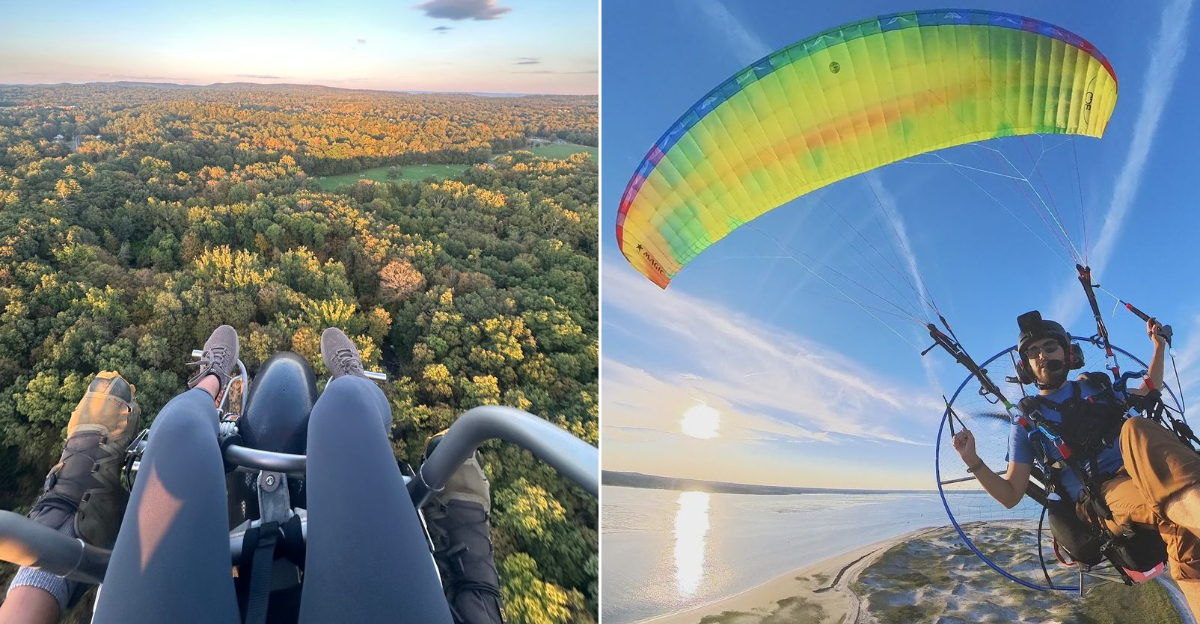
Somewhere over Connecticut, the landscape starts shrinking below you while the usual idea of a flying lesson disappears completely.
This is not a quick thrill ride where you simply strap in and hope for the best. Instruction matters here, and the weather gets a say in when things happen. That waiting only builds the anticipation.
The real reward comes when your feet finally leave the ground and the open sky stops feeling quite so unreachable.
At that point, ordinary weekend plans may start looking painfully tame.
Once you have learned how to fly this way, “trying something new” sounds almost embarrassingly modest.
1. This School Teaches A Very Different Kind Of Flying
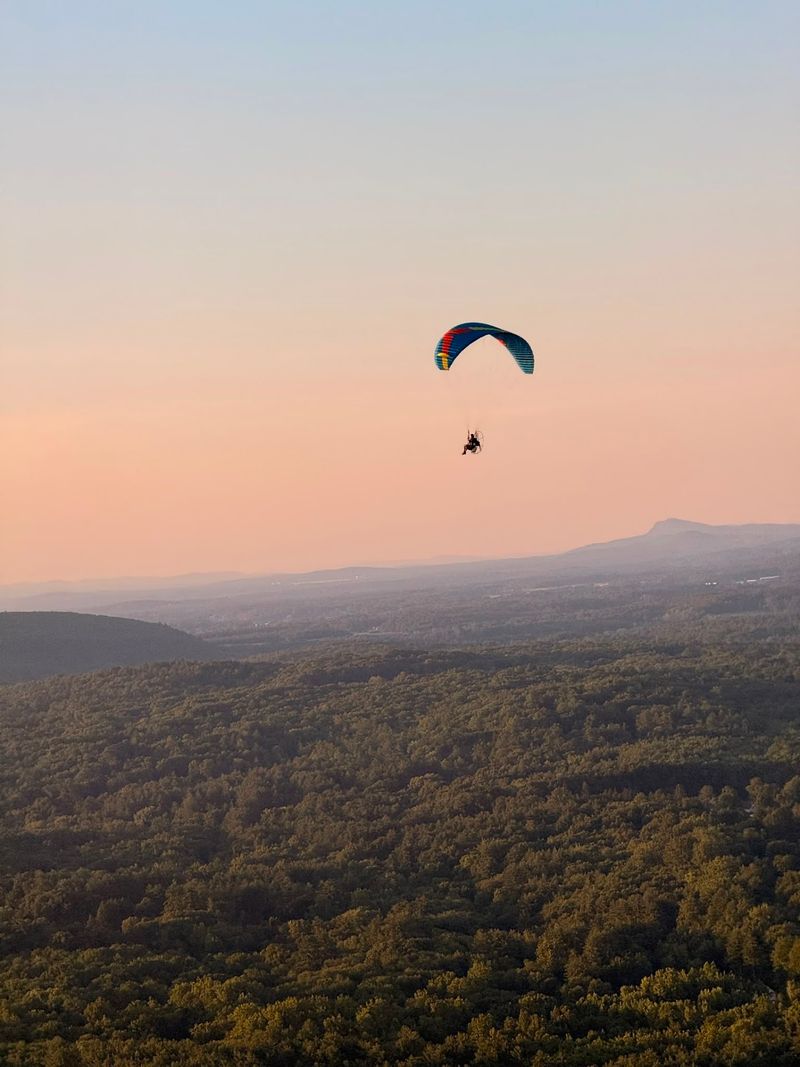
Forget runways, cockpits, and control towers. Powered paragliding, often called paramotoring or PPG, is a form of ultralight aviation where a pilot wears a motor on their back and uses a flexible paraglider wing to get airborne.
You Can Fly PPG in Simsbury is one of the few dedicated schools in New England that teaches this skill from the ground up.
The school focuses entirely on this style of flying, which is widely recognized as one of the most accessible forms of manned powered flight available today.
A pilot can launch solo from flat, level ground without any assistance, which sets paramotoring apart from almost every other type of aircraft.
The wing has no rigid structure and holds its shape purely through air pressure.
That simplicity is part of what draws people to the sport. Compared to learning to fly a traditional airplane, the path to independent flight in a paramotor tends to be shorter and less expensive.
The school attracts students of all backgrounds, including those who have never had any aviation experience before, and guides each one through a structured curriculum built around safety and real-world flying skills.
2. Simsbury Airport Becomes The Training Ground
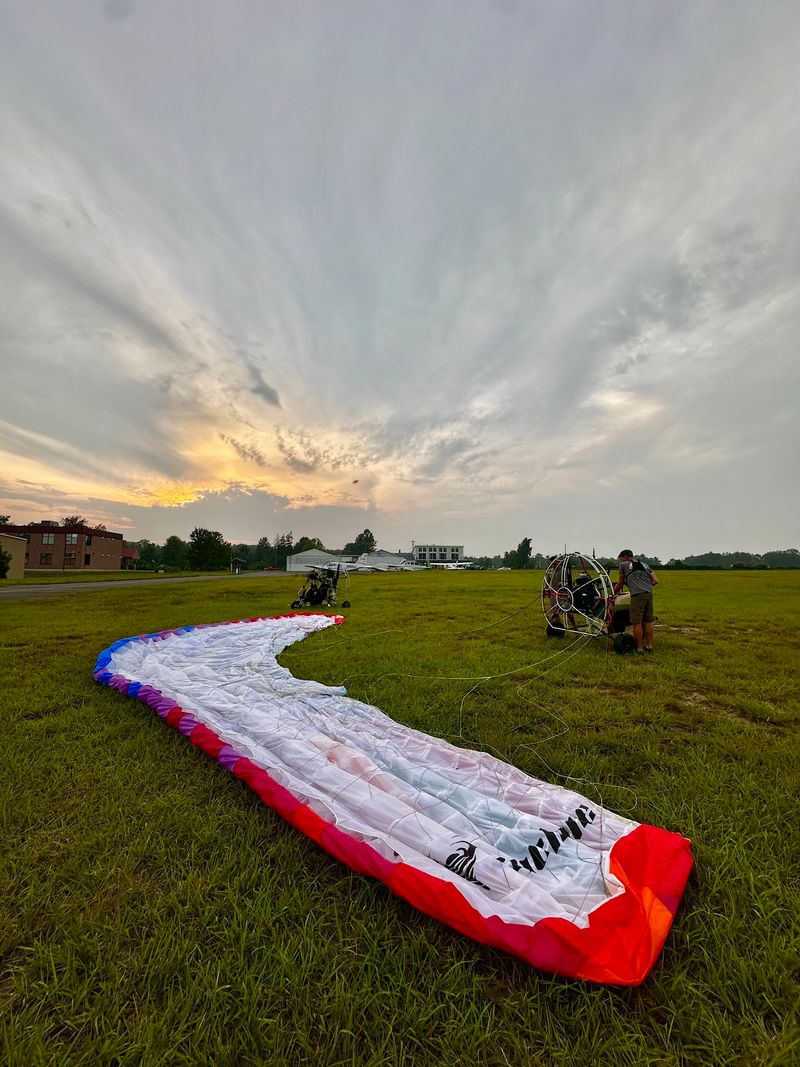
Small airports have a charm that big commercial hubs simply cannot replicate, and Simsbury Airport fits that description well.
You Can Fly PPG conducts all of its training operations at this airport, located at 94 Wolcott Rd, Simsbury, CT 06070, which serves as a welcoming home base for students learning to fly paramotors.
The airport has a relaxed, country feel that tends to put nervous beginners at ease from the moment they arrive.
The open grass areas around the airfield give students plenty of room to practice kiting their paraglider wings before ever leaving the ground.
That kind of space is genuinely useful during the early stages of training, when beginners spend a lot of time running across the field to build wing control.
The environment feels more like a flying community than a formal institution.
Dry camping is available at the airport for a small fee, which can be a convenient option for students who travel from outside the area for training.
Having the option to stay close to the training site may help students make the most of early-morning and late-afternoon flying windows, which are often the calmest and most productive times of day for paramotor instruction in New England.
3. The Motor Sits Right On The Pilot’s Back
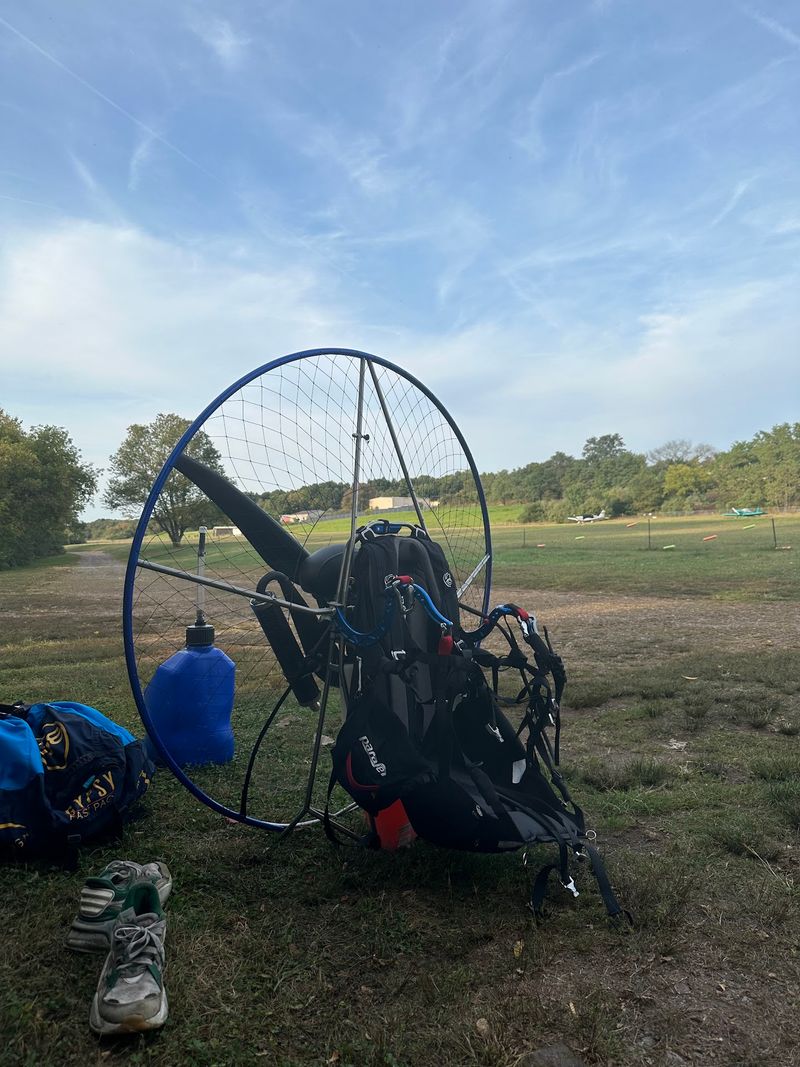
The equipment starts making a lot more sense once you see how each part contributes to the flight. A foot-launched paramotor combines an engine, propeller, protective frame, harness, and fuel system with a paraglider wing that provides the lift needed to get airborne.
During takeoff, the pilot carries the motor unit on their back while the wing rises overhead. Once the flight begins, direction is controlled mainly through brake toggles attached to the wing.
Engine power is adjusted with a handheld throttle, helping the pilot manage climbs and descents.
The protective frame and netting around the propeller also play an important role by helping keep lines and other objects away from the spinning blades. Motor size, weight, and power can vary considerably depending on the equipment and pilot.
You Can Fly PPG introduces students to these basic systems early in training, along with essential flight concepts and the rules that apply to powered paragliding.
Learning what each control does before progressing further can make the entire setup feel far less complicated. Instead of seeing one unfamiliar machine, students begin to recognize several straightforward components working together to make controlled flight possible.
4. Lessons Begin On The Ground Before Takeoff
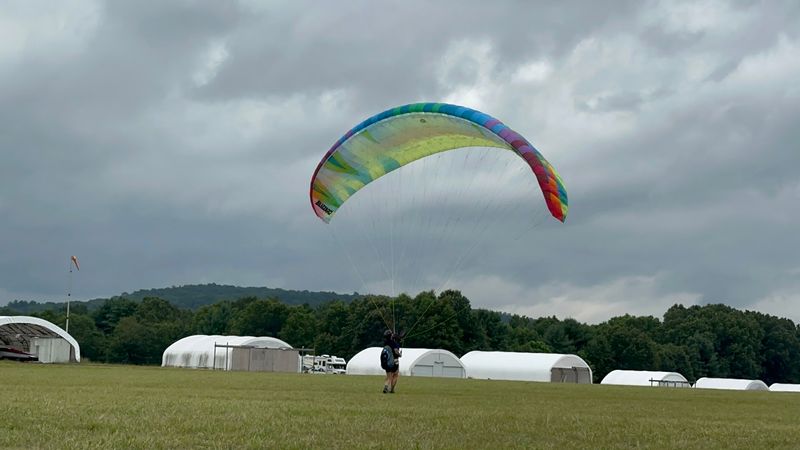
Ground school might sound like the boring part, but at You Can Fly PPG it turns out to be one of the most important pieces of the entire training experience. Before any student attempts to fly, they spend significant time learning how to handle the paraglider wing while staying firmly on the ground.
This skill, called kiting, involves running across the field while managing the wing overhead to keep it balanced and under control.
The first week of training spans approximately six days and runs from around 8:00 AM to 6:00 PM with breaks for lunch. During that time, students work through ground school modules that cover glider design, meteorology, airspace regulations, paramotor mechanics, and safety procedures.
Tandem flights with a certified instructor are also part of the early curriculum, giving students a feel for actual flight before flying solo.
Simulator exercises help bridge the gap between classroom learning and real-world application. Spending full days on the training field during that first week may feel physically demanding, especially with all the running involved in kiting practice.
That physical engagement is intentional, because building strong wing-handling instincts on the ground directly translates into safer and more confident flying once a student progresses to actual flights.
5. Students Learn With Different Wings And Motors
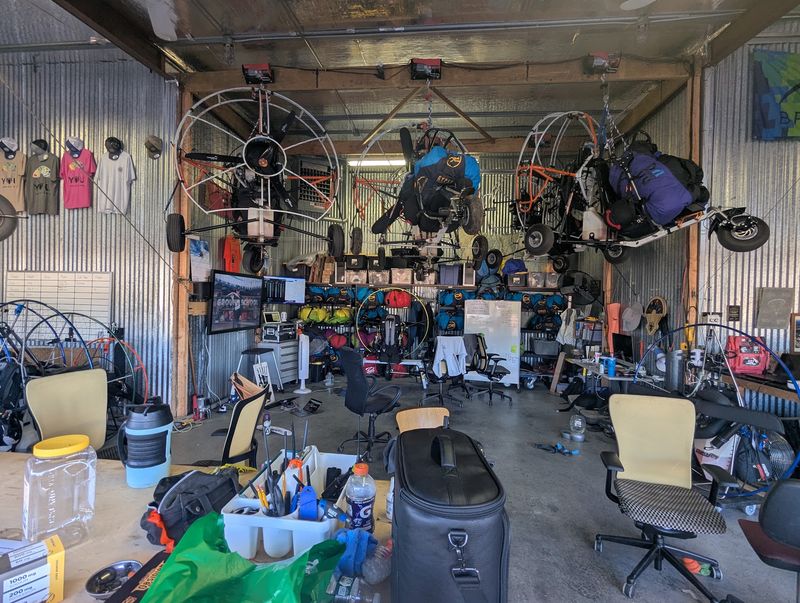
Learning on school-provided equipment can make the early stages of paramotor training much easier to approach. At You Can Fly PPG, students are encouraged to understand the equipment and their individual needs before committing to a major purchase.
New paramotor gear can represent a significant investment, so choosing carefully matters.
Wing selection is especially important because sizing depends partly on the total flying weight, which includes the pilot and equipment. Different setups can also vary in handling and performance, making professional guidance useful before settling on a particular combination.
That learning period gives students time to become familiar with how paramotors and wings work together instead of choosing gear based only on specifications or online descriptions. It also creates an opportunity to understand which features actually matter once training begins.
You Can Fly PPG recommends approaching used equipment cautiously as well, particularly when its maintenance history is unclear.
Waiting until you have some training behind you can make the eventual buying decision much more informed.
Rather than starting with equipment that may not suit your needs, you can develop a clearer sense of appropriate wing sizing, motor characteristics, and the type of flying you hope to pursue before investing in your own setup.
6. Weather Plays A Big Role In Every Lesson
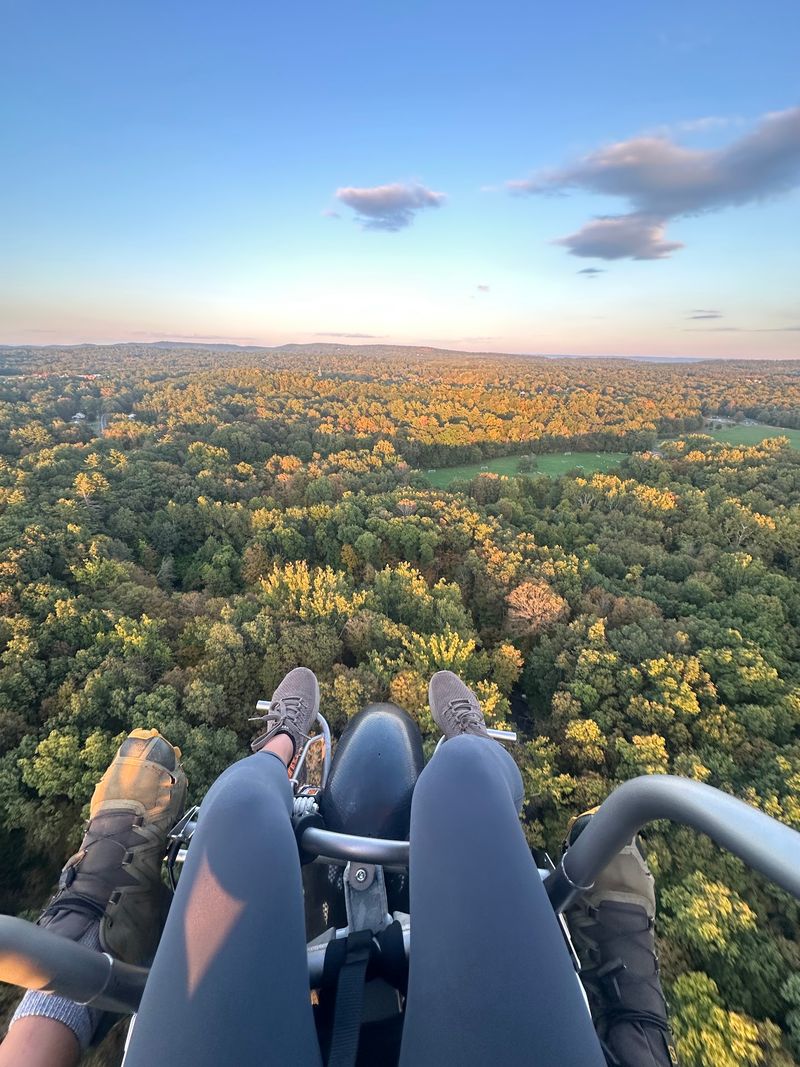
New England weather has a reputation for being unpredictable, and anyone considering paramotor training in Connecticut should factor that in from the start. Paramotors are generally considered fair-weather aircraft and are typically flown in winds up to around 10 miles per hour.
When conditions go beyond that threshold, flying is usually not advisable, which means training sessions can be affected by the region’s variable climate.
You Can Fly PPG structures its 14-day training schedule with a built-in buffer specifically to account for weather delays. That planning detail matters quite a bit for students who are traveling from out of town and working within a fixed time frame.
The goal is to maximize every available window of good flying conditions without rushing students through material when the weather does cooperate.
During the second week of training, flight sessions tend to shift toward a schedule that starts around sunrise and runs for roughly two hours, then picks up again in the late afternoon about two hours before sunset.
Those early and late windows are typically when the air is calmest and most suitable for paramotor flight.
Planning around those natural rhythms rather than fighting them is a core part of how the school approaches instruction throughout the training period.
7. Training Follows A Clear Step-By-Step Program
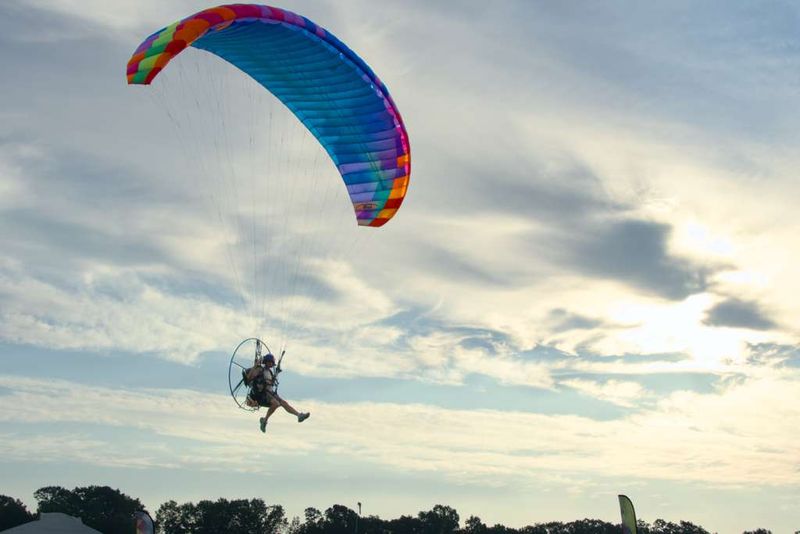
Structure matters a lot when learning something as consequential as flying, and the training program at You Can Fly PPG is built around a clear progression. The full course spans 14 days and is designed to move students from complete beginner to independent pilot in a logical sequence.
Many students achieve their first solo flights somewhere between day five and day seven of the program.
The curriculum follows the United States Powered Paragliding Association syllabus, which provides a recognized framework for safe and thorough instruction. Week one focuses heavily on ground school and kiting, running from approximately 8:00 AM to 6:00 PM each day.
Week two shifts to a sunrise-to-sunset schedule with longer midday breaks to take advantage of the best flying conditions.
Tuition for the full training program is $3,500, which includes a $700 deposit to hold a spot in the class. The remaining balance is due on the first day of training.
For students who want to continue developing after completing the basic course, the school offers flexible scheduling to pursue advanced PPG 2 level certification.
Graduates are also welcome to return for additional coaching sessions, making the school a long-term resource rather than just a one-time training experience.
8. Graduates Leave With A Whole New Way To Fly
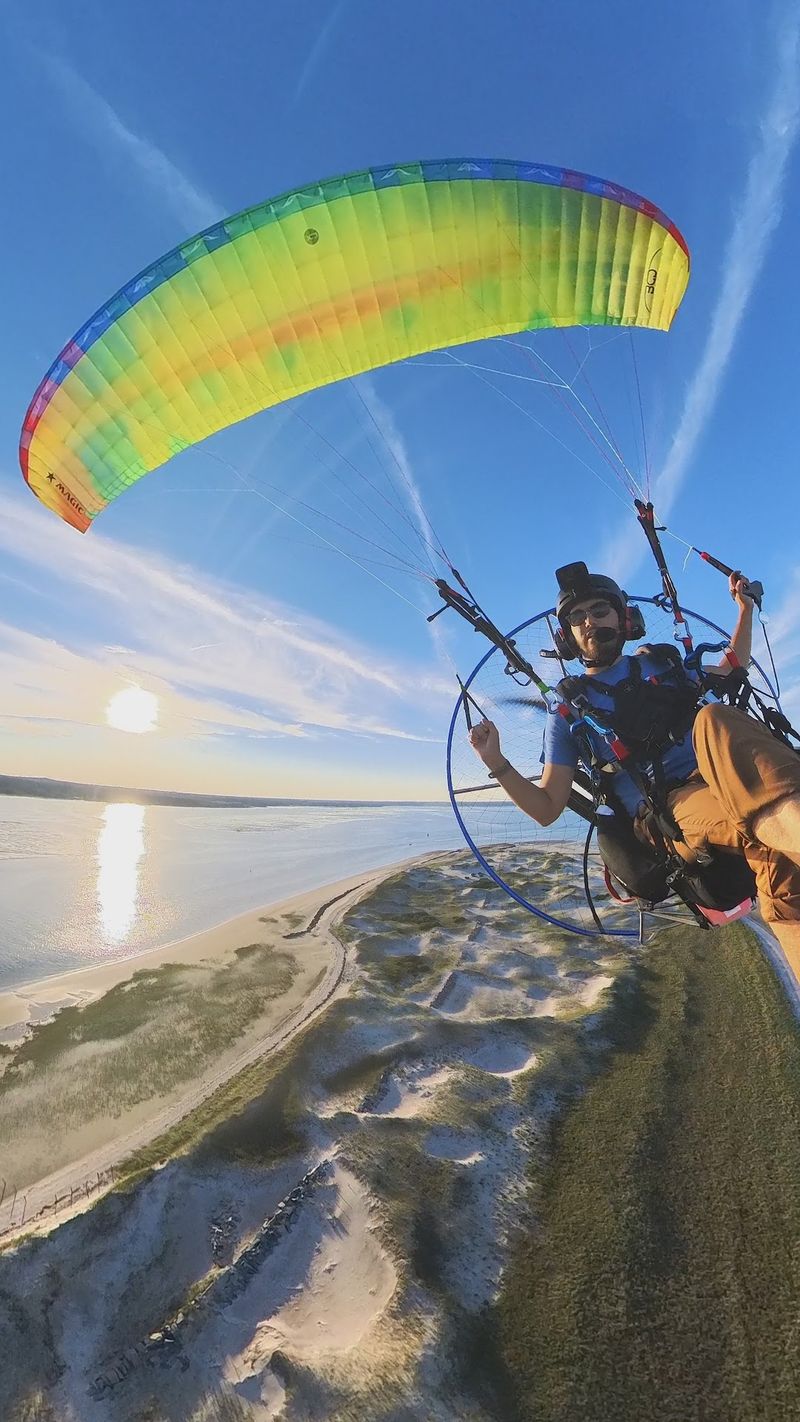
Completing a paramotor training course changes the way a person thinks about getting outdoors and exploring the world. Graduates of You Can Fly PPG leave with the practical ability to take off, navigate, and land their paramotor independently.
That kind of self-sufficiency is a significant milestone, especially for people who came into training with zero aviation background.
Paramotoring does not require a pilot’s license in the United States, which makes it one of the more accessible paths to personal flight available. That regulatory reality lowers the barrier to entry considerably compared to other forms of aviation.
Once trained, pilots have the freedom to fly over landscapes at low altitudes and experience environments from a perspective that very few people ever get to enjoy.
You Can Fly PPG has built a genuine community around the sport, and graduates are encouraged to stay connected through that network long after their training ends. The school welcomes alumni back for ongoing coaching and skill-building sessions at any point.
Many students describe the experience of learning to fly here as something that extends well beyond the airfield, connecting them to a group of people who share a passion for exploration and the kind of freedom that only comes from leaving the ground behind.