You Can Watch The Bees At Work While You Shop At This Kentucky Honey Farm
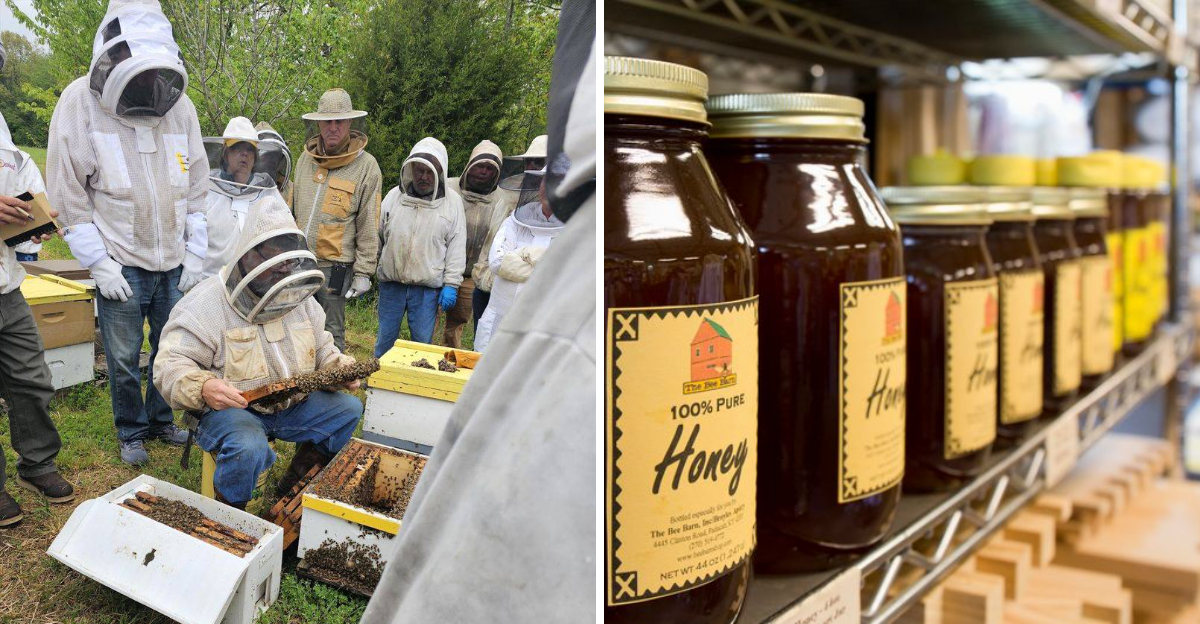
Most honey arrives at your kitchen with no backstory whatsoever. This is the opposite of that.
There is a hive yard right behind the shop in western Kentucky. The bees responsible for what you are buying are working a few steps away while you browse.
You will find yourself watching them longer than you planned. There is something oddly calming about a colony going about its business.
Inside, the shelves hold jarred honey, creamed honey and the shop’s own beeswax products. A family has been running the place since two thousand twelve.
The people behind the counter actually keep bees, so ask them anything. They will not talk down to you, even if your only question is which jar to take home.
Come on a weekday morning. The hours here are shorter than you would expect.
A Barn With A Buzz Behind The Glass
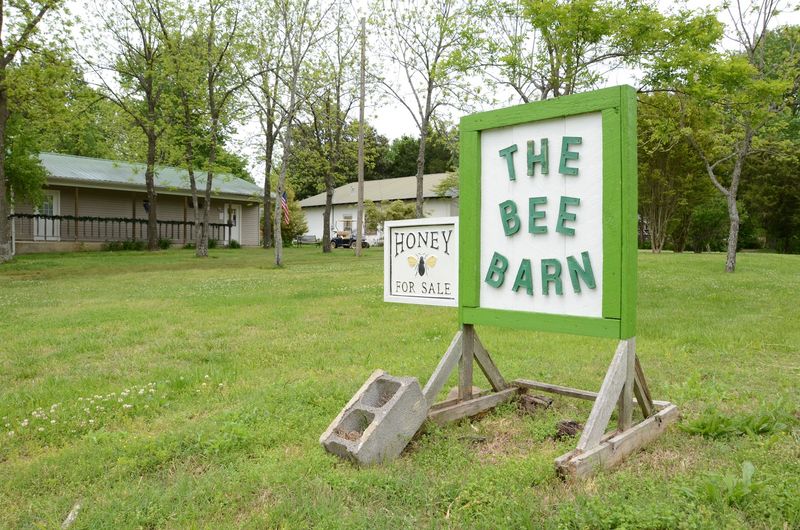
The Bee Barn sits on a quiet stretch of country road, and it earns its name honestly. The building looks like a farm shop, but the sound inside gives it away.
An observation hive is the main event. Bees move behind clear glass, walking over comb while you stand inches away.
Nobody rushes you along. I watched for several minutes before I even glanced at a shelf.
Kids press their noses to the glass and try to spot the queen. Adults do the same thing and pretend they are not.
The hive connects to the outdoors, so foragers come and go all day. You can trace the tiny traffic pattern with your finger.
Shopping here feels different because of that. Every jar on the shelf suddenly has a face, or a few thousand of them.
The staff know their bees well. Ask a simple question and you will get a real answer, not a shrug.
Bring your phone for photos, but expect blurry results. Bees do not pose.
Plan a slow visit rather than a quick errand. There is more to see than the front door suggests.
You will find it at 4445 Clinton Rd, Paducah, Kentucky, just outside town.
Honey That Tastes Like The Season It Came From
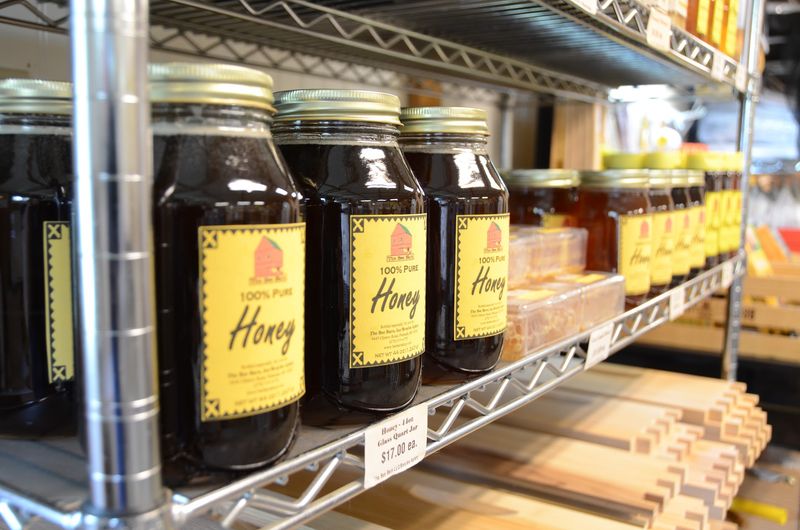
Honey is not one flavor. That lesson landed the moment I compared two jars side by side.
Spring honey tends to run lighter and softer on the tongue. Later harvests can lean darker with a deeper, almost molasses edge.
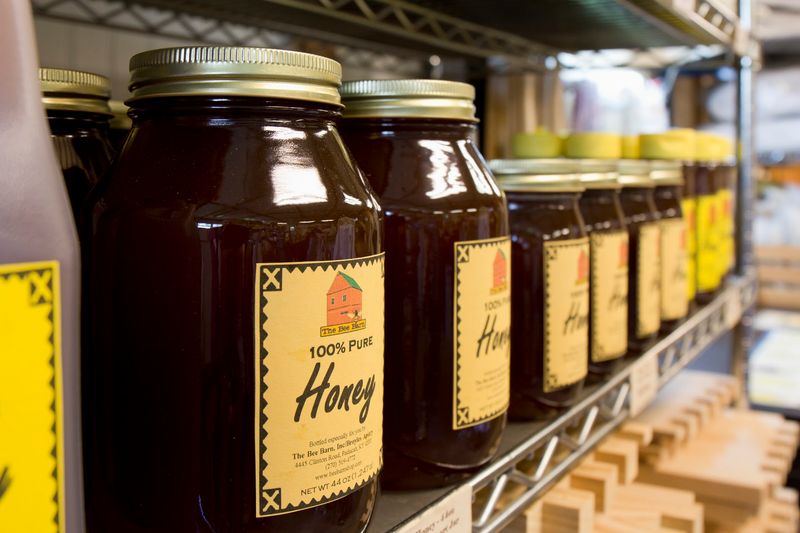
The color range on the shelf is genuinely pretty. Pale gold sits beside amber and near-brown.
Local honey draws people in for allergy reasons, and that is a big part of the traffic here. Whether or not it helps you, it tastes far better than the squeeze bottle at the grocery store.
Raw honey behaves differently too. It thickens and crystallizes over time, which is normal and easy to fix with warm water.
I bought one small jar and regretted not buying two. The first one disappeared into biscuits within a week.
Honey works beyond toast. Stir it into tea, brush it on cornbread, or drizzle it over sharp cheese.
Ask about the current harvest when you visit. What sits on the shelf changes through the year.
Store jars in the pantry, not the refrigerator. Cold speeds up crystallizing.
If you have only tried one kind of honey, you have barely started.
Everything A New Beekeeper Needs
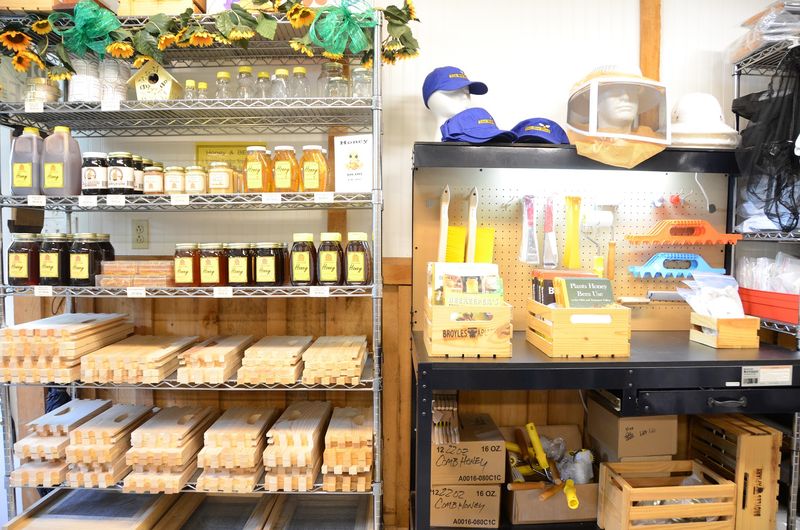
Half of this place is a supply store, and that surprised me. Wooden hive boxes stack toward the ceiling.
Suits and veils hang on racks in several sizes. There are gloves, smokers, hive tools, and frames waiting to be assembled.
Starting a hive takes more gear than most people expect. Seeing it all in one room makes the list feel manageable.
Prices are visible and the staff explain what you truly need first. Nobody pushed me toward the expensive shelf.
Beginners usually need a hive body, frames, a suit, a smoker, and a hive tool. That is the honest core of it.
Buying local beats guessing online. You can hold the veil and check the fit before paying.
Repairs and replacements matter too. A cracked frame in July is easier to solve twenty minutes from home.
Even if you never keep bees, the equipment is fun to examine. The tools look old-fashioned in the best way.
Come with questions written down. You will get more out of the trip.
Beeswax Candles And The Smell You Remember
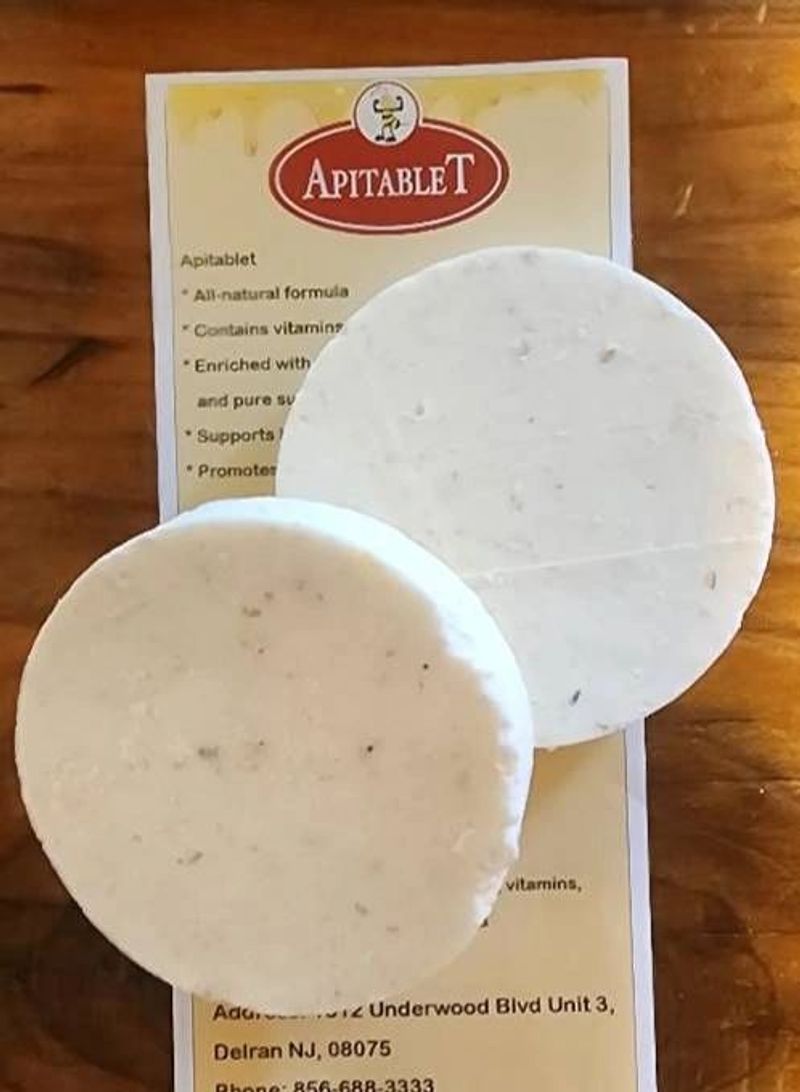
Beeswax has a scent that lingers in your memory. It is warm, faintly sweet, and nothing like a perfumed candle.
Rolled and molded candles sit near the counter in honey-gold tones. Some are plain pillars, others are shaped and detailed.
Pure beeswax burns slowly and drips less than cheaper wax. That makes the price easier to accept.
Blocks of raw wax show up too, for crafters and soap makers. A friend of mine uses them for salves.
I picked up a small candle mostly for the smell. It sat unlit on a shelf for a month before I gave in.
Bees produce wax from glands, then build comb from it. Roughly speaking, it takes a lot of honey to make a little wax.
That fact changes how you handle the candle. You stop treating it as disposable.
Trim the wick short before each burn. Long wicks make soot.
Candles travel well, so they make easy gifts. They also survive a hot car better than a glass jar of honey.
Look closely and you can sometimes see faint comb texture pressed into the surface.
Watching Foragers Land With Full Legs
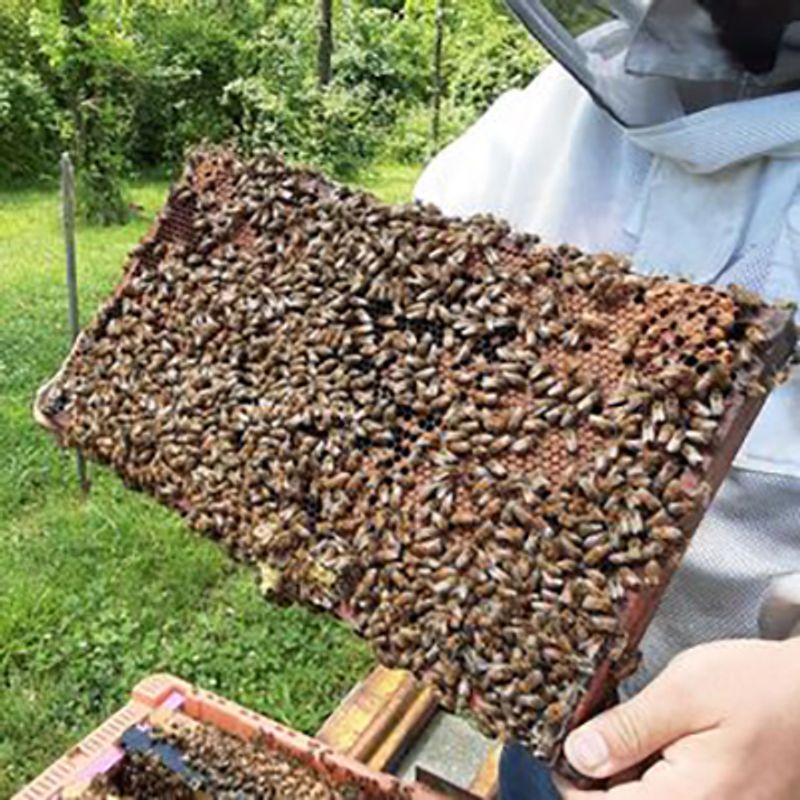
Pollen baskets are the detail nobody warns you about. Once you notice them, you cannot stop looking.
Returning bees carry bright clumps stuck to their back legs. Yellow, orange, sometimes a surprising gray-green.
The color depends on which flowers they visited that morning. It is a small map of the neighborhood, drawn in dust.
Standing at the observation hive, I tried to guess sources. Clover, maybe.
Something blooming along the fence line.
Bees dance to share directions with hive mates. Watch long enough and you may catch the wiggling movement.
Each worker visits a huge number of flowers in a single day. Their wings wear down from the effort.
That perspective makes a teaspoon of honey feel serious. It represents real miles of flying.
Bring patience instead of a schedule. The best moments happen when you stop expecting them.
Children usually spot things adults miss. Let them lead the watching.
Morning and midday tend to be busiest at the entrance. Cool or rainy weather slows everything down.
The glass keeps everyone comfortable, so nervous visitors can relax and still enjoy the show.
Friendly Advice From People Who Keep Hives
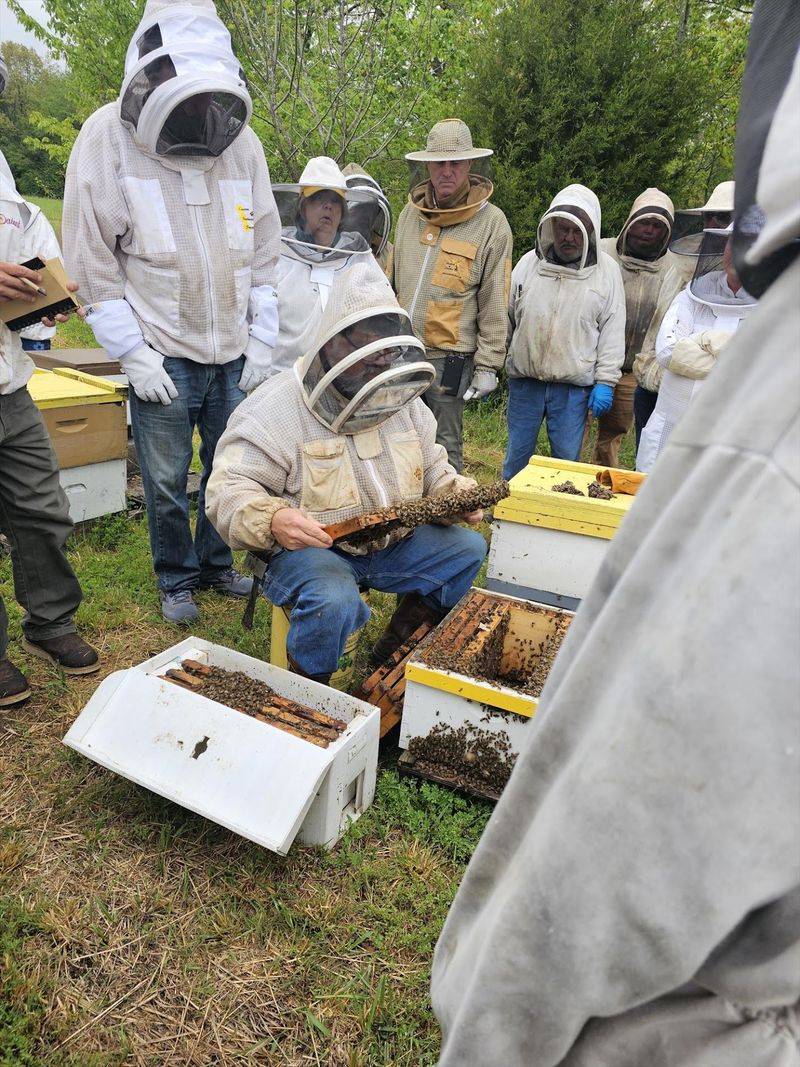
Good advice is the quiet product here. It does not come in a jar.
The folks working the counter keep bees themselves. That shows fast when the questions get specific.
Beginners get honest warnings about time and cost. Beekeeping is a hobby with chores attached.
Common questions cover swarms, mites, feeding, and winter prep. None of it feels like a secret club.
Local knowledge matters more than a video from another state. Bloom times and weather change everything.
If you are only shopping, ask about the honey instead. You will learn which flowers shaped that jar.
People also come in with rescue questions. A swarm in a tree, a hive in a wall.
Call ahead if you need something specific or want to check hours. Farm schedules follow the seasons.
Bring a notebook if you are serious. You will forget half of what you hear.
Conversations like these are why small shops still matter. A search engine cannot look at your photo and say try this.
A Farm Stop Kids Talk About Later
Nothing beats a kid discovering the queen. The pointing gets loud and immediate.
The observation hive works better than any museum display. It is alive, moving, and completely real.
Safety is simple since the bees stay sealed behind glass. Parents can breathe.
Curiosity spreads quickly in that room. One question turns into ten.
Older kids latch onto the jobs inside a hive. Nurses, guards, foragers, and one very busy queen.
Younger ones just want to watch the wiggling. That is enough.
Pair the visit with a jar of honey to take home. Tasting what you watched being made lands differently.
Homeschool families and small groups find plenty here. The lessons write themselves.
Keep expectations flexible about timing. Bees do not perform on demand.
I noticed adults staying longer than the children. The hum is oddly calming.
Talk about pollination on the drive home. Apples, melons, cucumbers, and squash all depend on visits like these.
A short stop can spark a long interest. More than a few beekeepers started exactly this way.
Making The Drive Worth It
Clinton Road runs through farm country, and the drive sets the mood. Fields, fence lines, and wildflowers along the shoulder.
Parking is easy and casual. No circling, no meters.
Wear closed shoes since this is working farm ground. Gravel and grass, not polished floors.
Bring a cooler if you are buying several jars in summer. Honey survives heat, but a hot trunk is still not ideal.
Cash or card both work at most farm shops, though calling first never hurts. Hours can shift with the season.
Combine the trip with other stops around Paducah, Kentucky. The drive out is short and pleasant.
Give yourself thirty minutes minimum. Rushing defeats the purpose entirely.
Spring and summer bring the most bee activity. Winter visits are quieter but still worthwhile for supplies.
Tell a friend before you go. Places like this survive on word of mouth.
Some shops sell products. A few let you meet the makers first.