You Could Explore This Idaho Park All Day And Still Have More To See
I would never expect one city park to keep me busy for half a day, but this one clearly did not get the memo.
Idaho has a 89-acre park where a zoo, museums, gardens, paddle boats, and river paths all compete for your attention.
That variety makes it easy to build the visit around whatever sounds fun first.
Start with animals, wander into a museum, then finish with a walk or something on the water.
You do not have to rush through everything either. The appeal is knowing there is always another corner to explore if you feel like staying.
One afternoon here can quietly turn into an entire day.
A Gift Rooted In 1907
Back in 1907, a Boise pioneer named Thomas Davis handed the city 89 acres of his family orchard. He did it in memory of his wife, Julia, who had passed that same year.
She had arrived in the Boise Valley in 1869 from Ontario, Canada, and married two years later. Travelers pausing along the river on the Oregon Trail knew her for her hospitality and quiet kindness.
That single act of generosity created the oldest park in the city. I find that fact sticks with you as you walk the grounds, because the orchard land became something everyone shares.
Trees planted generations ago now shade picnic tables, and the original acreage still forms the backbone of the layout. Nothing here feels accidental, which is rare for an urban green space this old.
You will find the whole property at 700 S Capitol Blvd, Boise, just south of the state capitol building.
Shade Trees And Duck Ponds
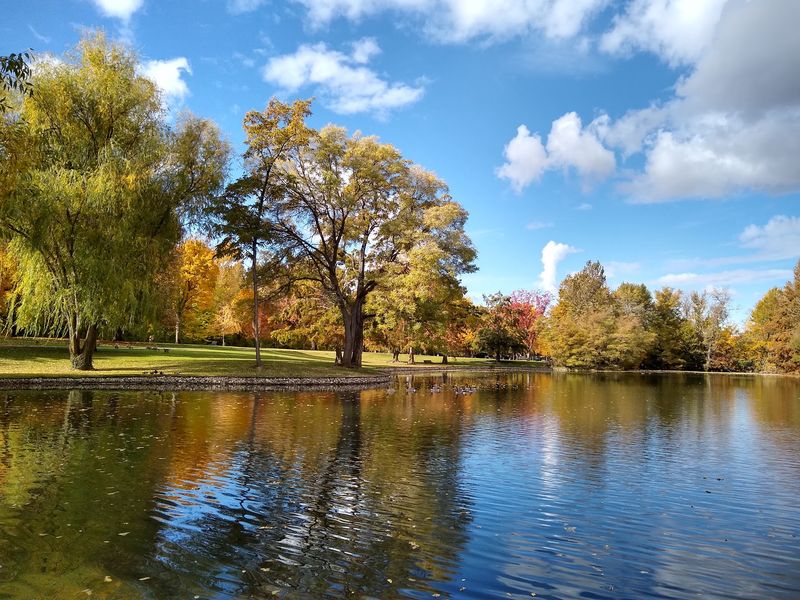
Ask anyone in town where to hide from July heat and this park comes up first. The canopy here is genuinely enormous, built from decades-old trees that throw deep pools of shade across the lawns.
A constructed pond sits near the center, ringed with benches and busy with ducks and Canada geese. In spring the goslings waddle across the paths in fuzzy little parades.
A gentle stream threads through the grounds too, adding water sounds you would not expect this close to downtown. Grassy open stretches spread wide enough for blankets, frisbees and long naps.
Fair warning from experience: where there are geese, there is goose mess. Watch your step near the water and pick a picnic spot slightly uphill.
Fall turns the whole place gold and copper, and November might be the most photogenic month of all. I have walked it in three seasons now and the light changes completely each time.
Picnic tables are plentiful, restrooms are on site, and leashed dogs are welcome. Gates open at 7 AM and close at midnight, so early risers get the quiet version of Idaho’s favorite riverside lawn.
Three Museums, One Lawn
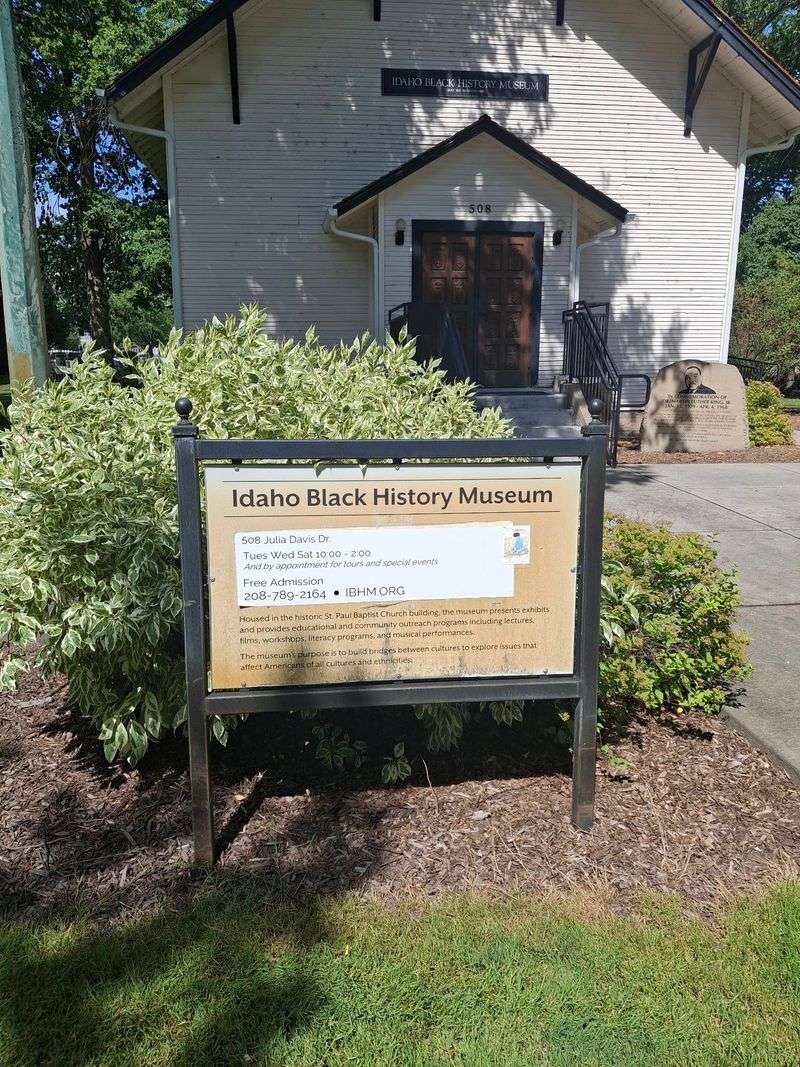
Very few parks let you see a Monet-style gallery and a covered wagon exhibit without moving your car. Three separate museums sit inside these grounds, which still surprises first-time visitors.
The Boise Art Museum handles rotating exhibits and permanent collections, and it makes a smart rainy-day backup plan. Its sculpture-friendly exterior blends into the lawn better than most museum buildings.
Next door, the Idaho State Historical Museum holds roughly 50,000 artifacts spanning prehistoric eras through modern decades. Interactive displays make it workable for kids who normally sprint past glass cases.
The Idaho Black History Museum occupies the historic St. Paul Baptist Church building, telling the story of Black history across the Pacific Northwest. Stepping through that doorway feels different from the other two, in the best possible way.
My advice is to pick two, not all three, on a single visit. Museum fatigue is real and the lawns outside are far too good to skip.
Check hours before you go, since each institution sets its own schedule. Combining one gallery with a long walk gives you the fullest sense of what this corner of Idaho has collected and preserved.
Giraffes Right Downtown
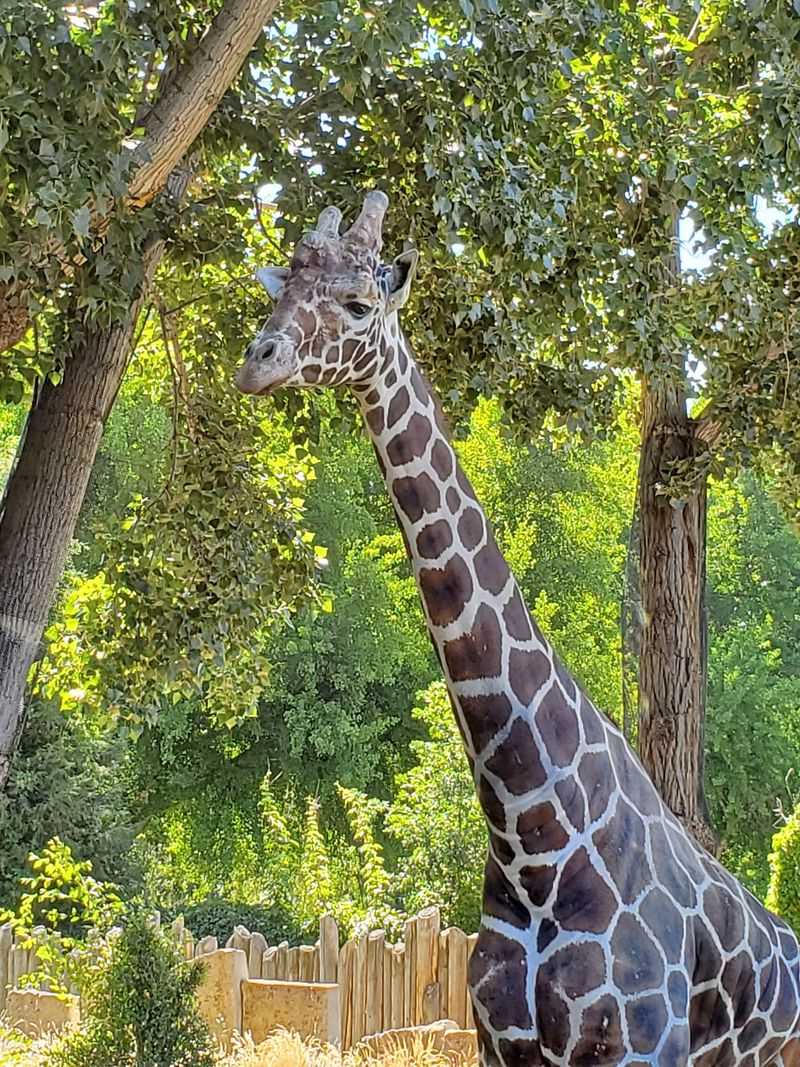
A stray monkey found near Mountain Home became the first resident of Zoo Boise in 1916. From that odd beginning grew the attraction most families come here for.
The zoo sits inside the park boundaries, so you can pair animals with a picnic in one trip. Enclosures include indoor and outdoor viewing, which helps on hot or drizzly days.
Giraffe feeding is the headline experience, and the window for it is limited. I missed it twice before finally timing it right, so ask at the entrance the moment you arrive.
Red pandas draw a crowd at the newer exhibit, and the big cat viewing windows put you startlingly close. Standing at glass while a tiger strolls past is a memory that sticks.
Go early in the morning or near closing, because midday means napping animals. Weekdays run noticeably quieter than weekends.
Outside food is allowed, drinking fountains sit near the restrooms, and free ice water is available inside. Conservation funding is baked into admission here, which means your day out actually supports wildlife projects in Idaho and far beyond.
Roses By The Thousands
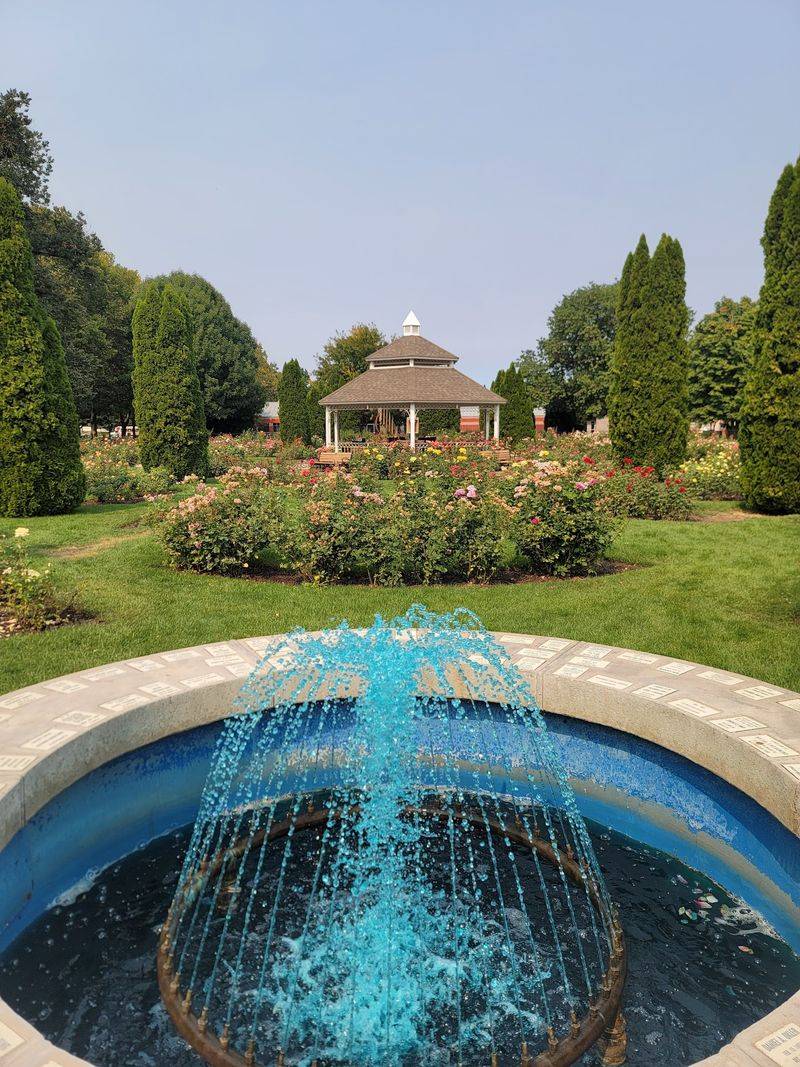
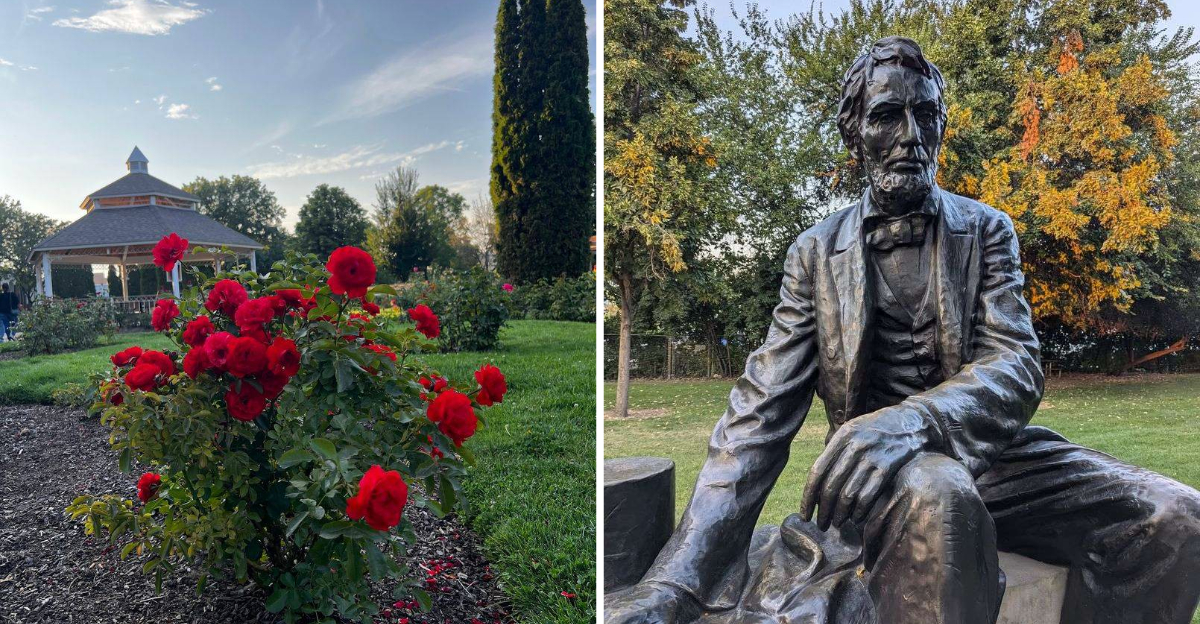
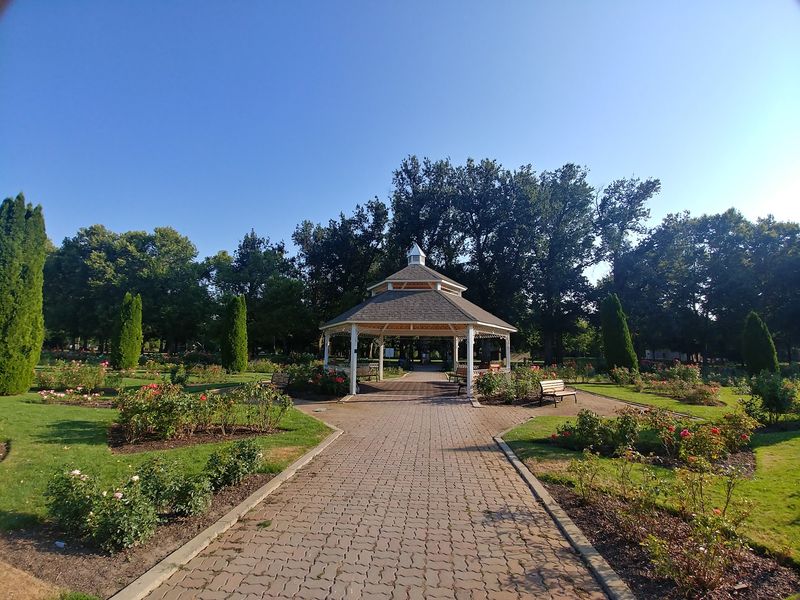
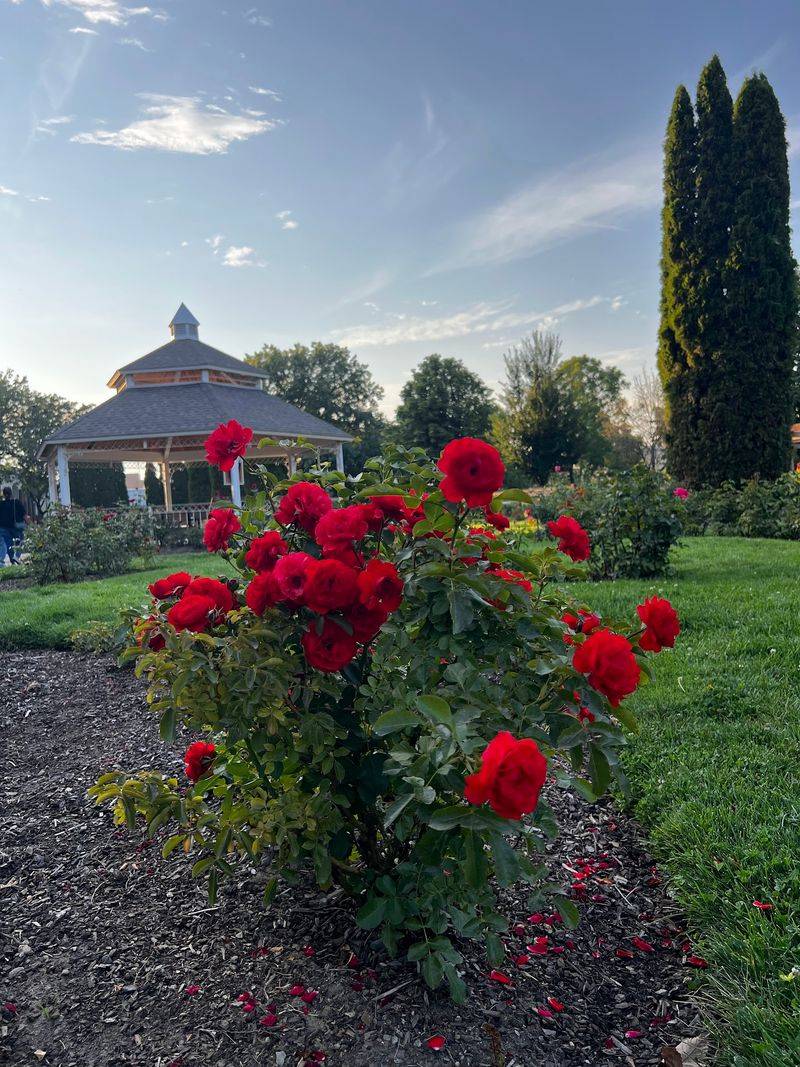
Thousands of rose bushes bloom here every year, and the smell reaches you before the color does. Dedicated in 1939, the Julia Davis Rose Garden holds official Public Rose Garden accreditation.
Gardeners maintain the beds meticulously, and the labeling makes it easy to learn variety names.
Peak bloom generally lands in June, though later summer waves keep things interesting. Morning light works best for photos, before the sun flattens everything out.
A charming pavilion sits within the garden and hosts wedding ceremonies throughout the warm months. If you see chairs being arranged, plan your loop in the opposite direction.
I spent a full half hour on one path here, just reading tags and leaning in for scent comparisons. It is slow-paced in a way that resets your brain.
Portions of the garden occasionally close for renovation work, so a quick check with the parks department saves disappointment.
When it is open, this may be the single prettiest patch of cultivated ground in southern Idaho, and admission costs nothing at all.
Paddle Boats And Greenbelt Miles
Rent a paddle boat, spin lazy circles around the pond, and let someone else do the pedaling. That is my preferred lazy hour here, and the ducks tolerate it graciously.
The Boise River Greenbelt runs directly through the property, part of a tree-lined path stretching around twenty-five miles. Cyclists, joggers and stroller-pushers all share it, and the etiquette is friendly.
River views open up along the way, with cottonwoods leaning over the water. Birders do well here, especially in the early hours when herons work the shallows.
Electric bikes and scooters are easy to grab nearby, and covering several Greenbelt miles from this starting point is simple. Kayakers and paddleboarders float past on the river itself during summer.
The trail surface stays smooth and mostly flat, making it approachable for beginners. I watched families, commuters and serious cyclists all use the same stretch without any friction.
Bring water, since Idaho summer sun has a way of sneaking up on you. This park works beautifully as a launch pad, whether you want twenty minutes on the pond or twenty miles of pavement.
Quiet Corners With Meaning
Not every attraction here shouts for attention. Tucked between the bigger draws are memorials and small trails that reward slow walkers.
The Richard and Annette Bloch Cancer Survivor Plaza offers a reflective space with inspirational plaques and a sculpted Road to Recovery. Visitors linger there longer than you might expect, reading each panel carefully.
Then there is the Solar System Trail, which lays out the planets in miniature along accessible walkways. Reading about scale and distance while strolling under real trees is oddly delightful.
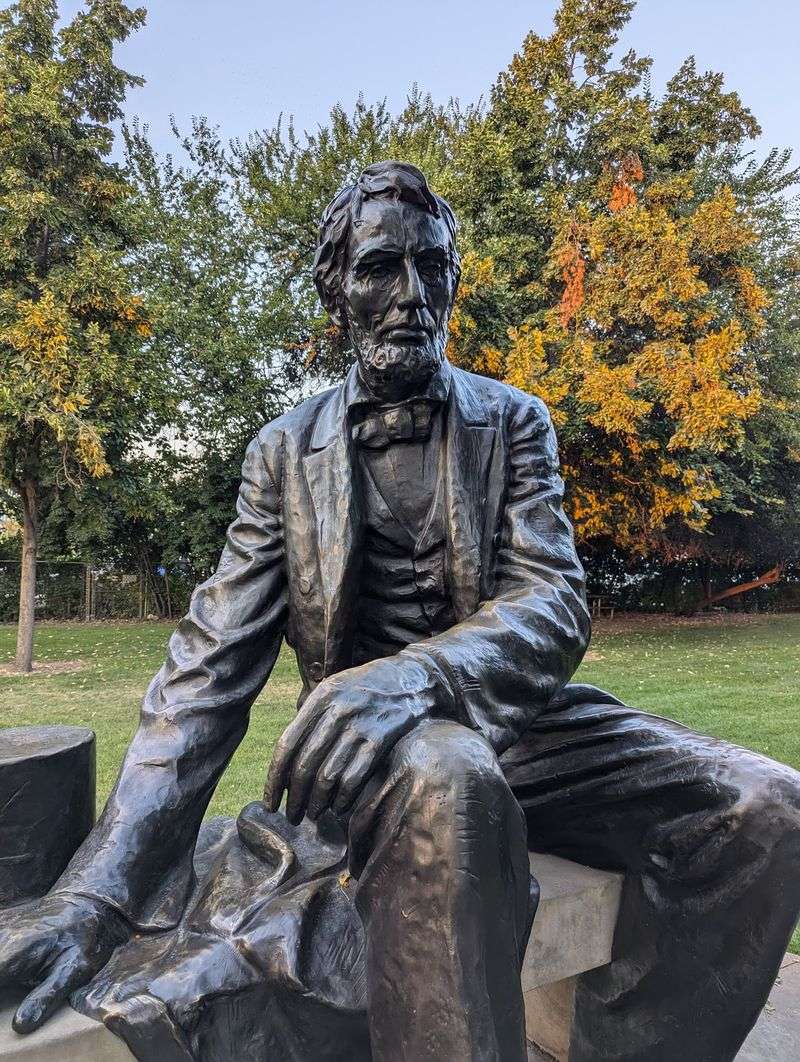
Statues and historic structures dot the grounds, quietly narrating chapters of the city’s past. I kept spotting new ones on my second lap, which says something about how much is packed in.
These features cost nothing and take only minutes each, yet they change the tone of a visit. A zoo trip becomes a genuine wander when you connect the dots between them.
Give yourself an unhurried thirty minutes with no destination in mind. Julia Davis Park hides its most thoughtful details away from the main paths, which is exactly why exploring it properly takes more than one Idaho afternoon.
Bandshell Music And Campus Bridges
Music has been drifting across these lawns since 1928, when the bandshell was built. Now named the Gene Harris Bandshell, it hosts concerts, festivals and community gatherings through the warmer months.
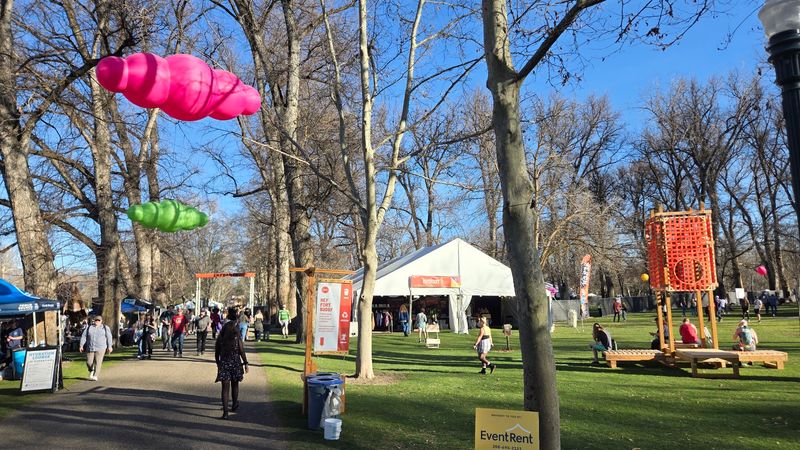
Events like Art in the Park and Treefort fill the grounds with vendors, food trucks and live mural painting. Shuttles and information booths appear for the bigger weekends, which keeps the chaos manageable.
The Bob Gibb Friendship Bridge crosses the Boise River and connects straight to Boise State University. Students stream over it daily, making the park feel woven into campus life.
Tennis courts, bocce greens, horseshoe pits and a playground round out the recreation options. The play area between the zoo and the Discovery Center is a reliable hit with younger kids.
Between the museums, the zoo, the roses, the river and the music, one visit truly is not enough. Julia Davis Park remains the most generous 89 acres in Idaho, and it keeps handing out reasons to come back.