You’d Never Guess This Old California Gas Station Is Now A Full-Blown Steakhouse
A gas station is supposed to send you back onto the road. This one gives you a reason to stay for dinner.
The old roadside bones are still there, but the pumps and quick pit-stop mentality have given way to sizzling steaks and a dining room with far more personality than its former purpose would suggest.
California is full of clever building transformations, yet turning a vintage filling station into a steakhouse feels particularly fitting for a road-trip town.
Look closely and the past starts peeking through.
The stonework, compact footprint, and unmistakable roadside character keep the building from feeling like another polished restaurant space. It has quirks because it earned them.
That makes dinner slightly more fun. You are eating steak in a place where travelers once stopped to fill the tank. Now you are the one getting refueled.
The Building Started Life As A Gas Station In 1931
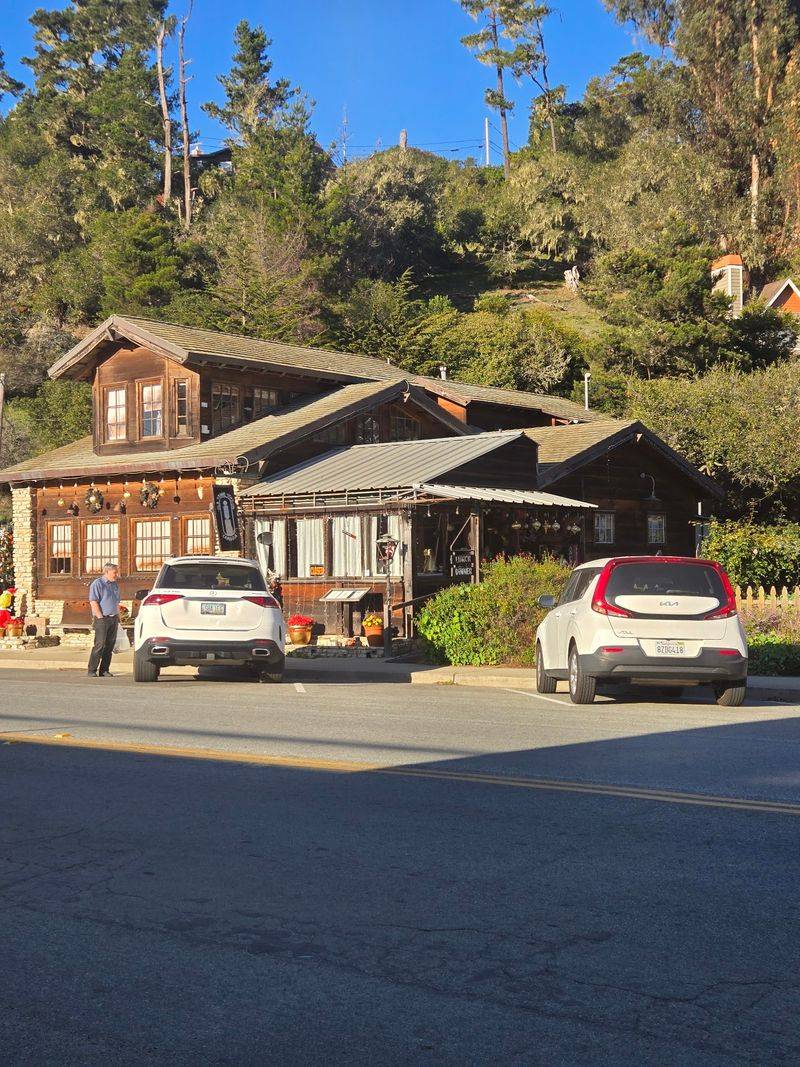
Back in 1931, the stone structure now holding a steakhouse was built to serve cars, not appetites.
Clyde and Myrtle Van Scoy put it up as a gas station along the road that carried travelers through this part of the Central Coast. Cars looked different then, and so did the trip down Highway 1.
Stopping for fuel meant pulling into a small stone building where someone came out to help, and the pace of travel was slower in every sense.
Knowing that history changes how the place feels once a plate of steak lands on the table.
The walls were not designed for dining rooms or kitchen vents, which explains some of the tucked-away corners and unusual angles inside.
Anyone curious about local history gets a small lesson simply by paying attention to the shape of the rooms. Ceilings, doorways, and thick stone walls all point back to a purpose that had nothing to do with food.
For visitors planning a Cambria stop, that layered past adds a bit of depth to a meal.
Old buildings often get torn down when their original use disappears, so a 1931 station still standing and still busy is worth noticing.
Arriving with that story in mind makes the first look at the exterior more interesting than a typical restaurant front.
A Major 1993 Remodel Turned The Old Station Into A Restaurant
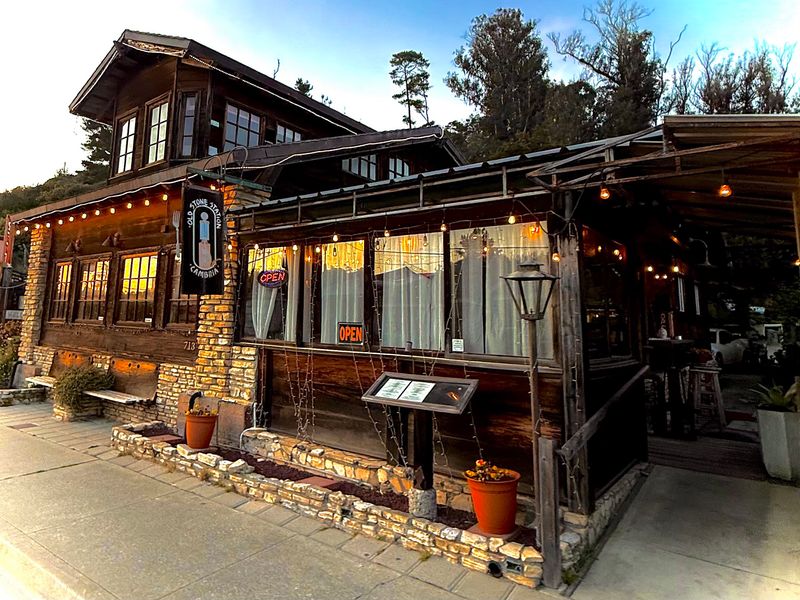
Turning a fuel stop into a working kitchen took real effort, and 1993 was the year it happened.
The remodel reshaped the old station into the restaurant now known as Old Stone Station, with dining space where service bays and a small office once stood.
Conversions like that usually leave traces, and here they show up in the layout.
Rooms feel individual rather than open and cavernous, so conversations stay close and the noise level rarely climbs the way it does in big square dining halls.
Families with restless kids may appreciate that scale, since a smaller room feels less overwhelming.
The 1993 date also explains the mix of eras inside.
Stonework from the 1930s meets furnishings and finishes added decades later, and the combination reads as practical rather than staged. Nothing looks like a themed set built to sell nostalgia.
A restaurant that has operated in the same converted space since the early 1990s has had plenty of time to settle into its rhythm.
Filet Mignon Is One Of The Stars Of The Dinner Menu
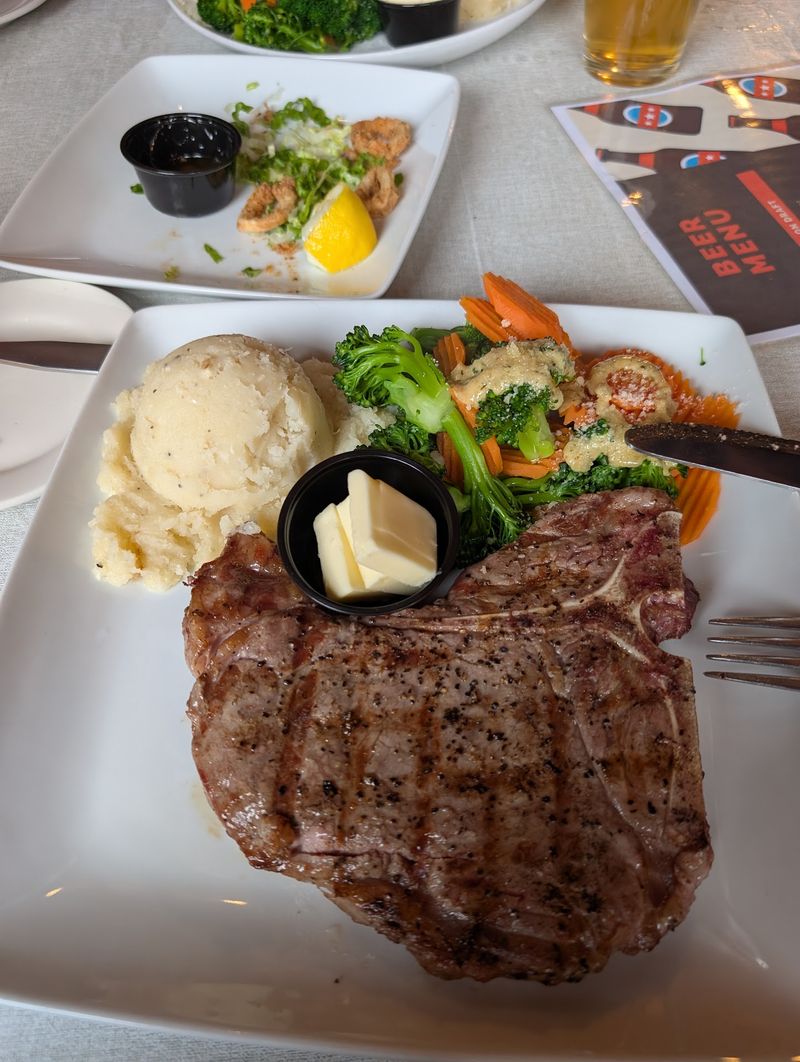
Tenderloin wrapped in bacon has a way of ending menu debates quickly.
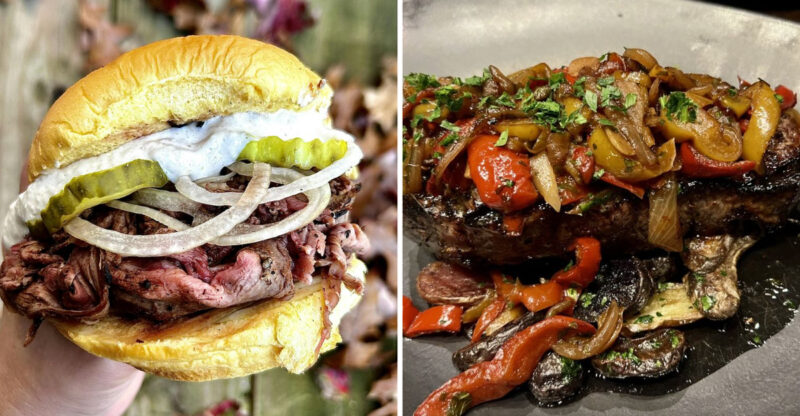
Filet mignon appears on the dinner menu here as a tenderloin of beef wrapped in bacon, which adds a salty edge to a naturally tender cut.
Diners who prefer beef without heavy chew often land on filet for exactly that reason.
Tenderloin comes from a part of the animal that does little work, so the texture stays soft. The bacon wrap serves a practical purpose too, since it helps hold the shape during cooking.
Ordering a filet involves one decision worth thinking through, and that is how done the steak should be.
Leaner cuts can dry out when pushed too far, so many people choose medium or below to keep the center juicy.
Asking the server for guidance is completely normal and no one will think twice about it.
Portion size matters when planning a full meal, and filet tends to feel less overwhelming than the largest cuts on the board. Anyone hoping to save room for dessert may find that helpful.
Pairing it with the dinner sides makes for a plate that feels complete without becoming a challenge.
Prime Rib Appears On Friday And Saturday Nights
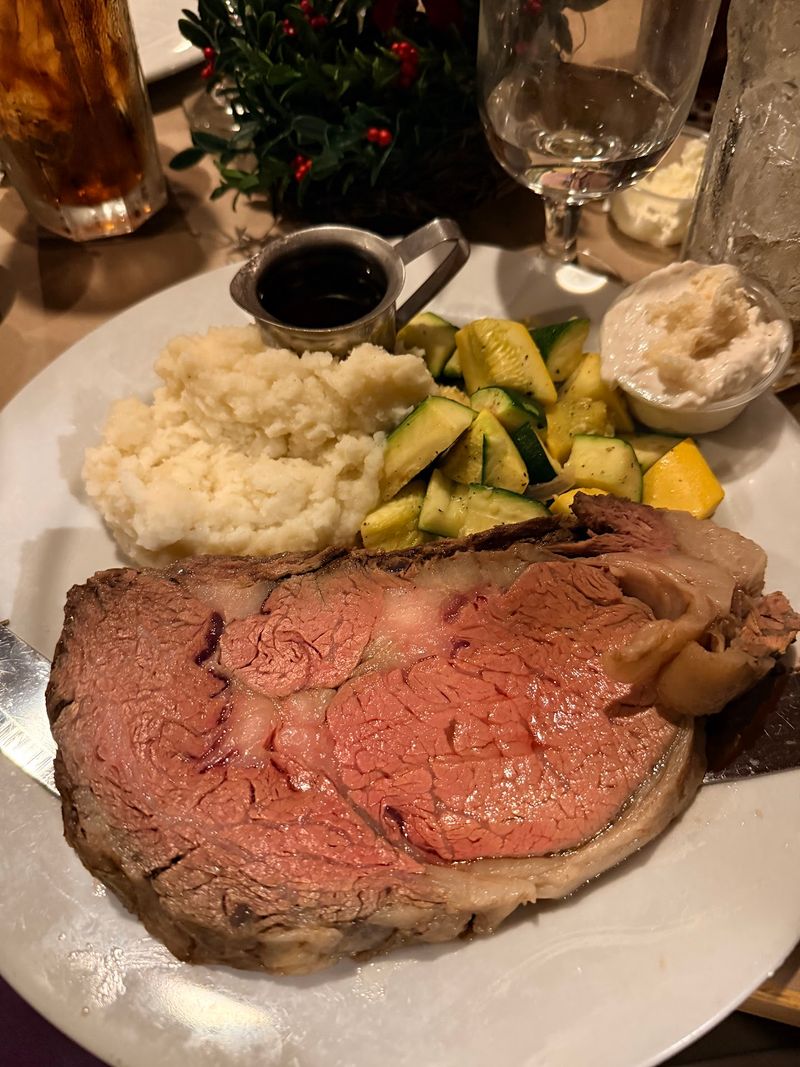
Weekend timing matters if prime rib is the goal. The cut runs as a special on Friday and Saturday nights, which means a Tuesday visit will not include it.
Planning a Cambria stop around those two evenings takes a little forethought but is easy enough for anyone staying overnight.
Prime rib gets slow roasted rather than grilled to order, giving it a softer texture and a milder flavor than a seared steak.
Specials sell out sometimes, especially on busy weekends when the town fills with travelers heading to Hearst Castle or the beaches.
Arriving earlier in the evening improves the odds. Calling ahead to confirm availability is a reasonable move, since specials can change.
Friday and Saturday nights also bring more people through the door, so the dining rooms may feel livelier and the wait for a table longer. Some diners enjoy that energy while others prefer a quieter midweek meal.
For a coastal weekend trip, ending a day of exploring Moonstone Beach with a slow-roasted cut inside a former 1931 gas station makes for a memorable pairing.
Fresh Seafood Shares The Menu With All Those Steaks
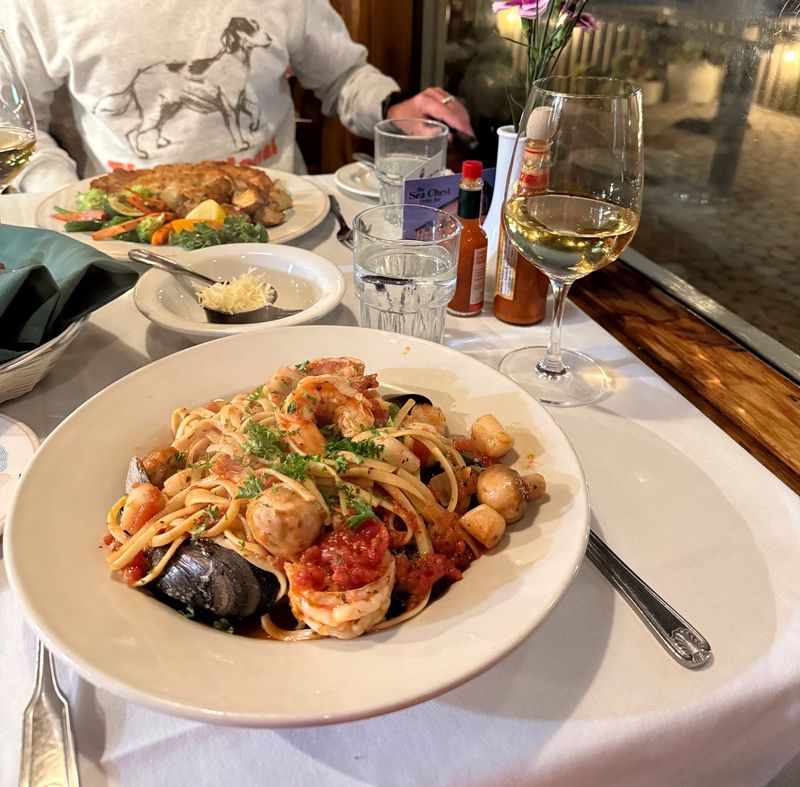
Beef gets plenty of attention, but seafood holds real space on the menu too.
Fresh seafood dishes sit alongside the steak options, giving the restaurant a range that fits its coastal setting. Groups where not everyone wants red meat can eat comfortably here.
Coastal towns often lean fully into seafood or ignore it, so a place doing both keeps things flexible.
Diners who spent the morning walking the boardwalk at Moonstone Beach may find fish the more fitting choice. Others might want steak precisely because seafood has been on repeat all week.
Cooking times differ between grilled fish and thick steaks, which occasionally means plates arrive at slightly different moments in larger parties.
Mentioning a preference to the server usually smooths that out. Most kitchens try to time courses together when asked.
Seafood also tends to sit lighter, which can matter for travelers with more driving ahead. A heavy meal before a winding stretch of Highway 1 does not always feel great.
Having both categories under one roof is part of why the converted stone station works as a practical stop rather than a single-purpose destination.
Old Photographs And Vintage Details Preserve Some Of The Building’s Character
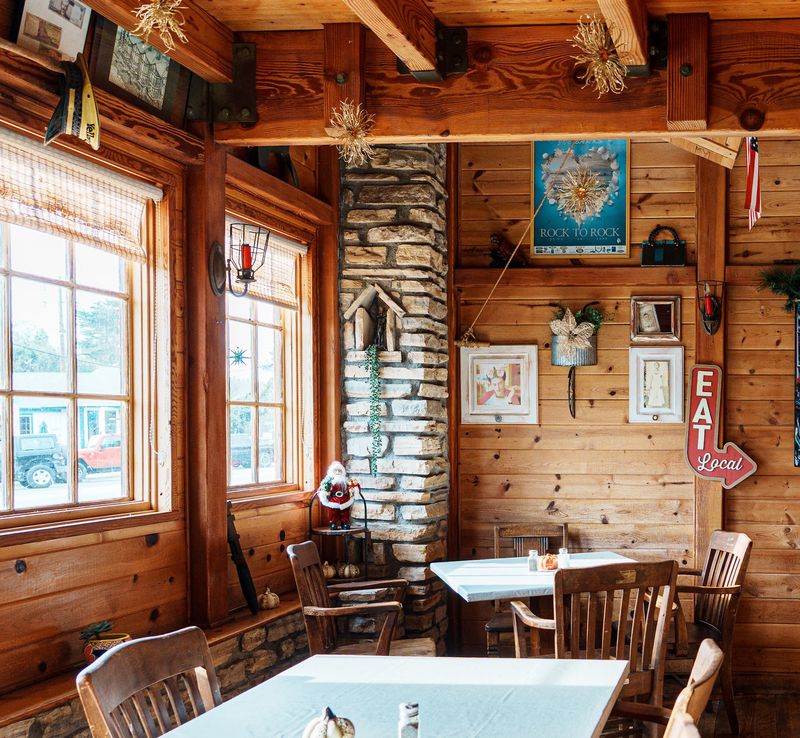
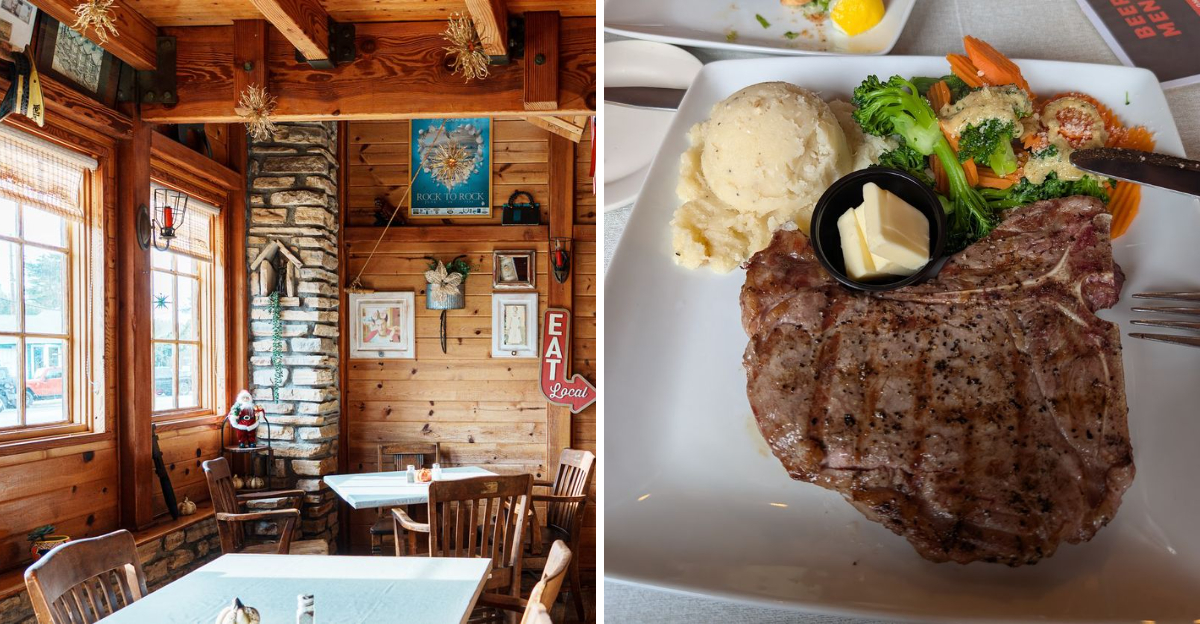
Walls do a lot of storytelling in this dining room. Old photographs and vintage details fill the interior, keeping pieces of the building’s original character visible to anyone paying attention.
Wandering eyes have plenty to look at while waiting for food. Historic photos give context that a plaque never quite manages.
Seeing what the station looked like when cars pulled up for fuel makes the current dining room easier to understand. The contrast between then and now becomes concrete rather than abstract.
Vintage cars, old signage, and clothing from another era can spark real questions at the table. Conversation starters like that come free with the meal.
Guests who enjoy history may want a few extra minutes before or after eating to look closer. Lighting inside runs on the warmer, dimmer side during dinner, so daytime visits make the details easier to see clearly.
Preserving these touches rather than stripping them out during the 1993 remodel was a choice, and it gives the restaurant a personality that new construction cannot copy.
Walking out, most diners have a clearer sense of what stood on Main Street back in 1931.
The Front Patio Is One Of The Most Inviting Places To Eat
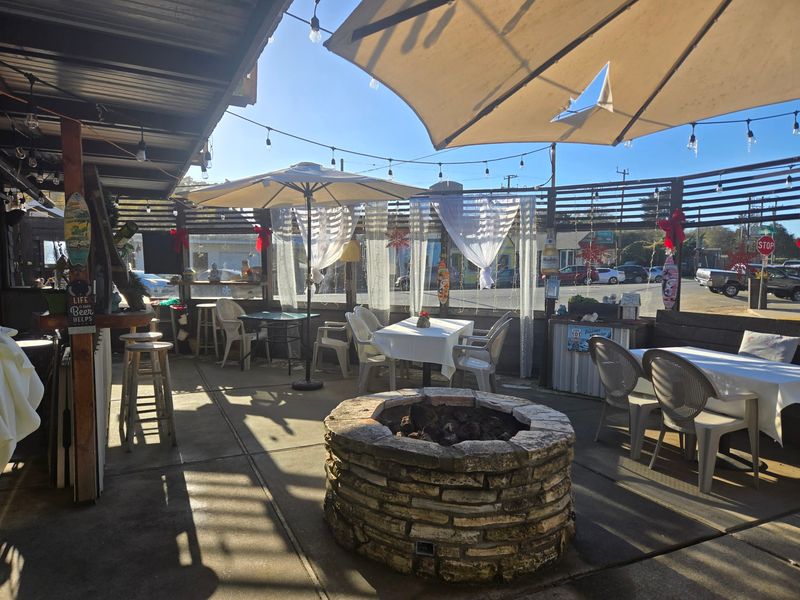
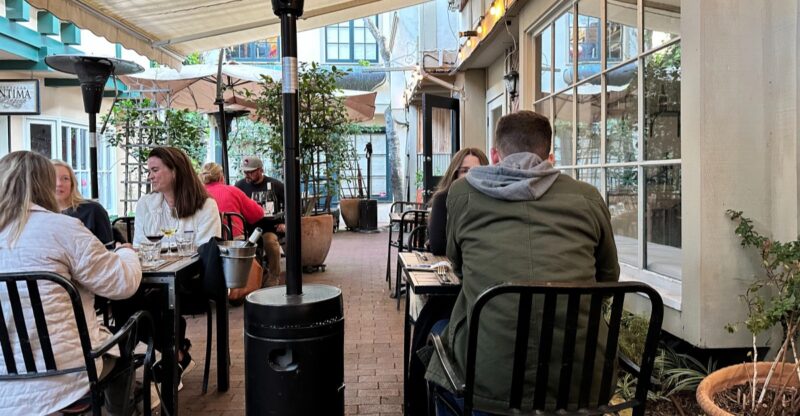
Outdoor tables change a meal, and the front patio here proves it. Outdoor dining is available out front, where diners sit facing Main Street with the stone building at their backs.
Patio dining suits Cambria’s climate much of the year, though coastal fog and cooler evenings are common along this stretch.
Bringing a light jacket is sensible even in summer, since temperatures often drop once the sun goes down. Afternoons usually feel warmest.
Sitting outside also means watching the street go by. Foot traffic along Main Street, passing cars, and the general rhythm of a small coastal town become part of the meal in a way indoor seating cannot offer.
Noise levels outside differ from inside, with street sounds replacing dining room conversation.
Anyone hoping for a quiet meal may find the indoor rooms calmer, while people who like open air will head straight for the patio. Neither choice is wrong.
Requesting patio seating when arriving is worth doing, since those tables can fill up quickly on pleasant days.
Availability depends on weather and how busy the restaurant happens to be that afternoon.
The Address Is 713 Main Street In Cambria
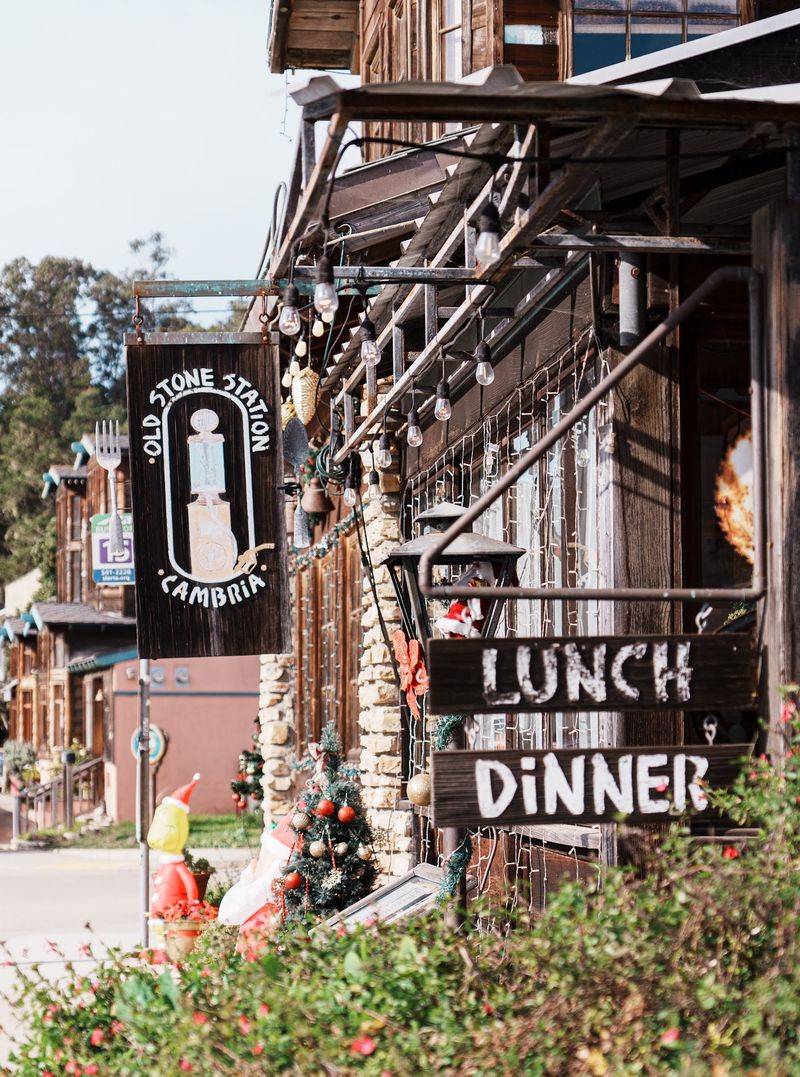
Getting there is simple once the exact spot is known. The venue is located at 713 Main Street, Cambria, California 93428, sitting directly along the town’s main thoroughfare.
Navigation apps handle the address without trouble. Main Street runs through the heart of town, so the drive in is straightforward from Highway 1.
The stone exterior stands out from neighboring buildings, which makes the final approach easy even without checking a phone. Most first-timers spot it on the first pass.
Parking in small coastal towns can vary with the season and time of day. Weekends and holiday periods usually bring more cars, while weekday visits often feel easier.
Allowing a few extra minutes to find a space is wise during busy stretches. Arriving with the address written down helps if cell service gets spotty along parts of the coast.
Highway 1 has stretches where signal drops, and Cambria sits in a region of rolling hills and Monterey pines.
A little preparation prevents frustration. Once parked, the walk to the door is short and level from the street.
Standing in front of the stonework, most visitors take a moment to register that a full steakhouse now occupies a building that opened in 1931 selling gasoline to passing motorists.