You Haven’t Explored California Until You’ve Hiked This 2.2-Mile Trail With Million-Dollar Vistas
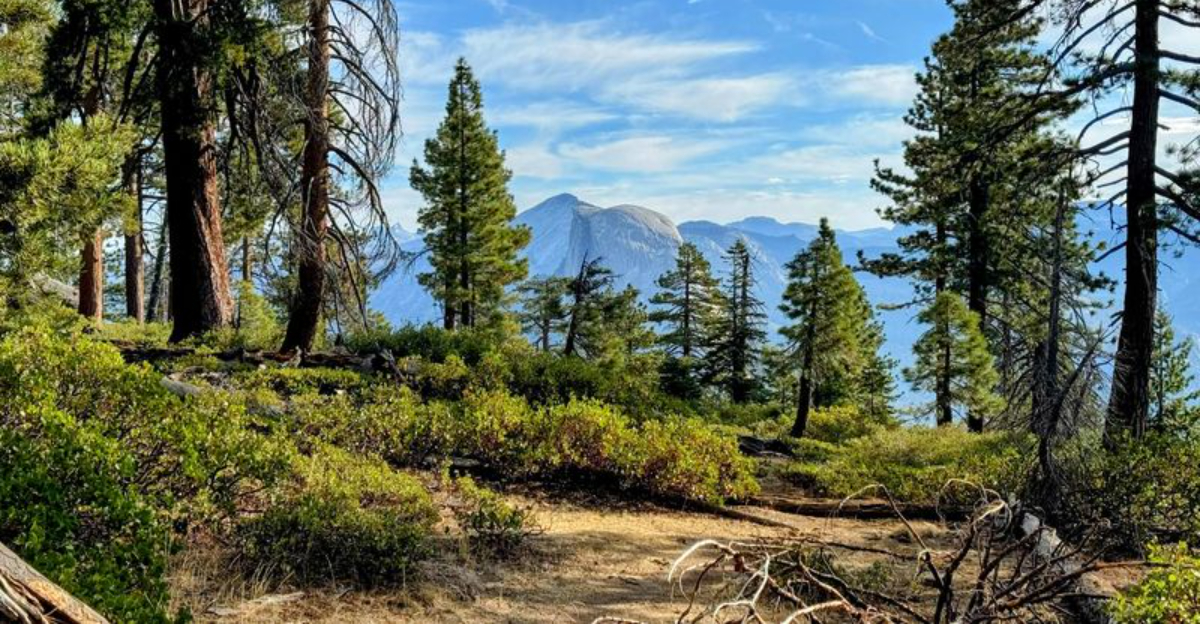
The path starts quietly, moving through shaded forest with filtered light and soft ground underfoot. Nothing about the first stretch hints at how quickly the landscape is about to change.
Then the trees break, the terrain opens, and the view arrives all at once. Yosemite in California delivers this kind of shift in a way few places can.
The transition from enclosed trail to open cliffside happens in seconds, with granite walls rising across the valley and a drop that feels immediate and impossible to ignore.
The experience builds on contrast. Calm sections lead directly into one of the most exposed viewpoints in the park, where deep rock fissures cut through the granite and the edge falls away into open air.
Clear sightlines stretch for miles, with El Capitan standing out across the valley.
Short distance, minimal elevation gain, and a direct path to a dramatic overlook make this one of the most accessible ways to experience California’s most iconic landscape at full scale.
Trail Length And Difficulty Level
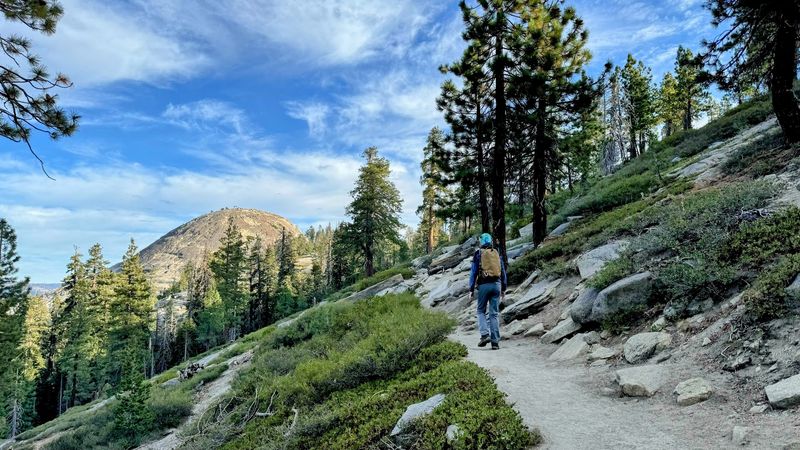
Not every incredible hike has to be brutal, and Taft Point Trail is proof of that. The trail runs approximately 1.1 miles one-way, making the full round trip just about 2.2 miles total.
With an elevation change of roughly 240 feet, the path is rated as easy to moderate, which means most visitors with basic fitness can complete it comfortably.
The terrain starts out relatively flat as it moves through a mixed conifer forest, then gradually shifts to a more open rocky surface as hikers approach the point.
The descent toward the overlook near the end is gentle but noticeable, and the return uphill stretch can feel slightly more demanding after a long day on the trail.
Families with older children tend to find this hike manageable, though the exposed cliff edges at the destination require close supervision.
Trail shoes with good grip are recommended since the final section near the fissures involves uneven granite slabs.
Trekking poles can be useful on the return journey for anyone who prefers extra stability on the uphill stretch back to the trailhead.
The Trailhead Starting Point
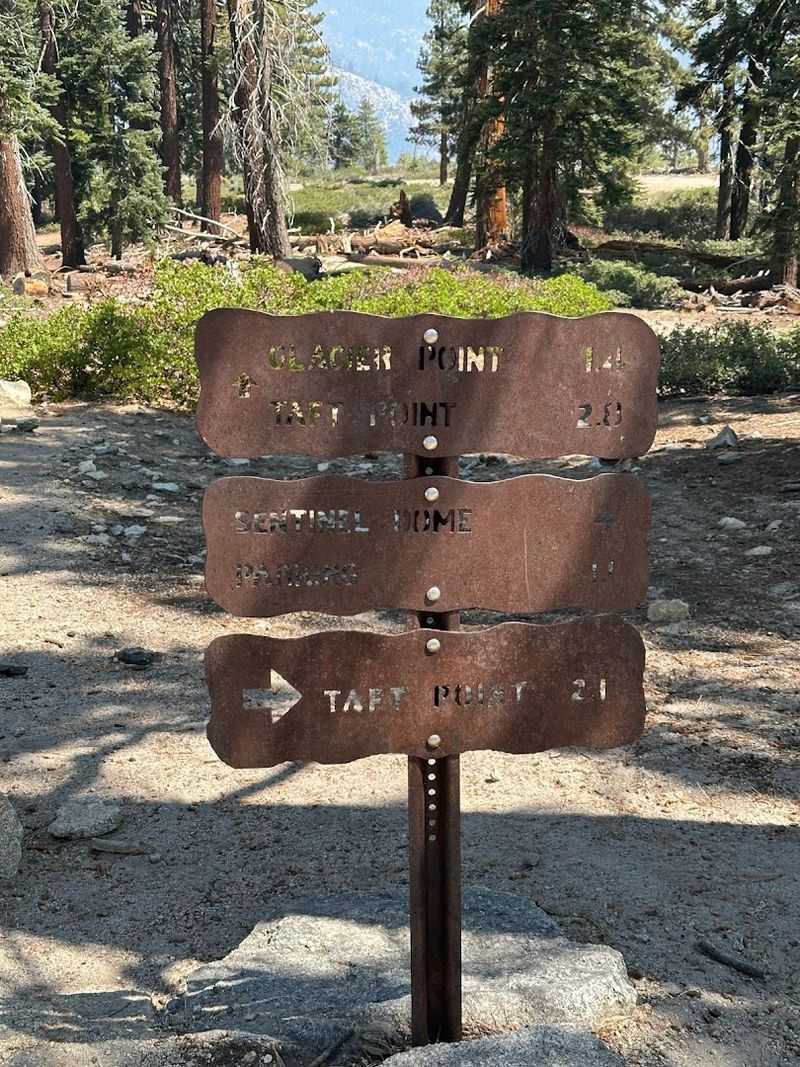
Starting a hike at the right spot makes all the difference, and the Taft Point Trailhead is straightforward to find once visitors are on Glacier Point Road.
The trailhead is shared with Sentinel Dome and sits about 2 miles from the end of Glacier Point Road, well within Yosemite National Park.
A small parking lot marks the starting point, and trail signs at the lot clearly indicate the direction toward Taft Point.
Glacier Point Road itself is a scenic drive that offers its own set of views before hikers even lace up their boots.
The road winds through forested terrain and passes several pullouts worth stopping at along the way.
Arriving at the trailhead early in the morning tends to result in a calmer, less congested experience both in the parking area and on the trail itself.
The trailhead does not have restroom facilities beyond what may be available at the nearby parking lot, so planning ahead is wise.
Cell service in this part of the park can be unreliable, making it helpful to download offline maps before arriving.
Downloading the Yosemite National Park app in advance can also assist with navigation and updated road conditions.
Panoramic Views From The Overlook
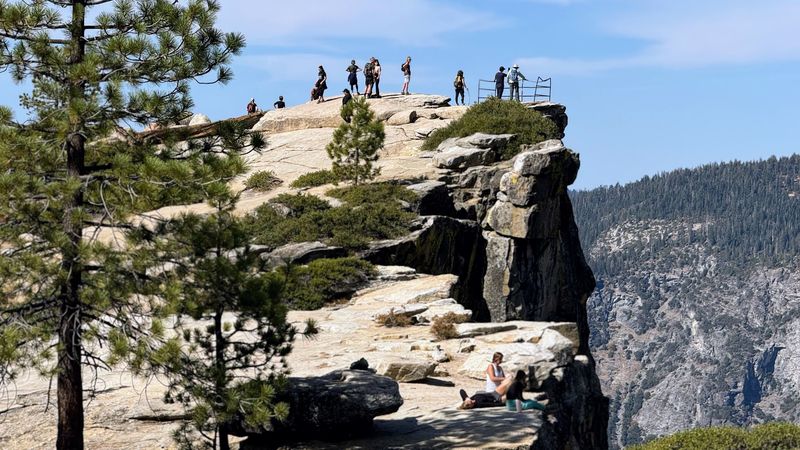
The payoff at the end of Taft Point Trail is genuinely hard to overstate.
Standing at the overlook, hikers face an unobstructed view of Yosemite Valley stretching far below, with El Capitan rising dramatically across the valley and Yosemite Falls visible in the distance on clear days.
The scale of the landscape from this vantage point feels almost disorienting in the best possible way.
Unlike some overlooks that require looking over a railing or through a fence, Taft Point is largely open and unguarded, which adds to the raw, immediate feeling of standing at the edge of something enormous.
The granite plateau at the end of the trail offers multiple viewpoints, so visitors are not all crowded into one single spot.
Moving around the area reveals slightly different perspectives of the valley and surrounding peaks.
Late afternoon light tends to cast a golden tone across the granite walls of the valley, making that time of day particularly striking for photography. Morning visits offer softer light and cooler temperatures.
Either way, the view from Taft Point consistently ranks among the most memorable in all of Yosemite National Park, drawing visitors back season after season.
The Fissures Along The Trail
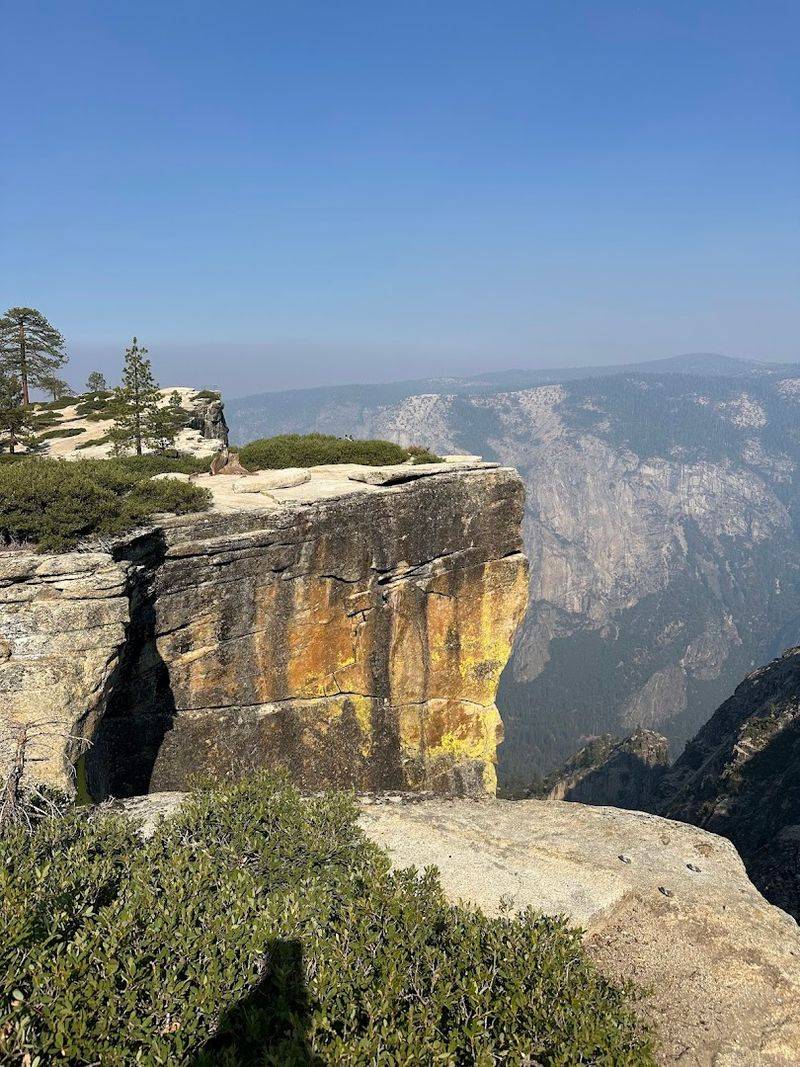
One of the most striking geological features along the trail is a series of deep cracks in the granite known as The Fissures.
These narrow slots cut straight down through the rock and drop hundreds of feet to the valley floor far below.
Walking near them feels surreal, almost like the earth has simply split open and forgotten to close back up.
The Fissures are located just before reaching the main overlook, and they tend to stop hikers in their tracks the first time they appear.
Looking down into them reveals a dizzying vertical drop framed by sheer granite walls, with the valley visible far at the bottom.
Some of the cracks are wide enough to feel genuinely vertiginous, while others are narrower slots that still carry an impressive sense of depth.
There are no guardrails or barriers around The Fissures, which makes caution essential, especially for younger visitors or anyone with a fear of heights. Staying a comfortable distance from the edges is strongly advised.
The combination of The Fissures and the main cliff overlook makes this section of the trail feel unlike almost any other hiking destination in Yosemite, offering a geology lesson and a thrill all at once.
Historical Background Of Taft Point
Behind every great landmark is usually a story worth knowing, and Taft Point has a surprisingly presidential one.
The overlook is named after President William Howard Taft, who visited Yosemite National Park in 1909 during his presidency.
During that visit, he made his way from Glacier Point toward the valley floor, and the particular spot where he paused to rest eventually took on his name.
Taft was a notably large man, and his journey through Yosemite drew considerable attention at the time.
The fact that a sitting president hiked through this rugged terrain added a layer of historical significance to what was already a spectacular natural setting.
His visit helped bring national attention to Yosemite and contributed to growing public interest in preserving the park.
Knowing this history adds a quiet extra dimension to standing at the point today.
The view that stopped a president in his tracks over a century ago is still drawing visitors from around the world for the same reason: it is simply impossible to rush past it.
Yosemite has been a protected space since 1890, and Taft Point serves as a small but meaningful reminder of the long human connection to this landscape.
Trail Surface And Conditions
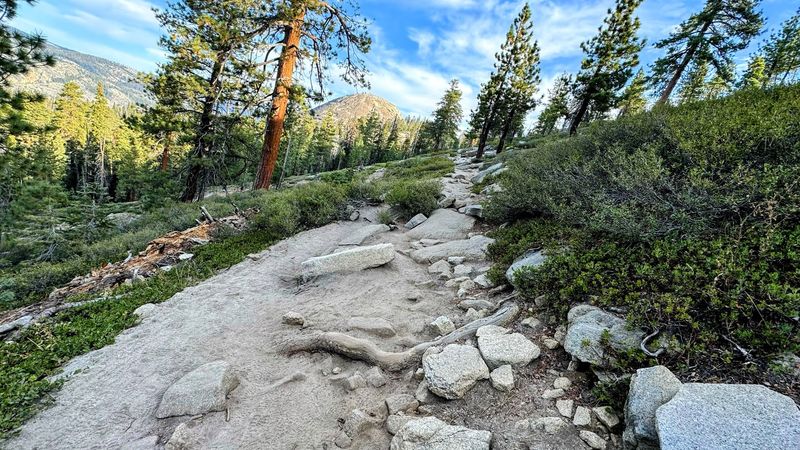
The trail surface changes noticeably as hikers move from the trailhead toward the point, and knowing what to expect underfoot makes the hike more comfortable.
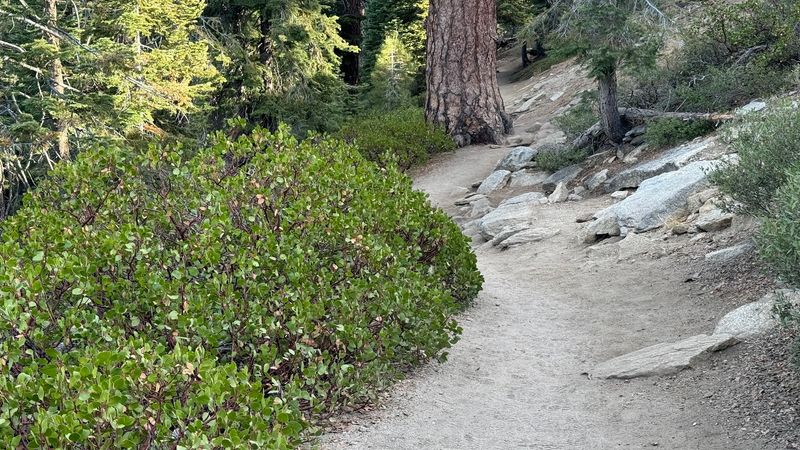
The first portion of the trail passes through a shaded conifer forest on a packed dirt path that is generally smooth and easy to walk.
Pine needles often carpet sections of this stretch, softening the footfall and muffling sound in a way that feels almost meditative.
As the forest opens up and the trail approaches the overlook, the surface transitions to exposed granite slabs and rocky terrain.
This section requires more attention to footing, particularly when the rock is damp from morning dew or recent rainfall.
The descent toward the overlook is gradual but the surface can feel slippery in wet conditions, so trail shoes with solid grip are worth wearing rather than casual sneakers.
The trail is generally well-maintained by Yosemite National Park staff, with the path clearly defined throughout most of its length.
Seasonal conditions can affect the trail significantly, and early season visits may encounter lingering snow or muddy patches.
Checking current trail conditions on the Yosemite National Park website before heading out is a practical step that can prevent unpleasant surprises on the day of the hike.
Safety Considerations At The Overlook
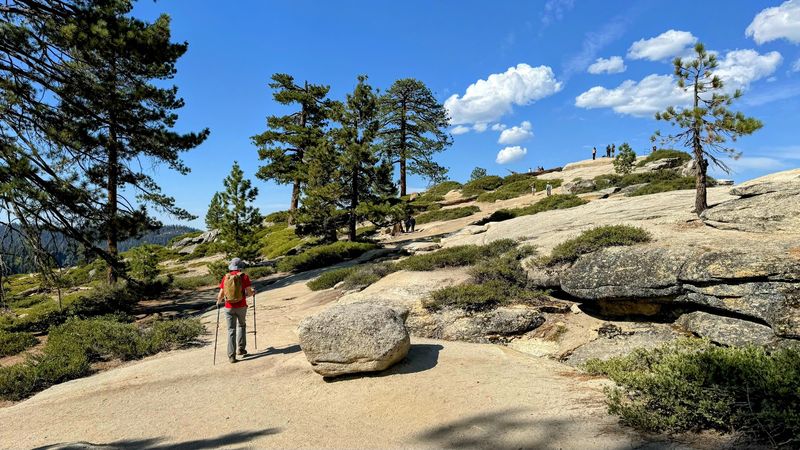
The freedom of standing at an open, unguarded cliff edge is part of what makes Taft Point so compelling, but that same openness demands genuine respect.
There are no fences or barriers at the main overlook or along The Fissures, meaning visitors are responsible for their own safety throughout the exposed area.
The drop from the cliff edge is several thousand feet, and the granite surface near the edge can be uneven and unpredictable.
Keeping a safe distance from the edges at all times is the most important guideline at Taft Point. Running, horseplay, or attempting to lean out for a photo near the cliff edge carries serious risk.
Children and pets should be kept close and supervised carefully, as the open terrain can make it easy to wander closer to the edge than intended.
Footwear matters more here than on many other Yosemite trails because the granite near the overlook can be slick, especially in the early morning when moisture collects on the rock surface.
Sitting down to enjoy the view rather than standing at the very edge is a practical approach that many experienced hikers prefer.
Taking in the scenery from a comfortable and stable position still provides the full visual impact without unnecessary risk.
Seasonal Accessibility And Road Opening
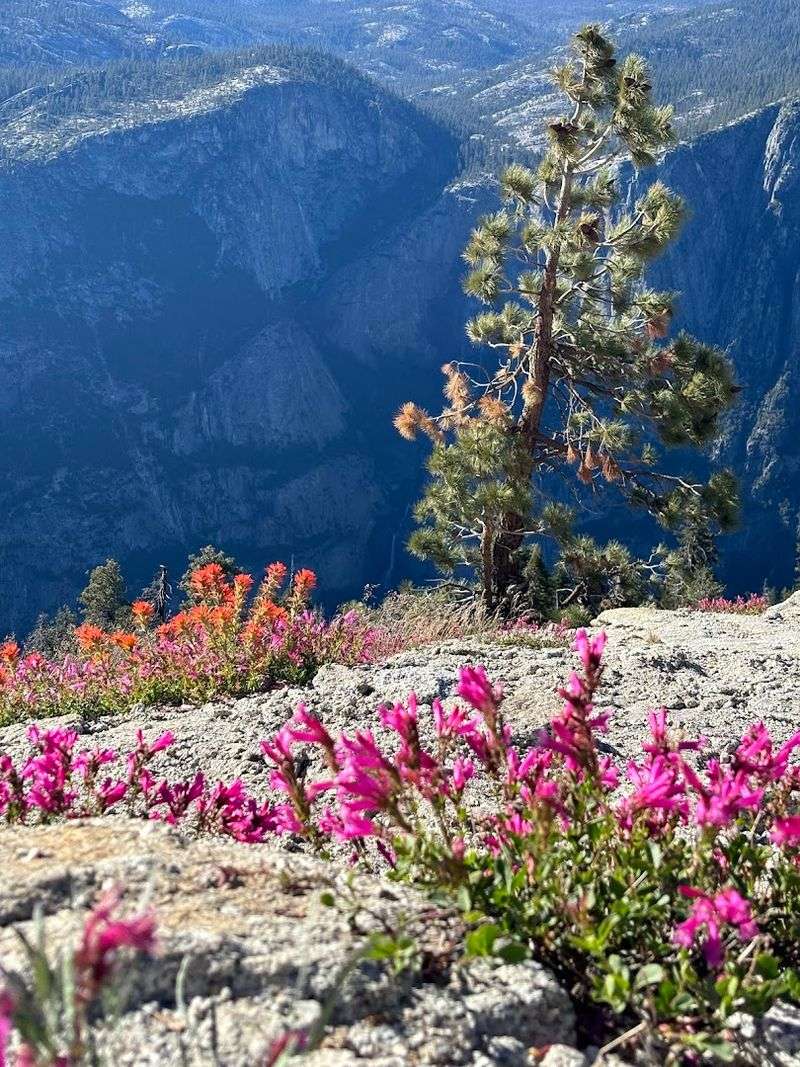
Timing a visit to Taft Point Trail requires planning around the seasonal opening of Glacier Point Road, which is the only vehicle access route to the trailhead.
The road typically opens in late May, though the exact date varies each year depending on snowpack and weather conditions.
It generally closes in October or November as winter weather returns to the higher elevations of Yosemite.
Visiting during the shoulder seasons of late spring and early fall tends to offer the most pleasant experience.
Temperatures are milder, the park crowds are somewhat reduced compared to the peak summer months, and the light quality during those periods can be exceptional for photography.
Late May visits may still encounter patches of snow near the trailhead or along the early sections of the path.
Summer visits are certainly possible and popular, but July and August bring the largest crowds to Yosemite, which means the trailhead parking lot fills quickly and the overlook itself can feel busy during midday hours.
Checking the official Yosemite National Park website for current road status and any reservation requirements before planning a trip is strongly recommended since access policies can change from year to year.
Parking And Arrival Tips
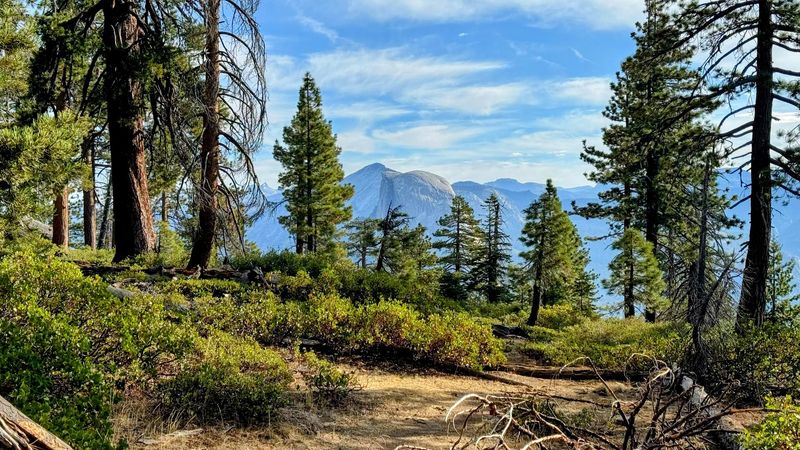
Parking at the Taft Point Trailhead is limited, and that limitation becomes very apparent during the peak summer season.
The small lot at the Sentinel Dome and Taft Point Trailhead fills up fast, often by mid-morning on busy weekend days.
Arriving before 8 a.m. gives visitors a much better chance of finding a spot without having to wait or park along the road shoulder.
On particularly busy days, the lot can reach capacity before 9 a.m., and overflow parking along Glacier Point Road is sometimes used though it narrows the road and adds extra walking distance.
Planning a weekday visit during the summer months tends to result in a noticeably quieter experience both in the parking area and on the trail itself.
Weekends in July and August are consistently the most congested periods.
Yosemite National Park requires a valid park entry pass for all vehicles, and timed entry reservations for certain areas of the park have been implemented in recent years during peak season.
Checking the reservation requirements on the official Yosemite website before the trip is essential since those requirements can shift.
Arriving prepared with the correct pass or reservation avoids delays at the park entrance and makes the start of the day much smoother.
Nearby Attractions Worth Exploring
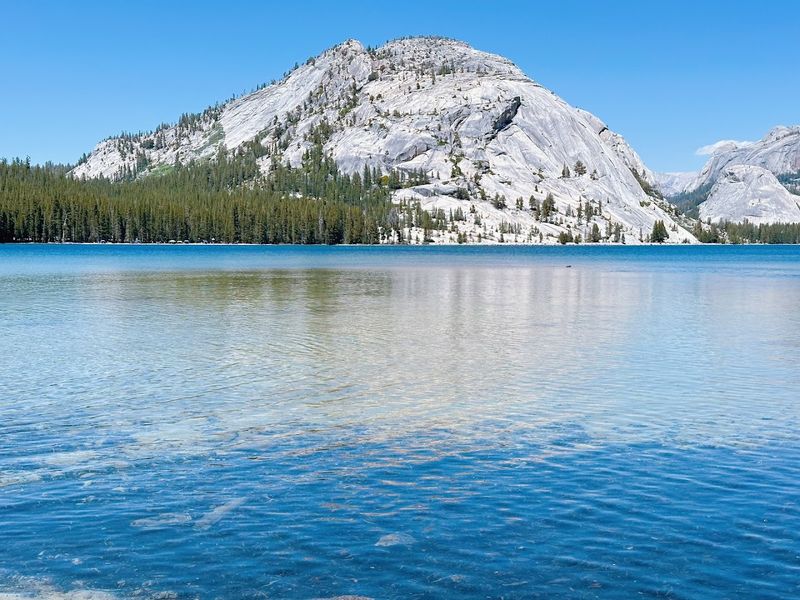
Completing the Taft Point Trail does not have to mean the end of the day’s exploration since several other notable destinations sit within easy reach of the trailhead.
Sentinel Dome is the most natural addition to a Taft Point visit, sharing the same trailhead and offering a completely different kind of view.
The dome requires a steeper climb but rewards hikers with a full 360-degree panorama of Yosemite that includes Half Dome, Clouds Rest, and the high Sierra peaks.
Glacier Point is another nearby stop that many visitors combine with a Taft Point hike, located at the end of Glacier Point Road.
The viewpoint there offers a classic perspective of Half Dome and the valley floor that is among the most photographed in the park.
A small gift shop and seasonal snack bar at Glacier Point make it a comfortable rest stop before or after the hike.
The Mono Meadow Trail is a quieter option for those who want to extend their time in the area with a more forested, contemplative walk.
Combining Taft Point with Sentinel Dome into a single loop is a popular choice that adds only modest extra mileage while dramatically increasing the variety of scenery experienced in a single outing.
Wildlife Commonly Seen Along The Trail
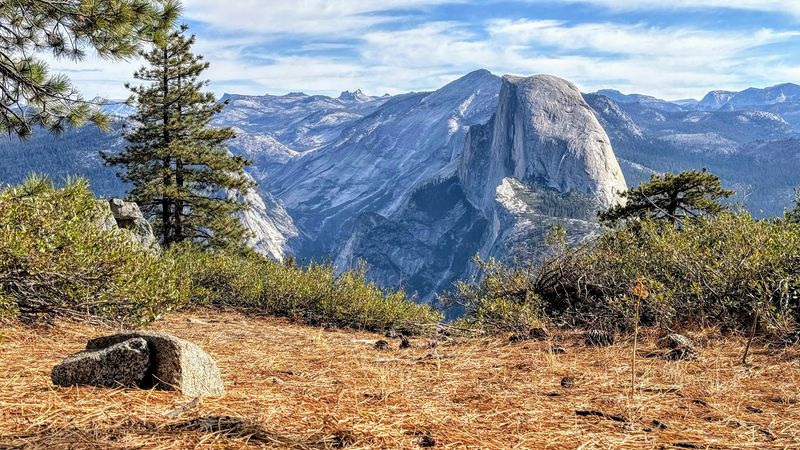
The forest sections of Taft Point Trail are quietly alive with wildlife, and paying attention to the surroundings rather than just the destination ahead can lead to memorable encounters.
Mule deer are among the most commonly spotted animals along this trail, often grazing calmly near the tree line or crossing the path without much concern for passing hikers.
Seeing one up close in the dappled forest light is a genuinely lovely moment.
A variety of bird species inhabit the mixed conifer forest along the trail, including Steller’s jays, Clark’s nutcrackers, and various woodpeckers.
Their calls fill the trees throughout the hike and add a layer of ambient life to the experience.
Smaller mammals like golden-mantled ground squirrels are also frequently spotted along the trail, though feeding any wildlife is prohibited within the park.
Keeping a respectful distance from all animals encountered on the trail is both a park rule and a matter of personal safety.
Approaching or attempting to touch wildlife, regardless of how calm the animal appears, is strongly discouraged.
Carrying binoculars on the hike allows for a closer look at birds and distant wildlife without disturbing them, which tends to result in longer and more rewarding observations for patient visitors.
Best Time Of Year To Visit Taft Point Trail
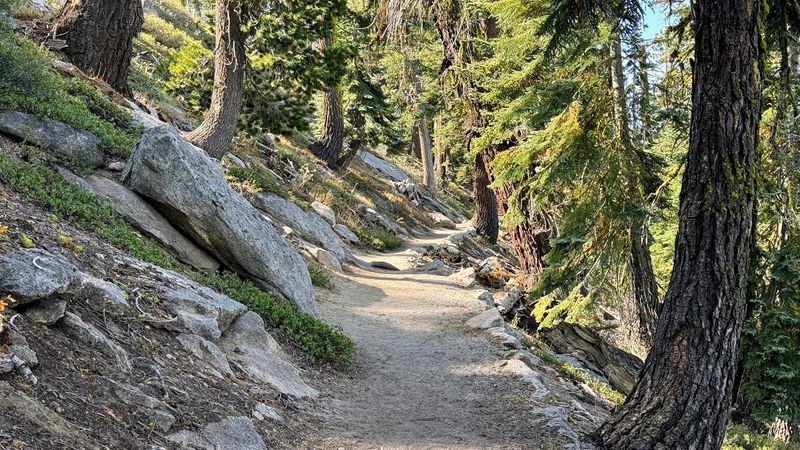
Choosing the right time of year can transform a good hike into a genuinely exceptional one.
Late spring, specifically late May and early June, brings a freshness to the trail that is hard to match, with wildflowers blooming along the path and snowmelt waterfalls visible in the distance from the overlook.
The park is busy but not yet at its absolute peak capacity during this window.
Early fall, particularly September and October, is widely considered one of the most pleasant periods to visit Taft Point.
Temperatures cool down significantly from the summer heat, the summer crowds begin to thin out, and the quality of light during those months takes on a warm golden quality that makes the granite walls of Yosemite Valley glow in the late afternoon.
Fall colors in the meadows add subtle but beautiful variety to the landscape. Midsummer visits are entirely feasible but require earlier starts and more patience with crowds.
The trail itself can feel noticeably more populated during July and August, and the midday heat at the exposed overlook can be intense without shade.
Starting the hike by 7 a.m. during summer months allows visitors to reach Taft Point before the heat builds and before the majority of day hikers arrive at the trailhead.