You Need To Visit This Beautiful Hidden Beach In California Immediately
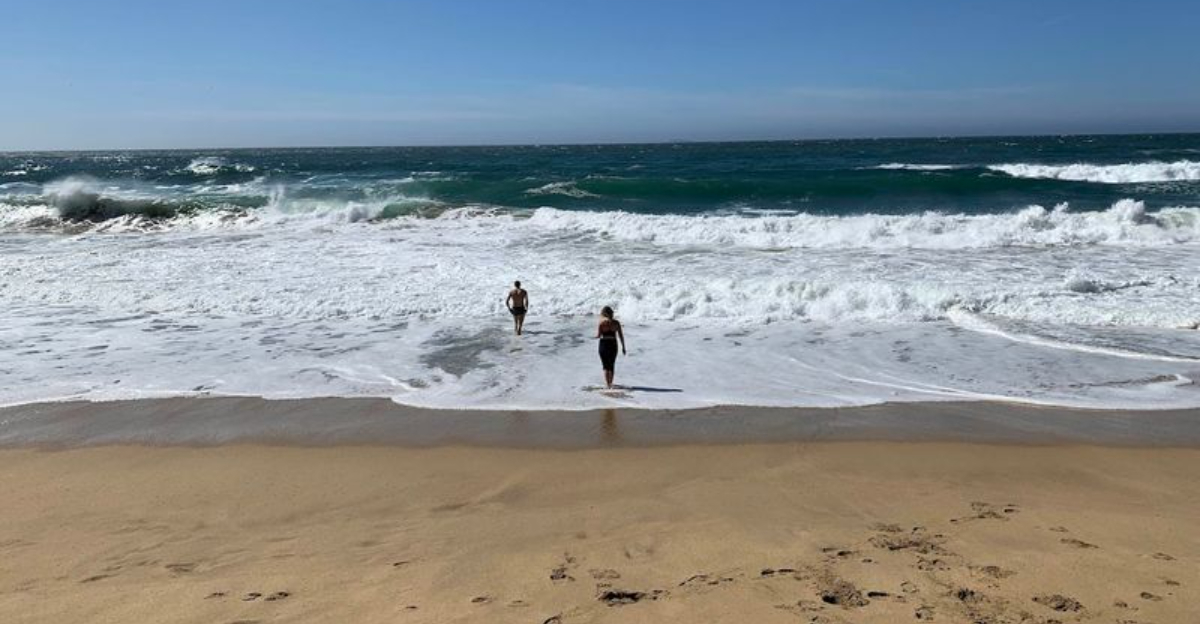
Hidden beaches carry a certain kind of pull because they feel half protected, half whispered about.
A stretch of coast in California offers that rare, tucked-away beauty people always hope still exists. Reaching it can shift the whole mood before the sand even comes into view.
Noise falls off, the air feels softer, and the shoreline seems to appear with a kind of quiet confidence that makes bigger, busier beaches fade from memory fast.
Beauty lands differently in a place like this because it feels earned. A cove, a path, a sudden opening to water and light, all of it works together to make the moment feel a little unreal.
Urgency comes naturally here. Once you know a beach like this exists, putting it off starts to feel like a mistake.
It Really Does Feel Hidden
Not every beach that gets called hidden actually earns that label, but Gray Whale Cove comes close to deserving it.
Sitting along the San Mateo Coast north of Montara on Highway 1, the cove does not announce itself with a grand entrance or a visible stretch of sand from the road.
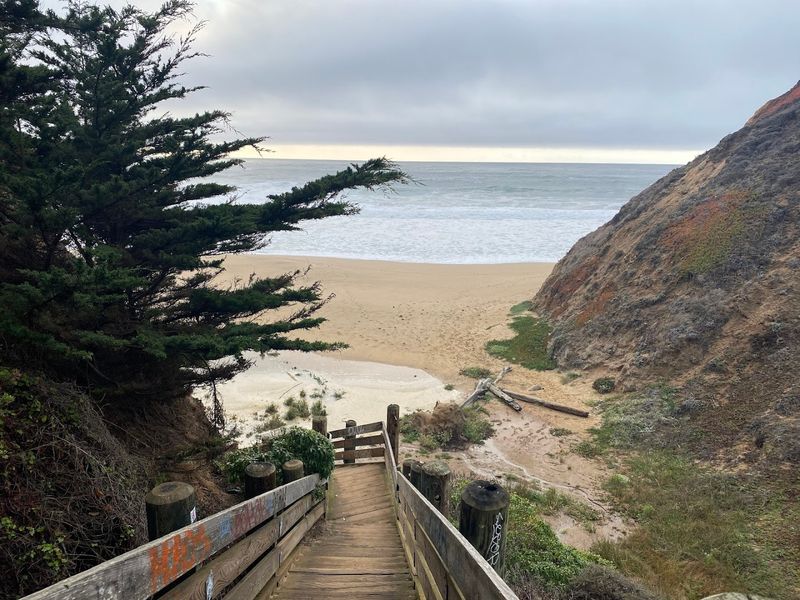
Parking sits on the east side of Highway 1, away from the ocean, and visitors must cross the highway carefully before finding the stairway that leads down to the sand.
That crossing, combined with the bluff blocking any immediate view of the beach below, gives the whole experience a sense of genuine discovery.
The stairway itself counts around 152 steps, and the descent through the cliff face adds to the feeling that the beach exists in its own separate world.
Blind curves on the highway make the road crossing the most serious part of the visit, so timing and caution matter here more than at most beach stops.
Once down at the sand, the noise of traffic fades and the sound of the waves takes over completely.
The Cliffs Make The Whole Beach Feel Dramatic
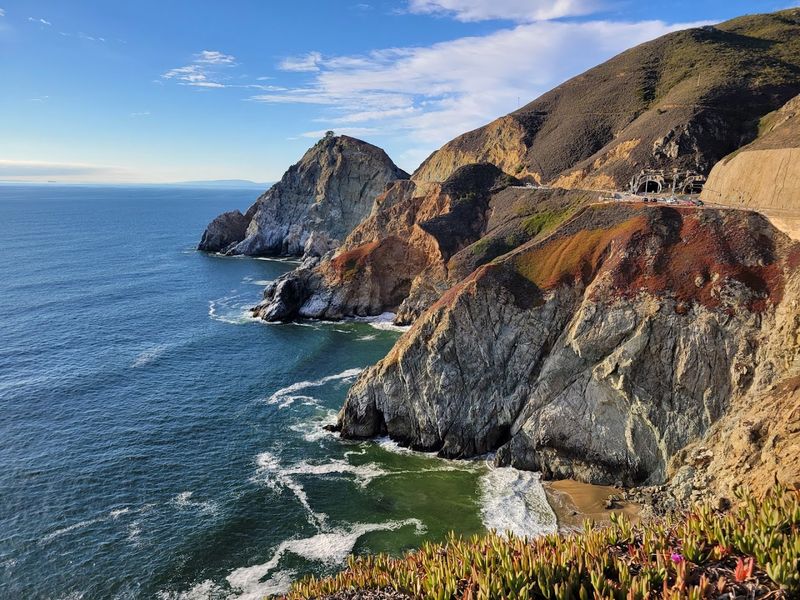
Tall coastal bluffs wrap around the cove on multiple sides, creating a sheltered, almost enclosed setting that looks nothing like the wide-open stretches found at more popular California beaches.
That natural enclosure is one of the most immediate things visitors notice when they reach the bottom of the stairs.
The cliffs block a good amount of wind, which means the sand stays noticeably warmer and calmer than the bluff above.
On sunny days, the combination of warm sand, reduced wind, and dramatic rock walls overhead makes the cove feel genuinely comfortable in a way that exposed Northern California beaches often do not.
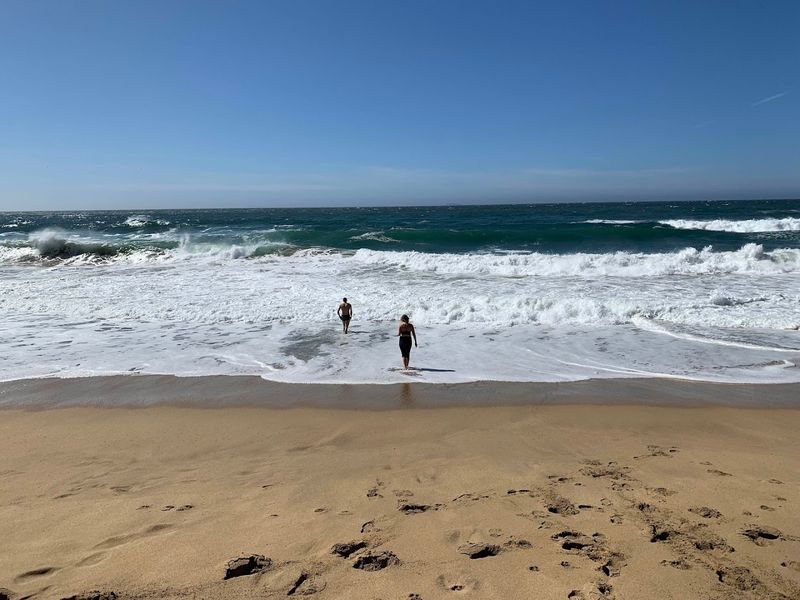
Rocky outcroppings extend along the beach edges, and waves crash against them with enough force to send spray into the air.
The visual contrast between the rough dark cliffs, the white foam of breaking waves, and the blue-green water creates a setting that photographs well but also just feels good to sit inside.
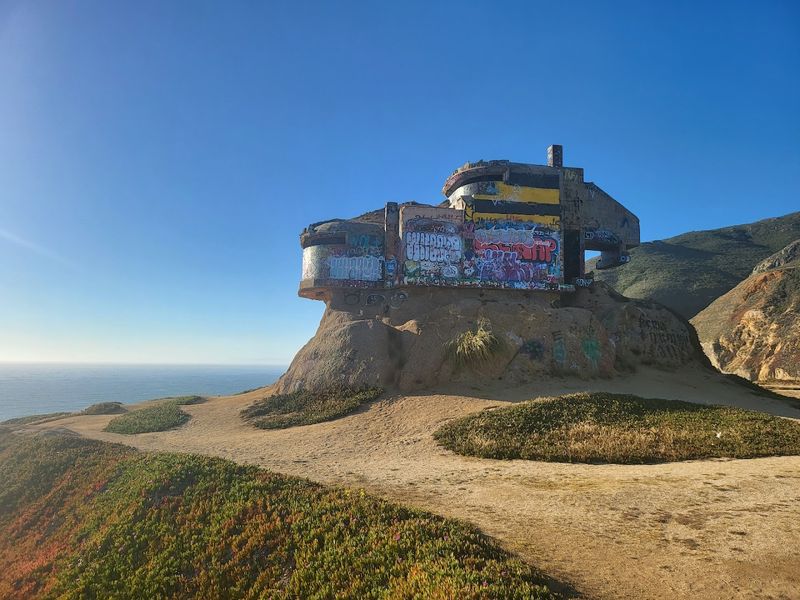
A World War II-era bunker sits visible on the bluff above, adding an unexpected historical layer to the scenery that most visitors notice and appreciate once pointed out.
The Water Color Is A Major Part Of The Appeal
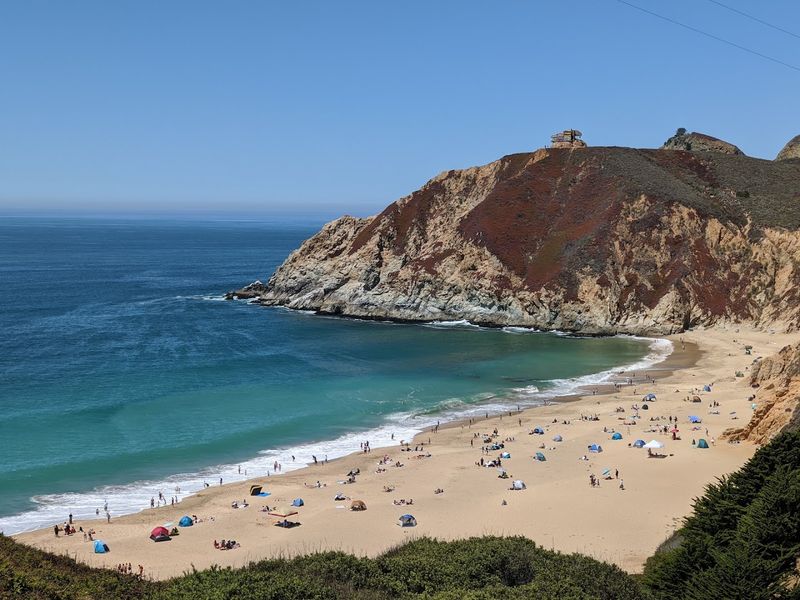
California State Parks specifically highlights the turquoise water at Gray Whale Cove, and that distinction holds up on clear days when the color becomes one of the first things that catches the eye from the bottom of the stairs.
Northern California beaches do not always offer that kind of color, which makes it feel like a small surprise.
The sheltered position of the cove may contribute to the water appearing calmer and clearer than nearby open-coast beaches.
That clarity, combined with the angle of sunlight bouncing off the sandy bottom in shallower areas, produces the blue-green tone that makes the beach feel almost tropical in photographs.
Strong wave action remains a real factor here despite the visual calm of the water.
Visitors who have entered the water have described the waves as surprisingly powerful, and the current near the rocks can be unpredictable.
Wading and watching from the shore tend to be the most common ways people experience the water, and even that level of contact gives a clear sense of how cold and energetic the Pacific stays along this stretch of coast year-round.
Gray Whales Can Often Be Seen Close to Shore
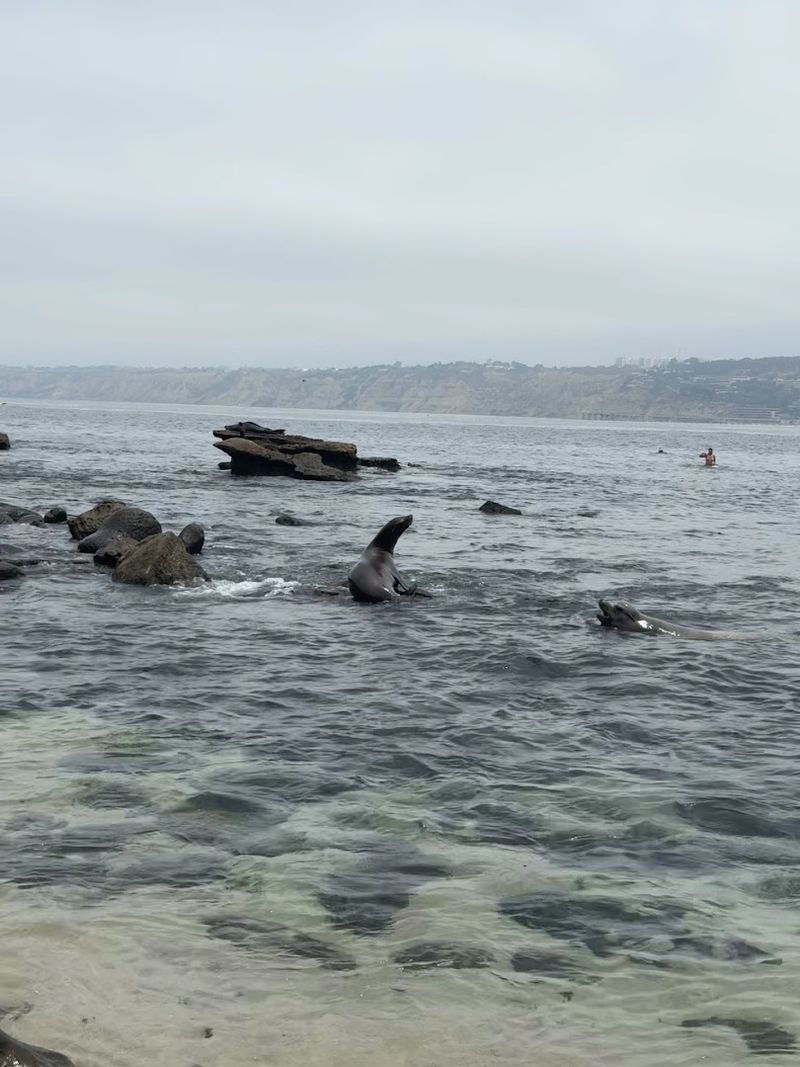
The name of this beach is not just a creative choice.
California State Parks notes that gray whales can often be seen migrating close to shore here, and the elevated bluff overlook above the beach provides one of the better natural vantage points for spotting them along the San Mateo Coast.
Gray whale migration generally runs from December through May, with southbound whales traveling toward Baja California in winter and northbound whales returning toward Alaska in spring.
The bluff position above the cove allows visitors to scan a wide section of the ocean without needing any special equipment, though binoculars can help during peak migration weeks.
Even outside migration season, the overlook rewards patient watchers with views of seabirds, harbor seals, and other marine life that move through this section of the coast regularly.
The combination of a sandy beach below and a whale-watching perch above gives the spot two very different but equally worthwhile ways to spend time.
Visiting on a clear weekday morning tends to offer the quietest conditions for watching the water without distraction from other beach activity.
The Bluff Picnic Area Adds A Quieter Moment Before Heading Down
Before committing to the stairway descent, a small picnic area sits on the bluff above the beach and gives visitors a chance to pause, take in the view, and settle into the pace of the place.
That detail makes the stop feel more layered than a simple beach access point.
The bluff-level view on its own is worth a few minutes.
From that height, the full shape of the cove becomes visible, the water color reads more clearly, and the scale of the cliffs surrounding the beach makes more sense than it does from sea level.
Watching the waves from above before walking down creates a kind of preview that builds anticipation naturally.
No water is available at the beach or the picnic area, so bringing enough to drink is essential before leaving the car.
There are no restroom facilities on site either, which is worth factoring into planning especially for visits with children.
The picnic area also serves as a good resting spot on the way back up after the stair climb, which most visitors agree feels noticeably longer on the return trip than it did going down.
The Nearby Trail Adds A Second Reason To Visit
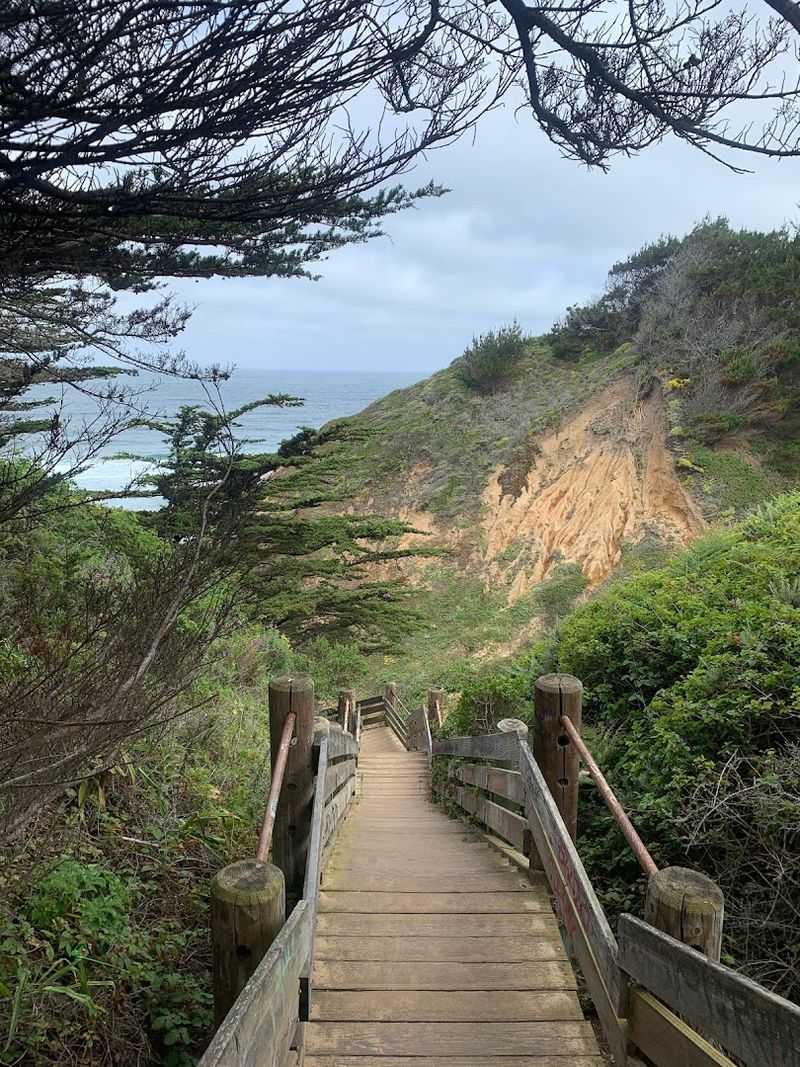
Gray Whale Cove Trail gives the area more range than just sand and surf, making it a practical stop for visitors who want more than a quick beach visit.
State Parks guided hike descriptions outline a moderate two-mile route with ocean views, coastal plants, and bird activity along the way.
The trail also passes visible traces of the old Ocean Shore Railroad and World War II-era bunkers, giving history-minded walkers something concrete to look for beyond the scenery. Those remnants add context to the landscape and make the walk feel more interesting than a standard coastal loop.
Some sections of the trail are steep and narrow with unstable footing, so appropriate footwear matters more here than on a flat beach walk.
The trail is not stroller-friendly and can be challenging for visitors with limited mobility, so checking current trail conditions before visiting is a reasonable step.
Foot and bike traffic share parts of the route near the tunnel area, so staying alert and giving space to other trail users keeps the experience smooth for everyone. Combined with the beach itself, the trail turns a short stop into a full half-day outing without needing to drive anywhere else.
Spring Turns The Cove Into A Full Coastal Outing
Salt air gives the spring version of Gray Whale Cove a softer, slower feeling than the busier warm-weather months, especially when the hillsides begin trading their winter green for patches of seasonal color.
Fog may drift over the bluffs early in the day, then lift just enough to reveal wildflowers along the trail, flashes of blue-green water below, and the curved shoreline sitting quietly between the cliffs.
That changing light makes the area feel different from hour to hour, which is especially helpful for visitors who want photos without relying on the same standard beach angle.
Spring also makes the walk above the beach feel more rewarding, because the scenery is not limited to the ocean view alone.
Native plants, birds, shifting clouds, and the possibility of whale sightings all work together to make the visit feel layered instead of brief.
A picnic stop before or after the stairs can become part of the experience too, giving visitors time to look over the cove, watch the water, and notice details they might miss during a quick summer beach stop.
For anyone building a day around the San Mateo Coast, this is the season when Gray Whale Cove feels most complete.
Coastal Weather Keeps The Visit Feeling Wild
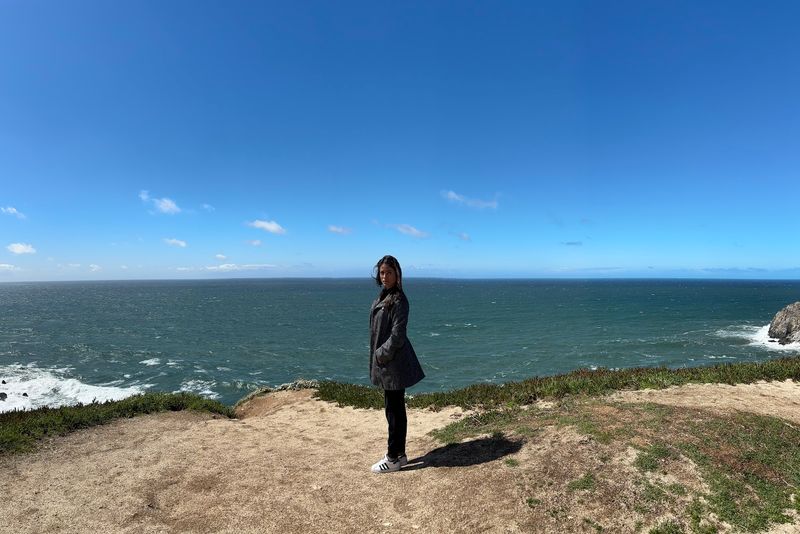
Marine air can make the beach feel cool even when inland towns nearby are much warmer, so layers are a smart move for spring visits.
One minute can feel bright and calm, then the breeze can shift and remind everyone that this is still the San Mateo Coast, not a sheltered Southern California cove.
That changeable weather actually works in the beach’s favor, because it keeps the mood wild and unpolished rather than overly polished or resort-like.
Morning fog can leave the stairway, bluff paths, and nearby trail sections feeling damp, so shoes with decent grip make the visit easier and more comfortable.
Sun can also break through quickly along this stretch of coast, which makes a hat, sunscreen, and extra water worth bringing even on a day that starts out gray.
A little preparation helps visitors stay longer, explore more comfortably, and enjoy the beach without rushing back up the stairs sooner than planned.
Gray Whale Cove feels more memorable when people arrive ready for shifting coastal conditions, because the changing weather is part of what gives the place its rugged, hidden-away personality.