You’re Missing Out On These 10 Underrated Wisconsin Towns
I have a weakness for towns that make you say, “Wait, why haven’t more people told me about this?”
Wisconsin has small communities where unusual traditions, waterfront adventures, local history, and wonderfully unexpected attractions make detours very easy to justify.
One might pull you in with heritage and architecture. Another wins the weekend with outdoor recreation, festivals, galleries, or food worth remembering.
That variety is exactly why these places deserve attention.
They are not trying to offer identical versions of small-town charm. Each gives you a different reason to stop the car and stay awhile.
The hardest part may be deciding which overlooked dot on the map gets Saturday.
1. Cedarburg
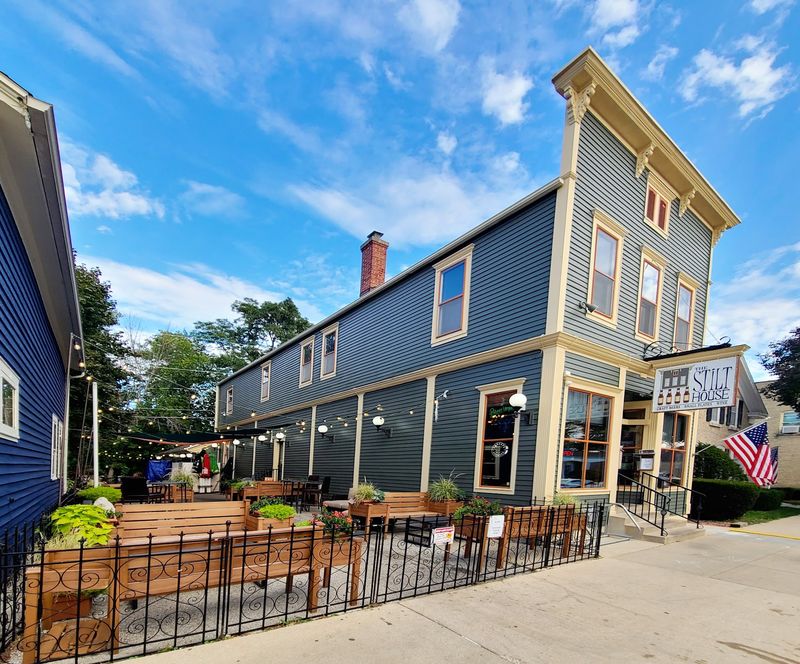
A short drive north of Milwaukee hides one of the prettiest downtowns in the Midwest. Cedarburg lines its streets with sturdy stone buildings from the 1800s. The whole historic district sits on the National Register of Historic Places.
Cedar Creek Settlement anchors the shopping scene with galleries and specialty stores inside old mill structures. Craft wineries here pour local flavors and explain how the grapes become something worth sipping. Art lovers can spend hours poking through studios.
Festivals fill the calendar all year long. The Strawberry Festival draws big crowds each summer, while the Wine and Harvest Festival takes over in fall. Both turn the main street into a busy party.
Just outside town stands the Cedarburg Covered Bridge, the last remaining covered bridge in the state. Photographers love it, especially when leaves turn gold. Bring your camera and a little patience.
Lion’s Den Gorge Nature Preserve sits along Lake Michigan with dramatic cliffs and wide water views. Hikers and picnic packers both find plenty of room. The paved Ozaukee Interurban Trail rolls right through town for easy biking.
History fans should stop at the Cedarburg History Museum and the Wisconsin Museum of Quilts and Fiber Arts. Both explain how this community grew. Few weekend escapes mix old stone, fresh art, and open trails this smoothly.
2. Bayfield
Are you seeing what I’m seeing, or does that harbor really lead to twenty-one islands? Far northern Wisconsin holds Bayfield, a lakeside community perched on the shores of Lake Superior. It serves as the main launching point for Apostle Islands National Lakeshore.
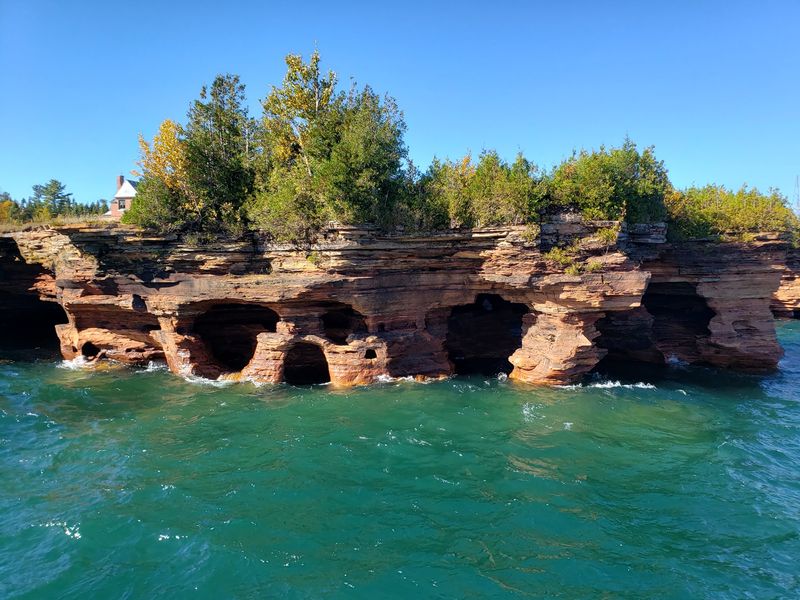
Kayakers paddle into mainland sea caves carved by centuries of waves. Hikers trade the boat for island trails and quiet beaches. The water stretches so far it looks like an ocean.
Downtown keeps its historic look with independent shops and eateries along a few walkable blocks. Maritime history shows up in nearly every building and story here.
Boat tours run daily during warm months, showing off shoreline cliffs and island lighthouses.
Anglers and sailors have plenty of options too. Charters head out for fishing, while sailboats catch the steady breeze off the big lake. Bring a jacket, since Superior stays cool even in July.
Festivals throughout the year celebrate the town’s lakeside culture and orchard harvests. Autumn might be the smartest time to arrive, when the hillsides above the water blaze orange and red. Ferries also run to Madeline Island for a quick side trip.
Anyone craving big scenery and fresh air will remember this northern harbor long after the drive home.
3. Mineral Point
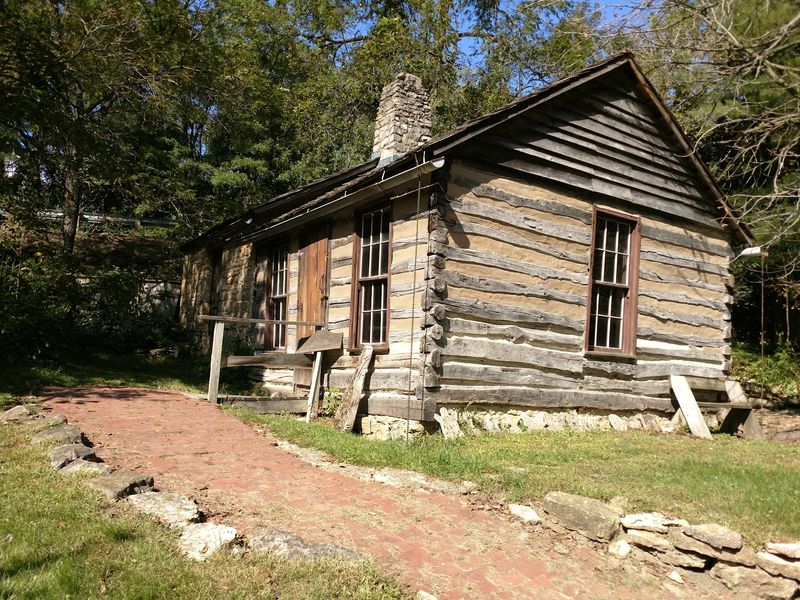
My jaw dropped when I learned Cornish miners built stone cottages here in the 1830s. Mineral Point sits in the Driftless Area of southwestern Wisconsin. Its Cornish heritage still shows up in the architecture and local traditions.
Pendarvis Historic Site preserves some of those earliest miners’ homes. Guides explain how families from Cornwall arrived to dig lead and lived in tiny limestone row houses. The tour makes the 1800s feel surprisingly close.
Stroll the streets and you will pass restored stone buildings that now hold galleries, working studios, and artisan shops. Potters, painters, and metalsmiths all set up here. Creative energy runs strong for a town this size.
Locals take preservation seriously, and it shows in the careful upkeep of nearly every block. That effort earned the town a reputation as one of the state’s great historic districts.
Rolling hills and deep valleys surround everything, since glaciers never flattened this corner of Wisconsin. Country drives here reward slow speeds and open windows. Gentle hikes and back-road cycling suit almost any fitness level.
Combine an afternoon of art browsing with a lesson in mining history, then finish by watching the sun drop behind the ridges. Old stone and new ideas share the same streets remarkably well.
4. Stockholm
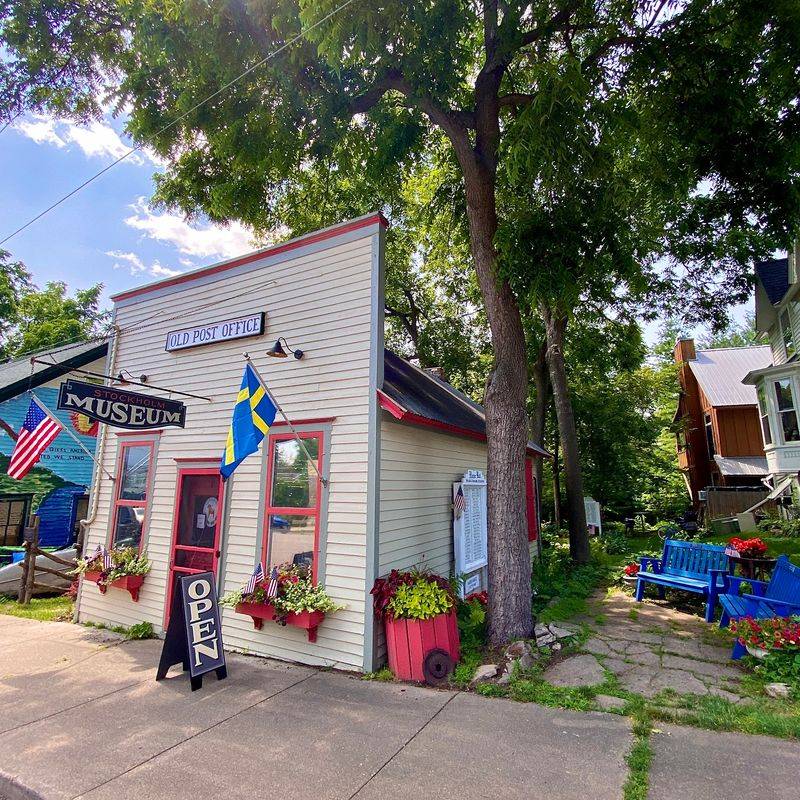
I was so happy when I found a village this small with this much personality. Stockholm rests on the Mississippi River in western Wisconsin. It sits along Lake Pepin, the widest natural stretch of the whole river.
Swedish immigrants founded the settlement back in the 1850s. Nordic roots still shape the shops, which sell handmade crafts and Scandinavian-inspired gifts. You can walk the entire village in about fifteen minutes.
The Stockholm Pie and General Store draws people from several states. Slices come in dozens of flavors, and yes, arriving early is smart advice.
Lake Pepin invites boating, fishing, and paddling on calm mornings. Sailboats drift by while herons work the shallows. Rentals are easy to arrange in the warmer months.
Maiden Rock Bluff State Natural Area rises just outside town, with limestone cliffs climbing more than 400 feet above the water. Hikers and birdwatchers scan for eagles riding the updrafts. The overlook alone justifies the drive.
Everything sits along the Great River Road National Scenic Byway, which makes this an easy stop on a longer river route.
Autumn turns the surrounding bluffs into a wall of color. Find the pie counter at N2030 Spring St, Stockholm, WI 54769, then linger by the water.
5. Ephraim
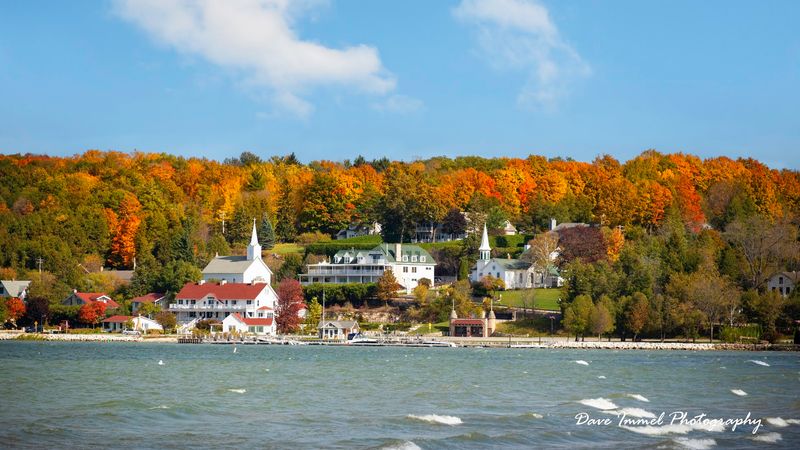
I did not expect an entire village painted white from end to end. Ephraim curves along the Green Bay shoreline in Door County. Views stretch across the water toward Eagle Bluff Lighthouse and Horseshoe Island.
Norwegian Moravians founded the community in 1853. Strict local rules have protected its historic look ever since, which explains all those century-old buildings still standing tall.
The Moravian Church, the Pioneer Schoolhouse, and the Anderson Store remain in use and open to guests. Each one tells part of the settlement story. Guided walks connect the landmarks in an easy loop.
Eagle Harbor stays calm and protected, making it ideal for beginners on the water. Rentals include pontoon boats, paddleboards, kayaks, and sailboats. Even nervous paddlers find their confidence here.
Every June the village lights up for Fyr Bal, a festival honoring Norway’s Midsummer’s Eve traditions. Bonfires glow along the shore as the sun sets late. Reserve lodging early, because rooms fill fast.
Peninsula State Park sits practically next door with miles of hiking trails and bluff-top overlooks. Cyclists love the shoreline routes. Stop by the Ephraim Historical Foundation at 10005 Norway St, Ephraim, WI 54211 to fill in the rest of the story.
6. New Glarus
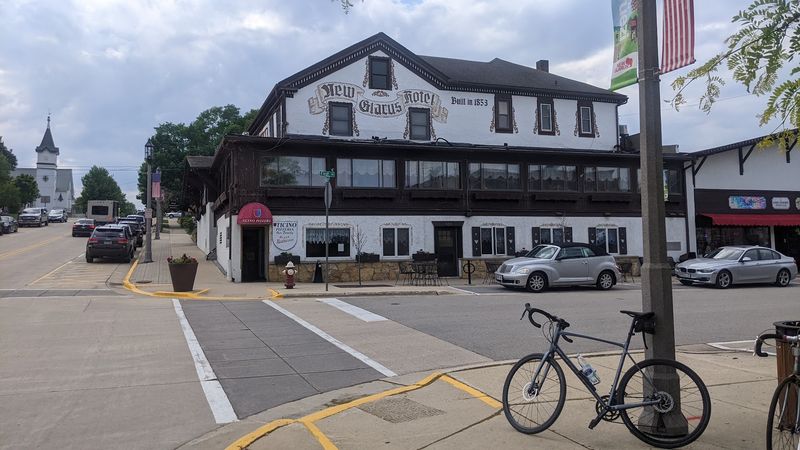
New Glarus goes by the nickname America’s Little Switzerland. Rolling hills surround the whole village.
Swiss settlers from the Canton of Glarus arrived in 1845 and never let go of their traditions. Downtown buildings wear chalet-style trim, hand-painted murals, and flower boxes stuffed with blooms. Photographers get busy fast.
Festivals carry the culture forward all year. Swiss Volksfest, the Wilhelm Tell Festival, and Oktoberfest bring traditional music, dancing, and costumes into the streets. Yodeling really does happen here.
Food matters enormously in Swiss tradition, and local eateries serve classics like rosti and cheese fondue. Bakeries turn out pastries worth an early wake-up call.
The Swiss Historical Village and Museum spreads across 14 buildings, including an 1850s log cabin and an 1890s cheese factory.
Displays explain how immigrant families built a dairy economy from scratch. Kids usually gravitate toward the old schoolhouse.
Cyclists can pedal the nearby Sugar River State Trail, an old rail line converted into a smooth crushed-limestone path.
Tours also run at the New Glarus Brewing Company, located at 2400 WI-69, New Glarus, WI 53574. No passport required for this Alpine detour.
7. Spring Green
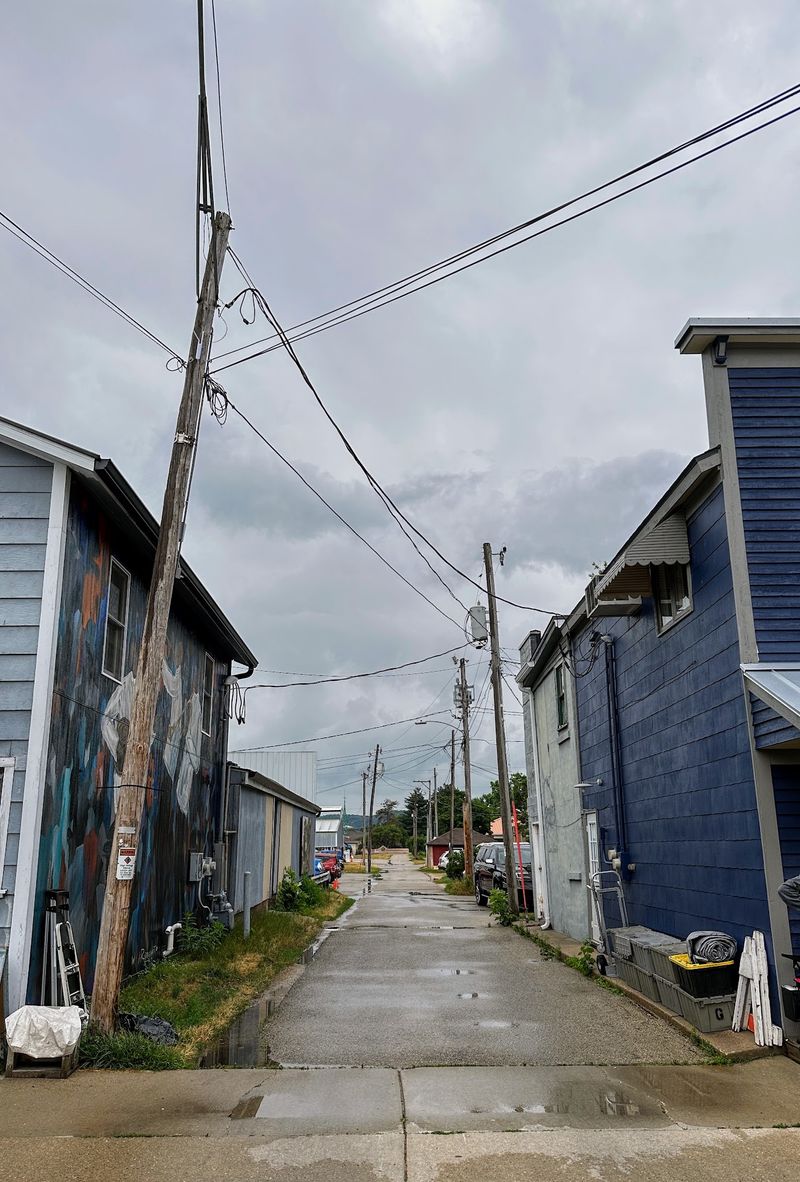
One small town holds a UNESCO World Heritage Site and a 200-foot sea creature sculpture.
Spring Green anchors the culture scene in Wisconsin’s unglaciated Driftless Region. Hills, valleys, and limestone outcrops replace the flat farmland found elsewhere.
Frank Lloyd Wright built his Taliesin estate on these slopes. Guided tours walk through the famous architecture and the landscape that shaped his ideas. Book tickets ahead during peak summer weeks.
The House on the Rock delivers something completely different, an eccentric museum crammed with oddball collections. That enormous sea creature stretches through one whole gallery. Plan several hours to see it all.
American Players Theatre stages classical plays in an outdoor amphitheater tucked into the woods. Performances run through the warmer months. Bring a cushion and bug spray for the hillside seats.
Outdoors, Tower Hill State Park preserves a historic shot tower and smelting house from the lead-mining era. Governor Dodge State Park adds more trails and swimming beaches nearby.
The Wisconsin River flows past sandstone bluffs, and paddlers float it by kayak, canoe, or inner tube. Sandbars make excellent lunch stops on hot afternoons.
Taliesin sits at 5607 County Rd C, Spring Green, WI 53588, a fine starting point for the whole area.
8. Sister Bay
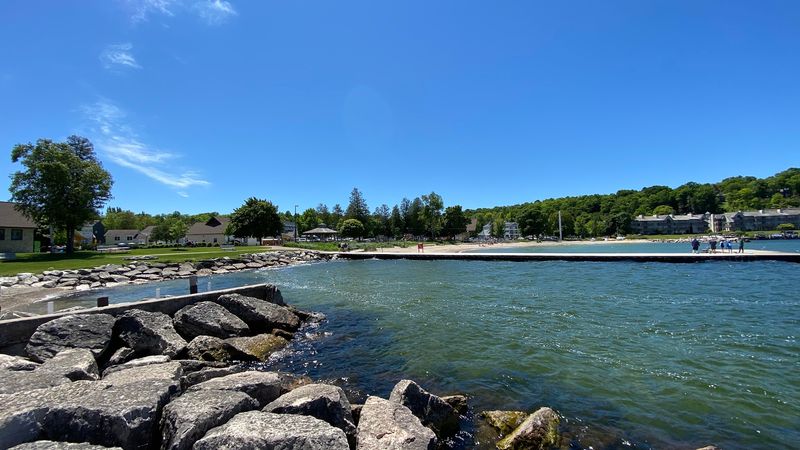
Just imagine for a second, goats casually munching grass on a rooftop while you eat breakfast below. Sister Bay stretches along the sunset-facing shore of Green Bay in Door County. Nordic heritage runs through the whole village.
Al Johnson’s Swedish Restaurant made those roof-grazing goats famous. The animals climb up from May through October, and the tradition has become the town’s unofficial mascot.
Nearly 1,900 feet of public waterfront gives everyone room to stroll, swim, or simply watch the sun drop into the bay. The beach at the waterfront park stays shallow and warm. Kayak and paddleboard rentals sit right there.
Summer evenings bring outdoor concerts and movies in the park. Families spread blankets on the grass while boats bob in the marina. The whole scene runs at a relaxed pace.
A short drive reaches Peninsula State Park, where trails climb to coastal overlooks and the historic Eagle Bluff Lighthouse stands guard. Cyclists can loop the park roads in an easy afternoon.
History buffs should stop at the Corner of the Past Historical Museum for a look at early settlement life. Find the goats at 10698 N Bay Shore Dr, Sister Bay, WI 54234. Rooftop livestock and golden sunsets make an unbeatable combination.
9. Bayfield’s Neighbor: Cornucopia
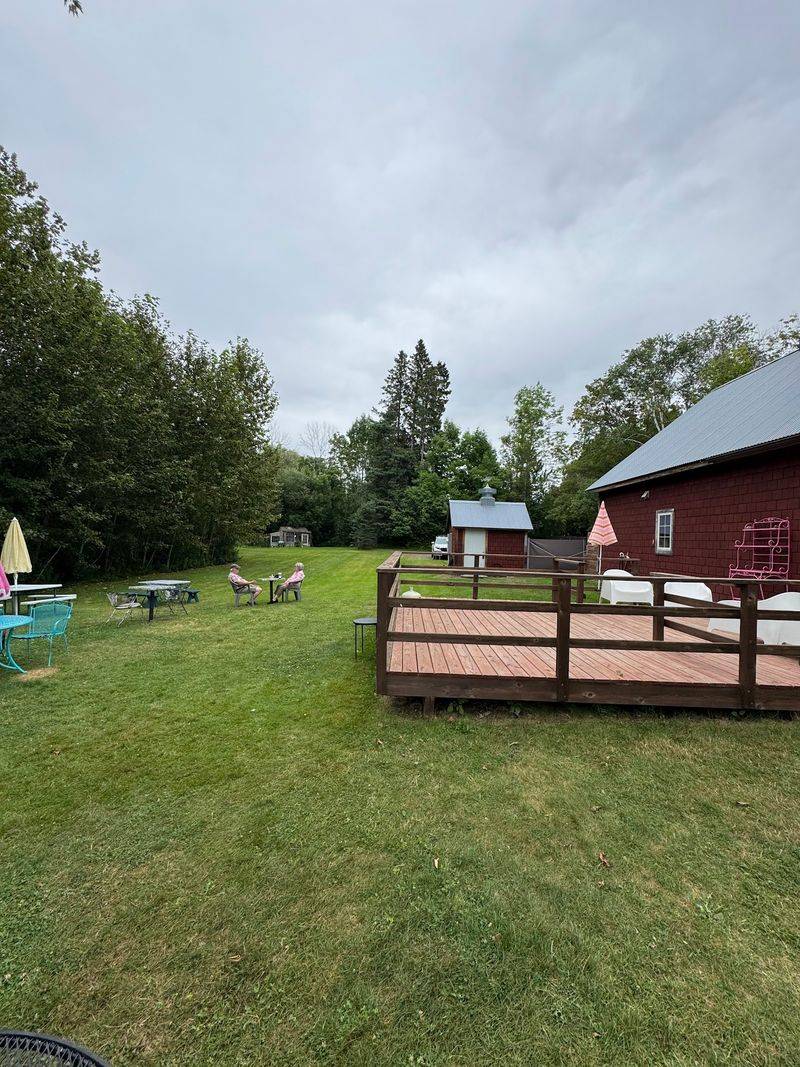
Sounds too good to be true, but Wisconsin’s northernmost community holds barely a hundred residents.
Cornucopia sits on the Lake Superior shore west of the Apostle Islands. Locals shorten the name to Corny, which suits the friendly mood.
The tiny harbor fills with fishing boats and a handful of weathered shacks painted bright colors. Photographers show up for sunsets that spill orange across the water. Sunset here arrives later than almost anywhere else in the state.
Sandy beaches stretch along the shoreline, unusual for a coast known mostly for rock. Swimmers brave the chilly water in August. Beachcombers hunt agates and driftwood the rest of the year.
Winter transforms the area completely when ice forms along the mainland sea caves. In safe years, hikers walk out to frozen chambers hung with icicles. Always check ice conditions before heading out.
A few small shops, a bakery, and a smoked fish counter handle most needs. The pace stays unhurried no matter the season.
Highway 13 runs right along the lake, making this an easy stop on a scenic loop around the peninsula. Kayakers launch from the marina toward quiet stretches of shoreline. Small towns rarely deliver views this generous.
10. Elkhart Lake
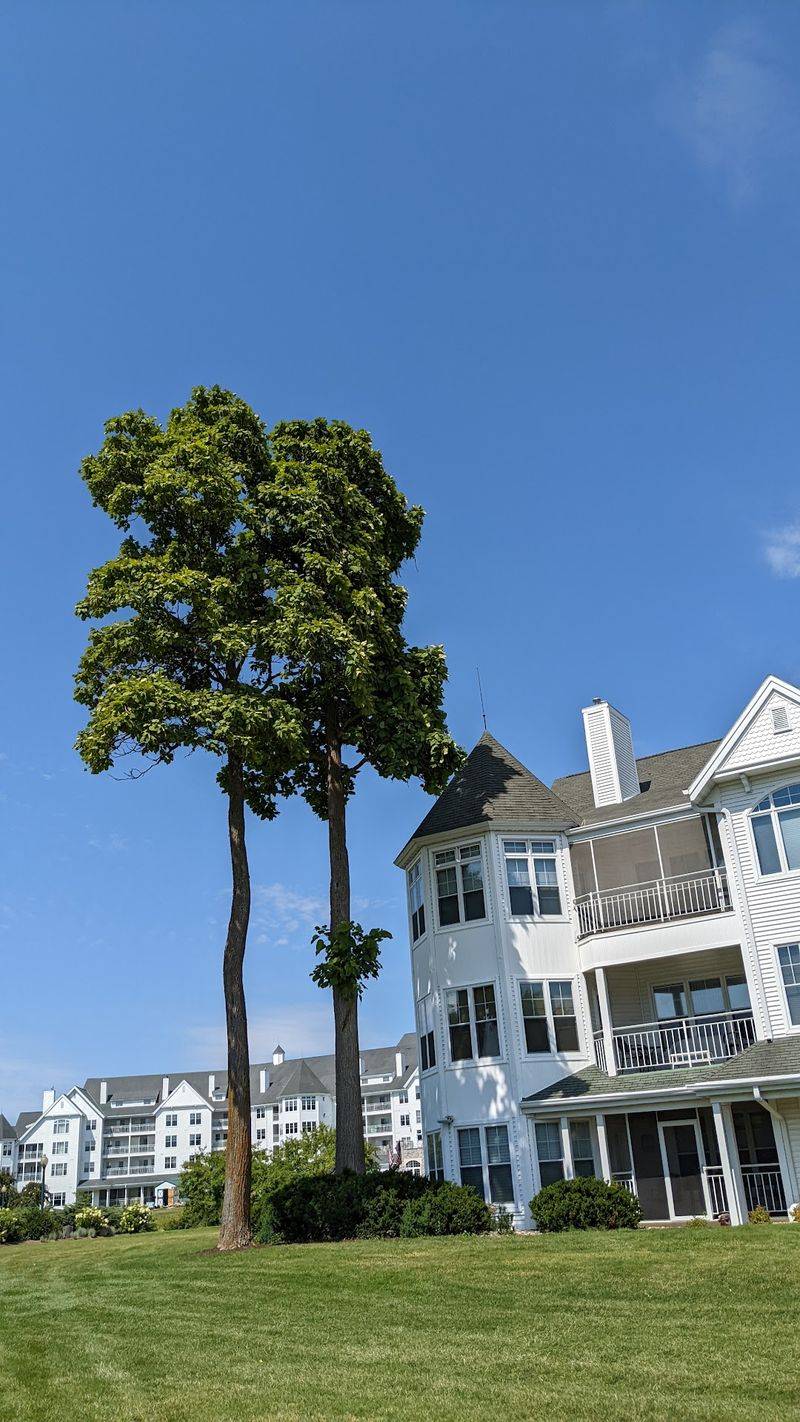
Louder for the people in the back: a spring-fed lake and a legendary racetrack share the same small village. Elkhart Lake sits in Sheboygan County, surrounded by kettle moraine hills. Glaciers shaped everything you see here.
The lake itself is deep, clear, and fed by underground springs. Swimming, sailing, and paddleboarding fill summer days. Public beaches make access simple even without a boat.
Road America draws motorsport fans from across the country with its four-mile racing circuit. Race weekends buzz with engines and grandstand crowds. On quiet days, guided track tours let you ride the course.
Downtown keeps a resort-era look from the early 1900s, when trains brought city families north for the summer. Historic hotels still welcome guests today. Ice cream counters and boutiques line the short main strip.
Cyclists tackle the rolling routes through the Kettle Moraine State Forest Northern Unit nearby. Autumn colors here rival anything up north. Trails suit both hikers and mountain bikers.
Winter brings cross-country skiing and quiet lakeside walks once the crowds leave. Spa resorts stay open all year for anyone wanting a slower weekend.
Racing history and clear water rarely share a zip code, which makes this village a genuinely unusual Wisconsin find.