Young Adults Are Giving This Underrated California City A Serious Look
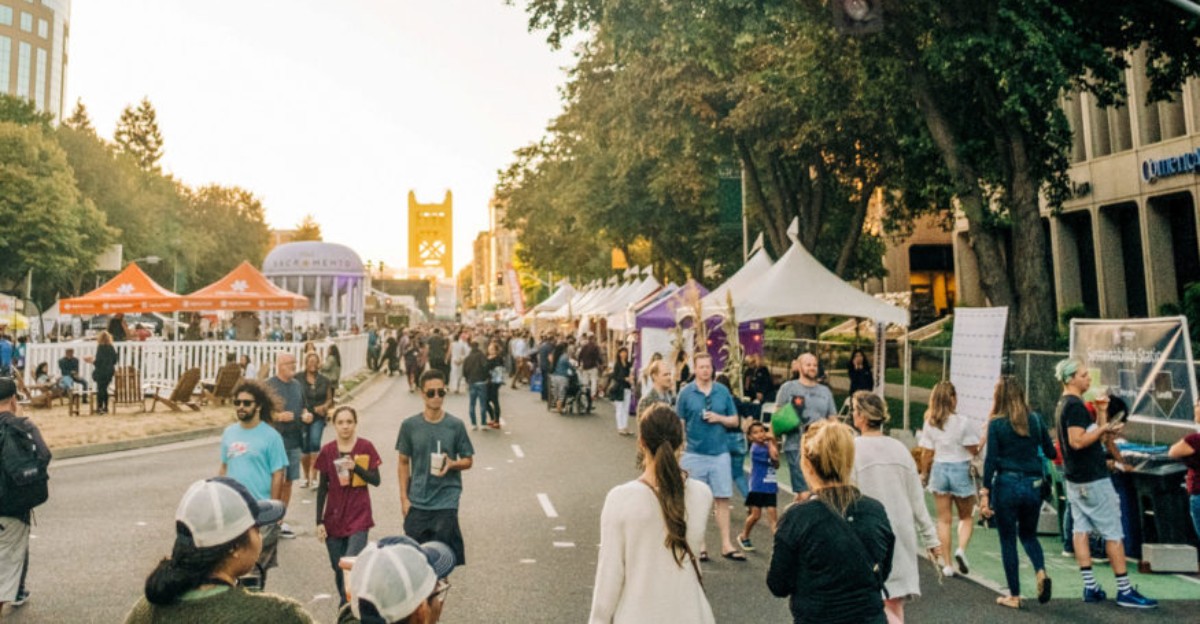
Picking a city to build a life in gets complicated fast. Jobs matter, housing matters, and so does having enough going on that Tuesday night does not feel like a weekly punishment.
One underrated city is starting to make a convincing case for itself.
It offers the energy young adults want without demanding that every free weekend revolve around escaping somewhere more interesting.
For young adults weighing their options in California, one overlooked city is becoming increasingly difficult to dismiss.
Part of the appeal is balance.
A place can have restaurants, neighborhoods with personality, outdoor escapes, and career opportunities without feeling like daily life has to become a constant competition for space and money.
That combination can matter more than having the trendiest ZIP code.
The biggest surprise may be how quickly a city you barely considered starts checking boxes once you actually look beyond the usual destinations.
Housing Is More Attainable Than In Many Major California Coastal Cities
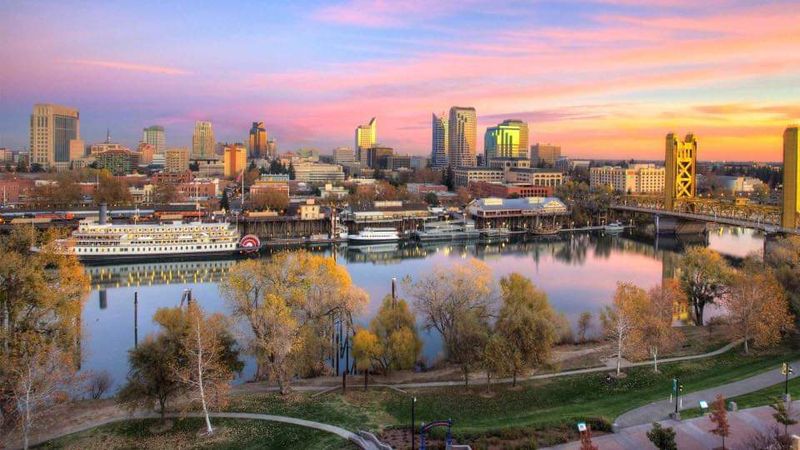
Rent day can feel a lot less scary when the number on the check is smaller.
Recent market data placed the median home price in the capital city near 480,000 to 510,000 dollars in 2026. The Bay Area median sat around 1.3 million dollars during a similar stretch, so the gap is large.
Renters may notice the difference too. Average apartment rent in the city landed close to 1,900 dollars a month in late 2026.
One-bedroom units averaged roughly 1,680 dollars, while two-bedroom units averaged about 1,950 dollars.
Similar two-bedroom apartments in the Bay Area often ranged from about 3,200 to 4,400 dollars a month.
Overall living costs are commonly estimated at 10 to 20 percent below Bay Area cities. That savings can show up in groceries, dining out and everyday errands.
Affordable does not mean cheap, though. Homes sold in about 23 days on average during part of 2026, and buyers often faced several offers.
Renters in the county were advised that a household income near 86,000 dollars could be needed to comfortably cover median rent. Local help does exist for people who qualify.
The Sacramento Housing and Redevelopment Agency runs programs such as the Welcome Home Program, which offers renovated single-family homes to eligible buyers.
The Job Market Extends Well Beyond State Government
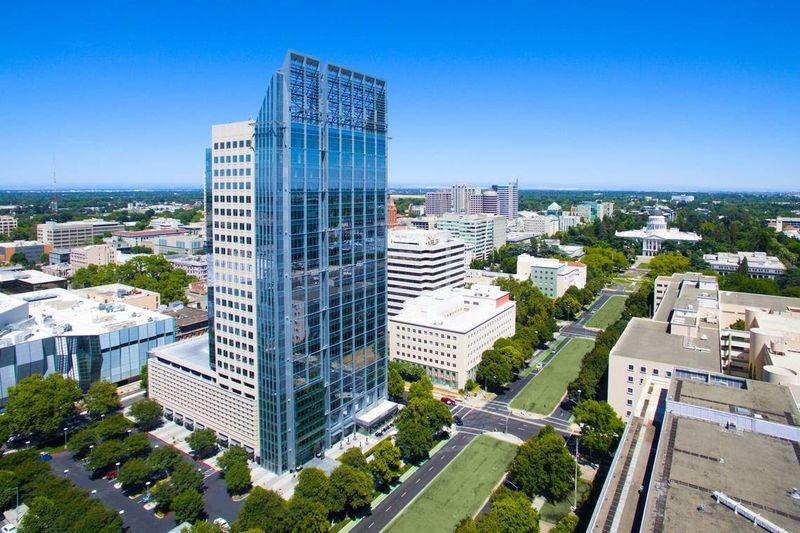
Public service does account for over one-third of jobs in the city, so the capital reputation is earned. Still, a paycheck here can come from many other places.
Healthcare is one of the largest and fastest-growing private fields in the region. Sutter Health, UC Davis Health and Kaiser Permanente are major employers.
Roles range from nursing and medicine to billing, finance and office support.
Tech has been gaining ground as well.
Intel has a large campus in nearby Folsom, and companies such as Micron, CrowdStrike and Hewlett Packard Enterprise have a presence in the region.
Openings may include cybersecurity, IT support, data work and software development.
Financial services form the second-largest employment sector after public service. Banks, insurance firms and regional offices serving Northern California add steady options.
Food and farming matter here too, with agribusiness and food manufacturing forming a multibillion-dollar industry.
Higher education employs thousands of people through Sacramento State and nearby UC Davis.
Clean energy is growing, and the Sacramento Municipal Utility District supports training programs for solar jobs.
Hiring also spreads across nearby cities like Roseville, Elk Grove, Rancho Cordova, Folsom and Davis.
Job seekers who want guidance can look into the Sacramento Employment and Training Agency.
Casting a wide net across the whole region usually opens up more choices than searching one city alone.
Midtown Has A Strong Restaurant And Coffee Scene
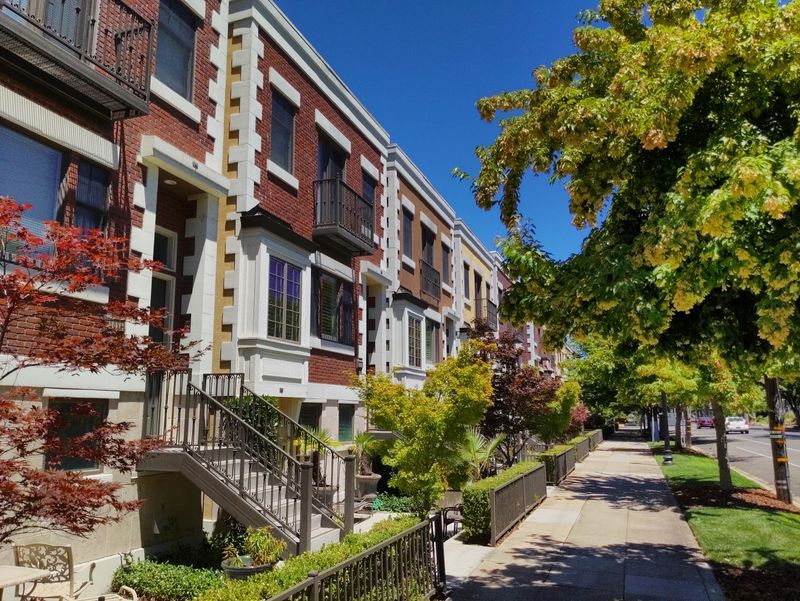
Morning coffee feels different under a canopy of old trees. Midtown streets are lined with shade that softens the light and keeps sidewalks cooler on warm days.
Cafés fill many corners, and some roast their own beans in small batches. Seating ranges from snug window counters to outdoor tables near the curb.
Weekday mornings often bring a quiet hum of laptops and low chatter. Weekend mornings may get busier, so arriving early can mean an easier time finding a seat.
Restaurants cover a wide range of food styles. Diners can find casual taco spots, noodle shops, brunch places and more polished sit-down rooms within a few blocks.
Menus often lean on produce from nearby farms, which fits the region’s farm-focused reputation. Noise levels vary quite a bit from place to place.
Small cafés can feel calm and relaxed, while popular dinner spots may get loud during peak evening hours.
Getting around on foot is part of the fun. The street grid is simple, with numbered and lettered streets, so wandering rarely leads to getting lost.
Hopping from a coffee stop to lunch to a bakery can easily fill a slow and pleasant afternoon.
The City Has A Growing Creative And Arts Community
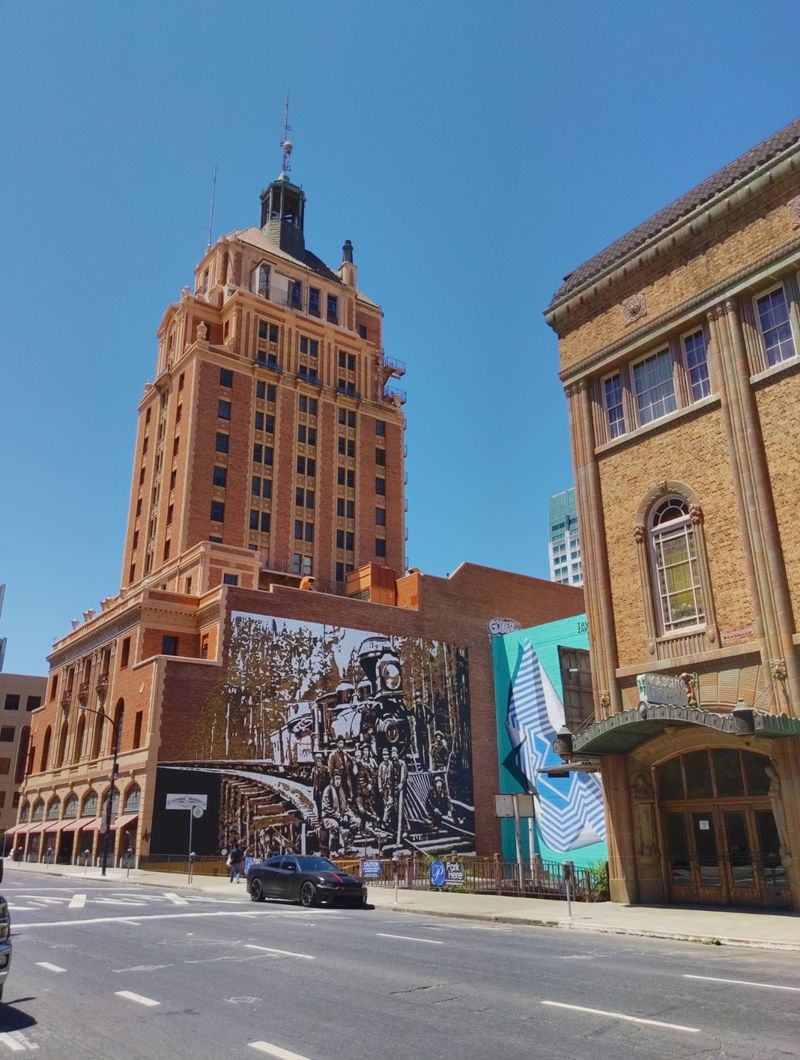
Walls do a lot of talking around town. Bright murals cover the sides of buildings across Midtown, Downtown and other neighborhoods.
Many came from Wide Open Walls, a mural festival that has brought artists from near and far. Spotting new pieces can turn a regular walk into a mini art hunt.
Colors pop best in clear daylight, so late morning or afternoon tends to work well for photos.
Second Saturday is a long-running monthly tradition. Galleries and small shops often open their doors in the evening, and the streets may fill with music and friendly crowds.
Crowds and events can change month to month, so checking current listings helps with planning.
Museums add more depth to the scene. The Crocker Art Museum is one of the oldest art museums in the western United States, and it mixes historic works with modern pieces.
Quiet galleries there offer a calm break from busy streets. Local theaters, music venues and makerspaces round things out.
Young artists may find studio space and shared workshops more reachable than in pricier coastal cities.
Fun fact: the capital city has leaned into public art for years, and murals now pop up in spots that once felt plain.
Sacramento Is One Of California’s Most Bike-Friendly Larger Cities
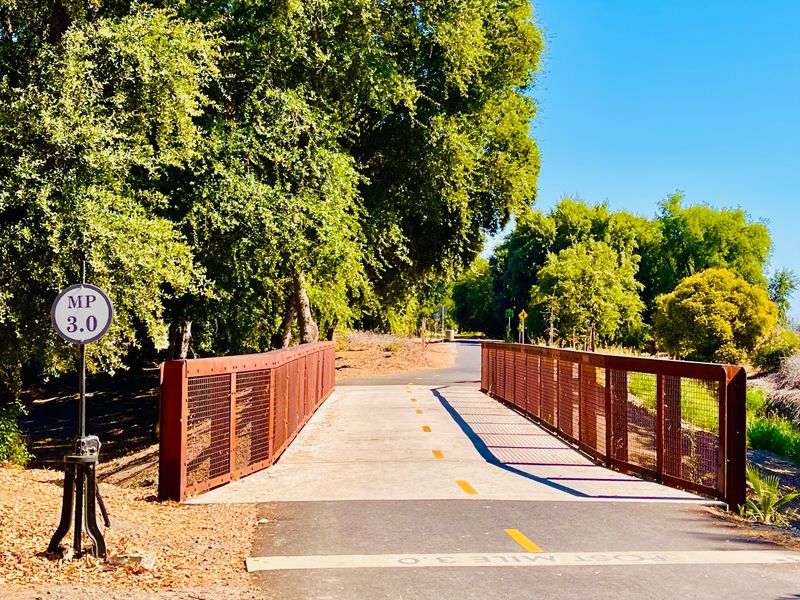
Flat ground is a cyclist’s best friend. Most of the central city sits on level land, so riding does not involve long, tiring hills.
Short trips to work, class or the store can feel easy even for casual riders. Bike lanes run along many downtown and Midtown streets.
Some routes include protected lanes with a buffer between bikes and cars, which can make riders feel more at ease.
Tree cover on many blocks helps soften the summer heat. The grid layout helps too.
Streets follow a simple pattern, so planning a route usually takes just a quick glance at a map.
Quieter side streets often offer calmer rides than the busier main roads. Longer rides are close at hand.
The paved trail along the American River connects to the city and stretches out toward Folsom.
Weekend riders may share it with runners and walkers, so a friendly bell ring goes a long way.
Packing water, a good lock and lights for evening trips makes getting around on two wheels safer and simpler.
Sacramento International Airport Makes Weekend Travel Convenient
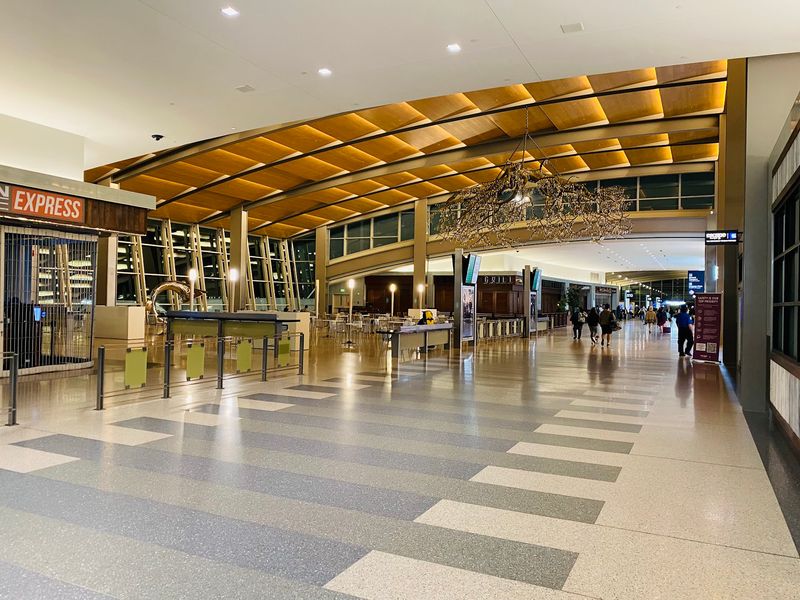
Short security lines can feel like a small luxury. Sacramento International Airport, known by the code SMF, sits roughly 10 to 12 miles northwest of downtown.
The drive often takes around 15 to 20 minutes when traffic is light. Travelers often describe the airport as easier to handle than the largest coastal hubs.
Terminal B has bright open spaces and large windows that let in natural light.
Wait times still change with the season, the day and the hour, so arriving with a buffer is smart.
Nonstop flights reach many cities across the western United States. Quick trips to places like Seattle, Las Vegas, Denver or Southern California may fit into a long weekend.
Routes and airlines change over time, so checking current flight options makes sense.
Getting to the airport has several choices. Rideshare, parking lots and shuttle services are available, and parking prices differ by lot.
Planning a ride ahead can take stress off an early morning flight. Frequent travelers sometimes compare fares with Bay Area airports too.
A longer drive can sometimes mean a cheaper ticket or a nonstop route that SMF lacks.
Having a manageable airport close to home simply makes spontaneous weekend plans easier to say yes to.
Concerts, Festivals And Community Events Fill The Calendar
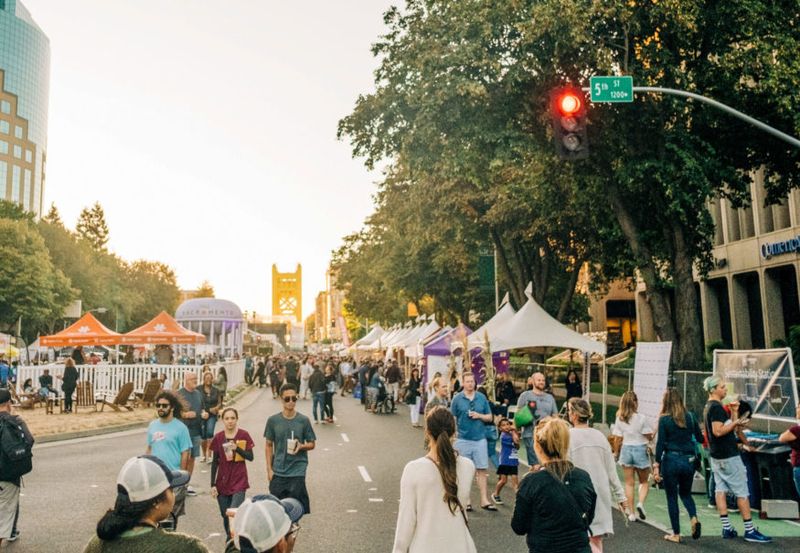
Boredom has a hard time keeping up with the local event calendar. Something is usually happening, from small neighborhood gatherings to large outdoor festivals.
Warm evenings make outdoor events especially popular from spring through fall.
Live music shows up in many forms. Concerts at the downtown arena draw big touring acts, while smaller clubs and theaters host local and indie performers.
Ticket prices range widely, so smaller shows can be a budget-friendly way to hear new sounds.
Festivals celebrate food, art and culture. The Farm-to-Fork Festival has been a signature event, highlighting local growers and food makers.
Monthly Second Saturday art walks bring galleries and streets to life in certain neighborhoods.
Community events add a hometown touch. Park concerts, holiday gatherings and cultural celebrations often welcome families and newcomers alike.
Many are free or low cost, which helps when money is tight. Dates, locations and lineups can change from year to year.
Checking official event pages or local news listings before heading out avoids surprises.
Bringing water, sunscreen and a light layer for cooler evenings can make a long day at an outdoor event far more comfortable.
California State University Sacramento Brings A Large Student And Young Adult Population
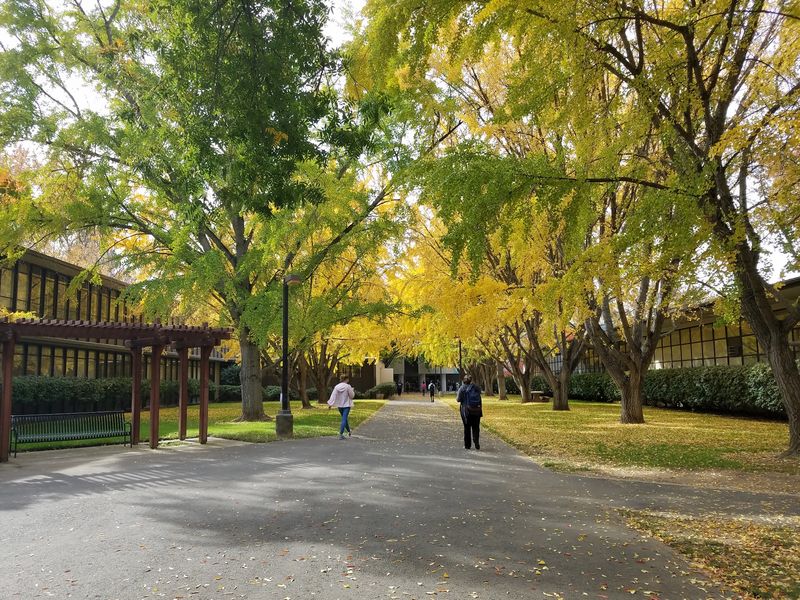
Tens of thousands of students help keep the city feeling young.
California State University, Sacramento, often called Sacramento State or Sac State, enrolls roughly 30,000 students.
The campus sits along the American River, not far from the parkway trail.
Trees shade much of the campus grounds. The school has long promoted its large collection of trees, and walkways can feel cool even on warm days.
Students may bike straight from campus onto the river trail.
A big student body shapes nearby life.
Cafés, study spots and budget-friendly eateries often cater to people on tight schedules and tighter wallets.
Campus events, games and performances also open some activities to the wider community.
The university offers practical paths into careers. Its location in the capital gives students access to internships in government, policy and nonprofit work.
Programs in nursing, business, engineering and education connect with regional employers.
UC Davis sits a short drive west and adds even more students and researchers to the area.
Together, these schools help explain why so many residents are in their twenties.
For newcomers, that crowd can make it easier to find classes, clubs and friends who share similar goals.