9 Idaho Lava Tubes And Caves You Walk Into With Just A Flashlight
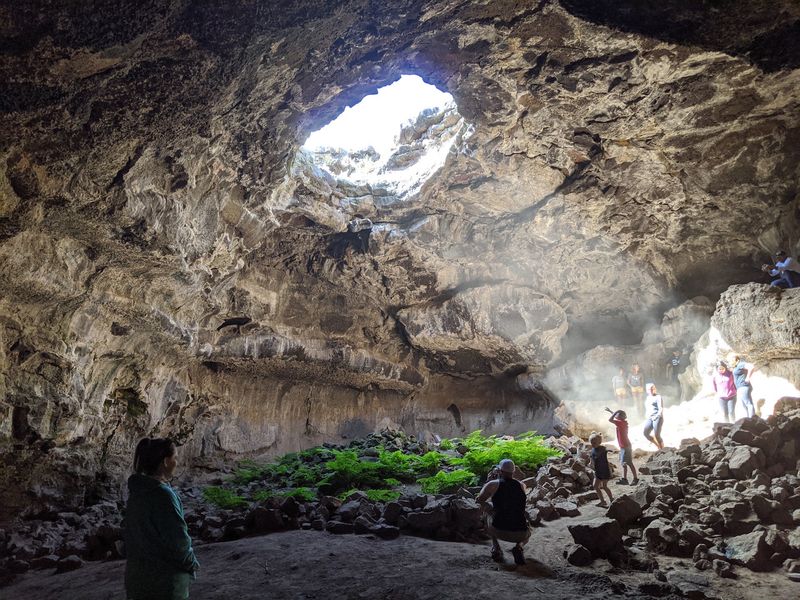
Under the sagebrush and farm fields of Idaho, old rivers of lava left behind hollow tunnels you can actually walk through. Many of them look like nothing more than a dark hole in a rock pile until you step inside and feel the air turn cold.
You do not need ropes, a guide, or special training for most of these, just sturdy shoes, a jacket, and a good light. Here are nine Idaho caves worth a day trip, from the Treasure Valley to the far southeast corner of the state.
1. Kuna Caves In Kuna
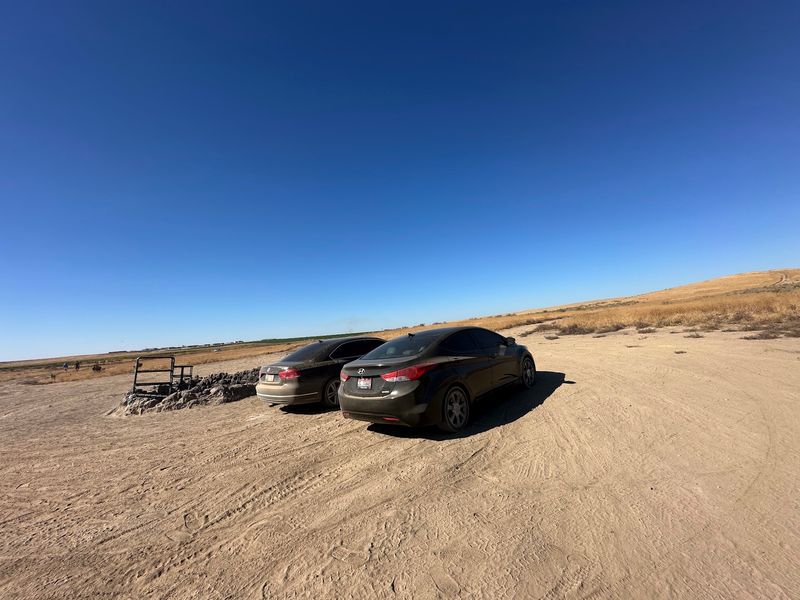
A metal ladder sticking out of flat sagebrush is the only clue that a cave sits under your feet. South of Kuna, out on Kuna Cave Road, that ladder cage drops straight down a vertical shaft into a lava tube formed by old flows from nearby Black Butte Crater.
Climbing down feels easier than it looks, though the cage is snug. At the bottom, the space opens into big chambers where adults can stand up straight and stretch.
From there, a single passage leads onward, shrinking little by little until it turns into crawl spaces for anyone willing to get dusty.
Expect a rugged, informal experience. Graffiti covers plenty of the rock, and some trash gets left behind, so packing out a little extra is a kind gesture.
The basalt walls still show rough textures from when molten rock moved through here.
Kids and teens from around the Treasure Valley treat this spot as a first taste of spelunking, and it is easy to see why. The free parking lot sits close to the entrance, and the whole visit fits into a short afternoon outing from Boise or Meridian.
Bring a bright flashlight, plus a spare. Knee pads help if you plan to tackle the tighter sections near the end.
2. The Civil Defense Caves In St Anthony
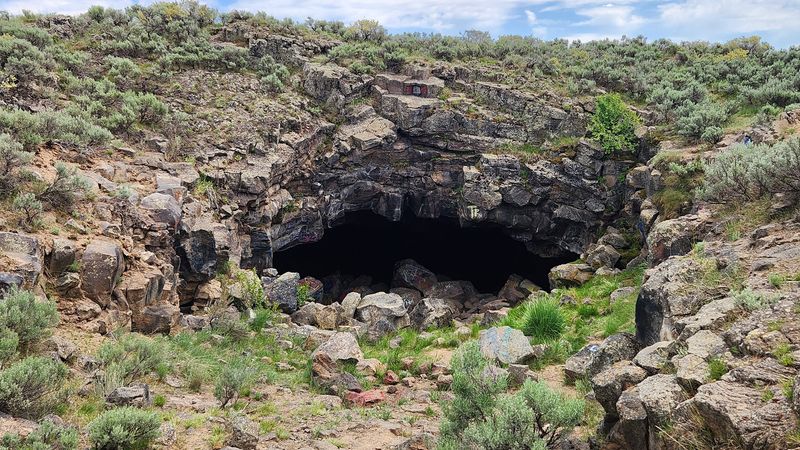
Cold War history and volcanic rock meet in the desert west of St Anthony. The name hints at a past when these eastern Idaho lava tubes were considered as shelter spaces, and the site still carries that curious historical backstory.
Getting there is half the adventure. The last mile of the road turns rough and bumpy, so a truck or a higher-clearance SUV makes the trip far less stressful.
Low sedans may want to park early and walk.
Once inside, the lava tube keeps going a long way. Ice formations often linger in the cold sections, adding a glassy shine to the dark basalt.
You can explore without technical gear, which makes it a solid pick for families with school-age kids.
Sweatshirts are a smart idea even in July, since the air inside stays chilly. Good boots matter too, because the floor is uneven and can be slick near the ice.
Graffiti marks some of the walls, which takes away a bit of the wild feel. Still, the size of the tube and the mix of history and geology make this one of the more memorable caves in the Upper Snake River Plain.
Pack several lights so nobody gets stuck in the dark.
3. Paris Ice Cave In Preston
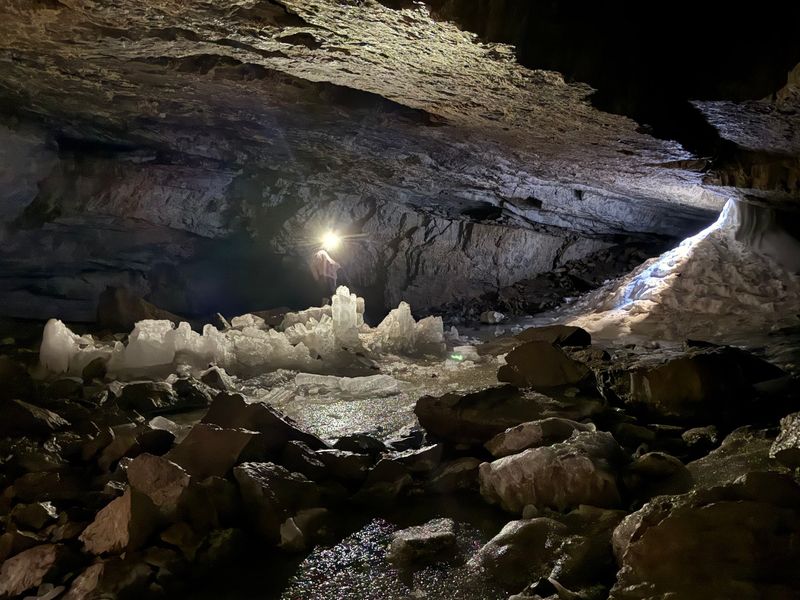
Families who show up expecting a small hole in a hillside tend to leave surprised. Off Green Basin Road in southeast Idaho, between the Preston and Paris areas, this cavern system turns out to be huge, with striking rock formations and mounds of ice tucked inside.
Getting in is easy, which is a big plus for groups with younger kids. The entrance does not require squeezing or ladders, so most visitors can walk right into the cool air and start looking around.
Climbers find their own fun here too. The area offers spots for light climbing, and some visitors bring gear for rappelling.
Everyone else can simply wander and enjoy the frozen features.
Wear proper shoes with good grip. Ice and loose rock make the floor tricky, and sneakers with worn treads will slide.
A headlamp keeps your hands free for balance, which beats juggling a flashlight while stepping over icy patches.
No restaurant sits nearby, so pack snacks and water before heading up the canyon. The attraction itself is free, making it an easy pick for a budget-friendly Saturday in Bear Lake and Franklin County country.
Summer brings the most comfortable road conditions for the drive.
4. Niter Ice Cave In Grace
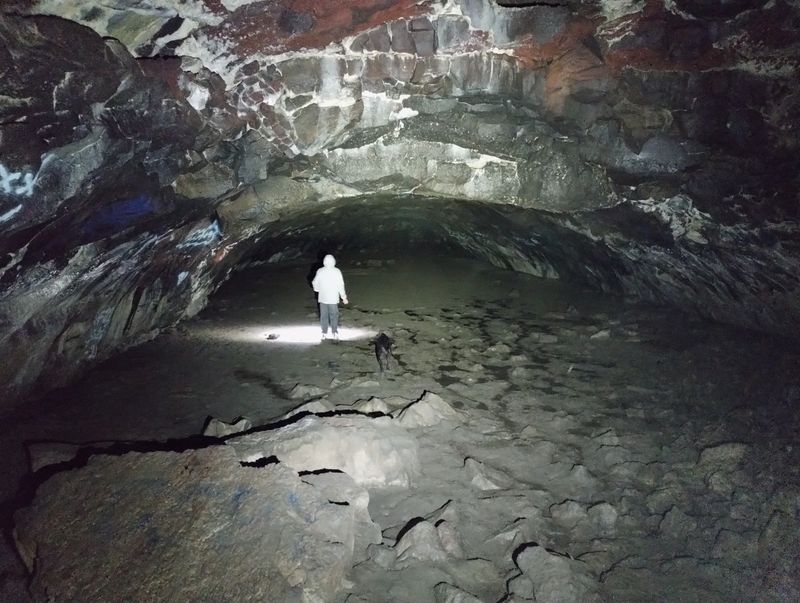
Step down the gentle slope into this lava tube on a hot August day and the temperature drops so fast you can feel it on your arms. Located on Ice Cave Road outside Grace, it sits among farm fields in Caribou County, which makes the cold shock even funnier.
The path in is gradual, not steep, so the hike counts as fairly easy. Inside, the large tube stretches much deeper than many first-timers expect.
Daylight fades quickly, so a strong light is a must.
Look closely at the walls and you will find graffiti, some of it reaching back to the late 1800s. Those old carved names add a strange time-capsule feeling, even if newer markings clutter things up.
The bottom can get muddy, and ice forms in colder sections, especially in spring. Waterproof boots and a warm layer make the visit far more comfortable.
Admission to the cave is free, though the parking area may charge a small fee, so carry a few dollars just in case. There are no restrooms on site, so plan a stop in town first.
It pairs nicely with a drive through the Gem Valley for an easy eastern Idaho day out.
5. Indian Tunnel In Arco
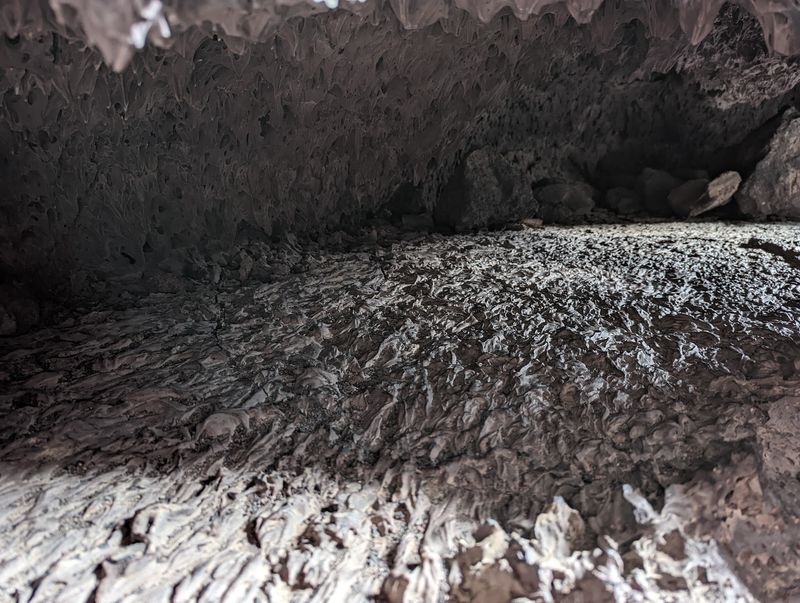
Sunlight falling through holes in the ceiling gives this cave a cathedral feel. Indian Tunnel, at Craters of the Moon National Monument and Preserve near Arco, runs about 800 feet, and its partly collapsed roof lets natural light spill across the rocky floor.
That glow makes it the friendliest lava tube in the monument for beginners. Stairs lead you down into the tunnel, and from there you pick your way over boulders and broken basalt toward the far end.
Keep going past the second rocky outcrop. The tunnel continues to an exit where you climb out, then walk back across the lava field to where you started.
The loop feels like a small expedition packed into a short hike.
Before entering, stop at the visitor center for a free cave permit. The permit system helps protect bats from a fungus that spreads between caves, so rangers ask a few quick questions about your gear and clothing.
Sturdy, closed-toe shoes are a must, since lava rock is sharp. Even with the skylights, a flashlight helps in the shadowy stretches.
The Snake River Plain gets hot in summer, so bring water for the walk back across the black rock.
6. Dewdrop Cave In Butte City
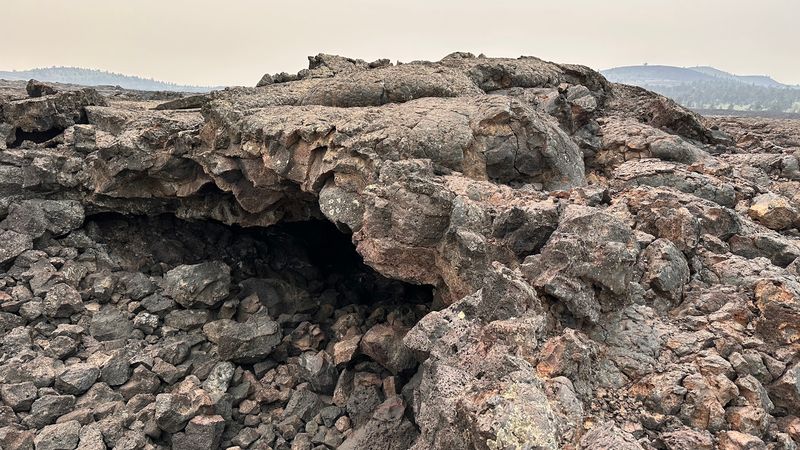
Small but full of character, Dewdrop Cave rewards anyone who walks a little farther down the Caves Trail at Craters of the Moon. The 1.6-mile round-trip trail links several lava tubes, and this one sits among them as a compact side trip.
Compared with nearby Indian Tunnel, Dewdrop feels more like a true cave. The entrance is small, and once you duck inside, the light disappears quickly.
A flashlight or headlamp is not optional here.
In winter, the cave can hold delicate ice formations that sparkle under a beam of light. Those frozen features give the cave its name and make a cold-season visit worth the chill, when roads and trails are open.
Watch your footing. Rocks shift underfoot, and the floor tilts in places, so slow steps work better than rushing.
Kids who like scrambling tend to enjoy it, as long as an adult leads.
Like the other caves in the monument, Dewdrop requires a free cave permit from the visitor center. Rangers use the screening to protect resident bats.
Plan to see it alongside Indian Tunnel and the other caves on the trail for a full Idaho underground sampler.
7. Bear Trap Cave In American Falls
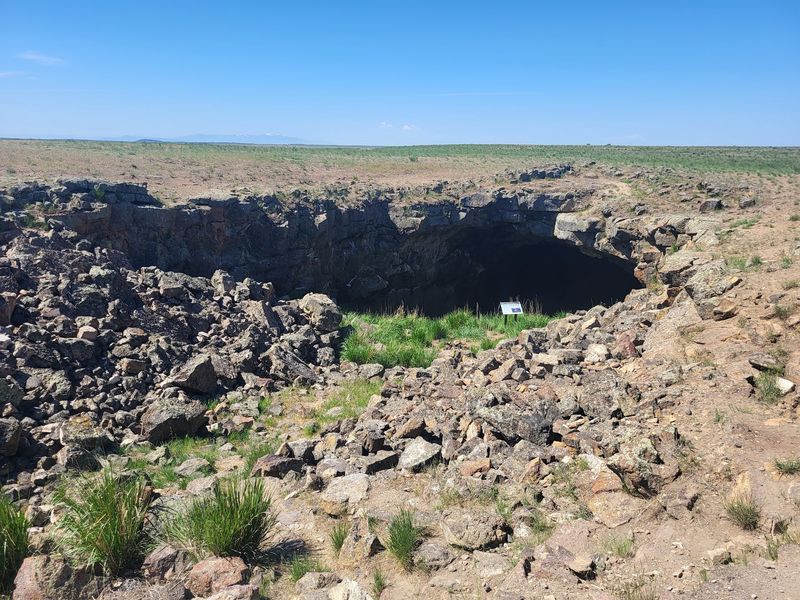
Out where the Minidoka to Arco Road crosses empty lava fields, a dark opening offers some of the best summer cooling in southern Idaho. Bear Trap Cave sits in a stretch of desert dotted with lava tubes, and this one stands out as the most pronounced.
The legend behind the name ties back to early settlers, but the real draw is temperature. Step inside on a scorching day and the air turns properly cold, so a jacket earns its spot in the backpack.
Unlike some popular caves, Bear Trap stays relatively clean, with far less trash and graffiti. That quieter, wilder feel suits travelers who want to explore without crowds or fees.
Bring a flashlight, and then bring another. The tube runs deep, and there is no lighting, signage, or staff inside.
Cell service is spotty out here, so tell someone your plans.
The remote dirt roads demand attention too. Check conditions before driving, carry extra water, and give yourself plenty of daylight.
For anyone who loves big skies and bare volcanic ground, the drive across the Snake River Plain becomes part of the payoff, not just a means to reach the cave.
8. Formation Springs Cave In Soda Springs
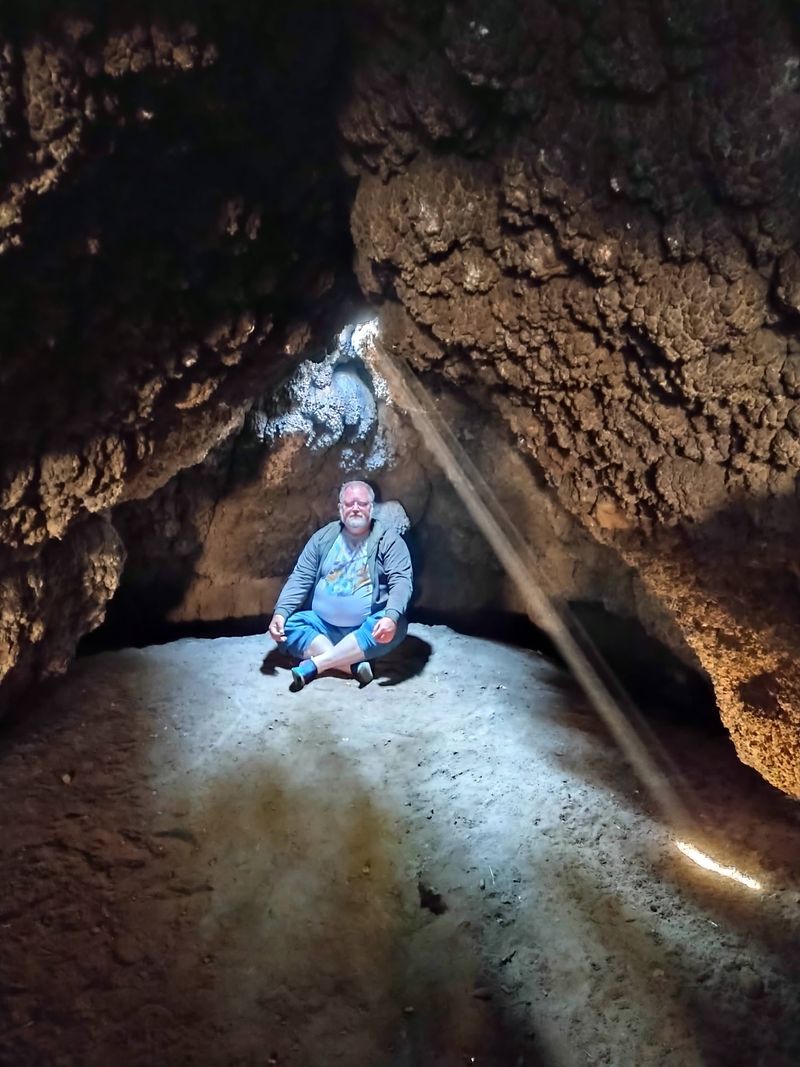
Popcorn is the word that comes to mind once your light hits the walls. Bumpy mineral formations coat the inside of Formation Springs Cave near Soda Springs, giving the rock a lumpy, almost edible look that kids love pointing out.
Unlike the volcanic tubes elsewhere on this list, this cave formed from mineral-rich spring water, a fitting origin for a town famous for its bubbling soda water. Skylights let some daylight in, and passages branch in several directions to explore.
The walk to reach it is part of the fun. A pretty trail winds through wetlands and spring-fed ponds, where birds gather and wildflowers grow along the edges.
Curious young naturalists get a mini lesson in botany and geology before even stepping inside.
Access is easy, which makes this a top pick for families with little ones. Still, bring flashlights, since corners beyond the skylights grow dark quickly.
No restrooms or food stands sit on site, so handle those needs in town. The area stays open around the clock, though daylight visits make the trail far more enjoyable.
Pair it with a stop at the downtown geyser for a full southeast Idaho afternoon.
9. Tea Kettle Cave In Bliss
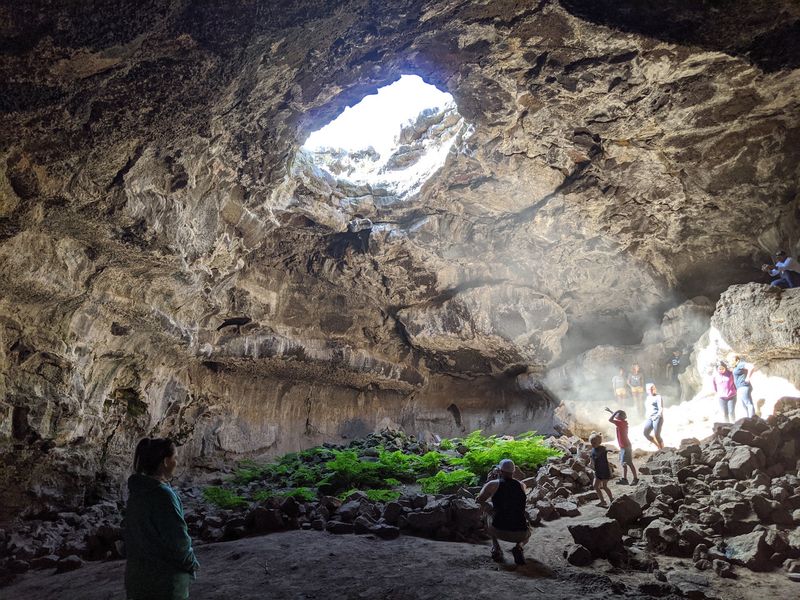
Ferns growing inside a lava rock teapot sound like something out of a storybook. Near Bliss, off Canal Road in the Magic Valley, Tea Kettle Cave delivers exactly that: a round opening shaped like a giant kettle, with green ferns thriving in the shaded chamber below.
Those ferns are believed to have clung to this spot for thousands of years, living off the cool, damp air trapped in the rock. Please leave them untouched, since they would struggle to recover from trampling.
Reaching the kettle takes some effort. Visitors head down through the cave and use a rope to help climb into the chamber, so gloves and shoes with grip are helpful.
Older kids usually handle it well with an adult nearby.
The road out is rough and best tackled with high clearance. Drive slowly, and skip the trip after heavy rain when ruts get worse.
Bring a flashlight for the darker passage leading in, even though light pours through the kettle opening itself. Spring visits, around Easter, make a popular family tradition here.
It wraps up this list of Idaho caves with a reminder that the underground can surprise you with green, living things.