20 Strange California Quirks Only Longtime Residents Understand
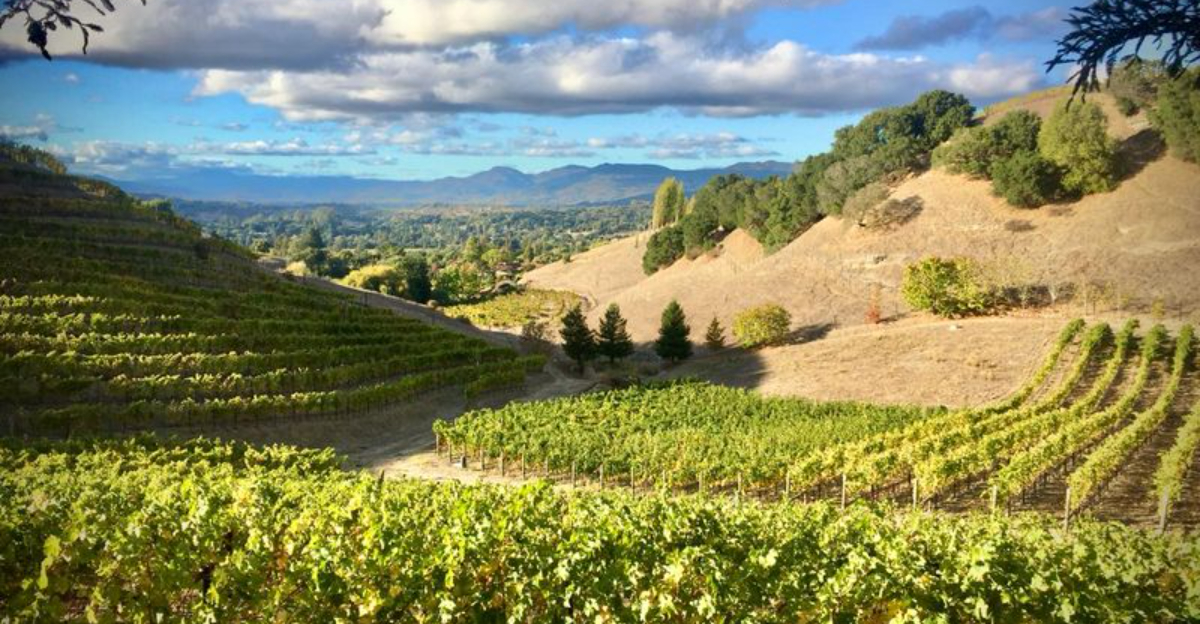
Life on the West Coast comes with a rhythm that feels unlike anywhere else, shaped by habits, oddities, and long-standing traditions that locals navigate with ease.
California weaves these quirks into everyday life, turning small moments into stories that only make sense once you’ve spent time under its sun.
Unexpected weather shifts, distinctive speech patterns, and a culture that bends rules more than it breaks them all play a part in shaping the state’s identity.
Newcomers sometimes stumble through these unspoken codes before realizing how naturally they blend into the California way of living.
Over time, the mix of charm, eccentricity, and unpredictability becomes part of the appeal, creating a lifestyle that feels both casual and endlessly fascinating.
1. Microclimates Mean Packing For All Seasons
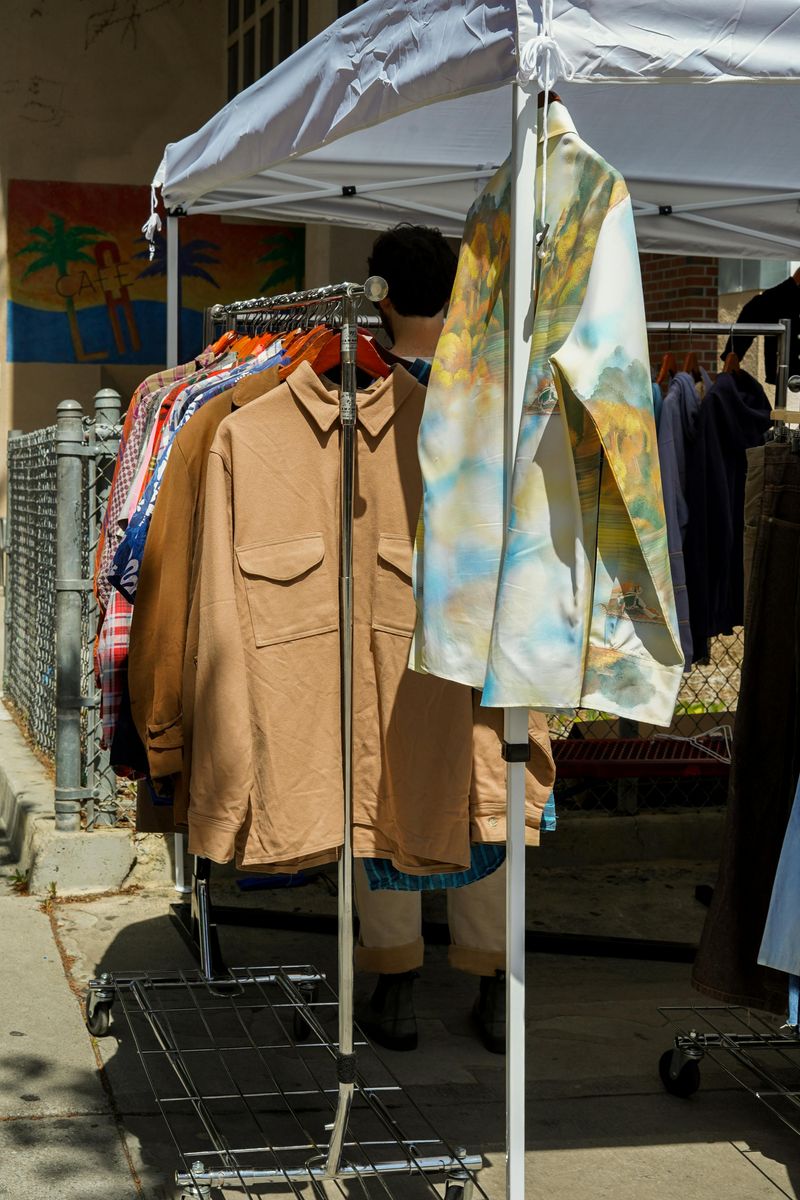
Californians know that weather can change dramatically within a fifteen-minute drive.
Leaving home in shorts and flip-flops might seem reasonable until fog rolls in at the beach, dropping temperatures by twenty degrees.
San Francisco residents carry jackets year-round, even during summer months when tourists shiver in tank tops.
The Central Valley bakes while coastal towns stay cool, and mountain areas might see snow while valleys enjoy sunshine.
This weather roulette teaches locals to dress in layers and never trust a single forecast.
Cars become mobile closets, stuffed with hoodies, sunglasses, and sometimes even umbrellas for those rare rain showers.
Planning outdoor activities requires checking multiple weather zones, not just one city’s prediction.
2. The Eternal Battle Over What Counts As Traffic
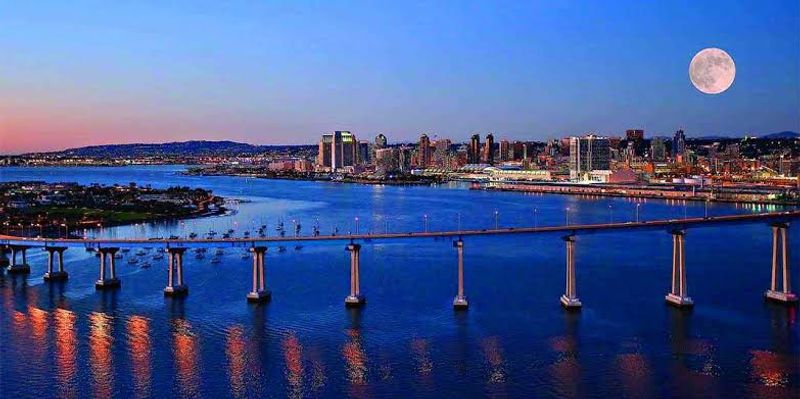
Rush hour in California operates on its own schedule, often stretching from dawn until well past dinner time.
What other states call gridlock, Californians consider a normal Tuesday commute.
Spending two hours in the car to travel twenty miles barely raises eyebrows among seasoned drivers.
Podcasts, audiobooks, and hands-free calls become survival tools rather than entertainment options.
Locals develop sixth senses about alternate routes, memorizing every side street and backroad to shave off precious minutes.
Carpool lanes turn into strategic advantages, and leaving five minutes late can mean arriving thirty minutes later.
The phrase “there’s an accident on the 405” surprises absolutely nobody, because there’s always an accident somewhere on every major freeway during peak hours.
3. Using ‘The’ Before Freeway Numbers
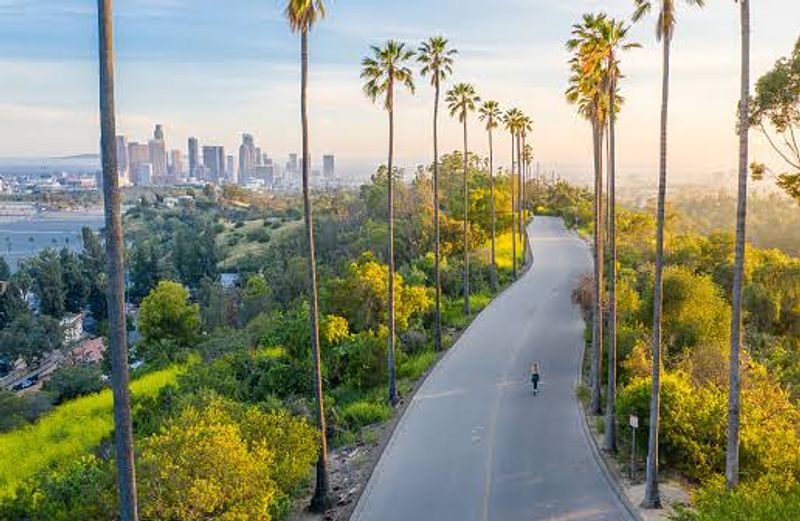
Nowhere else in America do people say “the 101” or “the 405” quite like Californians do.
This linguistic quirk instantly identifies natives from transplants, who awkwardly drop the article when giving directions.
The habit stems from early highway naming conventions when routes had actual names before numbers.
Southern Californians embrace this tradition more fiercely than their northern neighbors, though the practice exists statewide.
Telling someone to “take 5 north” instead of “take the 5 north” sounds wrong to local ears, like nails on a chalkboard.
Radio traffic reports religiously use the definite article, reinforcing the pattern every morning and evening.
Transplants eventually adopt this speech pattern after enough confused looks and gentle corrections from patient natives who find the omission jarring.
4. In-N-Out Burger’s Secret Menu Mastery
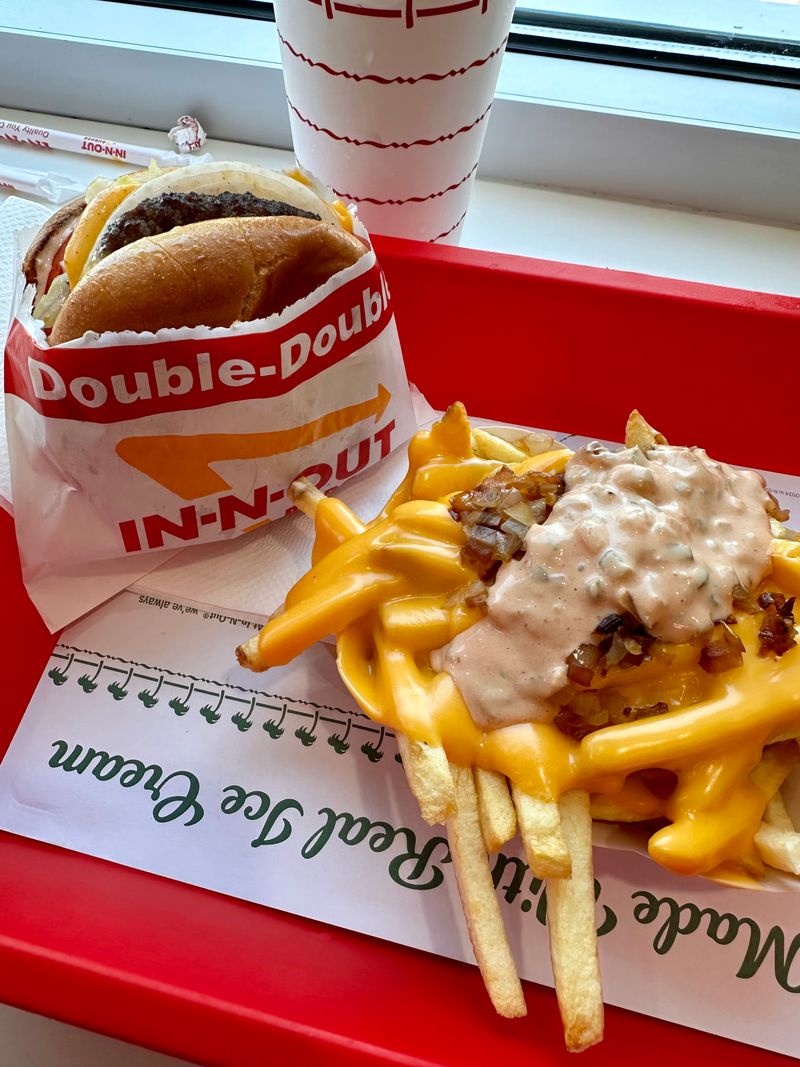
Ordering “animal style” or asking for a burger “protein style” separates California veterans from curious tourists.
In-N-Out’s not-so-secret menu has become a rite of passage, with longtime fans knowing every customization option by heart.
The chain maintains locations throughout California, including the original restaurant-turned-museum concept.
Requesting fries “well-done” ensures crispy perfection, while “3×3” or “4×4” burgers challenge even the heartiest appetites.
True insiders know to ask for chopped chilis, extra spread on the side, or a Neapolitan shake mixing all three flavors.
The simple menu board hides dozens of possible combinations that employees happily prepare without batting an eye.
First-timers often freeze at the counter, overwhelmed by choices they didn’t know existed until overhearing another customer’s complex order.
5. June Gloom and May Gray Are Real Seasons
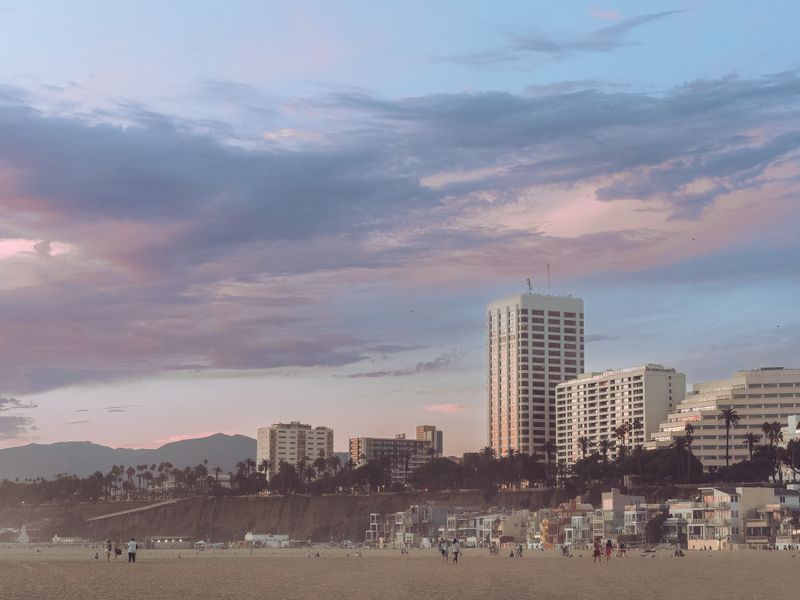
Summer doesn’t officially start in June along California’s coastline, despite what calendars claim.
Instead, thick marine layers blanket beaches and coastal communities, creating dreary conditions that confuse sun-seeking visitors.
This weather pattern earned whimsical names that locals use without irony or explanation.
May Gray transitions seamlessly into June Gloom, sometimes extending into “No-Sky July” when the fog refuses to lift.
Residents plan beach trips for September and October, when skies finally clear and temperatures warm up properly.
The phenomenon results from cool ocean water meeting warmer air, creating stubborn fog that burns off slowly or not at all.
Tourists arrive expecting endless sunshine and instead discover why locals always keep sweaters handy, even during supposed summer months.
6. Earthquake Preparedness Becomes Second Nature
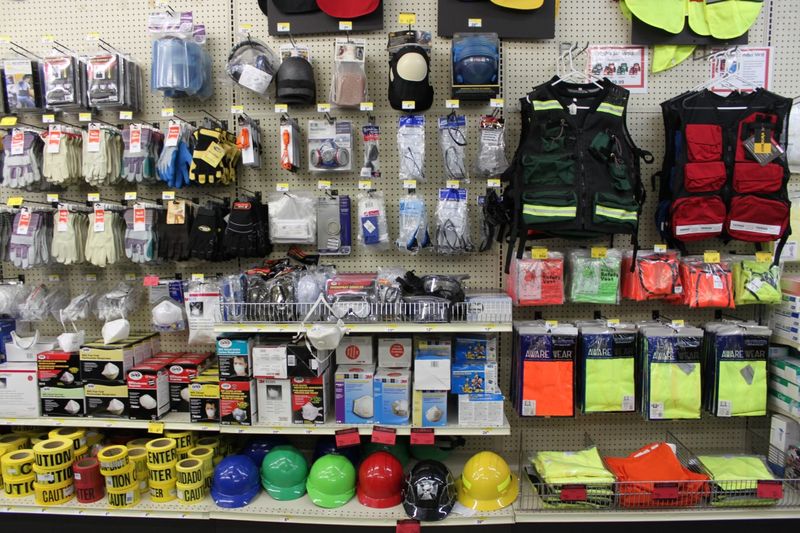
Small tremors barely interrupt conversations among longtime California residents, who pause mid-sentence to assess severity before continuing.
The instinctive calculation happens automatically: is this the big one, or just another reminder to check emergency supplies?
Every household maintains earthquake kits with varying degrees of completeness, from meticulously organized supplies to dusty water bottles shoved in closets.
School children practice drop-cover-hold-on drills with the same routine as fire drills elsewhere.
Furniture gets anchored to walls, heavy objects migrate away from beds, and residents develop mental maps of doorways and sturdy tables.
Newcomers panic during their first shake while natives calmly wait it out, then immediately check social media to see where the epicenter was located.
The shared experience creates an odd camaraderie among strangers who all felt the same ground move.
7. Avocados On Absolutely Everything
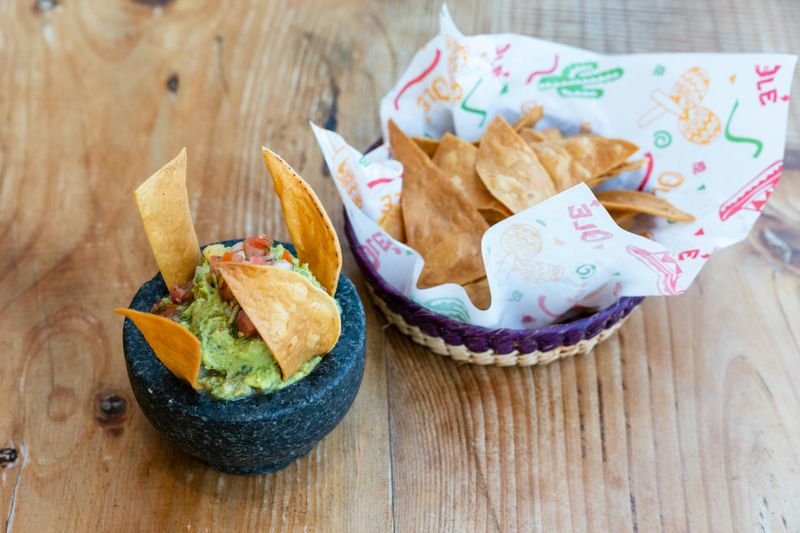
California’s obsession with avocados goes far beyond simple guacamole, extending to breakfast, lunch, dinner, and somehow even desserts.
Backyard avocado trees turn neighbors into seasonal millionaires when fruit ripens, sharing bags of the green gold.
Restaurants charge extra for avocado additions, and customers pay willingly because meals feel incomplete without that creamy texture.
Toast becomes a canvas, burgers gain upgrades, and salads reach new heights with thick slices of perfectly ripe fruit.
Locals develop strong opinions about Hass versus Fuerte varieties and can judge ripeness with a gentle squeeze.
The phrase “extra avocado, please” gets uttered multiple times daily across the state.
Transplants initially question the obsession before inevitably joining the cult, unable to imagine sandwiches or tacos without that familiar green addition that makes everything taste better.
8. Measuring Distance In Time, Not Miles
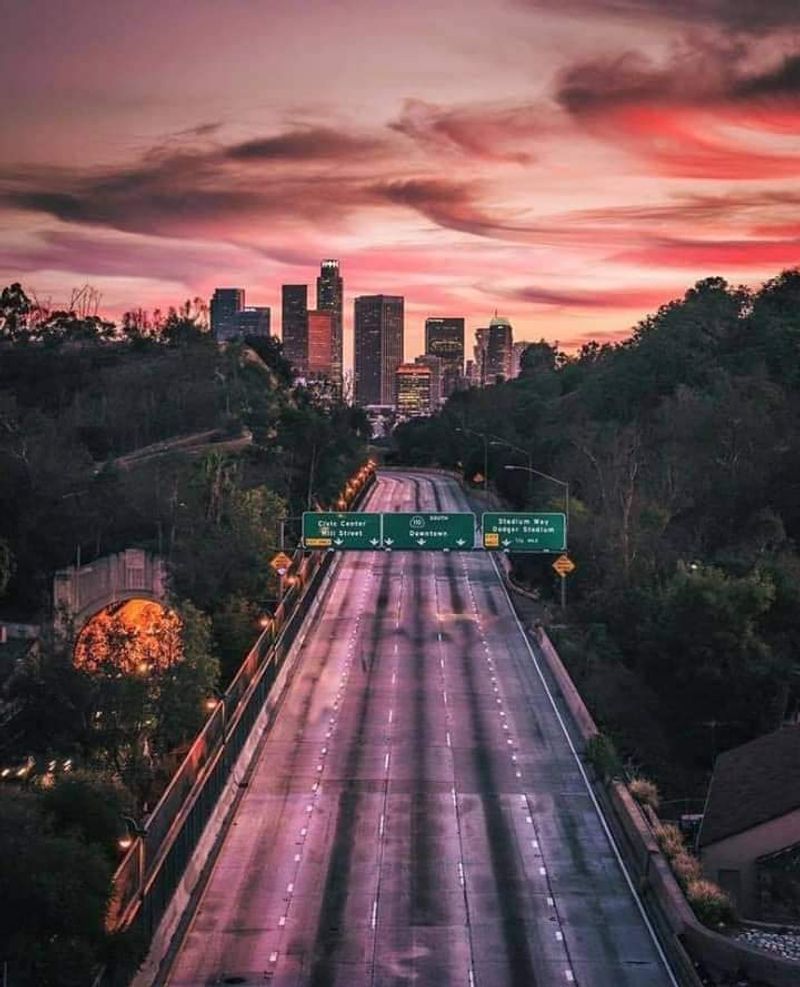
Ask a Californian how far away something is, and they’ll answer in minutes or hours rather than actual mileage.
A destination might be “twenty minutes away” or “three hours north,” depending entirely on traffic conditions and time of day.
This temporal measurement system makes perfect sense in a state where ten miles could take fifteen minutes or ninety minutes depending on circumstances.
Distance becomes meaningless when traffic patterns shift hourly and accidents create unpredictable delays.
Locals automatically add buffer time to estimates, knowing that “thirty minutes” really means “thirty minutes if you leave before six in the morning.”
GPS directions provide mileage, but residents immediately convert to time calculations based on current conditions.
The same drive takes wildly different amounts of time on Tuesday morning versus Saturday afternoon, making traditional distance measurements practically useless for planning purposes.
9. The Eternal Search For Parking
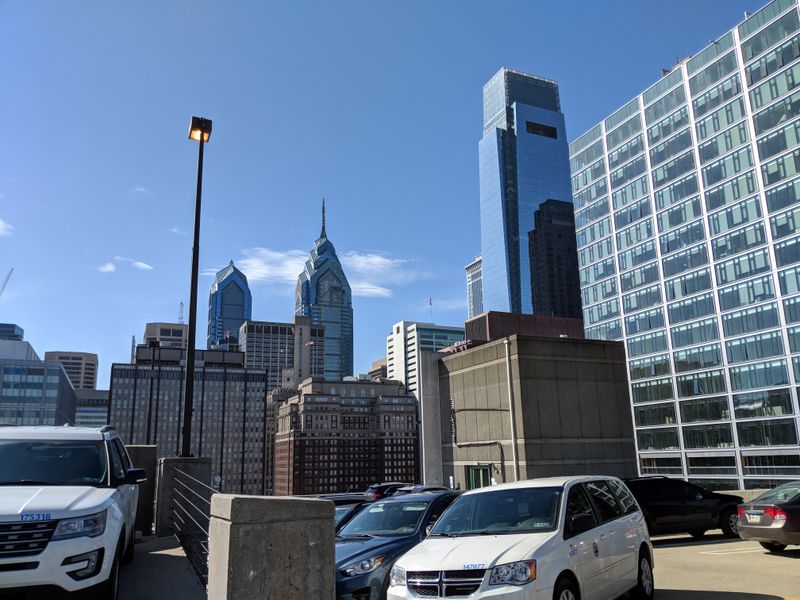
Californians develop advanced parking strategies that would impress military tacticians, circling blocks endlessly while calculating risk versus reward.
Finding a spot becomes a competitive sport with unwritten rules and fierce territorial instincts.
Beach parking on summer weekends requires arriving before dawn or accepting defeat and paying premium rates at structures.
City dwellers master parallel parking in impossibly tight spaces, squeezing into gaps that seem physically impossible.
Apps dedicated to finding parking have become essential tools, though locals know that sometimes old-fashioned hunting works better.
The joy of scoring a prime spot rivals winning small lotteries, while losing one to another driver creates instant frustration.
Visitors underestimate parking challenges until they’ve spent forty minutes searching for a space that supposedly existed according to their navigation app’s outdated information.
10. Wildfire Season Means Orange Skies And Ash Rain
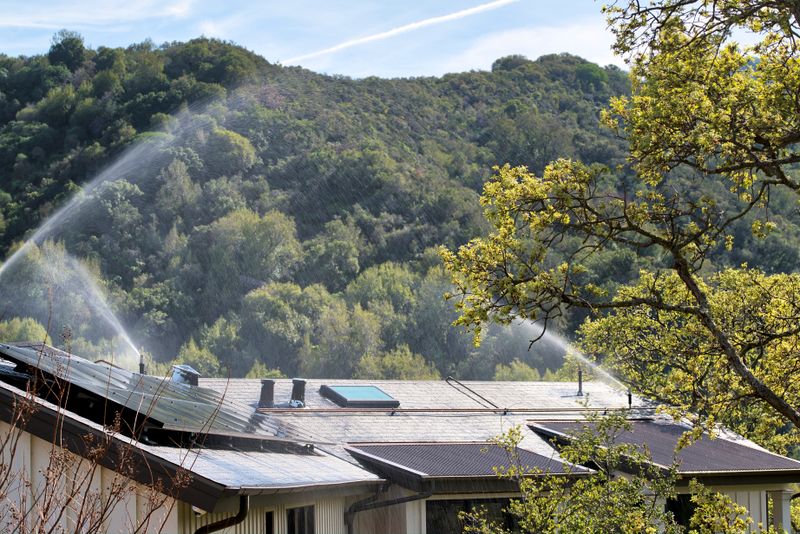
Longtime residents check air quality indexes as religiously as weather forecasts during fire season, which now seems to last most of the year.
Orange skies that look like apocalypse movie scenes have become almost normal, though never less unsettling.
Cars accumulate layers of ash requiring frequent washing, while windows stay sealed despite beautiful temperatures outside.
N95 masks filled medicine cabinets long before pandemic times, essential equipment for venturing outdoors during bad air days.
School activities get canceled, outdoor workers face difficult choices, and everyone develops opinions about air purifiers and filtration systems.
The smell of smoke triggers immediate phone checks to see where fires are burning and whether evacuations might become necessary.
Natives distinguish between different types of smoke smells, identifying whether fires are near or distant, burning grass or structures, based purely on scent.
11. Water Conservation As A Lifestyle
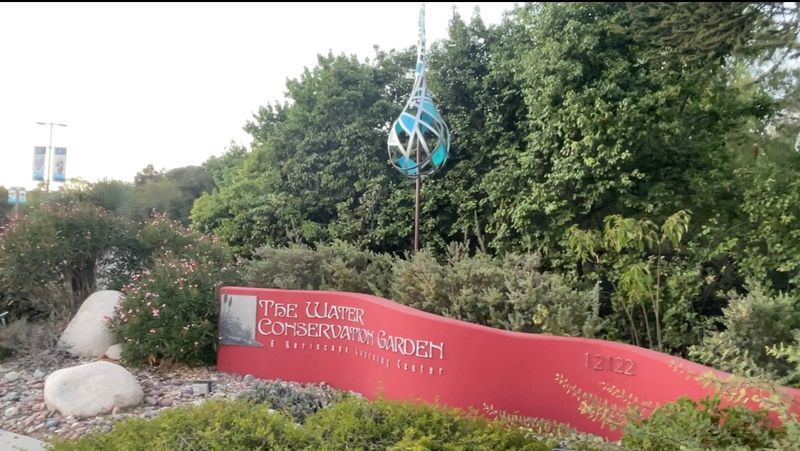
Droughts have trained Californians to treat water like liquid gold, developing habits that seem extreme to people from wetter climates.
Showers become efficient operations timed in minutes, not leisurely experiences lasting half an hour.
Lawns transition to drought-tolerant landscaping featuring succulents, native plants, and decorative rocks that require zero irrigation.
The phrase “if it’s yellow, let it mellow” stops being a joke and becomes actual bathroom policy during severe restrictions.
Residents notice leaking faucets immediately, report broken sprinklers to neighbors, and judge water-wasting practices with silent disapproval.
Collecting shower warm-up water in buckets for plants becomes routine, as does washing cars with minimal water or not at all.
Transplants from rainy regions initially struggle with this conservation mindset before drought realities sink in and they join the water-saving collective consciousness.
12. The Absolute Chaos When It Actually Rains
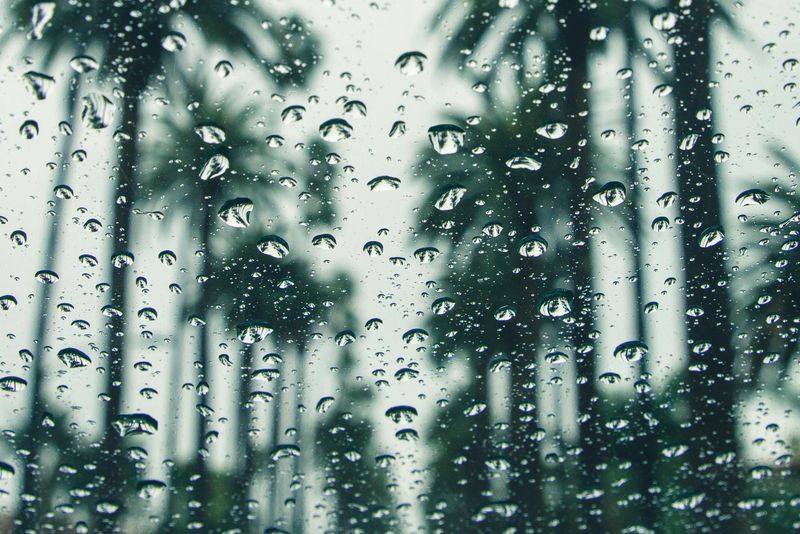
The first rain after months of dry weather transforms California drivers into chaos agents who apparently forget how roads work.
Accidents multiply, traffic slows to crawling speeds, and weather reports treat light drizzle like major storm coverage.
Locals rush to buy umbrellas they’ll use twice before losing them, and suddenly everyone owns rain boots that spend eleven months gathering dust.
Oil buildup on roads creates slick conditions during initial rainfall, making driving genuinely hazardous until streets get properly rinsed.
Schools sometimes delay openings for weather that wouldn’t register as notable in other states, while news helicopters circle flooded intersections with dramatic commentary.
The collective amnesia about rain-driving basics happens every single year without fail.
Californians who grew up elsewhere shake their heads at the overreaction while secretly appreciating the excuse to stay home and watch rain from windows like it’s entertainment.
13. Farmers Market Culture Runs Deep
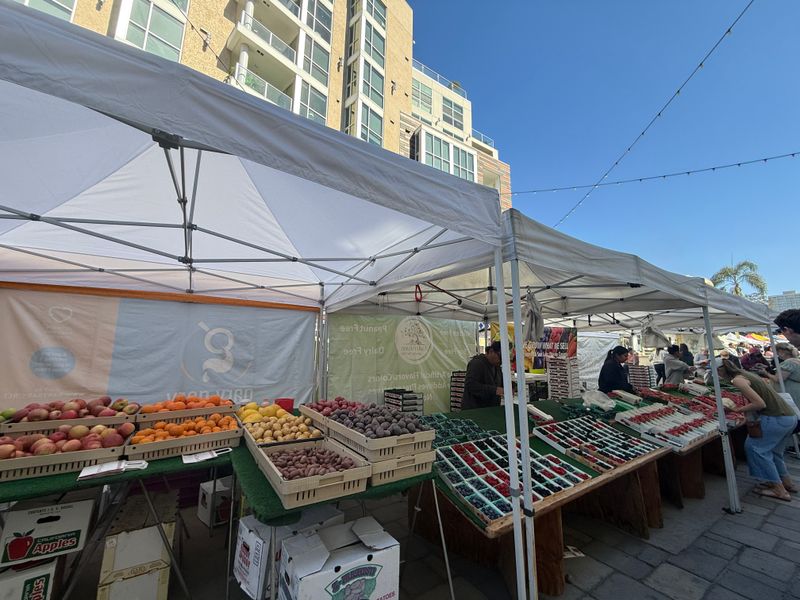
Weekend mornings mean farmers market pilgrimages where residents shop for organic produce with the seriousness of religious ceremonies.
These aren’t just grocery trips but social events featuring live music, artisan vendors, and prepared food that rivals restaurants.
Californians develop relationships with specific farmers, asking about growing conditions and harvest schedules like they’re discussing family news.
Reusable bags get packed with heirloom tomatoes, stone fruit at peak ripeness, and vegetables most people can’t identify without asking.
The markets operate year-round thanks to California’s growing climate, providing fresh options when supermarkets stock imported produce.
Locals arrive early for the best selection, knowing that popular vendors sell out quickly of premium items.
Prices sometimes exceed grocery stores, but shoppers pay willingly for quality and the experience of supporting local agriculture while enjoying beautiful weather and community atmosphere.
14. Casual Dress Codes Apply Everywhere

Silicon Valley executives wear hoodies to board meetings, and fancy restaurants welcome diners in designer jeans and sneakers.
California’s relaxed dress standards confuse visitors who overdress for occasions that locals approach with comfortable casualness.
The tech industry normalized informal attire that spread throughout professional environments, making suits almost suspicious rather than impressive.
Flip-flops appear in places that would shock residents of more formal regions, from nice dinners to business meetings.
This casual approach doesn’t mean sloppiness but rather a different definition of appropriate attire that prioritizes comfort and personal style.
Weddings specify dress codes carefully because otherwise guests might show up in everything from tuxedos to khakis.
Transplants from East Coast cities initially struggle with this informality before embracing the freedom of not maintaining extensive professional wardrobes that gather dust in favor of versatile casual pieces.
15. Everyone Has A Screenplay Or Startup Idea
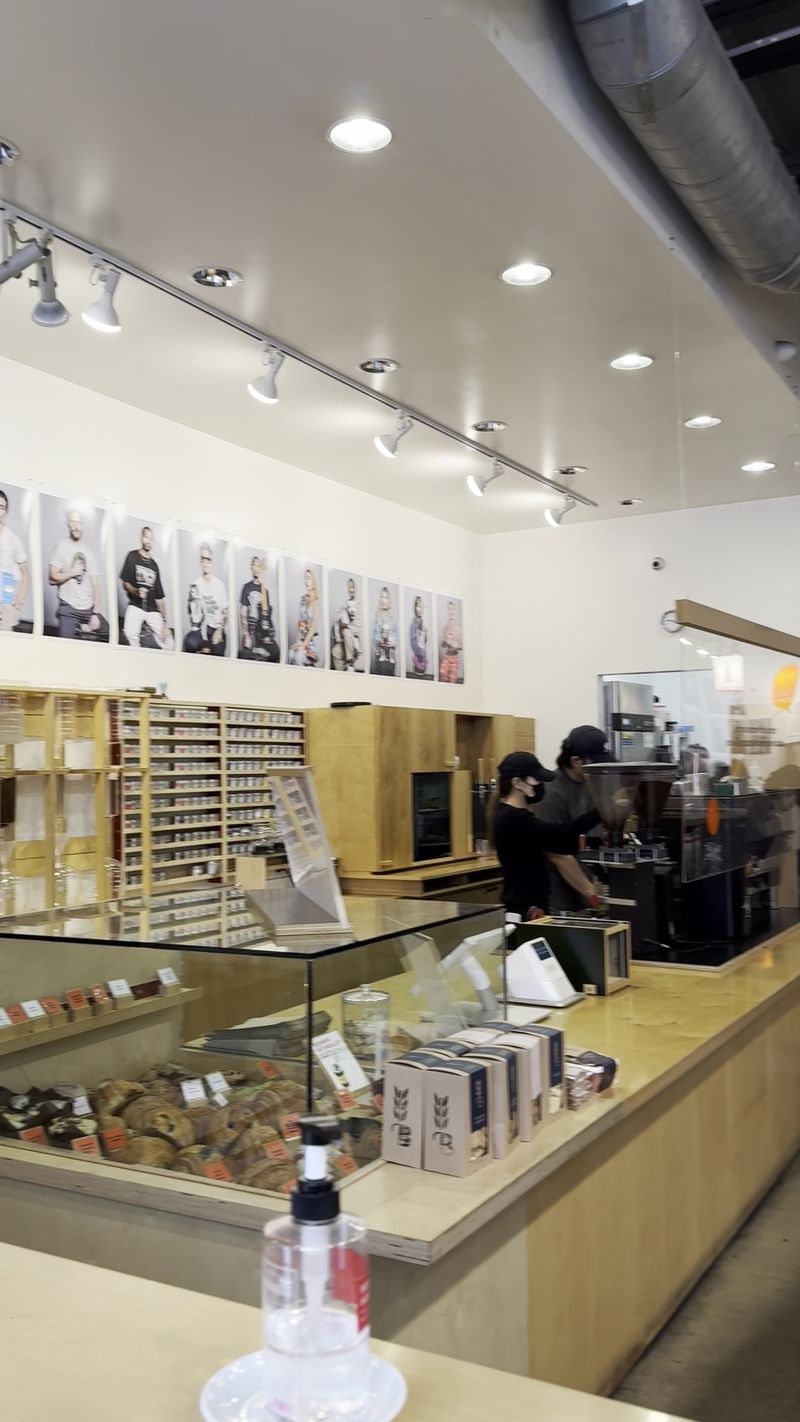
Conversations with strangers often reveal they’re working on the next big app, writing a screenplay, or launching a revolutionary product.
California’s entrepreneurial spirit means nearly everyone juggles side hustles alongside regular employment, dreaming of breakthrough success.
Coffee shops fill with laptop warriors pitching ideas to anyone who’ll listen, treating casual meetups like potential investment opportunities.
The phrase “I’m working on something” could mean anything from legitimate business ventures to half-formed concepts sketched on napkins.
This culture of ambition and creativity drives innovation but also creates pressure to always be building or creating something beyond day jobs.
Networking happens everywhere, from gym conversations to grocery store checkout lines where people exchange business cards and LinkedIn connections.
Cynics roll their eyes at the constant hustle culture while secretly harboring their own passion projects and entrepreneurial dreams they discuss selectively.
16. Taco Tuesday Is Practically Sacred
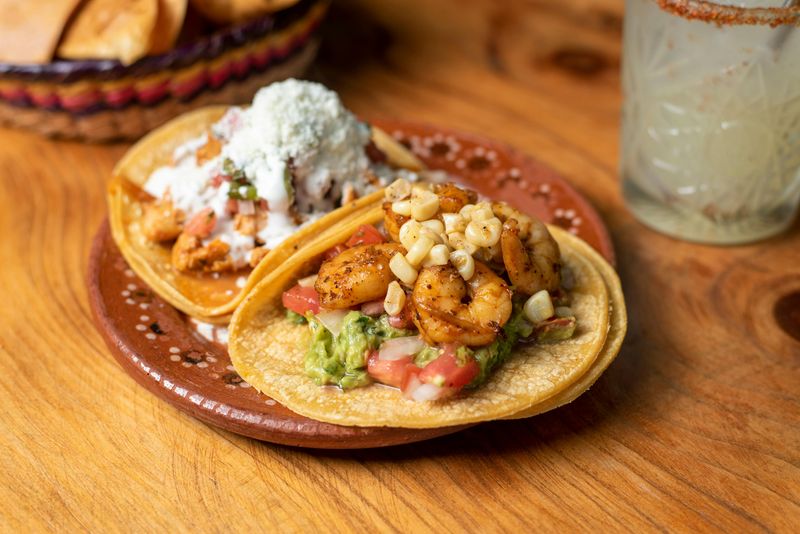
Tuesdays mean tacos across California, where restaurants offer specials and friend groups maintain weekly traditions with religious devotion.
This isn’t just marketing but a cultural institution that structures social calendars and dining plans.
California’s proximity to Mexico and large Mexican-American population means taco quality reaches levels unimaginable in other regions.
Debates rage over best taco spots, proper toppings, and whether fish tacos count as authentic or California fusion innovation.
From food trucks to upscale restaurants, Tuesday specials bring crowds seeking deals on already-affordable food that tastes exponentially better than chain restaurant attempts.
Locals distinguish between different regional Mexican styles, recognizing Baja versus Jalisco preparations and having strong opinions about each.
Skipping Taco Tuesday feels wrong somehow, like missing an important appointment that friends will definitely ask about later when making plans.
17. The Perpetual Housing Crisis Conversation
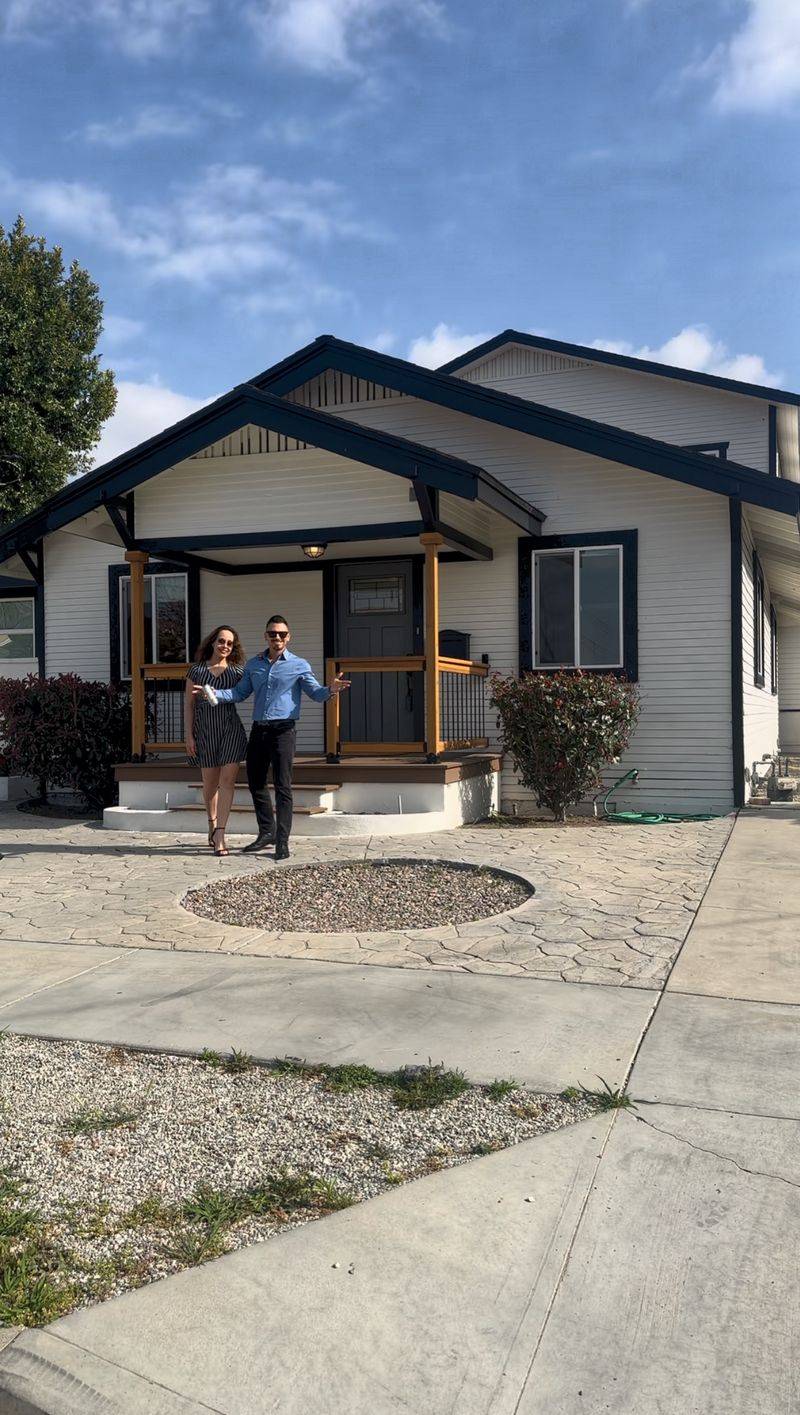
Housing costs dominate conversations with an intensity usually reserved for weather discussions elsewhere, as residents calculate whether staying makes financial sense.
Stories of million-dollar fixer-uppers and bidding wars sound like fiction to outsiders but represent daily reality for Californians.
Longtime residents who bought decades ago sit on massive equity while newcomers struggle to afford rent, creating economic divides within communities.
The dream of homeownership feels increasingly distant for younger generations despite good incomes that would provide comfortable lives elsewhere.
Conversations inevitably turn to who’s leaving for cheaper states and who’s staying despite financial strain because California offers something worth the sacrifice.
Propositions and policy debates about housing development create passionate arguments at dinner parties.
Everyone knows someone who commutes two hours each way because that’s where affordable housing exists, accepting exhausting schedules as the price of California living.
18. Beach Bonfires And Sunset Gatherings
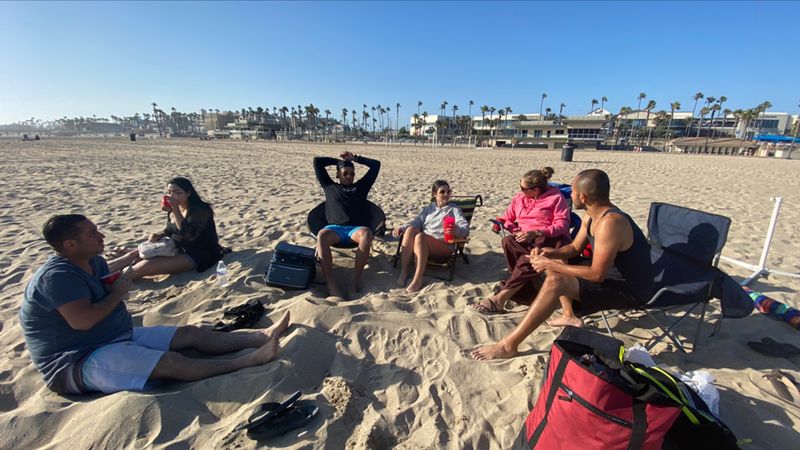
Summer evenings bring crowds to beaches armed with firewood, blankets, and coolers for bonfire gatherings that last until flame curfews.
Securing a fire pit requires strategic timing and sometimes friendly competition with other groups seeking prime spots.
These gatherings blend all ages and backgrounds, united by appreciation for ocean views, crackling fires, and the simple pleasure of outdoor socializing.
Guitars often appear, along with marshmallows, stories, and the kind of relaxed conversation that flows naturally around flames.
Coastal regulations vary by location, with some beaches requiring permits while others operate first-come-first-served for designated fire rings.
The ritual of watching sunsets over the Pacific never gets old, even for residents who’ve witnessed thousands of them.
Tourists join locals in this tradition, everyone pausing activities to appreciate the daily show of colors painting the sky before darkness settles in.
19. Wine Country Day Trips Are Standard Weekend Plans

Napa and Sonoma valleys sit close enough for casual weekend visits, turning wine tasting into accessible recreation rather than special occasion splurges.
Californians develop sophisticated palates through repeated exposure, discussing tannins and terroir with casual expertise.
Designated drivers rotate through friend groups, or party buses handle transportation for groups seeking full tasting experiences without driving concerns.
The experience combines beautiful scenery, excellent wine, and often outstanding food at winery restaurants that rival urban establishments.
Locals know which wineries require reservations and which welcome walk-ins, plus hidden gems that tourists overlook in favor of famous names.
Harvest season brings special events and festivals celebrating the grape crush with traditional stomping and fresh juice.
Even non-wine-drinkers appreciate the pastoral landscapes and relaxed atmosphere that wine country provides as an escape from urban density and hectic schedules.
20. The Unspoken Rules Of Beach Towel Territory

Beach real estate operates on complex unwritten rules that longtime visitors understand instinctively while newcomers stumble through social mistakes.
Towel placement communicates territorial claims that others respect, maintaining appropriate distances that balance community and privacy.
Arriving early secures prime locations near lifeguard stands or tide pools, while latecomers squeeze into remaining spaces with apologetic smiles.
Walking through established towel areas requires careful navigation and muttered apologies, following invisible pathways that minimize sand-kicking and space invasion.
Umbrellas, canopies, and elaborate setups stake claims to larger territories, especially for families planning all-day stays with coolers and toys.
Locals read crowds expertly, knowing which beaches fill quickly and which remain relatively peaceful even during peak season.
The etiquette extends to noise levels, music volume, and respecting others’ beach experiences while enjoying your own slice of Pacific coastline and sunshine.