18 Texas Home Features You Might Not Realize Are Illegal In Certain Counties
Owning a home in Texas comes with plenty of freedom, but not everything you want to add or keep is actually allowed.
Some features that seem perfectly normal might violate local regulations depending on where you live.
What flies in one county could land you in hot water just a few miles away, so it pays to know the rules before you build, plant, or renovate.
1. Tiny Homes
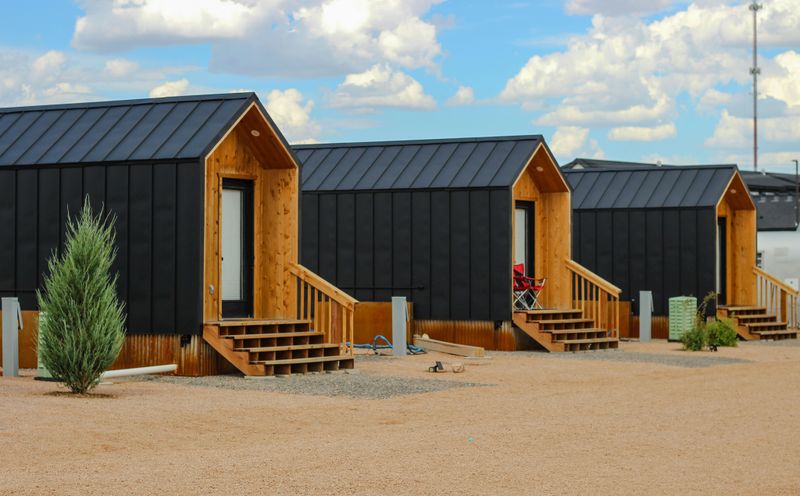
Living small sounds dreamy until you run into zoning headaches.
Counties like Medina welcome tiny homes with open arms, especially in unincorporated zones where rules are looser.
But step into urban areas and you’ll face strict zoning laws that might completely ban your mini dream house.
City governments often require minimum square footage that tiny homes simply can’t meet.
You might think your compact dwelling is eco-friendly and budget-smart, but local officials could see it as non-compliant.
Always check with your county’s zoning office before investing in a tiny home.
What works in one Texas county might be completely off-limits in another, and the last thing you need is a legal battle over where you sleep at night.
2. Accessory Dwelling Units
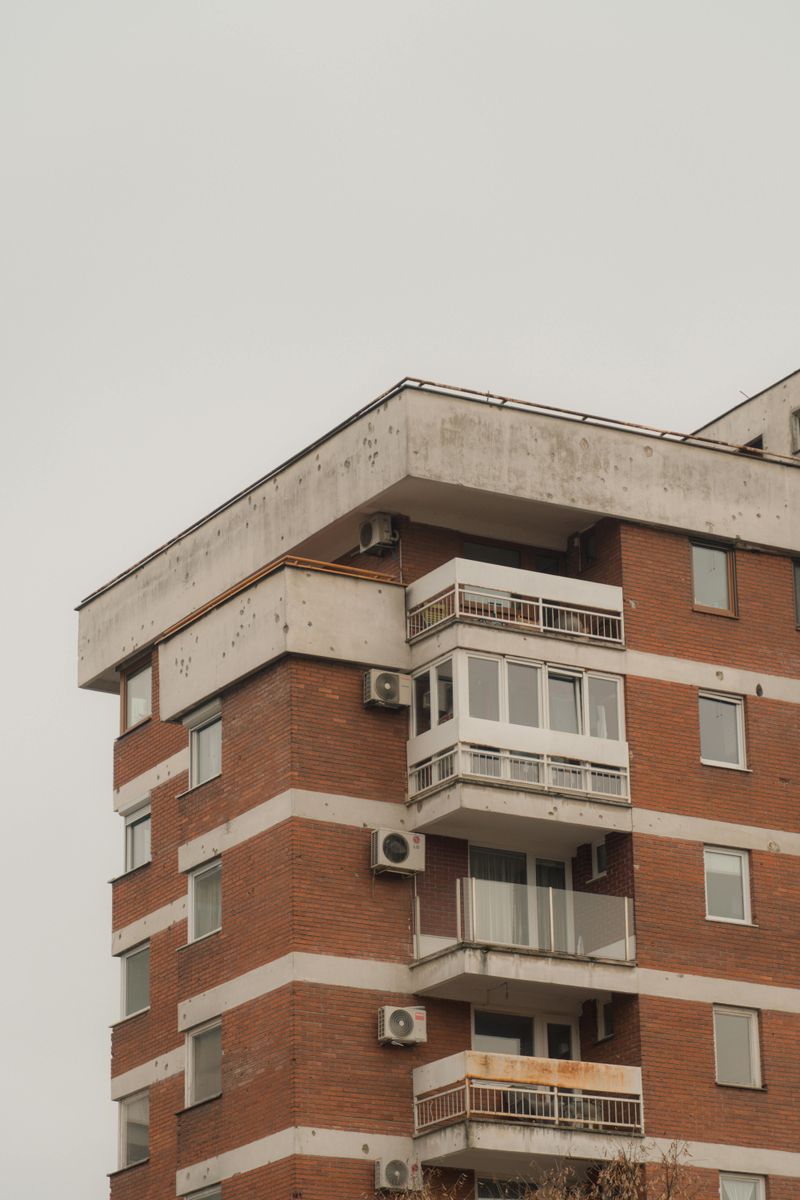
Building a guest house for grandma seems like a thoughtful move.
ADUs think granny flats or backyard cottages face wildly different rules depending on your location.
Some counties let you build without much fuss, while cities like Navasota and Anderson have strict guidelines on size, placement, and who can live there.
You might assume your property is yours to do with as you please.
But local governments worry about density, parking, and infrastructure strain.
Before pouring a foundation, contact your city’s planning department.
They’ll tell you exactly what’s allowed and what paperwork you need. Skipping this step could mean tearing down a structure you just spent thousands building, which nobody wants to face.
3. Artificial Turf

Fake grass seems like a water-saving win until summer hits.
Artificial turf can reach scorching temperatures of 150°F during Texas summers, turning your yard into a literal hot zone.
It creates urban heat islands and can burn your dog’s paws if they wander outside.
Environmental concerns are piling up too, with studies showing microplastics shedding into soil and waterways.
Many homeowners associations now restrict synthetic lawns to backyards only, and some are moving toward complete bans.
If you’re considering artificial turf, check your HOA rules first.
What seems like a low-maintenance solution could violate community standards and hurt resale value when buyers see those plastic blades baking in the sun.
4. Bradford Pear Trees
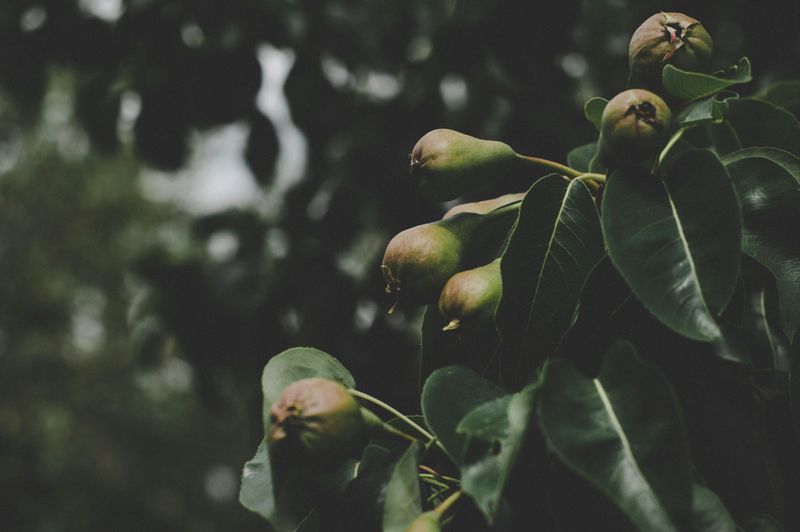
Those pretty white blossoms hide a dangerous secret.
Bradford pears might look gorgeous in spring, but their weak branch structure makes them hazards during Texas storms.
Limbs snap easily, damaging roofs, cars, and power lines.
Even worse, they produce invasive offspring that choke out native plants in natural areas.
Several Texas counties have already banned new plantings, and more are joining the movement as awareness spreads.
If you have Bradford pears on your property, consider replacing them with sturdier native species.
Not only will you avoid potential county violations, but you’ll also protect your home from falling branches and help preserve Texas’s natural ecosystems for future generations.
5. Oleander Shrubs
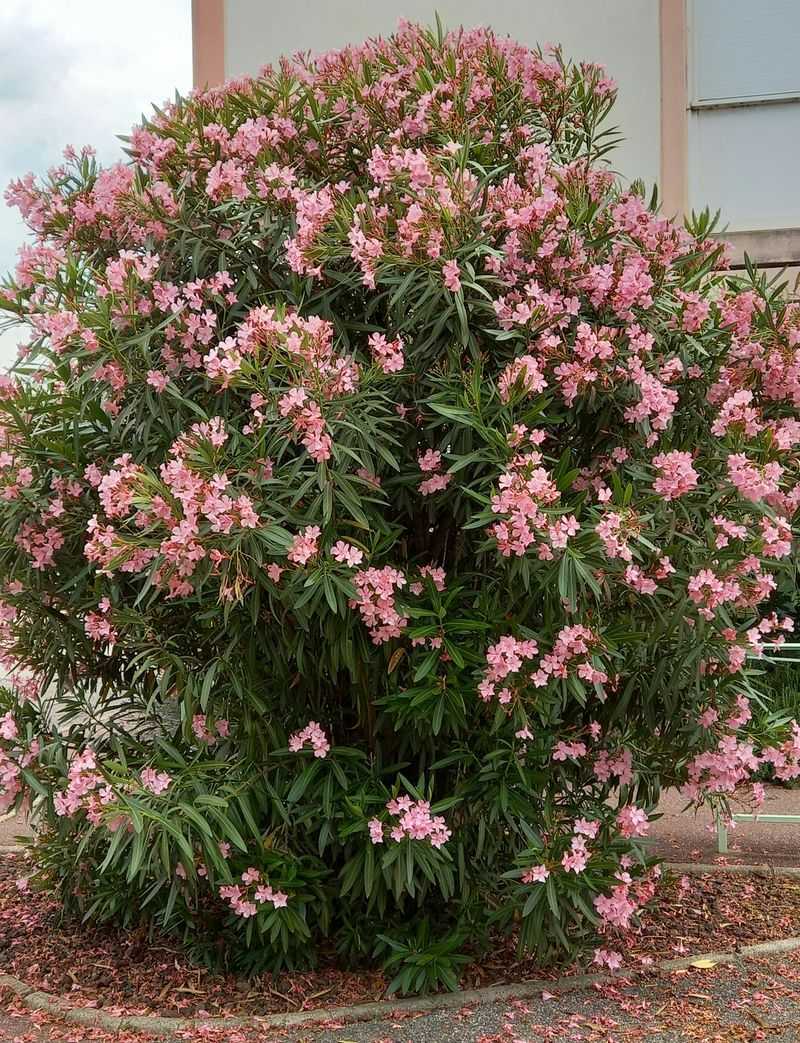
Beauty and danger bloom together in these popular shrubs.
Every part of an oleander contains cardiac glycosides, which can be fatal if a curious child or pet takes a nibble.
One leaf can cause serious harm, making these plants risky around families.
Communities near schools and playgrounds are starting to classify oleanders as prohibited plants.
Some neighborhoods now require homeowners to remove them entirely, especially in areas where kids play.
If you’re landscaping near children’s spaces, skip the oleanders and choose safer alternatives.
Local guidelines are tightening, and you don’t want to face removal orders after your shrubs have matured and established roots throughout your yard.
6. Tall Privacy Hedges
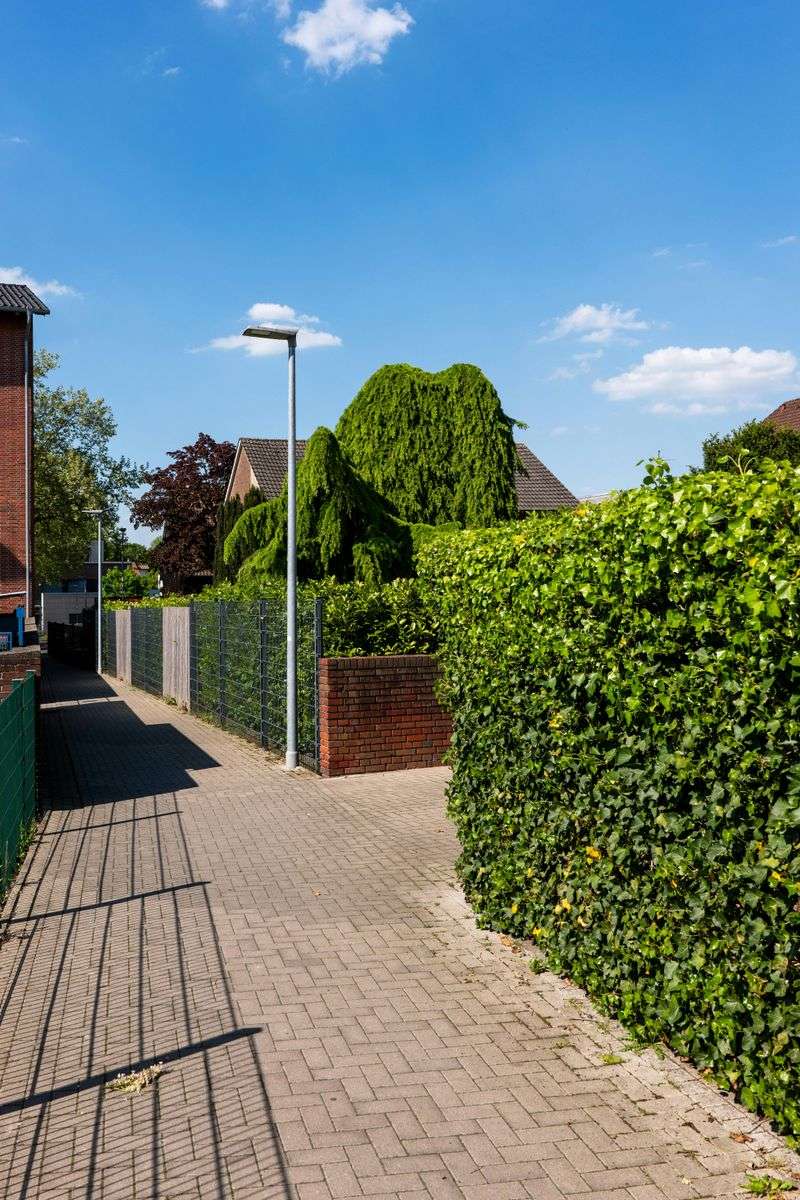
Your green wall might be blocking more than just nosy neighbors.
Towering hedges that block sightlines are facing height restrictions across Texas communities.
While privacy sounds appealing, these living barriers create security concerns by providing hiding spots for intruders.
They also eliminate natural surveillance neighbors can’t watch out for each other when vision is blocked.
Many areas now limit hedge height to maintain visibility and community safety.
Before planting a privacy hedge, check local ordinances about maximum heights.
You might need to keep it below six feet or trim it regularly.
Violating height restrictions could result in fines or forced trimming, undermining your entire landscaping investment.
7. Faux-Stucco Exteriors
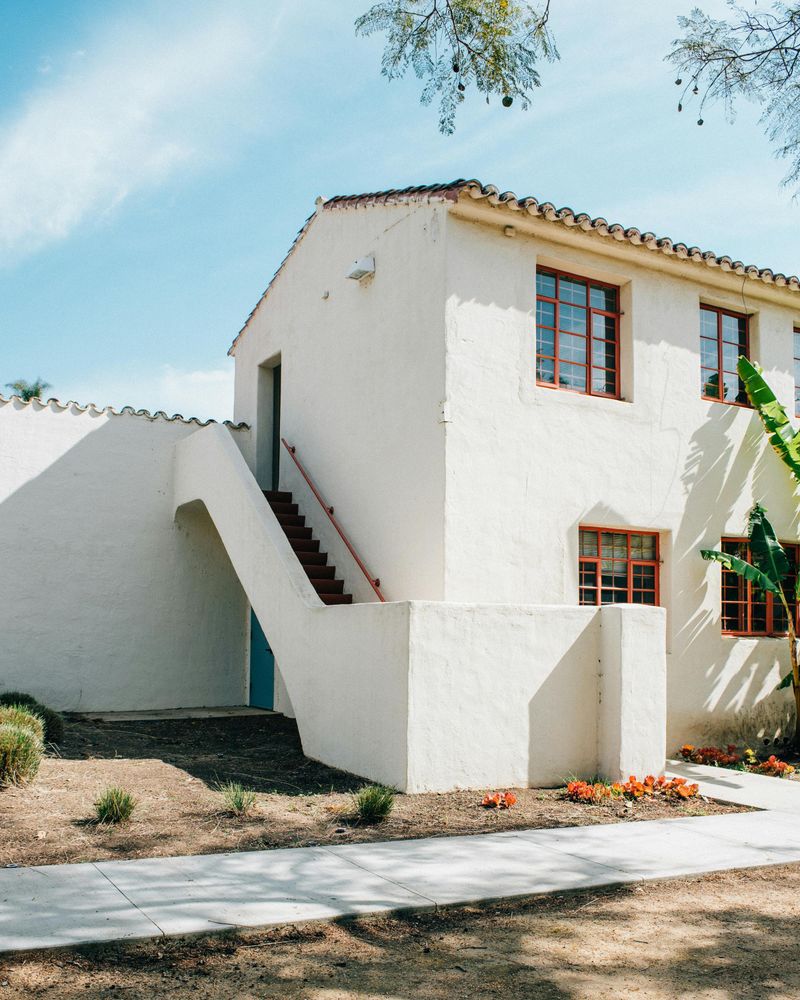
Cheap materials come back to haunt you in Texas heat.
Faux-stucco looks appealing on the price tag, but it cracks and traps moisture in extreme temperatures.
What starts as a budget-friendly choice becomes a nightmare of expensive repairs.
Homebuyers are increasingly avoiding properties with synthetic exteriors, favoring authentic materials like genuine stucco, brick, or fiber cement siding.
Banks and inspectors are also scrutinizing these materials more closely.
Some counties are updating building codes to discourage or prohibit certain synthetic exteriors that don’t hold up in Texas conditions.
If you’re building or renovating, invest in quality materials that last, or risk resale troubles down the road.
8. Split-Level Layouts
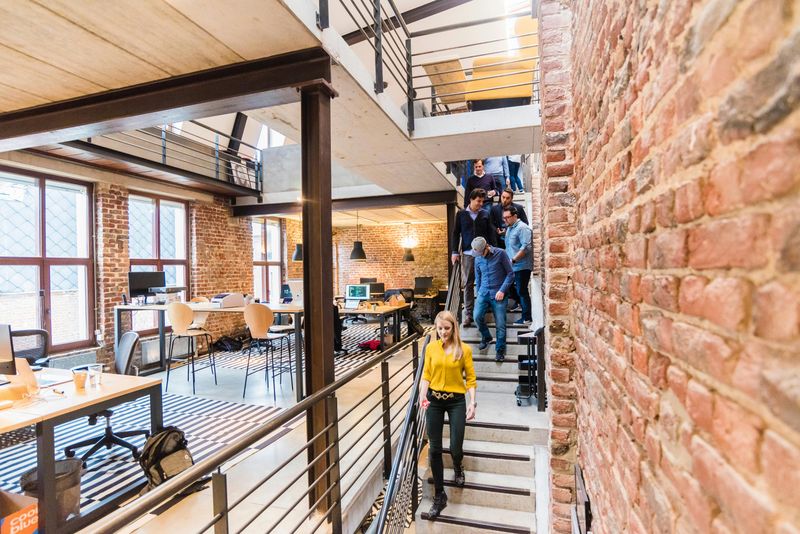
Half-flights of stairs everywhere make daily life exhausting.
Split-level homes were all the rage in Texas suburbs decades ago, but they’re rapidly falling out of favor.
Their choppy floor plans are impractical for aging residents and anyone with mobility challenges.
Modern families want open-concept designs with seamless transitions between spaces.
Navigating multiple levels just to move from kitchen to living room feels dated and inconvenient.
While not technically illegal, some new developments are restricting split-level designs in their architectural guidelines.
These homes are harder to sell and often require costly renovations to modernize. If you’re house hunting, think twice before committing to all those stairs.
9. Pop-Up Ranch Homes
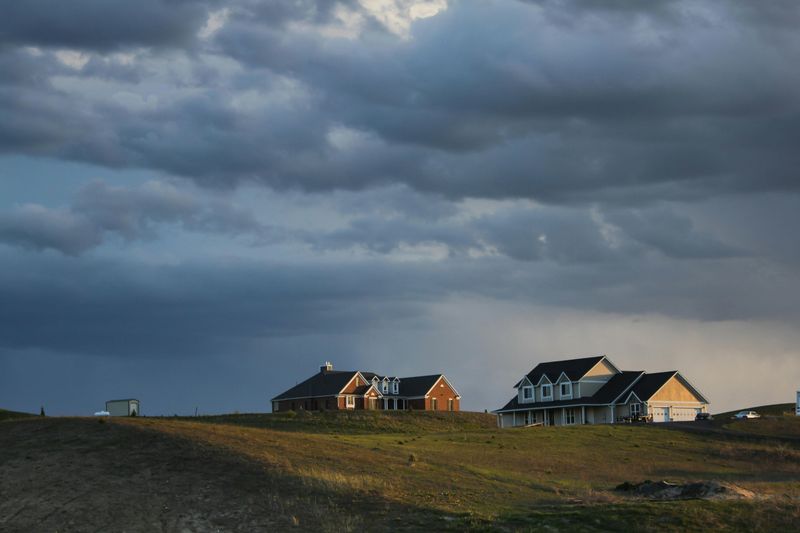
Mismatched additions scream design disaster from the curb.
Pop-up ranch homes single-story houses with awkward second-floor additions create more problems than they solve.
These tacked-on levels often cause drainage issues and create inefficient space that’s expensive to cool in Texas heat.
The structural mismatches can violate updated building codes, especially regarding load-bearing walls and foundation support.
Renovating these homes to modern standards rarely yields good returns on investment.
Some homeowners associations now restrict vertical additions that don’t match the original architecture.
Before buying a pop-up ranch, get a thorough inspection to check for code violations and structural problems that could cost you dearly later on.
10. Pink-Toned Bathrooms

Retro charm stops being charming when you need to renovate.
Bathrooms decked out in 1950s pink are becoming real estate liabilities across Texas.
These color schemes are nearly impossible to match if you crack a tile or chip a fixture.
Any damage means tearing out the entire bathroom and starting fresh. Modern buyers want neutral, spa-like spaces that feel clean and contemporary, not nostalgic time capsules.
While pink bathrooms aren’t illegal, some lenders flag them as outdated features that hurt appraisal values.
If you’re selling, expect buyers to demand price reductions to cover renovation costs.
Updating to neutral tones before listing can save you thousands in negotiations.
11. Heavy Floral Wallpaper
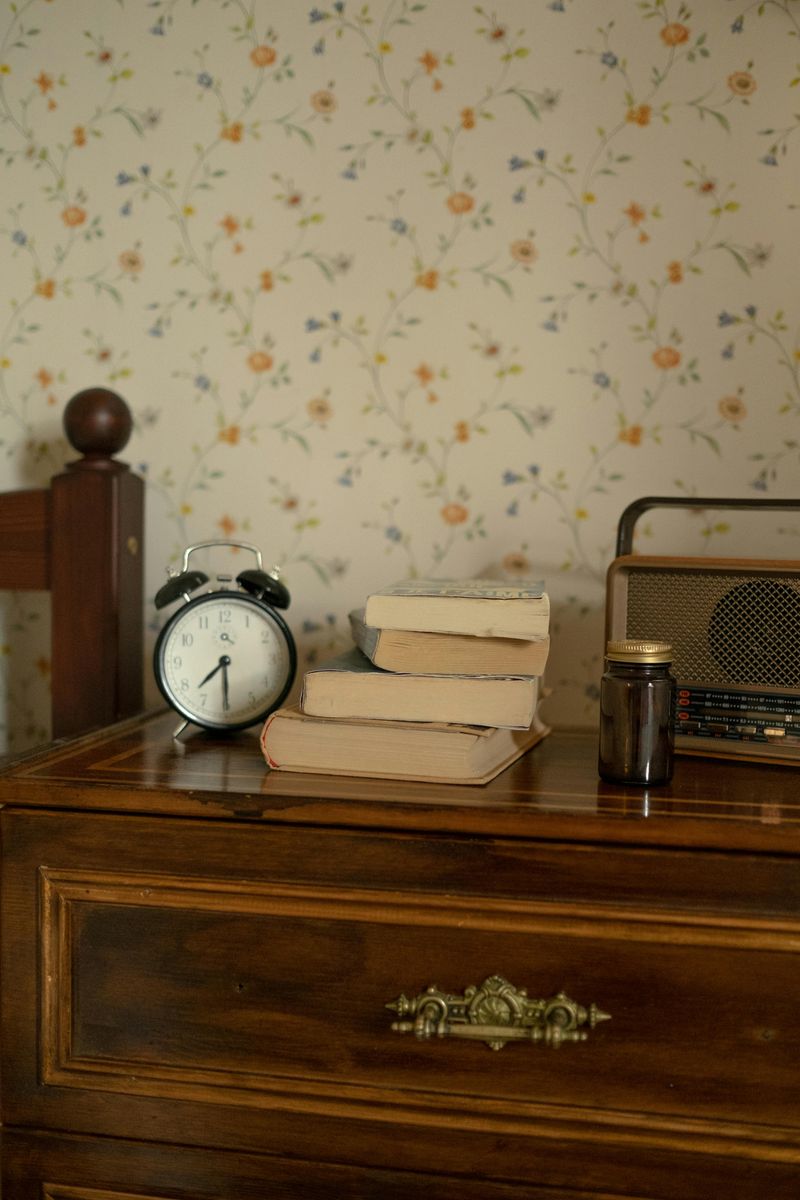
Dark, busy patterns make rooms feel like they’re closing in.
Heavy floral wallpaper from the 1980s and 90s is quickly becoming a deal-breaker for Texas homebuyers.
These patterns make sunny rooms feel smaller and darker, which nobody wants in already-hot climates.
Removing this wallpaper is a nightmare it often damages drywall underneath, requiring costly repairs.
Multiple layers can hide water damage or mold that inspectors will flag during sales.
Some HOAs now include clauses about maintaining updated interiors that don’t detract from neighborhood appeal.
While not strictly illegal, outdated wallpaper can violate community standards and hurt your home’s value significantly when it’s time to sell.
12. Carpeted Bathrooms
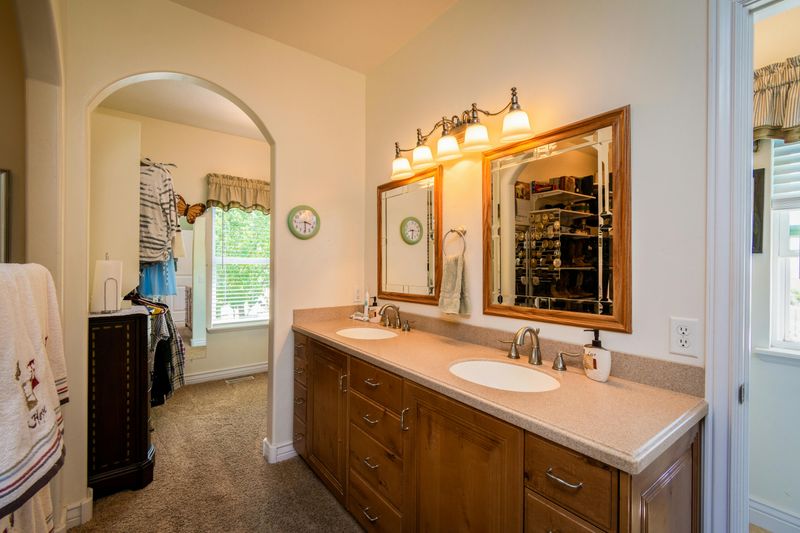
Mold and mildew love your bathroom carpet as much as you don’t.
Carpeted bathrooms are impractical disasters in Texas’s humid climate.
They harbor mold, mildew, and bacteria that thrive in moisture, creating health hazards for your family.
Potential buyers see bathroom carpet as a red flag indicating the home hasn’t been updated in decades.
Ripping it out often reveals water damage to subfloors or outdated plumbing that needs immediate attention.
Modern building codes increasingly discourage or prohibit carpet in wet areas due to health and safety concerns.
If you’re renovating, replace bathroom carpet with tile or waterproof vinyl. Inspectors and appraisers will thank you, and your home will be healthier.
13. Pastel Kitchen Cabinets
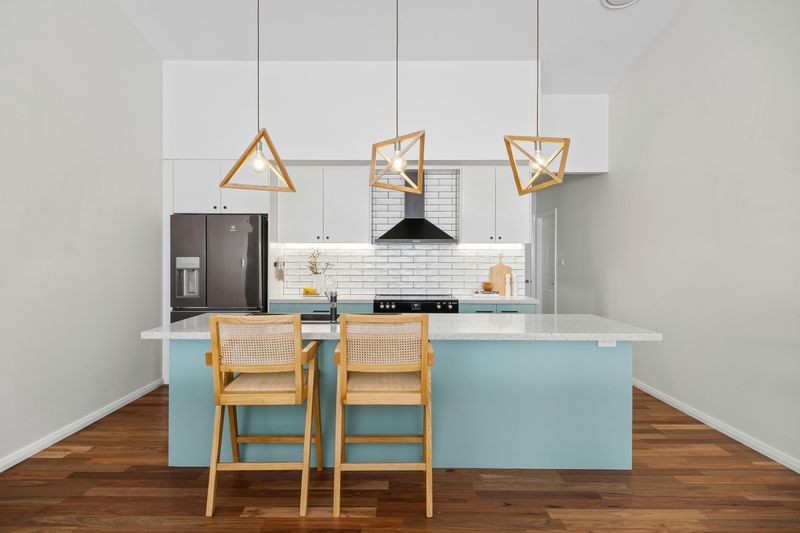
Mint green cabinets seemed trendy once emphasis on once.
Pastel kitchen cabinets like baby blue or mint green instantly date your home and make design updates nearly impossible.
These colors clash with modern appliances and make it hard to create cohesive schemes.
Buyers expect neutral kitchens with clean lines that showcase architectural features, not distract from them.
Painting or replacing pastel cabinets is expensive, and buyers will factor that cost into their offers.
Some homeowners associations have design standards that discourage non-neutral visible features.
While not illegal everywhere, pastel cabinets can violate community aesthetic guidelines and hurt resale value significantly in competitive Texas markets where modern kitchens rule.
14. Sunken Living Rooms
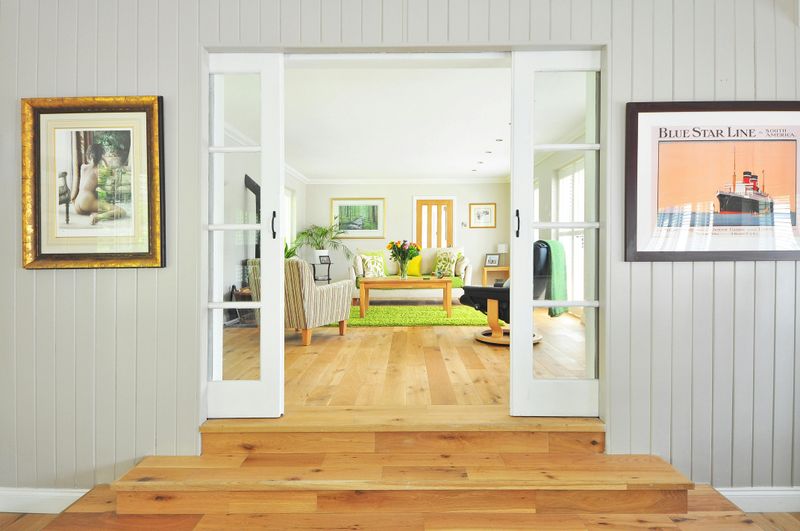
Sophistication meets safety nightmare in these retro designs.
Sunken living rooms were considered elegant decades ago, but they’re now seen as accessibility disasters.
They pose tripping hazards for aging populations and families with young children.
Remodeling these features requires substantial structural work to level floors, often costing tens of thousands.
Modern building codes emphasize accessibility, and some new construction guidelines prohibit sunken rooms entirely.
If you’re buying a home with sunken spaces, budget for eventual renovations.
Lenders and inspectors may flag them as safety concerns that affect property value.
Leveling the floor improves safety, marketability, and compliance with evolving accessibility standards across Texas counties.
15. Cluttered Built-Ins
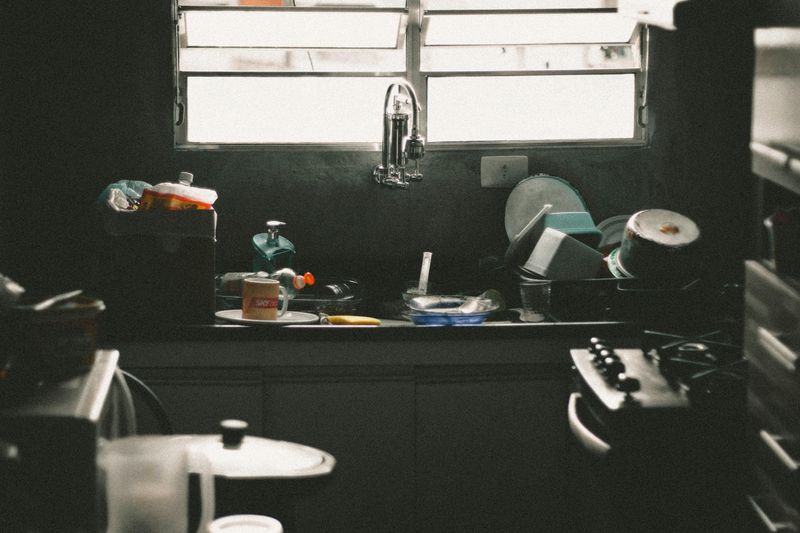
Those ornate shelves are dust magnets eating your square footage.
Bulky built-in shelving with intricate woodwork made sense in different eras, but modern homeowners want clean lines and minimalist storage.
These installations take up valuable space and create maintenance headaches.
Removing them often damages walls and requires professional repair work.
They also make rooms feel smaller and darker, which hurts in Texas’s competitive real estate market.
While not illegal, some homeowners associations encourage updated interiors that maximize space and light.
If you’re renovating, consider removing cluttered built-ins in favor of sleek, modern storage solutions that blend seamlessly with your home’s architecture and appeal to contemporary buyers.
16. Ornate Ceiling Medallions
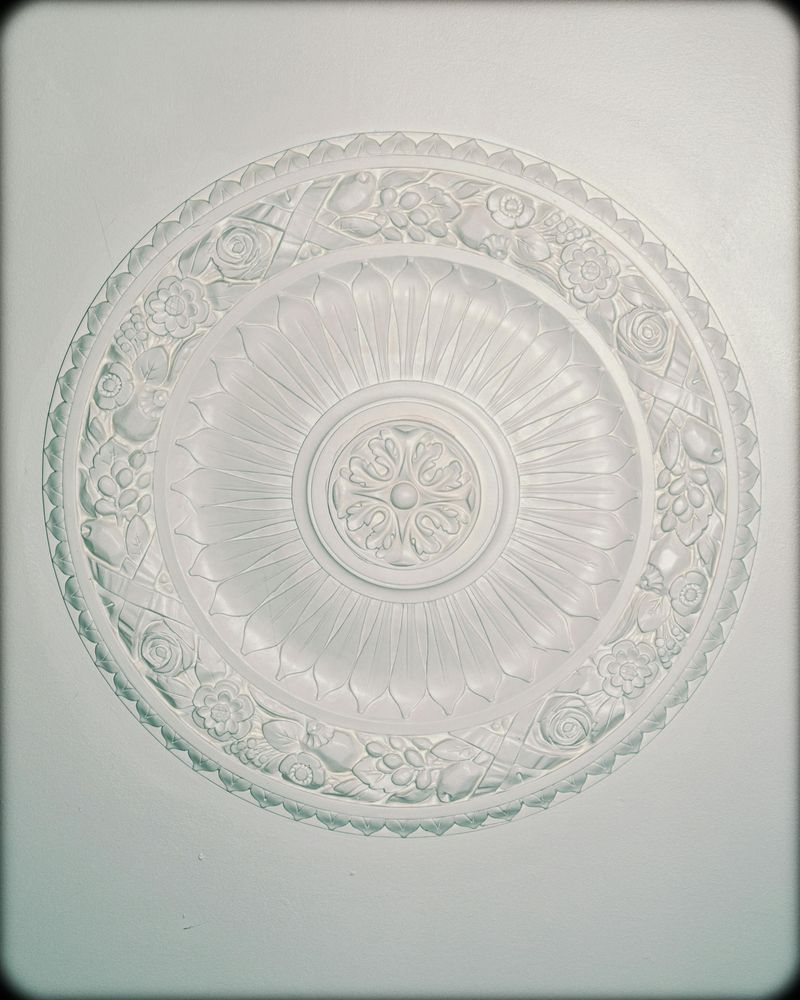
Victorian flair clashes hard with modern minimalist tastes.
Elaborate plaster decorations around light fixtures once signaled luxury, but they now feel overdone and dated.
These medallions clash with the clean, simplified aesthetics that today’s Texas homebuyers prefer.
Removing them is tricky you risk damaging ceilings and needing professional repairs.
They also collect dust and cobwebs in hard-to-reach places, making maintenance frustrating.
Some design-conscious communities have architectural guidelines discouraging overly ornate features that don’t match neighborhood aesthetics.
While not strictly illegal, ceiling medallions can hurt your home’s appeal and value.
Simple, streamlined fixtures are safer bets if you’re updating or selling in today’s market.
17. Gold-Plated Fixtures
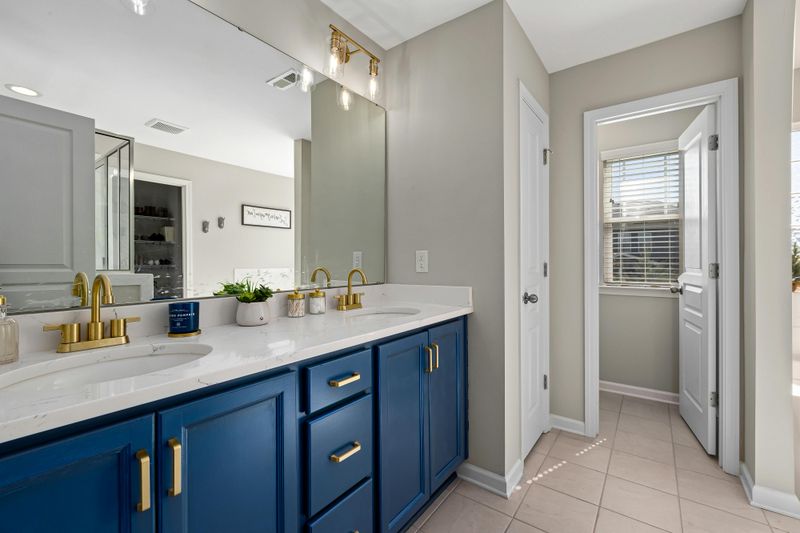
What once screamed luxury now just looks tired and worn.
Gold-plated fixtures seemed opulent years ago, but they age poorly the finish wears unevenly, creating a neglected appearance.
Replacing every gold faucet, towel bar, and showerhead throughout a home gets expensive fast.
Modern buyers gravitate toward finishes like brushed nickel, matte black, or chrome that look cleaner and more contemporary.
Gold fixtures can make even updated homes feel stuck in the past.
Some homeowners associations have design standards encouraging cohesive, modern aesthetics throughout communities.
While not illegal, gold fixtures hurt resale value and can violate community guidelines.
Updating to current finishes is a smart investment before listing your Texas home.
18. Heavy Oak Woodwork
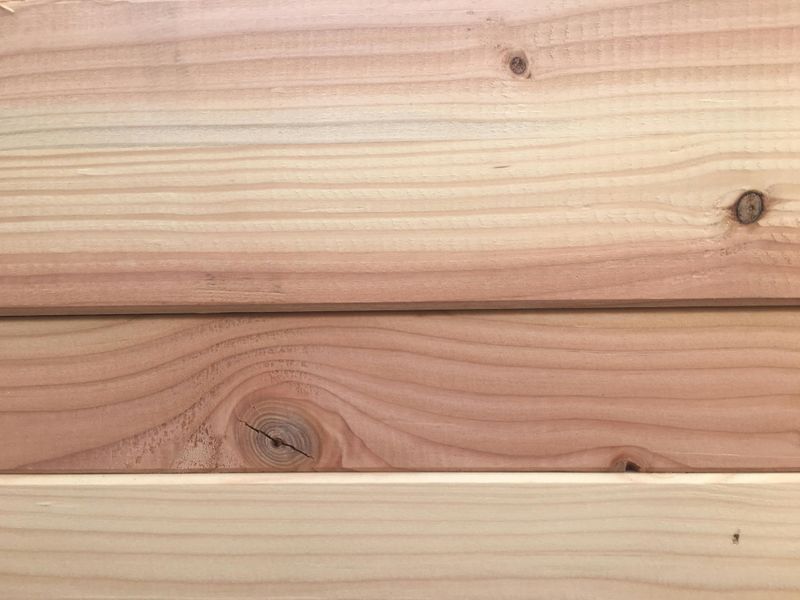
Dark, bulky trim swallows light and makes spaces feel cramped.
Heavy oak woodwork think thick trim and wainscoting was popular decades ago, but it makes rooms feel smaller and darker.
Painting or replacing it is labor-intensive and expensive, often requiring professional help.
Modern Texas homes feature simpler, cleaner woodwork in lighter tones or painted contemporary neutrals.
Buyers want bright, airy spaces, not dark, enclosed feelings that heavy oak creates.
While not illegal, some new developments include architectural standards that discourage overly dark or heavy interior features.
If you’re renovating, lightening up woodwork through paint or replacement can dramatically improve your home’s appeal and market value in today’s bright, open-concept world.