15 Of California’s Most Dangerous Roads: What You Need To Know Before Hitting The Road
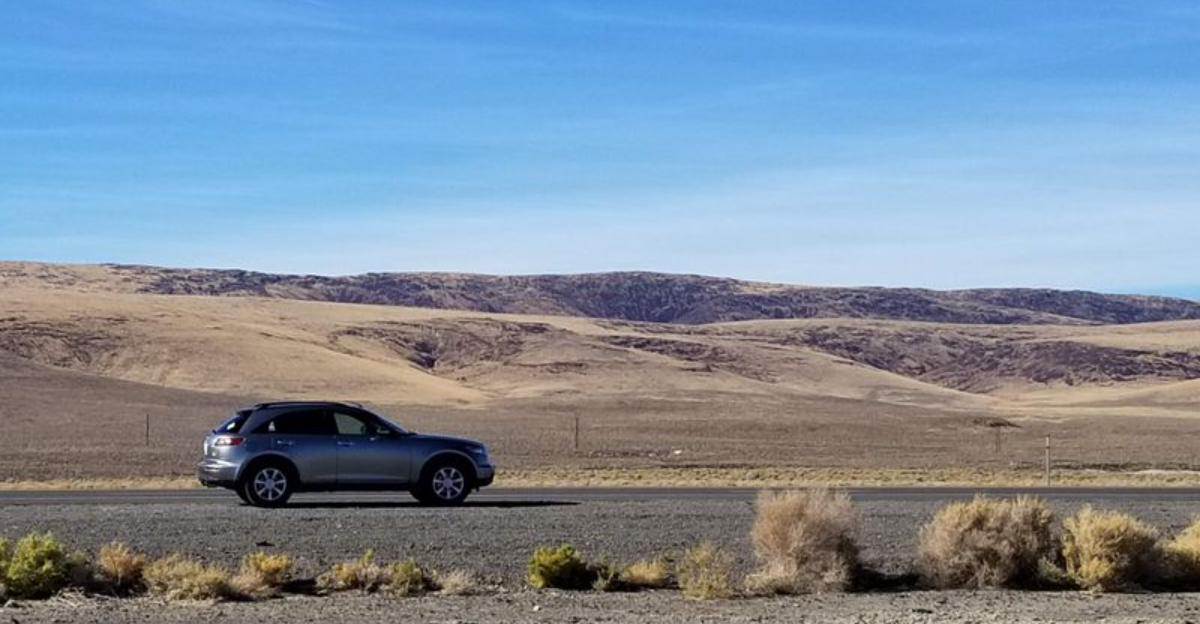
California’s roads are as diverse as the landscapes they cross, winding through deserts, mountains, coastlines, and dense urban centers.
Every day, millions of drivers rely on this vast network of highways and backroads to get where they’re going, often without realizing how dramatically conditions can change from one stretch to the next.
While many routes are known for scenic views and smooth pavement, others demand far more attention behind the wheel.
Sharp curves, steep grades, heavy traffic, unpredictable weather, and wildlife crossings can turn an ordinary drive into a risky one if caution slips for even a moment.
What makes certain California roads especially challenging isn’t just their design, but the way beauty and danger often coexist.
A breathtaking coastal highway may hide blind curves, while a busy urban freeway can become hazardous during peak congestion.
Understanding which routes have higher accident rates – and why – empowers drivers to plan smarter, slow down when needed, and stay alert in the moments that matter most.
This guide highlights the California roadways that deserve extra respect, offering insight that can help turn awareness into safer journeys and ensure every drive ends exactly where it should – safely at home.
1. Interstate 15 (I-15) – Cajon Pass To Hesperia
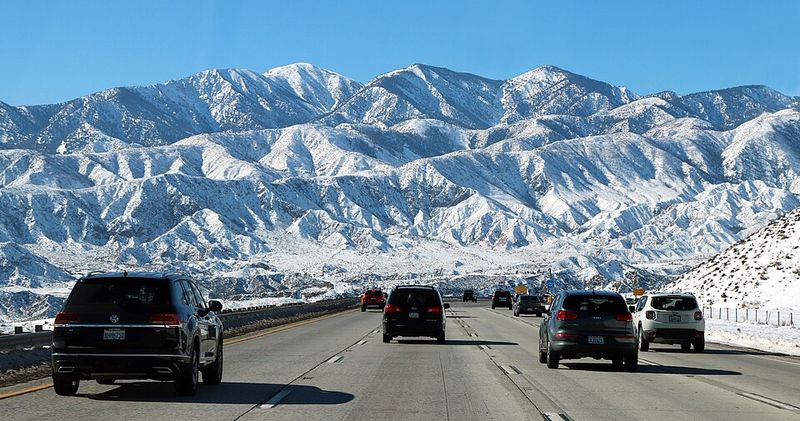
Steep mountain grades and unpredictable weather make this 4.5-mile stretch one of the most challenging drives in San Bernardino County.
From 2017 to 2019 alone, this section recorded 19 casualties. Thick fog can roll in without warning, reducing visibility to just a few feet, while high winds push vehicles across lanes.
Heavy truck traffic adds another layer of difficulty, especially on downhill slopes where brake failures become more likely.
Speed management becomes critical as grades reach up to 6%, testing both driver skill and vehicle performance.
Many crashes occur when drivers underestimate the descent or fail to adjust speed for changing conditions.
Planning a trip through Cajon Pass requires checking weather forecasts and traffic reports beforehand.
Keeping extra distance from large trucks and staying in the right lane when possible helps reduce risk.
Extra supplies like water, blankets, and snacks should stay in the vehicle in case delays or emergencies arise on this demanding mountain route.
2. State Route 91 (SR-91)
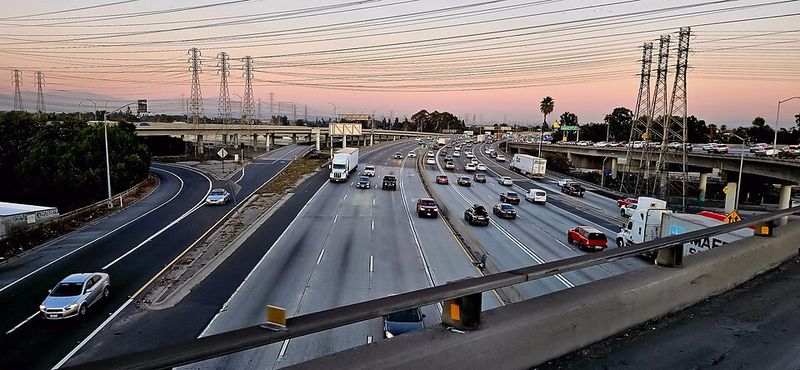
Heavy commuter traffic during rush hours turns this east-west corridor into a congested maze where patience runs thin and accidents spike.
Connecting Riverside County to the coast, SR-91 carries thousands of vehicles daily, creating bumper-to-bumper conditions that test driver attention.
Lane changes happen frequently, and sudden stops catch distracted drivers off guard. Construction zones appear regularly along this route, narrowing lanes and shifting traffic patterns without much warning.
Motorcyclists weave through tight spaces, adding unpredictability to an already crowded environment.
Evening commutes often stretch well past sunset, when reduced lighting and tired drivers increase collision risks.
Allowing extra travel time helps reduce the urge to speed or make risky lane changes.
Staying alert to brake lights ahead and maintaining a safe following distance can prevent rear-end collisions.
Using GPS apps to monitor real-time traffic conditions may reveal alternate routes or better departure times for a smoother, safer journey through this busy corridor.
3. Interstate 805 (I-805)
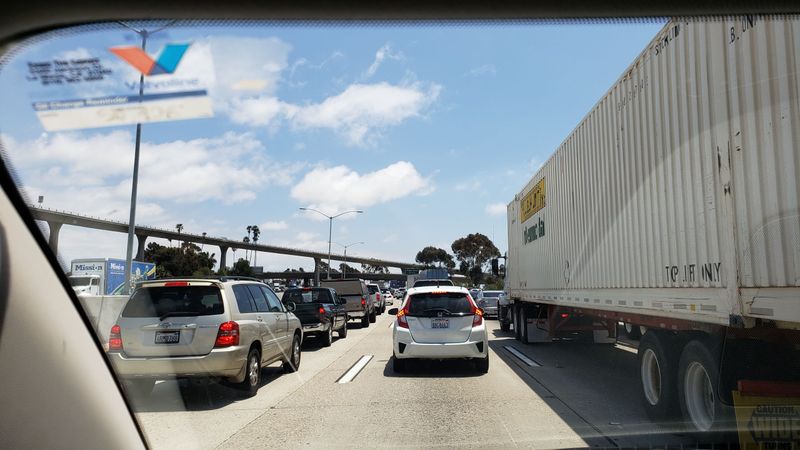
Running through the heart of San Diego County, this highway sees a constant flow of local and long-distance traffic that creates frequent merging conflicts.
Multiple exits and entrances appear in quick succession, forcing drivers to navigate complex lane changes within short distances.
High speeds combined with tight spacing leave little room for error or hesitation. Accidents often occur near major interchanges where vehicles cross multiple lanes to reach their exits.
Rush hour transforms the highway into a slow-moving parking lot, yet sudden accelerations and hard braking remain common.
Motorcycles and commercial trucks share the same lanes, each moving at different speeds and requiring different stopping distances.
Defensive driving becomes essential on I-805, with constant scanning of mirrors and blind spots. Signaling lane changes well in advance gives other drivers time to adjust and prevents sudden surprises.
Avoiding peak travel times when possible reduces exposure to the most congested and accident-prone periods on this busy urban highway.
4. Interstate 605 (I-605)
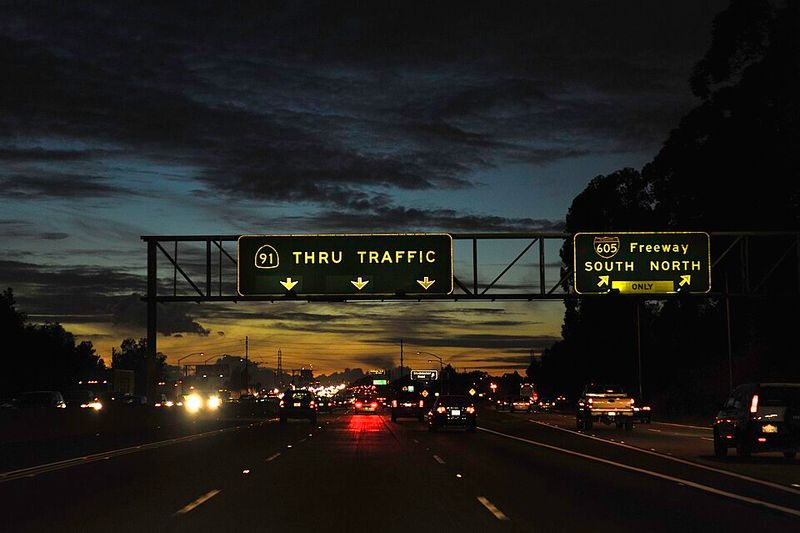
Stretching through Los Angeles and Orange counties, this north-south route handles a relentless volume of traffic that rarely eases throughout the day.
Frequent lane merges near major junctions create bottlenecks where impatient drivers make sudden moves.
Commercial trucks hauling goods to and from ports add to the congestion, occupying multiple lanes and limiting visibility for smaller vehicles.
Surface conditions vary along the route, with some sections showing wear that affects tire grip and vehicle stability.
Nighttime driving introduces additional challenges as lighting remains inconsistent and fatigue sets in for commuters.
Distracted driving becomes more common during long stretches of stop-and-go traffic, leading to preventable collisions.
Maintaining focus on the road ahead rather than on phones or other distractions significantly reduces accident risk.
Keeping headlights clean and properly aimed improves visibility during evening and early morning drives.
Checking tire pressure and tread depth before traveling this route ensures better handling and braking performance when quick reactions become necessary.
5. Interstate 880 (I-880)
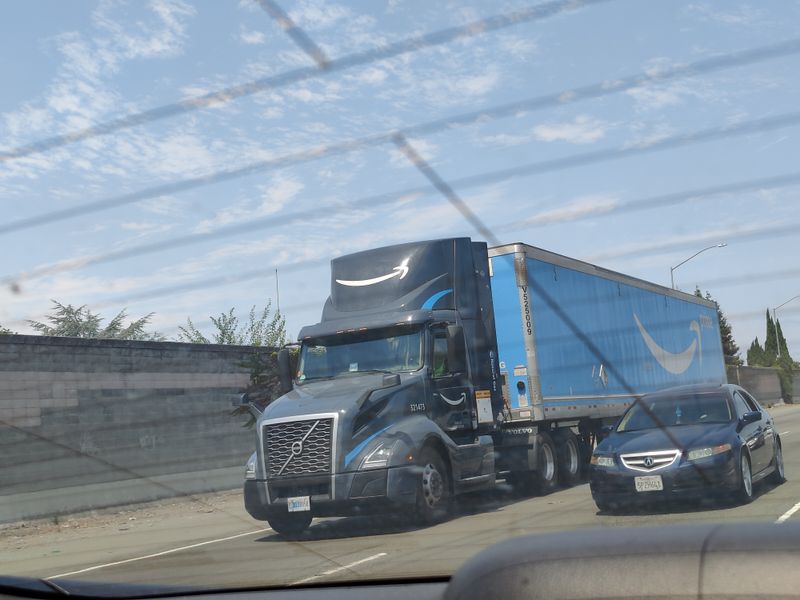
Known locally as the Nimitz Freeway, this East Bay corridor carries a dense mix of commuter and freight traffic through Oakland and surrounding cities.
Complex interchanges and tight curves demand constant attention, especially when speeds pick up outside peak hours.
Accidents often involve multiple vehicles due to the high traffic density and limited space between cars.
Weather conditions can shift quickly near the bay, with fog and rain reducing visibility and making pavement slippery. Older road surfaces in some sections create uneven patches that affect steering and braking.
Commercial truck traffic remains heavy throughout the day, as the route connects major distribution centers and port facilities.
Staying in one lane as much as possible reduces the need for risky maneuvers in heavy traffic. Reducing speed during wet or foggy conditions gives more time to react to sudden hazards.
Keeping emergency contact information and roadside assistance numbers handy provides peace of mind when traveling this challenging stretch of highway regularly.
6. Interstate 110 (I-110)
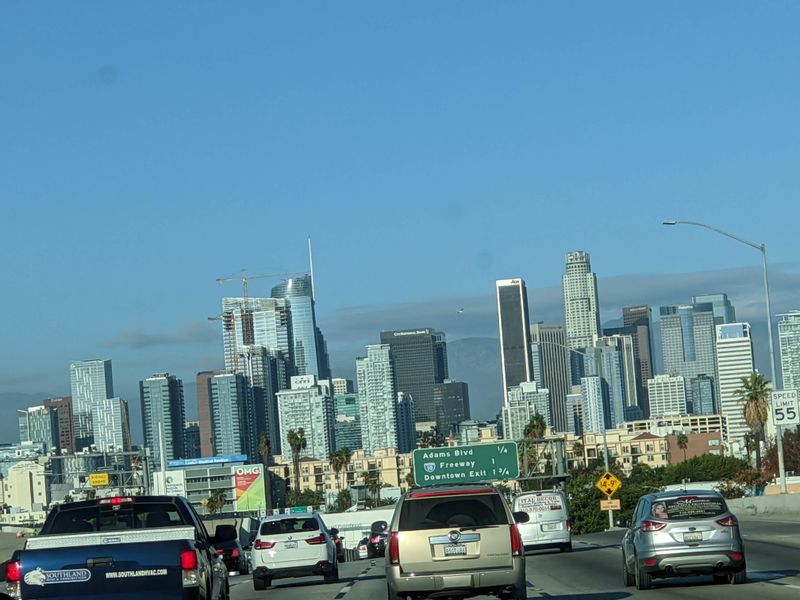
Connecting downtown Los Angeles to the Port of Los Angeles, this highway features some of the oldest and narrowest lanes in the region.
Sharp curves and short entrance ramps leave little room for safe merging, especially for larger vehicles.
The historic sections near downtown lack modern safety features like wide shoulders and clear sightlines.
High traffic volumes persist throughout the day, with port-related truck traffic adding to the congestion.
Aggressive driving behaviors become more common as frustration builds during delays and bottlenecks.
Pavement conditions show signs of heavy use, with cracks and potholes appearing more frequently than on newer routes.
Extra caution near entrance and exit ramps helps prevent side-swipe collisions and merging accidents. Avoiding the far-right lane when not exiting reduces conflicts with vehicles entering the highway.
Regular vehicle maintenance, including brake checks and alignment, becomes even more important when navigating the tight turns and uneven surfaces along this historic route.
7. Interstate 80 (I-80) – Berkeley To Albany
This 5-mile segment between Exits 14A and 8A accounted for 15 fatal accidents resulting in 17 deaths in recent years.
Complex interchanges and high traffic density create a challenging environment where multiple lanes converge and diverge within short distances.
Commuters rushing to and from San Francisco add to the pressure, with speeds varying dramatically across lanes.
Visibility issues arise near the bay, where fog and marine layer reduce sightlines during morning and evening hours. Tight curves and narrow shoulders leave little margin for error or emergency maneuvering.
The mix of local and through traffic creates unpredictable lane changes as drivers navigate toward their specific exits.
Studying the route and exit numbers before traveling helps reduce last-minute lane changes and confusion.
Keeping speed consistent with surrounding traffic rather than racing ahead or falling behind improves overall flow.
Staying especially alert near interchanges and using turn signals early gives other drivers advance notice of intended movements on this demanding stretch.
8. Interstate 80 (I-80) – El Cerrito To Pinole
Another hazardous 5-mile stretch along I-80, this section between Exits 15 and 21 recorded 13 fatal wrecks and 18 deaths.
Sharp curves and heavy commuter traffic characterize this segment, where drivers often exceed safe speeds for the road geometry. The route winds through hilly terrain, creating blind spots and limited sightlines around bends.
Morning and evening rush hours bring dense traffic that moves at varying speeds, increasing the likelihood of rear-end collisions.
Weather conditions can deteriorate quickly, with rain making the already challenging curves even more treacherous.
Inadequate lighting in some sections makes nighttime driving particularly risky when combined with the tight turns.
Reducing speed before entering curves rather than braking mid-turn helps maintain vehicle control and stability.
Increasing following distance during wet weather provides extra stopping room on slippery pavement.
Avoiding distractions and keeping both hands on the wheel becomes especially important when navigating the sharper sections of this dangerous corridor.
9. Interstate 405 (I-405)
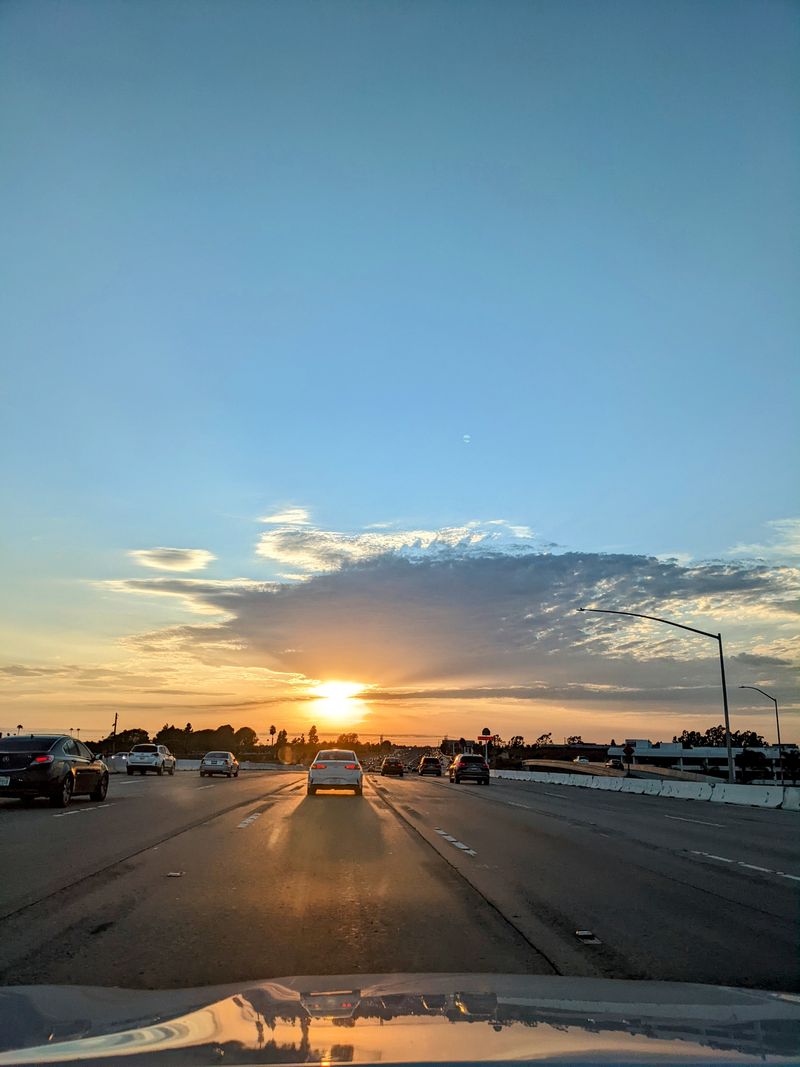
Often called the most congested highway in the United States, this Los Angeles area route sees constant gridlock and frustrated drivers making risky decisions.
Stretching through the heart of the city, I-405 connects numerous major destinations, ensuring heavy traffic at nearly all hours.
Lane changes happen constantly as drivers jockey for position, creating frequent near-misses and actual collisions.
Construction projects seem perpetual along this route, shifting lanes and creating confusion even for regular commuters.
High speeds return quickly once congestion clears, catching some drivers off guard and leading to loss of control.
The mix of local traffic and long-distance travelers creates unpredictable driving patterns and varying levels of familiarity with the route.
Using alternative routes when possible can save both time and stress while reducing exposure to accident risks.
Staying in middle lanes rather than constantly switching helps maintain steady progress without unnecessary danger.
Patience becomes the most valuable tool on I-405, where aggressive driving rarely results in significant time savings but greatly increases collision chances.
10. State Route 99 (SR-99)
Running through California’s Central Valley, this highway connects agricultural communities and major cities through a long, straight corridor that can lull drivers into complacency.
High speeds and long distances between exits create dangerous conditions when attention wanders or fatigue sets in.
Head-on collisions occur more frequently on sections where median barriers remain absent or inadequate.
Agricultural traffic, including slow-moving farm equipment and heavily loaded trucks, shares the road with fast-moving passenger vehicles.
Dust storms during dry months reduce visibility to dangerous levels within seconds, causing multi-vehicle pileups.
Nighttime brings additional hazards as wildlife crosses the highway and lighting remains sparse outside urban areas.
Taking regular breaks during long drives helps combat fatigue and maintains alertness for unexpected hazards. Slowing down immediately when dust or fog appears prevents running into stopped vehicles ahead.
Staying in the right lane when possible and passing only when absolutely necessary reduces exposure to oncoming traffic on undivided sections of this lengthy route.
11. Interstate 10 (I-10)
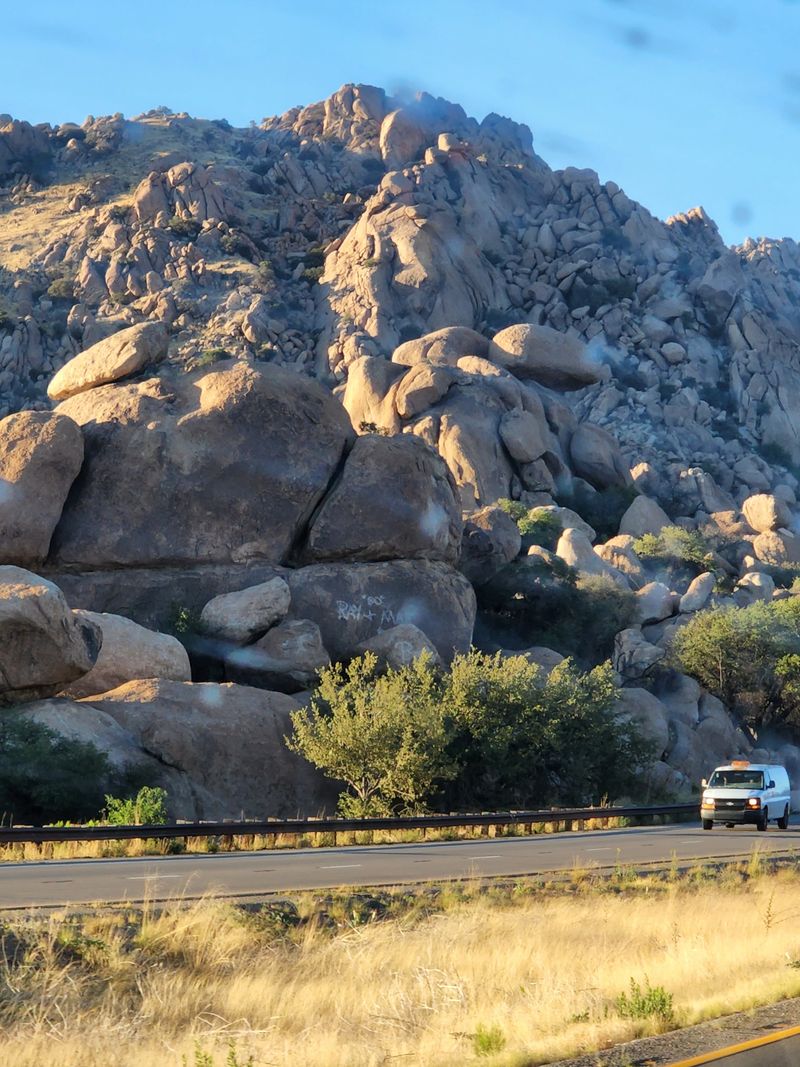
Crossing the entire southern portion of California from the Arizona border to the Pacific coast, I-10 presents diverse challenges across its length.
Desert sections subject drivers to extreme heat that can cause vehicle breakdowns and tire blowouts.
Urban segments through Los Angeles feature dense traffic, complex interchanges, and aggressive driving behaviors that demand constant vigilance.
Wind gusts in open desert areas can push vehicles out of their lanes, especially affecting high-profile trucks and RVs.
Long, monotonous stretches through less populated regions test driver alertness and create conditions where fatigue becomes dangerous.
The transition from rural to urban sections happens quickly, requiring rapid adjustments in speed and attention level.
Carrying extra water and supplies becomes essential when crossing desert sections where help may be far away.
Checking weather forecasts for wind warnings helps determine the safest travel times through exposed areas.
Adjusting driving style to match changing environments – from relaxed desert cruising to defensive urban navigation – improves safety across this varied transcontinental route.
12. Interstate 680 (I-680)
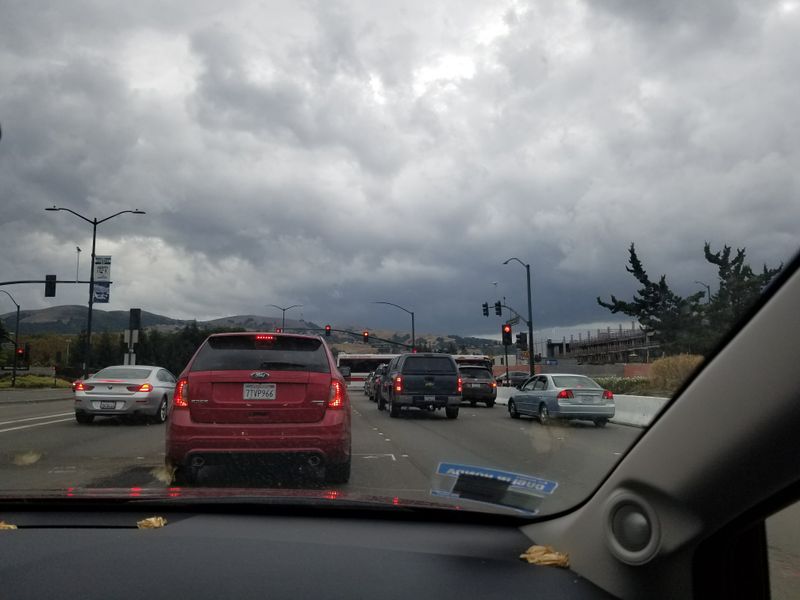
Winding through the East Bay hills and valleys, this highway connects suburban communities with major employment centers in Silicon Valley and beyond.
The route features numerous curves, elevation changes, and interchanges that require constant attention and smooth vehicle control.
Morning and evening commutes bring bumper-to-bumper traffic that suddenly transitions to high-speed flow as congestion clears.
Accidents often occur when drivers fail to adjust speed for curves after long straight sections. The mix of commuter traffic and commercial vehicles creates situations where some lanes move much faster than others.
Weather conditions vary along the route, with fog in valleys and wind on exposed ridges affecting different sections simultaneously.
Anticipating traffic pattern changes and adjusting speed gradually rather than making sudden corrections improves safety.
Staying aware of which lane leads to upcoming exits prevents last-second merges across multiple lanes.
Maintaining proper tire pressure and suspension components becomes especially important on a route with frequent curves and elevation changes that test vehicle handling capabilities.
13. Interstate 580 (I-580)
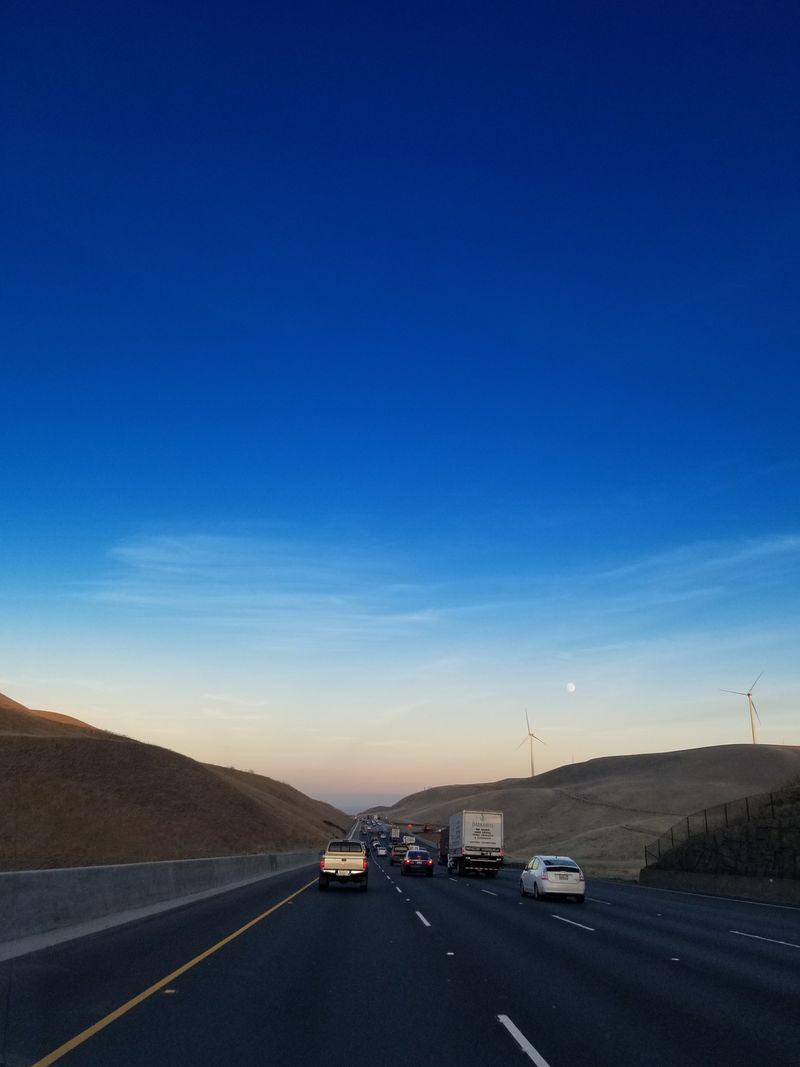
Connecting the East Bay with the Central Valley, this route climbs through the Altamont Pass, where strong winds and steep grades create hazardous driving conditions.
Wind turbines dot the hillsides, marking areas where gusts regularly exceed safe speeds for high-profile vehicles.
Trucks struggle on uphill grades, creating slow-moving obstacles that other drivers must navigate around carefully.
Fog can blanket the pass with little warning, reducing visibility to near zero and causing chain-reaction crashes.
The transition from urban to rural environments happens quickly, catching some drivers unprepared for the changing conditions.
Traffic speeds vary dramatically between congested sections near cities and open stretches through the hills.
Checking wind forecasts before traveling through Altamont Pass helps drivers prepare for potentially dangerous conditions.
Gripping the steering wheel firmly and reducing speed when wind gusts hit prevents being pushed into adjacent lanes.
Turning on headlights even during daytime when fog appears makes vehicles more visible to others navigating the same treacherous conditions.
14. U.S. Route 50 (US-50)
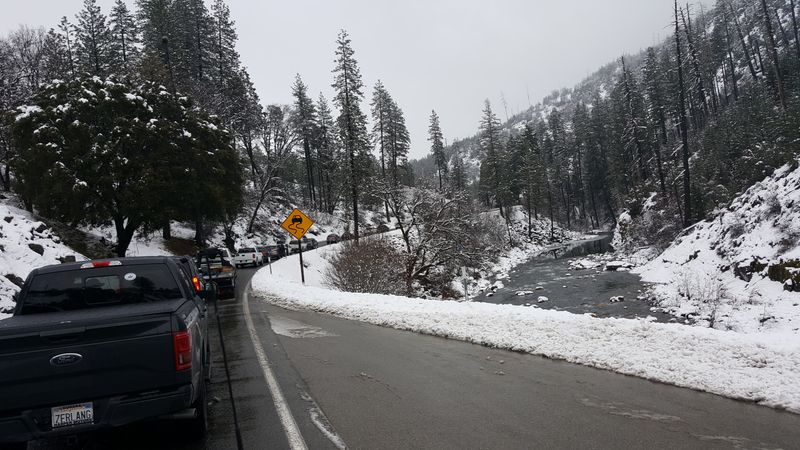
Climbing through the Sierra Nevada mountains, this highway challenges drivers with steep grades, sharp switchbacks, and rapidly changing weather conditions.
Known as one of the loneliest roads in America through Nevada, the California section sees less traffic but demands equal respect for its mountain terrain.
Snow and ice appear suddenly at higher elevations, even during months when valleys remain warm and dry.
Narrow lanes and limited shoulders leave little room for error on cliff-side sections where guardrails may be absent.
Wildlife crossings become more common during dawn and dusk hours when animals move between feeding and resting areas.
Summer brings recreational traffic unfamiliar with mountain driving, increasing the likelihood of slow-moving vehicles and unexpected stops.
Carrying tire chains and knowing how to install them becomes necessary before winter travel through mountain sections.
Reducing speed well below posted limits during snow or ice conditions prevents slides and loss of control.
Staying alert for wildlife and being prepared to stop suddenly can prevent serious collisions on this remote and challenging mountain highway.
15. Interstate 5 (I-5) – Sacramento
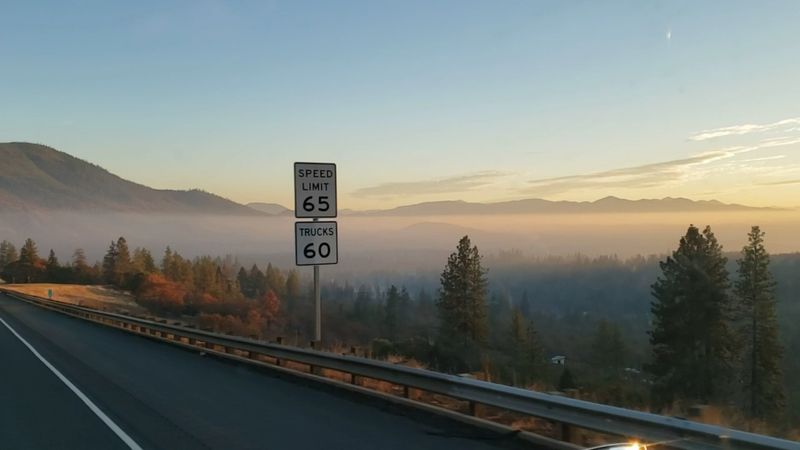
The stretch from Del Paso Road to Railyards Boulevard accounted for 13 fatal accidents and 16 deaths in recent years.
High traffic volumes and frequent congestion contribute to the risks as California’s main north-south artery passes through the state capital.
Multiple lanes and complex interchange geometry create situations where drivers must make quick decisions about lane positioning and speed.
Commercial truck traffic remains heavy throughout the day as goods move between Northern and Southern California.
Rush hour congestion extends well beyond traditional peak times, creating stop-and-go conditions that test patience and attention.
Construction zones appear regularly as the aging infrastructure receives ongoing maintenance and upgrades.
Planning trips to avoid peak congestion times when possible reduces exposure to the highest-risk periods.
Maintaining awareness of truck blind spots and avoiding lingering alongside large commercial vehicles improves safety.
Staying patient during delays and resisting the urge to make aggressive lane changes helps prevent the types of collisions that plague this busy urban section of Interstate 5.