10 Reasons The Smoky Mountains, North Carolina, Quietly Outshine The Rockies
When people talk about mountain getaways, the Rockies usually steal the spotlight with their towering peaks and dramatic landscapes. But tucked away in the eastern United States, the Smoky Mountains of North Carolina offer something just as magical, maybe even more so.
With their misty valleys, lush forests, and welcoming charm, the Smokies provide an unforgettable experience that quietly outshines their western cousins in ways you might not expect.
1. Lush, Verdant Beauty That Takes Your Breath Away
Imagine standing on a mountain overlook, watching layers of blue-green mist roll gently over forested peaks. That’s the signature view of the Smokies, where dense vegetation creates a natural haze that gives these mountains their famous name.
Unlike the rugged, rocky faces of the Rockies, the Smoky Mountains wear a soft blanket of green year-round.
The mist comes from trees releasing organic compounds into the air, creating that dreamy, almost magical atmosphere. Visitors driving through the Great Smoky Mountains National Park often pull over just to soak in the view.
The rolling hills covered in hardwood forests look like something from a storybook.
Early morning brings the best fog displays, when valleys fill with clouds and peaks poke through like islands. The landscape feels alive and breathing, changing with every hour of the day.
Photographers flock here for those iconic misty sunrise shots that make the Smokies instantly recognizable.
This verdant beauty isn’t just pretty, it’s peaceful. The soft, rounded peaks and thick greenery create a calming vibe that’s hard to find in the more dramatic, exposed terrain of the Rockies.
It’s nature’s way of giving you a warm hug.
2. More Accessible Elevations For Everyone
Not everyone loves gasping for air while trying to enjoy a mountain view. The Rockies boast peaks over 14,000 feet, which can leave visitors feeling dizzy, nauseous, and exhausted from altitude sickness.
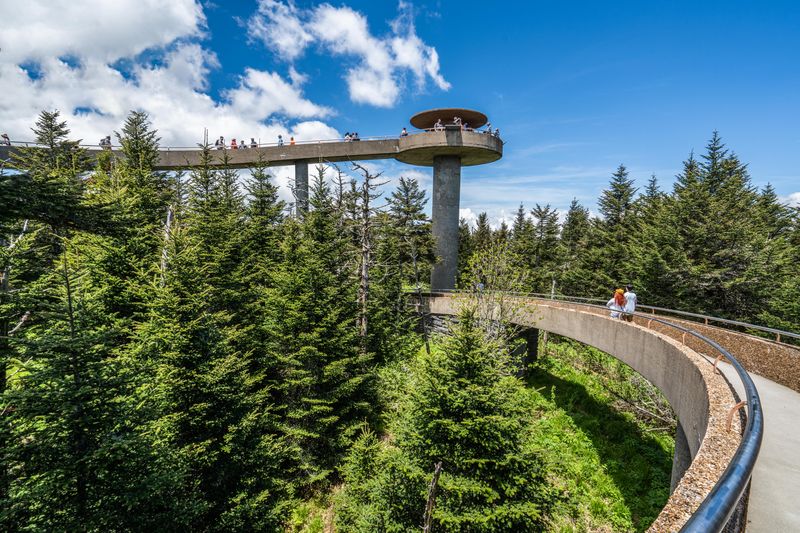
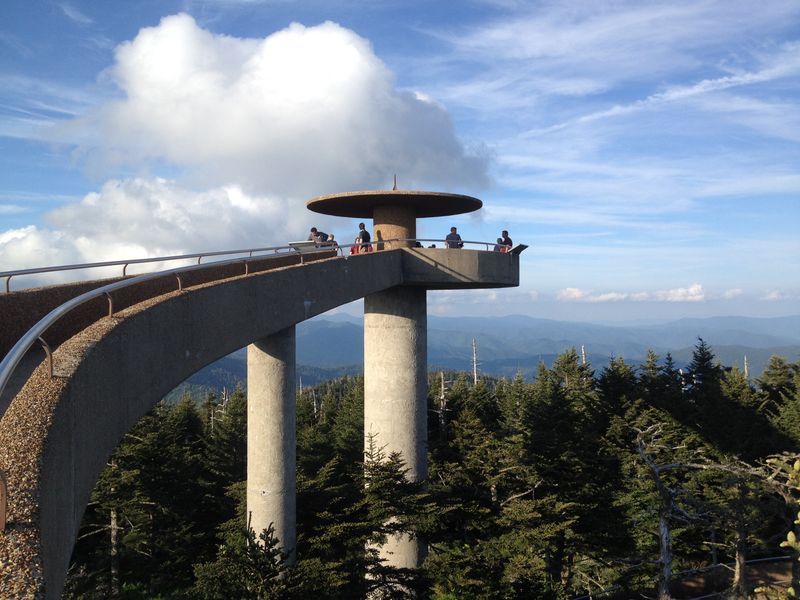
The Smoky Mountains, on the other hand, keep things comfortable with their highest point at 6,643 feet, Kuwohi, formerly known as Clingmans Dome.
This lower elevation means families, older visitors, and anyone not used to high altitudes can explore without worry. You can hike, drive scenic routes, and enjoy overlooks without needing to acclimate for days.
The air feels fresh and breathable, making every adventure more enjoyable.
Kuwohi offers a paved path to an observation tower where 360-degree views stretch across misty peaks. Even though it’s not as high as Rocky Mountain summits, the view feels just as grand.
The gentle elevation also means warmer temperatures, so you’re not freezing even in spring or fall.
Kids can run around without getting winded, and grandparents can join hikes without struggling. The Smokies prove that you don’t need extreme altitude to experience breathtaking mountain beauty.
Accessibility here isn’t a compromise, it’s a gift that lets everyone enjoy nature’s wonders together.
3. Rich Biodiversity That Rivals A Rainforest
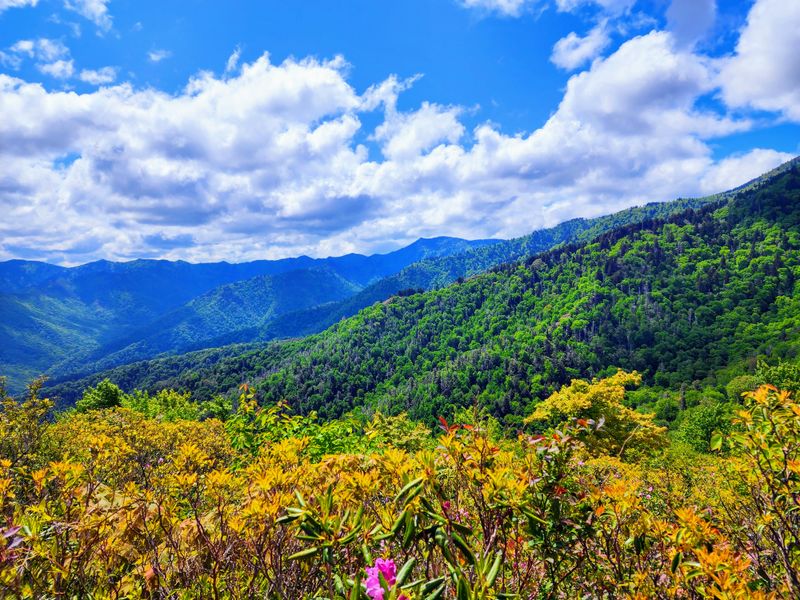
Walk through the Smokies, and you’re stepping into one of the most biodiverse places on the planet. Scientists have documented over 19,000 species here, with estimates suggesting tens of thousands more remain undiscovered.
This includes everything from towering trees to tiny salamanders hiding under moss-covered rocks.
The park is famous for having more salamander species than anywhere else in North America. These little amphibians thrive in the cool, wet environment, living in streams and beneath forest floors.
Black bears also call the Smokies home, with the densest population in the eastern United States roaming these woods.
Wildflowers bloom in waves from spring through summer, painting trails with color. Over 1,600 species of flowering plants grow here, creating displays that change weekly.
Birdwatchers spot warblers, woodpeckers, and even wild turkeys during hikes.
The variety of ecosystems, from lowland forests to high-elevation spruce-fir zones, supports this incredible diversity. Each habitat feels like a different world, packed with life.
The Rockies offer stunning landscapes, but they can’t match the sheer abundance of living things you’ll encounter in the Smokies. Every step reveals something new and wonderful.
4. Four Seasons Of Stunning Beauty
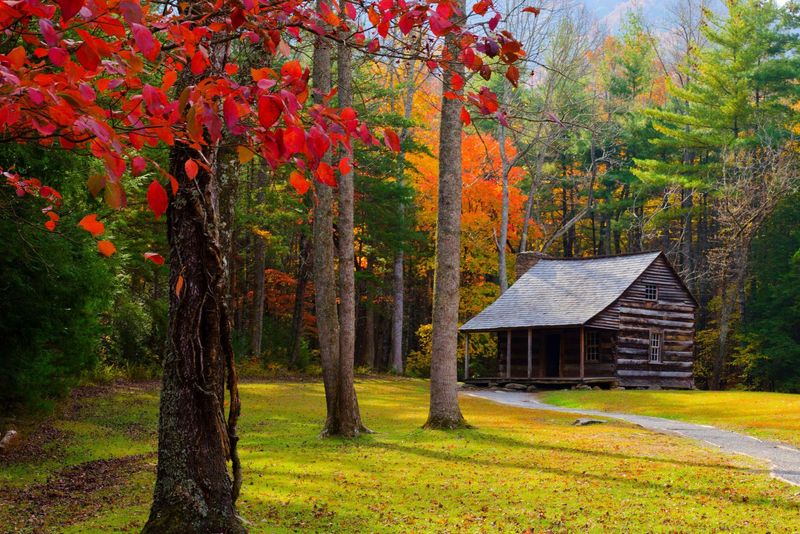
The Smokies transform completely with each season, offering visitors four distinct and equally gorgeous experiences. Spring arrives with explosions of wildflowers, trilliums, lady slippers, and mountain laurel blanket the forest floor in whites, pinks, and purples.
The air smells fresh and earthy as new life emerges everywhere.
Summer brings lush greenery so thick you feel wrapped in nature’s embrace. Streams run clear and cool, perfect for dipping tired feet after a hike.
The canopy overhead creates shaded trails that stay comfortable even on warm days.
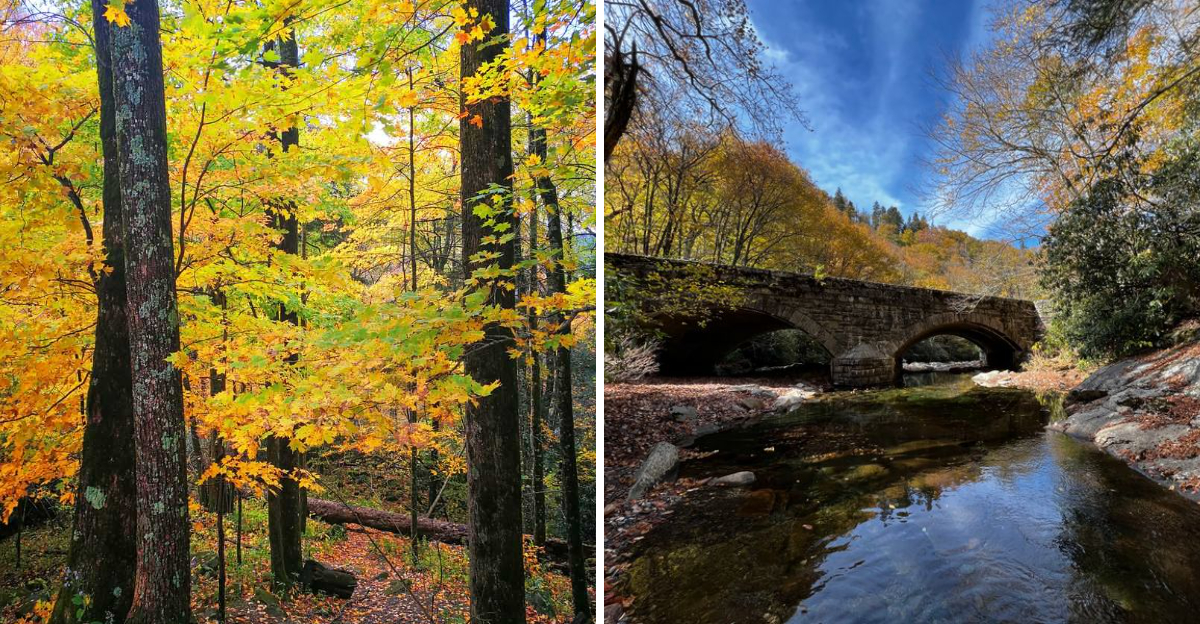
Fall steals the show with fiery foliage that draws visitors from across the country. Maples, oaks, and hickories turn brilliant reds, oranges, and golds, creating a patchwork quilt across mountain slopes.
Driving the scenic roads becomes a jaw-dropping experience as every turn reveals new color combinations.
Winter transforms the Smokies into a quiet, misty wonderland. Snow dusts the higher peaks while lower elevations stay accessible and mild.
The bare trees reveal mountain contours hidden during leafy months, and waterfalls freeze into stunning ice sculptures. Unlike the harsh, freezing winters of the Rockies, the Smokies offer a gentler cold season that’s still beautiful but far more forgiving.
5. More Scenic Waterfalls Around Every Bend
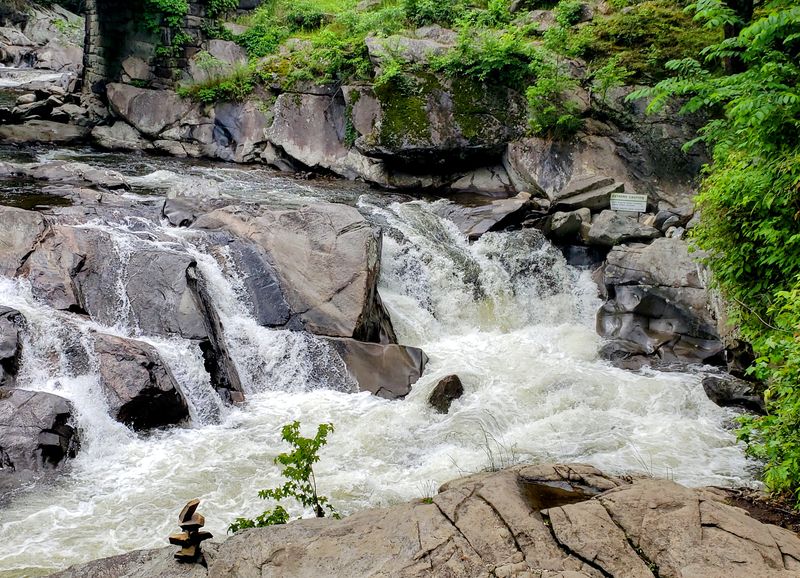
Waterfall lovers find paradise in the Smokies, where abundant rainfall and rolling terrain create countless cascades. From famous spots like Laurel Falls to hidden gems like Spruce Flats Falls, the park offers waterfall adventures for every skill level.
The sound of rushing water becomes your constant companion on many trails.
Laurel Falls is one of the most visited, featuring a paved trail that makes it accessible for families with strollers. The 80-foot cascade splits into upper and lower sections, creating a picturesque scene perfect for photos.
Grotto Falls offers a unique experience, you can actually walk behind the falling water.
Abrams Falls may not be the tallest, but its powerful flow and large pool make it memorable. Rainbow Falls earns its name when afternoon sun creates colorful mists in the spray.
Each waterfall has its own personality and charm.
The Rockies have waterfalls too, but they’re often harder to reach and less frequent. In the Smokies, you’re never far from the soothing sight and sound of water tumbling over rocks.
The lush environment means waterfalls flow strong even in summer, unlike western streams that can dry up. Chasing waterfalls here becomes an addictive hobby that rewards you with beauty at every destination.
6. A Richer Sense Of History And Culture
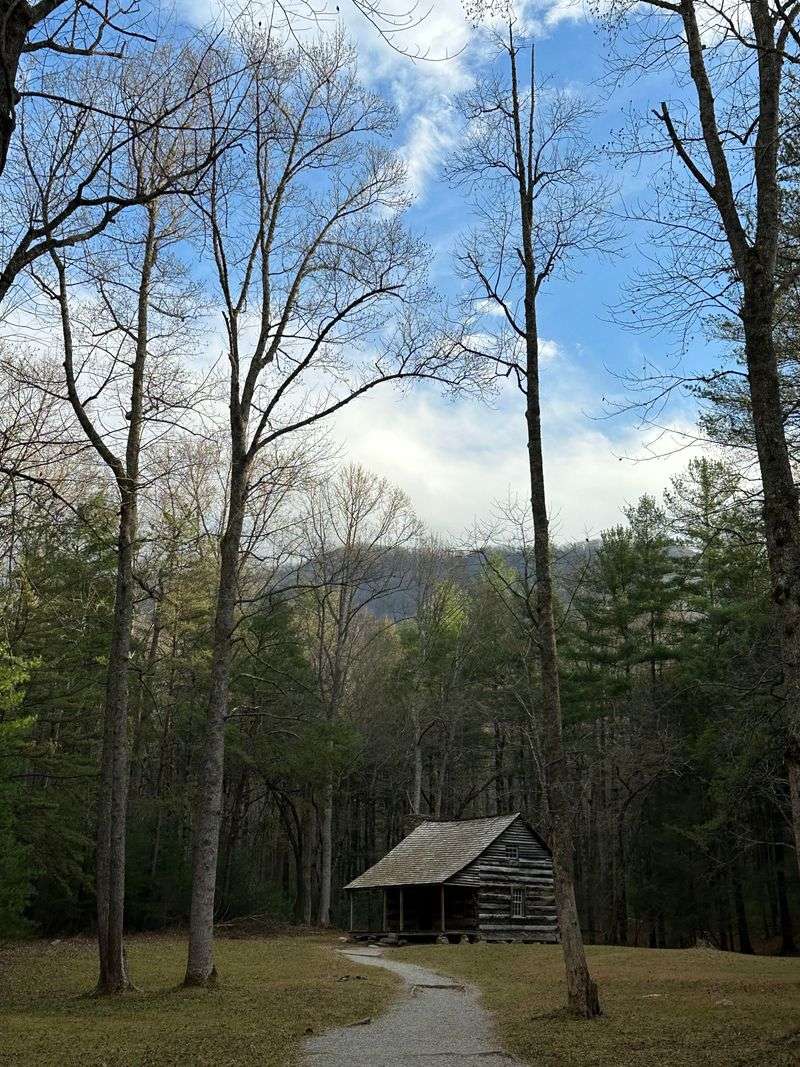
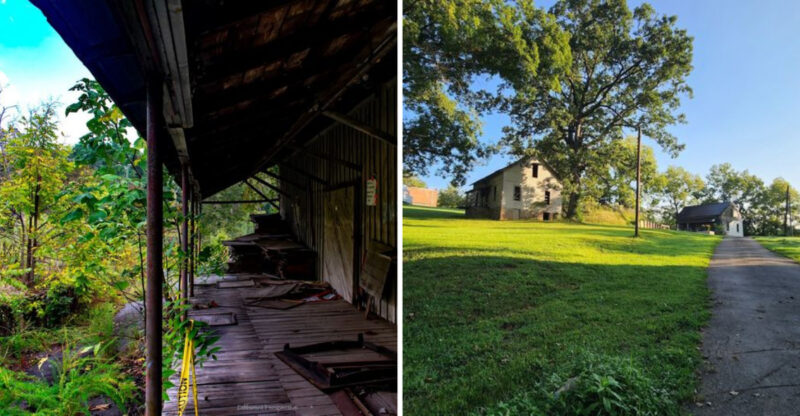
Walking through Cades Cove feels like stepping back in time to the 1800s. This broad valley preserves historic cabins, churches, and mills from early Appalachian settlers who carved out lives in these mountains.
Visitors can explore inside many structures, touching the rough-hewn logs and imagining daily life without modern conveniences.
The Cable Mill area showcases how families ground corn and wheat using water-powered machinery. Cantilever barns display ingenious mountain engineering that protected livestock and crops.
Churches like the Primitive Baptist Church still stand sturdy, their simple beauty reflecting the faith of frontier communities.
Throughout the park, you’ll find remnants of old homesteads, rock walls, chimneys, and cemeteries hidden along trails. These aren’t just ruins; they’re stories of resilience and community.
Rangers and volunteers share tales of families who called these mountains home for generations.
The Rockies certainly have history, especially related to Native American tribes and mining booms. But the Smokies offer a more intimate, preserved glimpse into pioneer life.
You can walk the same paths settlers walked, see the homes they built, and understand how they lived in harmony with these mountains. This cultural richness adds depth to every visit, connecting you to the past in tangible, moving ways.
7. More Accessible Hiking for All Levels
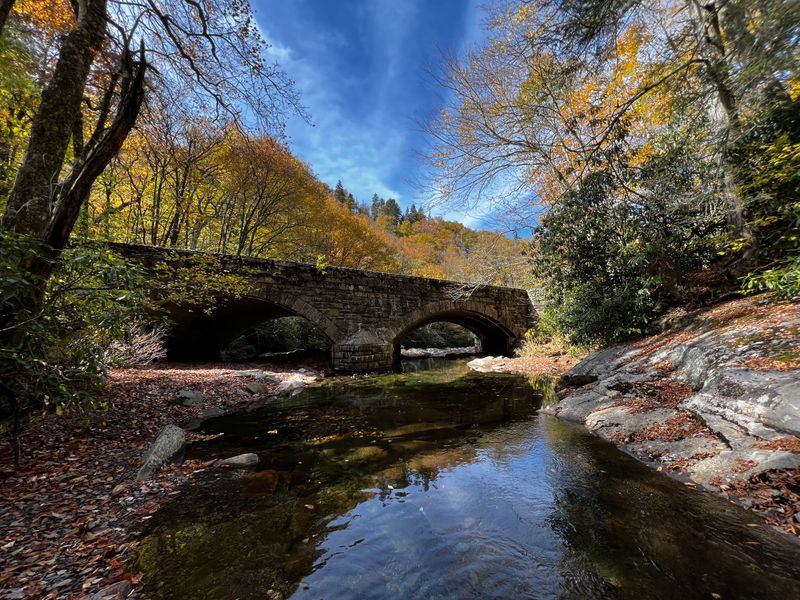
With over 800 miles of maintained trails, the Smokies offer hiking adventures for everyone from toddlers to experienced backpackers. The variety means families can find easy nature walks while serious hikers tackle challenging climbs—all within the same park.
Nobody gets left behind when planning a Smokies adventure.
Easy trails like the Sugarlands Valley Nature Trail offer flat, paved paths perfect for wheelchairs and strollers. Kids love the short walk to Cataract Falls, where they can play near the water safely.
These gentle options let everyone experience the forest without exhausting themselves.
Moderate trails like Alum Cave provide rewarding views without extreme difficulty. You’ll climb steadily but manageably, passing interesting geological features and reaching stunning overlooks.
These middle-ground hikes satisfy most visitors looking for a real mountain experience.
The park also includes a 71-mile stretch of the famous Appalachian Trail for serious adventurers. Experienced hikers can challenge themselves on steep climbs to places like Mount LeConte.
The trail system connects different areas of the park, allowing multi-day backpacking trips.
Rocky Mountain trails often demand high fitness levels and altitude tolerance. The Smokies welcome everyone with options that don’t require extreme athleticism.
You can customize your experience based on ability and interest, making every visit successful and enjoyable.
8. No Entrance Fee To The National Park
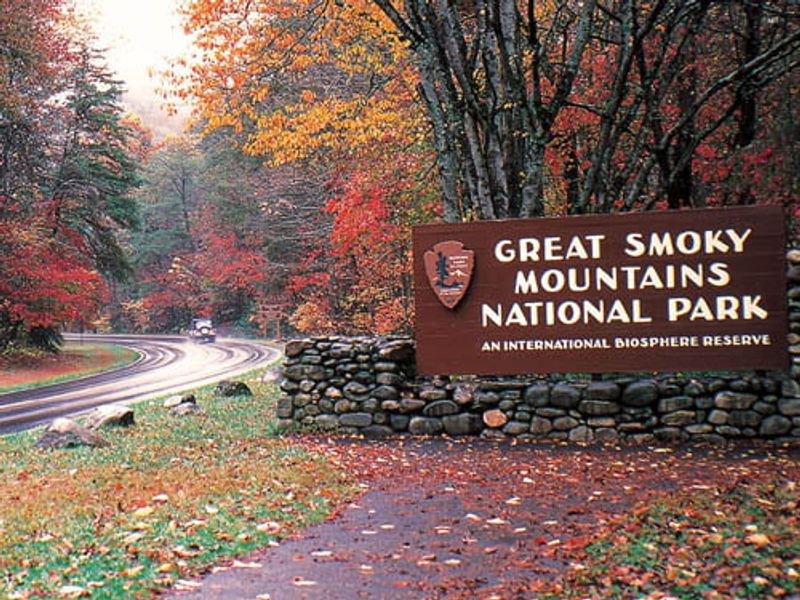
Here’s something that makes your wallet happy: Great Smoky Mountains National Park charges absolutely zero dollars for entry. While most national parks require entrance fees ranging from $15 to $35 per vehicle, the Smokies welcome everyone free of charge.
This policy makes natural beauty accessible to families on tight budgets.
The free access means you can visit multiple times without worrying about costs adding up. Come for a morning hike, return in the afternoon for a scenic drive, or pop in just to watch the sunset, all without paying a penny.
This freedom encourages exploration and spontaneous visits.
The park remains free thanks to agreements made when Tennessee and North Carolina donated the land. This gift to the American people continues benefiting millions of visitors annually.
No entrance stations or fee booths slow you down entering the park.
Rocky Mountain National Park, by comparison, charges $30 per vehicle for a day pass or $35 for a week. Those fees add up, especially for families making multiple visits.
The Smokies prove that incredible natural experiences don’t need to come with a price tag.
You’ll still pay for parking at some popular trailheads, but the park itself costs nothing. This accessibility helps make the Smokies the most visited national park in America, welcoming over 13 million people yearly.
9. Closer Proximity To Major Cities
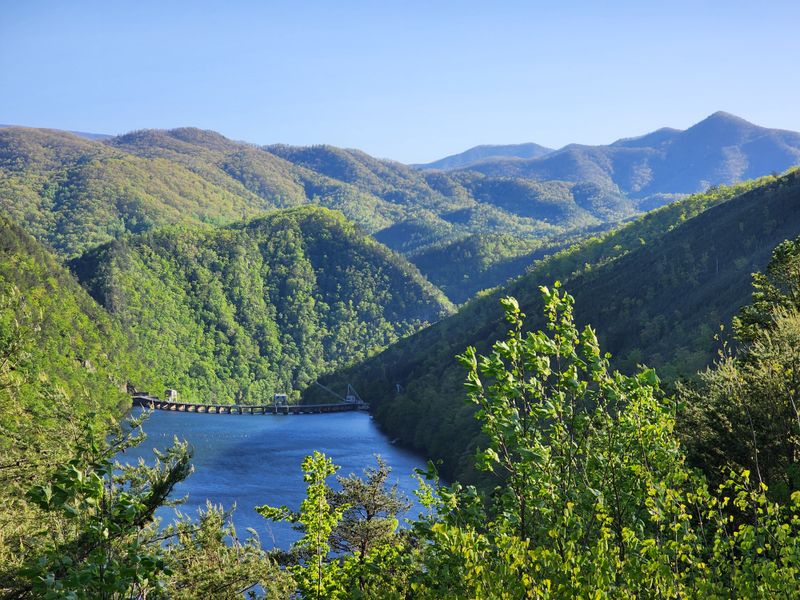
Geography gives the Smokies a huge advantage when it comes to accessibility. The park sits within a day’s drive of major population centers like Atlanta, Charlotte, Nashville, and Knoxville.
This convenient location means millions of people can reach the mountains for weekend getaways without flying or spending days traveling.
From Atlanta, you’re looking at about four hours of driving through increasingly beautiful landscapes. Charlotte residents can arrive in around three hours.
Even cities further away like Washington D.C. or Birmingham remain within reasonable road trip distance. This proximity makes spontaneous visits possible.
The Rockies, while spectacular, require more commitment to reach. Most visitors need to fly into Denver or Salt Lake City, then drive several more hours to reach mountain destinations.
This distance and expense put Rocky Mountain adventures out of reach for many families.
Gateway towns like Gatlinburg and Cherokee offer plenty of lodging options right outside the park. You can stay in a cozy cabin, grab breakfast at a local diner, and be on a trail within minutes.
The infrastructure supports easy, stress-free visits.
Being close to major cities also means better cell service, more frequent ranger programs, and well-maintained facilities. The Smokies don’t feel remote or isolated, they feel like an accessible escape that’s always ready when you need a nature break.
10. Unique Ecosystems Found Nowhere Else
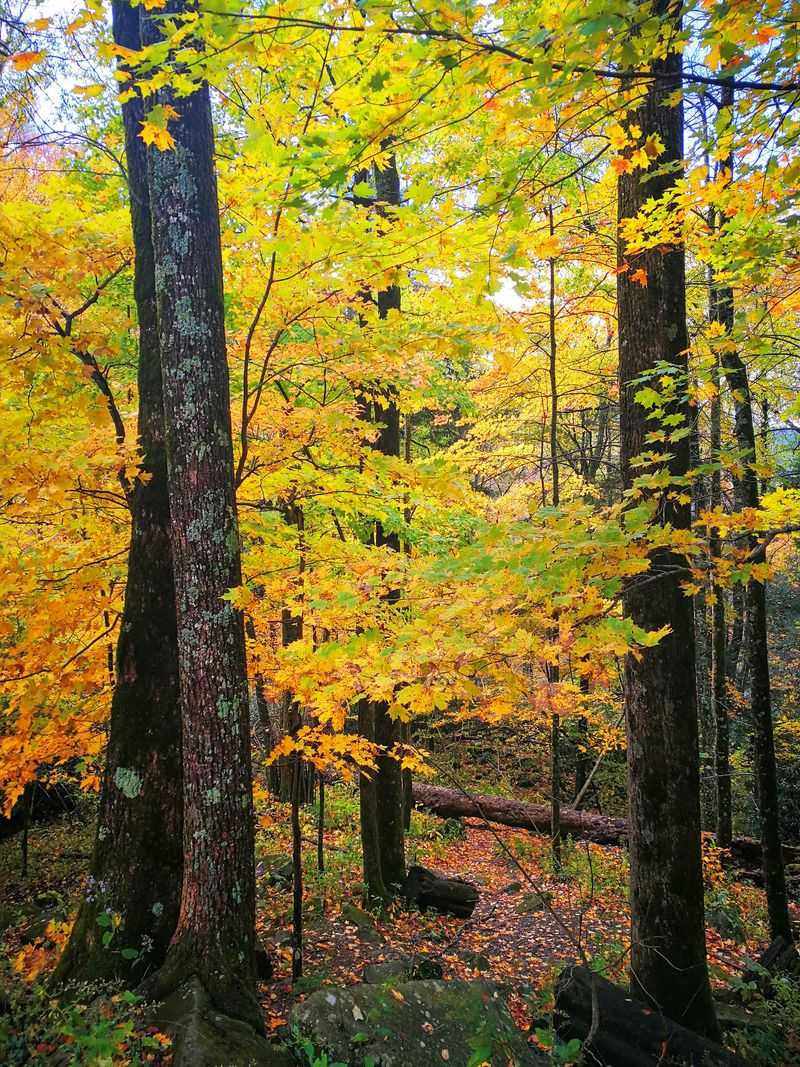
The Smokies host an extraordinary variety of ecosystems packed into a relatively small area. From temperate rainforests in the valleys to spruce-fir forests at high elevations, the park contains habitats that support completely different plant and animal communities.
This diversity creates a constantly changing scenery as you move through different elevations.
Cove hardwood forests in the valleys feature massive tulip poplars, maples, and basswoods, creating dense canopies. These areas receive abundant rainfall, and the environment feels almost tropical in its greenness.
Higher elevations host spruce-fir forests reminiscent of Canadian wilderness. Fraser firs and red spruces create a completely different atmosphere, with mossy ground and cool temperatures.
These high-altitude zones support species found nowhere else in the southern Appalachians.
Mountain laurel thickets create stunning displays in June when pink and white flowers bloom in massive clusters. Heath balds, open areas covered in shrubs, offer panoramic views and unique plant communities.
Each ecosystem tells its own ecological story.
The Rockies certainly have ecosystem variety, but the Smokies pack more biodiversity into less space. You can experience multiple distinct environments in a single day’s exploration.
This concentration of natural communities makes every visit feel like multiple adventures rolled into one unforgettable mountain experience.