13 Rookie Mistakes To Dodge In North Carolina’s Smokies
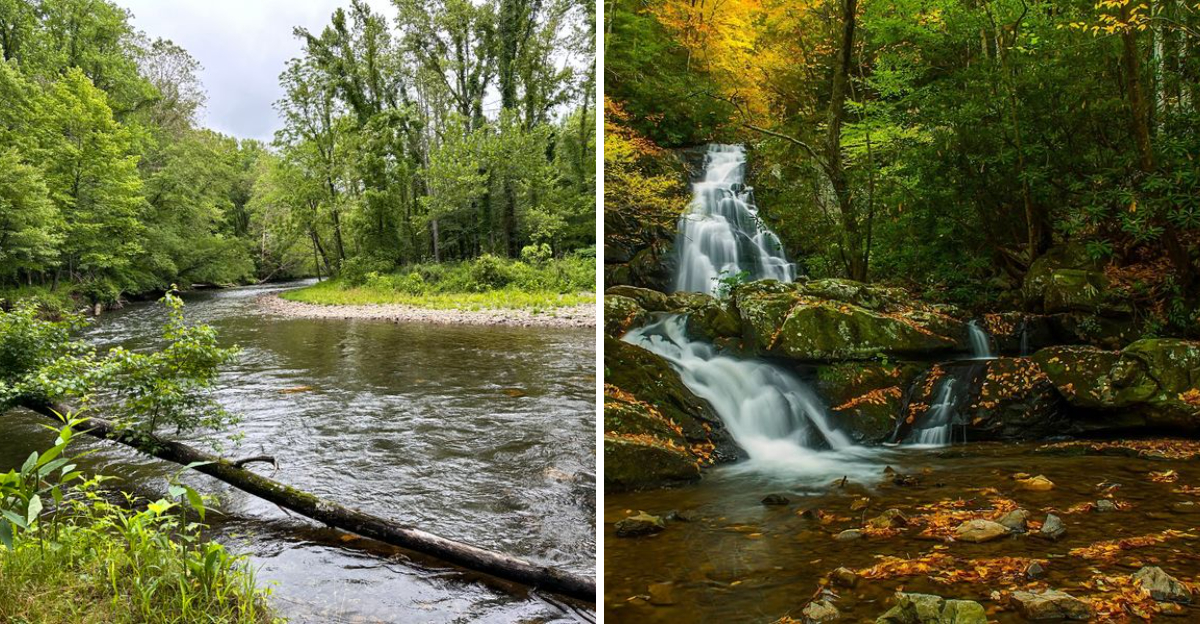
Most visitors to the Smokies, North Carolina, end up making simple blunders that turn dream vacations into frustrating experiences. The good news is that avoiding these common pitfalls requires nothing more than a little preparation and awareness.
Whether you’re planning your first trip or returning for another adventure, knowing what not to do can make all the difference between a magical mountain getaway and a stressful ordeal.
1. Skipping The Research Phase Before Your Trip
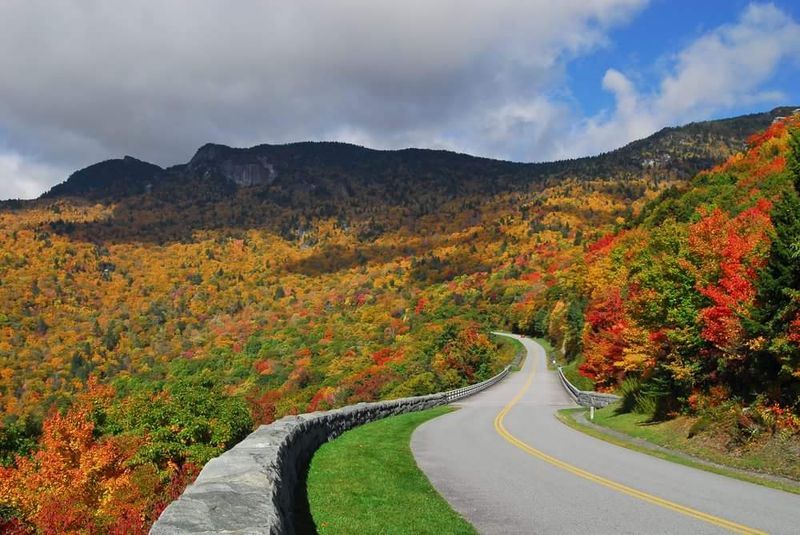
Too many first-timers arrive at the park gates without a clue about what they want to see. The result? Aimless driving, missed opportunities, and that nagging feeling you left without experiencing the best parts.
Great Smoky Mountains National Park spans over 500,000 acres, which means you could spend weeks exploring and still not see everything.
Hidden waterfalls like Grotto Falls and historic gems such as the Mingus Mill require advance planning to find. Without doing homework beforehand, you might waste precious hours wandering around visitor centers trying to figure out your next move. The park offers everything from elk viewing areas to quiet coves filled with wildlife, but these treasures don’t advertise themselves.
Start by visiting the official website at 107 Park Headquarters Road in Gatlinburg, Tennessee, where rangers provide updated trail conditions and attraction information. Read recent visitor reviews to understand what experiences match your interests and fitness level. Create a flexible itinerary that includes backup options in case weather or crowds force you to adjust plans.
Knowledge transforms confusion into confidence, turning your Smokies adventure into something truly memorable instead of just another forgettable vacation.
2. Choosing Trails Way Beyond Your Ability Level
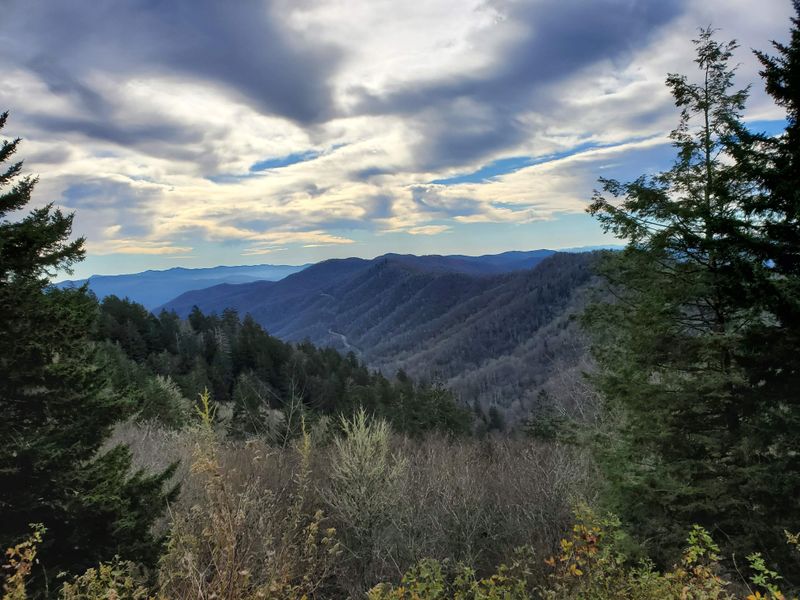
Overconfidence sends dozens of hikers into trouble every season in the Smokies. Someone who walks around their neighborhood twice a week suddenly decides to tackle Alum Cave Trail’s steep 2.3-mile climb to the bluffs. Halfway up, exhaustion hits hard, legs turn to jelly, and the descent becomes genuinely dangerous.
Mountain trails differ dramatically from flat paths back home because elevation gains challenge even regular gym-goers. A two-mile hike in the Smokies often equals five miles on level ground in terms of physical demand. Rangers at Sugarlands Visitor Center at 1420 Fighting Creek Gap Road in Gatlinburg can recommend beginner-friendly options like Laurel Falls or Cataract Falls.
Start with shorter, well-maintained trails to gauge your stamina before attempting anything labeled strenuous or difficult. Bring trekking poles for stability, wear proper hiking boots with ankle support, and pack twice as much water as you think necessary. Remember that going uphill is only half the battle—descending steep terrain taxes your knees and requires concentration.
Honest self-assessment prevents injuries, helicopter rescues, and ruined vacations. Build your mountain legs gradually, and save the challenging peaks for future visits when you’re properly prepared.
3. Waiting Until The Last Minute To Book Accommodations
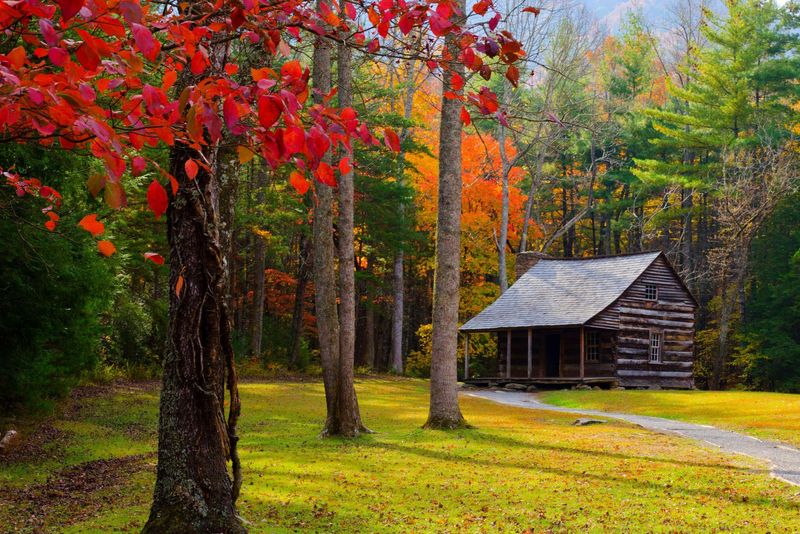
Peak season in the Smokies creates a lodging scramble that leaves procrastinators with slim pickings and inflated prices. October brings leaf-peepers by the thousands, while summer weekends fill cabins and campgrounds months in advance. Wait until two weeks before your trip, and you’ll find yourself paying premium rates for mediocre rooms an hour away from the park.
Popular spots near the park entrances book up six months ahead during fall foliage season. Campgrounds like Cades Cove and Elkmont reach capacity quickly, especially for weekend reservations. Even hotels in Gatlinburg and Cherokee fill their inventories early when demand peaks.
Smart travelers reserve accommodations the moment they settle on travel dates, giving themselves the best selection and pricing. Look for lodging near Newfound Gap Road or along Highway 441 to minimize driving time to trailheads. Consider weekday visits when availability improves and rates drop significantly.
Booking early also lets you secure cancellable reservations, providing flexibility if plans change unexpectedly. The stress of last-minute searches ruins the anticipation that makes vacation planning enjoyable. Lock down your sleeping arrangements first, then build the rest of your itinerary around that foundation for a smoother, more affordable mountain escape.
4. Packing Only For The Forecast You Checked
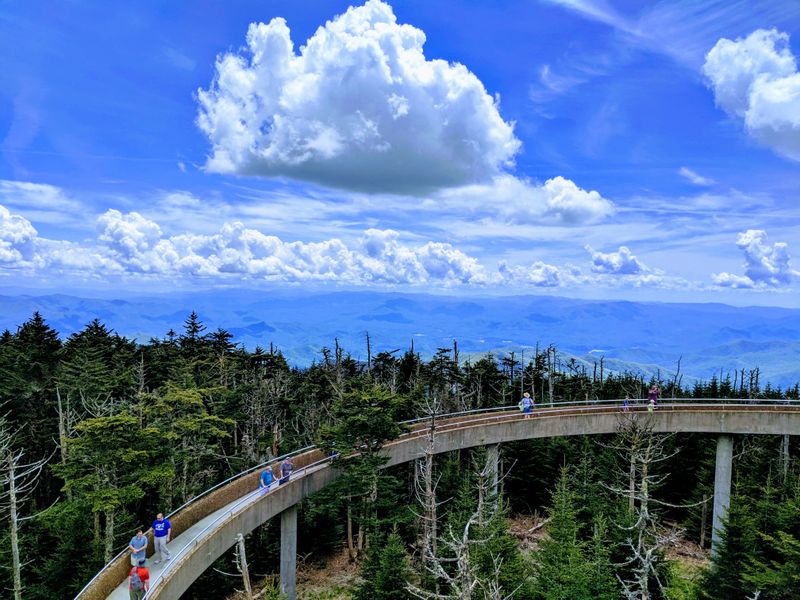
Mountain weather laughs at meteorologists and their predictions. You check the forecast, see sunny skies and 75 degrees, then pack nothing but shorts and t-shirts. By afternoon, you’re shivering in a sudden rainstorm at Clingmans Dome, elevation 6,643 feet, where temperatures drop 10 to 20 degrees below valley readings.
The Smokies create their own weather patterns as warm air rises and cools rapidly over peaks. Mornings might start clear and gorgeous, then clouds roll in by noon, bringing drizzle or thunderstorms. Higher elevations experience completely different conditions than lower trails, sometimes on the same day.
Always pack layers regardless of what weather apps promise, lightweight rain jacket, fleece pullover, and long pants belong in every daypack. Temperatures at Newfound Gap can feel 15 degrees cooler than Gatlinburg just 16 miles away. Bring a hat for sun protection and warmth, plus gloves if visiting during shoulder seasons.
Sudden weather changes transform pleasant hikes into miserable ordeals when you’re unprepared. Hypothermia becomes a real risk when wet clothes meet dropping temperatures and mountain winds. Check conditions at multiple elevations before heading out, but always prepare for the unexpected because mountain weather operates by its own unpredictable rules.
5. Ignoring The Stunning Scenic Drives Available
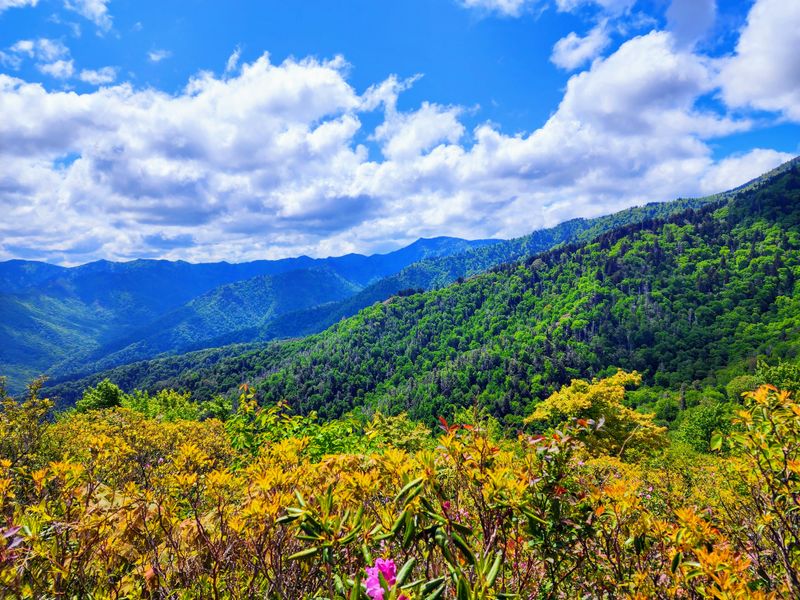
Hiking obsession causes many visitors to overlook the park’s magnificent driving routes. You don’t need hiking boots to experience breathtaking beauty when roads like Newfound Gap Road and Cades Cove Loop offer jaw-dropping vistas from your vehicle. These routes provide access to overlooks, historic sites, and wildlife viewing opportunities without breaking a sweat.
Newfound Gap Road climbs from 1,400 feet in Gatlinburg to 5,046 feet at the gap, offering numerous pullouts with panoramic mountain views. The 11-mile Cades Cove Loop showcases historic buildings, meadows filled with deer, and occasional bear sightings. Roaring Fork Motor Nature Trail winds through old-growth forest past rushing streams and preserved homesteads.
Early morning drives often yield the best wildlife encounters when animals venture near roadways to feed. Bring binoculars and a camera with a good zoom lens to capture distant subjects safely. Allow plenty of time because you’ll want to stop frequently, and traffic moves slowly when everyone’s admiring the scenery.
Scenic drives accommodate visitors with mobility limitations, young children, or anyone seeking a more relaxed park experience. These routes prove that spectacular mountain beauty doesn’t require strenuous effort, just the willingness to slow down and soak it all in.
6. Eating Only At Chain Restaurants And Missing Local Flavors
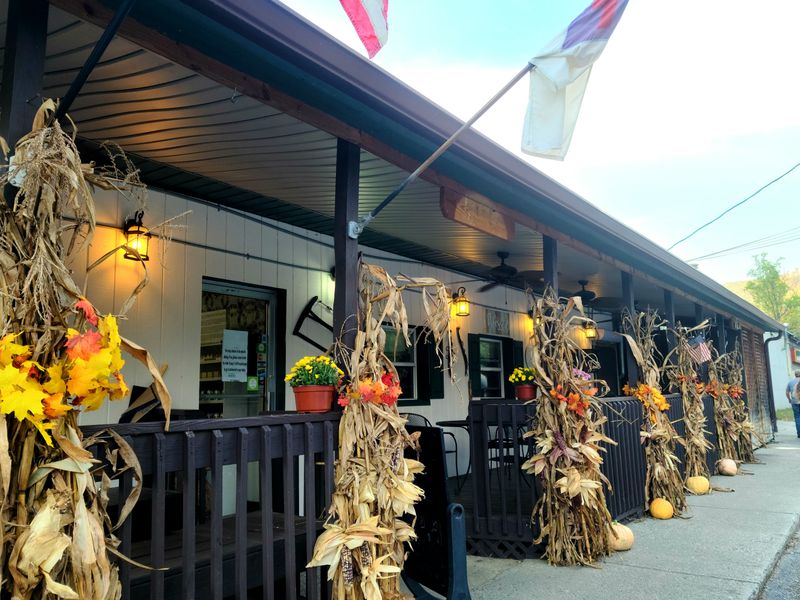
Sticking to familiar fast-food joints means missing out on the region’s rich culinary heritage. The Smokies region offers distinctive Appalachian cuisine that tells the story of mountain culture through food. Cornbread, country ham, and stack cakes represent generations of tradition you won’t find at any national chain.
Local diners and family-owned restaurants serve up authentic experiences alongside hearty portions of comfort food. Try biscuits and gravy for breakfast, then sample apple butter made from recipes passed down through decades. Regional specialties like fried green tomatoes, pinto beans with cornbread, and blackberry cobbler showcase ingredients and cooking methods unique to these mountains.
Venture into small towns surrounding the park like Bryson City and Cherokee to discover hidden gems serving genuine mountain cooking. Ask rangers and locals for restaurant recommendations, they know which spots serve the real deal versus tourist traps. Support family businesses that have fed visitors and residents for generations rather than handing money to corporate chains.
Food connects you to a place’s culture in ways that sightseeing alone cannot achieve. Every regional dish carries history and stories worth experiencing. Your taste buds deserve better than another predictable burger when authentic Appalachian flavors wait just beyond the park boundaries, ready to make your trip more memorable and delicious.
7. Bringing Either Way Too Much Or Not Nearly Enough Gear
Some visitors arrive with enough equipment to summit Everest, while others show up with nothing but a water bottle and optimism. Finding the middle ground between overpacking and underpacking makes the difference between comfort and regret. Hauling unnecessary items exhausts you before the hike even begins, but forgetting essentials can turn dangerous quickly.
A proper daypack should include water, snacks, first-aid supplies, navigation tools, sun protection, and emergency items like a whistle and headlamp. You don’t need five outfit changes for a day hike, but you do need that rain jacket and extra layer. Lightweight, multipurpose items work best, a bandana serves as a sweatband, washcloth, and emergency bandage.
Check the Ten Essentials list recommended by hiking experts before every trip into the backcountry. Test your packed bag’s weight beforehand because 15 pounds feels manageable at home, but grows heavier with every uphill mile. Remove items you probably won’t use, but keep safety equipment even if you hope not to need it.
Smart packing demonstrates respect for the wilderness and your own well-being. Rangers at visitor centers can review your gear and suggest additions or subtractions based on your planned activities. The right balance keeps you comfortable, safe, and mobile throughout your Smokies adventure without unnecessary burden.
8. Assuming Every Trail Will Be Easy And Well-Marked
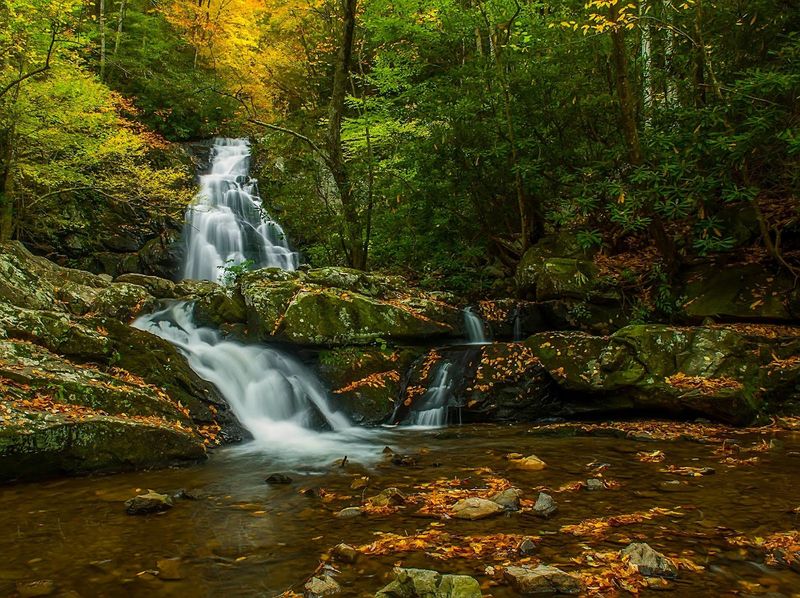
Trail descriptions can mislead inexperienced hikers who don’t understand mountain terminology. A path labeled moderate might feature relentless uphill grades, stream crossings, and rocky scrambles that feel anything but moderate. Distance alone tells you nothing about difficulty when elevation change does most of the work determining how challenging a hike becomes.
Research specific trail details beyond basic length measurements before committing to any route. Websites and guidebooks provide elevation profiles showing how much climbing you’ll face over the distance. A flat three-mile trail takes an hour; a three-mile trail gaining 1,000 feet might take three hours and leave you gasping.
Trail conditions change with seasons and weather, spring runoff creates swollen creek crossings, while winter ice makes even gentle slopes treacherous. Check recent trip reports online to learn about current obstacles like fallen trees or washed-out sections. Stop at Sugarlands or Oconaluftee visitor centers to ask rangers about up-to-date conditions before heading out.
Don’t rely solely on smartphone GPS because cell service disappears quickly in mountain hollows and valleys. Carry a paper map as backup and study it before starting your hike. Understanding what you’re getting into prevents unpleasant surprises and helps you choose adventures matching your actual abilities rather than your imagined fitness level.
9. Approaching Wildlife For Photos And Closer Views
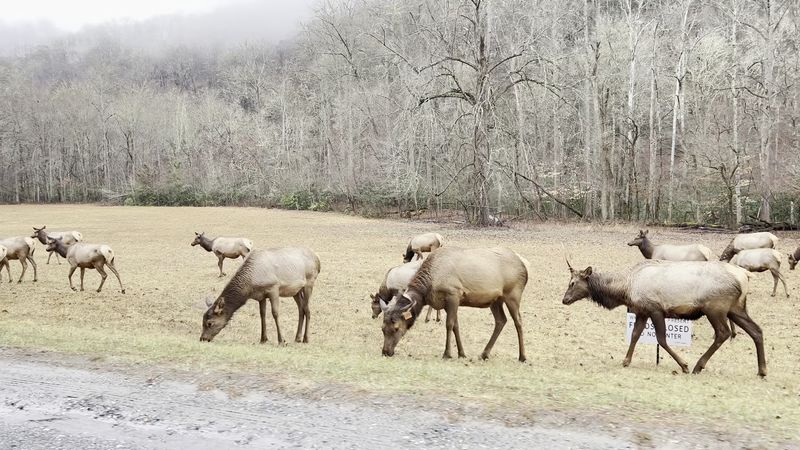
Black bears look adorable until they decide you’re a threat to their cubs or a source of food. Every year, visitors ignore safety guidelines and approach animals for that perfect selfie, putting themselves and wildlife at serious risk. The park requires maintaining at least 50 yards from bears and elk, that’s half a football field, not half a dozen steps.
Wildlife encounters thrill from a distance but turn dangerous up close when animals feel cornered or threatened. Bears can run 30 miles per hour, far faster than any human, and elk during rutting season become aggressive defenders of their territory. Even deer can kick hard enough to injure someone who gets too friendly.
Use binoculars or a telephoto lens to observe animals safely without disturbing their natural behavior. When you spot wildlife near roads, like in Cataloochee Valley, stay in your vehicle and watch from there. Never feed animals or leave food accessible, bears that become food-conditioned often must be euthanized.
Respecting wildlife means accepting that some moments can’t be captured in photos, only in memories. Your safety and the animals’ welfare matter more than social media likes. Rangers actively patrol and issue citations for harassment of wildlife, with fines reaching into hundreds of dollars for violations that endanger both people and creatures.
10. Carving Names Or Leaving Marks On Historic Structures
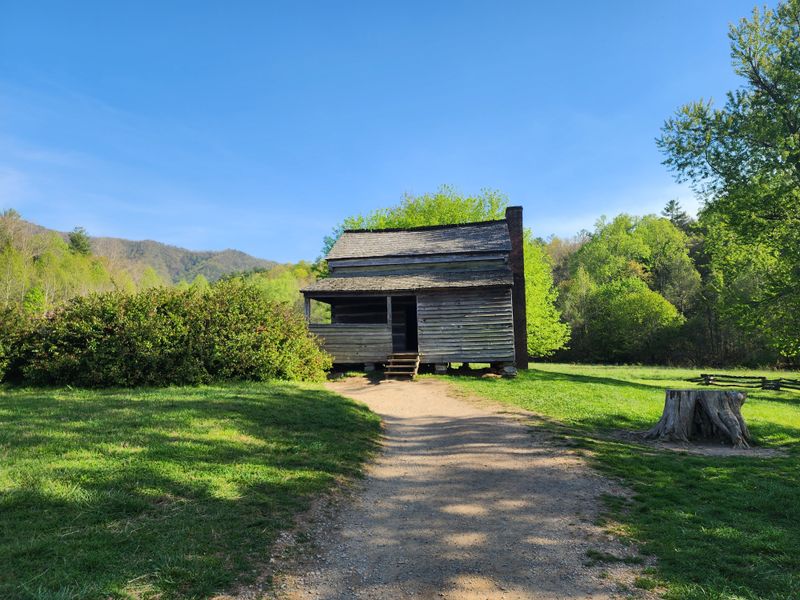
Historic buildings and structures throughout the park represent irreplaceable connections to the past. When someone carves initials into a century-old cabin log or spray-paints graffiti on stone walls, they destroy pieces of history that can never be restored. These thoughtless acts show profound disrespect for the families who built these structures and the culture they represent.
The park preserves over 90 historic structures, including churches, mills, and homesteads that tell stories of Appalachian life before the park’s creation. Buildings like the John Oliver Cabin in Cades Cove and the Mingus Mill near Oconaluftee survived for generations through careful maintenance. Each scratch, carving, or mark damages these fragile links to the past.
Federal law protects historic resources with serious penalties for vandalism, fines can reach $5,000, and include jail time for significant damage. Rangers investigate vandalism reports and prosecute offenders who treat protected sites like personal canvases. Security cameras monitor some locations, and fellow visitors often report destructive behavior they witness.
Appreciate history by observing and photographing, not by leaving your mark. Future generations deserve the chance to experience these structures as intact as possible. Your visit should leave no trace beyond footprints and memories, allowing the park’s cultural treasures to educate and inspire visitors for decades to come.
11. Leaving Trash And Food Waste On Trails And Campsites
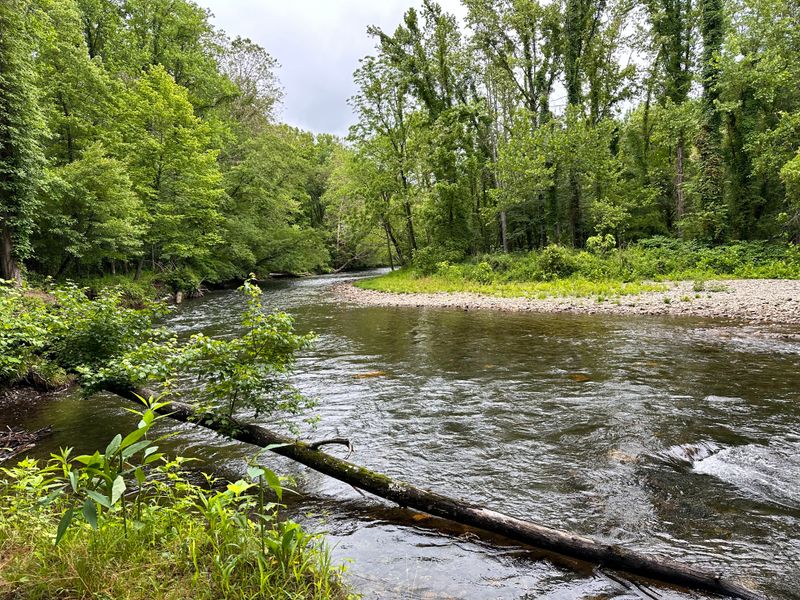
Littering transforms pristine wilderness into garbage dumps and endangers the wildlife everyone comes to see. That banana peel you tossed into the woods? It attracts bears and teaches them to associate humans with food, creating dangerous situations that often end with the bear’s death.
Every piece of trash left behind degrades the experience for others and harms the ecosystem.
The Leave No Trace principle requires packing out everything you pack in, including organic waste like apple cores and orange peels. These items take months to decompose and attract animals to trail areas where they shouldn’t congregate. Cigarette butts, bottle caps, and food wrappers poison soil and water while creating eyesores along beautiful trails.
Carry a small trash bag in your daypack to collect your waste throughout the hike. Pick up litter you encounter even if you didn’t drop it, leaving the trail cleaner than you found it benefits everyone. Properly dispose of waste in designated receptacles at trailheads or visitor centers rather than stuffing it into pit toilet facilities.
Your actions directly impact the park’s health and the quality of future visitors’ experiences. Take pride in being part of the solution rather than contributing to the problem. Clean trails and campsites reflect respect for nature and fellow adventurers who deserve pristine surroundings just as much as you do.
12. Moving Rocks And Disturbing Stream Habitats
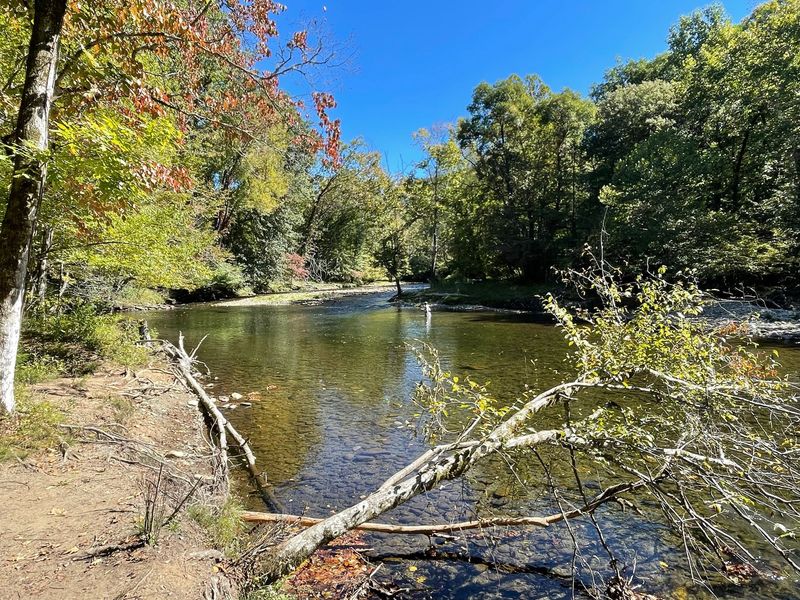
Building rock cairns or stacking stones seems harmless, but these actions destroy critical habitats for salamanders and aquatic insects. The Smokies host incredible biodiversity, including 30 salamander species that live under and between stream rocks. Moving these rocks crushes eggs, exposes animals to predators, and disrupts the delicate balance of stream ecosystems.
Children love playing in creeks, but removing rocks or building dams alters water flow and damages habitats that took years to establish. Salamanders require specific moisture levels and hiding spots that rock disturbances eliminate. The park’s streams support species found nowhere else on Earth, making their protection essential for biodiversity.
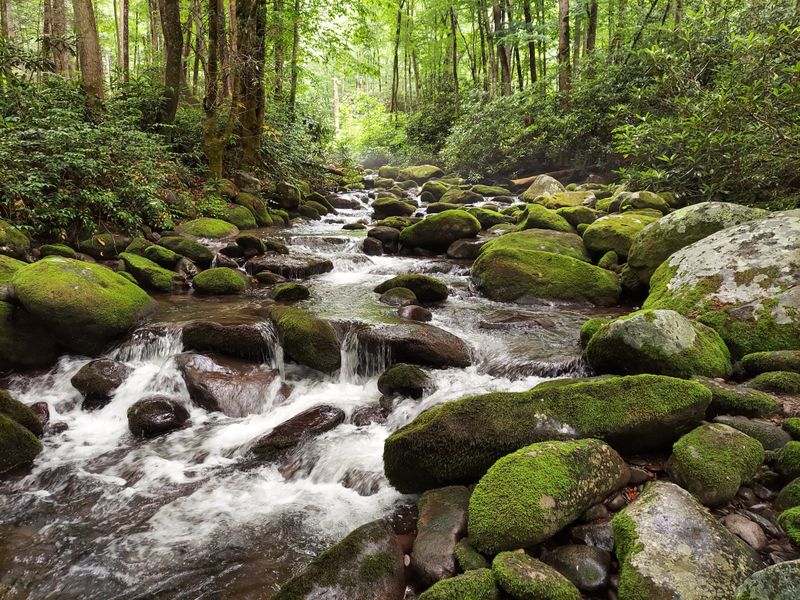
Enjoy streams by observing without touching or rearranging natural features. Photograph the beauty of rushing water over mossy stones without feeling the need to rearrange them. Wade carefully, stepping on rocks already exposed rather than flipping over submerged ones to see what’s underneath.
Park regulations prohibit removing or disturbing natural features, including rocks in streams and along trails. Rangers educate visitors about the importance of leaving nature undisturbed so ecosystems function properly. Your fleeting moment of creative expression isn’t worth the lasting damage to habitats that support rare and endangered species.
Respect the streams and the creatures that depend on them remaining exactly as nature arranged them.
13. Heading To Remote Areas Without Checking Your Fuel Gauge
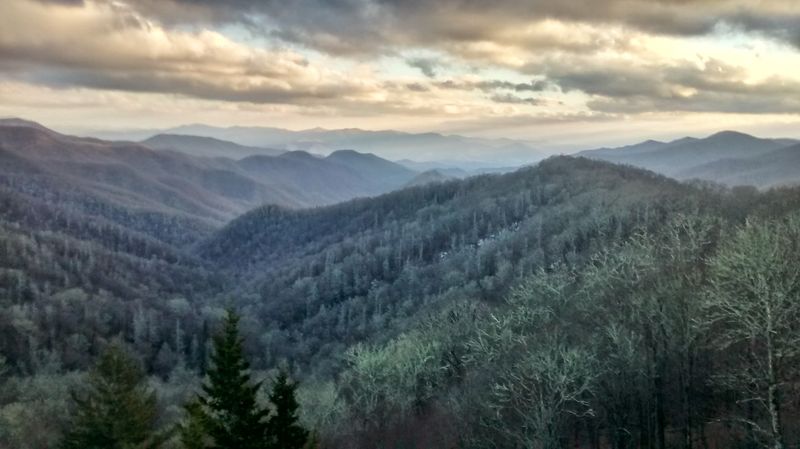
Running out of gas in the middle of Cades Cove Loop or along a remote mountain road turns an adventure into an expensive emergency. Gas stations don’t exist within park boundaries, and the nearest fuel can be 20 or 30 miles away depending on which section you’re exploring. Cell service disappears in valleys and hollows, making it difficult to call for help when your tank hits empty.
The 11-mile Cades Cove Loop operates as a one-way road during most hours, meaning you can’t simply turn around if you run low on fuel halfway through. Traffic moves slowly when wildlife appears, and you might spend two to four hours completing the loop. Other remote areas like the Cataloochee Valley require long drives on winding roads far from services.
Fill your tank completely before entering the park, treating it like a wilderness expedition even though paved roads exist. Check your fuel gauge regularly and turn back if levels drop below half a tank. Carry emergency supplies including water, snacks, and blankets in case you do get stranded waiting for assistance.
Prevention costs a few extra dollars and minutes at the gas pump; rescue and towing services cost hundreds and ruin your day. Rangers and tow trucks do help stranded motorists, but waiting for assistance wastes hours better spent exploring. Plan ahead and fuel up to keep your Smokies adventure rolling smoothly from start to finish.