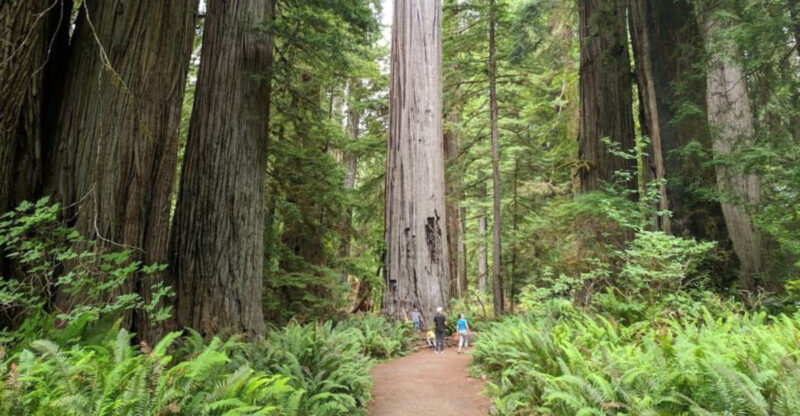
An Epic California Road Trip Showcasing The State’s Most Spectacular National Parks
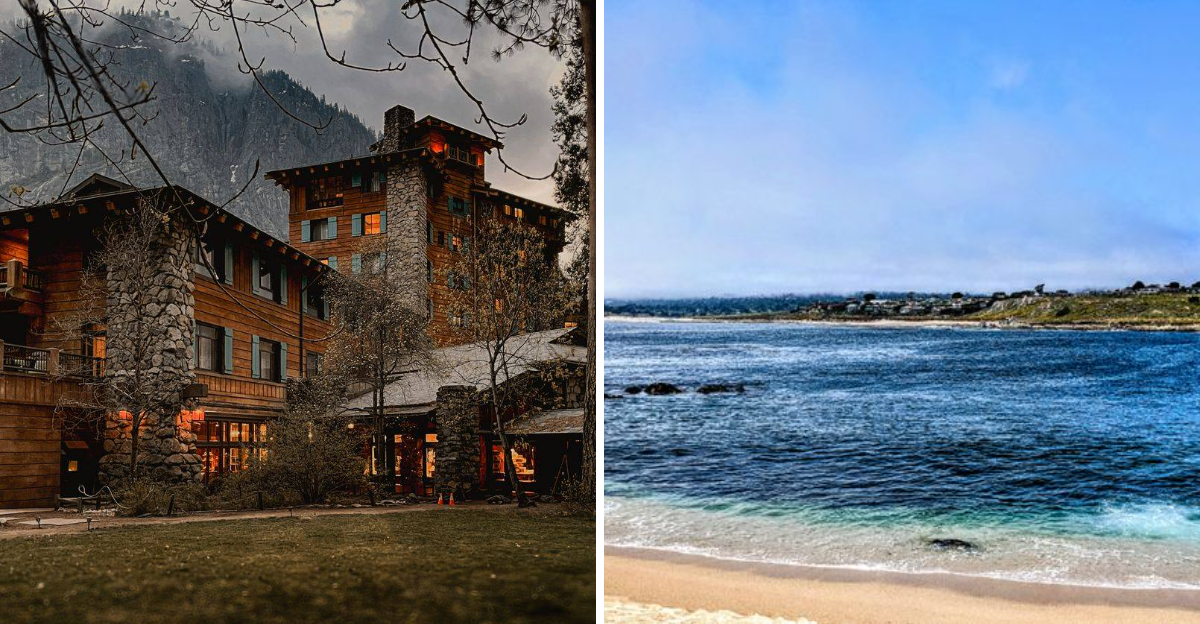
Vast stretches of untamed land invite travelers into places where nature still feels powerful and unfiltered.
Towering cliffs ancient trees sweeping deserts and alpine peaks create a sense of scale that reshapes expectations from the very first stop.
California offers an unmatched collection of national parks where each landscape sets the rhythm for what follows and no two environments feel the same.
A road trip through these protected areas becomes more than simple travel as every park influences the pace mood and sense of discovery along the way.
Coastal scenery gives way to granite walls while desert valleys transition into forests that have endured for thousands of years.
Each destination builds upon the last creating a journey that feels intentional rather than rushed. Planning the route carefully allows travelers to experience contrast balance and awe without missing what makes each place special.
This guide connects the highlights shares practical insight and helps transform a scenic drive into a deeply memorable exploration of California’s most extraordinary natural spaces.
San Francisco & Northern California Gateway
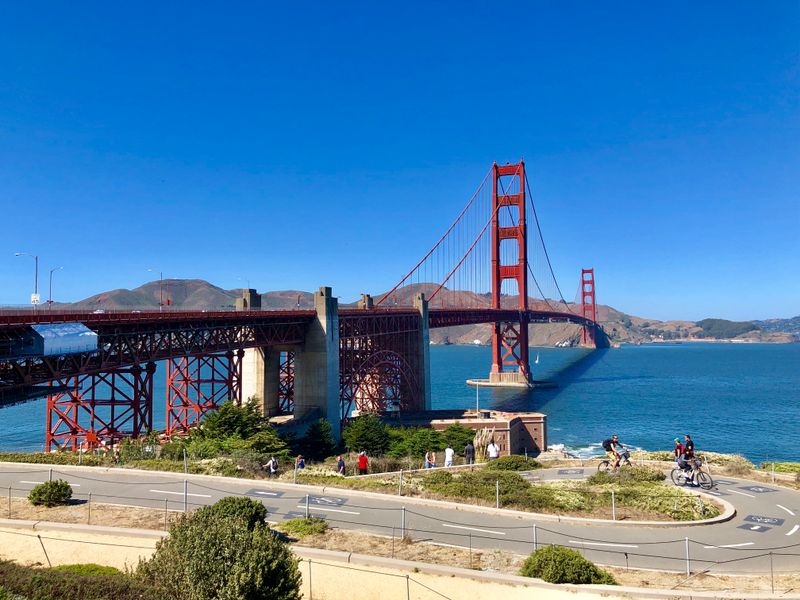
Starting your journey in San Francisco gives you access to iconic landmarks, diverse neighborhoods, and a jumping-off point for northern routes.
The Golden Gate Bridge, Fisherman’s Wharf, and Alcatraz Island all sit within easy reach, offering a taste of urban California before heading into wilderness.
Many travelers spend a day or two exploring the city, stocking up on supplies, and adjusting to Pacific time. The drive north from San Francisco takes you through rolling hills, coastal fog, and eventually into the heart of redwood country.
Highway 101 provides the most direct route, while Highway 1 hugs the coast for those who prefer dramatic ocean views.
Traffic around the Bay Area can be heavy during rush hours, so early morning departures tend to work best. Parking in the city requires patience, and street parking often comes with time limits and meter fees.
Neighborhoods like the Mission, Haight-Ashbury, and North Beach each have their own character and are worth a short walk.
San Francisco’s microclimates mean layering clothing is essential, even in summer months when fog rolls in unexpectedly.
Redwood National And State Parks
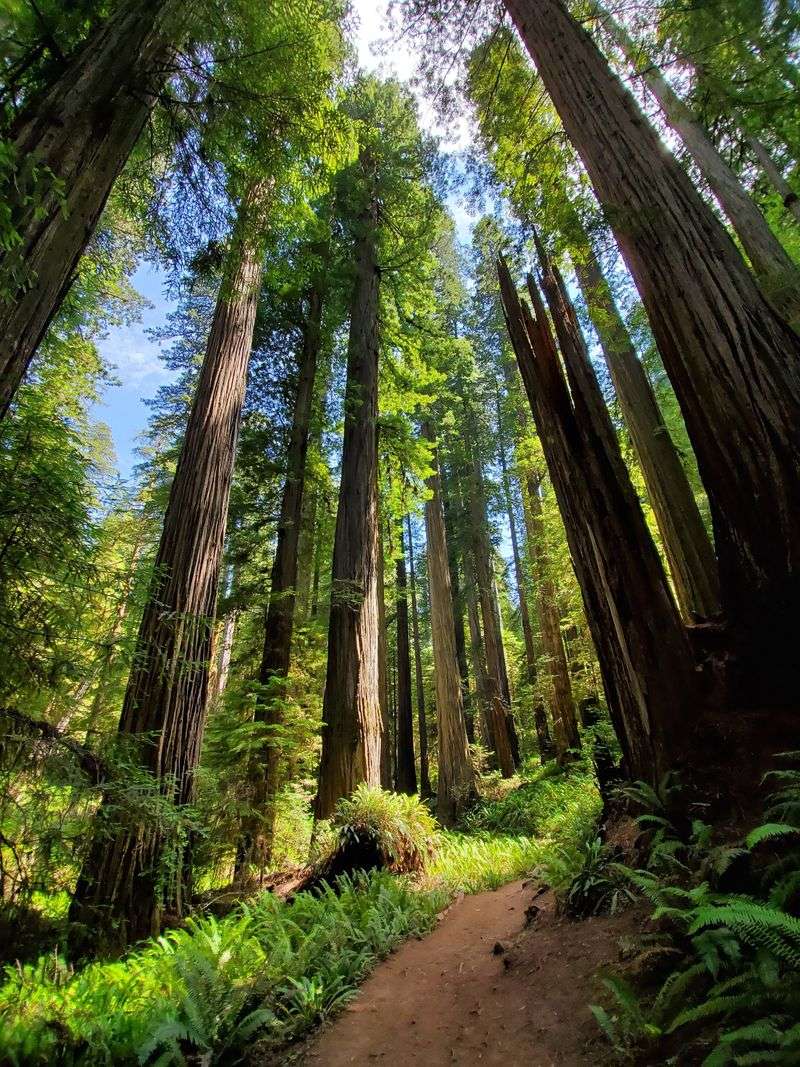
Walking among the tallest trees on Earth feels like stepping into another world, where sunlight filters through canopies hundreds of feet overhead.
Redwood National and State Parks protect vast stretches of old-growth forest along California’s northern coast, where some trees have stood for over two thousand years.
The silence beneath these giants is profound, broken only by birdsong and the occasional rustle of wind through ferns.
Several trails wind through the parks, ranging from short boardwalk loops to longer backcountry hikes. Lady Bird Johnson Grove offers an accessible introduction, while Tall Trees Grove requires a permit and a longer drive down a gravel road.
The parks also include rugged beaches, river valleys, and prairies that support Roosevelt elk herds. Fog is common along the coast, especially in summer, which helps the redwoods thrive but can limit visibility.
Layered clothing and waterproof jackets are recommended year-round. Parking at popular trailheads fills up by mid-morning on weekends, so arriving early or visiting on weekdays provides a quieter experience.
Lassen Volcanic National Park
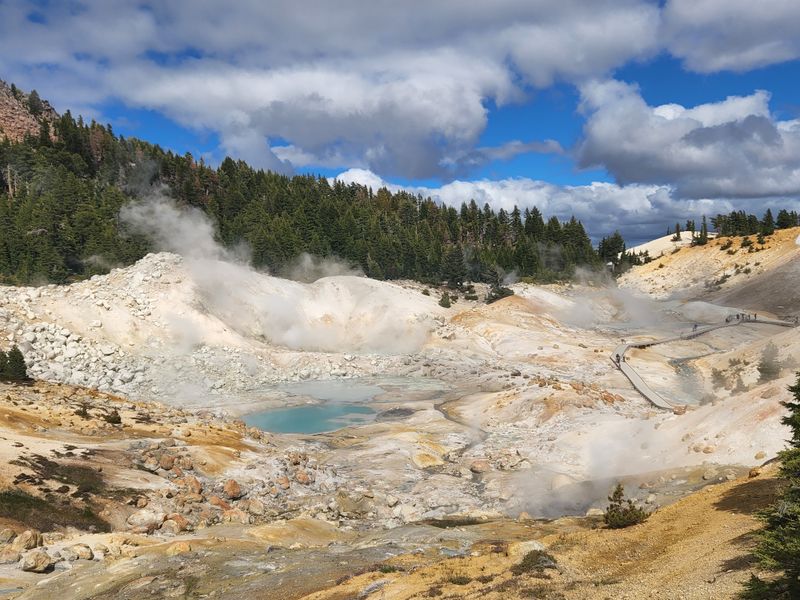
Active geothermal features bubble and steam across Lassen’s landscape, reminding visitors that California’s volcanic history remains very much alive.
Boiling mud pots, sulfur vents, and fumaroles cluster around Bumpass Hell, the park’s most accessible hydrothermal area.
The scent of sulfur drifts through the air, and boardwalks keep visitors safely away from dangerously hot ground.
Lassen Peak, the park’s centerpiece, rises over ten thousand feet and can be summited via a strenuous five-mile round-trip trail.
Snow lingers on the peak well into summer, and the road through the park typically opens fully by late June or early July.
Manzanita Lake near the northwest entrance offers calm waters for kayaking and a gentle shoreline trail with mountain reflections.
Crowds here are lighter than at Yosemite or Sequoia, making it easier to find solitude on trails and at campgrounds. The park sits at higher elevations, so temperatures drop quickly after sunset even in summer.
Wildlife includes black bears, mule deer, and a variety of bird species that thrive in the mixed conifer forests.
Lake Tahoe & Sierra Nevada Corridor
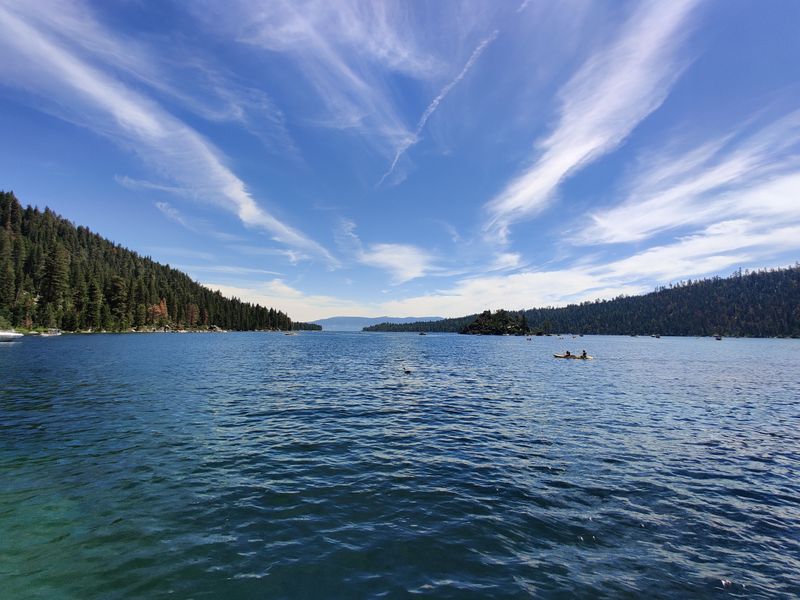
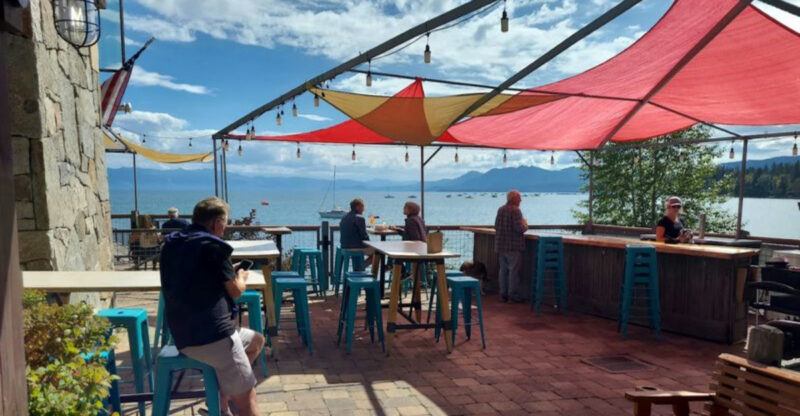
Straddling the California-Nevada border, Lake Tahoe’s crystal-clear waters and surrounding peaks create a year-round destination for outdoor enthusiasts.
The lake stretches over twenty miles long, with shoreline communities offering everything from quiet cabins to bustling resort areas.
Summer brings hiking, paddleboarding, and beach days, while winter transforms the region into a major ski destination.
Highway 89 traces the western shore, providing pullouts for photos and access to trailheads like Eagle Lake and Emerald Bay.
The drive around the entire lake takes about three hours without stops, but most visitors linger at scenic overlooks and explore small towns like Tahoe City and South Lake Tahoe.
Parking near popular beaches fills quickly on summer weekends. The Sierra Nevada corridor connecting Tahoe to Yosemite passes through high-elevation forests and meadows, with Tioga Pass reaching over nine thousand feet.
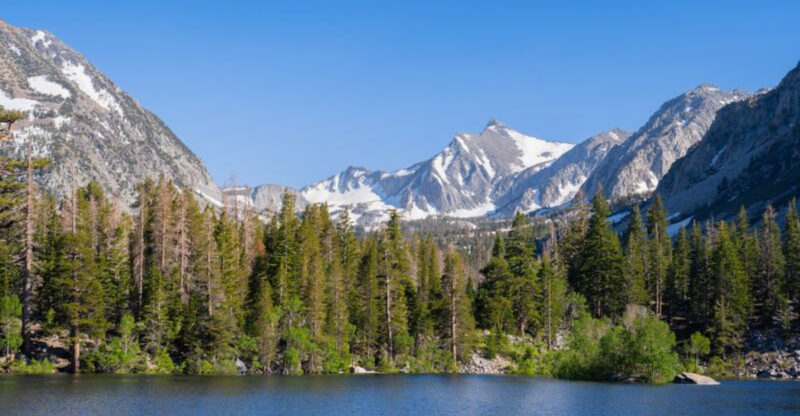
This route typically closes from November through May due to snow, so checking road conditions before setting out is essential. Alpine lakes dot the landscape, and wildflowers bloom in July and August.
Yosemite National Park
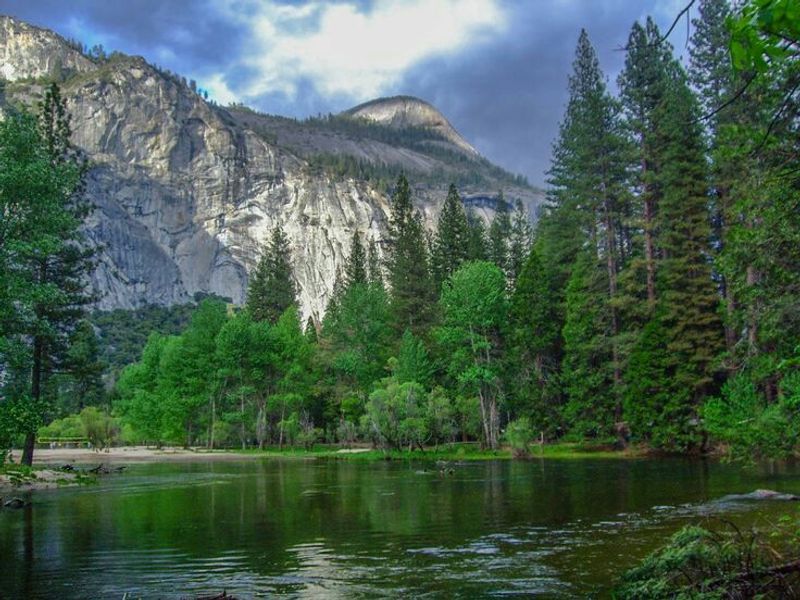
Few places inspire awe quite like Yosemite Valley, where granite cliffs rise thousands of feet above meadows and the Merced River winds through the heart of the park.
El Capitan and Half Dome dominate the skyline, drawing climbers from around the world and photographers who chase perfect light at dawn and dusk.
Waterfalls thunder in spring when snowmelt peaks, then taper to trickles or dry completely by late summer.
Yosemite Falls, one of the tallest waterfall in North America, drops in three sections for a combined height of nearly 2,500 feet. The trail to the top is strenuous but rewards hikers with sweeping valley views.
Mariposa Grove, home to giant sequoias, reopened after restoration work and now offers improved trails and a more natural experience among these massive trees.
Summer crowds can be intense, with parking lots full by 10 a.m. and shuttle buses packed. Visiting in spring or fall provides cooler weather, fewer people, and better chances of finding parking.
Reservations are required for overnight stays in campgrounds and lodges, often booking months in advance for peak season dates.
Sequoia & Kings Canyon National Parks
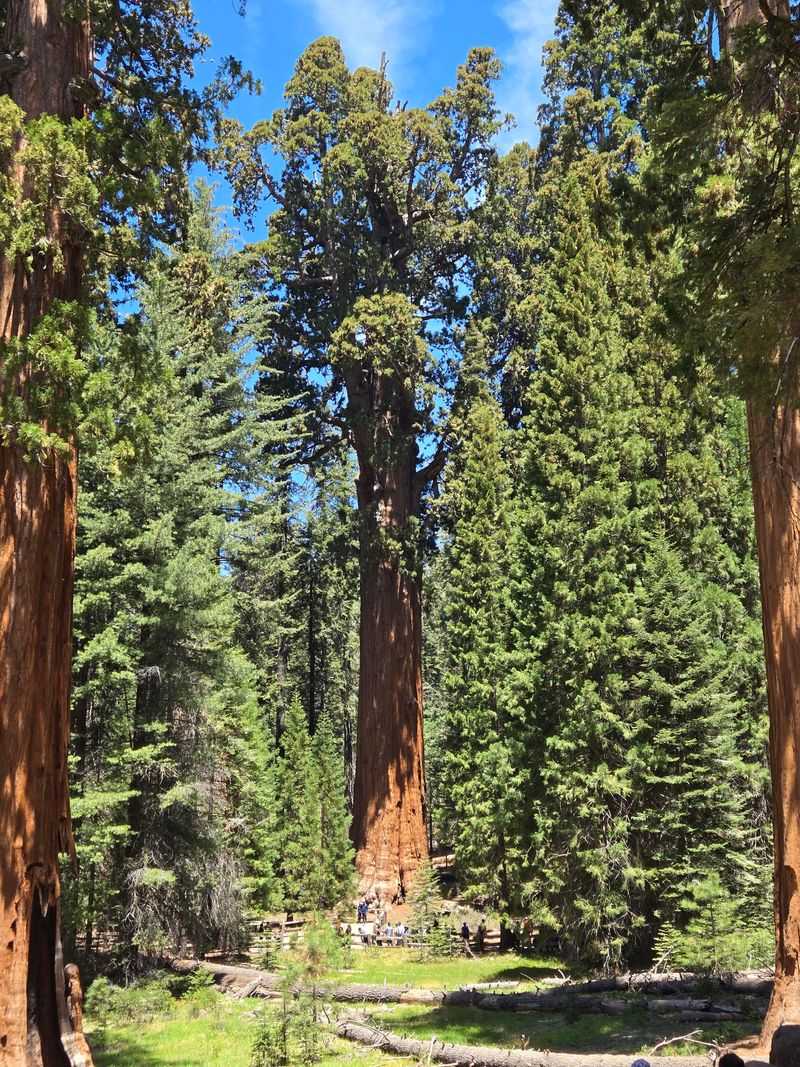
Standing at the base of the General Sherman Tree, the world’s largest living tree by volume, puts human scale into humbling perspective.
This giant sequoia measures over 275 feet tall and has a base diameter exceeding 36 feet, with reddish bark that feels soft and spongy to the touch.
The Giant Forest contains thousands of these massive trees, connected by a network of trails that range from easy paved paths to longer backcountry routes.
Kings Canyon’s dramatic river valley rivals Yosemite in depth and grandeur, with towering granite walls and the rushing Kings River cutting through the landscape.
The drive down into the canyon on Highway 180 winds through tight curves and offers constant views of the deepening gorge.
Zumwalt Meadow provides a flat, accessible loop trail through wildflower fields and alongside the river. Moro Rock’s granite dome can be climbed via a steep staircase carved into the stone, leading to panoramic views of the Sierra Nevada.
The parks sit at elevations where snow is common from November through April, closing some roads and trails until late spring. Black bears are active throughout both parks, so proper food storage is required at all times.
Death Valley National Park
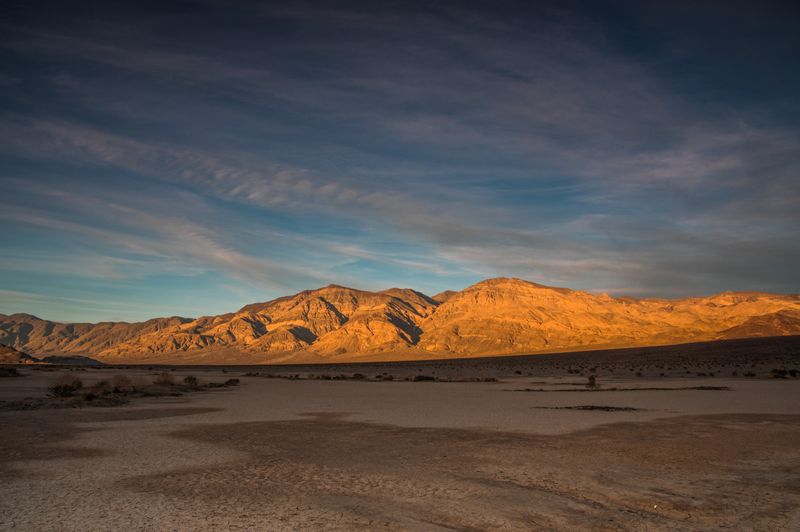
Extreme doesn’t begin to describe Death Valley, where summer temperatures regularly exceed 120 degrees Fahrenheit and the landscape stretches in shades of tan, gold, and burnt orange.
Badwater Basin sits 282 feet below sea level, making it the lowest point in North America, where a vast salt flat creates an otherworldly white expanse.
Walking out onto the salt crust in early morning or late afternoon avoids the worst heat and offers the best light for photography.
Artist’s Palette displays a riot of mineral colors, with hillsides painted in pink, green, purple, and yellow hues.
The short drive through this area is one-way, winding through narrow washes and past oxidized rock formations.
Mesquite Flat Sand Dunes provide classic desert scenery, with rippled sand patterns that shift constantly in the wind. Visiting between November and March brings comfortable temperatures and occasional wildflower blooms after rare winter rains.
Summer visits require extreme caution, with constant hydration, air-conditioned vehicles, and limited outdoor activity during midday hours.
Gas stations are sparse, so filling up before entering the park is essential, and carrying extra water in the car is a safety necessity.
Mojave Desert Landscapes
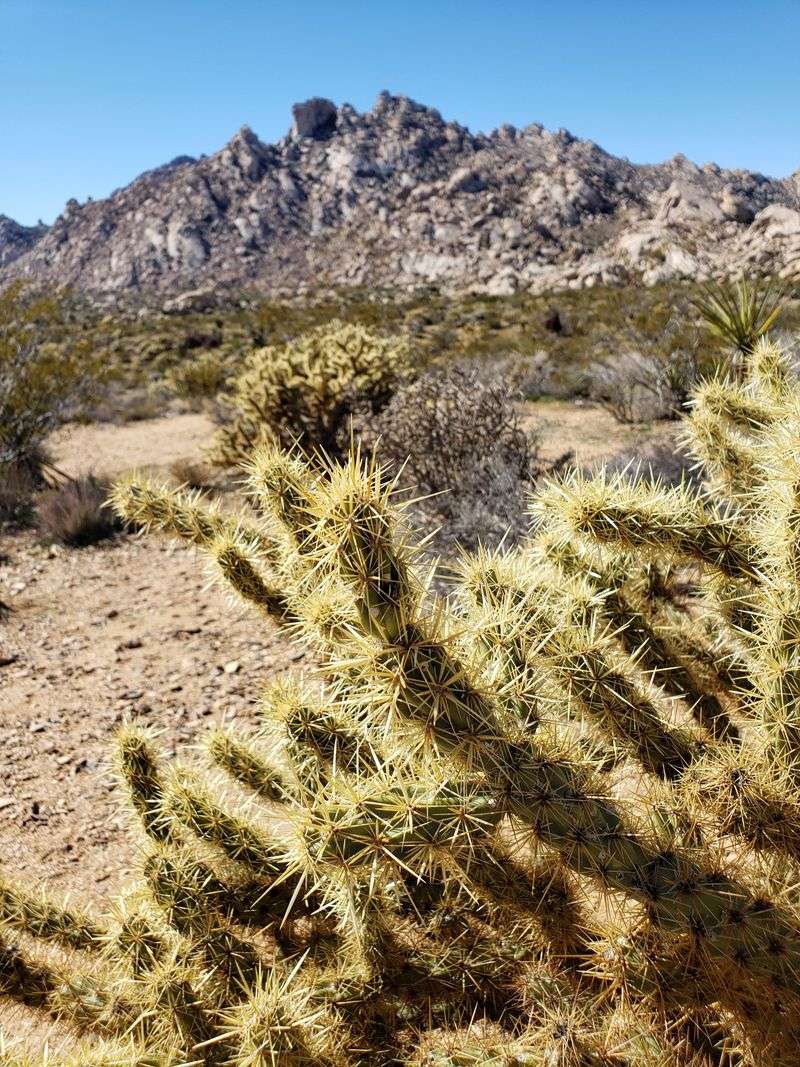
Crossing the Mojave Desert between Death Valley and Joshua Tree reveals a harsh beauty that grows on you slowly, with subtle shifts in vegetation and geology marking the miles.
Creosote bushes dot the sandy flats, releasing their distinctive scent after rare rains, while rocky outcrops break up the horizon.
The desert’s vastness can feel overwhelming, with long stretches of highway where services are nonexistent.
Kelso Dunes, part of Mojave National Preserve, rises over 600 feet and produces a low humming sound when sand cascades down the slopes under the right conditions.
The hike to the top is strenuous in soft sand but rewards climbers with views across the preserve. Cinder cones, lava flows, and volcanic formations add geological interest throughout the preserve.
Temperatures swing dramatically between day and night, with summer days scorching and winter nights dropping below freezing.
Spring brings the best weather and occasional wildflower blooms that transform the desert into a carpet of color. Roadside stops are few, so planning fuel stops and carrying extra water remains important even on main highways.
Joshua Tree National Park
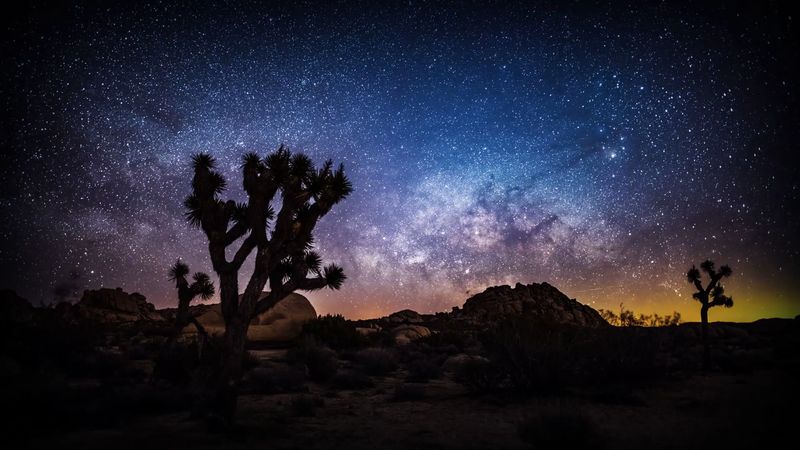
Twisted, spiky Joshua trees dot the landscape in surreal formations, their shaggy bark and upward-reaching branches creating shapes that seem almost animated.
These unique plants, actually a type of yucca, grow only in the Mojave Desert at specific elevations, making Joshua Tree National Park their primary stronghold.
Sunset and sunrise paint the rocks and trees in warm tones, drawing photographers who set up tripods along the roadside.
Rock formations throughout the park attract climbers of all skill levels, with thousands of established routes on granite boulders and cliff faces.
Hidden Valley offers an easy loop trail through a natural rock enclosure, while Barker Dam provides a short walk to a historic water source and potential wildlife sightings.
Cholla Cactus Garden showcases dense stands of teddy bear cholla, which look fuzzy from a distance but are covered in painfully sharp spines.
Clear, dark skies make the park a premier stargazing destination, with the Milky Way visible on moonless nights. Campgrounds book up quickly from October through April, the most popular visiting season.
Summer heat makes daytime hiking uncomfortable, though early morning and evening hours remain pleasant for exploring the park’s quieter corners.
Channel Islands National Park
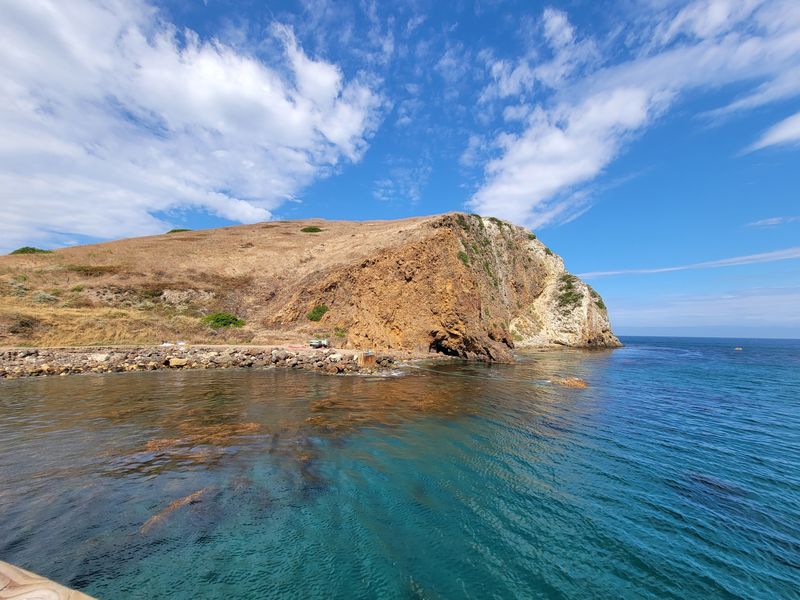
Reaching Channel Islands National Park requires a boat ride from Ventura or Oxnard, but the journey delivers a completely different California experience.
Five islands make up the park, each offering rugged coastlines, sea caves, and endemic species found nowhere else on Earth.
Santa Cruz Island, the largest and most visited, features dramatic cliffs, hidden beaches, and the island fox, a diminutive predator that scurries through the chaparral.
Kayaking through sea caves on Santa Cruz or Anacapa Island reveals colorful marine life and dramatic rock formations carved by centuries of wave action.
Snorkeling and diving in the kelp forests surrounding the islands provide encounters with sea lions, harbor seals, and abundant fish populations.
Hiking trails range from coastal paths to interior routes that climb to island peaks. Weather can be unpredictable, with fog common in summer and wind affecting boat schedules year-round.
The boat ride takes about an hour, and visitors must carry in all supplies, including water and food, as no services exist on the islands.
Day trips are popular, but overnight camping allows deeper exploration and the chance to experience the islands after day visitors depart.
Big Sur & Central Coast Scenic Drive
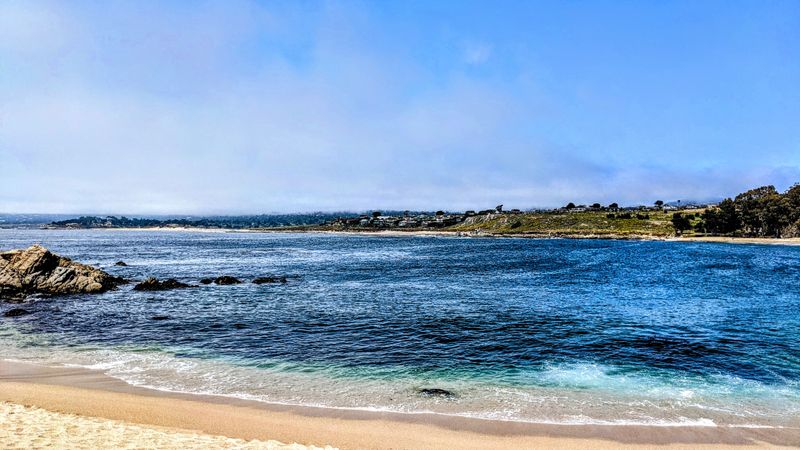
Highway 1 through Big Sur ranks among the most spectacular coastal drives anywhere, with the road clinging to cliffs hundreds of feet above the Pacific.
Bixby Bridge, an iconic concrete arch spanning a deep canyon, provides one of the most photographed views along the route.
Pullouts appear frequently, allowing drivers to stop safely and take in the dramatic scenery without rushing.
McWay Falls drops directly onto a beach in Julia Pfeiffer Burns State Park, creating a rare waterfall-meets-ocean scene that draws visitors year-round. Pfeiffer Beach, accessible via a narrow unmarked road, features purple-tinted sand and rock formations with natural arches.
Elephant seals gather at rookeries near San Simeon, where viewing platforms allow close observation of these massive marine mammals. Fog can obscure views along the coast, especially in summer mornings, though it usually burns off by afternoon.
The drive from Carmel to San Simeon takes about three hours without stops, but most travelers spend a full day or more exploring state parks and scenic overlooks.
Landslides occasionally close sections of Highway 1, so checking road conditions before departure helps avoid unexpected detours.
Pinnacles National Park
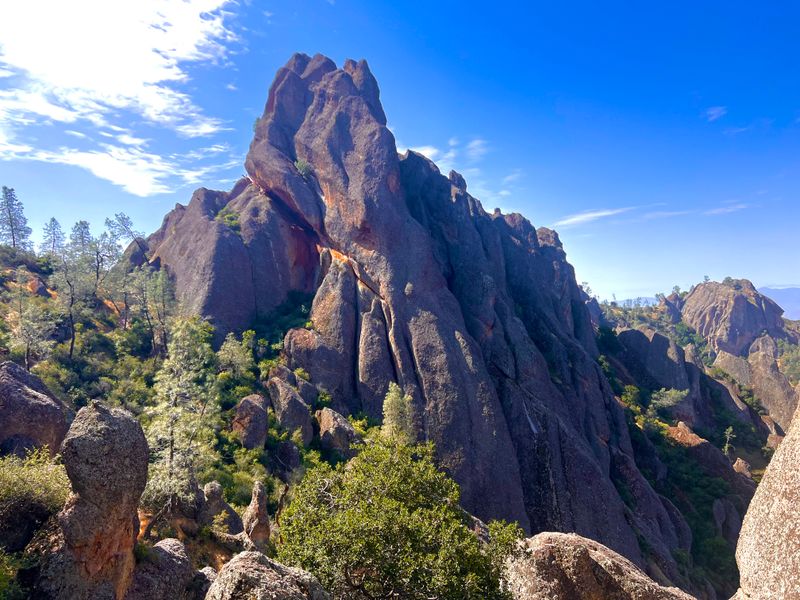
Volcanic rock spires rise dramatically from the landscape at Pinnacles, creating a maze of formations, talus caves, and climbing routes.
The park sits inland from the coast, where hot, dry summers give way to mild winters and spring wildflower displays.
Condor Gulch Trail offers chances to spot California condors, massive birds with nine-foot wingspans that have been reintroduced to the area after near extinction.
Talus caves form when giant boulders wedge together, creating dark, cool passages that require flashlights and sometimes crawling to navigate.
Bear Gulch Cave and Balconies Cave both offer adventurous routes, though seasonal closures protect bat populations during breeding times.
Rock climbing is popular throughout the park, with routes ranging from beginner to expert levels on the volcanic tuff formations.
The park has two entrances, east and west, which are not connected by a through road, requiring visitors to choose their approach carefully.
The east entrance provides easier access from Highway 101, while the west entrance involves a longer drive on narrow roads.
Summer temperatures often exceed 100 degrees, making spring and fall the most comfortable seasons for hiking and exploring the park’s unique geology.
Southern California Finale
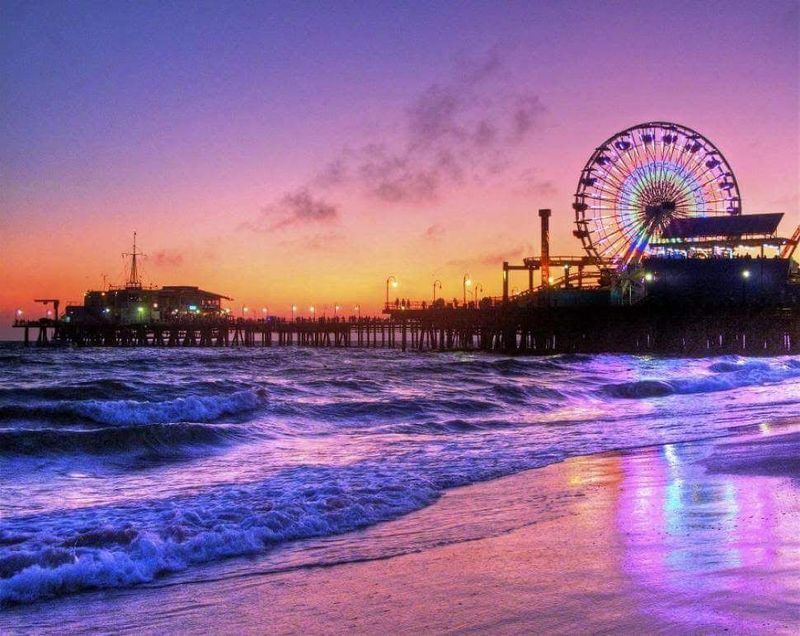
Ending your road trip in Southern California gives you options for beaches, desert, or urban exploration depending on your route.
Los Angeles sprawls across basin and coast, offering everything from Hollywood landmarks to world-class museums and diverse neighborhoods.
Santa Monica and Venice Beach provide classic California beach experiences, with boardwalks, street performers, and ocean views stretching to the horizon.
San Diego’s coastal climate stays mild year-round, with Balboa Park housing museums, gardens, and the famous San Diego Zoo at 2920 Zoo Dr, San Diego, CA 92101.
The Gaslamp Quarter downtown features historic architecture, restaurants, and nightlife, while nearby beaches in La Jolla and Coronado offer scenic coastline.
Anza-Borrego Desert State Park lies east of San Diego, providing a final dose of desert landscapes if your route hasn’t included enough.
Traffic in Southern California can be challenging, especially during rush hours when freeways slow to a crawl. Coastal fog, known locally as June Gloom, often blankets beaches in early summer mornings before clearing by midday.
Parking at popular beaches requires patience or early arrival, and meters or pay lots are standard along the coast.
Best Time To Go
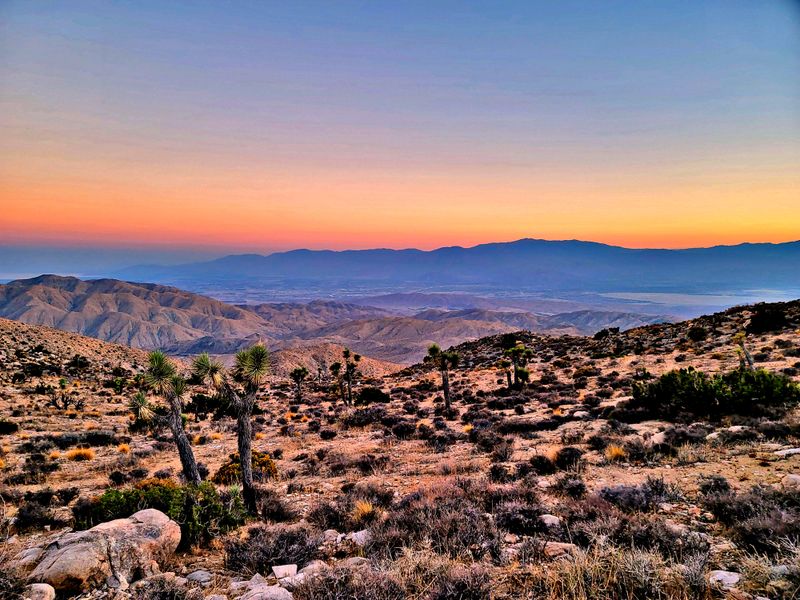
Timing a California national parks road trip depends on which parks you prioritize and what weather you prefer.
Spring, from April through early June, brings mild temperatures, flowing waterfalls, and wildflower blooms across many parks.
Crowds are moderate, and most roads have opened after winter closures, though high-elevation passes like Tioga Road may remain closed until late May or June.
Summer offers the longest days and warmest weather, but also the biggest crowds and hottest desert temperatures.
Yosemite and other Sierra Nevada parks see peak visitation, while Death Valley and Joshua Tree become uncomfortably hot for extended outdoor activity.
Fall, from September through November, provides excellent conditions with cooler temperatures, fewer visitors, and changing foliage in higher elevations.
Winter limits access to many high-elevation areas due to snow, but opens up opportunities for winter sports around Lake Tahoe and provides the most comfortable conditions for exploring desert parks.
Coastal areas and lower-elevation parks remain accessible year-round, though rain is more common from November through March.
Checking seasonal road closures and weather patterns for your specific route helps avoid disappointment and allows for flexible planning.
Lodging & Camping Options
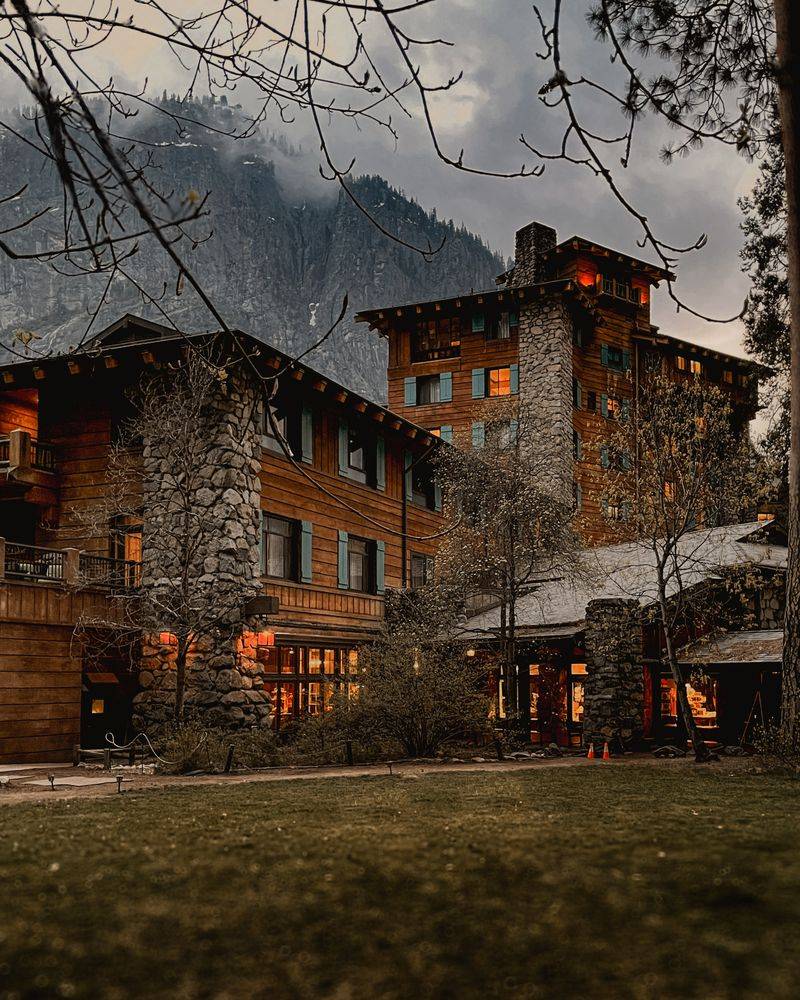
Accommodation options along a California national parks road trip range from rustic campgrounds to historic lodges and chain hotels in gateway towns.
Reservations are essential for in-park lodging and popular campgrounds, especially during peak season when sites book months in advance through recreation.gov.
Yosemite’s Ahwahnee Hotel (1 Ahwahnee Drive, Yosemite Valley, CA 95389) and Sequoia’s Wuksachi Lodge (Sequoia National Park, 64740 Wuksachi Way, Sequoia National Park, CA 93262) offer comfortable stays within park boundaries, though prices reflect their prime locations.
Campgrounds inside national parks provide the most immersive experience, with sites ranging from developed areas with flush toilets and water to primitive backcountry spots.
First-come, first-served campgrounds exist in some parks, but filling up early means arriving before noon increases your chances.
Towns near park entrances, like Oakhurst near Yosemite or Lone Pine near Death Valley, offer motels and hotels for those preferring indoor lodging.
Dispersed camping on Bureau of Land Management or National Forest land provides free alternatives in some areas, though facilities are minimal or nonexistent.
RV parks and private campgrounds near popular parks offer amenities like hookups, showers, and laundry facilities.
Booking accommodations early and building flexibility into your itinerary helps when plans change due to weather or unexpected closures.
Safety, Permits & Park Passes
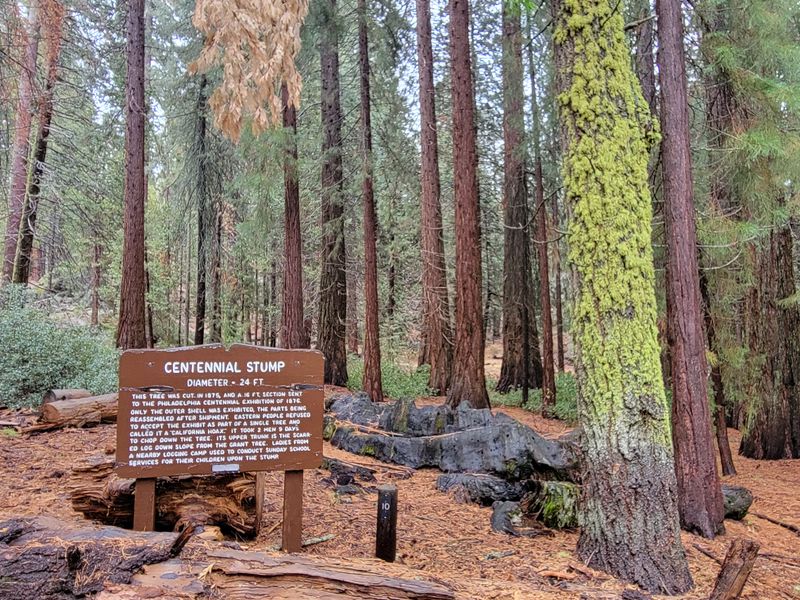
An America the Beautiful annual pass costs $80 and covers entrance fees at all national parks, making it a smart investment for a multi-park road trip.
Individual park entrance fees range from $20 to $35 per vehicle and are valid for seven days, so the annual pass pays for itself after visiting just three parks.
Some parks require timed entry reservations during peak season, which must be secured in addition to the entrance pass.
Backcountry permits are necessary for overnight hiking in most parks, with some requiring reservations months ahead for popular trails like Half Dome in Yosemite.
Bear canisters are mandatory in many Sierra Nevada parks for food storage, and rangers check permits and equipment at trailheads.
Proper food storage applies to campgrounds as well, with metal lockers provided at most developed sites. Wildlife encounters require caution and distance, with specific guidelines posted at park entrances and visitor centers.
Carrying plenty of water, wearing sun protection, and checking weather forecasts before heading out helps prevent emergencies.
Cell service is limited or nonexistent in many park areas, so downloading maps and information before arrival ensures you can navigate safely even without connectivity.