This Massive California Flea Market Has Become A Weekend Obsession
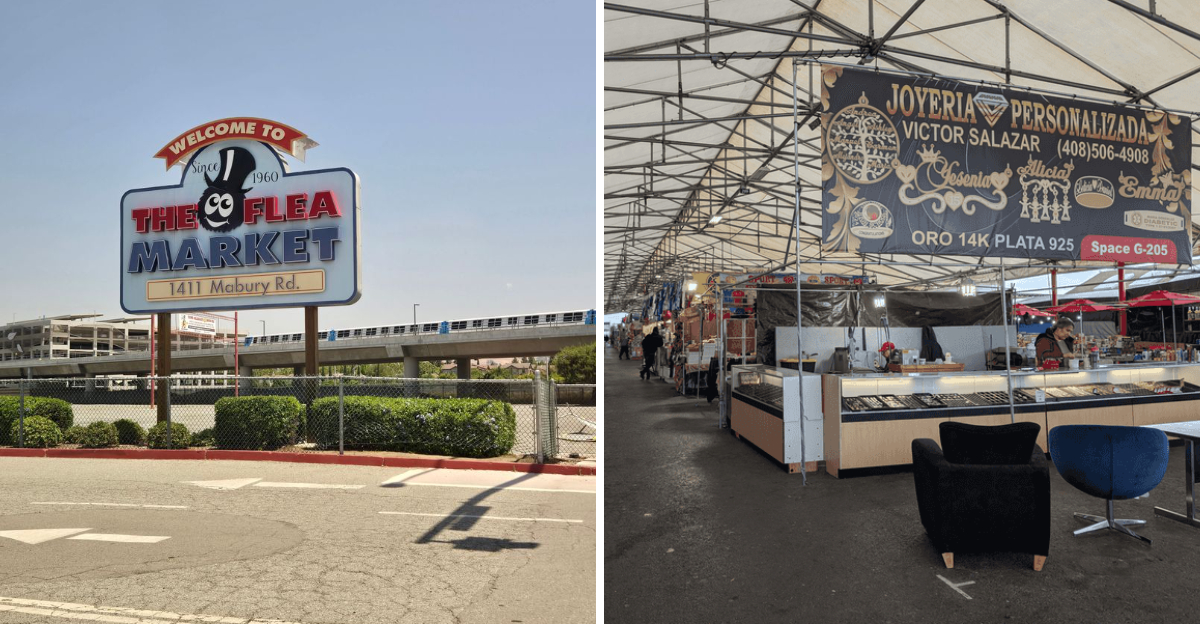
Each weekend, the air buzzes with excitement as thousands of visitors pour into one of the most vibrant spots in the Bay Area.
The aisles stretch on for what feels like miles. Filled with everything from vintage treasures to unique finds, the market promises something new with every turn.
The San Jose Flea Market, an iconic destination since 1960, offers much more than just a shopping experience. It’s a place where cultures collide, tastes come alive, and stories unfold with every step.
What began as a simple market has transformed into a sprawling marketplace. Treasure hunters, food lovers, and bargain seekers all flock here.
International street food stalls serve mouth-watering dishes, while colorful vendors sell everything under the sun. Few places capture the spirit of California community and diversity like this.
The San Jose Flea Market has become a weekend tradition, bringing people together and creating memories that last long after the trip ends.
With a full stomach, a shopping bag, and a heart full of excitement, visitors leave ready for the next adventure.
1. A Historic Beginning In 1960
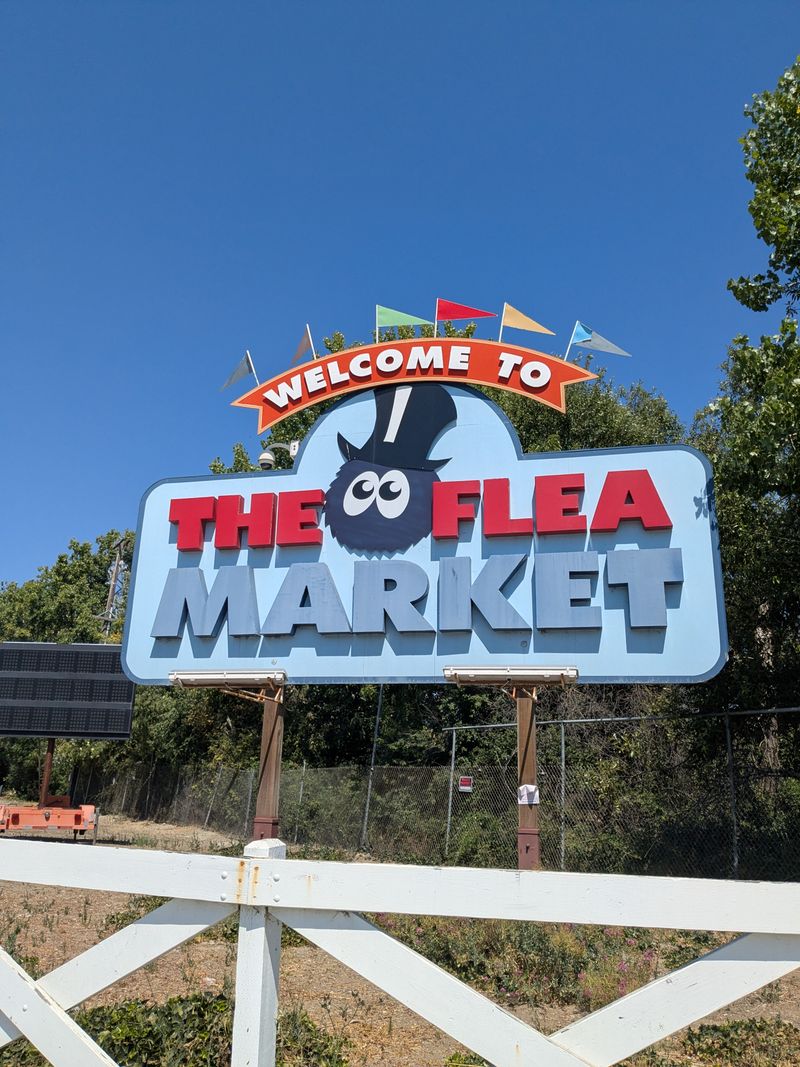
George Bumb Sr. opened the doors to what would become a California institution more than six decades ago.
Back then, only 20 sellers and about 100 curious shoppers showed up to see what this new market was all about.
The concept was simple but powerful: create a space where people could buy, sell, and trade goods in an open-air setting that felt welcoming and community-focused.
Today, the market operates at 1590 Berryessa Road, San Jose, California 95133, and has expanded far beyond anyone’s early expectations.
What began as a weekend experiment has blossomed into one of the largest flea markets in the entire United States.
The growth reflects not just the popularity of bargain hunting, but also the way the market has adapted to serve a diverse and ever-changing community.
Families who visited as children now bring their own kids to explore the same aisles, creating a sense of continuity that spans generations.
The market’s ability to stay relevant while honoring its roots shows why it remains such a cherished part of San Jose’s identity.
History lives in every corner, from the layout to the stories vendors share about their decades-long presence at the market.
2. Thousands Of Vendors Every Weekend
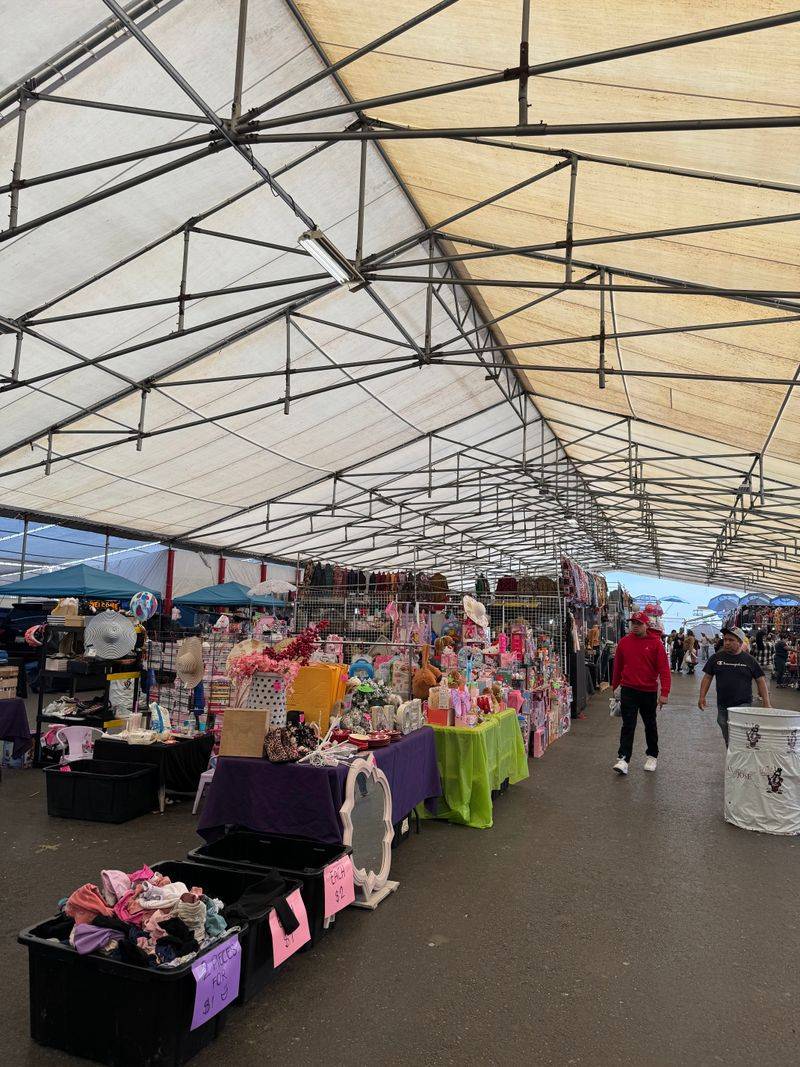
Walking through the market on a Saturday or Sunday feels like stepping into a small city of commerce and creativity.
Between 1,200 and 1,500 sellers set up shop each weekend, offering everything imaginable under the California sun.
The sheer variety means shoppers can spend hours wandering without seeing the same type of booth twice. Weekdays bring a quieter experience, with around 300 vendors opening their stalls on Wednesdays and Fridays.
This smaller setup appeals to those who prefer a more relaxed pace or want to take their time chatting with sellers. Many regulars appreciate the weekday atmosphere for its calmer energy and easier navigation through the aisles.
Each vendor brings a unique specialty, whether it’s handmade jewelry, vintage clothing, power tools, or collectible toys. Some sellers have been part of the market for decades, building loyal customer bases who return week after week.
The mix of longtime vendors and newcomers keeps the market fresh while maintaining a sense of familiarity. Shoppers never quite know what hidden gem might appear at the next stall, which adds to the thrill of the hunt.
3. An Incredible Range Of Products
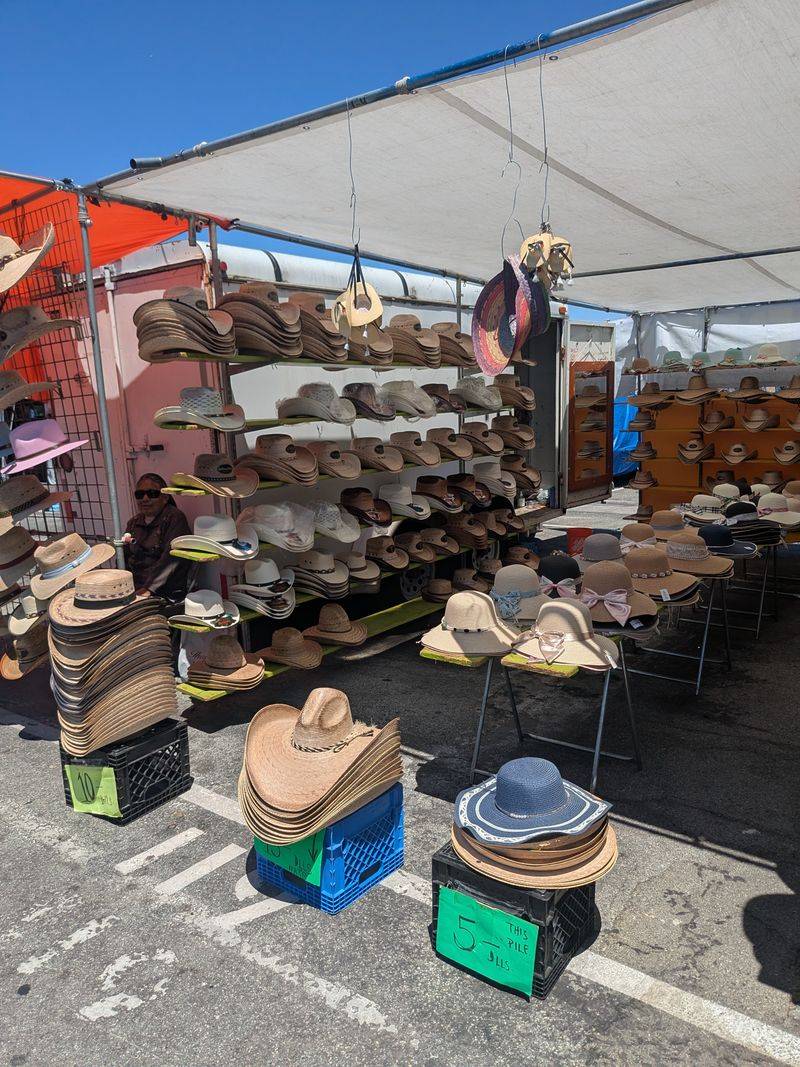
Treasure hunting takes on new meaning when the inventory includes fresh produce, vintage records, electronics, handmade crafts, and just about everything in between.
Shoppers arrive with specific shopping lists but often leave with unexpected finds that catch their eye.
The market’s diversity reflects the cultural richness of the Bay Area, with vendors offering goods from around the world.
Antique lovers can spend hours sifting through vintage furniture, retro posters, and collectible items that tell stories of decades past.
Tech enthusiasts find deals on electronics, cables, and gadgets that might not be available in typical retail stores.
Clothing racks overflow with options ranging from brand-new fashion to gently used vintage pieces that add character to any wardrobe.
Crafters and artists display handmade creations, from pottery and paintings to custom jewelry and leather goods.
The opportunity to meet the people who create these items adds a personal touch that online shopping simply cannot replicate.
Families stock up on household essentials, toys, and seasonal decorations at prices that make budgeting easier. Every aisle offers something different, ensuring that no two visits ever feel quite the same.
4. A Quarter-Mile Farmers’ Market
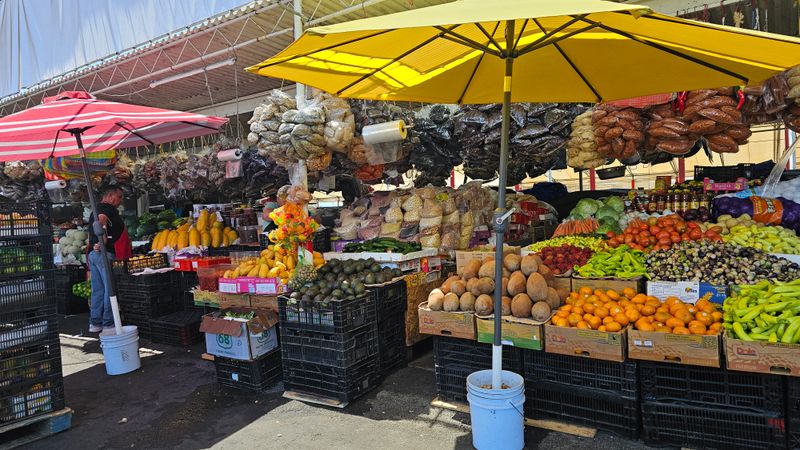
Fresh fruits and vegetables stretch along a quarter-mile section that feels like a celebration of agricultural abundance.
Vendors display produce from local farms alongside international varieties that reflect the cultural diversity of the region.
The colors, textures, and aromas create a sensory experience that makes grocery shopping feel like an adventure.
Shoppers find seasonal favorites like strawberries, tomatoes, and citrus fruits, often at prices lower than traditional grocery stores.
Exotic produce that might be hard to locate elsewhere appears regularly, giving home cooks the chance to experiment with new recipes and flavors.
The quality tends to be excellent, with many vendors sourcing directly from farms and growers who prioritize freshness.
Families often make the farmers’ market their first stop, loading up on healthy ingredients before exploring the rest of the flea market.
The opportunity to ask vendors about preparation tips or recipe ideas adds educational value to the shopping experience.
Children learn about where food comes from and how different cultures use various ingredients in their cooking.
This section alone draws dedicated shoppers who come specifically for the produce and stay for everything else the market offers.
5. Family-Friendly Entertainment Options
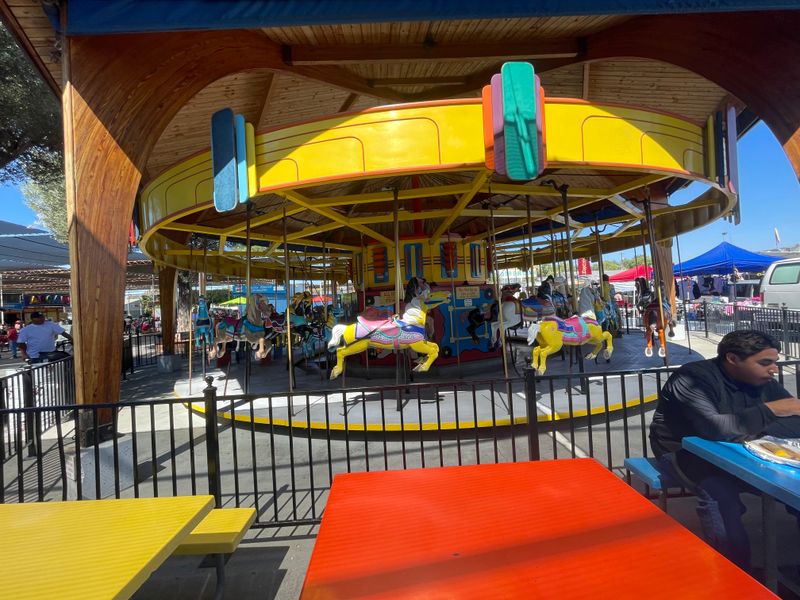
Kids light up when they spot the vintage carousel and mini Ferris wheel that add an amusement park feel to the shopping experience.
These attractions transform the market into more than just a place to hunt for bargains; it becomes a destination where families can spend an entire day together.
Playgrounds scattered throughout the grounds give younger children space to burn off energy between shopping stops.
Live entertainment appears regularly, with musicians, performers, and cultural demonstrations adding soundtrack and spectacle to the market atmosphere.
The variety of performances reflects the community’s diversity, offering everything from traditional folk music to contemporary acts.
Parents appreciate having built-in entertainment options that keep children engaged and happy while adults browse the vendors.
The family-friendly approach makes the market accessible to all ages and creates memories that children carry into adulthood.
Many adults who visit today remember riding the same carousel as kids, creating a beautiful cycle of tradition.
The combination of shopping, dining, and entertainment means families can easily spend four or five hours at the market without anyone getting bored.
This thoughtful inclusion of attractions shows how the market has evolved to serve entire families rather than just serious shoppers.
6. Over 90 Food Options
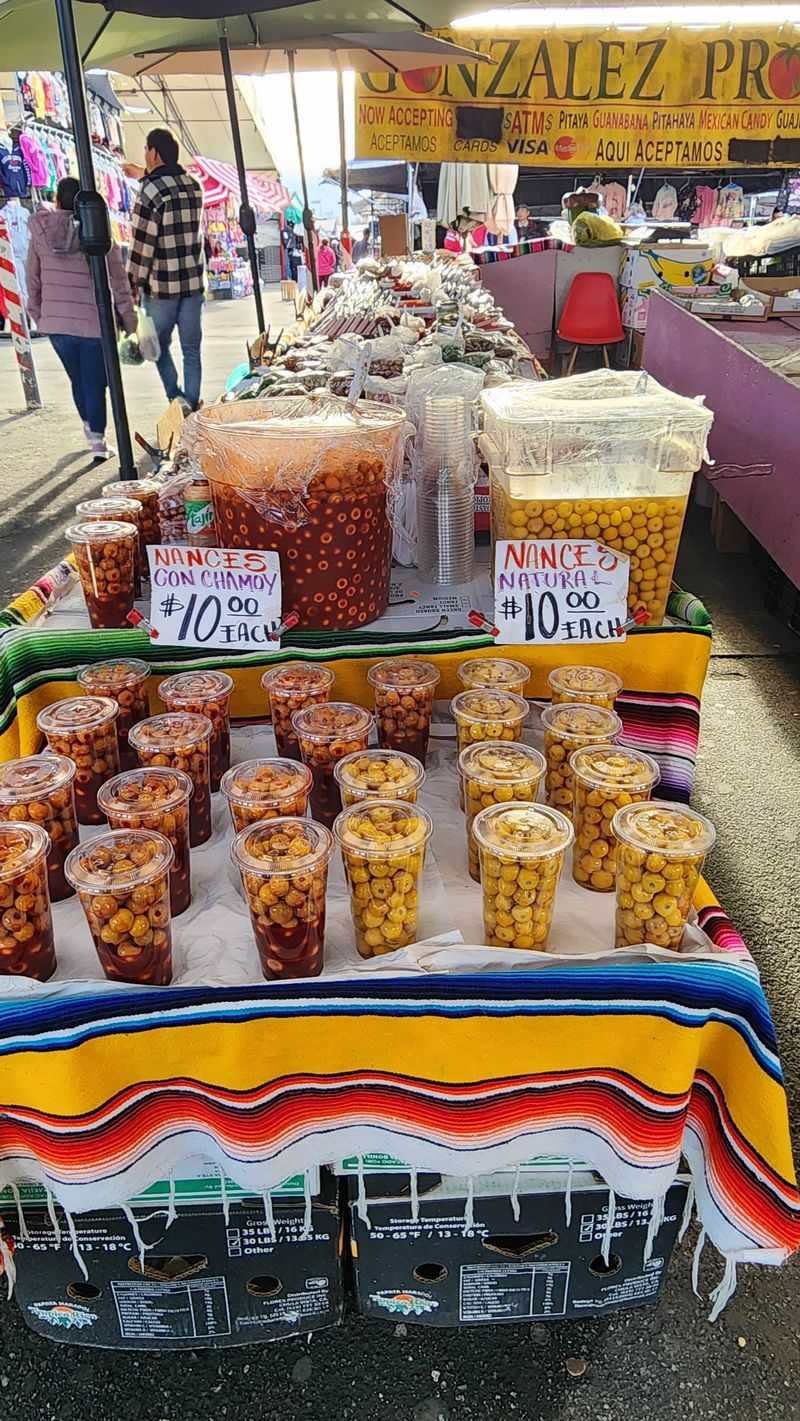
Hunger never becomes an issue when more than 30 snack bars and over 60 smaller food carts offer cuisine from around the globe.
The aromas of grilled meats, fresh tamales, and sizzling stir-fries blend together, creating an intoxicating invitation to explore the culinary landscape.
Authentic Mexican dishes draw long lines, with vendors serving tacos, burritos, and fresh aguas frescas that taste like homemade recipes.
Barbecue smoke drifts through the air from stalls where meats cook slowly over open flames, drawing crowds with promises of tender, flavorful meals.
International options include Vietnamese pho, Filipino lumpia, Indian samosas, and countless other specialties that represent the Bay Area’s cultural tapestry.
Vegetarian and vegan options appear more frequently as vendors adapt to changing dietary preferences.
Prices remain reasonable, making it easy to try multiple dishes or feed a family without breaking the budget. Many shoppers plan their visits around specific food vendors they have grown to love over the years.
The casual seating areas provide spots to rest tired feet while enjoying a meal and watching the endless parade of people.
Food becomes part of the overall experience, not just fuel for shopping but a reason to visit in its own right.
7. Major Economic Impact On San Jose
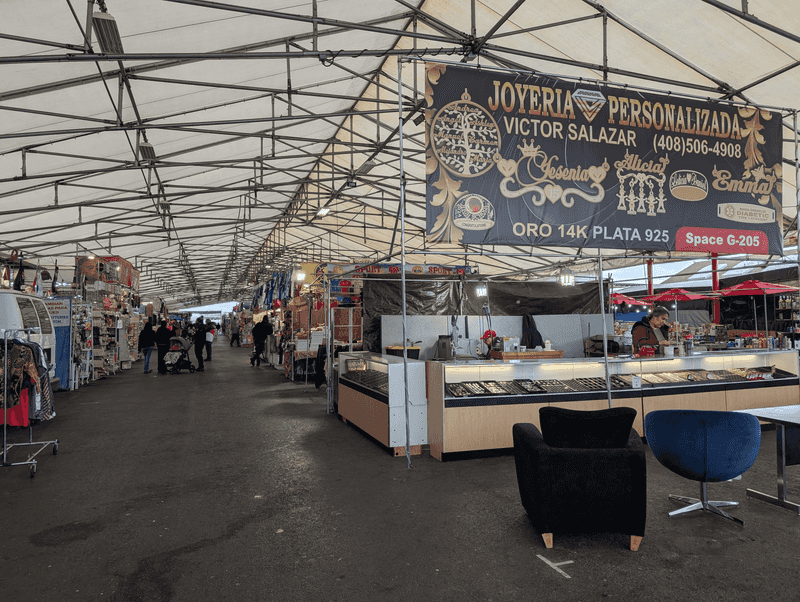
Supporting over 450 businesses and employing more than 1,000 workers places the market among the top 50 employers in San Jose.
This economic footprint extends far beyond the market’s physical boundaries, as vendors purchase supplies, hire help, and contribute to the local tax base.
Many small business owners got their start at the flea market, using it as a low-risk way to test products and build customer relationships.
The market provides opportunities for entrepreneurs who might not have the resources to open traditional storefronts.
Immigrant families often find their first business foothold here, building enterprises that sometimes grow into larger operations.
The flexible vendor structure allows people to start small and expand as their businesses develop, creating pathways to economic stability.
Local suppliers benefit from the steady demand for goods, services, and materials needed to keep hundreds of vendors operating smoothly.
The ripple effect touches restaurants, manufacturers, transportation companies, and countless other businesses that support the market’s operations.
Job creation happens at multiple levels, from direct employment to the secondary positions that exist because the market thrives.
This economic engine has been quietly powering part of San Jose’s economy for decades, providing stability even as other industries fluctuate.
8. Community Programs And Food Security Efforts
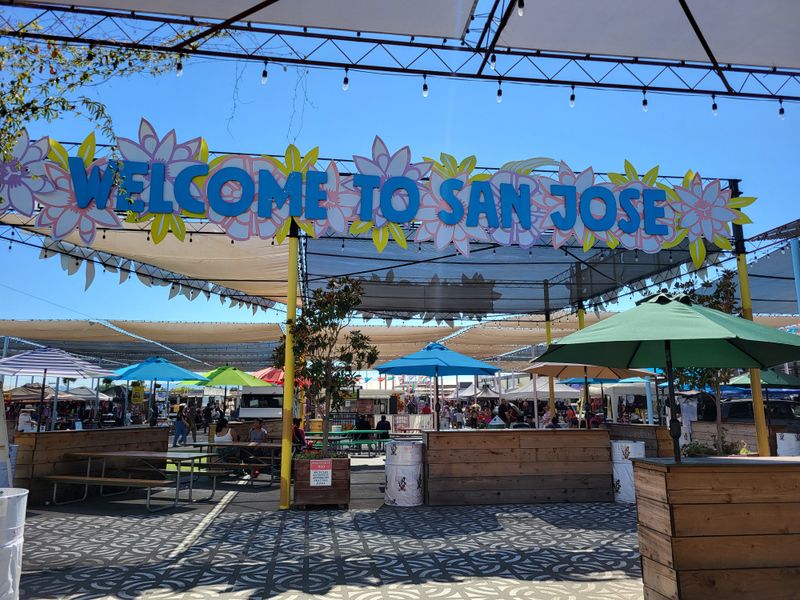
Beyond commerce, the market demonstrates its commitment to the community through initiatives like Hunger at Home, which fights food insecurity in Silicon Valley.
This program rescues surplus food that would otherwise go to waste and transforms it into meals for those facing hardship.
The irony of hunger existing in one of the wealthiest regions in the world makes these efforts especially meaningful.
Various events throughout the year bring the community together for celebrations, cultural festivals, and educational programs.
These gatherings strengthen social bonds and create opportunities for people from different backgrounds to connect over shared experiences.
The market serves as a gathering place where community announcements are made and local organizations can reach diverse audiences.
Charitable partnerships extend the market’s impact beyond its gates, supporting schools, nonprofits, and community groups with donations and sponsorships.
The willingness to give back shows how the market sees itself as part of the neighborhood fabric rather than just a business operation.
Vendors often participate in these community efforts, donating goods or volunteering time for causes they care about.
This culture of generosity creates goodwill that reinforces customer loyalty and attracts new visitors who appreciate businesses that prioritize community welfare alongside profits.
9. Easy Access Via Public Transportation
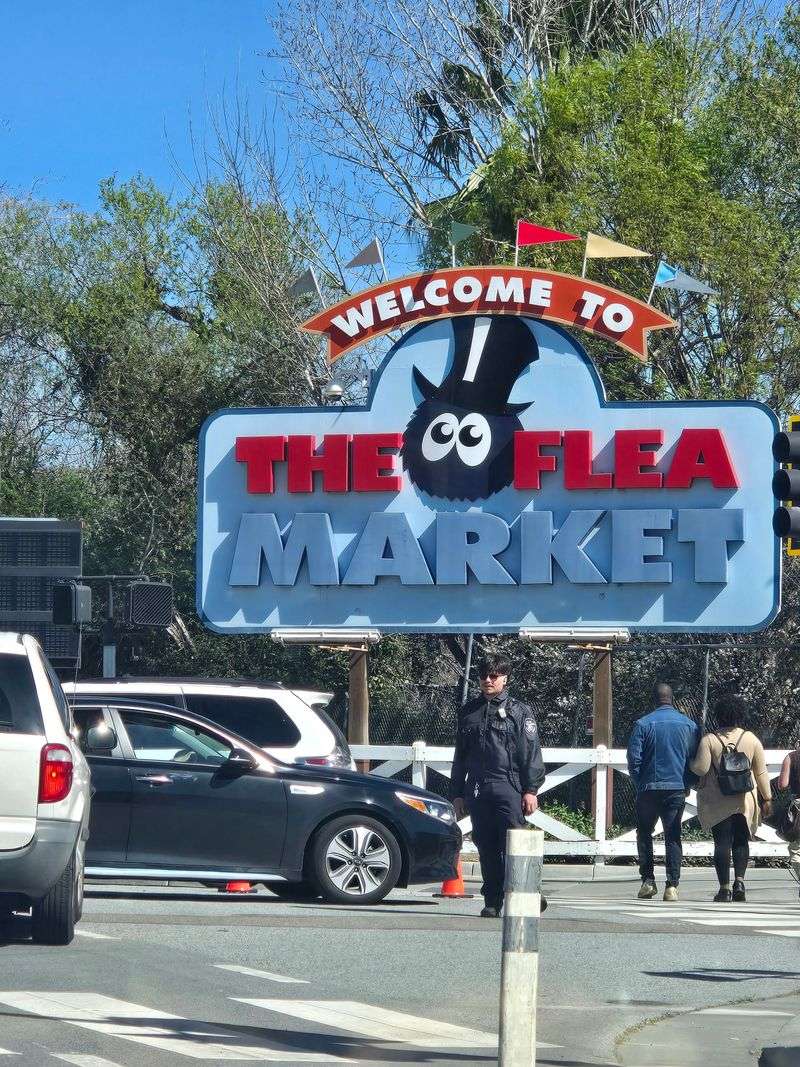
The opening of the Berryessa North San José BART Station in 2020 transformed how many visitors reach the market, making it accessible without the need for a car.
This connection to the regional transit system opened the market to a broader audience, including students, seniors, and others who prefer public transportation.
The convenience factor cannot be overstated for those coming from San Francisco, Oakland, or other Bay Area cities.
Bus routes also serve the area, providing multiple options for reaching the market from different neighborhoods throughout San Jose.
The transit accessibility aligns with California’s environmental goals by reducing the number of cars needed for weekend shopping trips.
Visitors can shop without worrying about parking costs or availability, making the experience more relaxed from the moment they arrive.
The BART connection has introduced the market to younger generations who might not have discovered it otherwise.
College students and young professionals find it easy to make a day trip without the expense of gas or parking fees.
This accessibility ensures the market remains relevant as transportation habits evolve and more people seek alternatives to driving.
The combination of transit access and free admission creates an inclusive environment where economic barriers to visiting are minimized.
10. Four Days Open Every Week
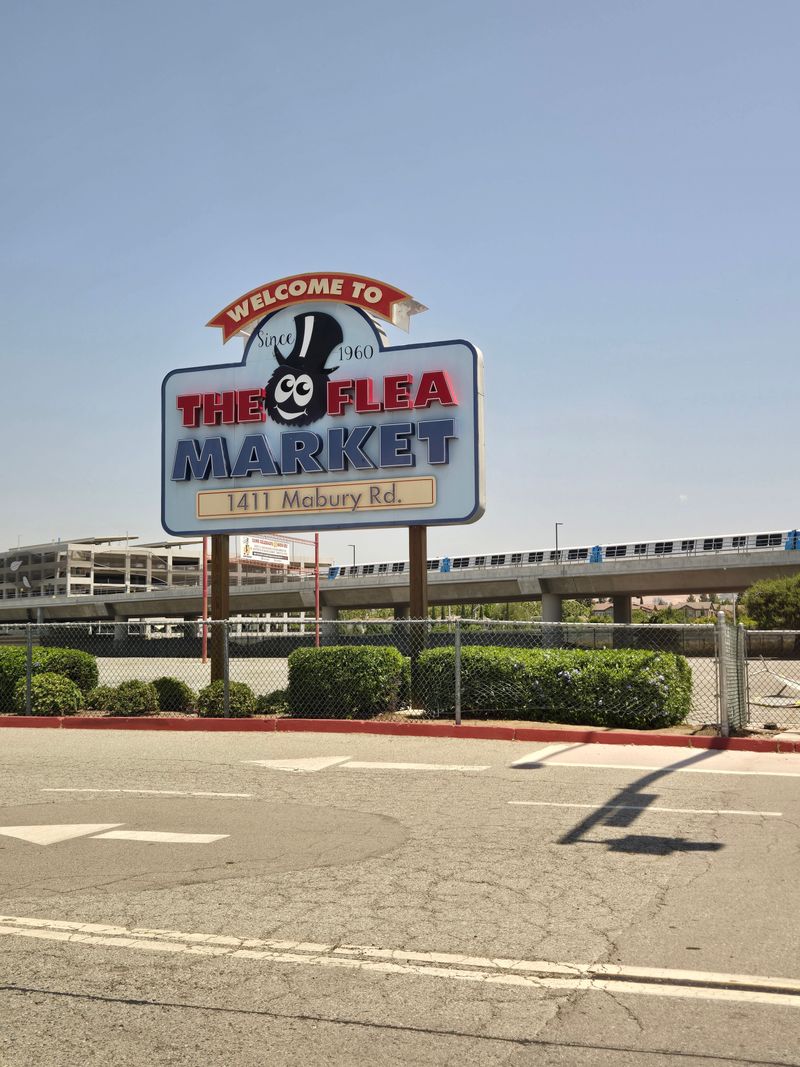
Operating on Wednesdays, Fridays, Saturdays, and Sundays from dawn to dusk gives shoppers flexibility in planning their visits.
Weekend days attract the largest crowds and the greatest number of vendors, creating a bustling atmosphere that some visitors thrive on.
The energy peaks on Saturdays and Sundays when families, tourists, and serious collectors all converge at once.
Weekday visits on Wednesdays and Fridays offer a completely different experience, with fewer people and a more laid-back vibe.
Shoppers who prefer quieter browsing or want to have longer conversations with vendors often choose these days.
The smaller vendor count on weekdays means less variety, but the trade-off comes in easier parking, shorter lines at food stalls, and more personal attention from sellers.
Early birds who arrive at dawn often find the best selection before popular items get picked over.
Serious collectors and resellers know that arriving early gives them first access to newly stocked merchandise. As the day progresses, the crowd builds, and by late morning, the market reaches full swing.
Closing time varies with the seasons as daylight changes, but vendors generally pack up as dusk approaches, signaling the end of another successful market day.
11. Affordable Admission And Parking
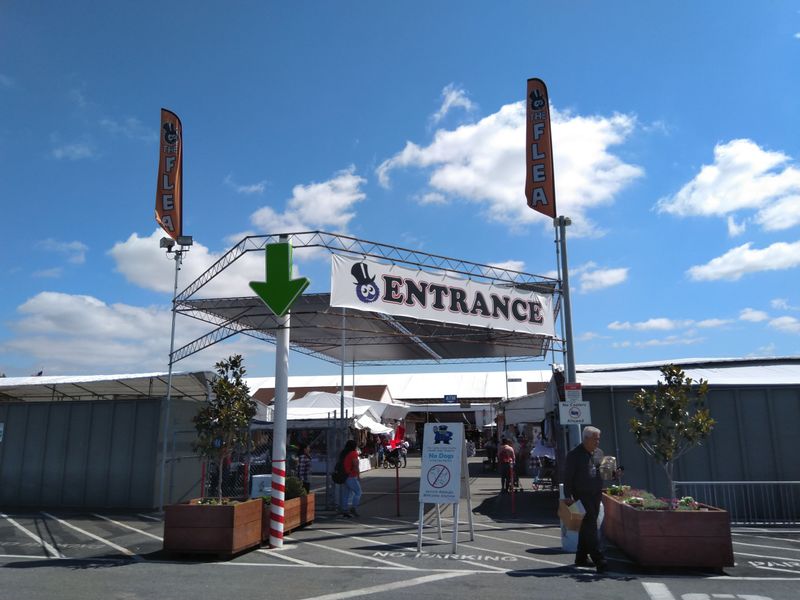
Free admission removes one barrier that might keep families from visiting, making the market accessible to everyone regardless of budget.
Parking fees vary by day, with free parking available on Wednesdays and before 9 am any day the market operates.
This early-bird incentive rewards those willing to arrive when vendors are still setting up and the morning air is fresh.
Friday parking costs three dollars, which remains reasonable for a full day of entertainment and shopping.
Saturday parking increases to seven dollars, reflecting the higher demand and larger crowds that weekend mornings bring.
Sunday parking reaches fifteen dollars, the highest rate of the week, as this tends to be the busiest day with maximum vendor participation.
These parking fees help maintain the facilities and support the market’s operations without making visits prohibitively expensive.
Families can budget accordingly, choosing weekdays for lower costs or weekends when they want the full experience with all vendors present.
The pricing structure strikes a balance between generating revenue and keeping the market accessible to a wide range of visitors.
Compared to theme parks or other entertainment venues, the total cost of a market visit remains modest, especially considering the hours of enjoyment it provides.
12. Millions Of Annual Visitors
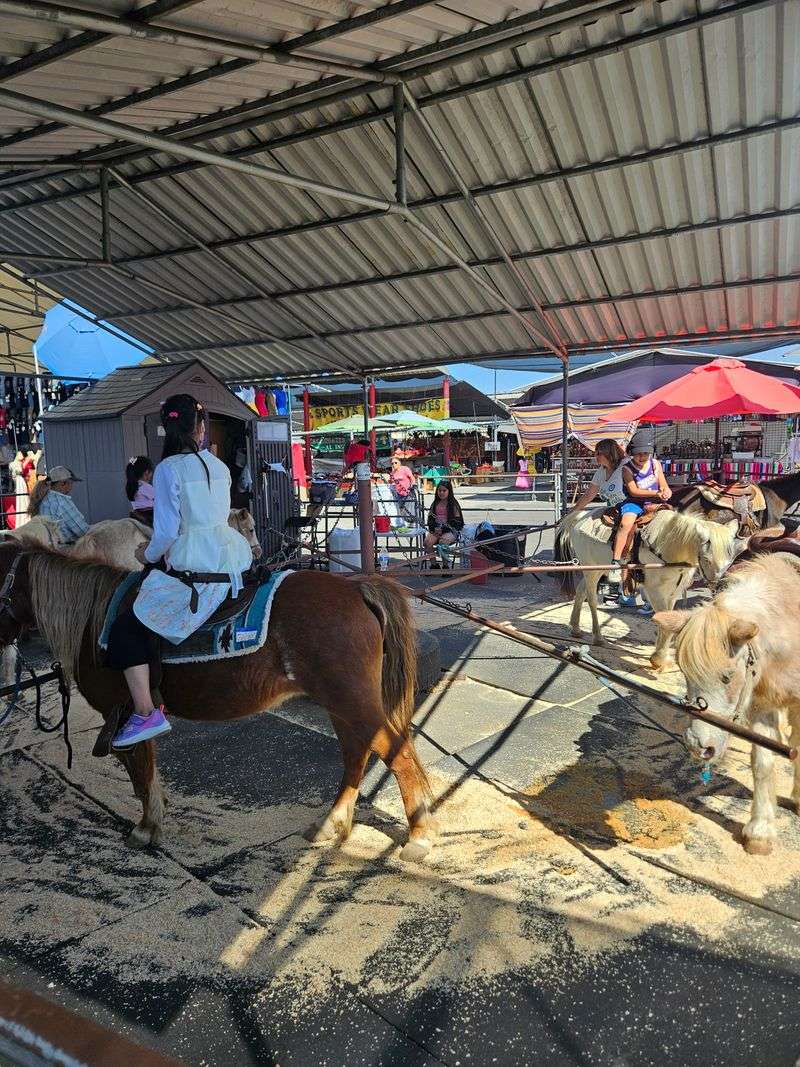
More than four million people walk through the market each year, making it one of the most visited attractions in the Bay Area.
This impressive attendance reflects both local loyalty and the market’s growing reputation as a must-see destination for tourists.
The numbers demonstrate how the market has maintained relevance across decades while other retail formats have struggled or disappeared.
Being one of the oldest and largest flea markets in the country gives the San Jose Flea Market a special status among collectors and bargain hunters nationwide.
Its longevity proves that the traditional marketplace model still resonates with modern consumers seeking authenticity and value.
The consistent crowds show that people still crave the tactile experience of browsing physical goods and interacting with sellers face to face.
Tourism organizations increasingly include the market in their recommendations for visitors wanting to experience authentic Bay Area culture.
International travelers discover it through word of mouth and online reviews, adding global perspectives to the already diverse crowd.
The market’s ability to attract millions annually without massive advertising budgets speaks to its organic appeal and strong reputation.
Each visitor becomes a potential ambassador, sharing their experiences and bringing new friends and family members on return visits.
13. Featured In The Kite Runner
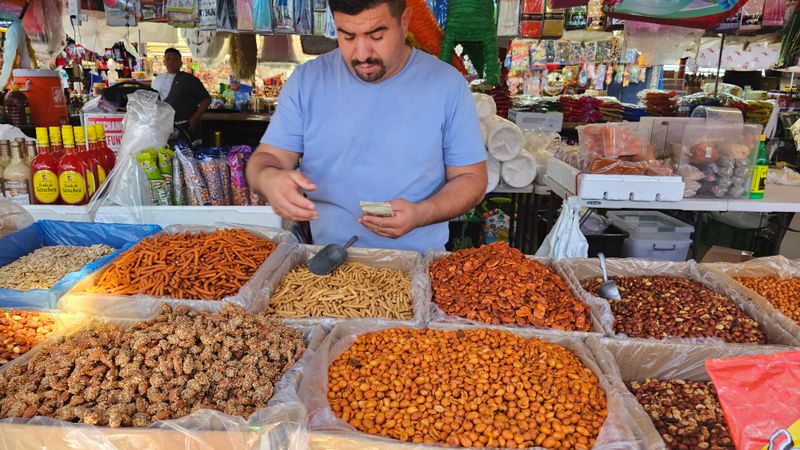
Khaled Hosseini’s beloved novel The Kite Runner brought the San Jose Flea Market into the global literary spotlight through its vivid descriptions and emotional scenes.
The author worked at the market and met his future wife there, giving the location deep personal significance in his life.
These real experiences informed the authentic details that made the book’s flea market scenes feel so genuine and alive.
Readers around the world gained insight into Afghan-American immigrant experiences through the market’s portrayal in the novel.
The market served as a gathering place where the Afghan community maintained cultural connections while building new lives in California.
This literary connection adds another layer of meaning for visitors who have read the book and want to see the actual location that inspired such powerful storytelling.
The cultural influence extends beyond literature, as the market has appeared in documentaries, news features, and academic studies examining community spaces and immigrant entrepreneurship.
Its role as a meeting ground for diverse cultures makes it a fascinating subject for those studying social dynamics and urban development.
The Kite Runner connection introduces the market to audiences who might never have heard of it otherwise, expanding its cultural footprint far beyond the Bay Area and cementing its place in both local history and global consciousness.