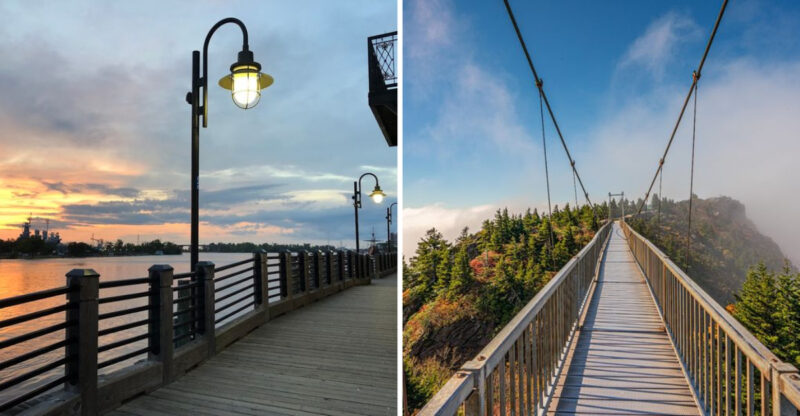
This North Carolina State Park Hides A Secret Waterfront Escape You’ll Love
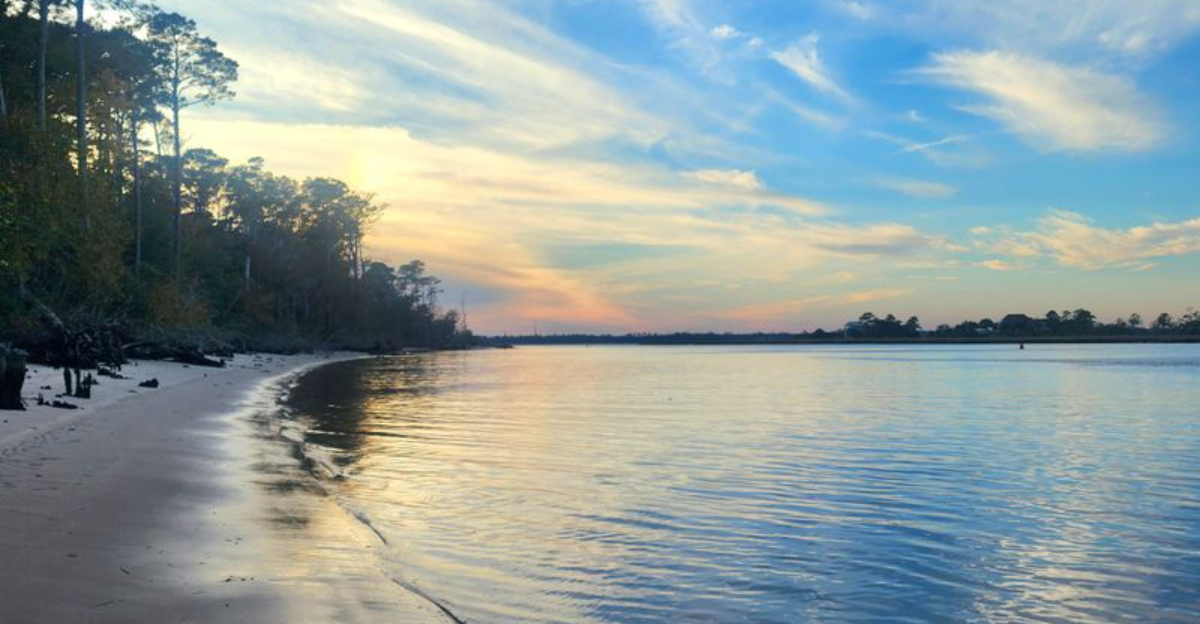
Tucked between the Cape Fear River and a quiet stretch of Carolina coast, this hidden gem is a world away from crowded boardwalks. Ancient sand dunes rise above wetlands, and carnivorous plants wait patiently for their next meal.
Most visitors zoom past without a second glance, never realizing the adventure they’re missing. Carolina Beach State Park, at 1010 State Park Road, offers a rare kind of escape.
Paddle tidal creeks at sunrise and watch the water shimmer in soft morning light. Hike through longleaf pine forests by midday, where the scent of pine and salty air mix perfectly.
As evening falls, spot ospreys diving for dinner while the sun paints the river in gold and pink. Whether you’re seeking serenity, adventure, or wildlife encounters, this unassuming park delivers.
Locals and savvy travelers return year after year, drawn by its quiet beauty and unforgettable coastal charm.
1. Nature’s Little Predators Await Discovery
Few plants capture imagination quite like a carnivorous one that snaps shut on unsuspecting insects. The park protects one of the last natural habitats where Venus flytraps grow wild, making it a botanical pilgrimage site for plant enthusiasts worldwide.
These fascinating specimens thrive in the nutrient-poor soil of coastal wetlands, supplementing their diet by catching and digesting small prey.
The Flytrap Trail offers a half-mile loop specifically designed to showcase these rare plants alongside their carnivorous cousins, the pitcher plants. Spring through early fall provides the best viewing opportunities when the plants are actively growing and feeding.
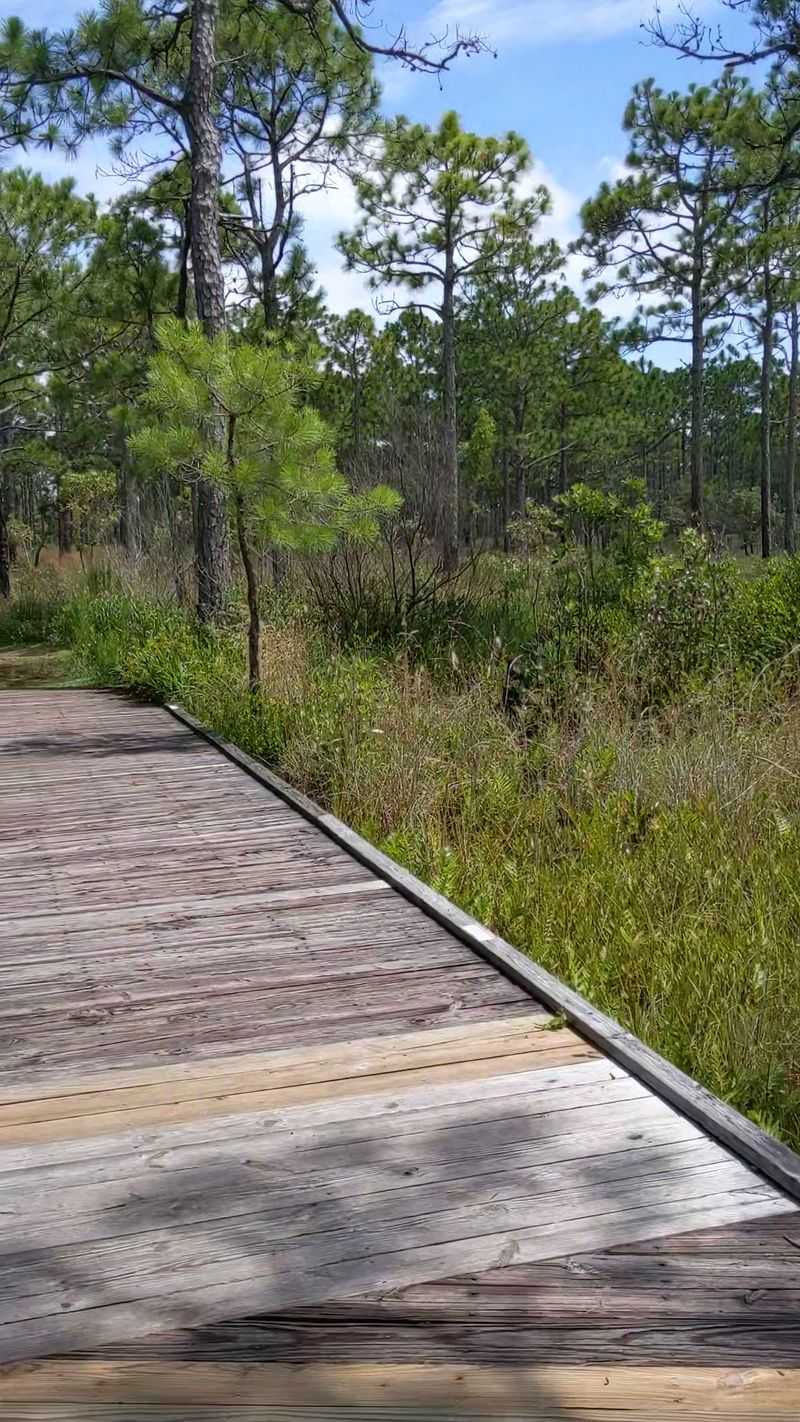
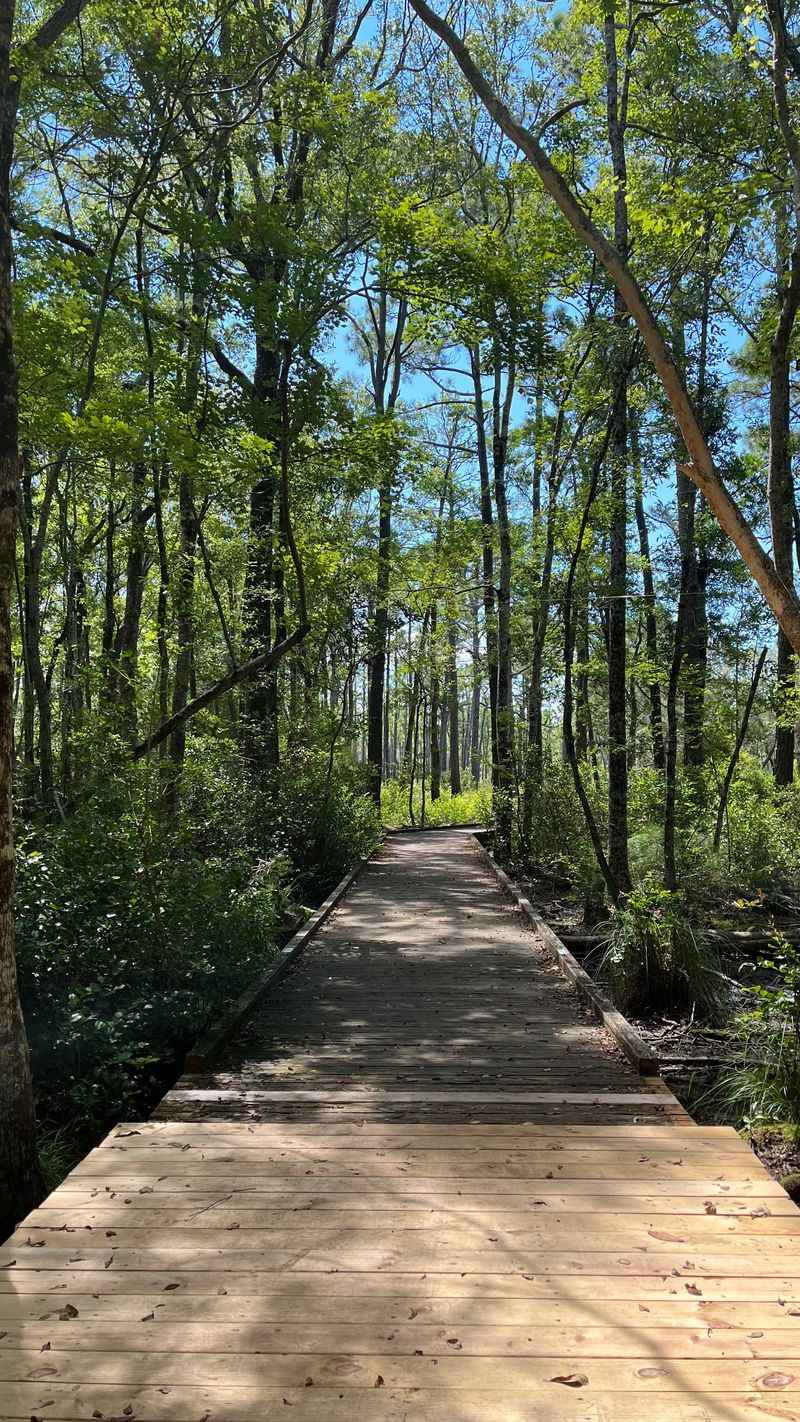
Wooden boardwalks keep visitors above the delicate ecosystem while providing perfect vantage points for observation and photography.
Rangers recommend visiting during morning hours when lighting conditions make the distinctive red interiors of the traps more visible. Remember to stay on designated paths and resist any temptation to touch these protected species.
Bring a magnifying glass if you want to examine the tiny trigger hairs that cause the traps to snap shut. The experience of seeing these botanical marvels in their native habitat beats any greenhouse display hands down.
2. A Historic Sand Mountain With Navigation Tales
Sailors have been using Sugarloaf Dune as a landmark since the 1600s, back when navigation meant squinting at shorelines and praying your maps were accurate. This 50-foot sand giant has guided countless vessels through treacherous coastal waters over four centuries.
Today it serves a different purpose, beckoning hikers instead of mariners to its sandy summit.
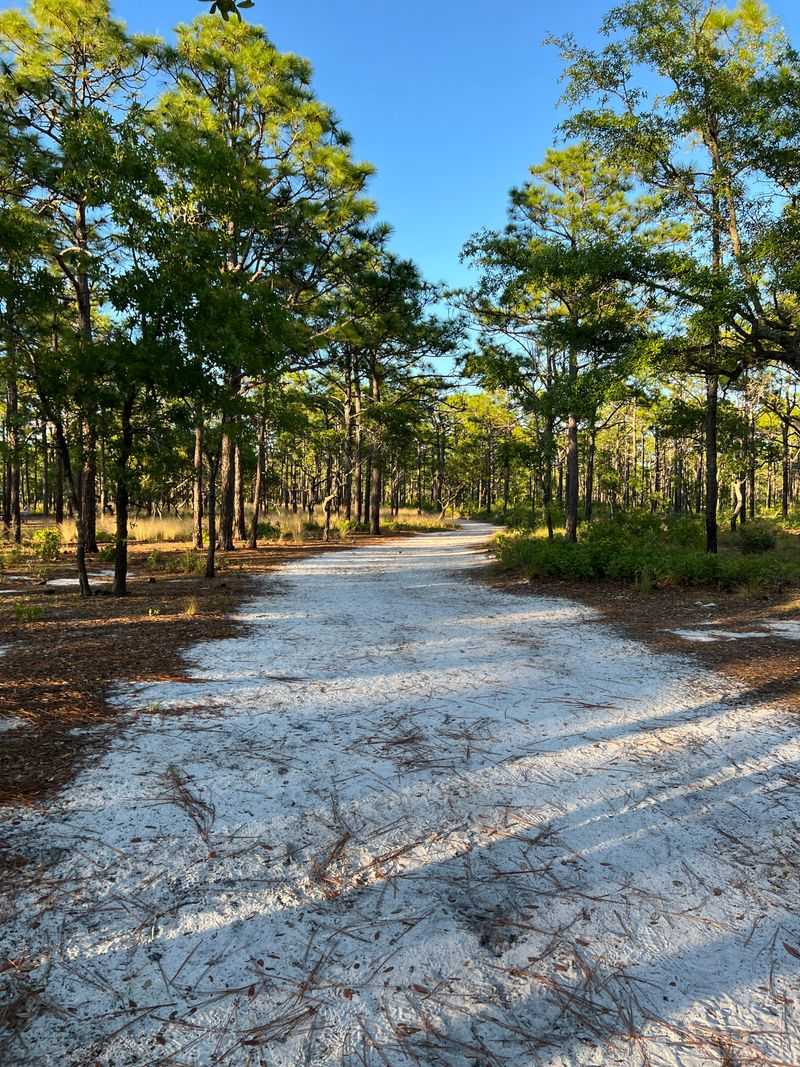
The three-mile Sugarloaf Trail winds through remarkably diverse ecosystems before reaching this historic landmark. You’ll traverse pine forests where needles cushion every footstep, then transition into areas where salt-tolerant plants cling stubbornly to life.
The trail demands moderate effort but rewards persistence with panoramic views that make every uphill push worthwhile.
Pack plenty of water because the sandy terrain absorbs energy faster than you’d expect. The climb itself isn’t technical, but the soft footing requires more effort than typical dirt trails.
Sunrise and sunset hikes offer spectacular lighting conditions and cooler temperatures during summer months. Standing atop this ancient dune, you’ll understand exactly why sailors considered it such a reliable reference point across the centuries.
3. Miles Of Trails Through Coastal Ecosystems
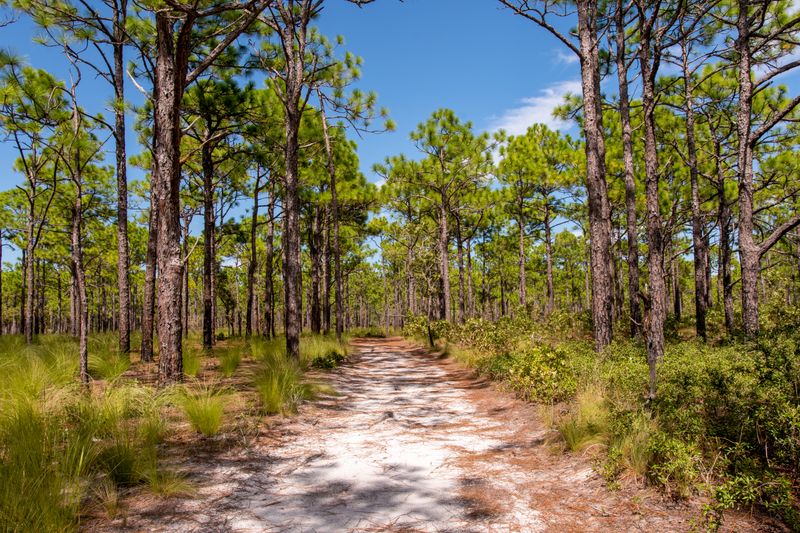
Over ten miles of interconnected trails create a choose-your-own-adventure scenario for hikers of varying ambition levels. Each path showcases different aspects of coastal Carolina’s ecological diversity, from salt marshes where cordgrass sways rhythmically to pine forests carpeted with fallen needles.
The trail system accommodates everyone from casual strollers to serious distance hikers seeking a full-day challenge.
Trail markers and signage keep navigation straightforward even for first-time visitors exploring the network. Most paths are well-maintained with clear sightlines, though some sections can get muddy after heavy rains.
The sandy soil drains relatively quickly compared to clay-based trails found further inland.
Spring wildflowers add spectacular color to already scenic routes, while fall brings cooler temperatures perfect for extended exploration. Summer hiking requires early starts to avoid peak heat and humidity that can make midday treks uncomfortable.
Each season transforms the landscape differently, rewarding repeat visitors with fresh perspectives on familiar routes. Leashed dogs are welcome on many trails, making this a fantastic destination for four-legged family members.
The variety ensures you could visit weekly for months without repeating the exact same experience twice.
4. Camping Under Ancient Oak Canopies
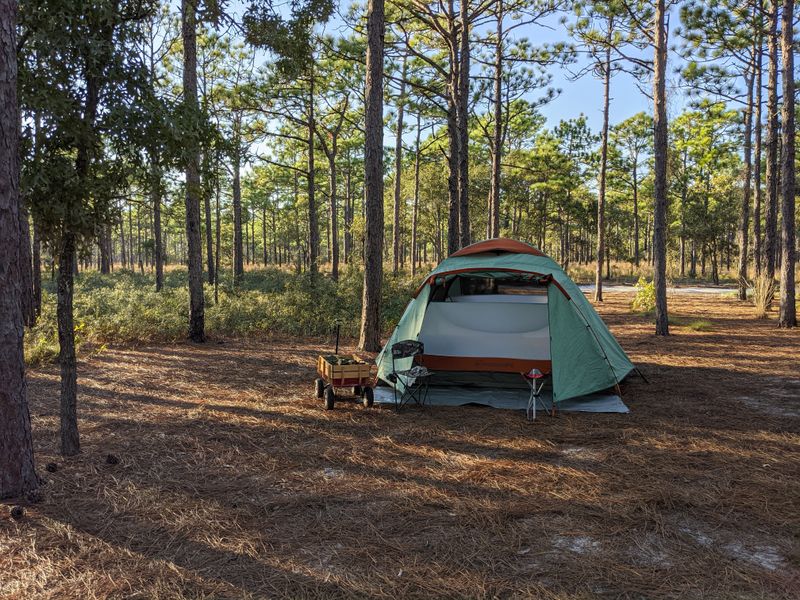
Eighty-three campsites nestle beneath mature oak trees that have been providing shade and shelter for decades. These aren’t cramped shoulder-to-shoulder plots but genuinely spacious sites where vegetation creates natural privacy screens between neighbors.
Many sites sit just a short walk from the river, letting you fall asleep to gentle water sounds instead of highway noise.
Each site comes equipped with a picnic table, fire ring, and lantern post, covering the essential camping infrastructure. The two camping loops each feature a centrally located bathhouse with flush toilets and hot showers, eliminating the primitive camping concerns that keep some folks from trying overnight stays.
Sites book up quickly during peak season, so advance reservations through the state park system are strongly recommended.
Summer camping means embracing humidity and enthusiastic mosquito populations, so pack accordingly with fans and bug spray. Spring and fall offer the most comfortable overnight temperatures and fewer insects.
The campground maintains a peaceful atmosphere where generator use is limited and quiet hours are actually observed. Waking up to birdsong and filtered sunlight through oak leaves beats any hotel wake-up call imaginable.
5. Paddling Adventures Through Tidal Waterways
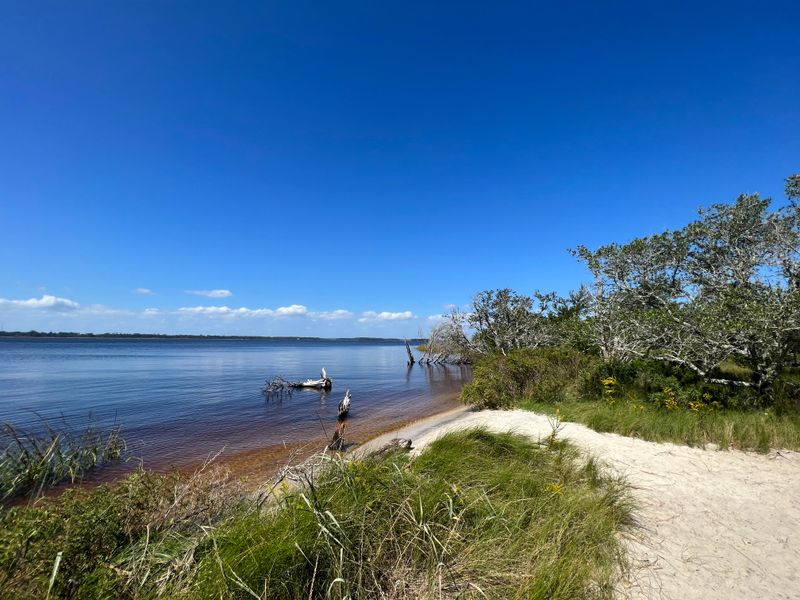
The Cape Fear River and its network of tidal creeks create a paddler’s paradise where every trip reveals something new. Water levels rise and fall with lunar rhythms, transforming the same route twice daily as currents shift direction.
Kayakers can explore narrow channels where overhanging vegetation creates natural tunnels, or venture into wider sections where the river opens up dramatically.
The marina offers convenient launch access, though bringing your own kayak or canoe is necessary since rental availability varies seasonally. Timing your paddle with tidal flows can either provide an effortless glide or a serious workout, depending on whether you’re fighting or flowing with the current.
Local paddlers recommend checking tide charts before launching to optimize your route planning.
Early morning expeditions often reward participants with wildlife sightings as creatures emerge for breakfast activities. The relatively protected waters suit beginners better than open ocean kayaking, though basic paddling skills are still essential.
Fishing kayakers find excellent opportunities for red drum and flounder in these productive waters. Sunset paddles paint the entire waterway in warm hues that make even sore shoulders feel worthwhile.
6. Fishing Opportunities In Productive Waters
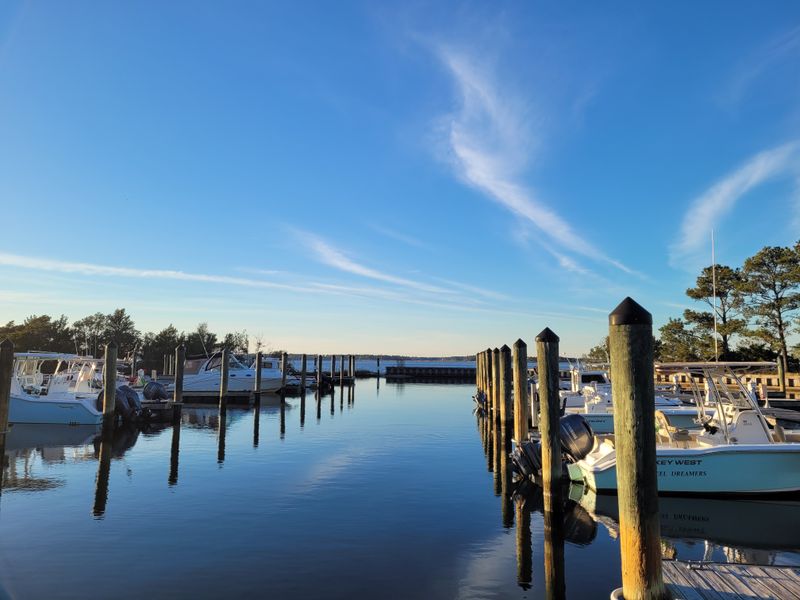
Anglers cast lines into some of North Carolina’s most productive fishing waters without needing a boat or expensive charter. The Cape Fear River system supports diverse fish populations including red drum, flounder, spot, and various panfish species.
Tidal influences create feeding patterns that savvy fishermen learn to read and exploit for better catches.
The marina area provides easy shore access, while the boat ramp accommodates those who prefer fishing from watercraft. Fishing pressure remains surprisingly moderate given the quality of opportunities available, especially on weekdays.
Local regulations apply, so checking current size and bag limits before keeping any fish is essential.
Spring and fall migrations bring runs of different species through the area, with each season offering unique targeting opportunities. Summer heat pushes many fish into deeper, cooler water, making early morning and evening the prime fishing windows.
Live bait works reliably, though artificial lures can be equally effective when matched to current conditions. The park’s fishing community tends toward friendly and helpful, with experienced locals often willing to share tips with respectful newcomers.
Whether you’re a serious angler or just hoping to catch dinner, these waters deliver consistent action.
7. Birdwatching In Diverse Coastal Habitats
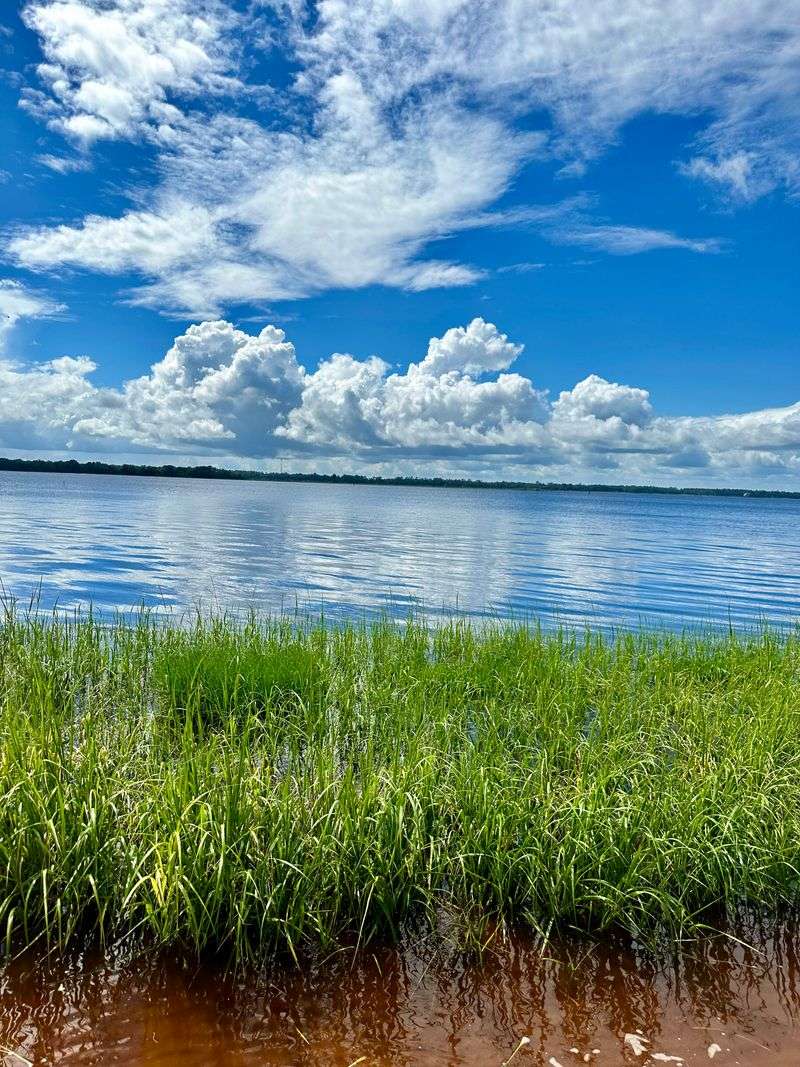
Ospreys patrol the waterways with laser focus, suddenly plunging talons-first into the river to emerge with wriggling fish. These magnificent raptors are just one species among dozens that call the park home or pass through during migration.
The variety of habitats concentrated in a relatively small area creates exceptional birdwatching opportunities year-round.
Coastal species like great blue herons stalk the shallows with prehistoric patience, while woodland birds flit through the pine forests. Migration seasons transform the park into an avian highway with warblers, tanagers, and other neotropical migrants stopping to refuel.
Serious birders can easily log fifty or more species during a single day visit with patience and proper timing.
Bring binoculars and a field guide to maximize your identification success, though smartphone apps now make species recognition easier than ever. Early morning provides the most active birding window when feeding activity peaks.
The marina area and trail edges where different habitats meet tend to concentrate bird activity. Photography enthusiasts find endless subjects, from tiny songbirds to dramatic osprey fishing dives.
Even casual visitors can’t help but notice the abundant bird life that animates every corner of the park.
8. Ancient Longleaf Pine Forests
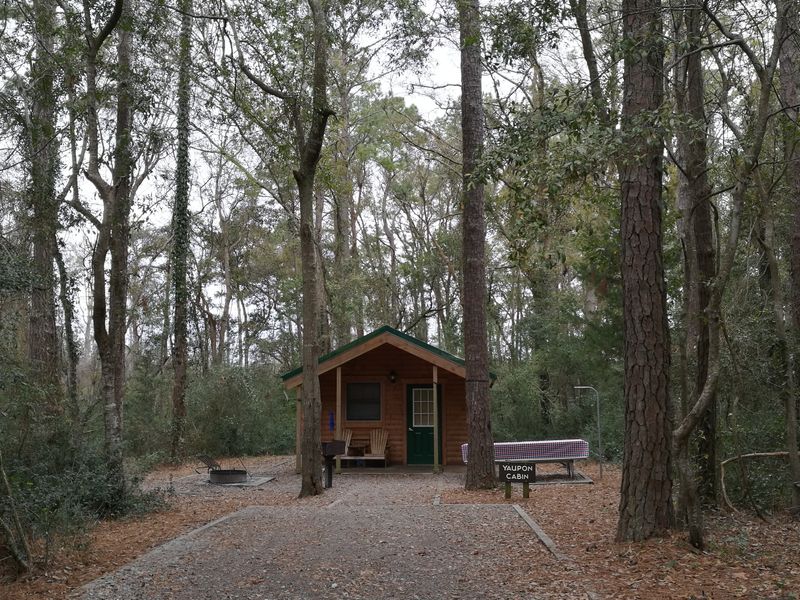
Walking among longleaf pines feels like stepping into North Carolina’s ecological past, before development cleared most of these ancient forests. These towering trees once dominated millions of acres across the Southeast but now survive in scattered remnants like this park.
Their distinctive long needles and fire-adapted bark tell stories of an ecosystem shaped by regular burning.
The park protects critical habitat for endangered red-cockaded woodpeckers that depend on mature longleaf stands for nesting cavities. Lucky visitors might spot these rare birds or hear their distinctive calls echoing through the forest.
Fox squirrels, another species of concern, also thrive in these open, park-like woodlands.
The understory beneath longleaf canopies differs dramatically from typical pine forests, featuring diverse grasses and wildflowers adapted to regular fire. This open structure allowed Native Americans and early settlers to travel easily through longleaf forests, unlike the dense thickets found in other forest types.
Preservation of these remaining stands holds ecological importance far beyond their aesthetic beauty. Standing beneath these giants, some over a century old, connects you to landscapes that once stretched across the coastal plain as far as anyone could see.
9. Waterfront Solitude Beyond The Tourist Crowds
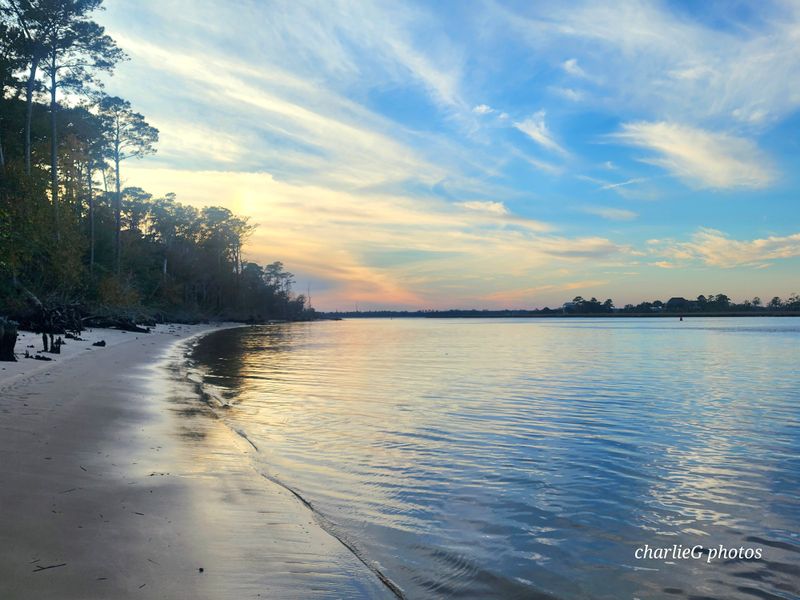
While thousands pack onto commercial beaches just miles away, a quieter shoreline waits near the park’s marina for those willing to venture slightly off the beaten path. This tucked-away stretch of sand offers something increasingly rare along developed coastlines: actual breathing room.
The gentle lapping of river water replaces the roar of ocean waves, creating an entirely different coastal experience.
Families spread blankets without worrying about encroaching on neighboring territories, and the absence of lifeguard stands and concession noise makes conversations actually audible. The water here flows with the Cape Fear River rather than crashing in ocean swells, making it particularly suitable for younger swimmers.
Shallow areas near shore warm nicely during summer months, while deeper sections satisfy stronger swimmers.
Bring your own shade because natural cover is limited along the immediate waterfront. The beach faces west, making it absolutely magical for sunset watching when golden light transforms the entire river into liquid amber.
Weekday visits offer even more solitude, though weekends rarely reach uncomfortable density. This spot proves that paradise doesn’t require fighting for parking or dodging beach umbrellas every three feet.
10. Dog-Friendly Trail Adventures

Four-legged family members don’t have to stay home when adventure calls, as many park trails welcome leashed dogs. This inclusive policy means your canine companion can experience the sights, sounds, and especially smells of coastal ecosystems alongside you.
Dogs seem particularly enthusiastic about the diverse scent palette offered by salt marshes, pine forests, and tidal areas.
Trail etiquette requires keeping dogs on leashes no longer than six feet, both for their safety and to protect wildlife. Bringing waste bags is mandatory, and disposing of them properly keeps trails pleasant for everyone.
Water availability along trails is limited, so carrying enough for both human and canine hikers prevents dehydration issues.
Summer heat can be challenging for dogs, especially breeds with heavy coats or short snouts, making morning or evening hikes preferable. The sandy trails are generally easier on paw pads than rocky mountain paths, though checking for sandspur thorns after hikes prevents painful discoveries later.
Many dog owners report their pets sleep exceptionally well after a day exploring the park’s trails. The combination of exercise, mental stimulation, and new experiences makes this an ideal destination for active dogs and their devoted humans.
11. Ranger-Led Educational Programs
Learning about Venus flytraps from someone who monitors them daily beats reading any field guide description. Park rangers lead educational programs that transform casual visits into deeper understanding of coastal Carolina’s unique ecosystems.
These guided experiences range from short talks at the visitor center to extended hikes focusing on specific topics like carnivorous plants or historical landmarks.
Programs vary seasonally, with summer typically offering the most frequent scheduled activities. Topics cover natural history, ecology, wildlife identification, and the human history woven into the landscape.
Rangers bring expertise and enthusiasm that makes even complex ecological concepts accessible to visitors of all ages.
Children particularly benefit from these interactive learning opportunities that beat classroom lectures hands down. Many programs are free with park admission, making them exceptional educational value.
Checking the park’s website or calling ahead helps visitors plan around specific programs of interest. The visitor center itself contains displays and information that provide self-guided learning opportunities when ranger programs aren’t scheduled.
These educational offerings transform a simple park visit into a chance to genuinely understand what makes this coastal ecosystem so special and worth protecting for future generations.
12. Quick Nature Escape From Urban Wilmington

Sometimes you need nature therapy but don’t have time for a major expedition. Located just fifteen minutes from Wilmington at 1010 State Park Rd, Carolina Beach, NC 28428, the park delivers genuine wilderness experiences without requiring half a day of travel.
This proximity makes it perfect for spontaneous afternoon hikes, sunrise photo sessions, or quick camping getaways that don’t consume entire weekends.
The short drive means you can check weather conditions and make last-minute decisions rather than committing days in advance. Urban amenities like grocery stores, restaurants, and emergency services remain easily accessible while you’re enjoying the park.
This combination of convenience and authentic natural beauty is increasingly rare as development consumes coastal areas.
Wilmington residents treat the park as their backyard nature preserve, returning regularly for exercise, stress relief, and seasonal changes. Visitors staying in area hotels or vacation rentals can easily add a park day to beach-focused itineraries.
The accessibility means no excuses for skipping outdoor time, whether you have two hours or two days available. After experiencing trails, waterways, and wildlife here, you’ll head back to civilization feeling genuinely refreshed rather than just slightly less stressed.