This California Seaside Town Looks So Perfect It Almost Doesn’t Feel Real
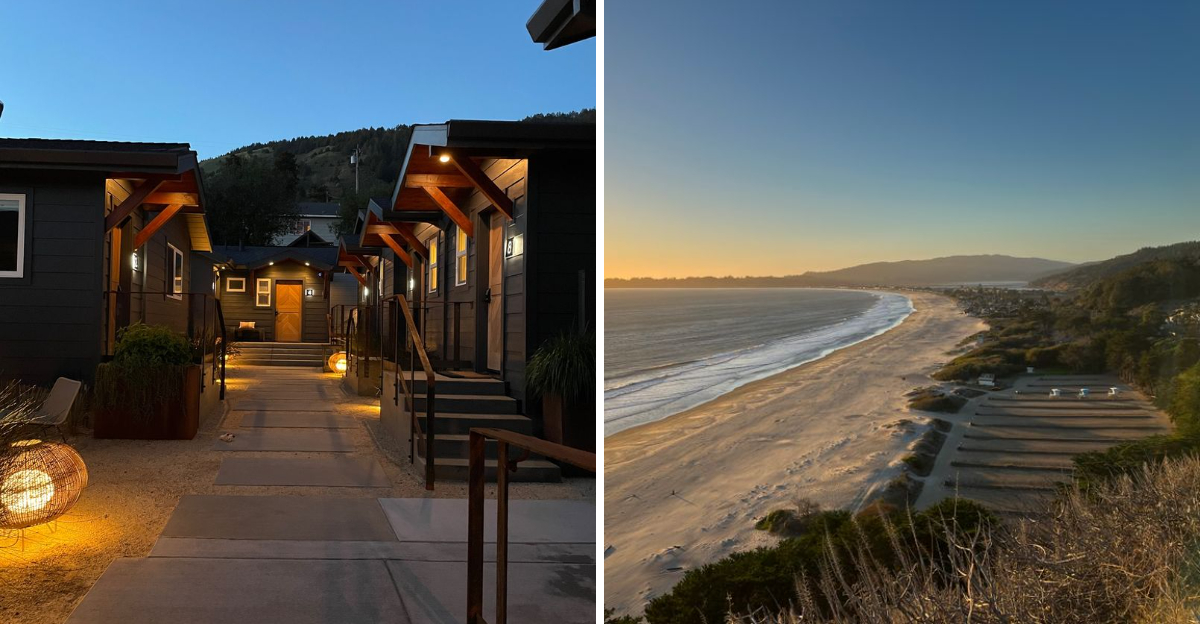
The first thing most people notice is the silence. Tires stop rolling, doors close, and suddenly the sound of waves takes over. The beach stretches out wide and unguarded, with fog moving slowly across the sand instead of rushing past it.
Time behaves differently once feet touch the shore. Stinson Beach offers a kind of calm that feels earned rather than staged.
The shoreline remains open and uncluttered, giving the ocean room to breathe and visitors space to slow down.
Daily life here follows natural cues, not schedules, and that rhythm shapes the entire experience. Places like this are becoming harder to find in California, especially ones that still feel authentic.
Inside Stinson Beach, small businesses blend into the landscape and never compete with it. Trails rise just beyond the sand, offering high vantage points that reveal how isolated the beach truly feels.
Marin County holds many scenic escapes, yet few create such a strong sense of separation. The moment the ocean sound fades behind you, the appeal becomes clear, and leaving suddenly feels unnecessary.
1. A Three-Mile Stretch Of Golden Sand
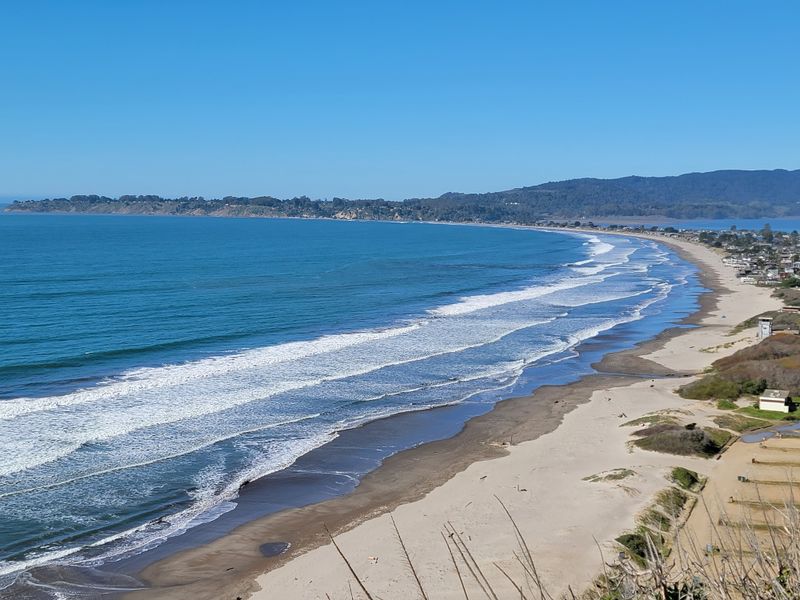
The beach itself unfolds in a generous arc that extends almost three full miles along the coast.
Golden sand meets the Pacific in a gentle curve that provides enough space for everyone to find their own corner of shoreline.
Families set up umbrellas near the parking areas while surfers head toward the northern end where waves break more consistently.
Lifeguards patrol the beach from Memorial Day through Labor Day, adding a layer of safety for swimmers and parents with young children.
The water temperature hovers around 58 degrees Fahrenheit during summer months, which feels bracing but manageable for those willing to take the plunge.
Wetsuits make swimming more comfortable for extended periods in the chilly Pacific waters. Beach volleyball nets dot sections of the sand, and picnic areas with tables sit just beyond the high tide line.
The wide expanse means that even on busy weekends, visitors can usually find a spot that feels relatively uncrowded.
Morning fog often blankets the beach until midday, then burns off to reveal blue skies and sunshine that lasts into early evening during warmer months.
2. Positioned Just 20 Miles From San Francisco
Getting to Stinson Beach requires a drive along California State Route 1, which winds through hills and hugs cliffsides with dramatic ocean views.
The journey from San Francisco typically takes about an hour, depending on traffic and how many times drivers pull over to photograph the scenery.
Weekday visits tend to offer smoother travel than weekend trips when day-trippers fill the narrow road.
The route passes through sections of the Golden Gate National Recreation Area, offering glimpses of the Marin Headlands and Mount Tamalpais.
Hairpin turns and steep grades make the drive memorable, though not ideal for those prone to motion sickness. Arriving feels like discovering a hidden pocket of coastline that somehow escaped overdevelopment.
Parking fills up quickly on sunny weekends, especially during summer months when beach weather draws crowds from the Bay Area.
Arriving before 10 a.m. or after 3 p.m. usually improves the chances of finding a spot in the main lot.
The relative proximity to a major city makes Stinson Beach accessible for day trips without requiring overnight accommodations.
3. Home To Only 541 Year-Round Residents
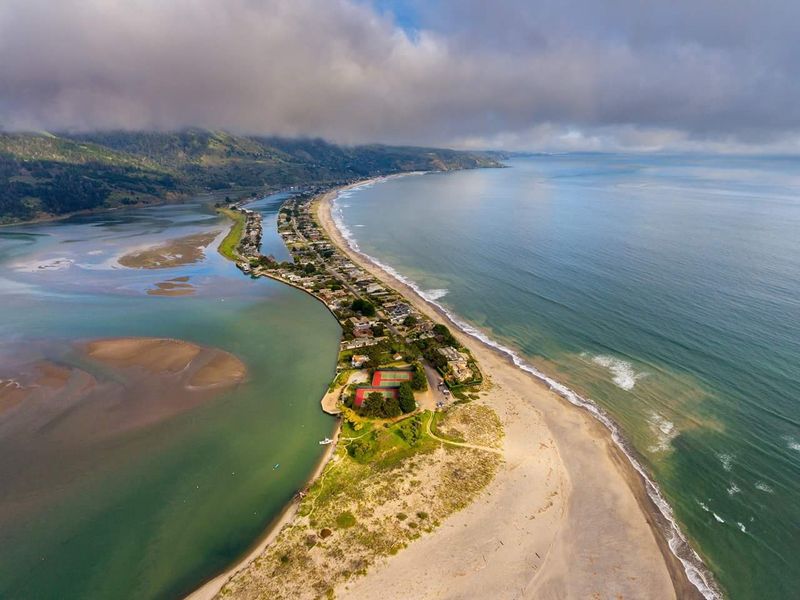
According to the 2020 census, just 541 people call Stinson Beach home year-round.
This tiny population creates an intimate community where neighbors know each other by name and local gatherings feel genuinely personal.
The small size means limited commercial development, which helps preserve the town’s character and natural surroundings.
Most residents live in single-family homes tucked into the hillsides or clustered near the main road. The community maintains a quiet, low-key atmosphere that contrasts sharply with busier coastal towns.
Local residents often speak about the trade-offs of living in such a remote location, including limited services and the need to drive for most shopping needs.
The population swells considerably during summer weekends when visitors arrive for beach days.
This seasonal influx brings energy and supports local businesses while also creating parking challenges and crowded conditions.
Year-round residents tend to embrace the quieter off-season months when fog returns and the beach feels like a private retreat once again.
4. A Warm-Summer Mediterranean Climate
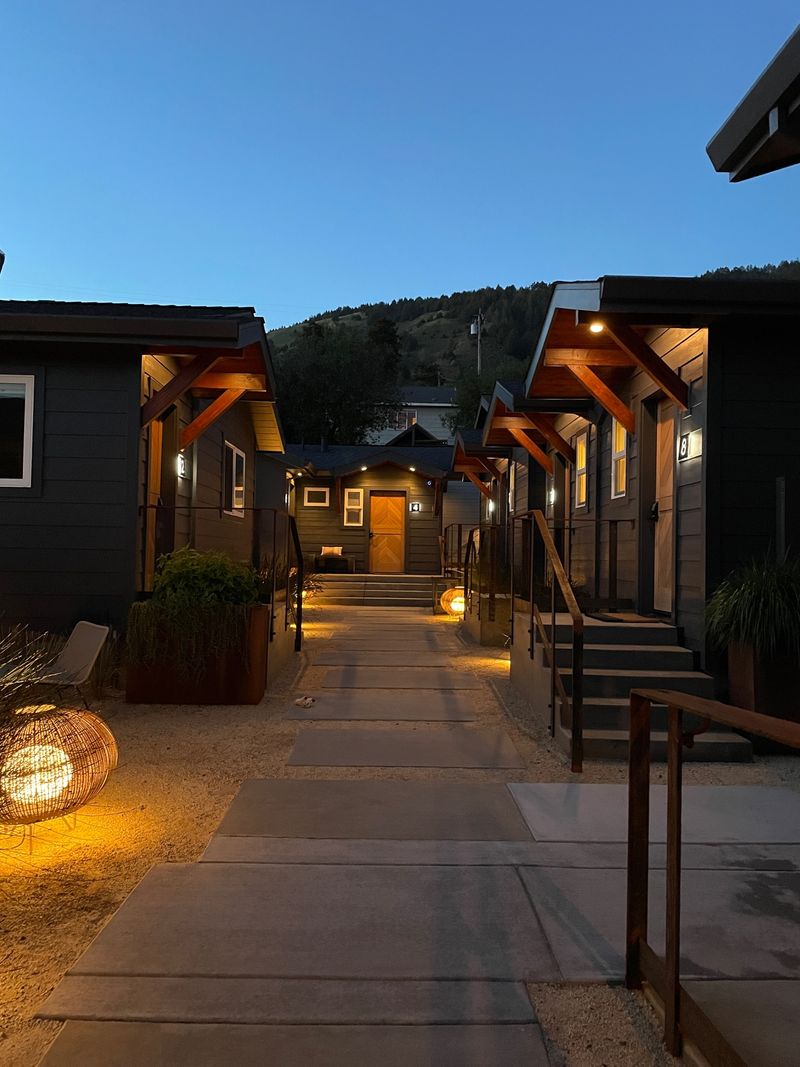
Fog defines much of the Stinson Beach weather experience, particularly during summer months when marine layers roll in from the Pacific. Mornings often start gray and cool, with temperatures in the mid-50s to low 60s.
The fog typically burns off by early afternoon, revealing warmer conditions that can reach the low 70s on particularly nice days.
This Mediterranean climate pattern means mild temperatures year-round without extreme heat or cold.
Winter brings occasional rain but rarely freezing conditions, allowing for beach walks and hikes throughout the year.
Spring and fall often deliver the clearest days with less fog and comfortable temperatures for outdoor activities.
Visitors should pack layers regardless of the season, as conditions can shift dramatically within a few hours.
A sunny afternoon might give way to chilly fog by evening, making sweaters and light jackets essential even in July.
The cool water temperature of around 58 degrees reinforces the need for wetsuits for anyone planning extended time in the ocean.
5. The Challenging Dipsea Trail Connection
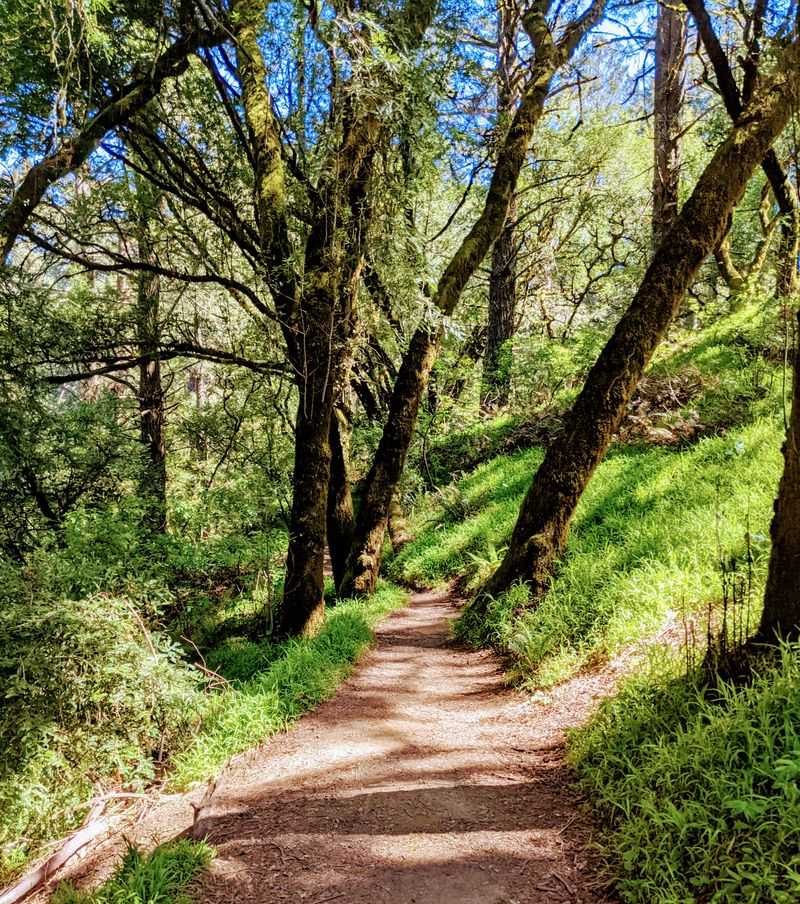
The Dipsea Trail ranks among the most famous hiking routes in the Bay Area, connecting Stinson Beach to Mill Valley over seven demanding miles.
Steep climbs and root-tangled descents test the legs and lungs of even experienced hikers.
The trail passes through coastal scrub, redwood groves, and open ridgelines that offer sweeping views of the Pacific and Marin County landscapes.
Starting from Stinson Beach means beginning with a significant uphill push that gains elevation quickly.
The path includes sections with hundreds of wooden steps that seem to go on forever, earning groans from tired hikers.
Those who complete the full route typically need four to five hours, though trail runners tackle it much faster during the annual Dipsea Race.
The trail’s northern terminus sits near downtown Mill Valley, requiring either a car shuttle or return hike to get back to Stinson Beach.
Many hikers prefer starting in Mill Valley to enjoy more downhill sections, though this means ending the day with a climb. The route’s beauty and challenge make it a bucket-list hike for outdoor enthusiasts visiting the area.
6. Annual Dipsea Race Tradition
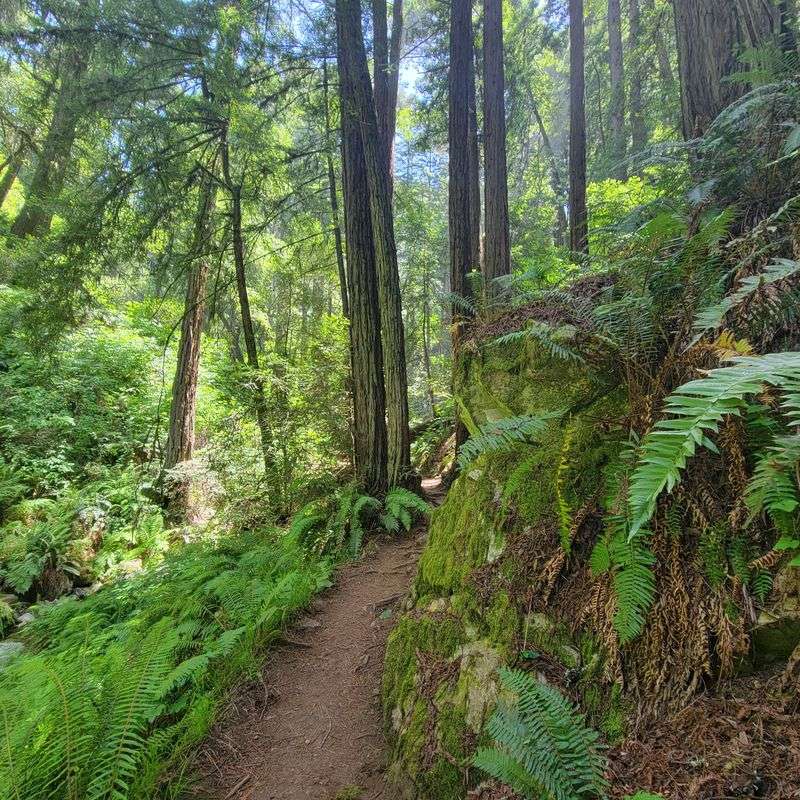
Every June, runners gather for the Dipsea Race, the oldest footrace in the United States. First held in 1905, this 7.4-mile course from Mill Valley to Stinson Beach has become a beloved tradition that draws hundreds of participants.
The race features a unique handicap system that gives head starts based on age and gender, allowing a 70-year-old woman to potentially beat a 25-year-old man to the finish line.
The course’s difficulty comes from the 688 steps climbers must navigate along with steep climbs totaling about 2,200 feet of elevation gain.
Participants descend into Muir Woods, climb over ridges, and finally drop down to Stinson Beach where the Pacific Ocean marks the finish.
The handicap system creates dramatic finishes where leaders might change in the final miles.
Local residents line portions of the route to cheer runners on, and the finish area at Stinson Beach takes on a festive atmosphere.
The race has inspired books and documentaries celebrating its history and the dedicated runners who return year after year. Registration fills quickly, reflecting the event’s popularity among Bay Area running enthusiasts.
7. Parkside Café’s Burgers And Pastries
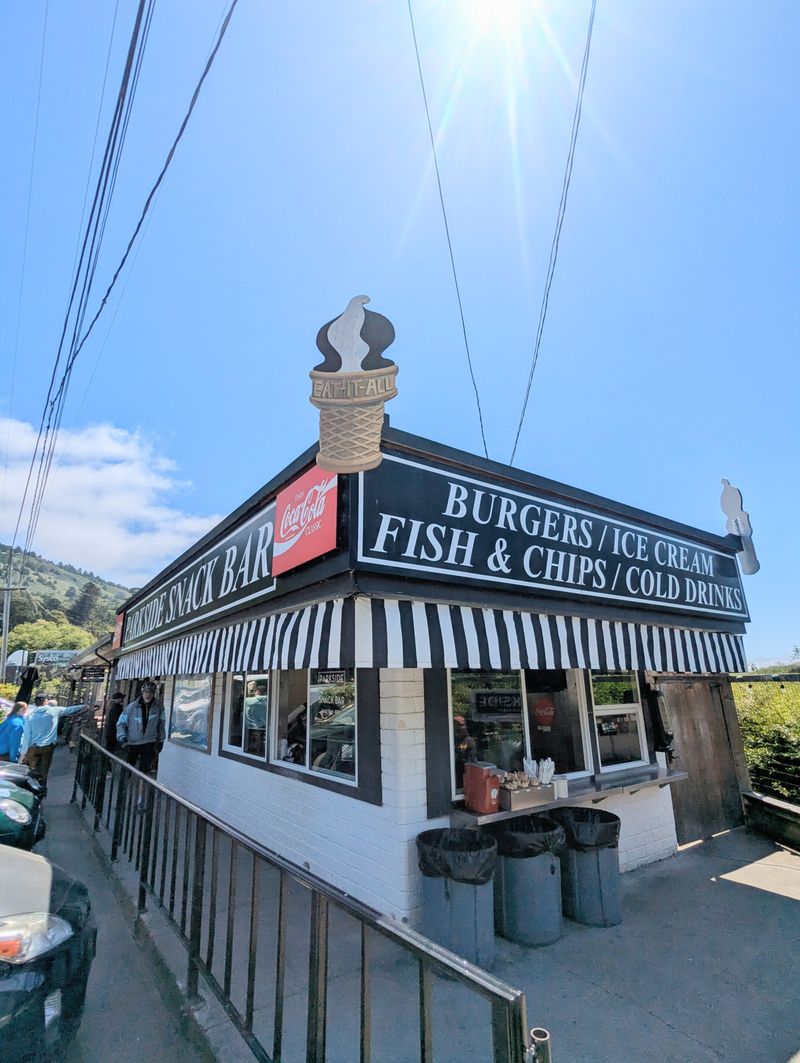
Parkside Café sits along the main road through Stinson Beach, serving as a gathering spot for both locals and visitors.
The café operates at 43 Arenal Avenue, Stinson Beach, CA 94970, in a building that fits the town’s casual, unpretentious character.
Inside, the space feels comfortable rather than fancy, with simple wooden tables and windows that let in plenty of natural light.
The menu focuses on well-executed basics including burgers that have earned a loyal following among regulars. Beef patties come cooked to order and served on soft buns with fresh toppings and crispy fries on the side.
The pastry case near the counter displays house-made treats including muffins, scones, and cookies that pair well with morning coffee.
Service moves at a relaxed pace that matches the beach town vibe, though wait times can stretch during peak lunch hours on summer weekends.
Outdoor seating provides views of the street and mountains beyond, creating a pleasant spot for lingering over a meal.
The café’s popularity means finding a table sometimes requires patience, but most visitors agree the food justifies the wait.
8. Harbor Seals And Sea Lion Sightings
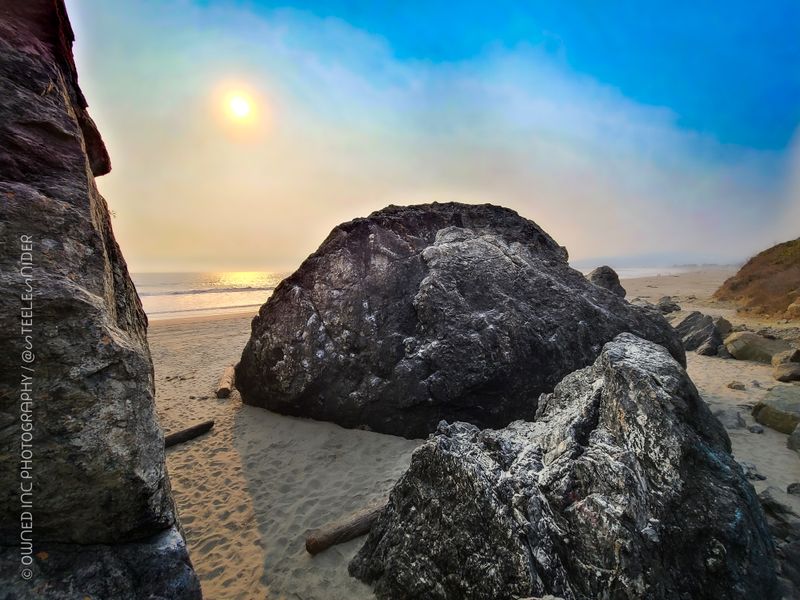
Marine mammals frequent the waters and rocky outcrops around Stinson Beach throughout the year.
Harbor seals often haul out on offshore rocks during low tide, their sleek bodies visible from the beach as they rest and warm themselves in the sun.
Sea lions occasionally join them, their larger size and louder barking calls making them easy to distinguish from the quieter seals.
Bolinas Lagoon, located just south of the main beach area, provides important habitat for harbor seals during pupping season from March through May.
Mother seals nurse their pups in protected areas of the lagoon, and wildlife officials ask visitors to observe from a distance to avoid disturbing the animals.
Binoculars help bring these intimate moments into view without causing stress to the marine mammals.
The presence of seals and sea lions indicates healthy ocean ecosystems and abundant fish populations.
Watching these animals swim, dive, and interact provides entertainment that requires nothing more than patience and a willingness to scan the water.
Their seasonal patterns mean some visits yield more sightings than others, adding an element of surprise to each beach trip.
9. Coast Miwok Heritage
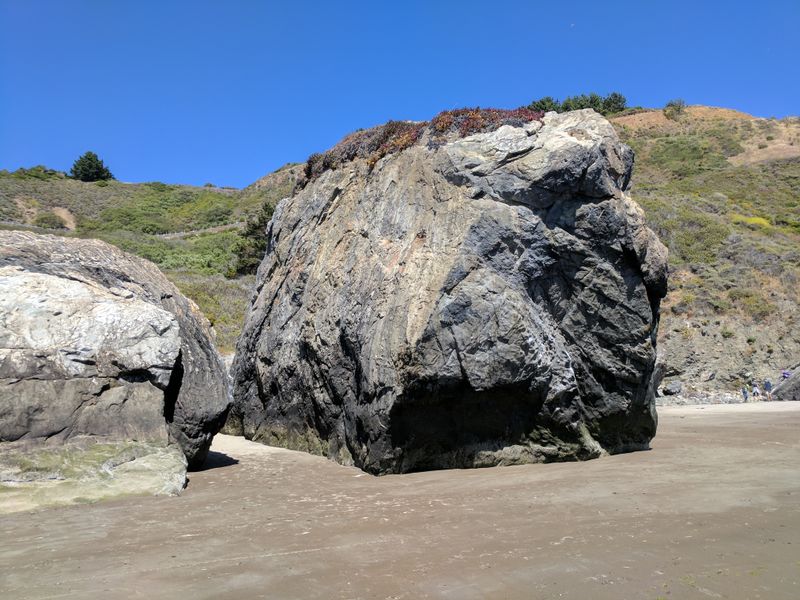
Long before European settlers arrived, the Coast Miwok people lived along this stretch of California coastline for thousands of years.
They established villages near reliable water sources and harvested abundant resources from both land and sea.
The area’s mild climate and rich marine environment supported permanent settlements where families built dome-shaped homes from willow branches and tule reeds.
Coast Miwok communities developed sophisticated knowledge of local plants and animals, using this understanding to thrive in the coastal ecosystem.
They gathered acorns from oak trees, caught fish and shellfish from the ocean and lagoons, and hunted game in the surrounding hills.
Trade networks connected Coast Miwok villages with other indigenous groups throughout Northern California.
European arrival in the mid-19th century devastated Coast Miwok populations through disease and displacement.
Today, descendants work to preserve and share their cultural heritage through education programs and partnerships with land management agencies.
Learning about the area’s indigenous history adds depth to any visit, reminding us that this beautiful landscape has sustained human communities for millennia before becoming a popular beach destination.
10. Named After Nathan Stinson
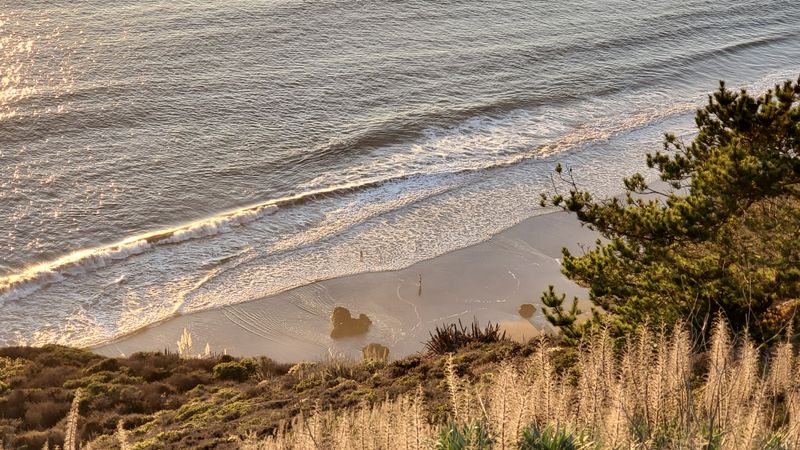
Nathan H. Stinson purchased 60 acres of land in this area in 1866, establishing a dairy ranch that would eventually lend his name to the beach and community.
European settlers had begun arriving in Marin County during the California Gold Rush era, seeking opportunities in ranching and agriculture.
Stinson’s property included prime coastal land that later became the foundation for the beach town’s development.
The area remained primarily agricultural for decades after Stinson’s purchase, with dairy farms and cattle ranches dominating the landscape.
Access improved gradually as roads were built connecting the coast to inland communities.
By the early 20th century, San Francisco residents had discovered the beach as a getaway destination, arriving by ferry and automobile to escape city heat.
The transition from working ranch land to recreational beach community happened slowly over many decades.
Today, few physical traces remain of the original Stinson ranch, though his name persists in the town’s identity.
Understanding this history helps explain why Stinson Beach maintains its small-scale, undeveloped character compared to other California coastal towns that experienced more intensive resort development.
11. Rip Currents And Shark Awareness
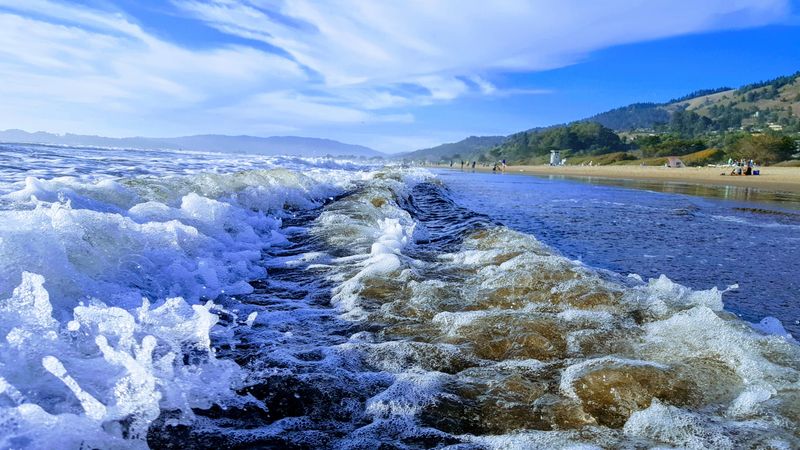
The Pacific Ocean at Stinson Beach demands respect from swimmers and surfers due to powerful rip currents that can pull even strong swimmers away from shore.
These currents form when water that has been pushed toward the beach by waves flows back out to sea through narrow channels.
Signs posted at beach access points warn visitors about ocean hazards and provide instructions for escaping rip currents by swimming parallel to shore.
Great white sharks inhabit the waters off the Northern California coast, attracted by populations of seals and sea lions that serve as their primary prey.
While shark attacks remain extremely rare, the potential presence of these predators adds an element of risk to ocean swimming.
Park officials occasionally close the beach to swimming when sharks are spotted near shore or after seal predation events occur nearby. Lifeguards on duty during summer months provide an important safety resource for beachgoers.
They monitor ocean conditions, post warning flags when hazards increase, and respond quickly to emergencies.
Visitors should always check current conditions before entering the water and follow posted guidelines to ensure their safety while enjoying the beautiful but powerful Pacific Ocean.
12. Facing Sea Level Rise Challenges
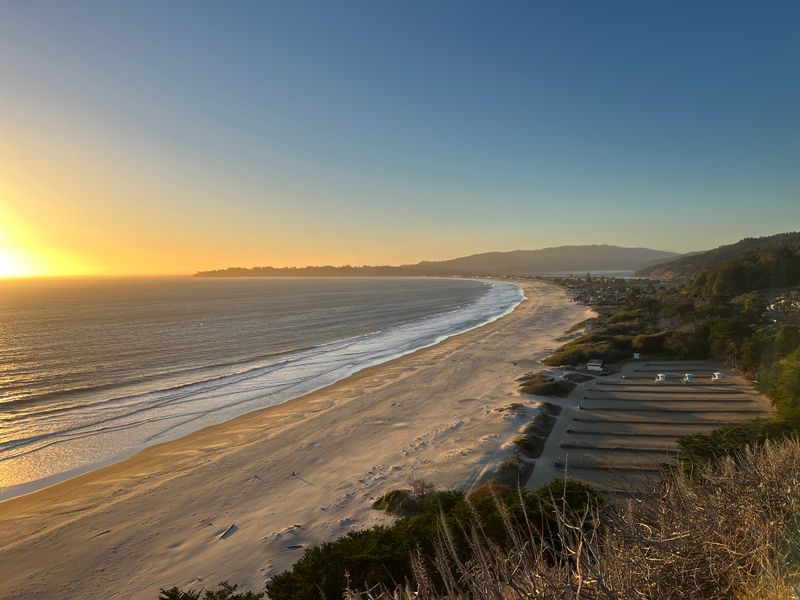
Stinson Beach lies within a designated tsunami hazard zone, and the community faces growing concerns about sea level rise and coastal erosion.
Scientists project that rising ocean levels will increasingly threaten homes, roads, and infrastructure built close to the shoreline.
Marin County officials have conducted vulnerability assessments to understand how climate change may reshape this coastal community in coming decades.
Storm surges during winter months already cause periodic flooding in low-lying areas, offering a preview of challenges that may become more frequent as seas rise.
Beach erosion removes sand from the shoreline during major storms, though some sand returns during calmer periods.
The natural processes that shape beaches operate on timescales that may not keep pace with accelerating sea level rise.
Community members and government agencies continue working on adaptation strategies to protect both natural resources and human infrastructure.
These efforts include studying options for managed retreat, beach nourishment, and protecting critical facilities.
The situation highlights the complex challenges facing coastal communities throughout California as they balance preservation of natural beauty with the realities of a changing climate and rising seas.