These 15 Stunning Georgia Hidden Gems Are Worth Leaving The Main Road For
Georgia holds far more than just Atlanta and Savannah, especially for travelers willing to venture beyond the familiar routes. Away from the highways and crowded tourist stops, the state reveals a quieter, more surprising side. Hidden waterfalls cascade through forests few people visit, historic towns feel paused in another era, and natural wonders wait patiently to be discovered.
These places do not appear on every travel brochure, which is exactly what makes them special. Exploring them feels personal, like uncovering a secret meant only for those curious enough to look. I have spent time seeking out these overlooked corners of Georgia, following back roads, local tips, and moments of curiosity that led somewhere unexpected.
Each place offers a story, a view, or an experience that feels refreshingly untouched. If you are ready to see a different side of the Peach State, these off the beaten path treasures will turn your next Georgia adventure into something truly unforgettable.
1. Providence Canyon State Park
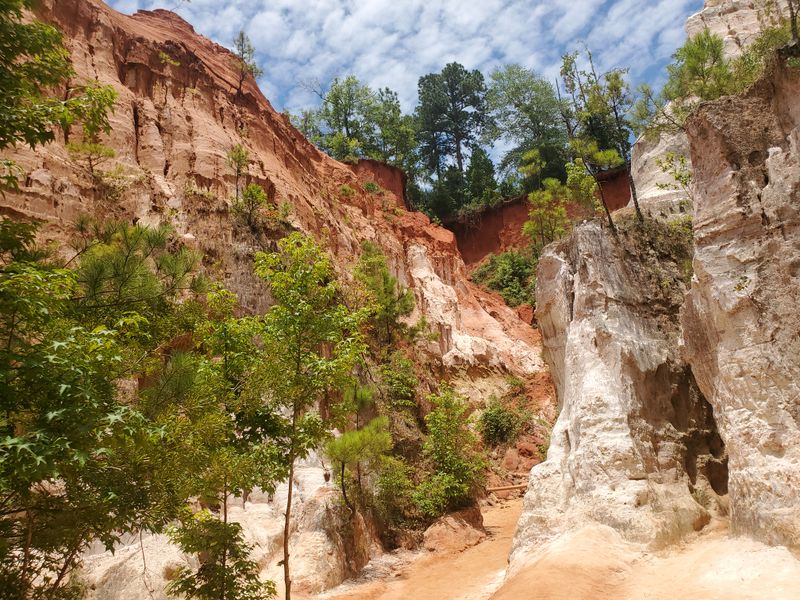
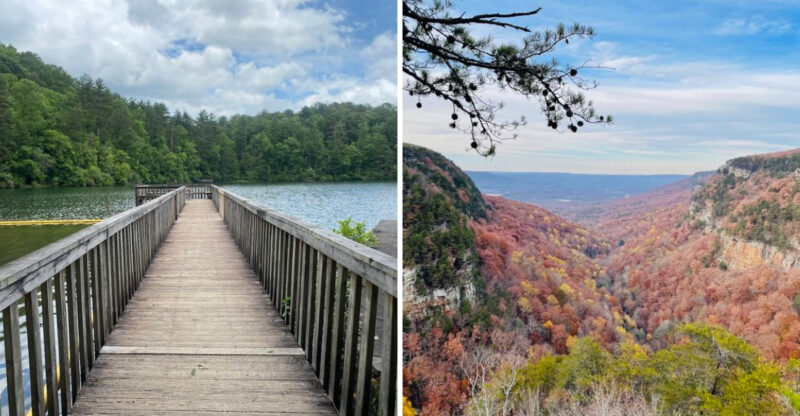
Often called Georgia’s “Little Grand Canyon,” this geological wonder will leave you speechless. Located at 8930 Canyon Road, Lumpkin, GA 31815, the park showcases brilliant red, orange, pink, and purple canyon walls carved by erosion over centuries. You can hike along nine miles of trails that wind through the canyons and along their rims.
The colors change throughout the day as sunlight shifts across the walls. Early morning and late afternoon offer the most dramatic lighting for photos. Summer brings wildflowers that add even more color to the landscape.
Plan to spend at least three hours exploring the trails. The Canyon Loop Trail takes about two hours and gives you the best views. Bring plenty of water since Georgia heat can be intense, especially inside the canyons where shade is limited.
2. Tallulah Gorge
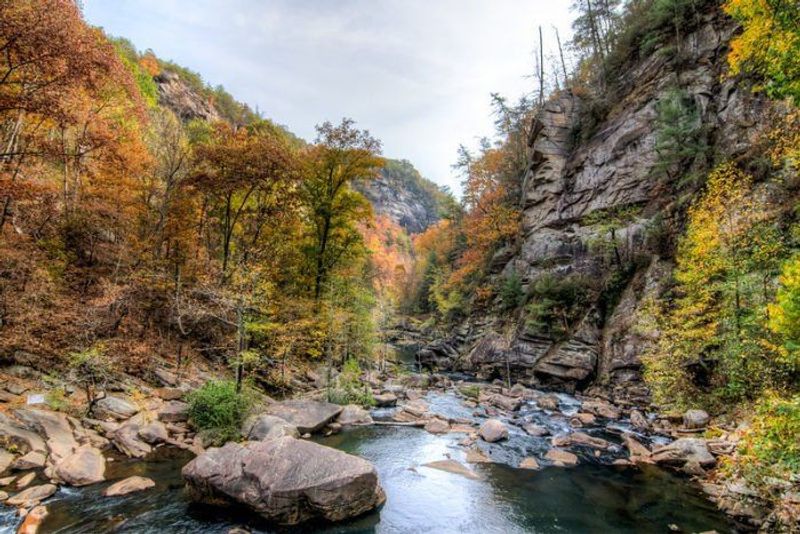
Two miles of sheer canyon walls drop nearly 1,000 feet at this breathtaking natural wonder. You’ll find it at 338 Jane Hurt Yarn Drive, Tallulah Falls, GA 30573, where the Tallulah River has carved through solid rock for millions of years. A suspension bridge stretches across the gorge, giving you views that will make your heart race.
Free permits let you descend 600 stairs to the gorge floor on certain days. Only 100 people get permits daily, so arrive early at the visitor center. The hike down is challenging but worth every step when you reach the river.
Five major waterfalls cascade through the gorge, though you can’t see all of them from standard trails. The rim trails offer easier walks with incredible overlooks. Spring brings the highest water flow, making waterfalls more impressive than during dry summer months.
3. Radium Springs Gardens
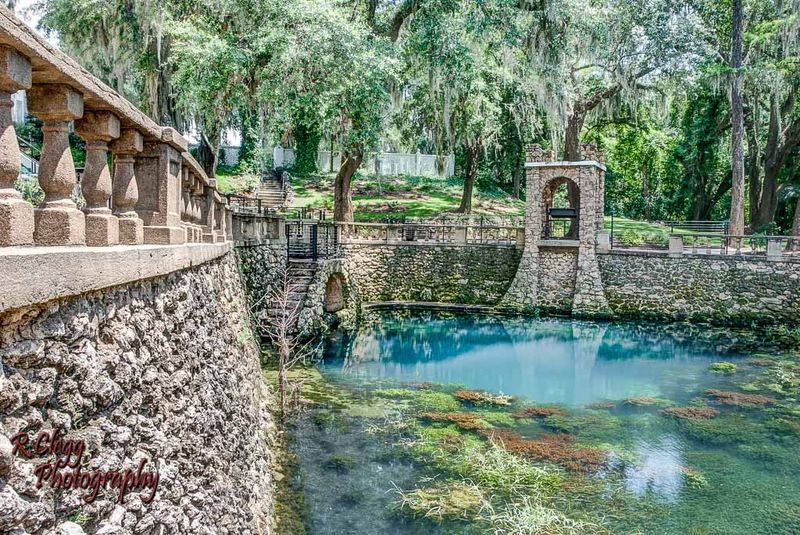
Crystal-clear turquoise water bubbles up from Georgia’s largest natural spring at an astounding 70,000 gallons per minute. The gardens sit at 2500 Radium Springs Road, Albany, GA 31705, where the spring maintains a constant 68-degree temperature year-round. Historic ruins and Mediterranean-style architecture frame the stunning blue pool.
The casino and resort that once stood here are gone, but the gardens remain beautiful. Azaleas bloom in spring, creating a riot of color around the spring. Peacocks roam the grounds, adding an unexpected touch of elegance to your visit.
Walking paths circle the spring and wind through the gardens. The best time to visit is during spring when flowers bloom and the weather is perfect. Admission is free, making this an excellent budget-friendly stop during your Georgia travels.
4. Consolidated Gold Mine
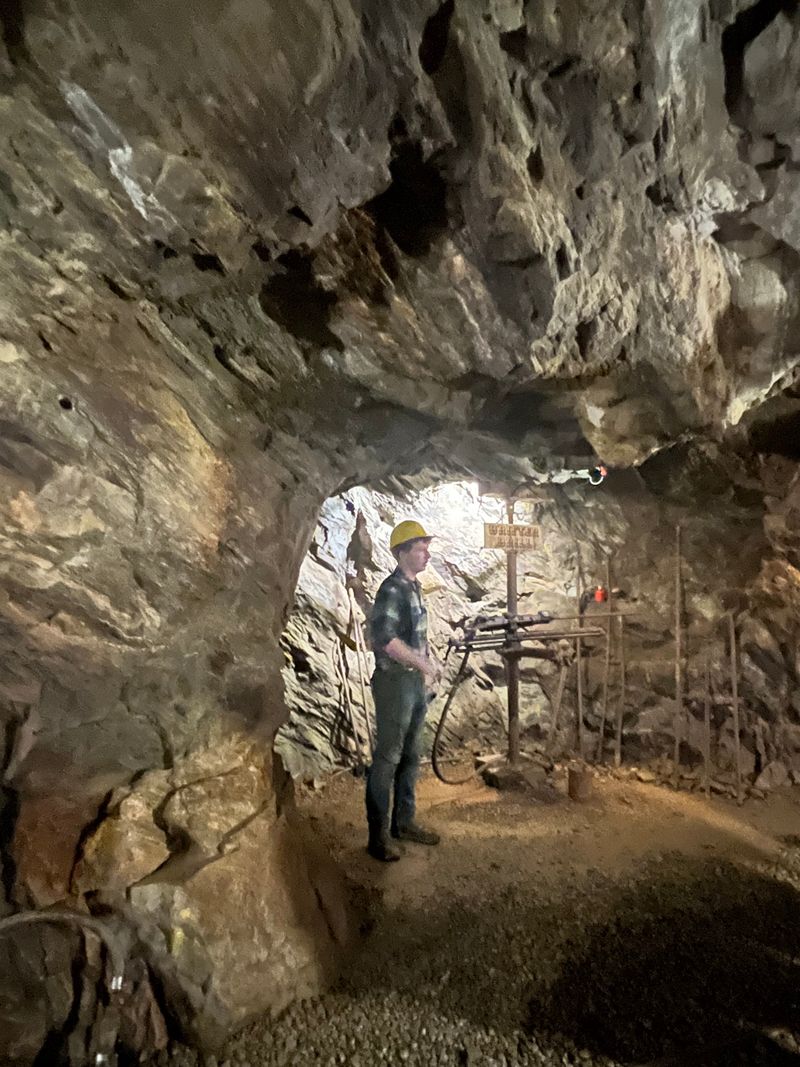
America’s first major gold rush happened right here in Georgia, not California. At 185 Consolidated Gold Mine Road, Dahlonega, GA 30533, you can descend 200 feet underground into a real working mine from the 1800s. Hard hats protect your head as you walk through tunnels where miners once searched for fortune.
Your guide explains how miners extracted gold using hand tools and black powder. The temperature underground stays cool even on hot summer days, making this a comfortable adventure. You’ll see actual gold veins in the tunnel walls and learn about the dangerous conditions miners faced daily.
After the underground tour, you can pan for gold in the sluice. Kids especially love finding real gold flakes they can take home. The gift shop sells bottles and necklaces so you can display your gold.
Tours run year-round, but reservations help guarantee your spot during busy seasons.
5. Okefenokee Swamp
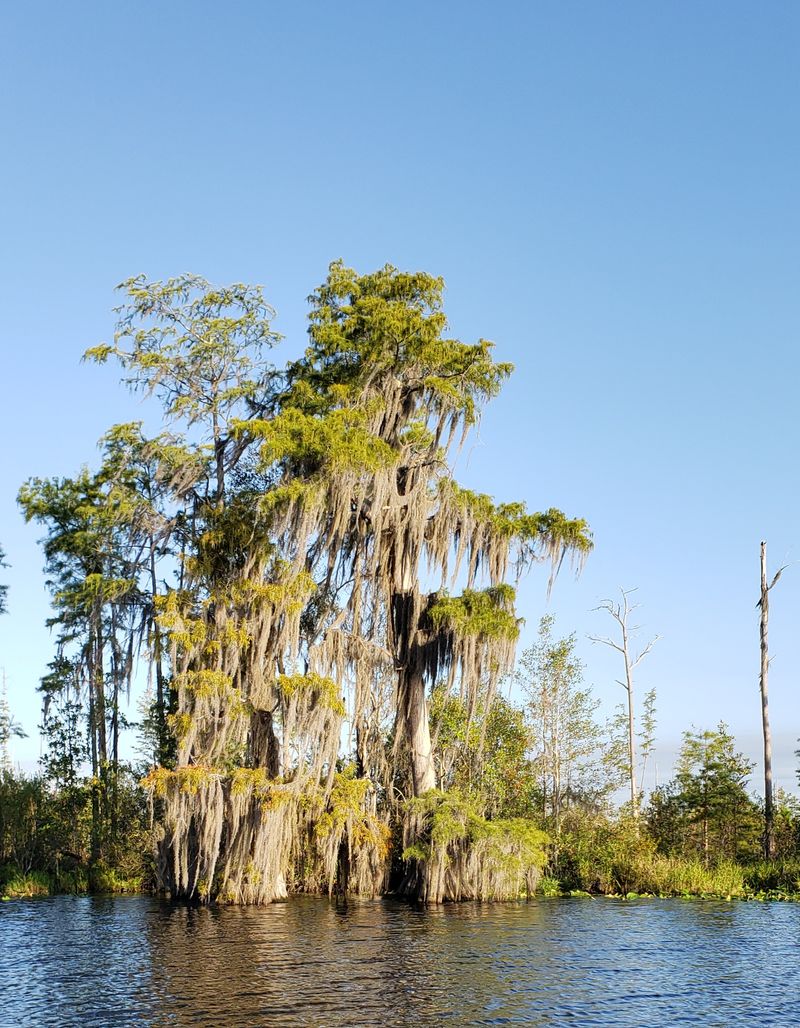
Alligators glide silently through dark water while herons hunt along the shore in this massive wilderness. The main entrance sits at 5796 Okefenokee Swamp Park Road, Waycross, GA 31503, where 438,000 acres of pristine wetland await exploration. This is one of the largest intact freshwater ecosystems in North America.
Boardwalks let you walk above the swamp without getting wet. Boat tours take you deeper into areas where you’ll spot alligators, turtles, and countless bird species. The water appears black because of tannins from cypress trees, creating an otherworldly atmosphere.
Sunrise offers the best wildlife viewing when animals are most active. Bring binoculars for birdwatching since over 234 species live here. The swamp inspired the Pogo comic strip, and you can still feel that mysterious, timeless quality.
Visit during cooler months when mosquitoes are less aggressive and temperatures are comfortable for outdoor exploration.
6. Cumberland Island National Seashore
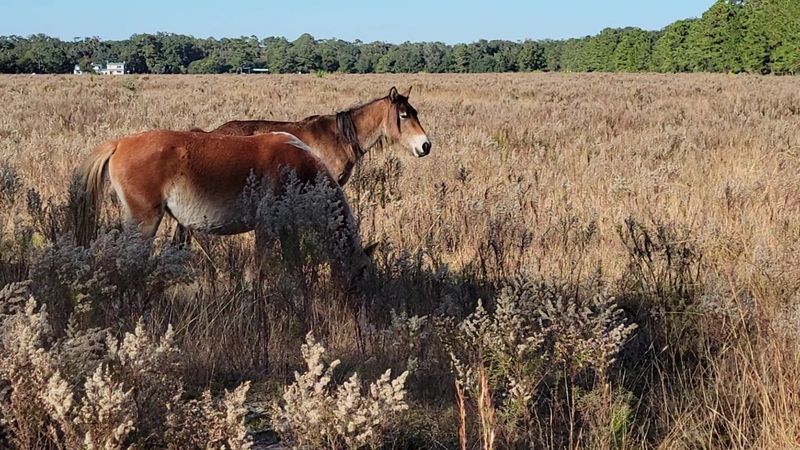
Wild horses roam freely across beaches where no cars are allowed on Georgia’s largest barrier island. Access requires a ferry from 113 St. Marys Street, St. Marys, GA 31558, limiting daily visitors and preserving the island’s untouched character. Ruins of Carnegie family mansions peek through maritime forests draped in Spanish moss.
Only 300 visitors can come to the island each day. The ferry ride takes 45 minutes, giving you time to watch dolphins playing in the wake. Once you arrive, miles of empty beaches stretch in both directions with nothing but nature.
Dungeness Ruins showcase what remains of a Gilded Age mansion destroyed by fire. The First African Baptist Church, where John F. Kennedy Jr. married, still stands in a clearing.
Camping lets you experience the island overnight when day-trippers leave. Book ferry tickets and campsites months ahead since they sell out quickly, especially during spring and fall.
7. Etowah Indian Mounds
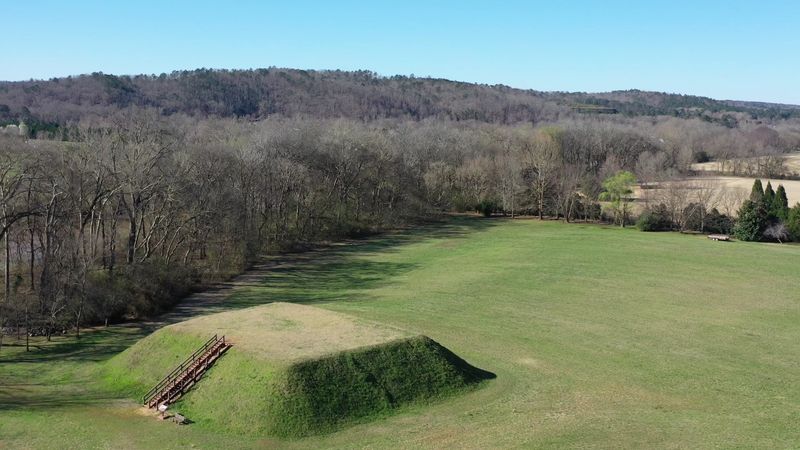
Six massive earthen mounds rise from the valley floor where thousands of Native Americans lived 1,000 years ago. The historic site is located at 813 Indian Mounds Road SW, Cartersville, GA 30120, preserving the most intact Mississippian culture site in the Southeast. The tallest mound stands 63 feet high, offering views across the ancient village site.
Climbing the main mound gives you the same perspective that priests and chiefs had centuries ago. A museum displays artifacts found during excavations, including copper plates, stone tools, and pottery. The marble statues discovered here are among the finest examples of prehistoric Native American art.
A plaza where ceremonies and games took place spreads between the mounds. Walking paths connect the different areas so you can explore at your own pace. The site is peaceful and rarely crowded.
Spring and fall provide the best weather for climbing the steep mound stairs and walking the grounds.
8. Callaway Gardens
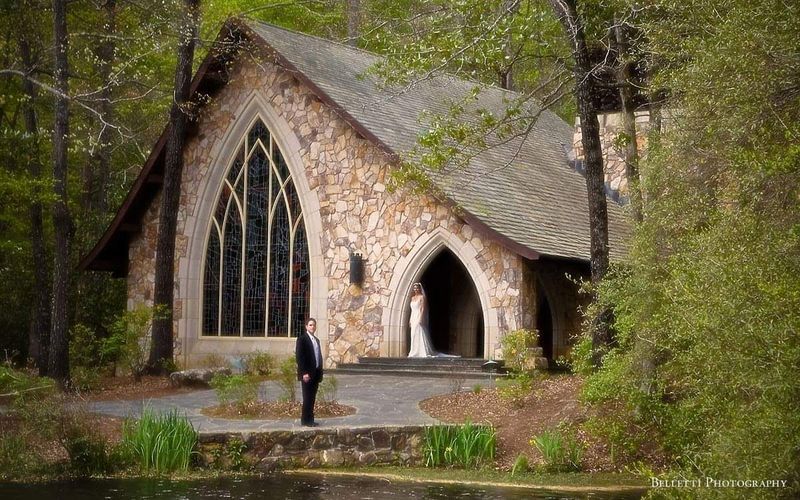
Butterflies land on your shoulders inside a tropical conservatory while hummingbirds zip past outdoor gardens. Located at 17800 US Highway 27, Pine Mountain, GA 31822, this 2,500-acre resort and garden complex offers year-round natural beauty. The Ida Cason Callaway Memorial Chapel sits beside a peaceful lake surrounded by flowers.
The butterfly center houses over 1,000 butterflies from around the world flying freely in a climate-controlled habitat. Azaleas explode with color each spring, creating one of the South’s most impressive flower displays. Summer brings hydrangeas and daylilies, while fall showcases changing leaf colors.
Bike trails wind through the property past gardens, forests, and lakes. Robin Lake Beach offers swimming and white sand during warm months. Treetop adventure courses challenge visitors who want more excitement.
The gardens host seasonal events including light displays during Christmas. Plan a full day to experience everything without rushing, and bring comfortable walking shoes since you’ll cover several miles exploring different garden areas.
9. Sapelo Island
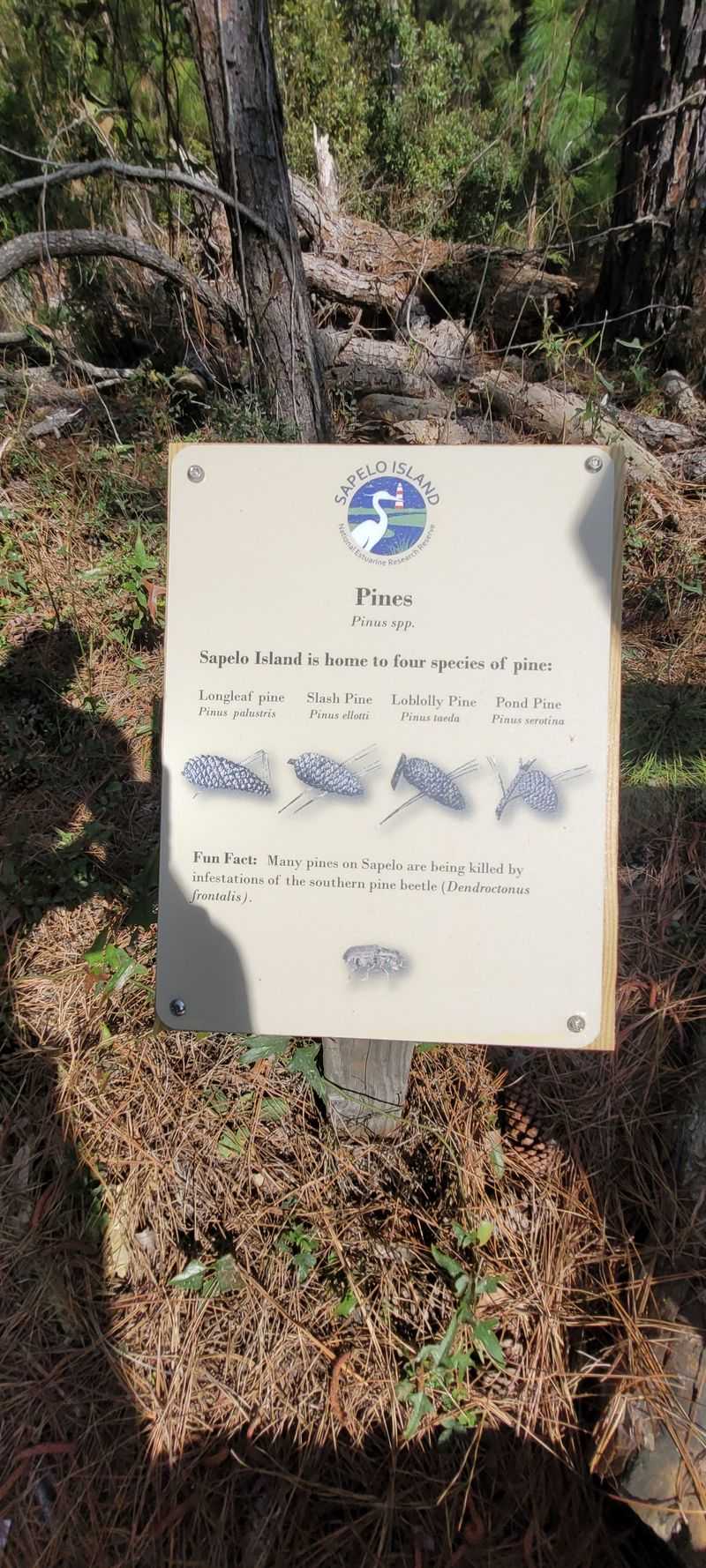
Accessible only by ferry, this barrier island preserves both natural ecosystems and Gullah Geechee culture. The dock is at Sapelo Island Visitors Center, 1766 Landing Road SE, Darien, GA 31305, where you’ll board for the 20-minute crossing. About 50 residents live in Hog Hammock, one of the last intact Gullah Geechee communities in the nation.
The University of Georgia Marine Institute conducts research on the island’s northern end. Tours led by local residents share stories about island life and culture passed down through generations. You’ll see the lighthouse, Reynolds Mansion, and learn about the island’s complex history.
Pristine beaches stretch for miles without development or crowds. The island’s ecosystems include maritime forests, salt marshes, and freshwater wetlands. Tours are only offered on Wednesdays, Fridays, and Saturdays, and reservations are required.
Bring lunch since no restaurants operate on the island. The experience feels like stepping back in time to a slower, simpler way of life.
10. Brasstown Bald
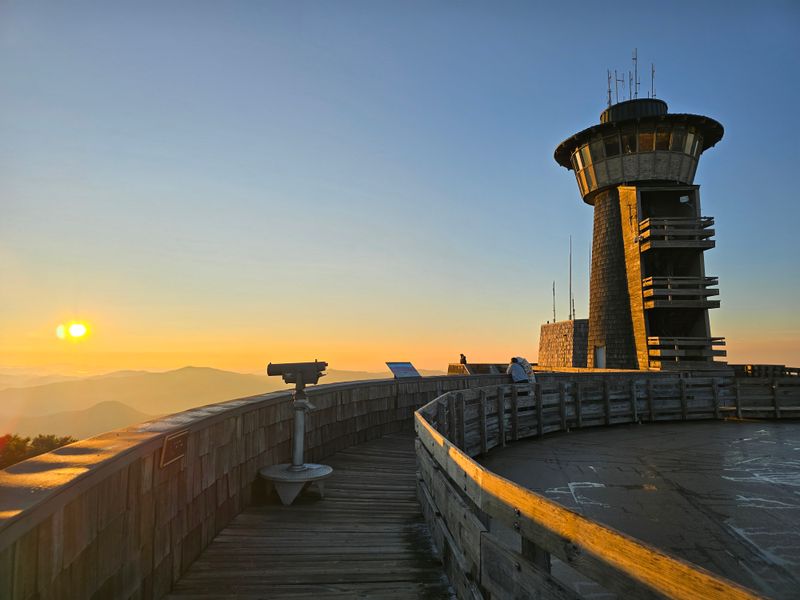
Georgia’s highest peak rises 4,784 feet above sea level with views spanning four states on clear days. You’ll find the parking area at 2941 Georgia Highway 180, Blairsville, GA 30512, where a steep half-mile trail or shuttle bus takes you to the summit. An observation deck and visitor center crown the mountaintop.
The 360-degree views from the observation tower are incredible. On clear days, you can see Tennessee, North Carolina, South Carolina, and deep into Georgia. Mountains roll away in every direction like waves on an ocean.
Fall brings leaf-peepers who come to see the spectacular color changes across the mountains. The visitor center explains the mountain’s ecology and history. The trail to the top is paved but steep, gaining 500 feet in elevation.
If you’re not up for the climb, the shuttle bus runs regularly during peak season. Morning visits often provide clearer views before afternoon clouds roll in over the peaks.
11. Springer Mountain
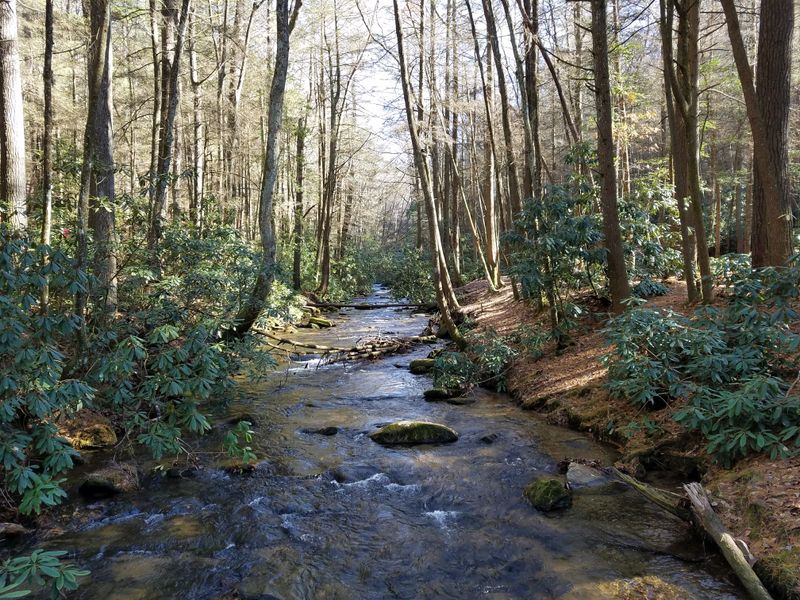
Every year, thousands of hikers begin their Appalachian Trail journey from this mountain’s summit. The trailhead is at Forest Service Road 42, near Big Canoe, GA 30143, marking the southern terminus of the 2,190-mile trail to Maine. A bronze plaque embedded in stone marks the official starting point.
You don’t have to hike the entire trail to enjoy this special place. Several shorter trails lead to the summit where you can stand at the same spot where thru-hikers begin their epic journeys. The forest here is beautiful, with mountain laurel and rhododendron lining the paths.
Spring brings crowds of hopeful thru-hikers starting their northbound journeys. The parking area fills with cars as hikers say goodbye to loved ones before disappearing into the woods. Even a short hike to the summit gives you a sense of accomplishment.
The trail is well-maintained and moderately challenging. Bring water and snacks, and take time to sign the trail register at the top.
12. Westville Historic Village
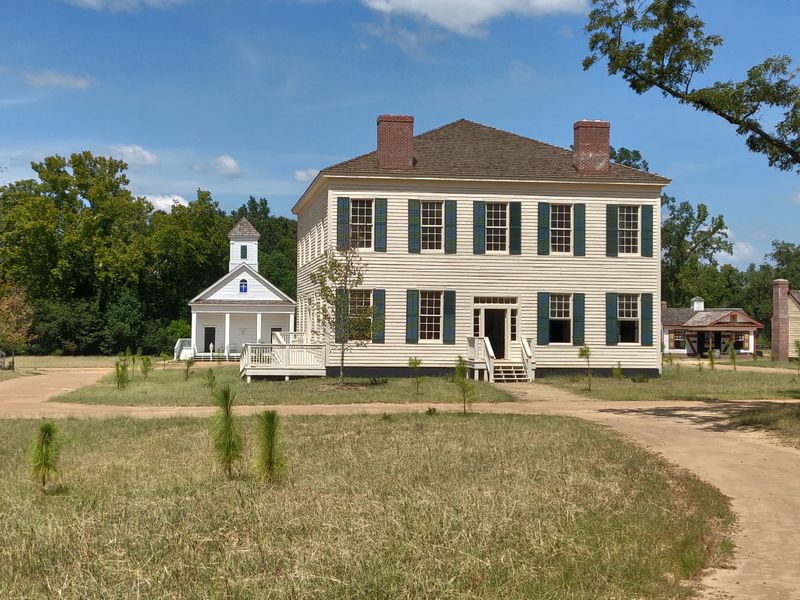
Step into an 1850s Georgia town where costumed interpreters demonstrate life before the Civil War. Located at 1850 Dr. Martin Luther King Jr. Drive, Lumpkin, GA 31815, this living history museum preserves over 30 historic buildings moved from across the region. Blacksmiths hammer iron, weavers work looms, and the smell of wood smoke fills the air.
Each building is authentic, relocated from nearby counties and restored to period condition. The general store sells old-fashioned candy and toys. You can watch craftspeople make items using 19th-century techniques and tools.
Special events throughout the year include traditional celebrations, craft demonstrations, and historical reenactments. The staff answers questions about how people lived, worked, and entertained themselves before modern conveniences. Kids love the hands-on activities and seeing farm animals that would have lived in the village.
Plan at least two hours to explore all the buildings and watch demonstrations. The village provides a fascinating glimpse into Georgia’s past that history books can’t capture.
13. Rock City Gardens
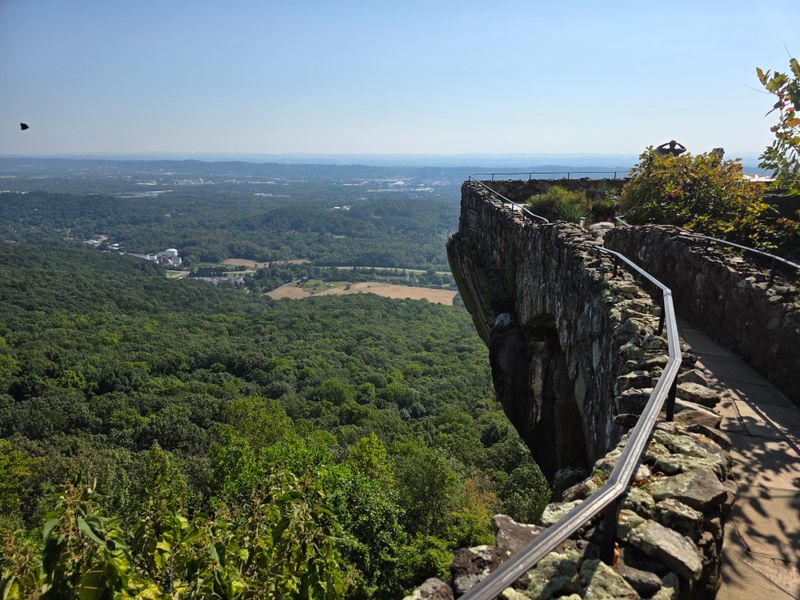
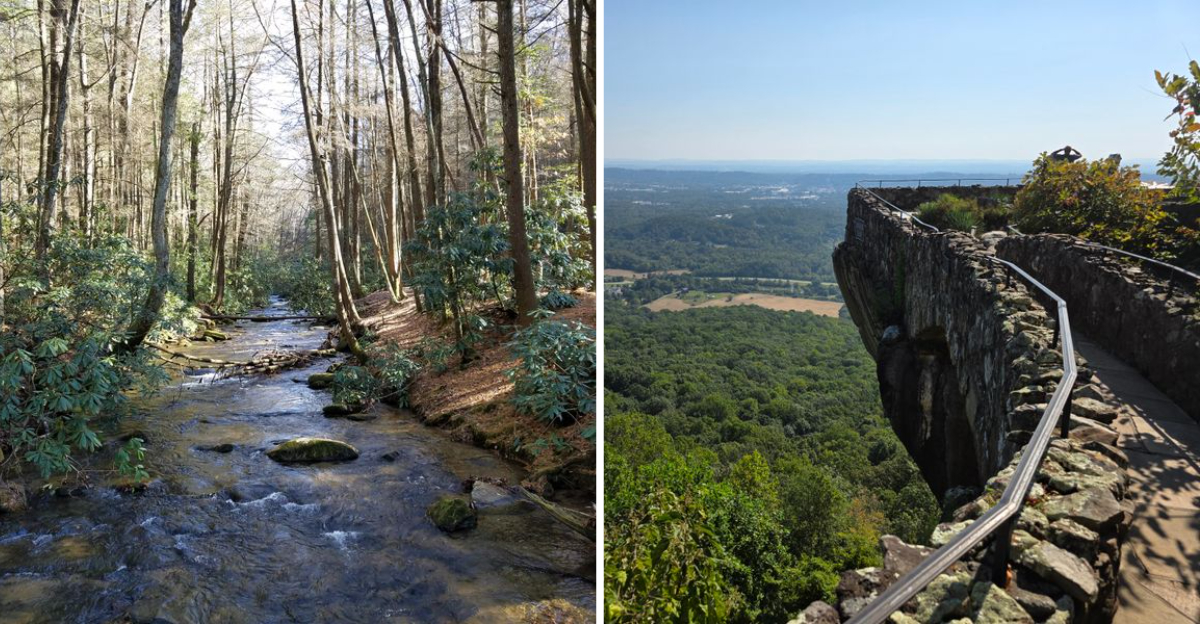
Massive rock formations create natural pathways through gardens where you can supposedly see seven states from one viewpoint. The entrance is at 1400 Patten Road, Lookout Mountain, GA 30750, where a unique geological formation creates caves, bridges, and balanced rocks. Gardens planted throughout the rocks add color to the ancient stone.
The famous “See Seven States” viewpoint sits at the end of the trail. Whether you actually see all seven states is debatable, but the view is impressive regardless. Lover’s Leap offers a dramatic cliff-edge perspective.
Fairyland Caverns features black-light displays of fairy tale scenes that kids enjoy. The Swing-A-Long Bridge sways as you cross high above the rocks. Gardens bloom year-round with different flowers for each season.
The site has been a tourist attraction since the 1930s when barn roofs across the South were painted with “See Rock City” advertisements. The whole experience is delightfully old-fashioned and fun. Wear comfortable shoes since you’ll be climbing stairs and walking on uneven rock surfaces.
14. Amicalola Falls
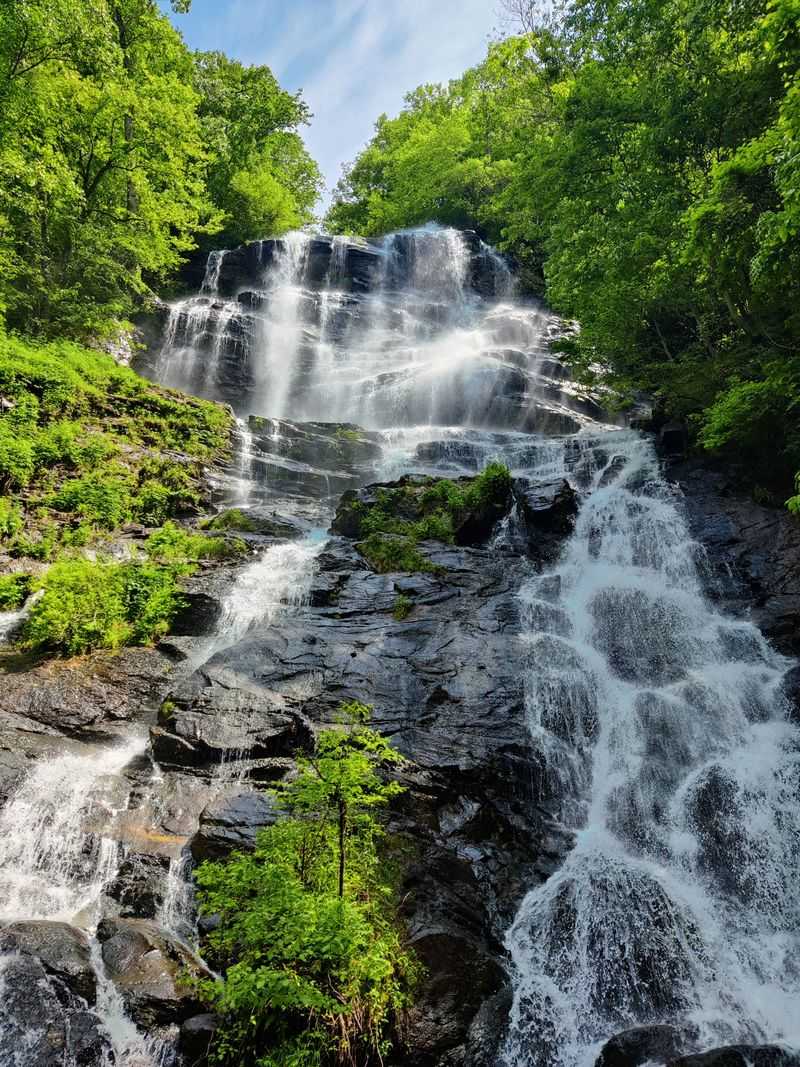
Water plunges 729 feet down a series of cascades, making this the tallest waterfall in Georgia. You’ll find the park entrance at 418 Amicalola Falls State Park Road, Dawsonville, GA 30534, where multiple trails offer different perspectives of the falls. The name Amicalola comes from a Cherokee word meaning “tumbling waters.”
A challenging staircase with over 600 steps climbs alongside the falls to the top. If stairs aren’t your thing, you can drive to the top and walk down to viewing platforms. The West Ridge Trail offers a less strenuous alternative route with beautiful forest views.
Spring brings the highest water flow when snowmelt and rain make the falls most impressive. The surrounding park includes a lodge, restaurant, and camping areas if you want to stay overnight. Fall colors reflect in the pools at the base of the falls.
The approach trail to Springer Mountain and the Appalachian Trail begins here. Bring a camera because the falls photograph beautifully from multiple angles along the trail.
15. Madison Historic District
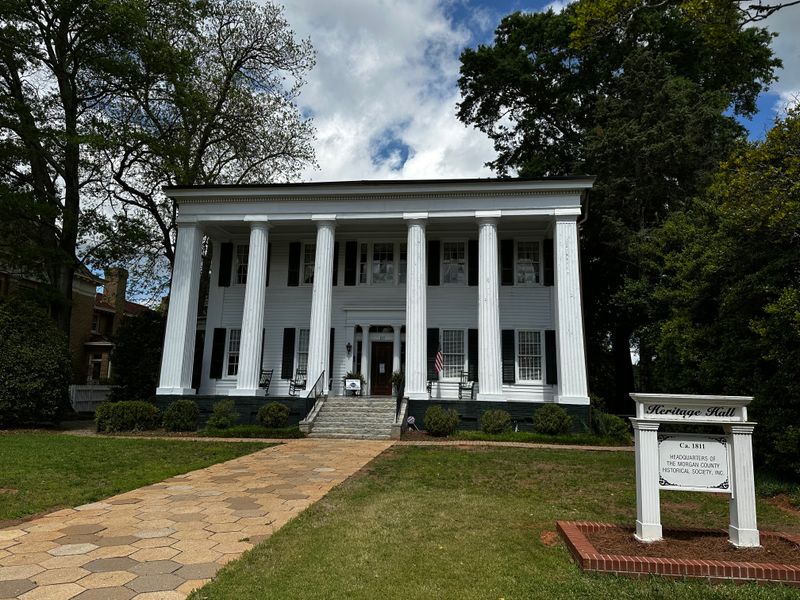
Perfectly preserved antebellum mansions line streets that look much like they did before the Civil War. The historic district centers around 115 East Jefferson Street, Madison, GA 30650, where General Sherman reportedly spared the town because of its beauty. Walking tours reveal architectural details and stories from the 1800s.
The town square features shops and restaurants in historic buildings. Morgan County Courthouse anchors the square with its classic Southern architecture. Massive oak trees shade the sidewalks where you’ll walk past homes with columns, wraparound porches, and manicured gardens.
Several homes offer tours during special events throughout the year. The Madison-Morgan Cultural Center provides exhibits about local history and art. Antique shops line the streets for browsing after your walking tour.
The town hosts a popular spring tour of homes when private residences open to visitors. Madison feels like a movie set, but it’s real history preserved through careful planning. Visit during weekdays when the town is quieter and you can truly appreciate the peaceful, timeless atmosphere.