Georgia Is The Only state In The US Where You Can Pilot A Boeing 737 Flight Simulator
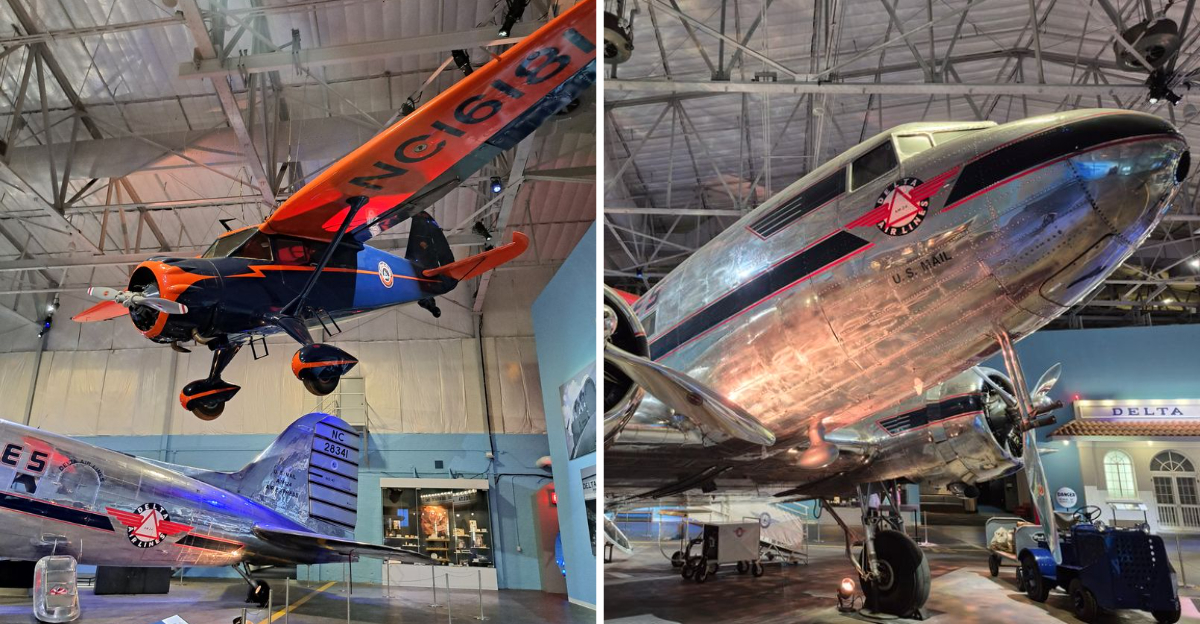
Ever wondered what it feels like to sit in the captain’s seat of a massive commercial airliner and take control of the skies? At the Delta Flight Museum in Atlanta, that dream becomes a reality in a way few places can offer. Located at 1060 Delta Boulevard, this unique museum gives visitors the rare chance to fly a full Boeing 737 simulator, an experience you will not find anywhere else in the United States.
The thrill of takeoff, the challenge of landing, and the responsibility of the cockpit make it unforgettable. Beyond the simulator, the museum brings aviation history to life with beautifully restored aircraft, hands on exhibits, and stories from the golden age of flight. You can walk through iconic planes, explore the legacy of commercial aviation, and see how air travel shaped the modern world.
Whether you are a lifelong aviation fan or simply curious, this museum inspires anyone who has ever looked up at the sky and dreamed of flying.
1. Fly a Real Boeing 737 Flight Simulator
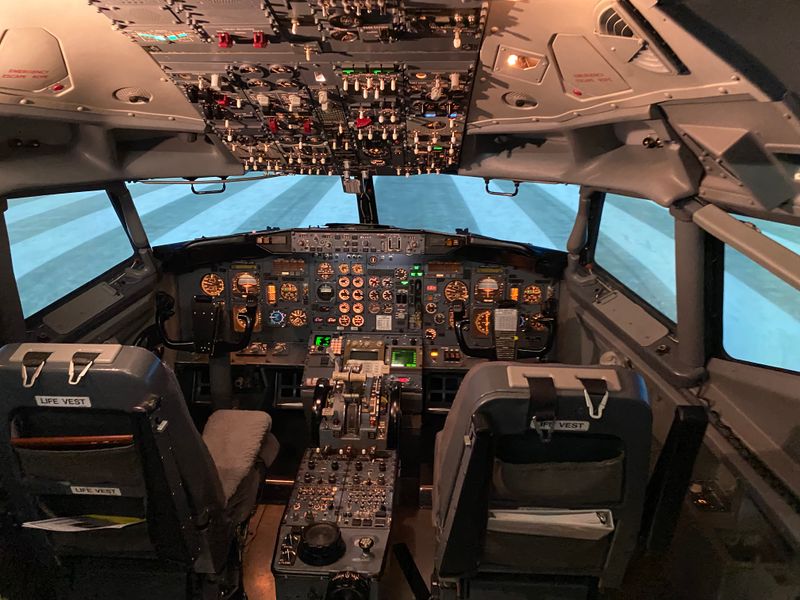
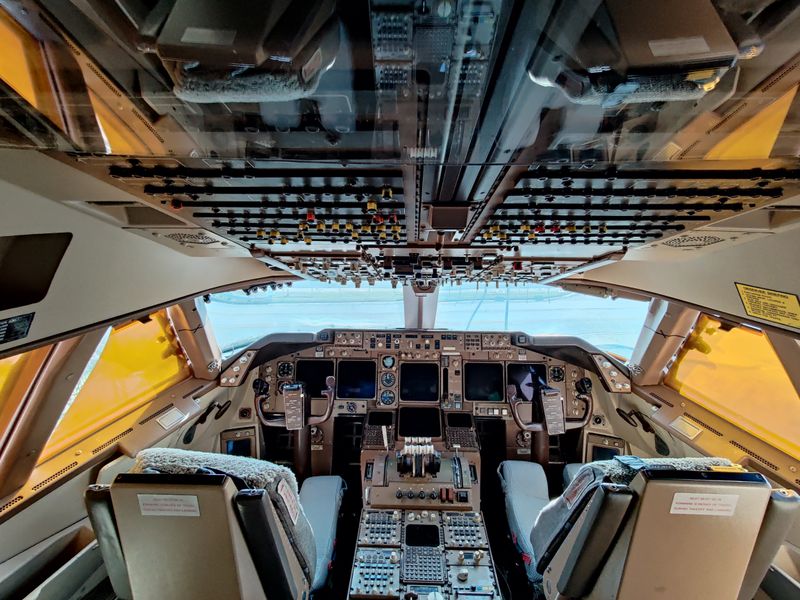
Imagine gripping the controls of a massive Boeing 737 and feeling the simulated rush as you take off into virtual skies. This isn’t a video game it’s the real deal training equipment that actual Delta pilots use to sharpen their skills. You’ll sit in the authentic cockpit surrounded by hundreds of switches, dials, and digital displays that light up just like they would at 30,000 feet.
The simulator responds to every input you make, from adjusting the throttle to banking through turns.
Professional instructors guide you through the basics, helping you understand what pilots experience during takeoff, flight, and landing. The motion and visual feedback make it feel incredibly realistic. Whether you’re considering a career in aviation or just love planes, this hands-on experience will give you massive respect for what pilots do every single day.
2. Explore Vintage Aircraft Up Close
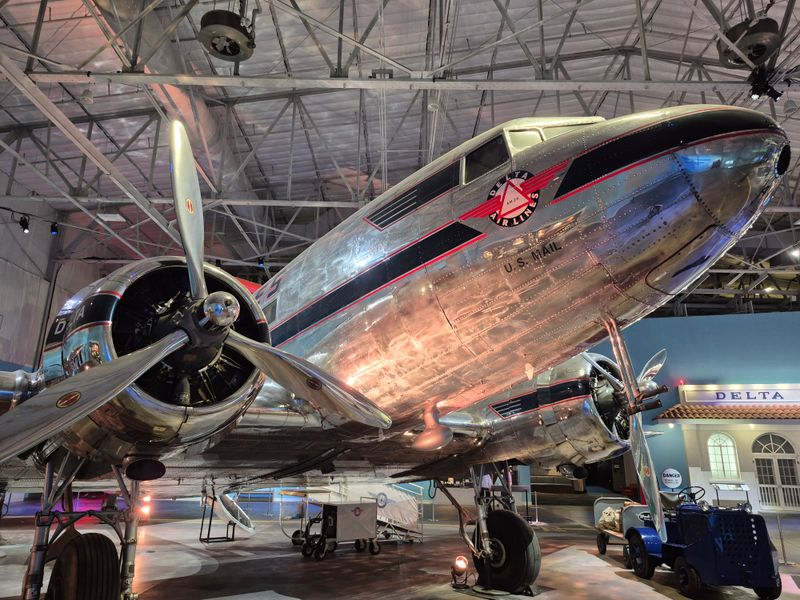
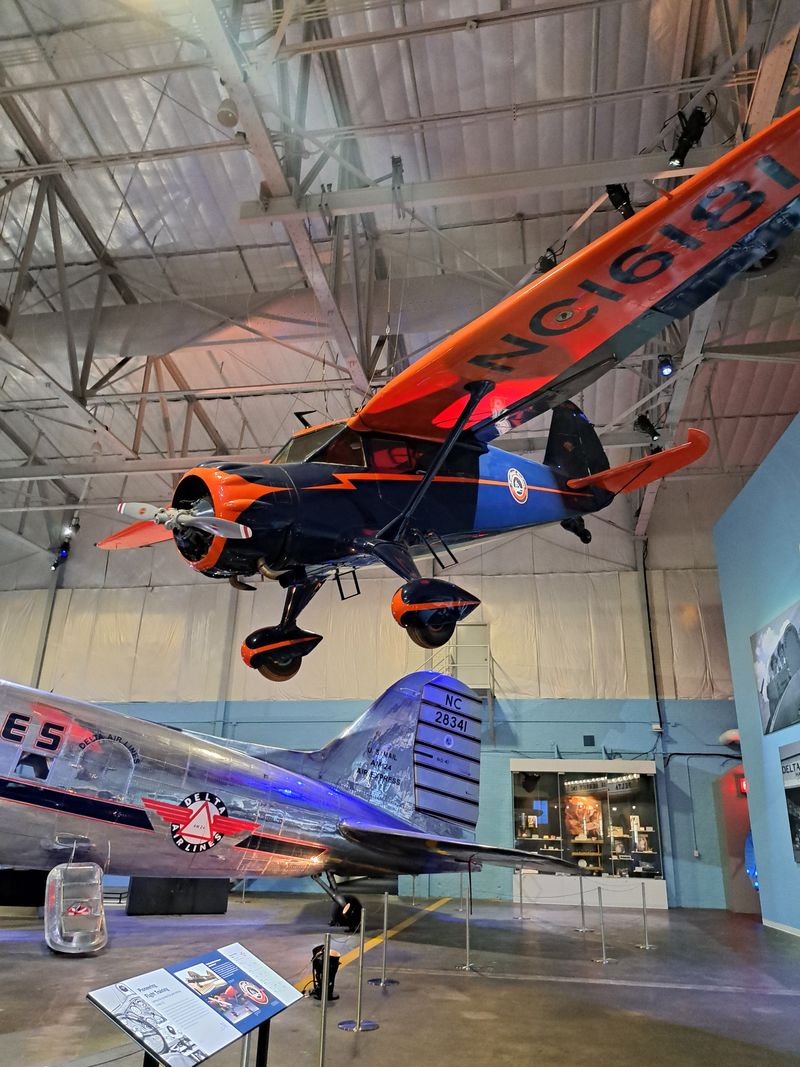
Walking among retired aircraft that once soared through the skies brings history to life in ways textbooks never could. The museum houses an impressive collection of planes that represent different eras of commercial aviation, each with its own story to tell. You can actually touch these magnificent machines and peek inside their cabins to see how air travel has evolved over the decades.
Some of these planes carried passengers across oceans before most people had ever flown.
The details are fascinating notice the smaller seats, different cabin layouts, and technology that seems ancient compared to modern standards. Each aircraft has informational plaques explaining its significance in aviation history.
You’ll gain appreciation for how far we’ve come in making air travel safer, faster, and more comfortable for millions of passengers worldwide.
3. Step Inside the Original Delta Headquarters Building
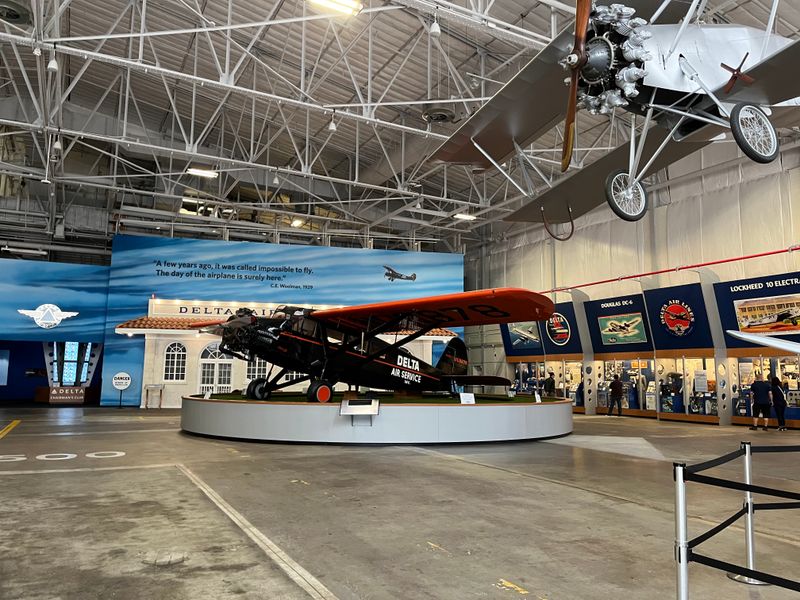
History buffs will love exploring the actual building where Delta Air Lines began its journey to becoming one of the world’s largest carriers. This isn’t a replica it’s the genuine 1940s-era headquarters that was carefully moved to the museum grounds to preserve its legacy. The architecture alone tells a story of a different time in American business and aviation.
Walking through the doors feels like stepping back in time to when commercial aviation was still finding its wings.
Inside, period furnishings and office equipment show how the airline industry operated before computers and modern technology. Original desks, typewriters, and filing systems demonstrate the hands-on nature of early airline management.
The building houses exhibits about Delta’s founding and growth, including photographs and documents from those pioneering days when flying was still considered adventurous and somewhat risky.
4. Discover the Spirit of Delta Gallery
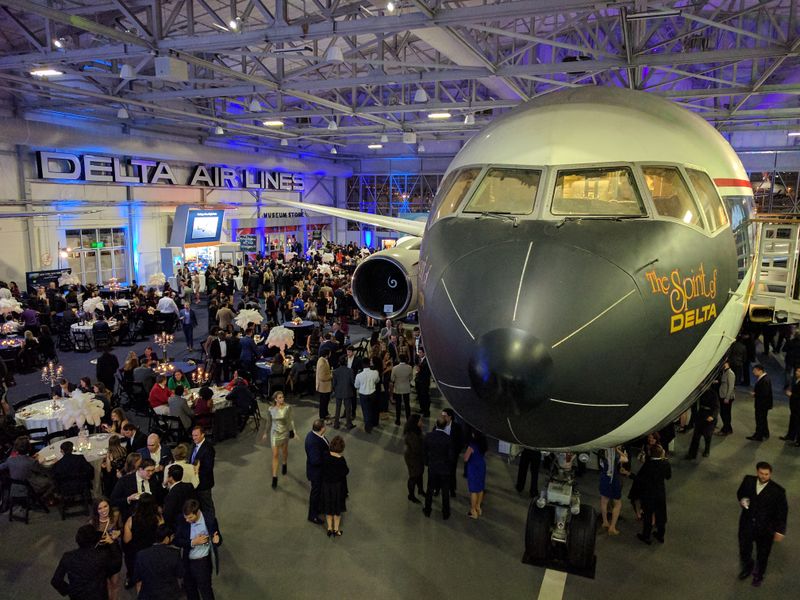
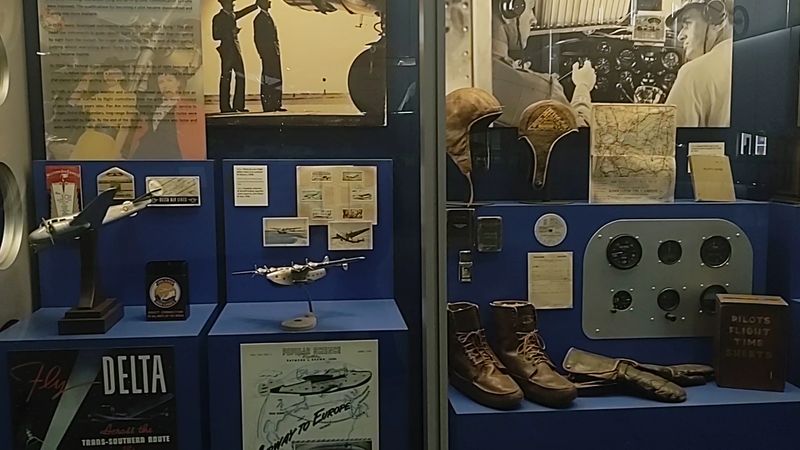
Personal stories from employees who built Delta into an aviation powerhouse fill this moving gallery dedicated to the airline’s culture and values. You’ll encounter photographs, uniforms, and personal items donated by workers who spent their careers serving passengers and keeping planes flying safely. These aren’t just objects—they represent real people who dedicated their lives to connecting the world through air travel.
Interactive displays let you hear recorded memories from retired employees sharing their favorite moments and challenges. The exhibit honors mechanics, gate agents, pilots, and countless others whose names passengers never knew but whose work made every flight possible. It’s a touching reminder that behind every airline are thousands of dedicated individuals working together toward common goals.
5. Experience the 1940s DC-3 Aircraft
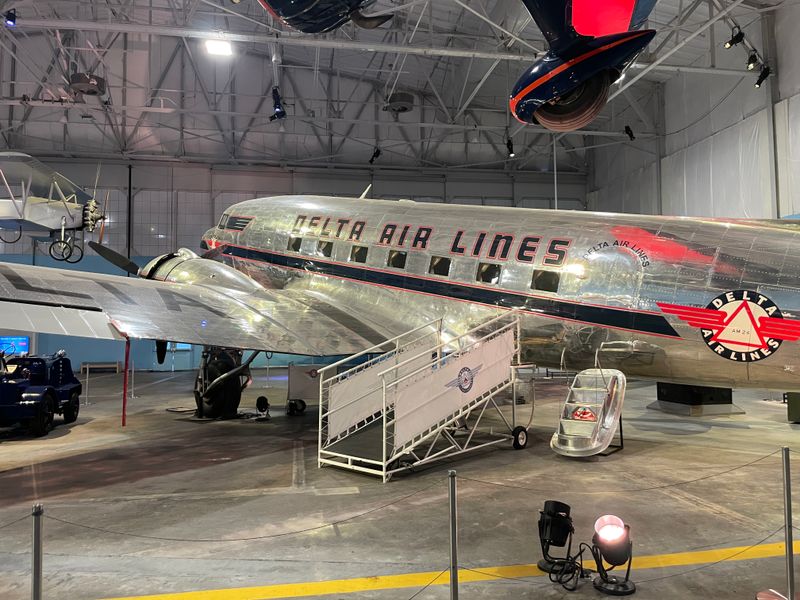
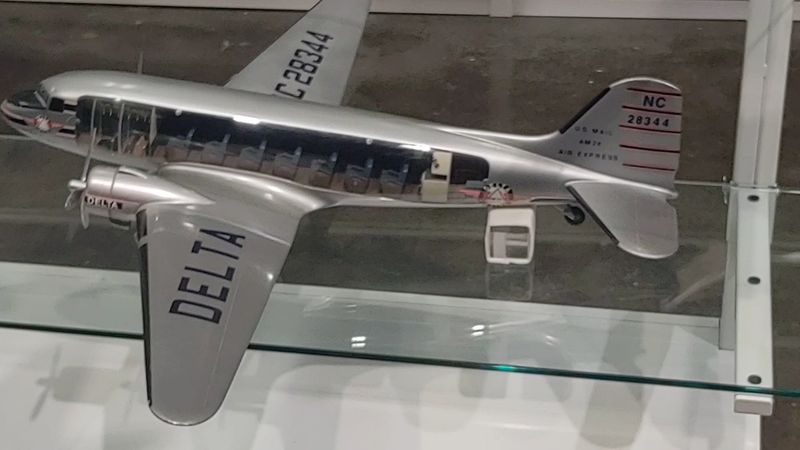
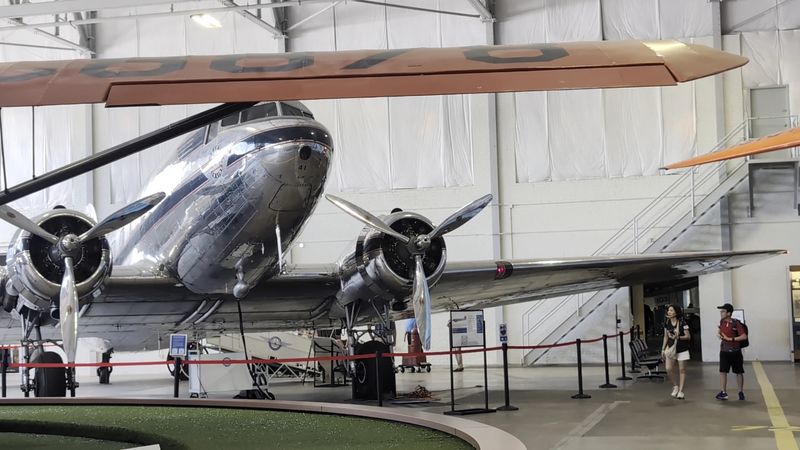
Few aircraft are as iconic in aviation history as the Douglas DC-3, and the museum’s beautifully restored example lets you appreciate why this plane revolutionized air travel. Before jets dominated the skies, this propeller-driven workhorse carried passengers across America and around the world with unprecedented reliability. Its distinctive shape and twin engines made it instantly recognizable at airports everywhere.
The DC-3 introduced features we take for granted today, like comfortable seating and pressurized cabins for higher-altitude flight.
Military versions of this aircraft played crucial roles during World War II, earning the respect of pilots and soldiers alike.
The museum’s example showcases original details and equipment that transport you back to aviation’s golden age. Standing beside this legendary plane, you’ll understand why aviation enthusiasts consider it one of the most important aircraft ever built.
6. Learn at Interactive Exhibits
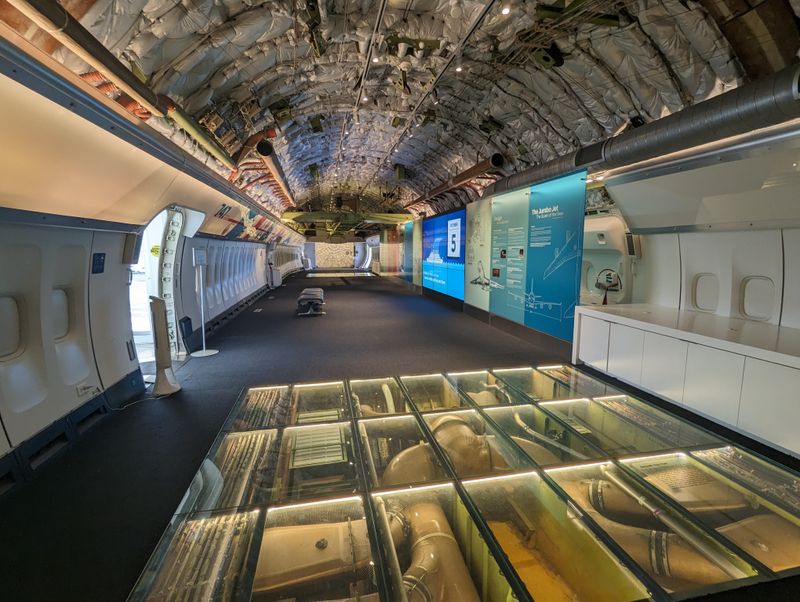
Touching, experimenting, and discovering make learning about aviation exciting for visitors of all ages at the museum’s numerous interactive stations. These aren’t boring displays with just text to read—you’ll actually participate in activities that explain how planes fly, how weather affects flights, and how pilots navigate across continents. Kids especially love these hands-on experiences that turn complex concepts into fun challenges.
You might test your skills at matching luggage to destinations, understanding air traffic control communications, or exploring how jet engines generate thrust. Each station presents information in multiple ways so different learning styles can all grasp the concepts. Parents appreciate how these exhibits keep children engaged while sneaking in genuine education about physics, geography, and technology.
You’ll leave with a much deeper understanding of the incredible complexity behind every flight.
7. Tour the Restoration Hangar
Watching skilled craftspeople bring retired aircraft back to their former glory provides a behind-the-scenes look at aviation preservation that most museums don’t offer.
The restoration hangar is where magic happens where corroded metal gets replaced, faded paint receives fresh coats, and worn interiors get rebuilt to original specifications. This working space shows the painstaking effort required to maintain these historical treasures for future generations.
The hangar smells of metal, paint, and oil authentic scents of aviation work that add to the experience. You’ll see projects in various stages, from complete teardowns to nearly finished aircraft awaiting final touches. Restoration experts often chat with visitors, explaining their techniques and the challenges of finding authentic parts for decades-old planes.
This glimpse into preservation work reveals the dedication required to keep aviation history alive and accessible.
8. View the Propeller Collection
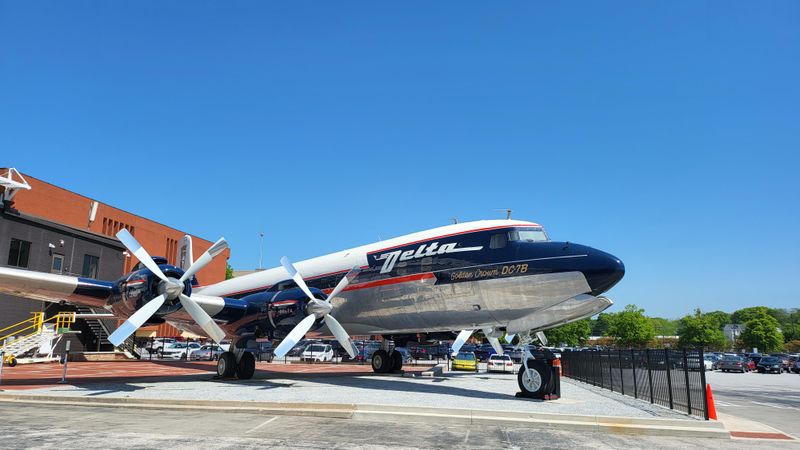
Before jet engines dominated commercial aviation, propellers powered every airliner that crossed the skies, and the museum’s collection showcases this essential technology’s evolution. These spinning blades, some massive and others surprisingly small, represent decades of engineering improvements that made flight faster, safer, and more efficient. Each propeller design solved specific challenges that engineers faced as they pushed the boundaries of what aircraft could achieve.
You’ll notice differences in blade shape, materials, and construction methods as you examine examples from different time periods. Early wooden propellers gave way to metal designs that could handle more powerful engines and higher speeds. Informational displays explain how propeller pitch, diameter, and rotational speed all affect aircraft performance.
Standing beside these engineering marvels, some taller than an adult, helps you appreciate the forces they managed and the precision required in their manufacture.
9. Explore Aviation Uniforms Through the Decades
Fashion meets function in this colorful exhibit showcasing how airline employee uniforms evolved alongside changing social norms and design trends.
From the formal, almost military-style outfits of early aviation to the more casual modern looks, these uniforms tell stories about society’s changing attitudes toward air travel and professional dress. The fabrics, colors, and accessories reflect each era’s unique style while maintaining the professionalism airlines demanded.
You’ll spot interesting details like vintage wings pins, hat styles that came in and out of fashion, and accessories that completed each look. The 1960s and 1970s uniforms particularly stand out with their bold colors and patterns that seem almost costume-like today. Reading about the practical considerations wrinkle resistance, comfort during long shifts, professional appearance—adds depth to what might seem like just a fashion show.
10. Discover the 767 Nose Section
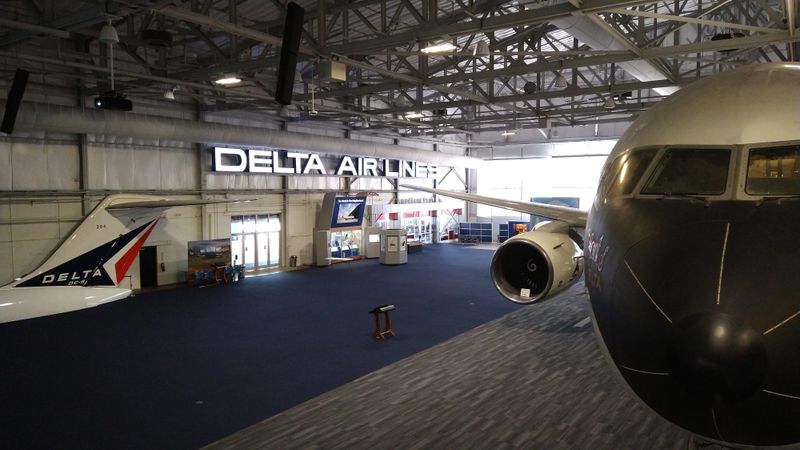
Getting an up-close look at a massive Boeing 767’s front section reveals the incredible engineering that goes into modern commercial aircraft construction. This isn’t a model—it’s an actual piece of a real airliner that once carried hundreds of passengers across oceans and continents. The nose section includes the cockpit where pilots controlled this sophisticated machine using computers and instruments that would have seemed like science fiction just decades earlier.
You can peer into the cockpit to see the pilot and co-pilot seats surrounded by panels of switches, screens, and controls. The forward section’s curved shape, designed to reduce air resistance, demonstrates how aerodynamics influence every aspect of aircraft design. Understanding the nose gear compartment and weather radar housing adds technical knowledge about how planes operate.
This cross-section view provides perspective on the complexity packed into every airliner that makes modern travel possible.
11. Experience the 1960s Convair 880 Jet
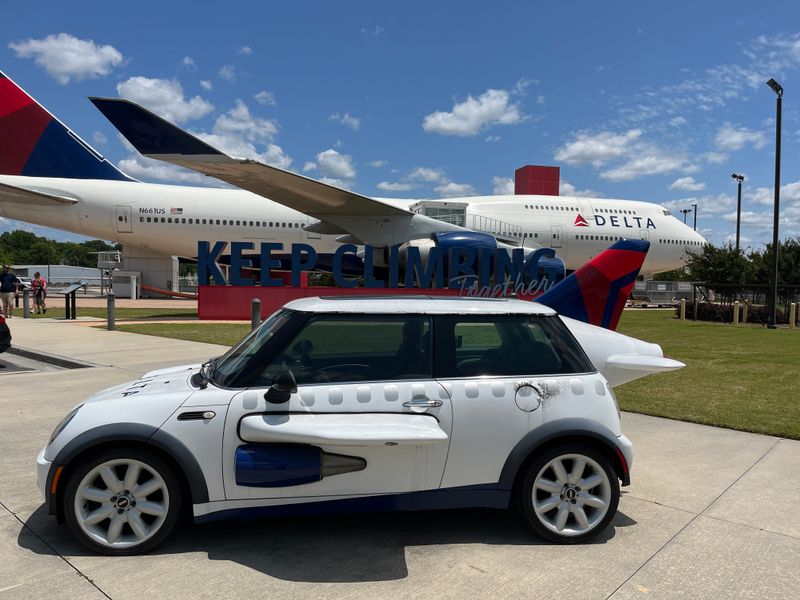
Sleek, fast, and representing the excitement of the early jet age, the Convair 880 was once considered the sports car of commercial aviation. This beautiful aircraft could fly faster than many of its competitors, appealing to passengers who valued speed and style in their air travel. Delta operated these jets during an era when flying was still considered glamorous and special, not the routine experience it has become today.
Walking around this jet, you’ll notice its elegant lines and the four engines mounted close to the fuselage a distinctive design choice. The aircraft’s interior, if accessible during your visit, shows the roomier seating and décor that characterized premium air travel in that era.
Though the Convair 880 had a relatively short production run, it left a lasting impression on aviation history as a symbol of speed and sophistication during the jet age’s early years.
12. Browse the Aviation Library and Archives
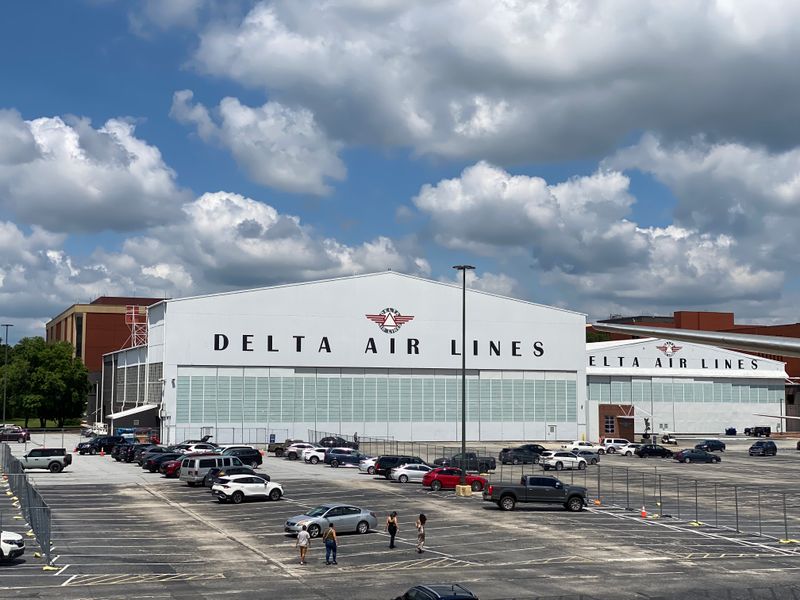
Researchers, students, and aviation enthusiasts find treasure troves of information in the museum’s extensive collection of documents, photographs, and publications about airline history. Rare materials not available anywhere else provide insights into how commercial aviation developed from a risky novelty into the safest form of transportation. Original company documents, employee newsletters, and technical manuals offer primary source material for anyone studying aviation’s evolution.
You might discover old route maps showing how airline networks expanded, vintage advertisements revealing how airlines marketed their services, or technical specifications for aircraft long since retired. Photographs capture moments from aviation history—first flights, famous passengers, and everyday operations that built the industry. Knowledgeable archivists can help you locate specific information or suggest resources for your research.
This scholarly resource adds serious depth to the museum’s mission of preserving and sharing aviation heritage.
13. See the Engine Display Collection
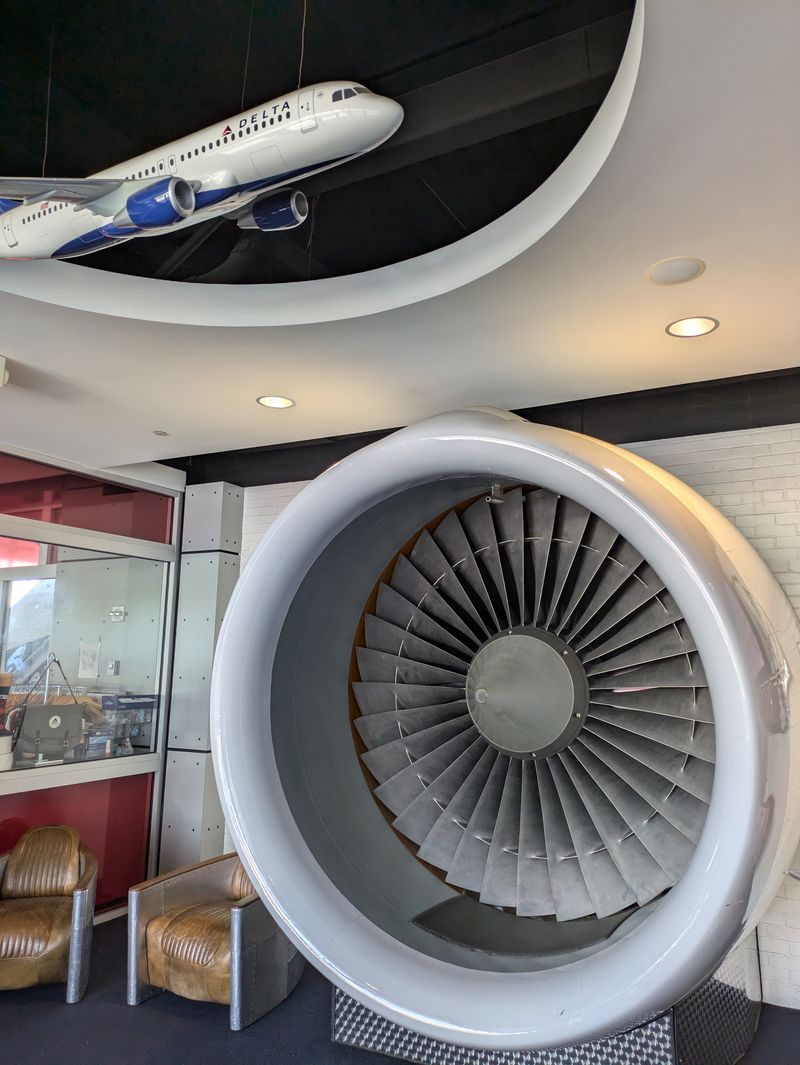
Power, precision, and decades of innovation come together in the museum’s impressive array of aircraft engines from different eras of aviation. From early piston engines that sounded like giant lawnmowers to modern turbofans that push massive airliners across continents, this collection demonstrates how engine technology transformed flight. Each engine represents countless hours of engineering work aimed at making them more powerful, efficient, and reliable.
Cutaway engines reveal internal components—pistons, turbines, compressors, and combustion chambers that work together in precisely timed harmony. The size differences are striking, from relatively small engines that powered early aircraft to massive modern turbofans taller than a person. Information panels explain thrust ratings, fuel consumption, and technological advances each generation of engines introduced.
Standing beside these powerful machines helps you appreciate the incredible forces they generate and control during every flight.
14. Participate in Educational Programs
Schools and youth groups discover engaging ways to learn about science, technology, engineering, and math through the museum’s specially designed educational offerings. Professional educators developed these programs to align with curriculum standards while making learning fun and memorable for students. Hands-on activities, guided tours, and age-appropriate presentations turn abstract concepts into concrete understanding that students retain long after their visit.
Students might build model aircraft, learn about weather’s effects on flight, or explore career opportunities in aviation and aerospace. The museum’s educators use the aircraft and exhibits as teaching tools that bring textbook lessons to life. Many programs encourage critical thinking and problem-solving as students tackle challenges similar to those real aviation professionals face.
Teachers appreciate the quality resources and expertise the museum provides, making their jobs easier while giving students unforgettable learning experiences that might inspire future careers.
15. Visit the Museum Store
Aviation enthusiasts and souvenir hunters alike enjoy browsing the carefully curated selection of items that celebrate flight and Delta’s heritage. Model aircraft in various scales let collectors take home miniature versions of planes they admired in the museum’s hangars. Books about aviation history, pilot memoirs, and technical guides provide hours of reading for anyone wanting to deepen their knowledge about flight.
Vintage-style posters reproduce classic airline advertisements from decades past, perfect for decorating offices or homes with retro flair. Clothing featuring Delta logos and aviation themes lets visitors wear their passion for flight. Educational toys and games help children learn about aviation while having fun.
Staff members often share stories about the merchandise and can suggest items for specific interests or age groups. Purchases support the museum’s mission, helping preserve aviation history for future generations while giving you tangible memories of your visit.
16. Attend Special Events and Lectures
Throughout the year, the museum hosts fascinating presentations by pilots, engineers, historians, and other aviation professionals who share their expertise and experiences with audiences. Former astronauts might discuss space exploration, retired pilots could recount memorable flights, or historians might present research about aviation’s impact on society. These events provide opportunities to ask questions and interact with people who’ve dedicated their lives to flight.
Some events coincide with aviation anniversaries, celebrating historic flights or technological milestones that changed the industry. Film screenings, book signings, and panel discussions add variety to the programming schedule. Family-friendly events during holidays and school breaks include activities designed to engage younger visitors while entertaining adults.
Members often receive advance notice and special access to these programs. Attending these events deepens your connection to aviation beyond what static exhibits alone can provide, creating memorable experiences and expanding your understanding of flight’s fascinating world.