This World-Class Museum In Atlanta Georgia Lets You See Real Egyptian Mummies
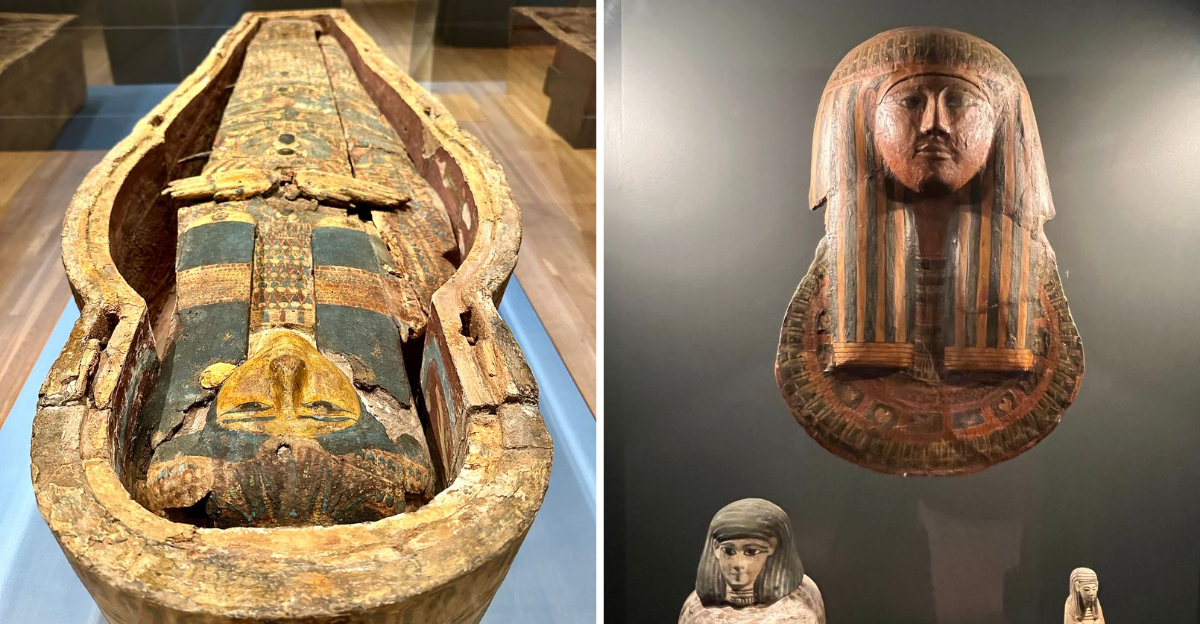
Have you ever wondered what it would feel like to stand face to face with a real Egyptian mummy without ever leaving Georgia? At the Michael C. Carlos Museum in Atlanta, that unforgettable moment is entirely possible.
Located at 571 South Kilgo Circle on Emory University’s campus, this remarkable museum invites visitors into a world shaped by ancient civilizations and artistic mastery. Inside, galleries showcase one of the Southeast’s most impressive collections of artifacts, spanning Egypt, Greece, Rome, Africa, and the Americas. The exhibits feel immersive and thoughtfully curated, allowing you to move through centuries of history in a single afternoon.
Seeing a preserved mummy up close is both humbling and fascinating, offering a rare connection to the distant past. Beyond antiquities, the museum highlights fine art and cultural objects that deepen the experience. Whether you love history, art, or simply discovering something new, the Michael C.
Carlos Museum delivers an enriching adventure you will not forget.
1. Ancient Egyptian Mummies Up Close
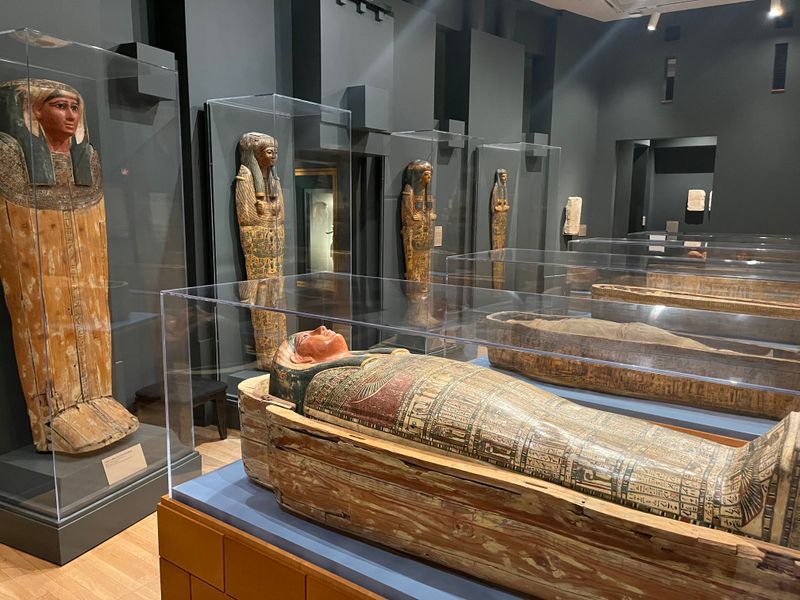
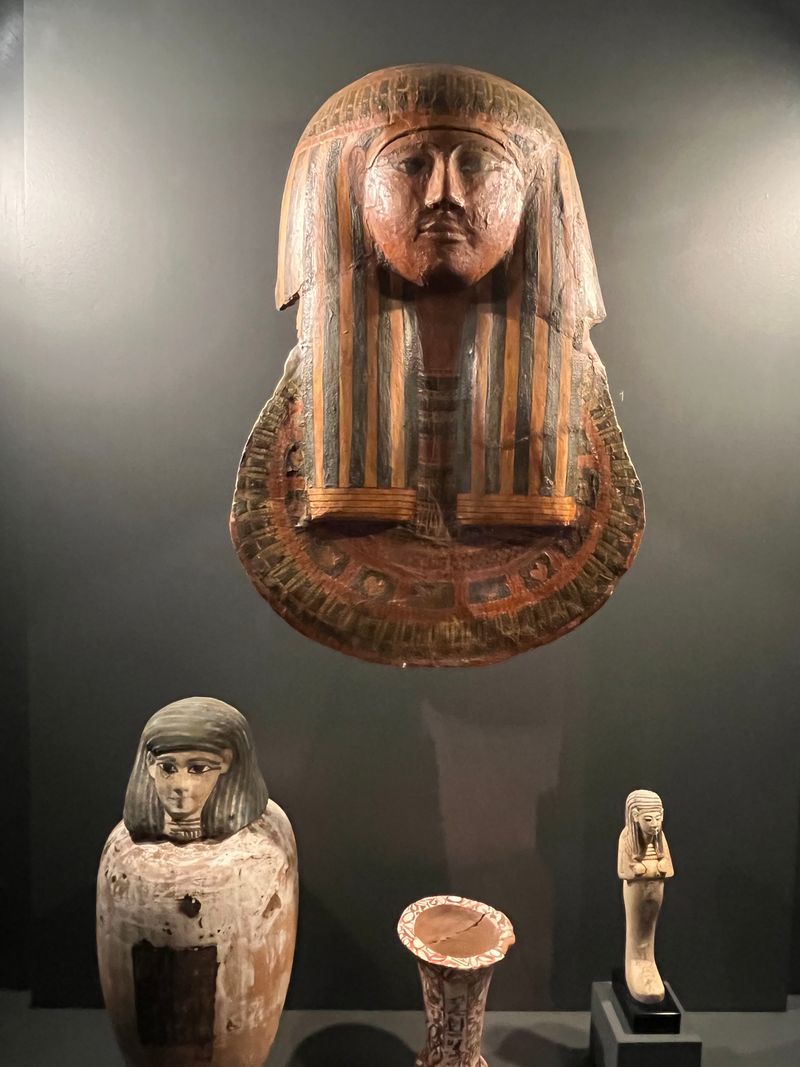
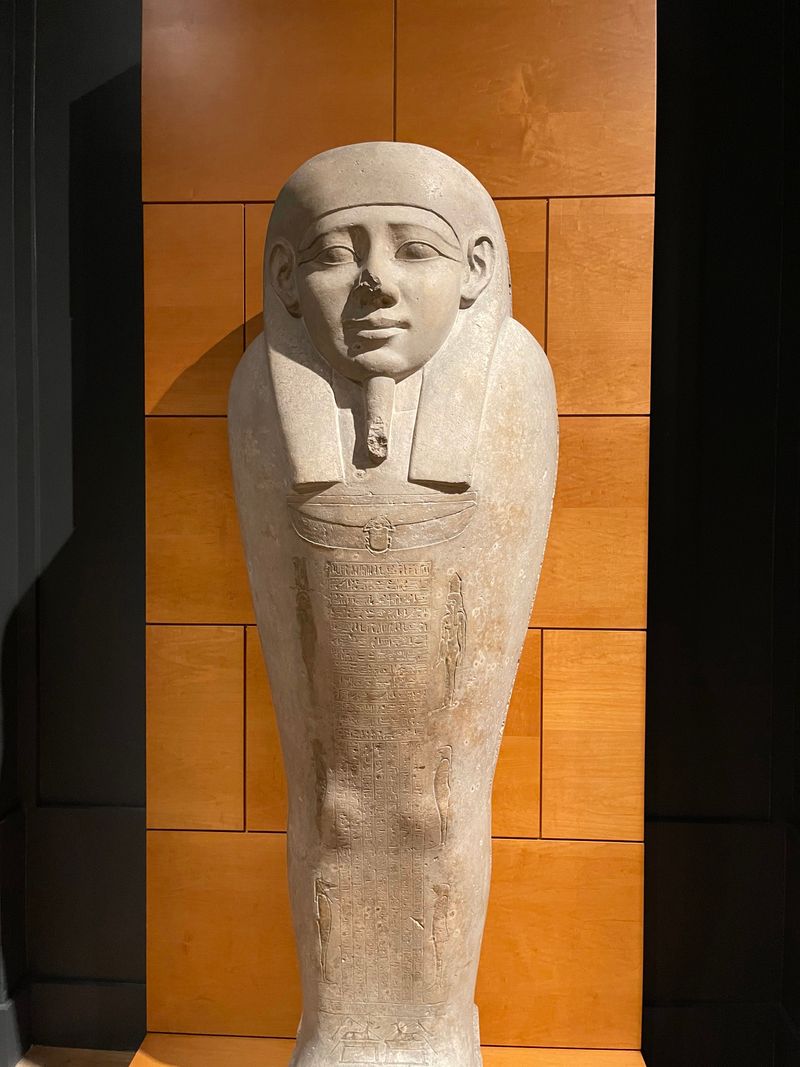
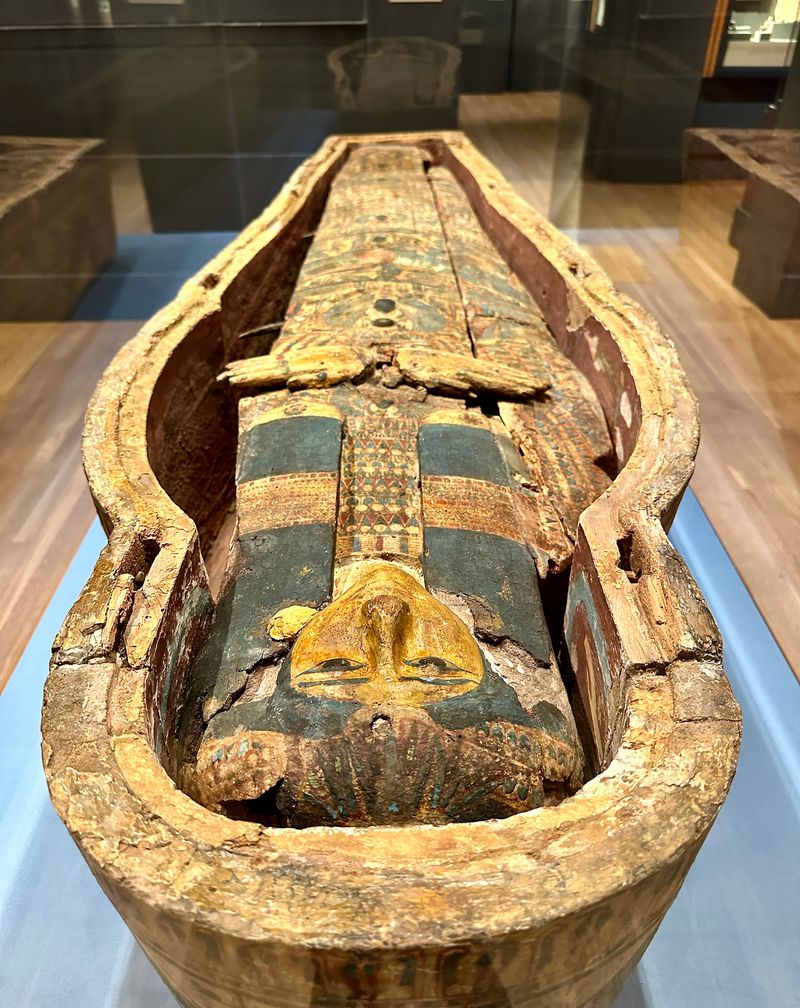
Getting close to a real mummy is an experience you’ll never forget. You can see the intricate wrappings and learn about the fascinating preservation techniques ancient Egyptians used.
The museum doesn’t just display these mummies behind glass. They tell the stories of who these people were when they lived. You’ll discover their social status, occupations, and even what diseases they might have suffered from through modern scientific analysis.
Standing in front of these ancient remains connects you directly to human history in a way textbooks never could. The exhibit explains the religious beliefs behind mummification and why Egyptians believed preserving bodies was essential for the afterlife. It’s both educational and deeply moving to witness these preserved humans from civilizations that flourished millennia ago.
2. World-Class Art Collections From Five Continents
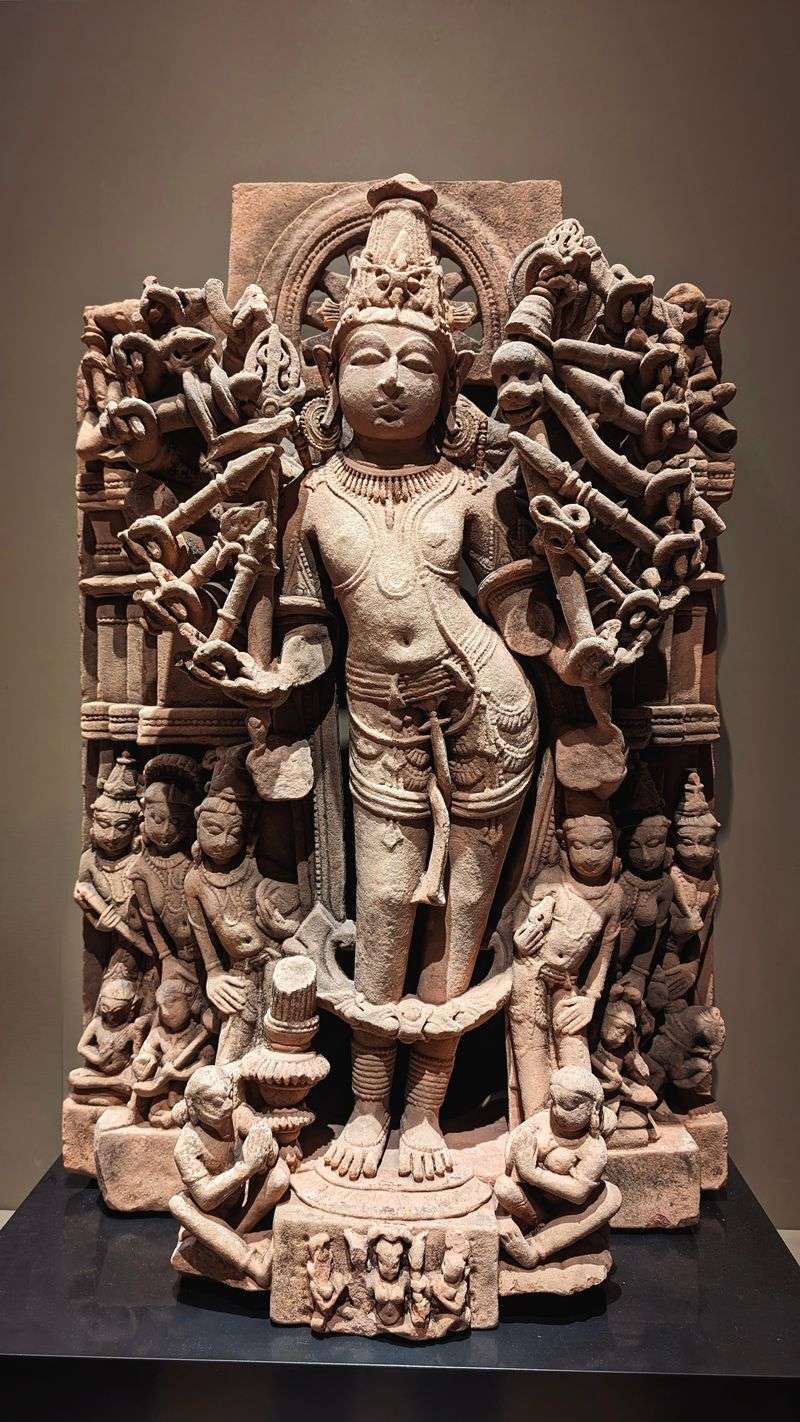
Art from across the globe fills the galleries at this remarkable institution. You’ll find more than 17,000 objects spanning cultures from Africa, the Americas, Asia, Europe, and the Near East. The variety means every visit offers something new to discover and appreciate.
Walking through the different sections feels like taking a trip around the world. One moment you’re admiring Greek pottery, the next you’re studying Pre-Columbian sculptures. The museum organizes its collections thoughtfully so you can understand how different cultures expressed themselves through art.
What makes these collections truly special is their quality and authenticity. Many pieces come from significant archaeological expeditions and important private collections. The museum staff provides detailed information about each object’s origin, purpose, and cultural significance.
You don’t need to be an art expert to appreciate the beauty and craftsmanship on display. The exhibits welcome curious minds of all ages and backgrounds to explore human creativity throughout history.
3. Free Admission For Everyone
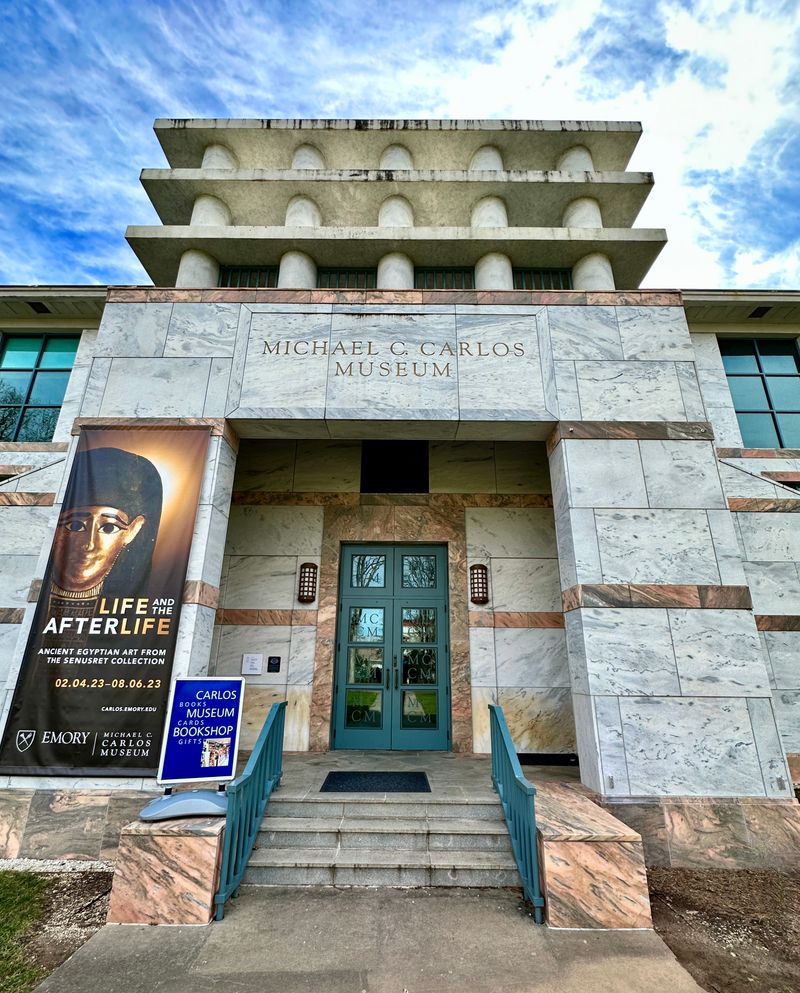
Here’s something that makes this museum even better—you won’t pay a single dollar to enter. The Michael C. Carlos Museum offers completely free admission to all visitors year-round.
This generous policy means you can explore world-class collections without worrying about your budget.
Many major museums charge substantial entrance fees that can add up quickly for families. Not here. You can return as often as you like to see your favorite pieces or discover new exhibits without any financial barrier.
Free admission doesn’t mean lower quality either. The museum maintains the same high standards you’d find at institutions charging twenty or thirty dollars per person. They believe art and culture should be accessible to everyone in the community.
Whether you’re a student, a family, or a solo explorer, you’re welcome to spend as much time as you want wandering through the galleries. This accessibility makes the Carlos Museum a true community treasure that serves people from all walks of life.
4. Beautiful Architecture And Building Design
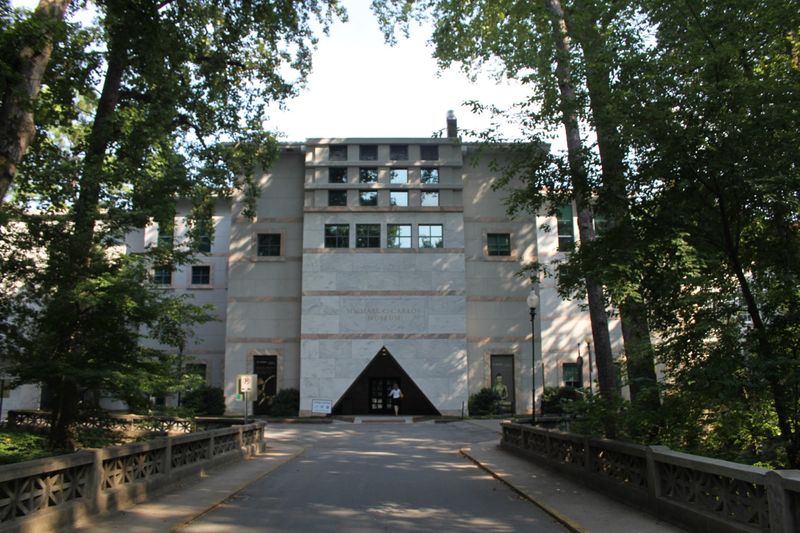
Before you even step inside, the building itself impresses you with its striking design. Famous architect Michael Graves designed the museum’s main structure, which opened in 1993. His postmodern style combines classical elements with contemporary touches that make the building a work of art in its own right.
The exterior features elegant columns and warm-toned materials that create an inviting atmosphere. Natural light floods through carefully placed windows, illuminating the galleries in ways that enhance the viewing experience. The building’s layout guides you naturally from one collection to the next.
Inside, high ceilings and spacious galleries give each artifact room to breathe. The architecture doesn’t compete with the art but rather complements it perfectly. You’ll notice thoughtful details like the rotunda that serves as a central gathering space.
The building earned recognition from architectural publications and remains one of Michael Graves’ most admired works. Walking through these spaces adds another dimension to your visit beyond just viewing the collections.
5. Hands-On Educational Programs For All Ages
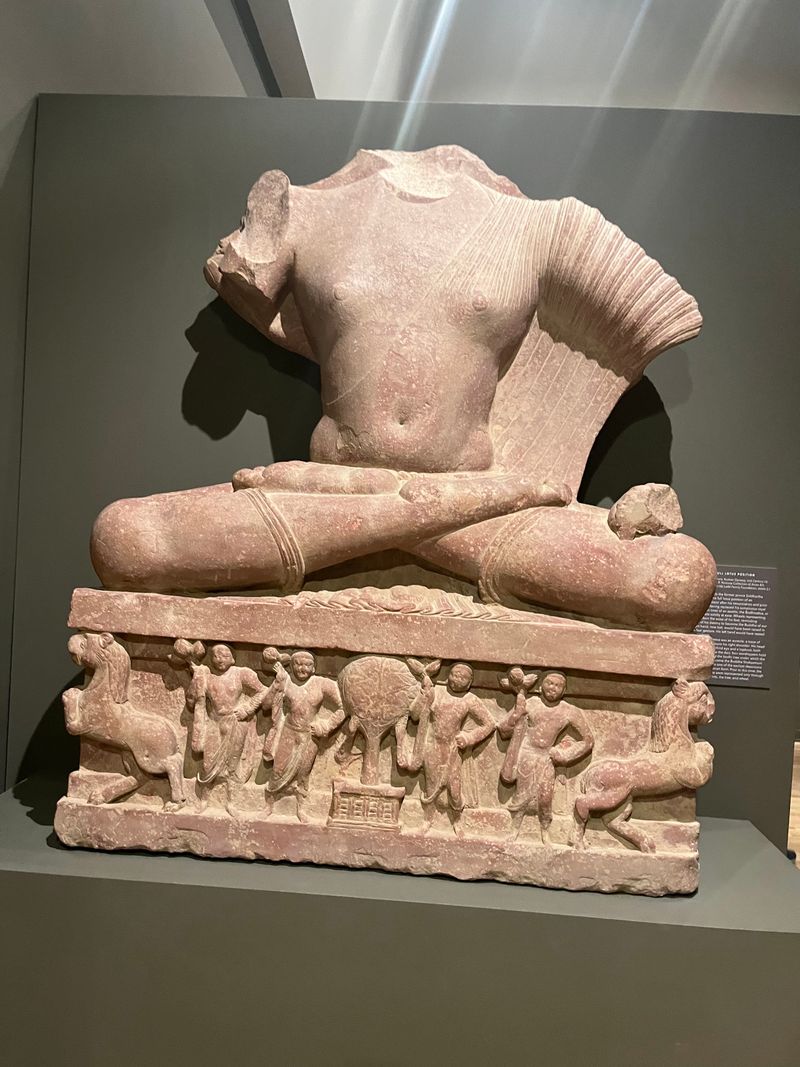
Learning at the Carlos Museum goes far beyond reading labels on walls. The museum offers extensive educational programming designed to engage visitors of all ages through interactive experiences. You can participate in workshops, lectures, gallery talks, and special events throughout the year.
Children especially benefit from programs that let them touch replica artifacts and participate in activities related to ancient cultures. Families can attend special weekend programs designed to make history come alive. The museum also partners with schools to provide curriculum-based tours and resources for teachers.
Adults aren’t left out either. Regular lecture series bring in expert speakers who dive deep into specific topics related to the collections. You might attend a talk about archaeological discoveries or learn about conservation techniques used to preserve ancient objects.
The museum’s education team works hard to create programs that match different learning styles and interests. These offerings transform a simple museum visit into an enriching educational experience that stays with you long after you leave.
6. Greek And Roman Antiquities Collection
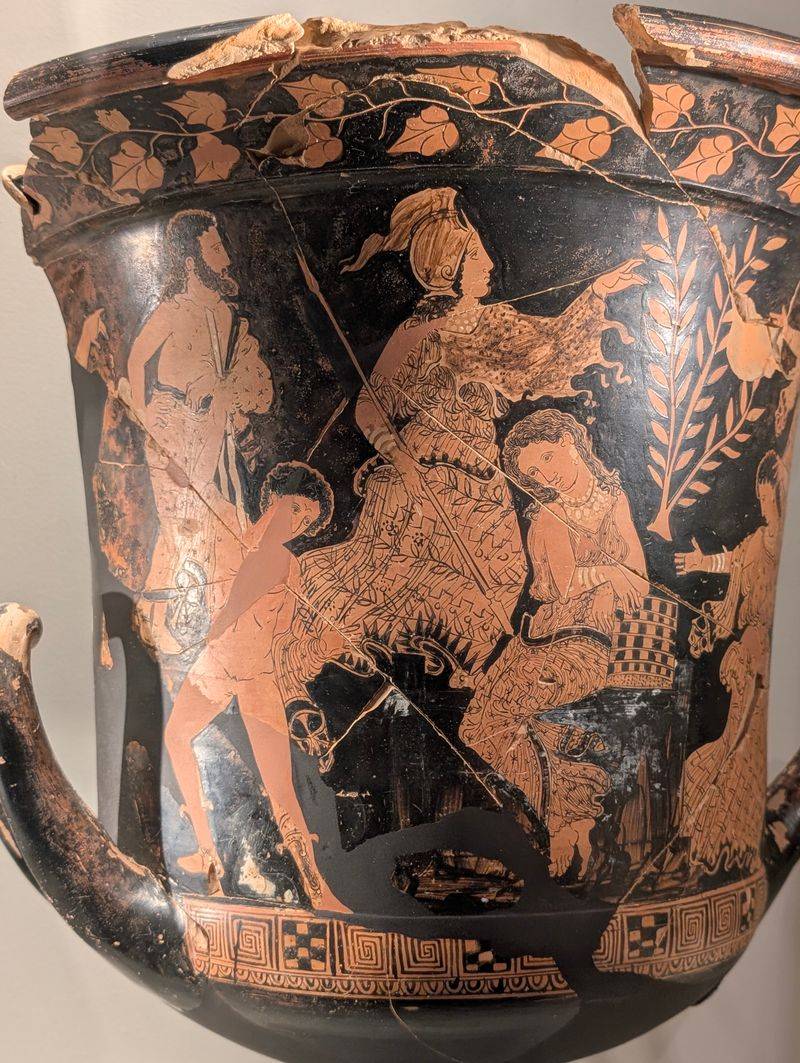
Ancient Greece and Rome come to life through the museum’s impressive classical antiquities collection. You’ll encounter beautifully painted pottery, marble sculptures, bronze figurines, and everyday objects that reveal how people lived thousands of years ago. Each piece tells part of the larger story of classical civilization.
The Greek vases particularly stand out with their detailed scenes depicting mythology, athletics, and daily life. Red-figure and black-figure pottery techniques show the artistic sophistication of ancient Greek craftsmen. Roman portrait busts capture individual personalities with remarkable realism that makes these ancient people feel surprisingly modern.
What I find fascinating is how these objects bridge the gap between ancient and contemporary worlds. Many aspects of Western culture trace back to Greek and Roman influences. Seeing the actual objects these civilizations created helps you understand their values, beliefs, and achievements.
The collection includes pieces from major archaeological sites and represents centuries of classical history. Whether you’re interested in mythology, military history, or artistic techniques, this collection offers endless discoveries.
7. African Art And Cultural Artifacts
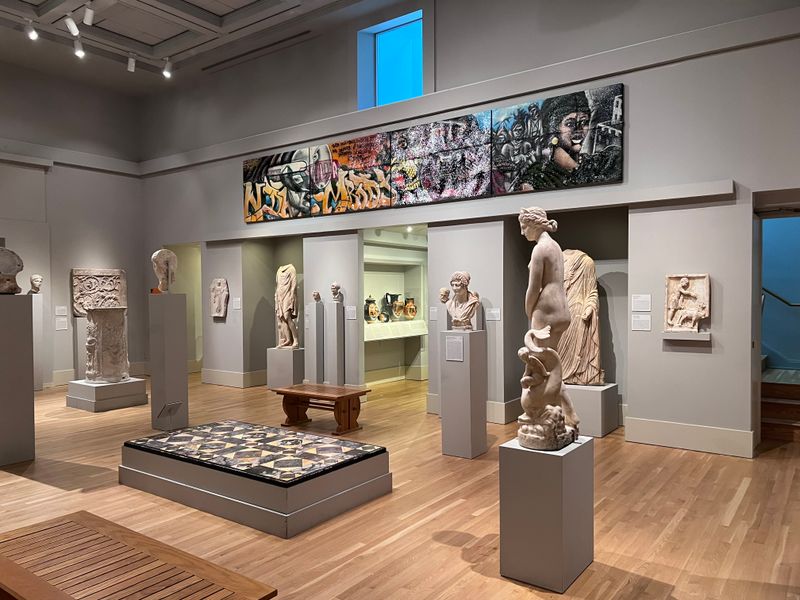
Africa’s rich artistic traditions receive proper recognition in the museum’s thoughtfully curated African galleries. You’ll see masks, sculptures, textiles, and ceremonial objects from diverse cultures across the continent. Each piece reflects the specific beliefs, traditions, and aesthetic values of its community of origin.
The collection challenges common stereotypes about African art by showing its incredible variety and sophistication. From the geometric patterns of Kuba cloth to the expressive power of Yoruba masks, you’ll discover artistic traditions as complex as any in the world. The museum provides context about how these objects functioned in their original societies.
Many pieces served important ceremonial or spiritual purposes rather than being created purely for display. Understanding this context deepens your appreciation for the skill and meaning embedded in each work. The collection spans both historical and contemporary periods, showing how African artists continue to innovate while honoring traditional forms.
This section of the museum opens eyes to artistic achievements that deserve much wider recognition and study.
8. Pre-Columbian Art From The Americas
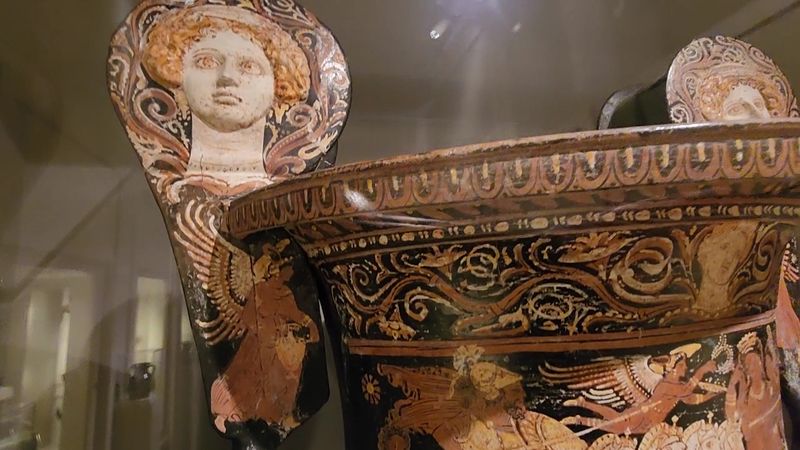
Long before Europeans arrived in the Americas, sophisticated civilizations created remarkable art and architecture. The museum’s Pre-Columbian collection showcases objects from cultures like the Maya, Aztec, Olmec, and various Andean societies. You’ll see intricate pottery, jade carvings, gold work, and stone sculptures that demonstrate advanced artistic and technical skills.
These objects aren’t just beautiful—they’re windows into complex societies with their own religions, governments, and scientific knowledge. A Mayan ceramic vessel might depict mythological scenes that scholars are still working to fully understand. Aztec stone carvings reveal a culture deeply connected to astronomy and the cycles of nature.
The collection helps correct the historical narrative that often overlooks or minimizes the achievements of indigenous American peoples. These civilizations built cities, developed writing systems, and created art that rivals anything produced elsewhere in the ancient world. Seeing these objects firsthand makes their accomplishments undeniable.
The museum presents them with the respect and scholarly attention they deserve, helping visitors appreciate the full scope of human achievement in the pre-contact Americas.
9. Ancient Near Eastern Treasures
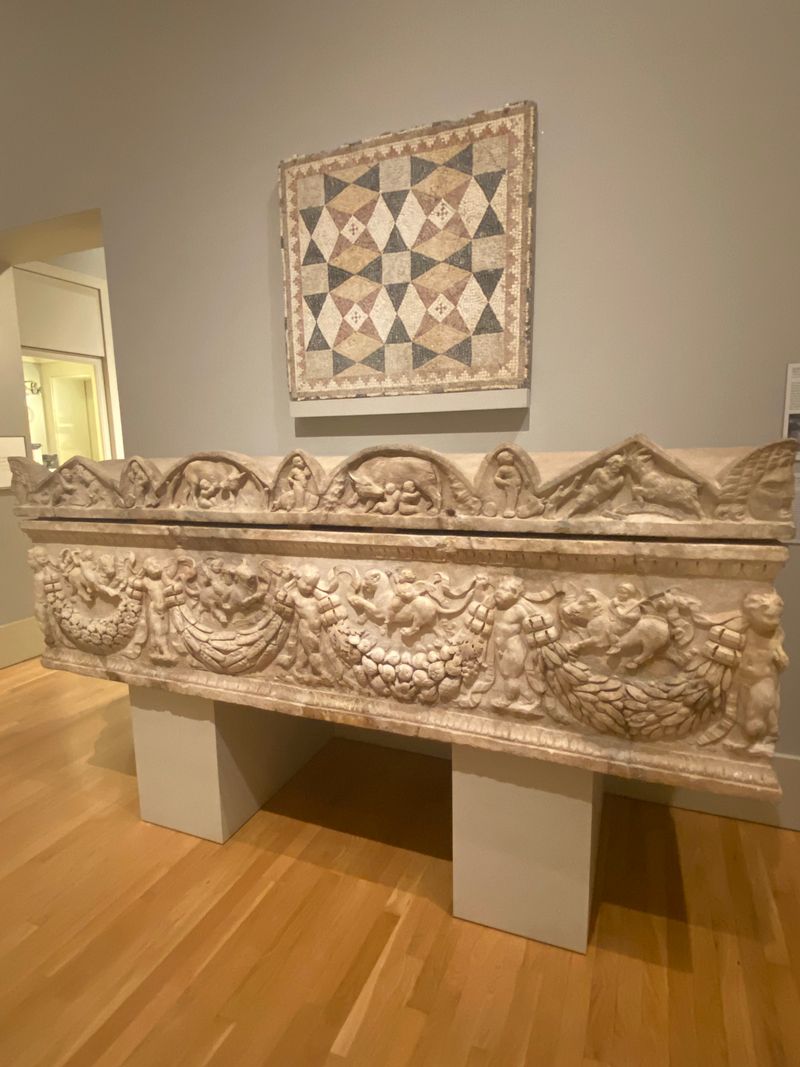
Mesopotamia, often called the cradle of civilization, produced some of humanity’s earliest writing, cities, and complex societies. The Carlos Museum houses fascinating objects from this region, including cuneiform tablets, cylinder seals, and sculptures from ancient Sumerian, Babylonian, and Assyrian cultures. These artifacts date back more than 4,000 years.
Cuneiform tablets are particularly intriguing because they contain actual written records from ancient times. You’re looking at accounting records, legal documents, and literary texts pressed into clay by people who lived millennia ago. Cylinder seals, small carved stones rolled across wet clay to create images and signatures, show remarkable artistic detail despite their tiny size.
The Near Eastern collection connects you to the origins of many aspects of modern civilization. Concepts like written law, organized religion, and urban planning all developed in this region. The museum’s objects provide tangible evidence of these groundbreaking innovations.
You’ll gain appreciation for how much we owe to these ancient cultures that laid foundations for so much that followed in human history.
10. European Art From Medieval To Modern Times
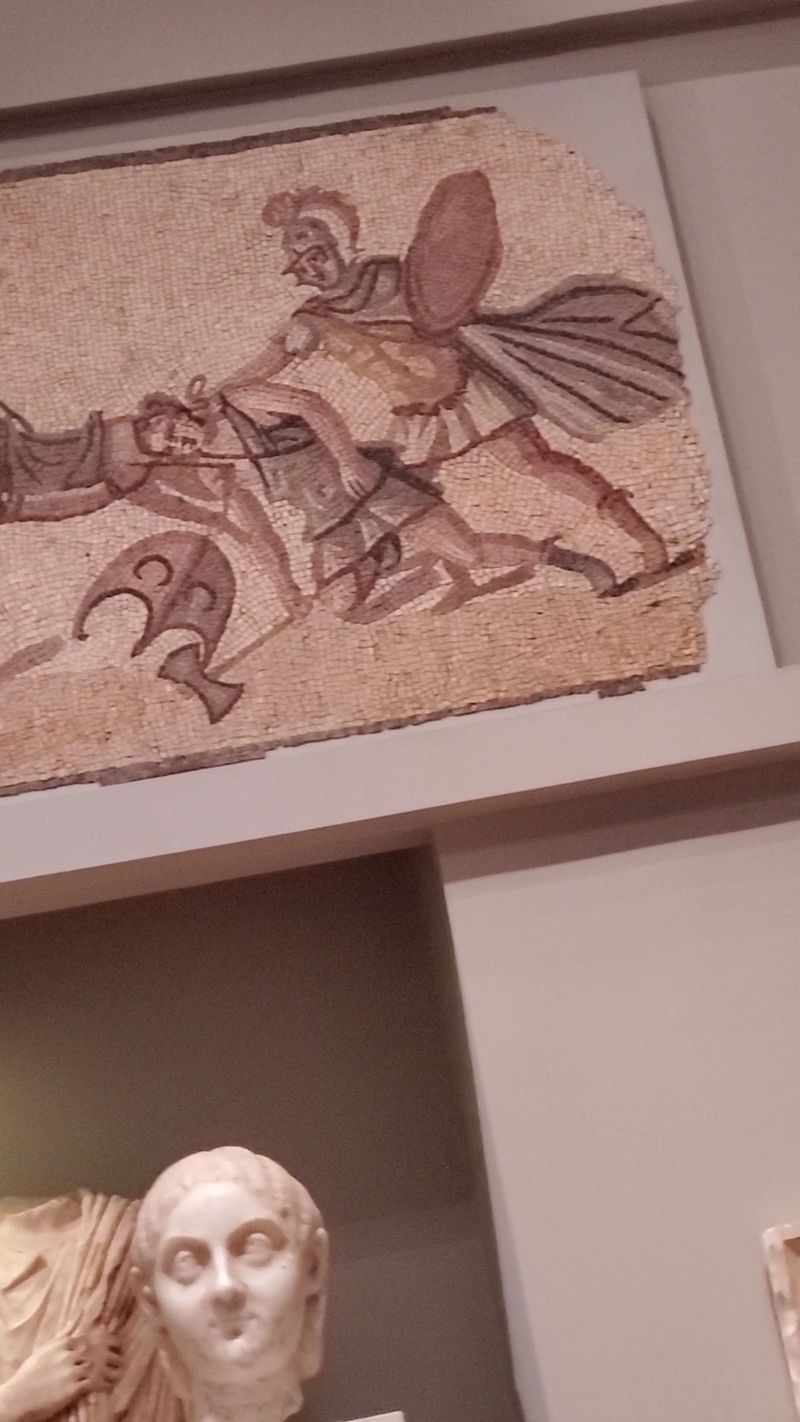
European artistic traditions spanning centuries fill multiple galleries at the museum. You’ll journey through medieval religious art, Renaissance paintings, baroque sculptures, and works from later periods. The collection demonstrates how European art evolved over time, reflecting changing religious beliefs, political systems, and cultural values.
Medieval pieces often feature religious themes with distinctive gold backgrounds and stylized figures. Renaissance works show the period’s renewed interest in classical learning and realistic human representation. Later pieces reflect the dramatic emotional intensity of the baroque period and beyond.
What makes this collection valuable is how it complements the non-Western collections in the museum. Seeing European art alongside African, Asian, and American works encourages you to compare and contrast different artistic approaches. You begin to understand that there’s no single way to create meaningful art.
The European galleries include paintings, sculptures, decorative arts, and works on paper. Together they tell the story of European cultural development while also highlighting universal human concerns that appear across all cultures—love, death, power, faith, and beauty.
11. Asian Art And Cultural Objects
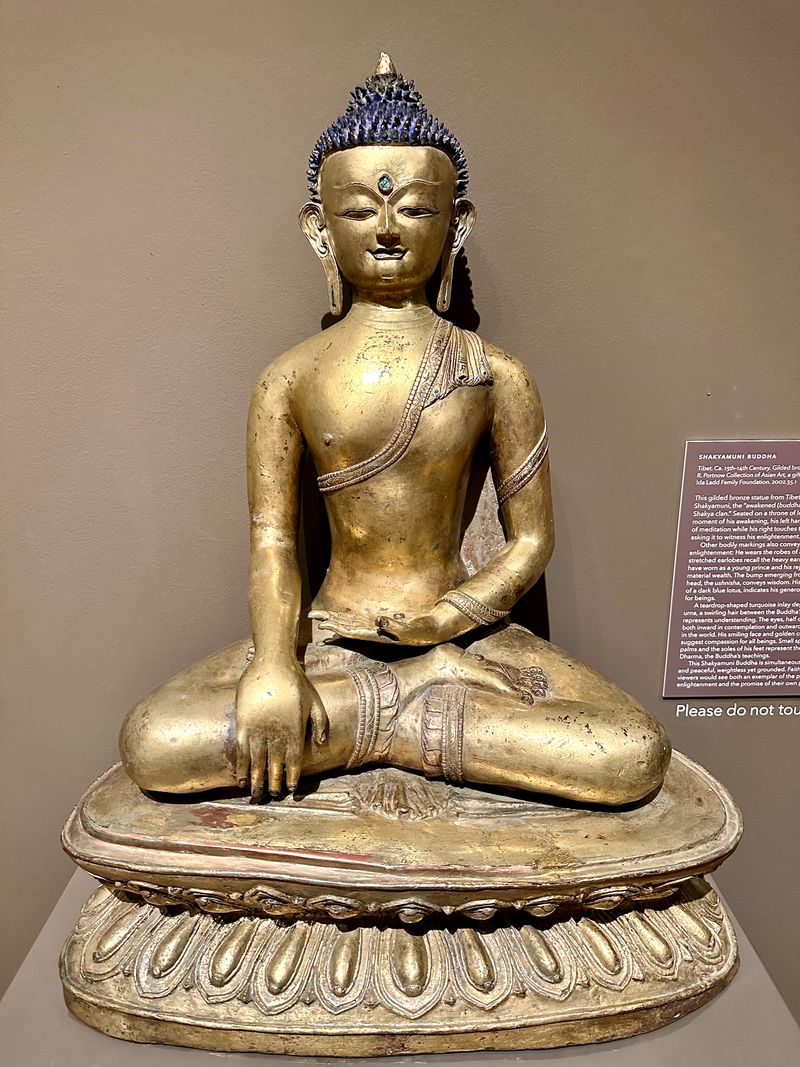
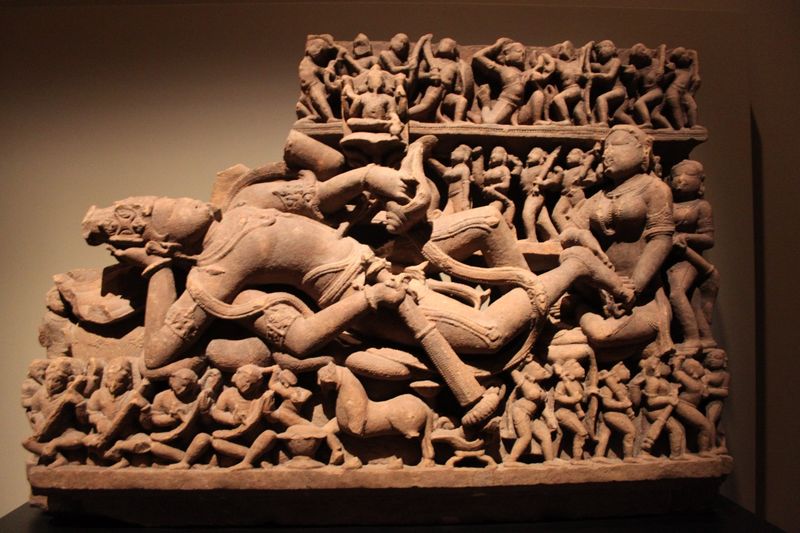
Asia’s diverse artistic traditions receive excellent representation in the museum’s Asian galleries. You’ll encounter objects from China, Japan, India, Southeast Asia, and other regions, spanning thousands of years of history. The collection includes ceramics, paintings, sculptures, textiles, and religious objects that showcase the continent’s rich cultural heritage.
Chinese ceramics particularly impress with their technical perfection and elegant forms. Japanese prints demonstrate sophisticated artistic techniques and aesthetic sensibilities quite different from Western traditions. Buddhist sculptures from various Asian cultures show how religious art adapted to different regional styles while maintaining core iconographic elements.
The Asian collection helps broaden your understanding of human creativity and spiritual expression. You’ll notice how Asian artists often emphasized harmony with nature, spiritual contemplation, and refined craftsmanship. Many objects served both practical and aesthetic purposes, reflecting philosophies that don’t sharply separate art from daily life.
The museum provides context about the cultural values and historical circumstances that shaped these works. Exploring these galleries offers perspectives that challenge Western-centered views of art history and expand your appreciation for global artistic achievement.
12. Special Rotating Exhibitions Throughout The Year
Beyond the permanent collections, the museum regularly hosts special exhibitions that bring fresh perspectives and new objects to explore. These temporary shows might focus on specific artists, themes, time periods, or cultural movements. You’ll find reasons to return multiple times per year as new exhibitions open.
Past special exhibitions have covered topics ranging from contemporary photography to ancient textile techniques. Some shows feature loans from other major museums or private collections, giving you access to objects you might otherwise never see. Others draw from the museum’s own extensive storage, bringing rarely displayed pieces into public view.
Special exhibitions often include innovative display techniques and interactive elements that enhance your engagement with the material. The museum’s curators work hard to create shows that are both scholarly and accessible to general audiences. Exhibition-related programs like gallery talks, workshops, and lectures provide deeper dives into the featured topics.
Checking the museum’s calendar before you visit ensures you won’t miss limited-time exhibitions that align with your interests. These rotating shows keep the museum experience fresh and exciting even for regular visitors.
13. Perfect Location On Emory University Campus
Situated on the beautiful Emory University campus in the Druid Hills neighborhood, the museum benefits from a peaceful, academic setting. You can easily combine your museum visit with a walk around the lovely campus grounds. The address is 571 South Kilgo Circle NE, Atlanta, GA 30322, making it accessible from various parts of the city.
Being on a university campus means you’re surrounded by other cultural and educational resources. The campus itself features attractive architecture, green spaces, and a generally calm atmosphere that contrasts nicely with busier parts of Atlanta. Parking is available, and the museum provides clear directions for finding it on campus.
The university connection also benefits the museum through academic partnerships and resources. Faculty and students contribute to research, exhibitions, and educational programs. You might encounter university classes studying the collections or researchers working on specific projects.
This academic environment ensures the museum maintains high scholarly standards while remaining welcoming to the general public. The location makes the Carlos Museum feel like a peaceful retreat where you can focus on art and history away from urban distractions.
14. Conservation Lab And Behind-The-Scenes Work
Ever wonder how museums keep ancient objects in good condition? The Carlos Museum’s conservation lab does fascinating work to preserve and study the collections. While you can’t always access the lab directly, the museum occasionally offers behind-the-scenes tours and programs that reveal this essential work.
Conservators use scientific techniques to analyze objects, understand how they were made, and determine the best ways to preserve them for future generations. They might use x-rays to see inside mummies, analyze pigments on ancient paintings, or carefully clean centuries of accumulated grime from sculptures. This work requires both scientific knowledge and artistic sensitivity.
The museum sometimes displays information about conservation projects alongside objects in the galleries. You might read about how a particular piece was stabilized or learn what scientists discovered through technical analysis. Understanding conservation work deepens your appreciation for the challenges of maintaining historical collections.
It also highlights how museums function as research institutions, not just display spaces. The conservators’ dedication ensures that these irreplaceable objects survive for your children and grandchildren to experience and study.
15. Peaceful Atmosphere For Contemplation And Learning
Sometimes you need a quiet place to think, learn, and recharge. The Carlos Museum provides exactly that kind of environment. Unlike crowded tourist attractions, this museum maintains a calm, contemplative atmosphere where you can take your time with each object without feeling rushed or overwhelmed by crowds.
The galleries are spacious enough that you rarely feel cramped, even when other visitors are present. Comfortable seating throughout the museum invites you to sit and really look at pieces that capture your attention. The lighting and acoustics create a soothing environment that encourages mindful observation rather than quick snapshots and hurried exits.
Many visitors describe the museum as a peaceful oasis in their busy lives. You can spend an hour or an entire afternoon here, moving at whatever pace feels right. The museum’s atmosphere respects both the objects on display and the visitors who come to see them.
It’s a place where you can disconnect from digital distractions and engage directly with human creativity across cultures and centuries. This quality of peaceful contemplation has become increasingly rare and valuable in our fast-paced world.