This Northern California Town Blends Gold Rush History With Cozy Cafés And Small-Town Charm
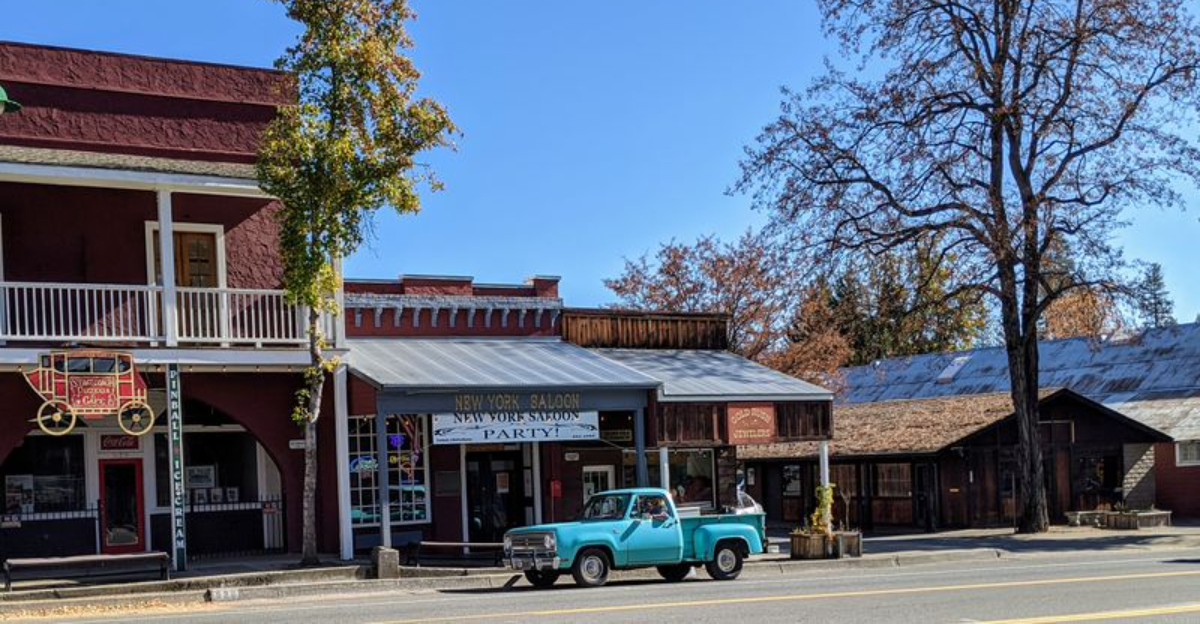
Tucked into the rugged terrain of Trinity County sits a place where brick storefronts and weathered wood shake hands with modern coffee shops and galleries.
Weaverville carries the weight of California Gold Rush stories while offering the kind of unhurried rhythm that draws visitors looking for something quieter than the usual tourist circuit.
Main Street feels like a living museum where actual businesses operate inside buildings that miners once walked past, and the surrounding wilderness provides a backdrop that hasn’t changed much since the 1850s.
Local cafés serve pastries alongside tales of the town’s Chinese heritage, and weekend mornings bring a mix of hikers restocking supplies and history buffs photographing century-old architecture.
The town doesn’t try to recreate the past with theme park flair but instead lets original structures and ongoing traditions speak for themselves, creating an atmosphere that feels both preserved and genuinely lived-in.
1. Gold Rush Beginnings Shaped The Town Layout
Weaverville sprang up in 1850 when prospectors flooded the Trinity River drainage in search of gold.
The town’s grid took shape quickly as miners needed places to sleep, eat, and resupply between long days panning creeks and digging into hillsides.
Buildings went up fast using whatever materials arrived by mule train, and many of those original structures still anchor the downtown blocks today.
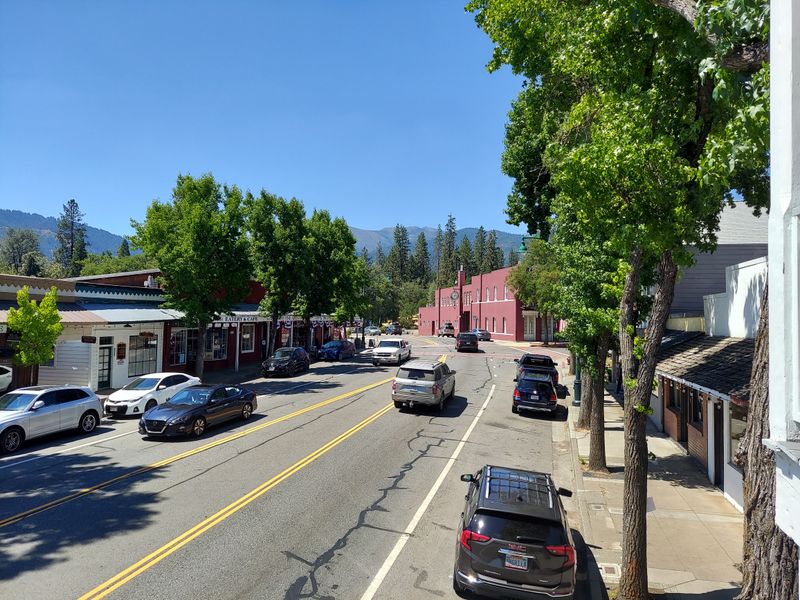
Walking along Main Street now means passing facades that date back more than 170 years. Brick walls show the scars of time, and wooden awnings sag slightly under decades of mountain weather.
Some storefronts have been continuously occupied since the 1800s, transitioning from general stores to modern boutiques without losing their original bones.
The town never became a ghost settlement because it served as the Trinity County seat, giving it steady purpose beyond mining booms and busts.
That administrative role kept businesses open and residents invested even when gold fever cooled.
Today the layout remains compact and walkable, with most historic sites clustered within a few blocks, making it easy to absorb the Gold Rush atmosphere without needing a car or a map.
2. Weaverville Joss House Stands As A Living Temple
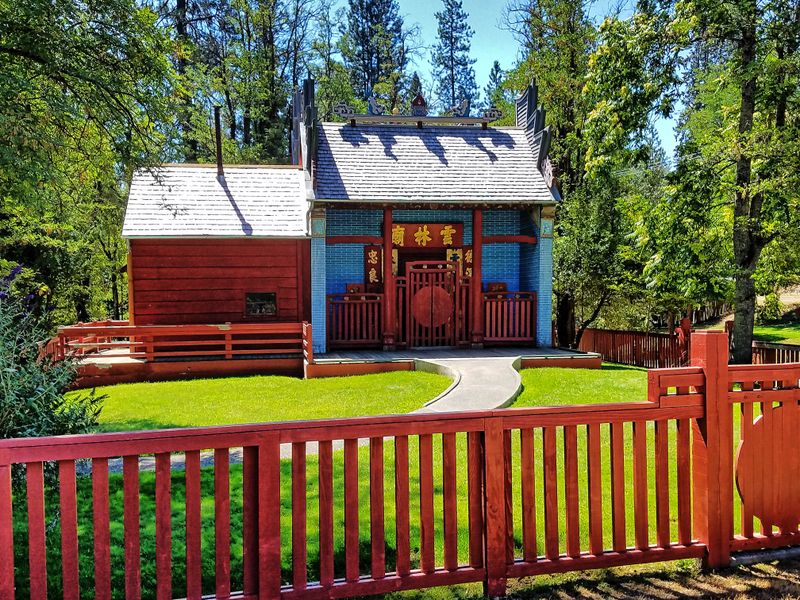
Built in 1874 by Chinese immigrants who came to mine gold, the Weaverville Joss House remains California’s oldest continuously used Chinese temple.
The structure survived fires that destroyed earlier temples on the same site, and its hand-carved altars and ceremonial objects have been carefully maintained through generations.
Visitors can tour the interior and see incense burners, silk banners, and statues that reflect Taoist traditions brought across the Pacific.
The temple sits within Weaverville Joss House State Historic Park at 630 Main Street, Weaverville, CA 96093, and guided tours run on scheduled days to protect the delicate artifacts inside.
The building’s exterior features upturned eaves and vibrant paint that contrasts with the muted tones of neighboring Gold Rush storefronts.
Inside, the air carries the faint scent of old wood and lingering incense, and natural light filters through windows onto worn floorboards.
Chinese miners formed a significant part of Weaverville’s population during the 1850s and 1860s, and the Joss House served as both a spiritual center and a community gathering space.
The temple still hosts occasional ceremonies, making it more than a static museum piece and connecting modern visitors to practices that have continued for nearly 150 years.
3. Jake Jackson Museum Holds Mining Era Artifacts
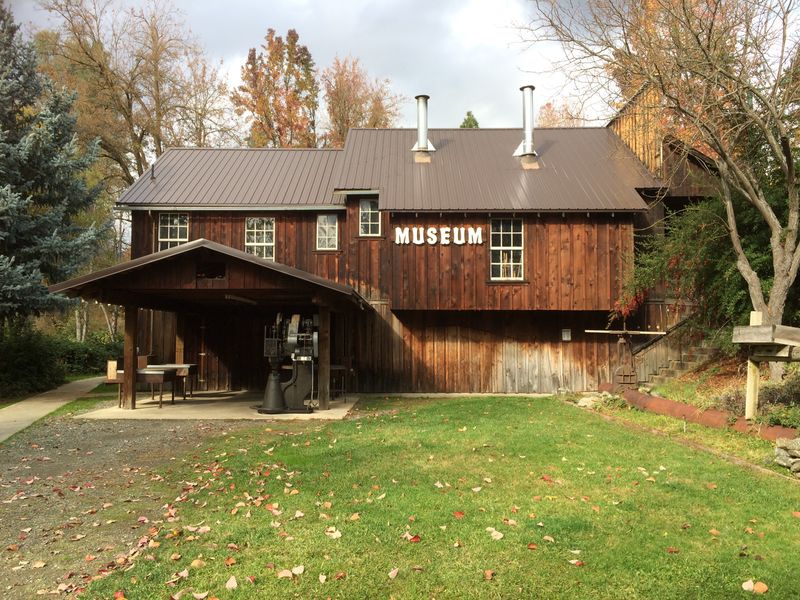
Named after a local blacksmith and collector, the Jake Jackson Museum houses a dense collection of items from Weaverville’s mining days.
Glass cases hold rusted pickaxes, gold pans, scales, and hand-forged tools that show the wear of hard use.
Photographs line the walls, capturing stern-faced miners, Chinese laborers, and early townspeople in front of buildings that still stand a few blocks away.
The museum operates inside a historic structure at 780 Main St, Weaverville, CA 96093 that adds to the sense of stepping back in time. Wooden floors creak underfoot, and the lighting stays dim to protect fragile paper and fabric items.
Volunteers often staff the front desk and can answer questions about specific artifacts or point out lesser-known details in the exhibits.
Beyond mining equipment, the museum displays household items, clothing, and documents that reveal daily life in a frontier town.
Letters, ledgers, and newspapers provide context for the tools and show how commerce, family life, and social structures developed alongside the mining economy.
The collection isn’t vast, but it covers the essentials thoroughly, offering a grounded look at what Gold Rush existence actually involved rather than romanticizing the era with shiny displays or interactive gimmicks.
4. Lewiston Lake Draws Anglers and Paddlers
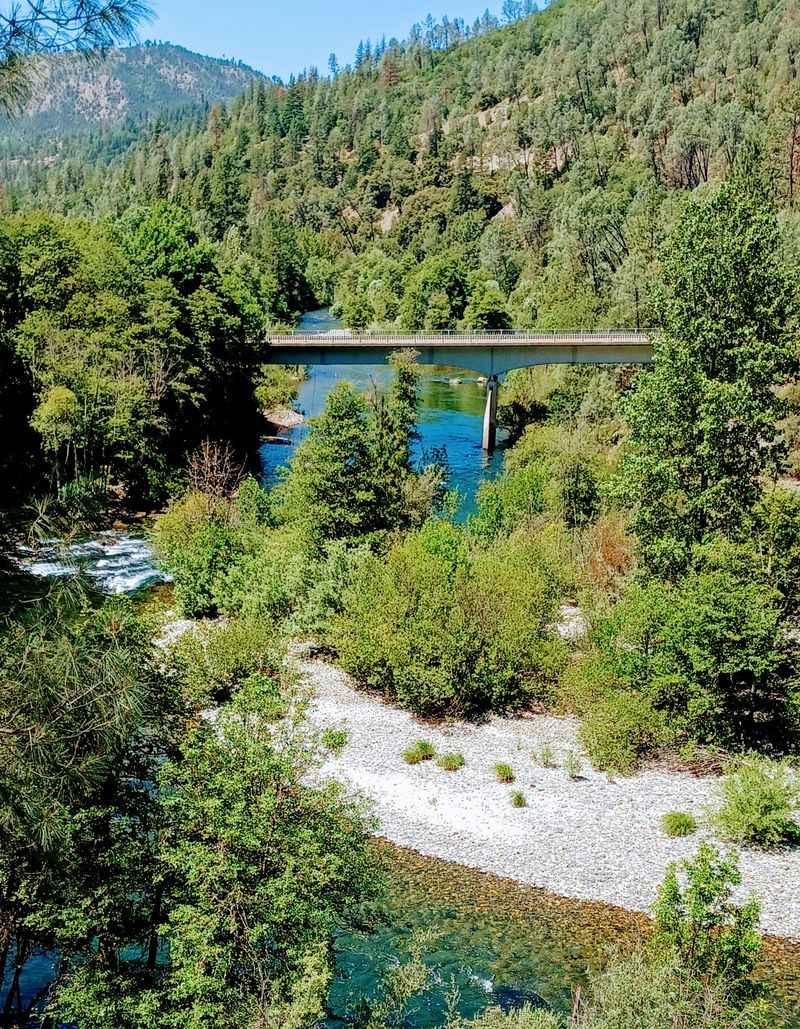
A short drive from Weaverville, Lewiston Lake stretches along a narrow valley and maintains cooler water temperatures than many California reservoirs.
The lake attracts fly fishers chasing trout and families looking for calm water to paddle or float.
Launch points provide access for kayaks, canoes, and small motorized boats, and the shoreline includes spots for picnicking and wading.
Fishing regulations favor catch-and-release practices for certain species, and the lake’s reputation for quality trout fishing brings anglers from around the region.
Mornings tend to be quieter, with mist rising off the water and fewer boats jostling for space.
Afternoons see more activity, especially on weekends, but the lake’s length helps disperse crowds and leaves plenty of room for solitude.
Campgrounds line sections of the shoreline, offering sites that range from developed areas with restrooms and picnic tables to more primitive spots tucked into the trees.
Summer temperatures make the lake a popular escape from valley heat, and the surrounding forest provides shade and hiking options beyond the water.
Lewiston Lake doesn’t have the dramatic scenery of alpine lakes in the Trinity Alps, but it offers easier access and a more relaxed pace for those who prefer lakeside recreation over backcountry treks.
5. Trinity Alps Wilderness Offers Rugged Backcountry Access
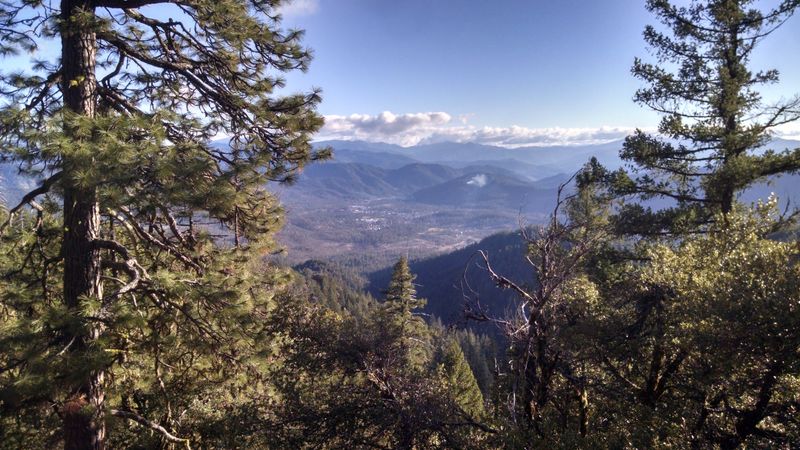
Weaverville sits at the edge of the Trinity Alps Wilderness, a sprawling expanse of peaks, lakes, and forests that stretches across more than half a million acres.
The wilderness area provides access to trails ranging from gentle day hikes to multi-day backpacking routes that climb into high alpine zones.
Trailheads lie within a short drive of town, making it easy to transition from historic Main Street to remote backcountry in less than an hour.
Granite peaks rise sharply above tree-lined valleys, and dozens of glacial lakes dot the higher elevations.
Trails pass through stands of Douglas fir and ponderosa pine before breaking into open meadows and rocky ridges.
Summer brings wildflowers and clear skies, while fall turns the vegetation gold and rust. Winter snowpack closes many routes, but lower trails remain accessible for those equipped for cold weather hiking.
The wilderness designation means no motorized vehicles or permanent structures, so the landscape stays wild and undeveloped.
Permits may be required for overnight trips, and visitors should prepare for variable weather and limited cell service.
The proximity to Weaverville makes the town a natural base for exploring the Trinity Alps, offering lodging, supplies, and hot meals before or after time spent in the mountains.
6. Historic Main Street Mixes Commerce And Preservation
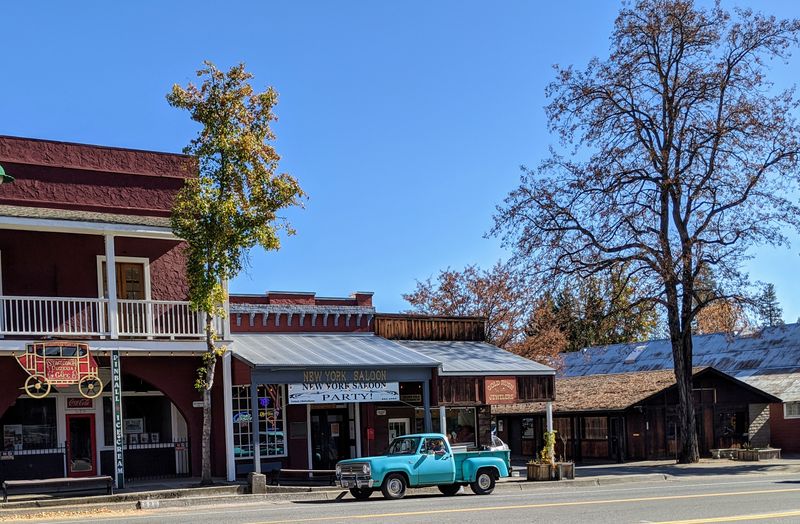
Main Street runs through the heart of Weaverville and functions as both a commercial strip and an open-air history lesson.
Buildings from the 1850s and 1860s house working businesses, so visitors browse antiques, try on handmade jewelry, or order lunch inside spaces where miners once bought supplies.
The street has avoided chain stores, keeping the independent vibe that makes it feel distinct from typical California downtowns.
Brick facades alternate with wooden structures, and many storefronts retain original details like hand-painted signs or cast-iron hardware.
Sidewalks are narrow in places, and parking slots angle in front of shops, creating a rhythm that slows foot traffic and encourages window shopping.
Awnings provide shade on hot afternoons, and benches scattered along the blocks invite people to sit and watch the unhurried pace.
Art galleries occupy several storefronts, displaying work by local painters, sculptors, and craftspeople.
Cafés serve espresso drinks and baked goods, and some have outdoor seating where patrons can sip coffee while taking in the historic architecture.
The street doesn’t feel staged or overly curated; businesses change hands, new shops open, and the mix evolves while the physical structures remain anchored in their 19th-century origins.
7. Local Art Scene Fills Galleries And Performance Spaces
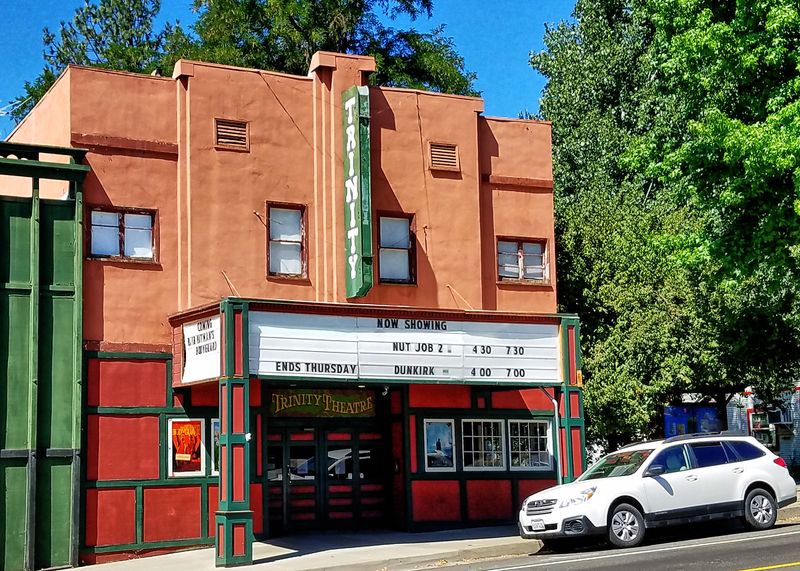
Weaverville supports a surprisingly active arts community for a town of its size.
Galleries display paintings, photography, ceramics, and metalwork by regional artists, and many pieces draw inspiration from the surrounding landscape and the town’s history.
Some galleries rotate exhibits regularly, while others maintain steady collections that visitors can browse year-round.
A performing arts center hosts live music, theater productions, and community events throughout the year. The venue seats a modest audience and books a mix of local performers and touring acts that fit its intimate scale.
Acoustics favor folk, bluegrass, and acoustic sets, and shows often sell out when well-known regional artists come through.
Coffeehouses and cafés double as informal gallery spaces, with walls hung with local art available for purchase.
Open mic nights and poetry readings pop up periodically, giving the town a creative energy that contrasts with its frontier architecture.
The art scene doesn’t dominate Weaverville’s identity, but it adds a layer of cultural engagement that enriches the experience of visiting and gives the town a more rounded character than a purely historic or outdoor recreation focus would provide.
8. Annual Festivals Celebrate Heritage And Community
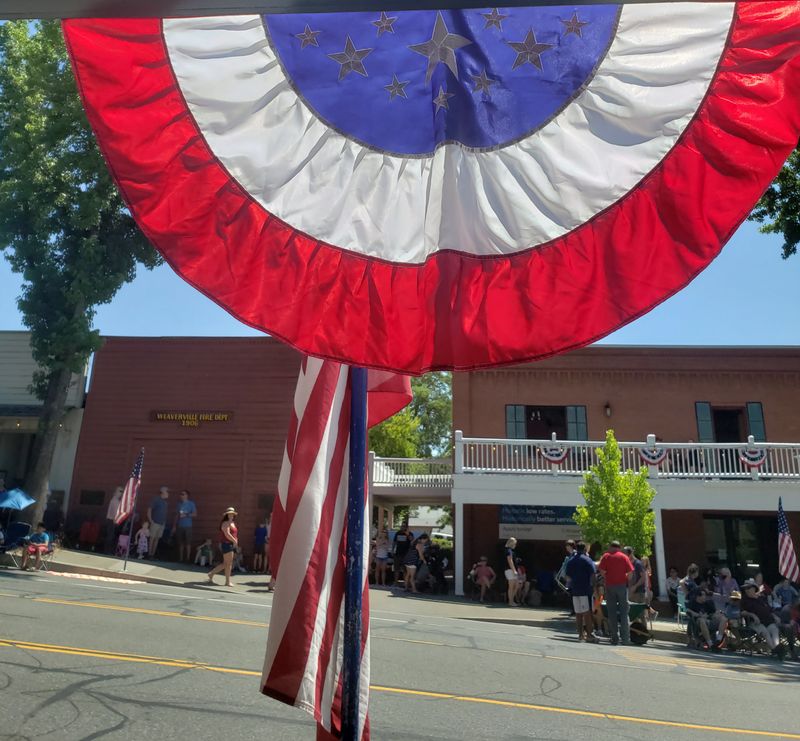
Weaverville hosts several annual festivals that draw residents and visitors together. The Fall Festival typically includes craft vendors, live music, food booths, and activities for children, filling Main Street with crowds and energy.
Mountain Magic Christmas transforms the town during the holiday season, with lights strung between historic buildings, carolers, and special events that play up the town’s cozy winter atmosphere.
These festivals lean into Weaverville’s small-town identity without trying to manufacture a theme park version of history.
Vendors sell handmade goods, local food, and regional products rather than mass-produced souvenirs.
Live music tends toward folk, country, and acoustic styles, and performers are often local or from nearby towns, reinforcing the community-centered feel.
Timing a visit to coincide with a festival adds a social dimension to exploring Weaverville’s historic sites and natural surroundings.
Streets close to vehicle traffic, and people stroll between booths, stopping to chat with neighbors or sample food.
The festivals don’t overwhelm the town’s usual pace, but they offer a glimpse of how Weaverville’s residents engage with their heritage and maintain traditions that connect past and present without feeling forced or overly commercialized.
9. Trinity County Courthouse Anchors The Historic District
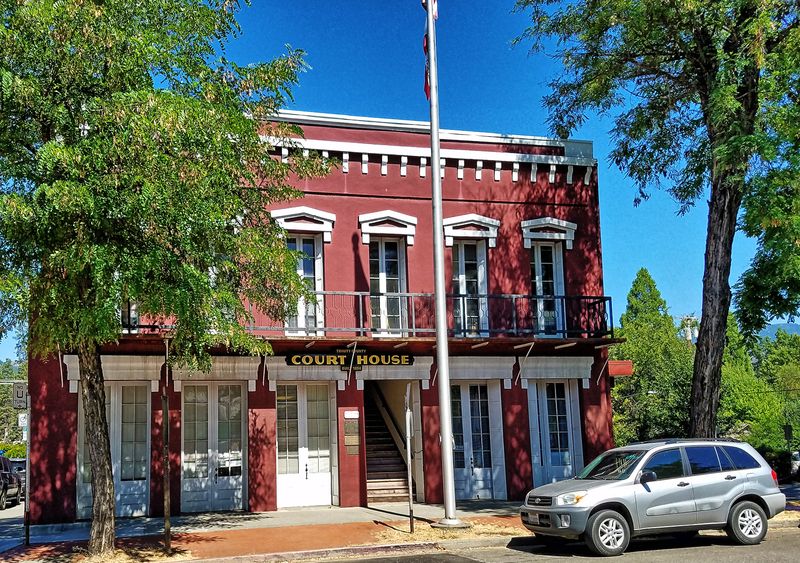
Built in 1856, the Trinity County Courthouse stands as the second oldest courthouse in California still in use.
The building occupies a prominent spot in Weaverville’s Historic District and serves as a visual anchor for the downtown area.
Its brick construction and simple design reflect the practical needs of a frontier county seat, and the structure has been maintained and updated over the decades while preserving its original character.
The courthouse at 11 Court Street, Weaverville, CA 96093, continues to function as a working judicial building, so access to the interior may be limited to official business or scheduled tours.
The exterior, however, can be viewed anytime, and the surrounding grounds provide a sense of the civic importance the building held when Weaverville was a much smaller settlement.
Trees shade the front lawn, and a few benches offer spots to sit and take in the architecture. The courthouse’s longevity speaks to Weaverville’s role as a stable administrative center in a region that saw many boom-and-bust cycles.
While mining towns around it faded, Weaverville persisted partly because it housed county government and the legal infrastructure that came with it.
Today the building serves as a tangible link to that continuity, representing both the town’s Gold Rush origins and its ongoing function as a county hub.
10. Cozy Cafés Provide Comfort And Conversation
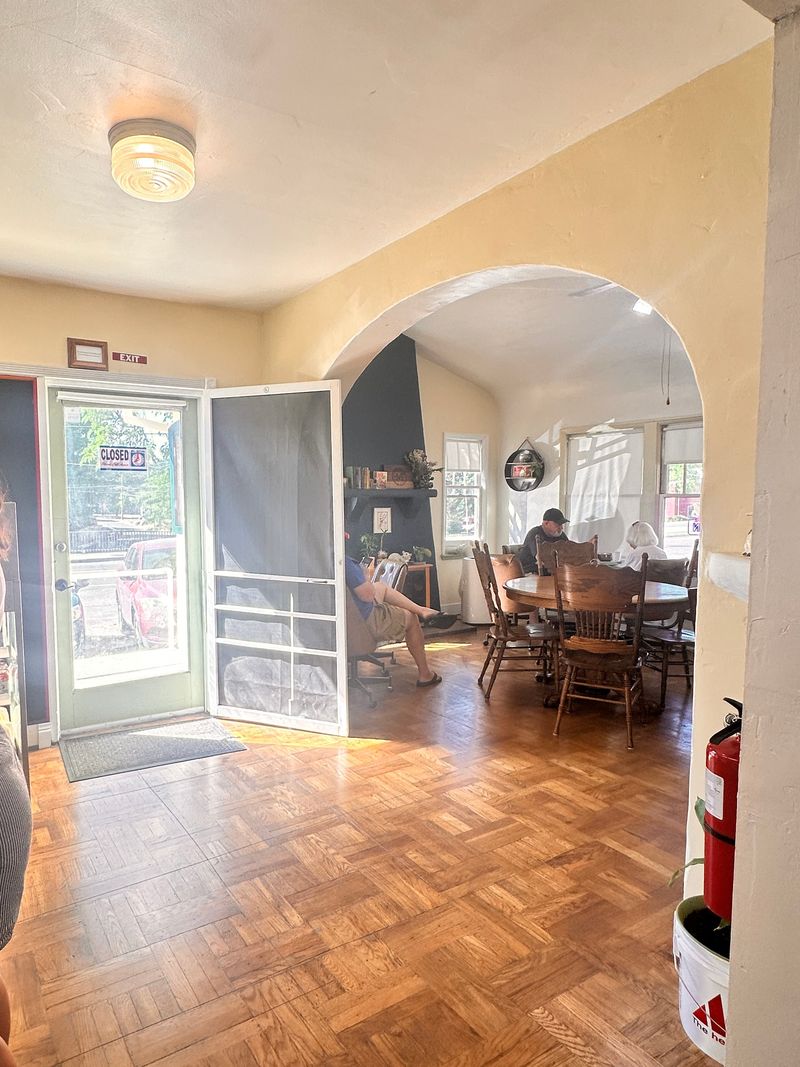
Weaverville’s cafés offer more than just coffee and pastries; they function as gathering spots where locals catch up and visitors get a feel for the town’s rhythm.
Interiors tend toward wood tables, mismatched chairs, and walls decorated with local art or historical photos.
Service is friendly without being intrusive, and the pace stays relaxed even during busier morning hours.
Menus typically include espresso drinks, drip coffee, tea, and a selection of baked goods made in-house or sourced from nearby bakeries.
Some cafés serve light lunch options like sandwiches, soups, or salads, and outdoor seating appears when weather allows.
The atmosphere encourages lingering, with comfortable seating and free Wi-Fi drawing people who want to read, work, or simply sit and watch Main Street through the windows.
These cafés don’t chase trends or try to replicate big-city coffee culture. Instead, they provide a straightforward, welcoming environment that fits the town’s overall character.
Morning visits might mean sharing a table with a hiker planning a day in the Trinity Alps or a local artist sketching in a notebook.
The cafés bridge the gap between Weaverville’s historic identity and its present-day function as a small town where people live, work, and gather over simple pleasures like good coffee and conversation.