This 20-Acre Bay Area Antiques Market In California Is A Treasure Hunter’s Dream By The Water
It only happens once a month. And if you know, you know.
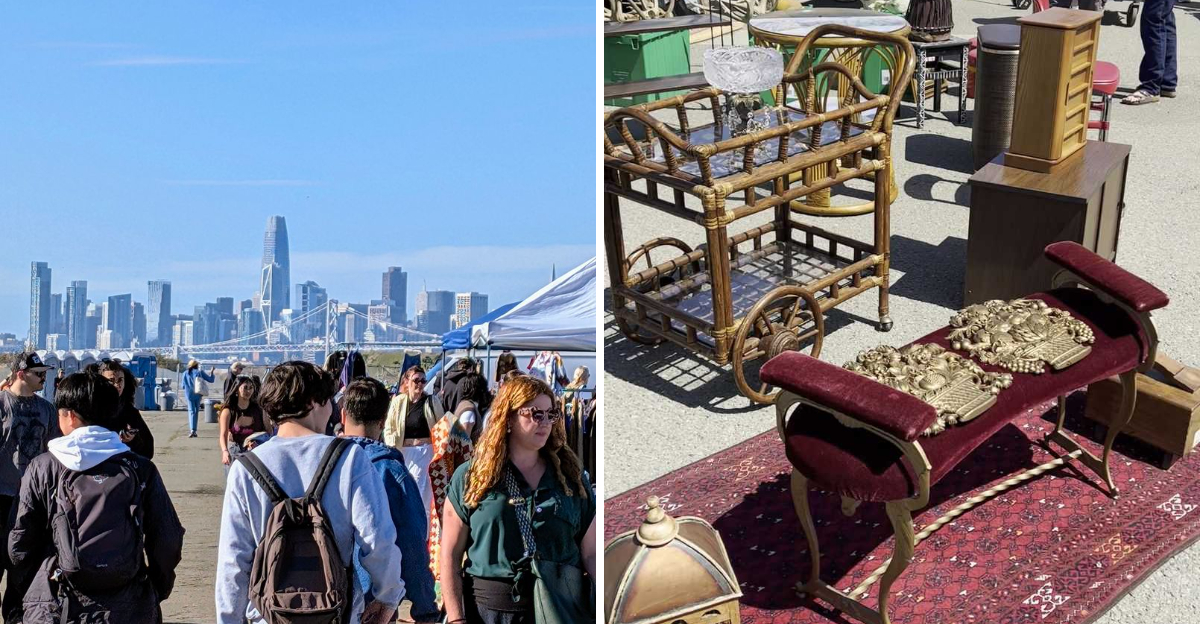
Before the sun is fully up, vendors are already setting up along the waterfront. Then the gates open – and suddenly it’s rows of antique mirrors, worn leather chairs, delicate teacups, old records, and furniture that’s lived a hundred lives.
Alameda Point Antiques Faire isn’t just a flea market. It feels like a giant, open-air time machine. Twenty acres of stories. Of “I can’t believe I found this.” Of pieces you didn’t know you needed until you saw them.
You wander without a plan. That’s the magic. One booth pulls you in with mid-century lamps. The next has stacks of vintage denim. Then there’s a perfectly imperfect art deco ring sitting quietly in a glass case, waiting for someone to notice.
The bay breeze moves through the aisles. The skyline glows in the distance. Everything feels unhurried.
A Sunday morning in California can turn into hours of treasure hunting by the bay, and you leave feeling like you just uncovered a little piece of magic.
And somehow, you always do.
1. Northern California’s Largest Monthly Antiques Show
Claiming the title of the largest antiques show in Northern California comes with serious credentials.
The Alameda Point Antiques Faire hosts hundreds of vendors each month, creating a sprawling marketplace that covers 20 acres of open space near the water. The sheer size of this event sets it apart from typical flea markets or small antique shops.
Visitors often spend entire mornings or afternoons wandering through the endless rows of booths, discovering new treasures around every corner.
The variety available matches the scale, with dealers bringing inventory from across the country and sometimes beyond. Planning enough time becomes essential when visiting such an expansive market.
Many experienced shoppers arrive early and pace themselves, taking breaks to rest and review their finds before continuing the hunt.
The layout allows for systematic browsing, though spontaneous discoveries often happen when least expected. This massive scale creates opportunities for both seasoned collectors and casual browsers.
Serious antique hunters appreciate the depth of inventory available, while newcomers enjoy the educational aspect of seeing so many historical items in one place.
The monthly schedule gives regulars something to anticipate while allowing first-time visitors to experience the magic without waiting too long.
2. Prime Waterfront Location At Alameda Point
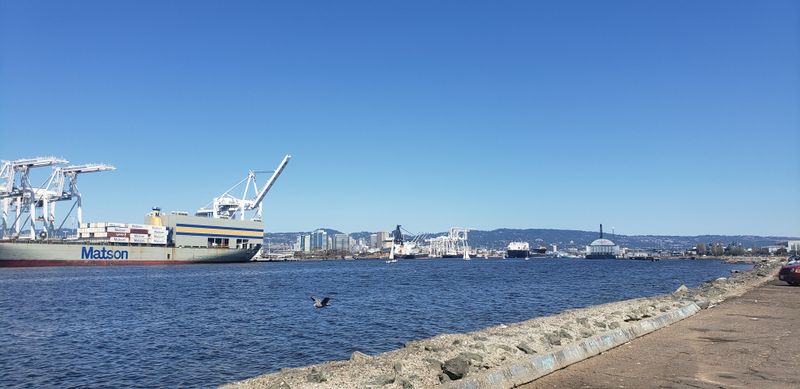
Geography plays a starring role in what makes this market memorable. Located at 3900 Main Street, Alameda, CA 94501, the faire occupies a waterfront site that offers scenic bay views while shoppers hunt for treasures.
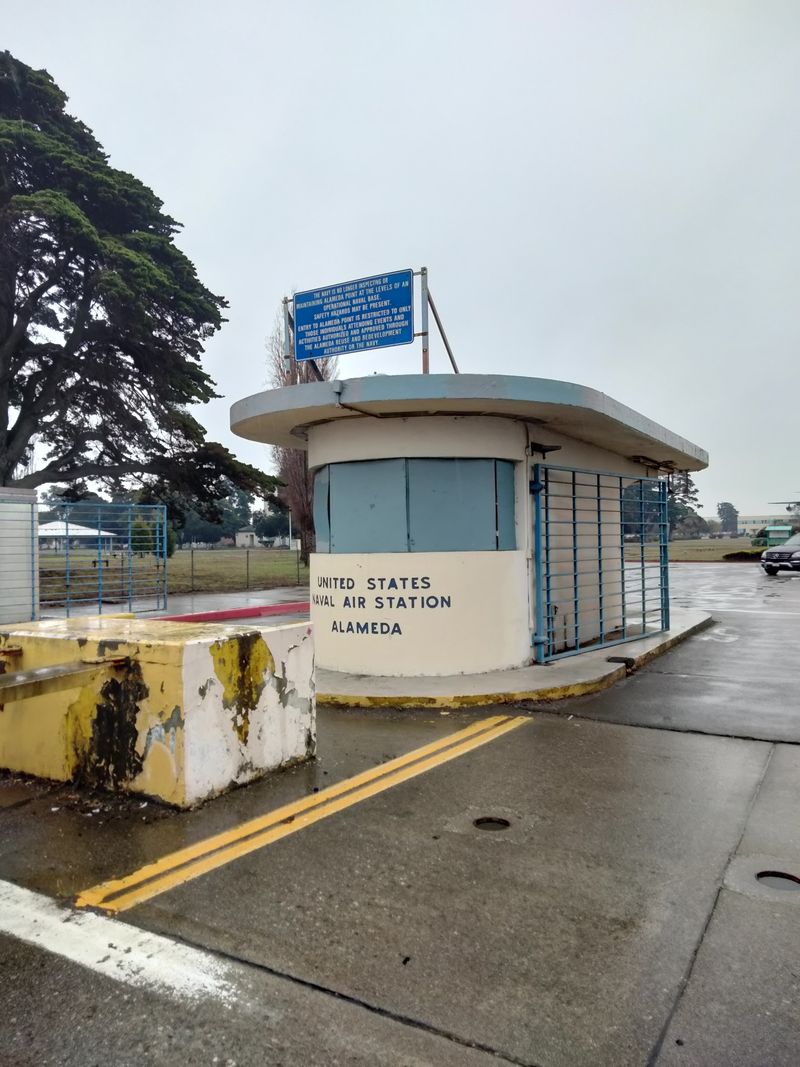
The location sits on what was once a naval air station, adding layers of history to the already history-rich event.
Fresh bay breezes provide natural ventilation through the outdoor market, making warm days more comfortable for extended browsing sessions.
The proximity to water creates a relaxed atmosphere that distinguishes this faire from indoor antique malls or landlocked markets.
Seagulls occasionally drift overhead, and the distant sound of boats adds to the coastal ambiance. Alameda itself sits as an island city in the San Francisco Bay, connected to Oakland by bridges and tunnels.
This island setting gives the entire event a slightly removed feeling, as if visitors have traveled somewhere special rather than just driving to another shopping destination.
The waterfront views provide natural breaks from intense treasure hunting, offering moments to pause and appreciate the surroundings. Accessibility from major Bay Area cities makes the location convenient despite its distinctive setting.
The combination of easy access and special atmosphere creates an ideal environment for a monthly tradition that feels like a mini getaway.
3. Tiered Admission System For Every Budget
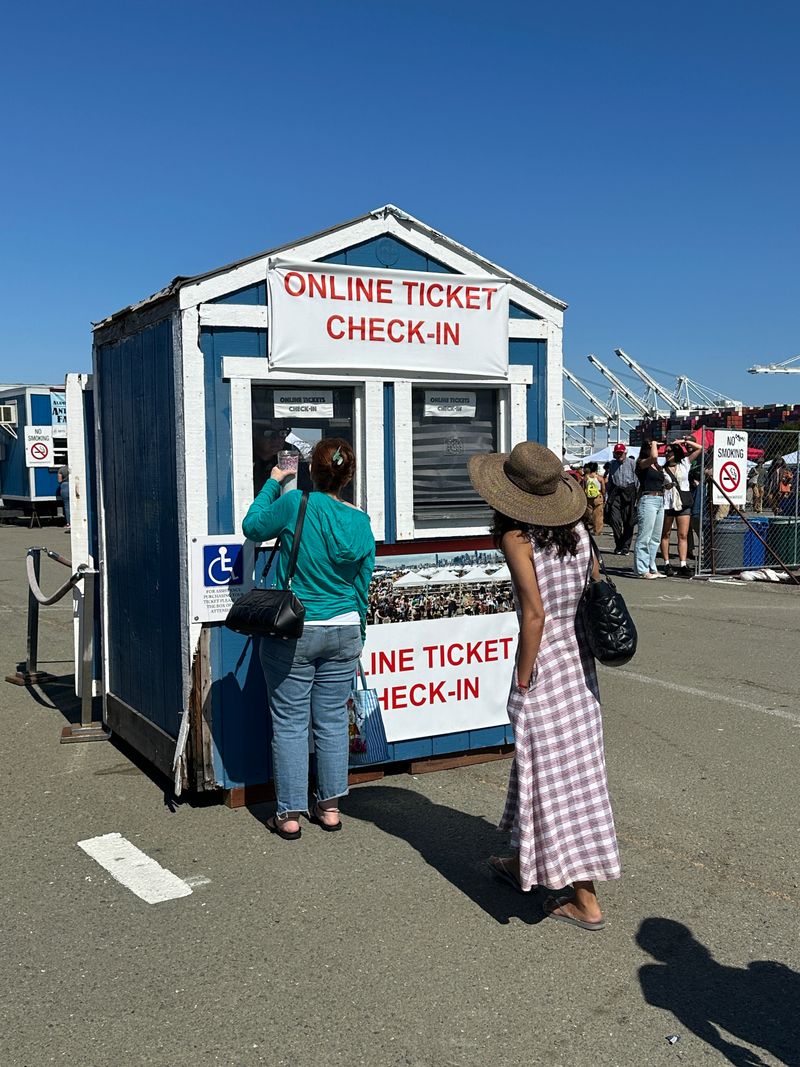
Smart pricing structure accommodates different shopping styles and budgets. VIP shopping begins at 6:00 am for $20, giving serious collectors first access to freshly unpacked inventory.
Early Buy admission runs from 7:30 am to 9:00 am for $15, still offering excellent selection before crowds arrive.
Morning admission between 9:00 am and noon costs $10, representing the sweet spot for many visitors who want good selection without premium pricing.
Afternoon entry from noon to 3:00 pm drops to just $5, perfect for casual browsers or those on tight budgets.
Children under 12 enter free when accompanied by a parent, making family visits affordable. This tiered system creates a natural flow throughout the day. Early birds pay more for first pick, while patient shoppers save money by arriving later.
Vendors appreciate the steady stream of customers rather than one overwhelming rush, and different admission times attract different types of buyers.
Tickets for the two early admission slots can be purchased online, offering convenience for those who plan ahead.
All other admission times operate on a cash-only basis at the box office on faire day. This mixed approach balances modern convenience with traditional market operations.
The pricing structure reflects real value, with admission fees remaining modest compared to similar events in other regions.
4. Free Parking And Convenient Shuttle Service
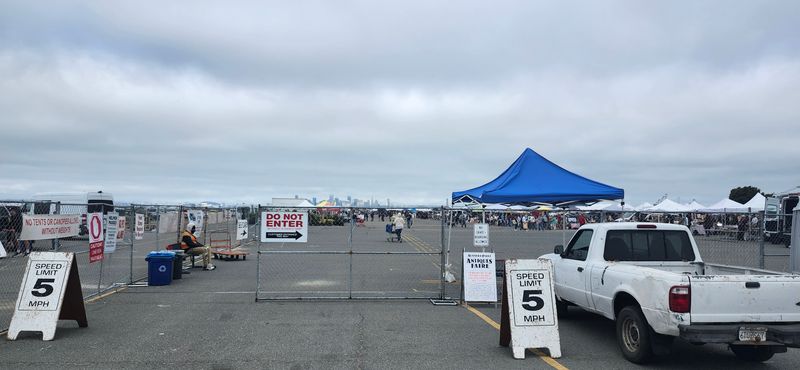
Parking concerns vanish at this well-organized event. Free on-site parking removes a common frustration associated with Bay Area events, where parking fees often rival admission costs.
Ample space accommodates the crowds that arrive throughout the day, with attendants helping direct traffic during peak morning hours.
A complimentary shuttle operates between 8:30 am and 3:30 pm, transporting visitors from the parking area to the faire entrance.
This service proves especially valuable as the day warms up or when shoppers accumulate heavy purchases.
The shuttle makes occasional stops at the Main Street Ferry Terminal, accommodating those who arrive by boat.
Walking from the parking lot remains an option for those who prefer it, though many appreciate the shuttle after spending hours on their feet browsing vendor booths.
The shuttle drivers often share insider tips about the faire or point out particularly interesting vendors, adding a personal touch to the transportation service.
Return trips become even more appreciated when carrying furniture, framed artwork, or boxes of smaller treasures.
The shuttle staff may assist with loading larger items, making the entire experience smoother. This thoughtful logistics planning demonstrates the organizers’ understanding of their visitors’ needs.
Free parking combined with shuttle service eliminates two common barriers to attending large events, making the faire accessible to everyone.
5. Incredible Variety Of Vintage And Antique Items
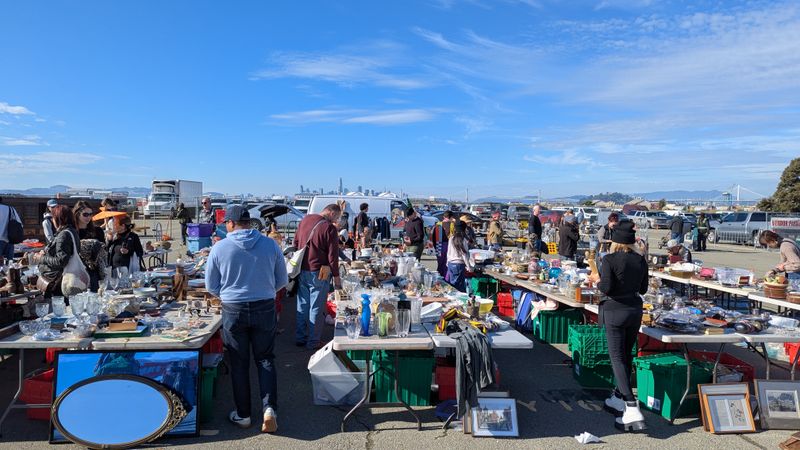
Inventory diversity reaches remarkable levels at this monthly gathering. Furniture from different eras fills multiple booths, ranging from Victorian settees to mid-century modern chairs.
Vintage clothing hangs on portable racks, showcasing fashions from the 1920s through the 1980s, with some pieces still bearing their original tags.
Jewelry cases sparkle with estate pieces, costume jewelry, and genuine antique adornments crafted from precious metals and stones. Art collectors browse paintings, prints, and photographs representing various styles and periods.
Pottery enthusiasts examine everything from delicate porcelain to sturdy stoneware, including pieces from renowned makers and obscure local potteries.
Book lovers discover first editions, vintage paperbacks, and illustrated volumes covering every imaginable subject.
Collectors of specific items often find exactly what they seek, whether antique tools, vintage toys, old advertising signs, or retro kitchen implements.
The breadth of categories means every visitor encounters something unexpected. Dealers bring specialized knowledge along with their merchandise, often sharing the provenance and history of significant pieces.
This educational aspect adds value beyond the purchase itself, helping buyers understand what makes certain items valuable or historically significant.
The mix of high-end antiques and affordable vintage finds ensures something fits every budget. New inventory arrives each month as vendors refresh their offerings, making repeat visits worthwhile.
6. Pet-Free Environment Within Wildlife Sanctuary
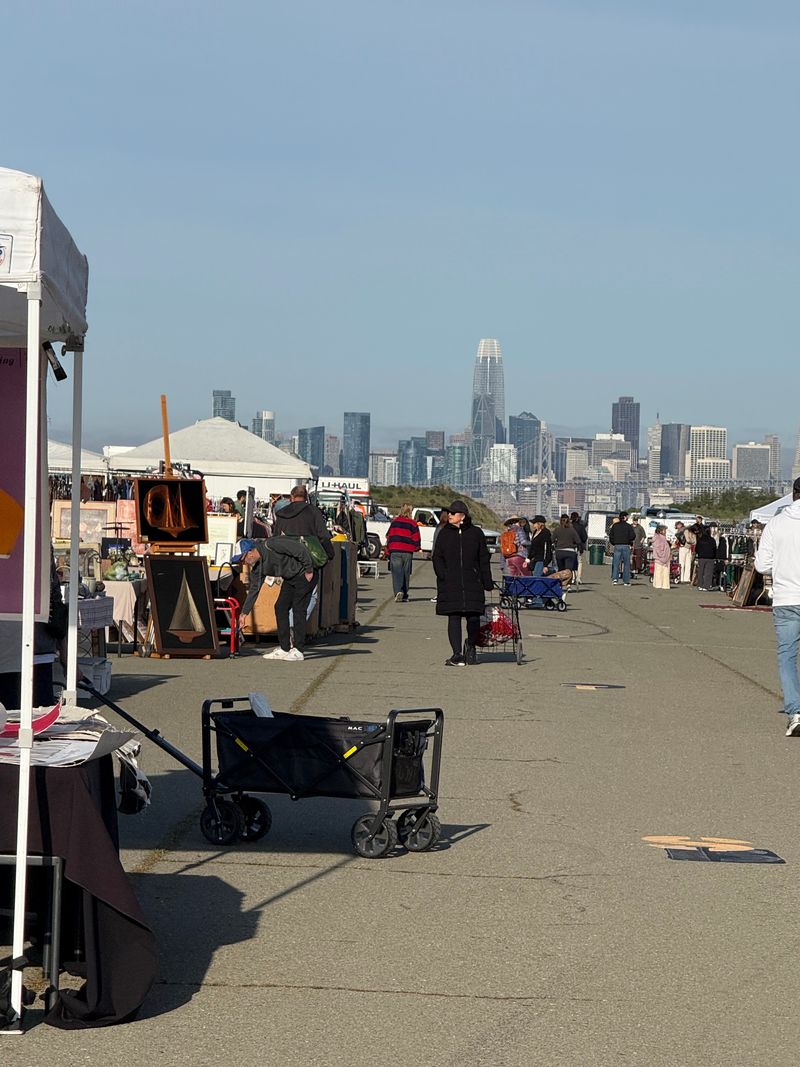
Environmental considerations shape the rules at this unique venue. The faire operates within a designated wildlife sanctuary, creating an unusual retail environment that respects natural habitats.
This protected status means pets cannot accompany their owners to the event, a policy that surprises some first-time visitors.
Service dogs receive exemption from this restriction, ensuring accessibility for visitors who require assistance animals.
The sanctuary designation reflects the ecological significance of the Alameda Point area, which provides habitat for various bird species and other wildlife.
Organizers take this responsibility seriously, balancing commercial activity with environmental stewardship.
The absence of pets actually benefits the shopping experience in several ways. Crowded aisles between vendor booths remain easier to navigate without managing animals in tight spaces.
Delicate merchandise displayed at ground level faces less risk of accidental damage.
Visitors with allergies or concerns about animals can browse comfortably. The wildlife sanctuary setting adds an educational dimension to the event.
Between purchases, observant visitors might spot native birds or notice native plants that thrive in the protected area.
This connection to the natural environment creates a more holistic experience than typical commercial venues offer.
Understanding the reasoning behind the pet policy helps visitors appreciate the broader environmental context of their treasure hunting adventure.
7. Monthly Schedule On First Sunday
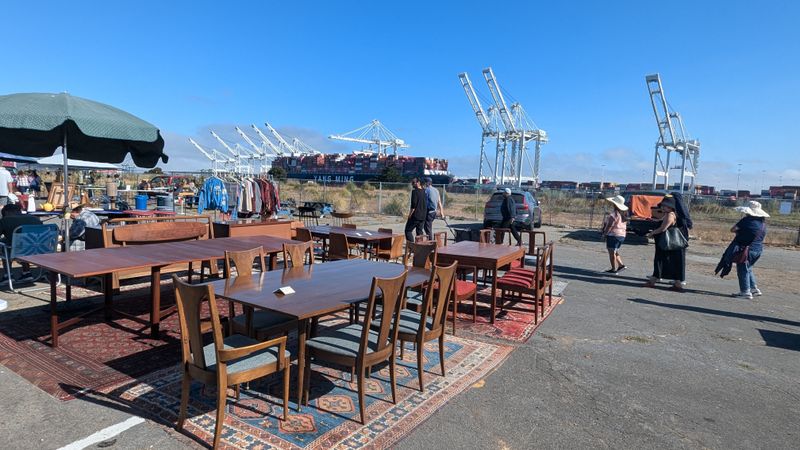
Consistency defines the faire’s calendar. Every first Sunday of the month brings the same reliable opportunity to hunt for treasures, creating a rhythm that regulars build into their routines.
This predictable schedule allows collectors to plan around the event, knowing exactly when new inventory will arrive. The monthly frequency strikes an ideal balance.
Weekly events might overwhelm vendors trying to constantly refresh inventory, while quarterly gatherings would leave too much time between opportunities.
Monthly scheduling gives dealers time to acquire interesting pieces while maintaining momentum and regular customer contact. Seasonal variations add different flavors to each visit.
Spring faires enjoy mild weather and blooming surroundings, summer events stretch into longer daylight hours, fall brings comfortable temperatures, and winter markets offer a unique experience with fewer crowds.
Each month presents distinct advantages depending on personal preferences. The next scheduled faire falls on March 1, 2026, giving prospective visitors a specific date to mark.
This advance notice helps with travel planning for those coming from outside the immediate Bay Area.
Regular attendees often mark all twelve dates at the beginning of each year, treating the monthly faire as an anticipated ritual.
Reliable scheduling eliminates the frustration of uncertain or irregular events, allowing the faire to become a dependable part of the Bay Area’s cultural calendar.
8. Cash-Only Box Office For Walk-Up Admission
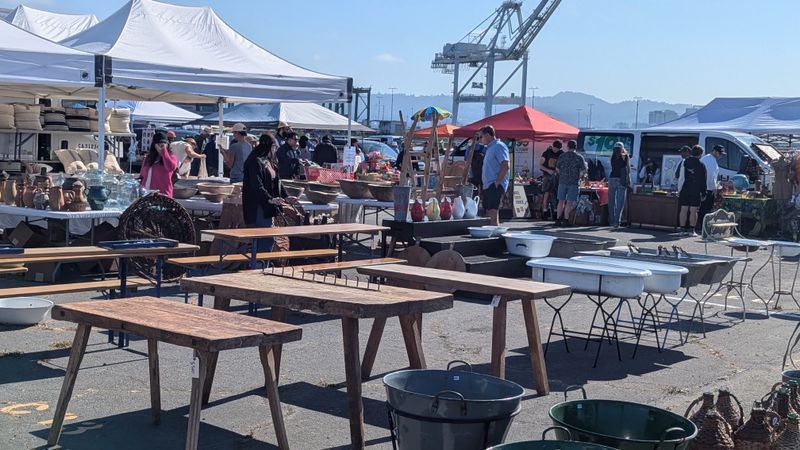
Old-school payment methods survive at this vintage-focused event. While early admission tickets can be purchased online, the box office operates strictly on cash for walk-up purchases on faire day.
This policy encourages visitors to come prepared with bills rather than relying solely on cards. The cash requirement actually speeds up the entry process during busy periods.
No card readers malfunction, no wireless connectivity issues delay transactions, and no signatures or PIN entries slow the line.
Attendants make change quickly, keeping the flow of visitors steady even during peak arrival times. Several ATMs typically operate on-site for those who forget to bring cash, though lines may form during busy periods.
Many vendors throughout the faire also prefer or require cash payments, making a stop at the ATM worthwhile for serious shoppers.
Some dealers offer card payment options, but cash often provides leverage for negotiating better prices. This traditional payment approach fits the overall vintage atmosphere of the event.
Just as the merchandise represents earlier eras, the cash-based system recalls a time before digital transactions dominated commerce.
The simplicity eliminates certain modern frustrations while adding a touch of nostalgia to the experience.
Bringing adequate cash becomes part of the preparation ritual, along with comfortable shoes and reusable shopping bags.
9. Strategic Shopping Tips For Maximum Success
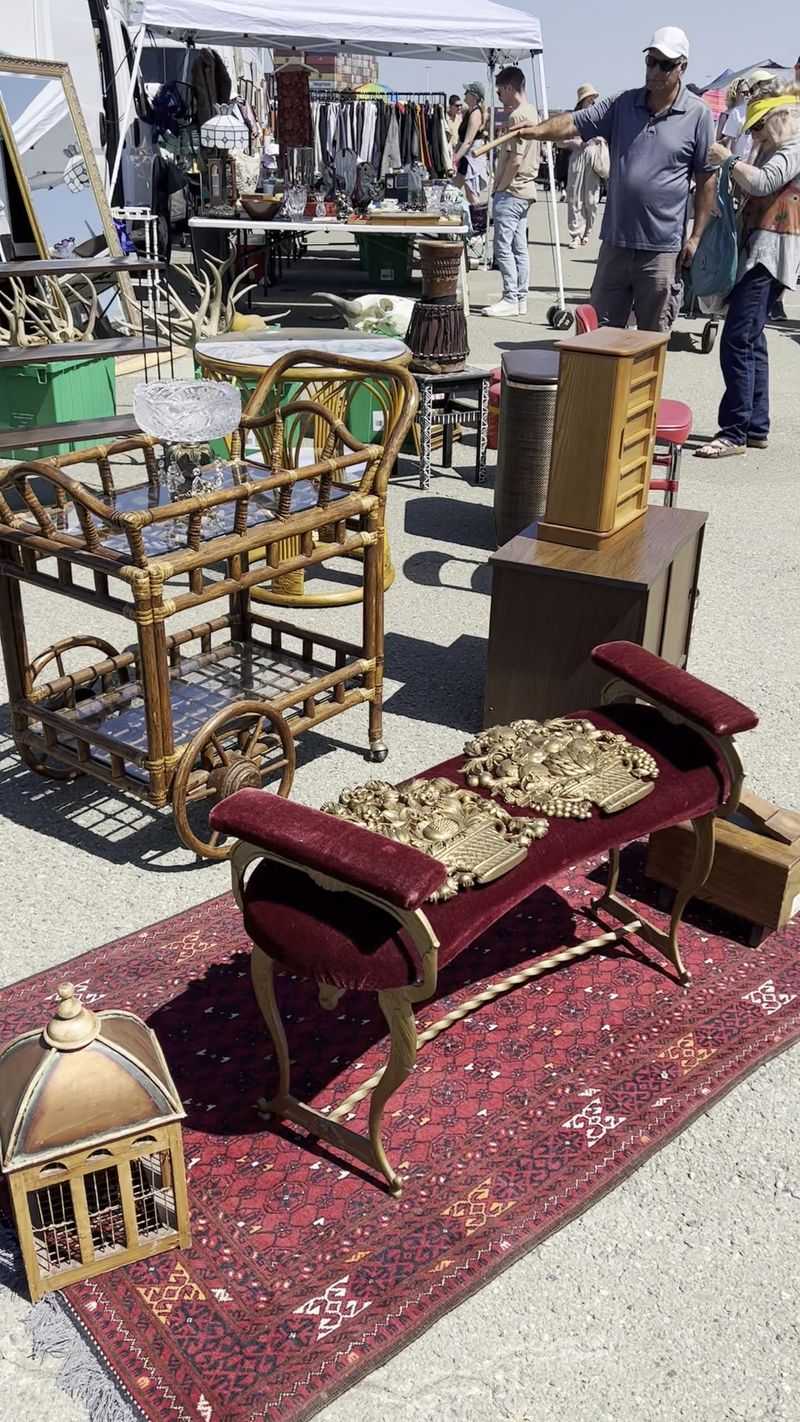
Experienced treasure hunters develop strategies that maximize their chances of finding exceptional pieces.
Arriving during early admission slots costs more but offers first access to newly unpacked inventory before other shoppers claim the best items.
Dealers often save their most impressive pieces for these early hours, knowing serious collectors will pay premium admission fees.
Wearing comfortable shoes ranks as essential advice, given the acres of ground to cover and hours spent standing while examining merchandise.
Bringing a wheeled cart or sturdy shopping bags helps transport purchases, though the shuttle service assists with larger items.
Sunscreen and hats provide protection during warmer months, while layers work better during cooler weather.
Successful shoppers often make a quick initial pass through the entire market, noting items of interest before committing to purchases. This survey approach prevents missing something perfect while lingering too long at early booths.
Taking photos of items helps with later comparison and decision-making, though asking vendor permission shows courtesy.
Negotiation happens at most booths, especially later in the day when dealers prefer selling items rather than packing them back up.
Building rapport with vendors through genuine interest and knowledge often leads to better prices than aggressive haggling.
Return visits create relationships that result in vendors watching for specific items regular customers seek.
10. Community Gathering And Social Experience
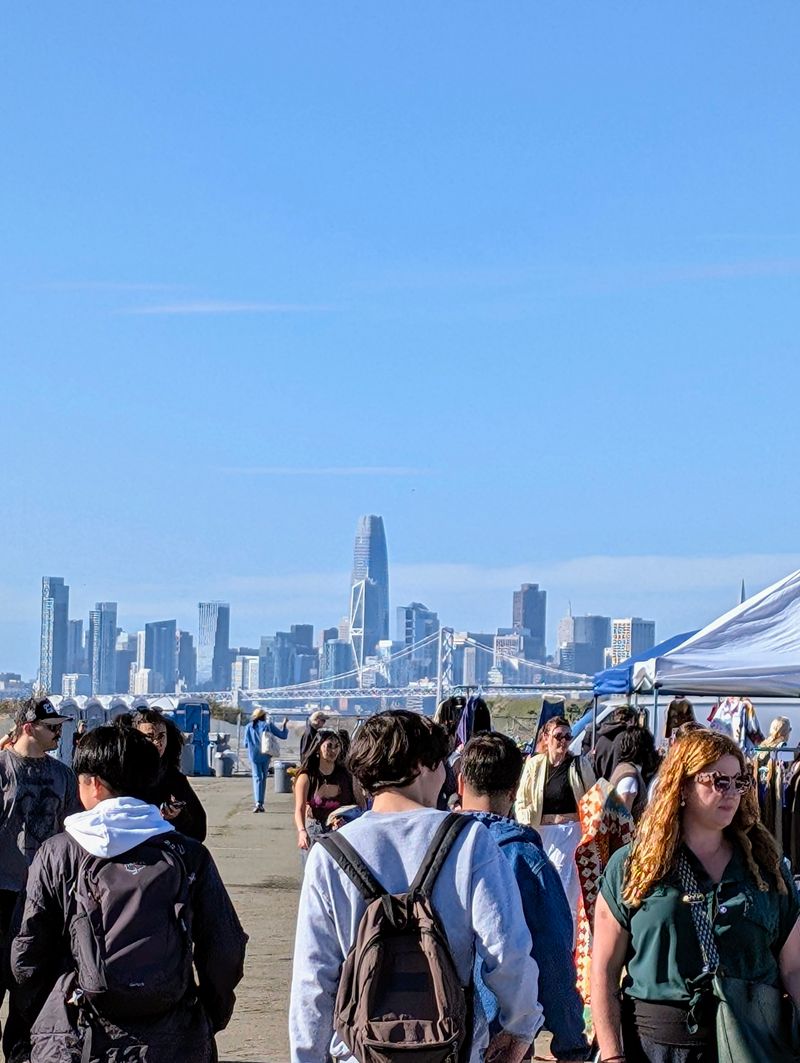
Beyond commerce, the faire functions as a social institution. Regular attendees recognize fellow collectors month after month, exchanging greetings and comparing recent finds.
Vendors develop relationships with customers who share their passion for specific types of antiques, creating a community bound by appreciation for history and craftsmanship.
Families make the faire part of their monthly traditions, with children learning to appreciate vintage items and developing their own collecting interests.
Couples browse together, debating the merits of potential purchases and imagining how pieces might fit into their homes.
Solo visitors strike up conversations with strangers over shared admiration for a particular item or era.
The outdoor setting encourages lingering and socializing in ways indoor malls cannot match. People pause to rest on vintage furniture, discussing their finds with nearby shoppers.
Vendors share stories about their most interesting acquisitions or the history behind particular pieces, creating informal educational moments.
Food vendors provide refreshments that turn shopping into a leisurely social outing. This community aspect transforms a simple shopping trip into something more meaningful.
The shared experience of treasure hunting creates bonds between people who might never interact otherwise.
Month after month, the faire weaves itself into the social fabric of the Bay Area, becoming more than a market and evolving into a gathering place for those who value history, quality, and the thrill of discovery.