This Spring Cherry Blossom Festival In California Is So Surreal, You’ll Think You’re In A Dream
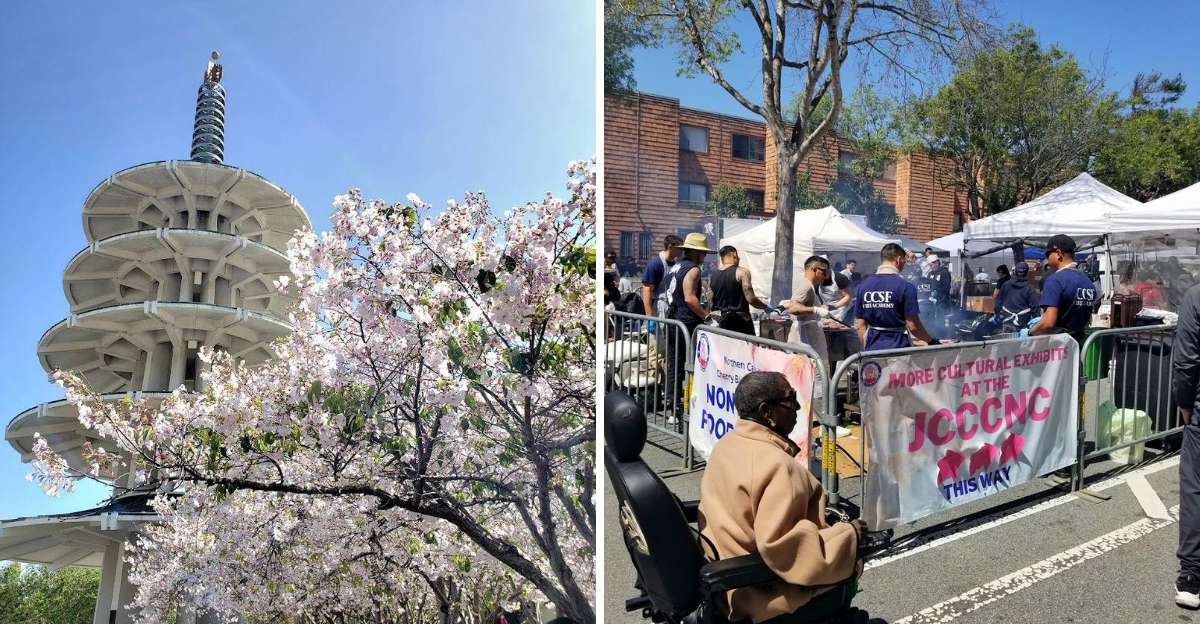
Pink drifts through the air like confetti.
City blocks soften under clouds of blossoms. Petals gather along sidewalks. Cameras lift. Conversations quiet for a second. The moment feels fleeting and unforgettable at the same time.
The Northern California Cherry Blossom Festival transforms San Francisco’s Japantown into one of the most breathtaking spring scenes in California.
Thousands of cherry trees bloom in delicate shades of pink and white, framing streets alive with taiko drums, traditional dance, and the scent of fresh Japanese cuisine. The neighborhood turns into a celebration of heritage and color all at once.
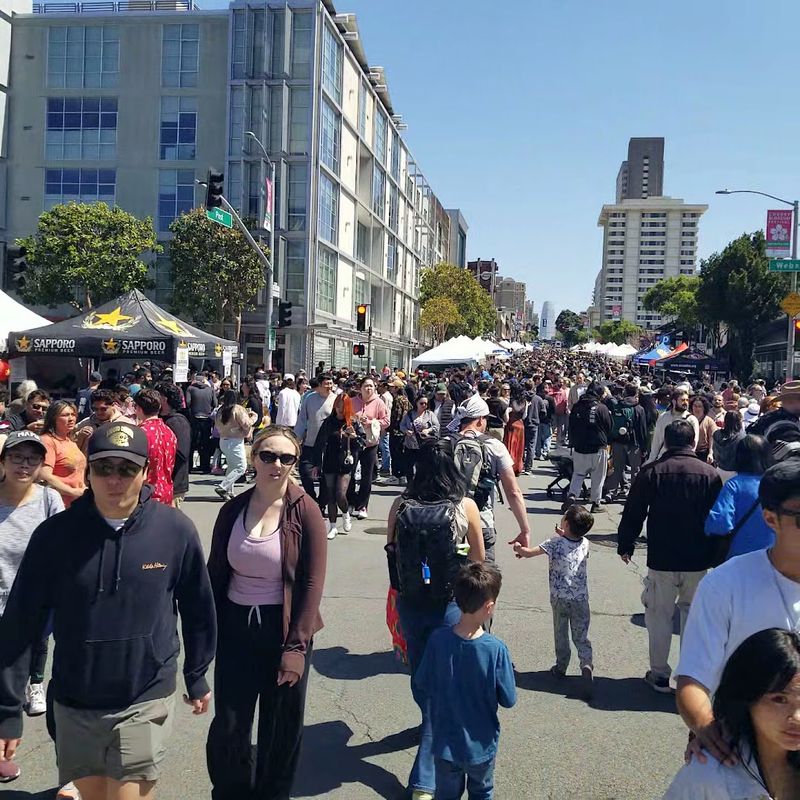
Crowds move slowly beneath the blossoms. Families pause for photos. Performers take the stage in bright kimono. The Grand Parade winds through the district with music and movement that carries for blocks.
Few California spring events feel this immersive, this joyful, this alive.
The petals fall quickly, but the memory of walking through them lingers long after the trees return to green.
1. The Grand Parade Brings Traditions To Life
The Grand Parade stands as the festival’s most anticipated event, scheduled for Sunday afternoon on the final day of celebration.
Floats decorated with silk flowers and traditional symbols roll down Post Street while taiko drummers create rhythmic thunder that reverberates through the neighborhood.
Dancers in elaborate kimonos perform choreographed movements that have been passed down through generations.
Spectators line the sidewalks hours before the parade begins, claiming prime viewing spots along the route. Children sit on parents’ shoulders to get a better view of the performers passing by.
The parade typically runs from 1:00 PM to 3:00 PM, giving attendees plenty of time to experience the full spectacle.
Martial arts groups demonstrate their skills while moving in formation down the street. Musicians playing traditional instruments add layers of sound to the drumming.
Community organizations and cultural groups spend months preparing their parade entries. Each float tells a story about Japanese heritage or celebrates a specific aspect of the culture. The parade creates a moving timeline of tradition and pride.
2. Taiko Drumming Creates Thunderous Energy
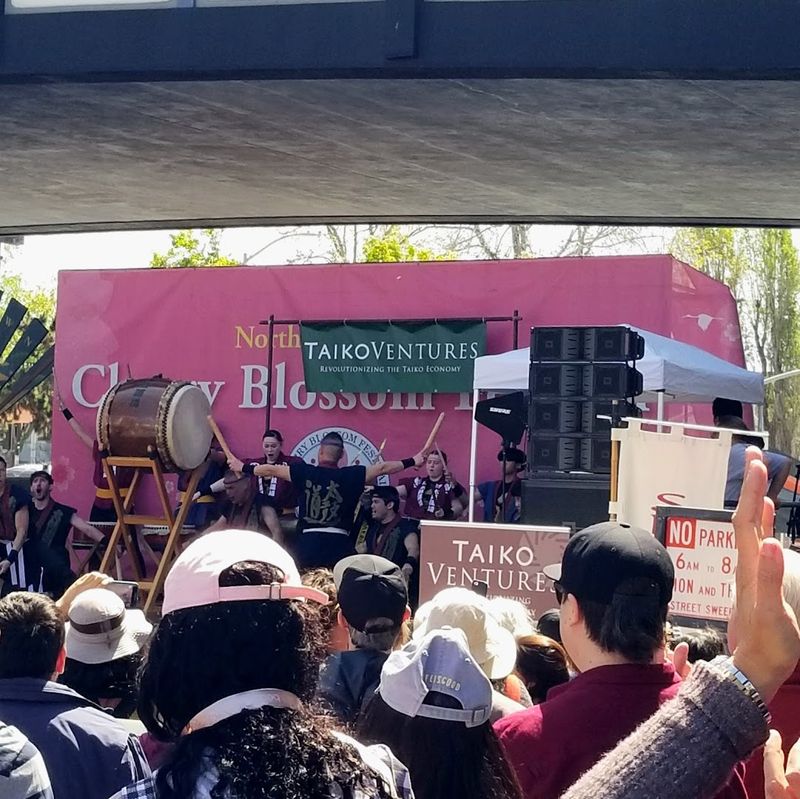
Taiko performances throughout the festival showcase the power and precision of traditional Japanese drumming.
Performers strike massive drums with wooden bachi sticks, creating sounds that can be felt in the chest from dozens of feet away.
The drummers move in synchronized patterns, combining athletic movement with musical skill. Multiple taiko groups perform on stages set up along Post Street throughout both festival weekends. Each group brings its own style and repertoire to the event.
Some performances feature solos on smaller drums, while others involve entire ensembles working together on pieces that require perfect timing.
The physical demands of taiko drumming become obvious as performers work through their sets. Sweat glistens on faces as drummers maintain intense rhythms for extended periods.
The combination of sound, movement, and visual spectacle captivates audiences of all ages. Children often mimic the drummers’ movements from the crowd, inspired by the powerful performances.
The drumming serves as a heartbeat for the entire festival, audible from blocks away.
Between performances, drummers often interact with festival-goers, answering questions about their instruments and training.
3. Traditional Dance Performances Honor Heritage
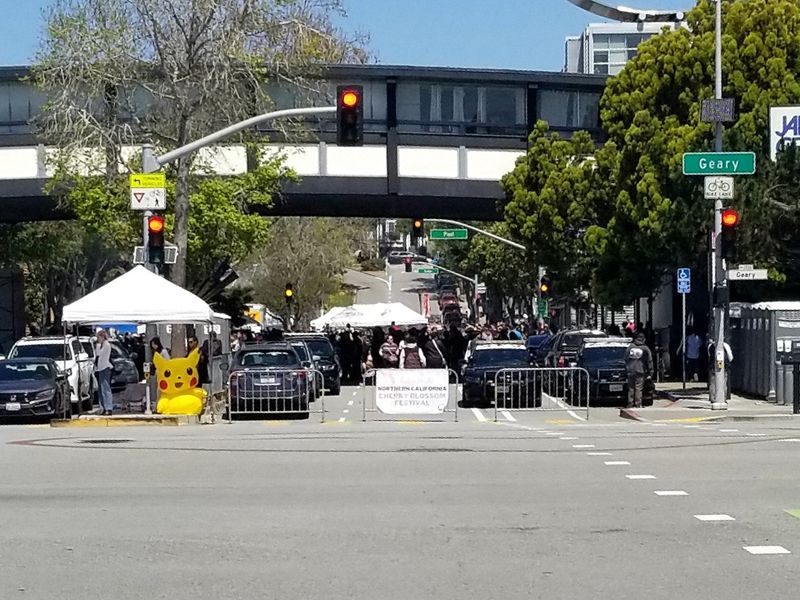
Dance performances throughout the festival showcase styles ranging from classical Nihon Buyo to more contemporary interpretations of traditional forms.
Dancers in elaborate kimonos move with deliberate grace, each gesture carrying specific meaning.
The costumes themselves represent significant investments of time and craftsmanship, with some kimonos featuring hand-painted designs.
Multiple performance stages host different dance troupes throughout both weekends, allowing visitors to experience various regional styles.
Some dances tell stories through movement, while others focus on creating visual patterns through group choreography. The dancers’ fans and props become extensions of their bodies during performances.
Young dancers often perform alongside more experienced artists, demonstrating how traditions pass between generations.
Dance schools from throughout Northern California participate in the festival, each bringing unique interpretations of classical forms.
The performances require years of training to master the subtle movements and precise timing. Audiences watch in respectful silence during performances, applauding at appropriate moments between pieces.
The dancers’ expressions remain controlled and serene even during physically demanding sequences. Traditional music accompanies many performances, with live musicians playing shamisen or koto.
4. Authentic Japanese Cuisine Lines The Streets
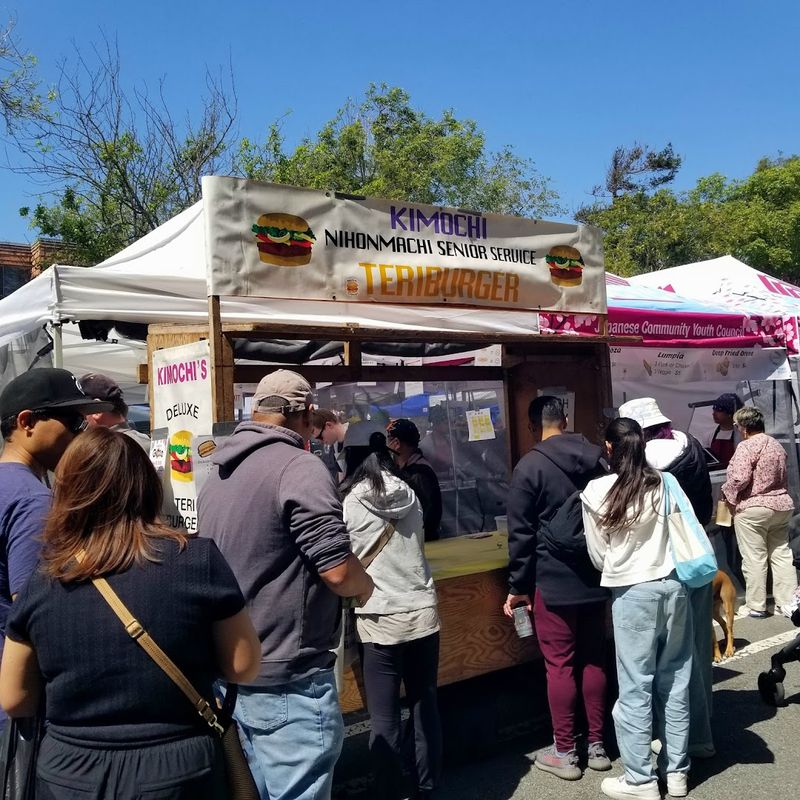
Food vendors offering authentic Japanese cuisine create aromatic corridors throughout the festival grounds.
The scent of grilling yakitori mingles with the savory aroma of takoyaki cooking on specialized griddles. Lines form at popular stalls as people wait to order dishes prepared by experienced cooks.
Sushi vendors prepare rolls and nigiri throughout the day, working quickly to serve the steady stream of customers.
Ramen stalls serve steaming bowls of noodles in rich broths, with toppings ranging from traditional to creative variations. Mochi vendors offer both savory and sweet versions of the chewy rice cakes.
Many restaurants within Japantown also participate by setting up outdoor stalls or offering festival specials. The variety allows visitors to sample multiple dishes during a single visit.
Prices remain reasonable despite the festival setting, making it possible to try several different items.
Families often purchase food and find spots in the plaza to sit and eat together. The combination of fresh preparation and authentic recipes creates memorable dining experiences.
Some vendors offer vegetarian options, accommodating different dietary needs throughout the diverse menu offerings.
5. Cherry Blossoms Transform The Neighborhood
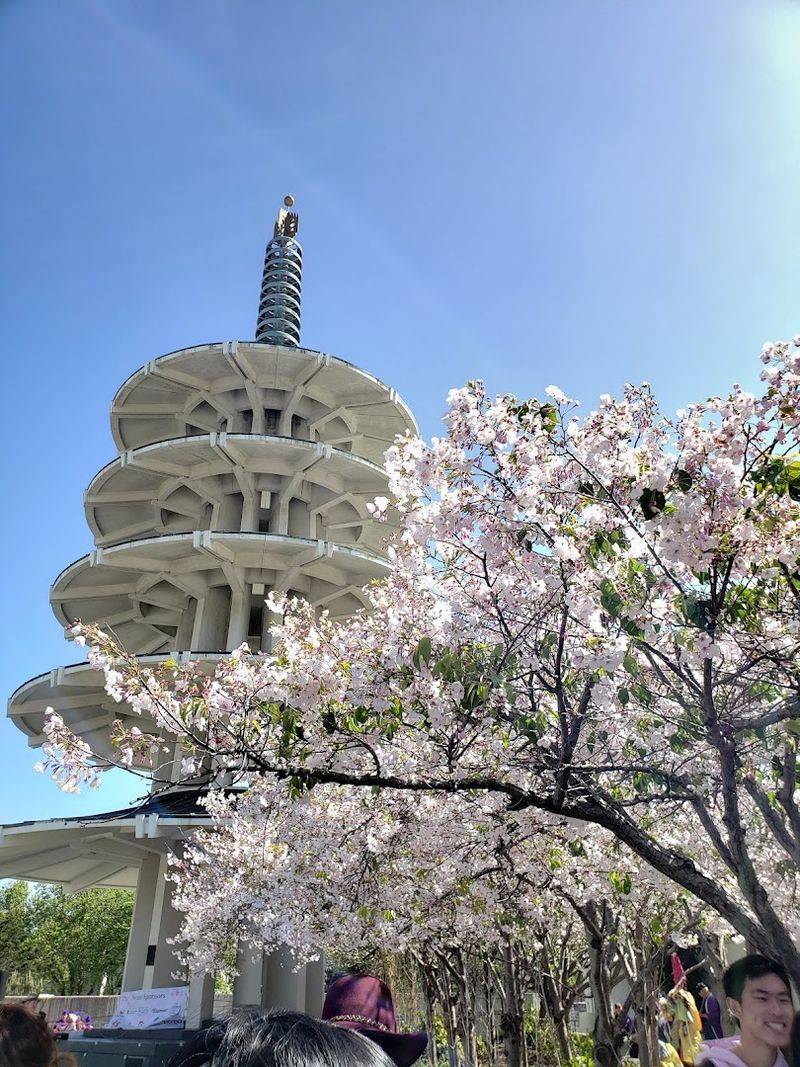
The timing of the festival coincides with peak cherry blossom season, when trees throughout Japantown display their most impressive blooms.
Delicate pink and white petals create natural canopies over sidewalks and gathering spaces. Light filters through the blossoms, casting soft shadows on the pavement below.
Visitors spend hours photographing the trees from different angles and in various lighting conditions.
The blossoms typically reach full bloom during the festival weekends, though exact timing varies slightly from year to year.
Petals drift through the air when breezes blow, creating scenes that feel transported from Japanese gardens. The Peace Pagoda in the central plaza becomes a popular backdrop for photos with the blossoms.
Families pose beneath branches heavy with flowers, creating annual traditions of festival photography.
The contrast between the architectural elements and natural beauty creates striking visual compositions.
Some visitors arrive early in the morning to see the blossoms in softer light before crowds gather. The flowers look different at various times of day as sunlight changes position.
By late afternoon, petals scattered on the ground create pink carpets along walkways.
6. Martial Arts Demonstrations Showcase Discipline
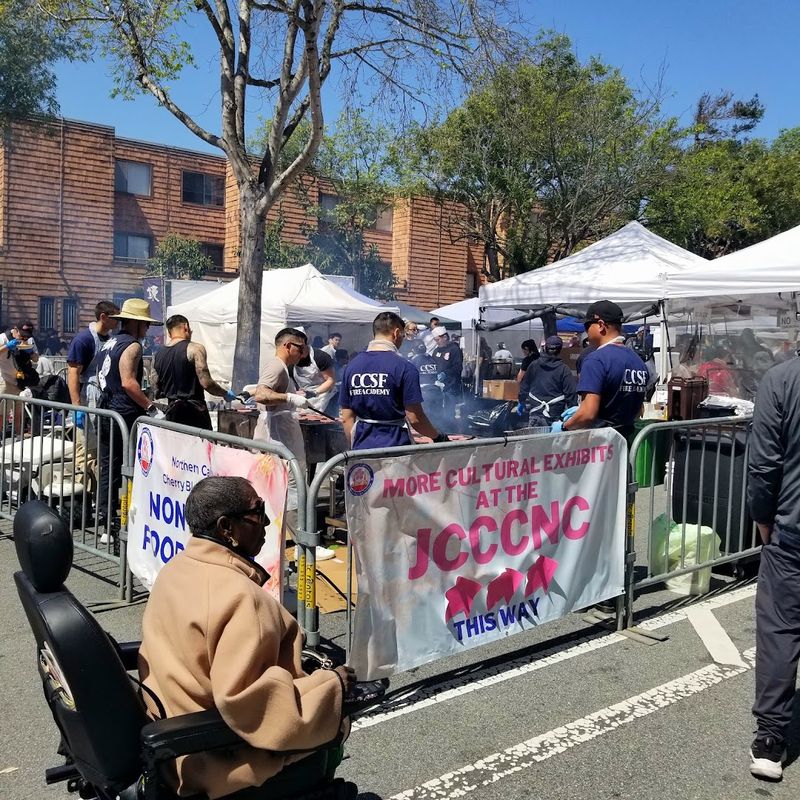
Martial arts demonstrations throughout the festival highlight the physical and mental discipline inherent in traditional Japanese fighting styles.
Practitioners demonstrate kata sequences with precise movements and controlled power. The demonstrations include various styles such as karate, aikido, judo, and kendo.
Kendo practitioners in protective armor engage in controlled sparring matches using bamboo swords.
The sharp crack of bamboo striking bamboo punctuates the demonstrations as competitors move through traditional forms. Judges explain the significance of different techniques to audiences unfamiliar with the sport.
Aikido demonstrations often involve multiple attackers, showing how the art redirects aggressive energy rather than meeting force with force.
The flowing movements look almost choreographed despite being genuine defensive techniques. Instructors sometimes invite volunteers from the audience to experience basic techniques safely.
Young students perform alongside senior practitioners, showing progression through different skill levels.
The demonstrations emphasize respect, control, and the philosophical aspects of martial arts beyond simple combat.
Between demonstrations, martial artists answer questions about their training and the history of their particular style.
7. Traditional Tea Ceremony Offers Quiet Contemplation
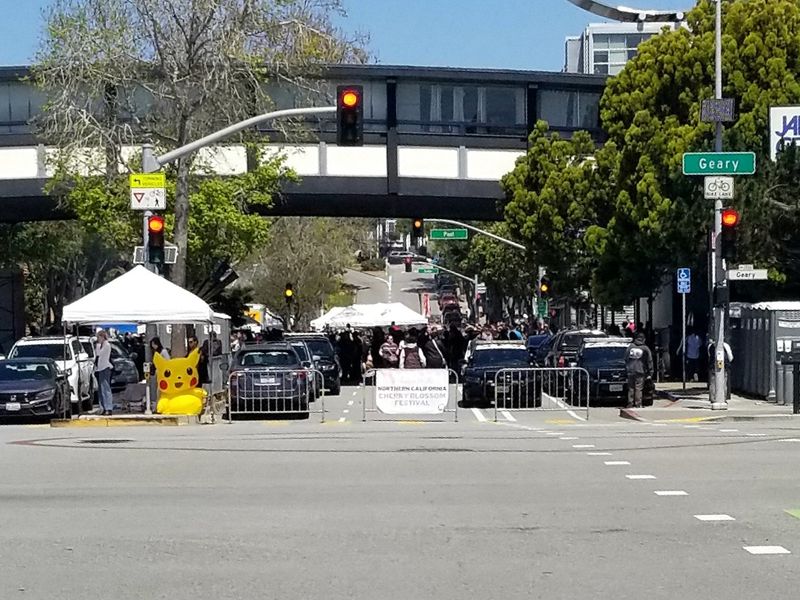
Tea ceremony demonstrations provide moments of calm contemplation amid the festival’s energetic atmosphere.
Tea masters in formal kimono perform each movement with deliberate precision, whisking matcha powder into frothy green tea.
The ceremony follows centuries-old protocols that transform simple tea preparation into meditative practice.
Small groups gather to watch the ceremonies in designated quiet spaces away from main performance areas.
The tea master explains each step while performing the ritual, helping observers understand the significance of specific gestures.
Special attention goes to the handling of tea bowls, which are often valuable ceramic pieces. The ceremony emphasizes harmony, respect, purity, and tranquility through its structured movements.
Guests who participate in full ceremonies receive instruction on proper etiquette for accepting and drinking the tea.
The bitter taste of matcha surprises some first-time participants, though the flavor grows more complex with each sip.
The ceremony spaces often feature simple flower arrangements and hanging scrolls that complement the tea service. Participants sit on tatami mats or cushions during the demonstration.
The contrast between the ceremony’s quiet focus and the festival’s lively energy creates appreciation for both aspects of Japanese culture.
8. Ikebana Displays Show Living Art
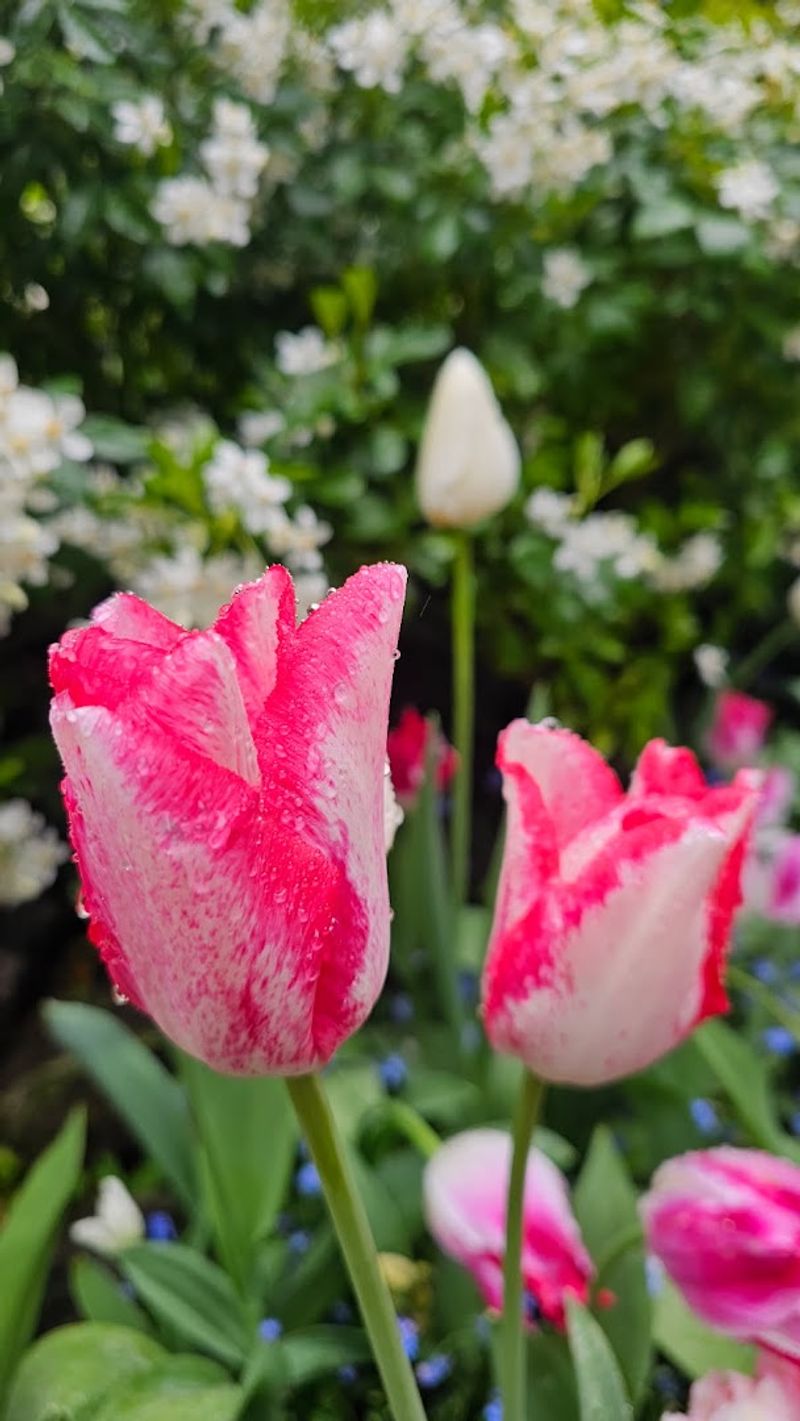
Ikebana demonstrations and displays showcase the Japanese art of flower arrangement throughout the festival grounds.
Master arrangers create compositions that emphasize line, form, and space rather than simply massing flowers together.
Each arrangement follows specific school traditions, with different styles representing various philosophical approaches to the art.
The arrangements often incorporate cherry blossoms along with other seasonal flowers and interesting branches or foliage.
Arrangers work with minimal materials, allowing each element to maintain its individual character within the composition. The negative space in arrangements carries as much importance as the flowers themselves.
Demonstrations show the decision-making process behind each placement, with arrangers explaining their choices to observers.
The cutting of stems to precise lengths and angles requires both technical skill and aesthetic judgment.
Some arrangements take shape in minutes, while more complex pieces require extended periods of careful work.
Visitors learn about the symbolic meanings associated with different flowers and the importance of seasonal appropriateness in traditional ikebana.
The arrangements change throughout the day as some are completed and new ones begin.
Photography of the displays is encouraged, with many visitors studying the compositions from multiple angles.
9. Bonsai Displays Showcase Miniature Landscapes
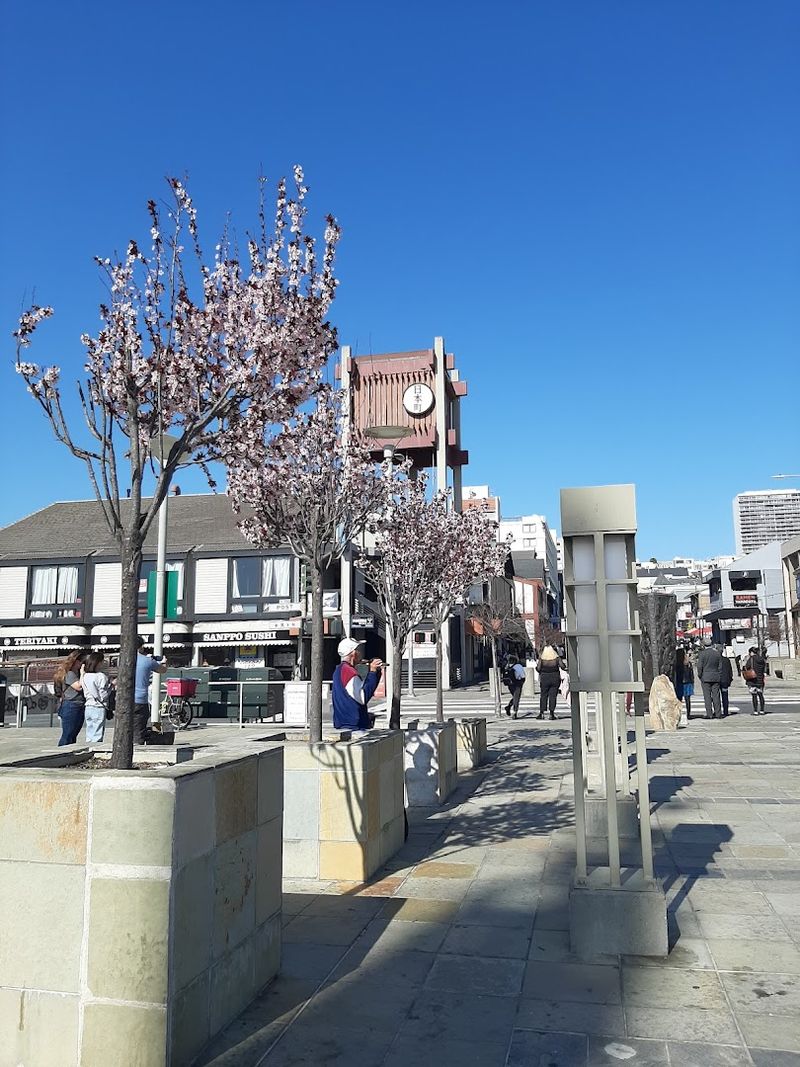
Bonsai displays feature carefully cultivated miniature trees that represent decades of patient care and artistic vision.
Some specimens are over fifty years old, their twisted trunks and carefully pruned branches creating the appearance of ancient trees in miniature form.
The trees sit in ceramic pots chosen to complement each specimen’s character.
Bonsai artists attend the displays to answer questions about cultivation techniques and the philosophy behind the art form.
Visitors learn about the years of training required to shape trees through careful pruning and wiring. The displays include various styles from formal upright to cascade, each following different aesthetic principles.
Some demonstrations show actual pruning and wiring techniques, allowing observers to see how artists maintain and refine their trees.
The tools used for bonsai work are specialized instruments designed for precise cutting and shaping. Artists explain how they work with the natural growth patterns of trees rather than forcing unnatural forms.
The displays include both traditional Japanese species like pine and maple, along with trees native to California adapted to bonsai cultivation.
Information cards provide details about each tree’s age, style, and species. The concentration of artistic effort in such small forms impresses many first-time observers.
10. Peace Pagoda Stands As Festival Centerpiece
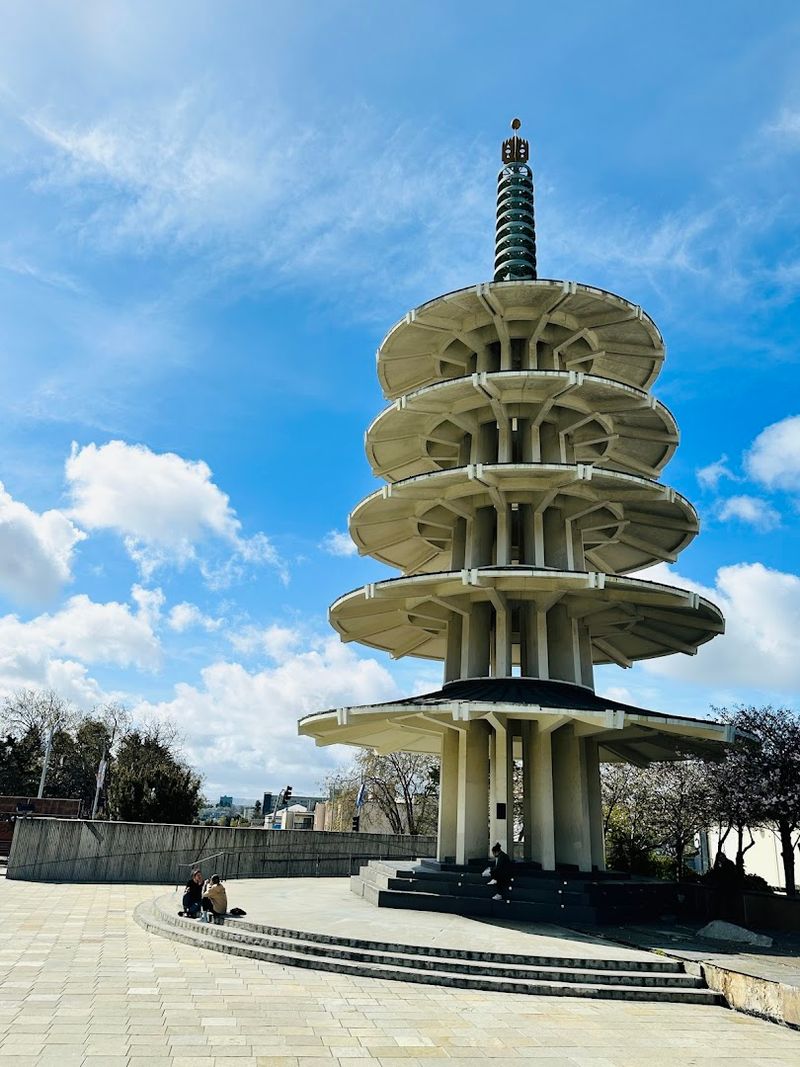
The five-tiered Peace Pagoda in Japantown’s central plaza serves as the festival’s most recognizable landmark and gathering point.
The structure rises above the surrounding plaza, its distinctive architecture visible from blocks away. Cherry blossom trees surrounding the pagoda create a natural frame during festival season.
The pagoda was dedicated in 1968 as a gesture of friendship and peace between Japan and the United States.
Its design follows traditional Japanese architectural principles while incorporating modern construction methods.
The structure becomes a focal point for photos, with visitors posing at various distances to capture different perspectives.
During the festival, the plaza around the pagoda hosts performances, demonstrations, and gathering spaces.
The open area accommodates large crowds while maintaining sight lines to the pagoda itself. Benches surrounding the plaza provide resting spots for visitors taking breaks from festival activities.
Evening light creates different moods around the pagoda as shadows lengthen and artificial lighting activates.
The combination of architecture, blossoms, and cultural activity creates scenes that justify the festival’s dreamlike reputation.
The pagoda stands as a permanent reminder of cultural exchange and peaceful international relations.